Is brown trout common in Oregon?
It’s a common question among anglers venturing into Oregon’s beautiful waterways: "Is brown trout common here?" Many of us come from states where brown trout are a staple, so it can be a bit surprising to find that while Oregon boasts incredible trout fishing, the elusive brown trout isn't quite as widespread as its rainbow or cutthroat cousins. This guide will dive into their presence in Oregon, helping you understand where to look and how to potentially land one of these notoriously wily fish.
The Elusive Nature of Brown Trout in Oregon's Waters
When you think of trout fishing in Oregon, images of vibrant rainbow trout leaping from a clear mountain stream, or perhaps a coastal cutthroat making a dash for the ocean, likely come to mind. Brown trout, however, don't hold the same dominant position in our state's angling scene. It's not that they aren't here at all, but their distribution and population numbers are far more localized and, frankly, fewer and farther between. This can be a real head-scratcher for those accustomed to their prevalence elsewhere.
Why Brown Trout Aren't as Widespread in Oregon
There are a few key reasons why brown trout don't dominate Oregon's waters. Firstly, Oregon has a strong focus on native trout species, like our beloved rainbow and various subspecies of cutthroat trout. Much of the state's stocking efforts and management strategies are geared towards enhancing these native populations or providing put-and-take opportunities with hatchery-reared rainbow trout. Brown trout, being an introduced species (originally from Europe), haven't historically received the same widespread attention or stocking programs. They thrive in certain niches, but those aren't as prevalent across the diverse range of Oregon's aquatic habitats as they might be in, say, the Rocky Mountains or eastern states.
Secondly, brown trout often prefer specific habitat conditions. They tend to do exceptionally well in waters with good structure – think undercut banks, fallen timber, and rocky bottoms – and can tolerate slightly warmer water temperatures than some other trout species, yet still prefer cool, well-oxygenated environments. While Oregon has plenty of these features, the intense competition from robust native populations and the vast array of other fish species that thrive here means the brown trout finds its stronghold in particular, often less widespread, areas. This doesn't mean they aren't worth pursuing; it just means you need to know where to focus your efforts.
The Appeal of Chasing Brown Trout
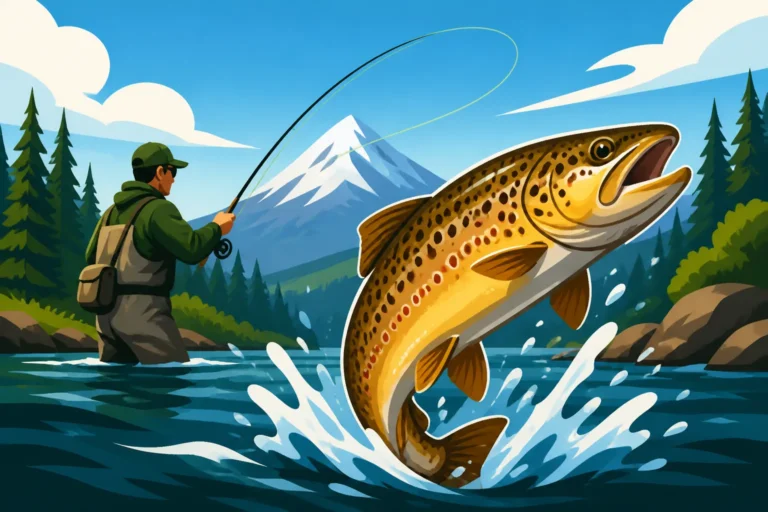
Despite their relative scarcity, brown trout hold a special allure for many anglers, myself included. They are notorious for being a bit more challenging to catch, often displaying a cunning wariness that makes landing one feel like a significant achievement. Brown trout are also known for their beautiful, often golden-brown coloration with distinctive red and black spots, making them a true prize for any angler's photo album. They can grow to impressive sizes, particularly in certain lakes and river stretches, offering the chance at a true trophy fish. The pursuit of these more elusive fish can add an exciting layer of challenge and reward to your Oregon fishing adventures. It's that feeling of hunting for a hidden gem that keeps many of us coming back.
Where You Can Find Brown Trout in Oregon
While brown trout might not be as common as other species, there are definitely specific places in Oregon where they have established themselves and offer good angling opportunities. These aren't always the most publicized spots, which only adds to their mystique and appeal for those willing to do a bit of exploration.
Key Rivers and Streams for Brown Trout
When it comes to rivers, the Deschutes River in Central Oregon stands out as a prime location. While famous for its redband rainbow trout and summer steelhead, the Deschutes also holds a healthy population of brown trout, particularly in the upper and middle sections. They tend to hang out in the deeper, slower pools, under cut banks, and near woody debris, offering a challenge to both fly and gear anglers. The Deschutes' rich insect life provides ample forage for these opportunistic predators, allowing them to grow to respectable sizes.
Other rivers, often tributaries to larger systems or those flowing through high desert plateaus, can also harbor brown trout. The Crooked River, especially below Bowman Dam near Prineville, is another notable spot. Here, the browns often share water with prolific rainbow trout, making for diverse angling. Small, often unnamed streams feeding into larger rivers or lakes in more remote areas can also be hidden gems for smaller, wild brown trout. It often takes a bit of local knowledge or keen observation to uncover these lesser-known brown trout haunts. For more on river fishing, check out Best Rivers to Fish in Oregon.
Lakes and Reservoirs with Brown Trout Populations
Lakes and reservoirs can sometimes offer more consistent opportunities for brown trout, especially for those looking for larger specimens. In Central Oregon, East Lake and Paulina Lake, part of the Newberry National Volcanic Monument, are well-known for their brown trout populations. These deep, clear lakes provide excellent habitat, and the browns here can reach impressive sizes, often ambushing baitfish like kokanee. Fishing these lakes often involves trolling deep with various lures or still-fishing with bait, particularly during the cooler months.
Another notable spot is Wallowa Lake in Northeast Oregon. While famous for its kokanee salmon, Wallowa Lake also holds some fantastic brown trout that prey on the abundant kokanee, growing large and powerful. Other high Cascade Lakes, especially those with good natural reproduction or historical stocking, might also surprise you with a brown trout or two. These lake environments often require a different approach than river fishing, with boat access often being key to reaching the best brown trout holding areas. If you're looking for different types of fishing, you might also want to explore Oregon Trout Species Guide and Oregon Salmon Species Guide.
Tips for Targeting Oregon Brown Trout
Since brown trout are often more elusive and wary, successfully targeting them in Oregon requires a slightly different approach than you might use for the state's more abundant rainbow trout. It's about understanding their habits and presenting your offering in a way that appeals to their predatory instincts.
Best Techniques for Brown Trout
Brown trout are opportunistic feeders, but they also tend to be a bit more nocturnal or active during low-light conditions, especially the larger ones. Early mornings, late evenings, and overcast days are often your best bets.
Fly Fishing: For fly anglers, streamers are often incredibly effective, especially patterns that imitate baitfish or larger insects. Think about Sculpzillas, Woolly Buggers, or various leech patterns. Presenting these with a sink-tip line in deeper runs or along structured banks can entice a strike. Nymphing with stoneflies or caddis patterns can also work, particularly in rivers like the Deschutes. Don't be afraid to use larger, more aggressive presentations than you might for smaller rainbow trout. For specific advice, consider resources like How to Fly Fish in Oregon.
Gear Fishing: Spin fishing with lures that mimic baitfish is highly successful. Spoons, spinners (like Rooster Tails or Mepps), and minnow-imitating crankbaits are excellent choices. Trolling these same types of lures in lakes and reservoirs can cover a lot of water and help locate active fish. When river fishing with gear, focus on casting into deep pools, behind large rocks, or along undercut banks where brown trout like to hide. Jigs tipped with bait or soft plastics can also be deadly when fished slowly along the bottom.
Essential Gear and Bait for Success
Having the right gear can significantly improve your chances. For fly fishing, a 5 or 6-weight rod is usually sufficient, with a sturdy reel and a good selection of leaders and tippets. For gear fishing, a medium-light spinning rod with 6-8 pound test line is versatile for most situations.
When it comes to bait, live worms or PowerBait can be effective, especially in lakes or for less pressured fish. However, for those larger, warier browns, artificial lures and flies often outshine bait. Don't forget to check Oregon Bait and Lure Guide for more options. Many anglers find specific, locally-tied flies or unique lure colors work best, and you can often find a great selection of these on Amazon, especially if you're looking for specific brands or patterns that might not be available at your local shop. A good pair of waders and wading boots is also crucial for river fishing, helping you access prime spots safely. You can find quality options for these on Amazon too, often with customer reviews that help you pick the right fit.
| Technique | Description | Ideal Conditions | Recommended Gear/Lures |
|---|---|---|---|
| Fly Fishing | Presenting artificial flies (streamers, nymphs, dry flies) to mimic natural insect or baitfish forage. | Early morning, late evening, overcast days; clear water. | 5-6 wt fly rod, sink-tip lines for streamers, floating lines for nymphs/dries. Streamers (Woolly Bugger, Sculpzilla), large nymphs (stoneflies), caddis patterns. |
| Spin Fishing | Casting and retrieving artificial lures that imitate baitfish or insects. | All day, especially low light; rivers, lakes, reservoirs. | Medium-light spinning rod, 6-8 lb monofilament or fluorocarbon line. Spinners (Mepps, Rooster Tail), spoons (Kastmaster), crankbaits (Rapala, small jerkbaits). |
| Trolling (Lakes) | Dragging lures or bait behind a boat at slow speeds to cover large areas. | Best during cooler parts of the day or year; deeper water in lakes/reservoirs. | Downriggers or lead core line for depth. Flatfish, Needlefish, spoons, wedding rings tipped with corn. |
| Bait Fishing | Using natural bait (worms, PowerBait, salmon eggs) still-fished or drifted. | Can be effective anytime, especially for less pressured fish or in stocked areas. | Light to medium rod, bobber or bottom rig with appropriate weight. Nightcrawlers, PowerBait, salmon eggs, corn. |
Seasonal Considerations
Brown trout fishing can be good throughout the year, but like many fish, their activity levels change with the seasons. Spring and fall are often considered prime times in rivers, as water temperatures are cool and fish are actively feeding. During summer, look for them in deeper, cooler holes or target them during twilight hours. In winter, lake fishing can be productive through the ice if conditions allow, or in the deeper sections of unfrozen rivers. Always remember to check Oregon Fishing Regulations Explained for specific season dates and limits for the waters you plan to fish.
Distinguishing Brown Trout from Other Oregon Species
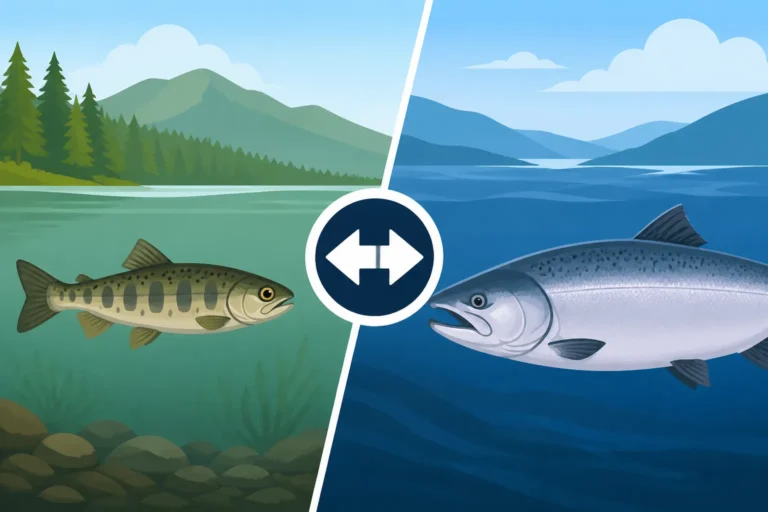
Given that brown trout aren't the most common fish in Oregon, it's pretty exciting when you finally hook one! But how can you be sure it’s actually a brown trout and not, say, a particularly colorful rainbow or a coastal cutthroat? Proper identification is important, not just for bragging rights, but also for adhering to Oregon Daily Bag Limits Explained and Oregon Catch-and-Release Rules, which can vary by species.
Key Identification Features of Brown Trout
Brown trout have some distinctive characteristics that help them stand out:
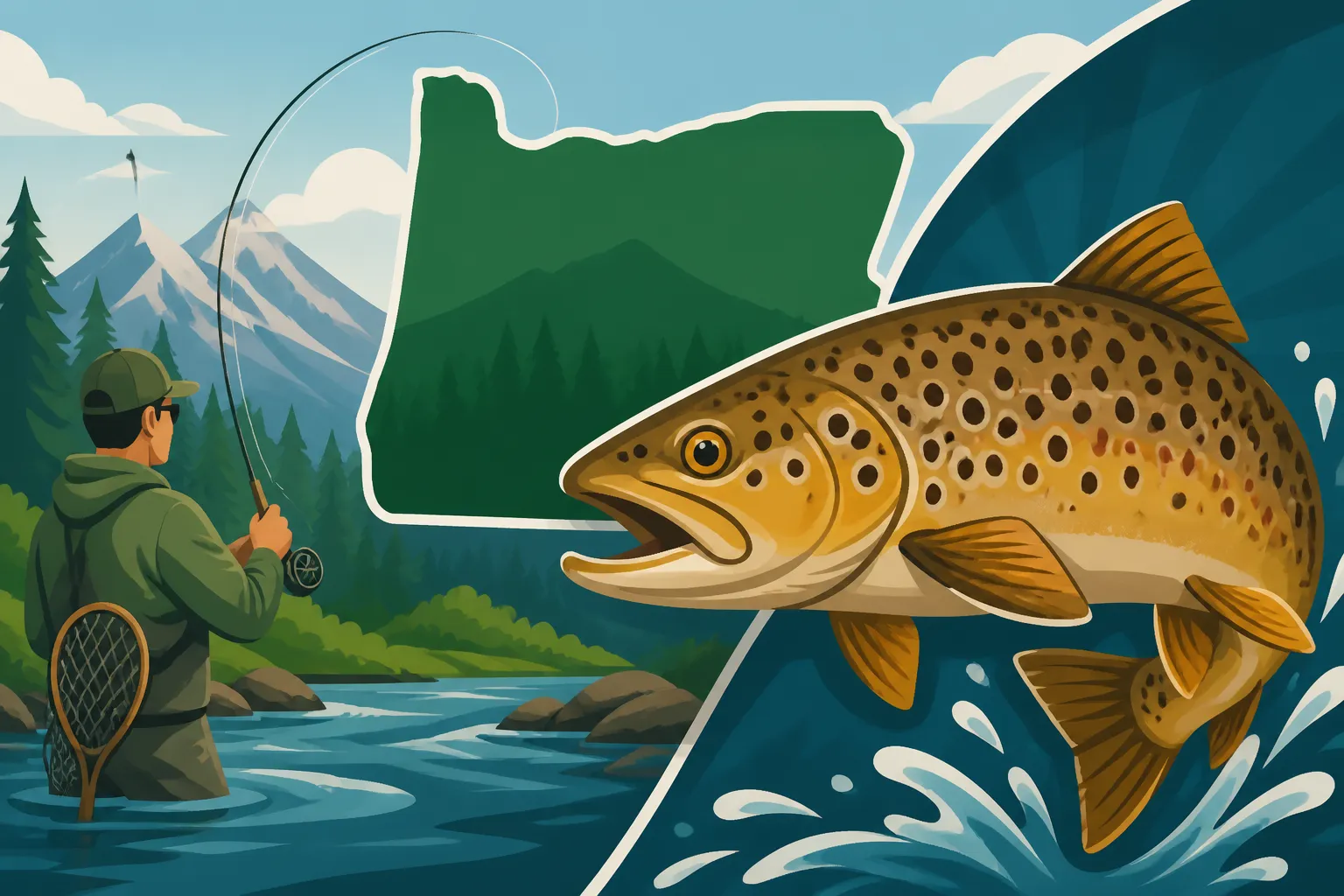
- Coloration: As their name suggests, they typically have a brownish or olive-brown back, fading to yellowish or cream sides, and a lighter belly. This can vary quite a bit depending on their habitat and diet, from almost golden in clear streams to a darker, almost bronzy hue in lake environments.
- Spots: This is a major identifier. Brown trout have prominent dark spots, often with a light halo around them, scattered across their sides, back, and dorsal fin. Crucially, they also have red or orange spots, which are usually surrounded by a blue or light halo, especially along their sides. This combination of dark and red-orange spots is a strong indicator.
- Tail: Their tail fin is usually square or slightly emarginate (forked, but not deeply), and typically unspotted, or with very few, faint spots.
- Mouth: They have a relatively large mouth that extends well past the back of the eye, especially in larger, predatory individuals.
Comparing Brown Trout to Rainbows and Cutthroats
Let’s quickly compare these features to Oregon’s more common trout species:
- Rainbow Trout (Rainbow Trout in Oregon): Rainbows are known for their iridescent pink or red stripe running along their side, from gill plate to tail. They have numerous small, dark spots all over their body, including on their tail fin, but they typically lack the distinct red-orange spots found on brown trout. Their overall body shape tends to be more streamlined.
- Cutthroat Trout (Cutthroat Trout in Oregon): The most definitive feature of a cutthroat is the distinct red or orange slash marks underneath their lower jaw, which gives them their name. Like rainbows, they also have numerous dark spots, often concentrated towards the tail, and their tails are typically spotted. They generally don’t have the red-orange spots on their sides that brown trout do.
By paying close attention to these details – the overall color, the type and placement of spots, the presence of the jaw slash, and the tail spotting – you'll be well on your way to accurately identifying that prize catch. If you’re ever unsure, a quick photo can help you consult a field guide later. You can find excellent fishing guides and identification books on Amazon, which are invaluable resources for any angler. Having a portable guide or a good app on your phone can make a huge difference in the field, helping you learn about Oregon Fishing Season Dates and Limits for different species.
Expanding Your Oregon Trout Fishing Horizons
While brown trout might not be the most common fish in Oregon, their presence adds another layer of excitement and challenge to the state's already incredible fishing landscape. Pursuing these wary, beautiful fish can teach you a lot about reading water, patience, and adapting your techniques. It’s a pursuit that often takes you to quieter, more contemplative corners of our state, offering not just a chance at a fish, but a memorable outdoor experience.
Remember, fishing is as much about the journey and the learning as it is about the catch. The thrill of figuring out a new water, the satisfaction of making the right cast, and the sheer beauty of Oregon's wilderness are rewards in themselves. So, arm yourself with knowledge, perhaps pick up some specialized gear or flies from Amazon, and head out with an open mind. You might just find that elusive brown trout waiting for you in a shadowy pool, ready to make your day. Don't forget that many local tackle shops also have fantastic, hyper-local advice and gear that might give you an edge, and you can supplement that with the vast selection of fishing accessories and clothing available on Amazon. Enjoy the adventure, and tight lines out there!
Disclaimer
This article is for general informational purposes only and does not constitute professional advice. Laws, prices and regulations vary by location and change over time. Consult a qualified professional for guidance on your specific situation.