How to jig for perch through the ice
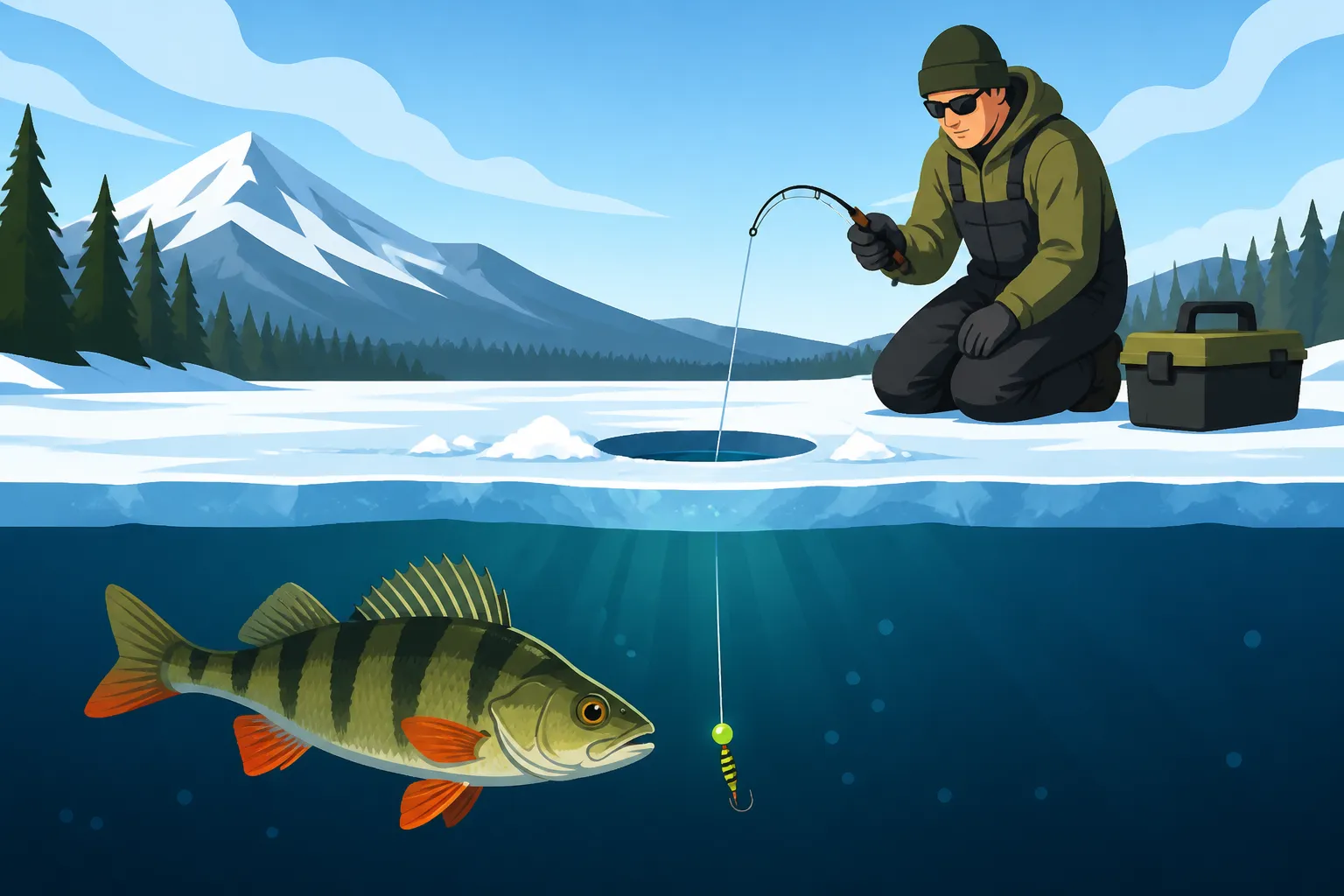
Oh, the allure of ice fishing for perch! There's something truly magical about venturing out onto a frozen lake, drilling a hole, and dropping a line into the icy depths, especially when you're after those feisty yellow perch. Many folks get intimidated by the idea of ice fishing, thinking it's too complicated or requires specialized knowledge, but I promise you, with a bit of guidance, jigging for perch through the ice in Oregon can become one of your most rewarding winter pastimes. This guide is all about breaking down the mysteries, offering practical tips, and helping you land a mess of delicious perch on your next frozen adventure.
Understanding Perch Behavior Under Ice in Oregon
When a lake freezes over, the underwater world doesn't just go dormant; it changes dramatically. Fish, including our beloved perch, alter their behavior, movements, and feeding habits in response to colder temperatures and reduced light. To consistently catch perch through the ice, we need to think like a perch and understand what drives them in their chilly environment.
Where Perch Hold in Icy Waters
Yellow perch are schooling fish, and that's a huge advantage for us ice anglers. If you find one, you're very likely to find more. In winter, their movements become a bit more restricted, and they tend to congregate in specific areas where food is accessible and conditions are stable.
First off, think about structure. Just like in open water, perch love cover. This could be submerged weed beds, rock piles, drop-offs, sunken timber, or even old docks and cribs. These structures provide protection from predators and act as ambush points for their prey. If you're on a new lake, start by looking for points that extend into the lake or sudden changes in depth. These transitional zones often hold baitfish, which in turn attract perch. Perch are also often found near the deepest parts of a lake or reservoir, especially when oxygen levels might be lower in shallower, heavily vegetated areas later in the winter. However, they'll move shallower to feed during prime times. Don't be afraid to drill holes across a range of depths, from 10 feet out to 30 or 40 feet, until you pinpoint where the schools are hanging out. Using a good topographical map or a fish finder with GPS can be invaluable here to mark those promising underwater features before you even hit the ice.
The Impact of Water Temperature and Oxygen
Under the ice, water temperature becomes remarkably stable. Lakes stratify differently than in summer; the warmest water (around 39°F or 4°C, which is when water is densest) will be at the bottom, and it gradually cools to freezing right under the ice. Perch are cold-blooded, so their metabolism slows down in these frigid conditions. This means they're not as active as they would be in warmer months, and their feeding windows might be shorter or less aggressive.
Oxygen levels also play a crucial role. As ice covers the lake, it cuts off the water's contact with the atmosphere, limiting oxygen replenishment. Decaying organic matter on the lake bottom consumes oxygen, so areas with excessive decomposition (like very mucky, stagnant bottoms or dense, decaying weed beds) might become oxygen-depleted. Perch will avoid these "dead zones." They tend to favor areas with steady oxygen flow, which could be near springs, inlets, or simply in clearer, deeper water where oxygen is more evenly distributed. A good fish finder can sometimes give you clues about oxygen levels, as fish will often be suspended above the very bottom if the oxygen down deep is poor. Knowing about Oregon Fishing Seasons Explained can give you a broader context for how different fish react to seasonal changes.
Essential Gear for Ice Jigging Perch in Oregon
Alright, let's talk gear! You don't need a massive tackle box full of expensive equipment to get started, but having the right tools for the job will make your ice fishing experience much more enjoyable and successful. Think smart, not just fancy.
Rods, Reels, and Line Selection
For perch, you'll want specialized ice fishing gear, which is designed for finesse and sensitivity.
Rods: Look for a light to ultralight action ice fishing rod, typically 24 to 32 inches long. These shorter rods are perfect for working inside a small ice shelter and offer incredible sensitivity to detect those subtle perch bites. The tip should be soft enough to bend easily, indicating a strike, while the backbone has enough power to set the hook. Brands like Amazon offer a wide range of ice fishing combos suitable for perch, so you can often find a good starter setup without breaking the bank. Some anglers even prefer a spring bobber attachment on their rod tip, which is a tiny, super-sensitive spring that shows even the most delicate bites.
Reels: A small spinning reel (size 500 to 1000) is ideal. It should have a smooth drag system, which is important for fighting even a modest-sized perch, and a comfortable retrieve. Make sure it's rated for cold weather to prevent freezing issues. Again, you'll find plenty of options on Amazon that fit the bill.
Line: This is critical. Monofilament line in 2-4 pound test is a common choice. It's affordable, has good knot strength, and enough stretch to act as a shock absorber. However, many seasoned ice anglers swear by fluorocarbon line in the same test range. Fluorocarbon is nearly invisible underwater, which can be a huge advantage for finicky perch, and it has less stretch, offering more sensitivity. It also sinks faster. Braided line can be used, but it's often overkill for perch and can absorb water and freeze, making it less practical for ice fishing unless paired with a fluorocarbon leader. A good rule of thumb is to use the lightest line you can get away with; this improves bait presentation and increases bites. For more general advice on line, exploring Oregon Bait and Lure Guide might provide some helpful context.
Choosing the Right Jigs and Baits
This is where the fun really begins! Perch aren't overly picky, but certain presentations definitely outperform others.
Jigs:
- Spoon Jigs: These are versatile and mimic injured baitfish. They typically have a fluttering action on the drop. Common sizes range from 1/32 oz to 1/8 oz. Popular colors include silver, gold, chartreuse, and perch patterns. Jig them with a sharp upward snap, let them fall, and pause.
- Teardrop Jigs: Small, weighted jigs, often tipped with bait. They're excellent for a subtle presentation, especially when perch are sluggish. Tungsten teardrops are popular because they are denser than lead, meaning a smaller jig can have the same weight, which allows for a more natural presentation while still getting down quickly.
- Small Soft Plastics: Tiny grub tails, tubes, or larvae imitations on a small jig head can be incredibly effective. Perch love to inspect and peck at these. Experiment with colors; sometimes a bright pink or chartreuse is key, other times a natural black, brown, or white is what they want. Many anglers have great success with micro plastics from companies like Berkley PowerBait or Mister Twister.
- Blade Baits: Small, vibrating baits that can draw fish in from a distance. They work well for more aggressive perch.
Baits:
- Live Bait: This is often the undisputed king for perch. Maggots, wax worms, and spikes (fly larvae) are tiny, wiggly, and irresistible. Tip your jig with one or two of these. Small minnows (if legal in your specific water body, always check regulations!) can also be deadly, especially when fished under a small bobber or with a dead stick setup.
- Artificial Scent/Attractant: Some anglers swear by adding a dab of scent to their artificial lures or live bait. This can help entice a hesitant perch to commit.
Remember, perch have relatively small mouths, so don't go too big with your lures. A quick search on Amazon will reveal an overwhelming selection of tiny jigs and specialized ice fishing baits, so you can easily stock up.
Ice Fishing Shelter and Safety Gear
While the thought of just sitting on a bucket in the open air seems romantic, an ice fishing shelter can be a game-changer, especially on a blustery Oregon winter day.
Shelters:
- Portable Pop-up Shelters: These are quick to set up and take down, and they're lightweight. They offer excellent protection from wind and snow, making for a much more comfortable day on the ice. Some even come insulated, which is a blessing on those truly frigid mornings.
- Flip-over Shelters: Often attached to a sled, these are perfect for mobility. You can easily pull them across the ice, and they flip open in seconds to provide instant shelter. They're great for "run-and-gun" fishing, where you're constantly moving to find active fish.
Augers:
- Manual Augers: Affordable and effective for thinner ice. They require some muscle but are perfectly fine for a few holes.
- Propane or Electric Augers: These are lifesavers for thicker ice or if you plan to drill many holes. They make quick work of drilling, saving your energy for fishing. Brands like Eskimo or ION are popular choices.
Safety Gear (Non-negotiable!):
- Ice Picks: These are paramount. Worn around your neck, they can help you pull yourself out of the water if you fall through.
- Spud Bar: Essential for checking ice thickness as you walk. Tap it firmly in front of you. If it goes through easily, the ice is too thin.
- Throw Rope: A floating rope with a loop on the end, kept accessible for rescuing others.
- Warm Clothing: Layers are key. Waterproof outer layers, insulated boots, warm hat, gloves, and a life vest (even on the ice, for buoyancy if you fall through).
- First Aid Kit: Always a good idea.
- Cell Phone: Fully charged, in a waterproof bag.
- Buddy System: Never ice fish alone!
Understanding Oregon Fishing Regulations Explained is also vital before you head out, as ice thickness and other safety parameters might be referenced there, or at the very least, you need to know legal requirements.
Mastering Ice Jigging Techniques for Perch
So, you've got your gear and you're out on the ice. Now what? The actual act of jigging for perch is a subtle art that takes practice, but there are some fundamental techniques that will dramatically increase your chances of success.
Drilling and Locating Productive Holes
This is probably the most critical step after ensuring ice safety. You can have the best gear and the most perfect jigging technique, but if you're not over fish, you won't catch anything.
"Swiss Cheese" the Area: Don't just drill one hole and sit there all day. Drill a series of holes in a grid pattern, or along a contour line, covering different depths and structures. For instance, if you're targeting a point, drill holes starting shallow (say, 10 feet) and work your way deeper (20, 30, 40 feet) along the slope. Perch often move, following baitfish or reacting to pressure changes. By drilling multiple holes, you increase your chances of intercepting a school.
Use Your Electronics: A portable fish finder or flasher is an absolute game-changer for ice fishing. Drop your transducer into each hole. It will instantly tell you the depth, the bottom composition, and most importantly, if there are fish present. Look for "marks" or "blips" that indicate fish. If you see activity, stay there and fish it hard. If not, move to the next hole. Your fish finder also shows you your jig in the water, so you can see how fish react to your presentation. This visual feedback is invaluable for learning. For more general advice on where to cast your line, checking out Best Places to Fish in Oregon could broaden your understanding of prime locations.
The Art of the Jig: Action and Presentation
Once you've found a promising hole, it's time to jig! Perch bites can be incredibly light in cold water, sometimes feeling like just a slight pressure or a tiny tap.
The "Standard" Jig:
- Drop to Bottom: Let your jig drop all the way to the bottom. Perch often cruise along the bottom, picking off invertebrates.
- Lift and Hold: Reel up a foot or two off the bottom. Start with your jig just above the bottom, as perch often look up for food.
- Subtle Jigging: Begin with small, subtle movements. A typical jigging motion involves a slight lift of the rod tip (maybe 6-12 inches), followed by a controlled drop back down. This makes the jig "swim" or flutter.
- Pause is Key: After each lift and drop, pause. This pause is crucial, as often perch will strike when the bait is stationary or slowly falling. Hold it still for 5-15 seconds.
- Vary the Rhythm: Experiment! Sometimes perch want aggressive snaps and long pauses, other times they prefer tiny wiggles and shivers of the rod tip. Change your jigging cadence until you find what triggers a bite.
Pounding the Bottom: If fish are sluggish or hugging the bottom, try "pounding" your jig. Drop it so it lightly taps the bottom a few times, stirring up a small puff of sediment. This can mimic feeding fish or disturbed prey and attract curious perch.
Dead Stick: Many anglers use a second rod (where regulations allow for multiple rods) as a "dead stick." This rod is set up with a simple hook and live bait (like a minnow or a couple of maggots) under a bobber, just sitting still in the water a few feet off the bottom. Often, the most subtle bites will come on the dead stick, as perch might be hesitant to chase a jig but can't resist an easy meal.
Reading Your Electronics and Adapting
Your fish finder isn't just for locating fish; it's also your real-time feedback system.
Observe Reactions: Watch how fish marks react to your jig. If you drop your jig and a fish mark rises quickly to meet it, you've likely found aggressive fish. If they approach slowly and then dart away, they're probably finicky.
- Fish Ignoring Jig: If fish marks are present but show no interest in your jig, try changing baits, colors, or sizes. Sometimes a tiny change can make all the difference. Or, try raising or lowering your jig; maybe the fish are feeding higher in the water column.
- Following but Not Biting: If fish follow your jig but don't commit, slow down your presentation. Make smaller, more subtle movements, or simply hold the jig still for longer periods. Sometimes a very slow, almost imperceptible lift is all it takes.
- Aggressive Bites: If fish are hitting hard, don't be afraid to jig more aggressively or use a slightly larger lure to draw in bigger fish from the school.
The ability to read your electronics and quickly adapt your technique is what separates consistent ice anglers from those who only catch fish occasionally. It's a constant dialogue between you, your jig, and the fish below. For those wanting to delve deeper into techniques, topics like Oregon Trout Fishing Techniques or Oregon Salmon Fishing Techniques illustrate how varied approaches are for different species.
Timing Your Oregon Ice Perch Trip for Success
Even with the best gear and techniques, timing can be everything when it comes to ice fishing. Knowing when and where to go can drastically improve your chances of a full bucket of perch.
Best Time of Day and Season for Perch
Perch, like many fish, often have feeding windows, even under the ice.
Time of Day: The most reliable times to catch perch through the ice are typically early morning (first few hours after sunrise) and late afternoon (the last hour or two before sunset). These low-light periods often trigger feeding activity. During midday, activity can slow down, but if you're on a productive school, you can still catch them. On overcast days, the bite might extend longer through the middle of the day.
Season (Winter Progression):
- Early Ice (First few weeks after freeze-up): This is often a fantastic time for perch. They're still relatively active, and oxygen levels are usually high throughout the water column. They'll often be found shallower, near green weeds or points, aggressively feeding before the long winter truly sets in. This is a great time to hit the ice, but be extra cautious with ice thickness.
- Mid-Winter (January-February in many areas): The bite can slow down considerably during the coldest, darkest part of winter. Perch might move to deeper basin areas, concentrating in schools. You'll need to be more persistent, use smaller baits, and employ very subtle jigging techniques. This is when your fish finder really shines, as finding those deeper schools is key.
- Late Ice (March, as ice begins to melt): As daylight lengthens and the ice starts to break up around the edges, perch activity picks up again. They often move shallower, especially towards inlets or areas with fresh oxygenated water. This "last hurrah" can be incredibly productive, with perch feeding aggressively in preparation for spawning. However, ice conditions can deteriorate rapidly, making safety paramount. Always check conditions and stay clear of dangerous areas. Learning about Best Time of Year to Fish in Oregon can provide broader insights.
Weather Considerations and Ice Safety
Weather conditions don't just affect your comfort; they can also influence fish behavior and, most critically, ice safety.
Weather Impact on Fish:
- Barometric Pressure: A stable high-pressure system (clear, sunny days) often brings a slower bite, though it's beautiful for being outside. Falling barometric pressure (often before a storm) can stimulate feeding, while rapidly rising pressure after a front can shut it down.
- Cloud Cover: Overcast days often lead to a more consistent bite throughout the day, as the low light conditions mimic dawn/dusk.
- Wind: Wind can make fishing miserable by creating white-out conditions and extreme cold. It also makes it harder to feel subtle bites. A good ice shelter is essential on windy days.
Ice Safety (Reiterated and Expanded): I can't stress this enough: NO FISH IS WORTH YOUR LIFE.
- Minimum Ice Thickness: A generally accepted minimum for walking on clear, solid ice is 4 inches. For a snowmobile or ATV, it's 5-7 inches. For a light car or truck, 8-12 inches. These are general guidelines; always verify current conditions.
- Check Conditions Locally: Before you even leave the house, check with local bait shops, guides, or online forums for up-to-date ice reports for the specific lake you plan to visit.
- Ice Appearance:
- Clear, blue ice is generally the strongest.
- White or opaque ice (often from refrozen snow) is about half as strong as clear ice.
- Gray or slushy ice indicates melting and should be avoided at all costs.
- Avoid Dangerous Areas: Stay away from inlets, outlets, bridges, pressure ridges, and areas with submerged timber or rocks, as these spots often have thinner or unstable ice due to currents or heat absorption.
- Tell Someone: Always let someone know where you're going and when you expect to return.
- Dress for the Worst: Wear layers, and assume you might get wet. Hypothermia is a real danger.
Many Oregon lakes and reservoirs offer fantastic ice fishing opportunities for perch, like some in Central Oregon. Always double-check Oregon Fishing Regulations Explained for specific body-of-water rules and current conditions, as things can change rapidly. Safe ice fishing means a fun and productive day on the hard water.
Perch Jigging Guide
| Jig Type | Description | Ideal Conditions | Suggested Bait Tip |
|---|---|---|---|
| Spoon Jigs | Metal, flashy, mimics injured baitfish. | Active perch, low light, drawing fish in | Single maggot, small piece of nightcrawler, tiny minnow |
| Teardrop Jigs | Small, weighted, often tungsten, subtle. | Finicky perch, clear water, slow bite | 1-2 spikes/wax worms, tiny soft plastic grub |
| Soft Plastics | Micro grubs, tubes, larvae imitations. | Perch inspecting bait, natural presentation | No additional bait needed, but scent can help |
| Blade Baits | Vibrating, flash, creates commotion. | Aggressive perch, searching for schools | Small minnow head or a few maggots on the hook |
Disclaimer
This article is for general informational purposes only and does not constitute professional advice. Laws, prices and regulations vary by location and change over time. Consult a qualified professional for guidance on your specific situation.