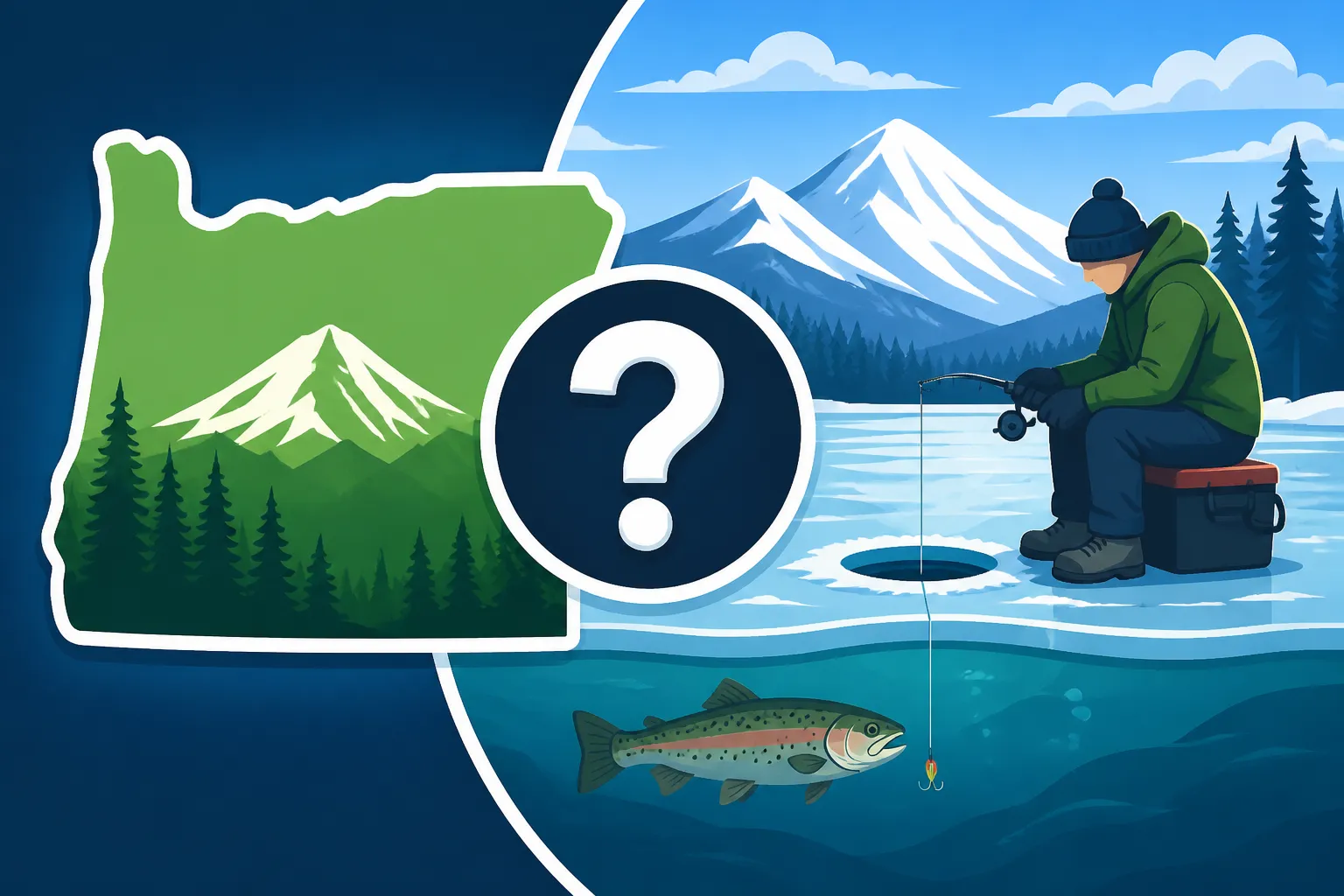
Does Oregon have ice fishing lakes?
For many anglers, the thought of ice fishing conjures images of endless frozen landscapes in the Midwest or New England, tiny shacks, and thermos after thermos of hot coffee. So, if you're living in or visiting our beautiful state of Oregon and wondering if you can partake in this unique winter pursuit, you're not alone in your curiosity! The truth is, ice fishing here is a bit more nuanced than in those classic ice-fishing locales, but it is indeed possible, and it offers a truly special way to experience winter angling. This guide will walk you through the realities, best bets, and essential preparations for ice fishing in Oregon.
The Reality of Ice Fishing in Oregon
Let's get right to it: Oregon isn't exactly famous for its ice fishing. Unlike states known for brutal, consistent winters that lock up vast bodies of water for months on end, our climate is often milder and more unpredictable. This can be frustrating when you're geared up and ready for a hardwater adventure, only to find the ice too thin or non-existent. However, that doesn't mean it's impossible. It just means you need to be strategic, patient, and incredibly mindful of conditions.
The primary challenge lies in the variability of our winter weather. We get those glorious crisp, cold snaps, but they often don't last long enough or get cold enough to create truly safe, consistent ice on larger, lower-elevation lakes. This is why you rarely hear about widespread ice fishing opportunities across the state. It's more of a niche activity, dependent on specific geographical factors and persistent cold.
Climate and Geography Challenges
Oregon's diverse geography, ranging from the mild, wet coast to the dry, cold high desert, plays a huge role in where and when ice fishing might be possible. Along the coast and in the Willamette Valley, consistently thick ice is a rarity. The temperatures simply don't stay low enough for long enough, and frequent rain can compromise ice integrity. It's a different story once you head east into the high Cascades or into Eastern Oregon's plateaus and mountains.
Here, higher elevations translate directly into colder temperatures and less direct solar radiation, allowing ice to form and often persist for longer durations. Lakes nestled in mountain valleys or on high plateaus are your best bet. However, even in these areas, a mid-winter warm spell or heavy snowfall can quickly change conditions. Snowfall, while beautiful, can actually insulate thinner ice, preventing it from thickening, or create slush pockets that make travel treacherous. Always remember that even when a lake appears frozen, there can be areas of open water or dangerously thin ice, especially near inflows, outflows, or springs.
Specific Lakes for Ice Fishing When Conditions Allow
So, where can you try your luck? When conditions align, typically from mid-December through February, several high-elevation lakes in Central and Eastern Oregon become prime (though never guaranteed) candidates for ice fishing. These spots are usually above 4,000 feet in elevation.
One of the most popular and consistent spots is Diamond Lake. Nestled in the Umpqua National Forest, its relatively shallow depth and high elevation often lead to good ice conditions, making it a favorite for many seeking to know Is Diamond Lake good for ice fishing?. Anglers here often target rainbow trout, and the scenery is absolutely breathtaking. Another prime location, especially for those seeking to catch kokanee salmon through the ice, is Wallowa Lake in Northeast Oregon. This deep glacial lake offers a stunning backdrop to your winter adventure.
Other potential spots include some of the smaller, higher elevation lakes and reservoirs in Central Oregon, like Crane Prairie Reservoir or Wickiup Reservoir, though these can be trickier due to their size and the influence of river inflows/outflows. Sometimes, smaller, isolated ponds or lakes in the Ochoco or Strawberry Mountains might also freeze over, but these often require more extensive research and local knowledge. It's crucial to consult local resources and fellow anglers for current ice reports, as conditions can change rapidly. Remember, consistency is the key, and Oregon's consistent cold is often fleeting.
Essential Gear for Oregon Ice Fishing Adventures
If you’ve decided to brave the elements and try your hand at ice fishing in Oregon, having the right gear is non-negotiable. This isn't just about comfort; it's about safety and effectiveness. You can't just repurpose your summer gear and expect to have a good time or stay safe. The demands of freezing temperatures, slippery surfaces, and drilling through ice require specialized tools.
Think of it like this: you wouldn't go hiking Mount Hood in flip-flops. Similarly, you shouldn't go ice fishing without the proper equipment designed for the environment. Investing in reliable gear will make your experience far more enjoyable and significantly reduce risks. This is especially true when you're venturing out onto potentially unpredictable ice surfaces, which is often the case in Oregon.
Safety Gear is Paramount
Before you even think about dropping a line, prioritize your safety. Ice fishing is inherently risky if not approached with extreme caution. Given Oregon's often variable ice conditions, this step is even more critical here.
First and foremost, you need a way to check ice thickness before you venture out. An ice auger, which we'll discuss in a moment, can double as a test drill. Never assume the ice is safe because someone else is on it, or because it looks thick. "New ice is usually stronger than old ice," as the saying goes, but even that's not a guarantee. You want at least 4 inches of clear, solid ice for individual walking, and more for groups or snowmobiles. Carry ice picks around your neck – these are inexpensive, vital tools that can help you pull yourself out if you break through. A rope (at least 50 feet) is also critical, allowing someone else to pull you to safety without putting themselves at risk. Consider wearing a flotation suit or vest; these can be lifesavers if you end up in the water. Remember, hypothermia sets in quickly in freezing water. Always tell someone where you're going and when you expect to return. This isn't just a suggestion; it's a vital part of responsible outdoor recreation, especially during our Oregon Winter Fishing Options.
Specialized Fishing Equipment
Once you've got your safety sorted, you can focus on the fishing essentials. The right tools make all the difference in staying warm and productive.
- Ice Auger: This is your primary tool for creating fishing holes. Manual augers are great for portability and cost-effectiveness, especially if you're only drilling a few holes. However, for multiple holes or thicker ice, a power auger (gas or electric) can be a godsend. You can find a wide selection of augers on platforms like Amazon.
- Ice Rods and Reels: These are much shorter than conventional rods (typically 24-36 inches), designed for fishing directly over a hole. They allow for precise jigging and are easier to manage in a shelter. Match the rod's action to the species you're targeting; lighter action for trout, heavier for larger fish.
- Shelter: A portable ice fishing shelter (pop-up or flip-over style) provides much-needed protection from wind and cold. Even on a seemingly calm day, sitting on ice for hours can be brutal without a windbreak. Many shelters can be heated with a small propane heater (ensure proper ventilation!).
- Cold-Weather Clothing: Layering is key! Start with a moisture-wicking base layer, add insulating mid-layers (fleece or down), and finish with a waterproof, windproof outer shell. Insulated boots, waterproof gloves, and a warm hat are absolutely essential. Cold hands and feet will end your trip quickly. You might consider looking for highly-rated insulated gloves or boots on Amazon before your trip.
- Sonar/Flasher: An ice fishing sonar unit (often called a flasher) allows you to see fish, your lure, and the depth in real-time beneath the ice. This can dramatically increase your success rate by showing you exactly where the fish are holding and how they're reacting to your presentation.
- Baits and Lures: Small jigs tipped with bait (like maggots, mealworms, or PowerBait) are incredibly effective for species like rainbow trout and kokanee. Consider bringing a variety of colors and sizes. For Best bait for stocked rainbow trout in Oregon, live baits or scented artificial baits are often very successful.
Strategies for Successful Ice Fishing in Oregon
Ice fishing in Oregon is a waiting game, a test of patience, and a challenge that rewards careful planning. It's not just about drilling a hole and dropping a line; it's about understanding the nuances of the environment and the behavior of cold-water fish. Success often hinges on your ability to adapt to conditions and knowledge of the specific lake you’re targeting.
Being prepared with the right strategy can turn a potentially chilly and frustrating outing into a memorable and productive one. From assessing ice conditions to knowing what fish bite through the ice, a thoughtful approach will make all the difference. Remember, the fish are often less active in colder water, so your presentation needs to be subtle and enticing.
Reading the Ice and Weather
This cannot be stressed enough: always check the ice thickness yourself! Never rely solely on hearsay or tracks you see. Use your auger or a spud bar to test every few steps, especially as you move away from shore. Clear, solid ice is the strongest; cloudy, white, or slushy ice is weaker. Avoid areas with obvious cracks, pressure ridges, or where water is flowing into or out of the lake. These are hot spots for thin or unstable ice.
Pay close attention to the weather forecast. Rapid temperature fluctuations, especially significant warming trends or heavy rainfall, can degrade ice quality quickly. High winds can make an otherwise safe day feel brutally cold and difficult to fish. A clear, calm, cold day after a prolonged freezing spell is usually ideal. For a deeper dive into seasonal changes, consider reading our guide on Oregon Fishing Seasons Explained.
Targeting Cold-Water Species
The species you'll target while ice fishing in Oregon are predominantly cold-water dwellers.
- Trout: Rainbow trout are the most common quarry, especially in lakes like Diamond Lake. They often cruise deeper basins during winter. Small jigs tipped with maggots, PowerBait, or corn are very effective. You'll want to focus on suspending your bait just off the bottom or jigging slowly through the water column. Our Oregon Trout Species Guide can offer more insights into their habits.
- Kokanee Salmon: These landlocked sockeye salmon are popular in lakes like Wallowa Lake and Odell Lake. They tend to school up and can be finicky. Small jigs or spoons tipped with corn or maggots are often the ticket. A flasher is almost essential for kokanee, as they often suspend in the water column and will ignore baits not presented at their depth.
- Yellow Perch: Found in many Oregon lakes and reservoirs, perch are often willing biters through the ice. They tend to school near structure or weed beds. Small jigs and even bare hooks tipped with a piece of worm can work wonders. Perch are excellent eating, making them a fun target.
Patience is key. Fish activity is often lower in winter, so bites can be subtle. Watch your rod tip for the slightest twitch, or keep a close eye on your flasher for any interest in your lure. Sometimes, a very slow, almost imperceptible jigging motion is all it takes to entice a strike. Don't be afraid to experiment with different depths, baits, and jigging actions until you find what works.
Regulations and Responsible Ice Fishing Practices
Just like any other form of angling in our beautiful state, ice fishing in Oregon comes with a set of rules and responsibilities. It’s absolutely essential to be informed before you even think about stepping onto the ice. Ignoring regulations can lead to fines, loss of privileges, and worse, harm to yourself or the environment. The Oregon Department of Fish and Wildlife (ODFW) sets these guidelines to ensure the sustainability of our fisheries and the safety of all outdoor enthusiasts.
Don't assume that just because it's winter and the water's frozen, the rules are suspended. They're very much in effect, and wardens do patrol even in the coldest months. Showing respect for the rules and the environment ensures that these unique winter opportunities remain available for everyone.
Understanding Oregon's Unique Regulations
First and foremost, you absolutely need an Oregon Fishing License Guide. This is non-negotiable, regardless of the season or the type of water you're fishing. Even if you're only planning a catch-and-release trip, the license is required. Youth anglers have specific requirements, so check out our information on the Oregon Youth Fishing License if you're bringing kids along.
While there aren't specific "ice fishing licenses," all general Oregon fishing regulations apply. This means you need to consult the current ODFW Sport Fishing Regulations booklet, available online and at license vendors. Pay close attention to:
- Open Seasons and Areas: Not all lakes are open to fishing year-round, and some might have specific winter closures.
- Bag Limits: Daily and possession limits for species like trout, kokanee, and perch must be adhered to. Don't assume that just because you're ice fishing, the limits are different.
- Gear Restrictions: Check for bait restrictions, number of rods allowed, and any special hook regulations (e.g., single point, barbless). Some high-mountain lakes might have specific rules for protecting fragile populations.
- Catch Record Cards: If you're targeting species like salmon or steelhead through the ice (which is rare but theoretically possible in some areas), you'll need the appropriate tag and to fill out your Oregon Catch Record Card Requirements.
Always double-check the regulations for the specific body of water you intend to fish. ODFW's website is your best friend for the most up-to-date information.
Leave No Trace Principles
Responsible angling extends to the ice. When you're out there, practice Leave No Trace principles to protect Oregon's beautiful winter landscapes.
- Pack it in, Pack it out: This means everything. All your trash, broken line, bait containers, and any other refuse must come off the ice with you. Don't leave discarded fishing line or litter behind; it's harmful to wildlife and an eyesore for others.
- Minimize your Footprint: If you're using a vehicle on the ice (only where explicitly permitted and safe!), stick to established tracks. Otherwise, be mindful of where you set up your shelter and gear.
- Respect Wildlife: You're in their winter home. Give any wildlife you encounter plenty of space and avoid disturbing them.
- Ice Safety and Integrity: As mentioned earlier, prioritize safety. When you leave, ensure any holes you drilled are clearly marked or allowed to refreeze naturally if it's safe to do so. Never leave equipment on the ice overnight.
By adhering to these principles, you not only ensure your own safety but also contribute to preserving the pristine nature of Oregon's high-elevation lakes for future generations of anglers. It’s a small price to pay for the privilege of experiencing such a unique and challenging fishing adventure. For more comprehensive guidelines on fishing rules, refer to our detailed article on Oregon Fishing Regulations Explained.
Potential Oregon Ice Fishing Lakes Overview
Here's a quick look at some of the lakes in Oregon where ice fishing might be possible, along with common target species and typical ice conditions. Remember, "potential" is the key word here, as conditions are highly variable year to year, and even week to week. Always confirm current ice conditions and regulations before heading out.
| Lake Name | Elevation (approx.) | Common Target Species | Typical Ice Season (when applicable) | Notes |
|---|---|---|---|---|
| Diamond Lake | 5,183 feet | Rainbow Trout | Mid-Dec to Feb | Often one of the most reliable options. Relatively shallow. Check for road closures. |
| Wallowa Lake | 4,372 feet | Kokanee Salmon, Lake Trout | Late Dec to Feb | Deep, clear lake. Stunning scenery. Ice can be less consistent on larger, deeper parts. |
| Paulina Lake | 6,331 feet | Rainbow Trout, Brown Trout | Jan to Mar | High elevation, often freezes well. Accessed via snowmobile or snowshoe in winter. |
| East Lake | 6,331 feet | Rainbow Trout, Brook Trout | Jan to Mar | Sister lake to Paulina, also good for ice fishing. Similarly requires winter access. |
| Odell Lake | 4,792 feet | Mackinaw (Lake Trout), Kokanee | Jan to Feb | Deep lake, known for trophy Mackinaw. Requires careful ice monitoring due to depth and size. |
| Wickiup Reservoir | 4,345 feet | Kokanee Salmon, Brown Trout | Jan to Feb | Large reservoir, ice conditions can be patchy due to inflows/outflows. Focus on bays. |
| Crane Prairie Reservoir | 4,400 feet | Rainbow Trout, Brook Trout | Jan to Feb | Another large reservoir, similar to Wickiup. Can have good ice in calmer areas. |
This table serves as a general guide. It's crucial to consult local resources, ODFW updates, and fellow anglers for the most current information before planning any trip. The adventure of ice fishing in Oregon truly lies in the quest for safe ice and the reward of cold-water catches in a pristine winter setting. You might also want to consult our guide on Best Time of Year to Fish in Oregon for broader seasonal context.
So, does Oregon have ice fishing lakes? Yes, it absolutely does, but with a definite Oregonian twist. It's not the ubiquitous winter pastime you'd find in the Midwest, but rather a more specialized pursuit, requiring patience, diligent research, and a healthy respect for Mother Nature's ever-changing moods. When the conditions align, these high-elevation lakes transform into serene, often stunningly beautiful, winter fishing destinations. It's an opportunity to experience a different side of Oregon's incredible angling opportunities, offering a unique challenge and the quiet satisfaction of a hard-earned catch on the hardwater. Just remember, safety first, regulations always, and an adventurous spirit will serve you well on your frozen expeditions.
Disclaimer
This article is for general informational purposes only and does not constitute professional advice. Laws, prices and regulations vary by location and change over time. Consult a qualified professional for guidance on your specific situation.