How big can white sturgeon get
One of the most awe-inspiring experiences in Oregon fishing is hooking into a white sturgeon, but what many anglers wonder, often with a mix of excitement and trepidation, is just how massive these prehistoric giants can truly become. It's not just about the fight; it's about the sheer scale of a fish that can easily outweigh a person, making it crucial to understand their growth potential, the regulations protecting them, and what it means for your fishing adventure. This guide will dive deep into the incredible size of white sturgeon in Oregon, explore the factors that allow them to reach such monumental proportions, and explain the practical considerations for anglers hoping to encounter these living legends.
The Astonishing Size of White Sturgeon in Oregon Waters
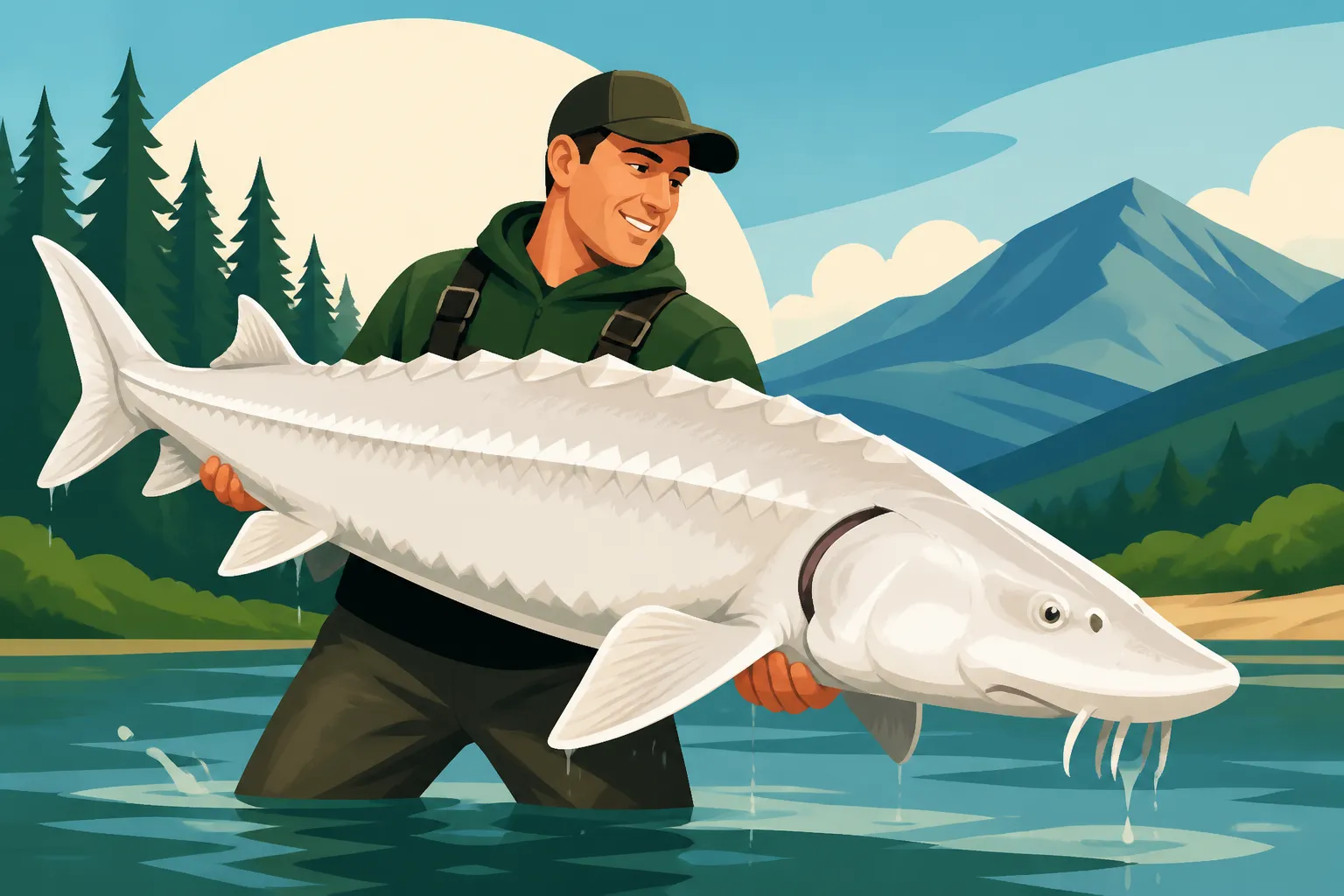
There's something almost mythical about white sturgeon. They look like they swam straight out of the Jurassic period, and their size only adds to that mystique. Many anglers have heard tales of massive sturgeon, but seeing one up close, especially if you're lucky enough to hook into one, truly puts their impressive scale into perspective.
Understanding Their Growth Potential
White sturgeon are, quite simply, the largest freshwater fish in North America, and they have an astounding capacity for growth. While many fish species reach their maximum size relatively quickly, sturgeon continue to grow throughout their incredibly long lives. Imagine a fish that can live for over 100 years, slowly but steadily adding length and girth each decade. This slow, continuous growth is a key factor in why they can become so enormous. It's not uncommon for anglers to encounter fish that are six, eight, or even ten feet long in certain Oregon waterways. These aren't just big fish; they are truly monumental creatures that demand respect and the right gear. When you're fishing for these giants, having robust rods, reels, and lines is non-negotiable. You can often find heavy-duty sturgeon gear on platforms like Amazon, making it easier to prepare for these epic battles.
Record-Breaking Catches and Historical Giants
While specific weight and length records fluctuate and are often subject to catch-and-release rules, historical accounts and modern encounters paint a picture of truly gargantuan fish. There are documented instances, especially from the early 20th century before intensive fishing pressure and dam construction, of white sturgeon exceeding 15 feet in length and weighing well over 1,000 pounds. Imagine a fish longer than your car! Even today, while those extreme sizes are rarer, fish in the 8 to 12-foot range, weighing hundreds of pounds, are still present, particularly in the lower Columbia River. Anglers regularly share stories of hooking into "submarines" or "tractors" that tow their boats around, highlighting the immense power and size these fish possess. These are fish that create lifelong memories, whether you manage to land them or they simply spool your reel before you know what hit you. For more on these incredible fish, check out our guide on White Sturgeon in Oregon.
Why Size Matters: Conservation and Management
The impressive size of white sturgeon isn't just a point of fascination; it's central to their conservation and management. Larger, older sturgeon are typically the most prolific spawners, meaning they are crucial for the long-term health of the population. Losing these immense breeding fish would be detrimental. This is precisely why Oregon and Washington have implemented strict slot limits, often requiring anglers to release any sturgeon that fall outside a very specific size range. The goal is to protect the smaller, vulnerable fish and, critically, the large, mature broodstock that are the future of the species. It’s a delicate balance, allowing some harvest while ensuring the giants continue their vital role in the ecosystem. Understanding the Oregon Sturgeon Retention Season Timing is crucial for any angler.
Factors Influencing White Sturgeon Size and Longevity
What allows a fish to grow to such incredible dimensions and live for so long? For white sturgeon, it's a combination of their unique biology, the environments they inhabit, and the food resources available to them. They are truly built for endurance and growth.
Habitat and Food Availability
The rich, productive waters of the Columbia River and its tributaries, as well as other larger Oregon rivers, provide an ideal habitat for white sturgeon to thrive and grow to immense sizes. These rivers are teeming with diverse food sources, including clams, worms, insect larvae, crayfish, and smaller fish. A consistent and abundant food supply means sturgeon have the necessary energy to fuel their slow, steady growth over decades. Areas with a plentiful forage base and good water quality, free from significant pollution or dramatic habitat alterations, tend to produce larger and healthier sturgeon populations. Conversely, areas with limited food or degraded habitat will see slower growth rates and fewer large individuals.
Age and Maturation
White sturgeon are incredibly long-lived, with some individuals reaching ages well over 100 years. This longevity is perhaps the most significant factor contributing to their potential for monumental size. Unlike many fish that have a relatively short lifespan and a rapid growth spurt, sturgeon grow continuously throughout their entire lives, albeit at a slower pace in their later years. They don't typically reach sexual maturity until they are quite old—females might not spawn until they are 15-20 years old, and often only every few years after that. This extended period of growth before and during their reproductive years allows them to accumulate significant mass. It's truly amazing to think that some of the largest sturgeon you might encounter today were already alive when your grandparents were children! Understanding their lifecycle highlights why preserving these older fish is paramount.
Genetic Predisposition and Environmental Stressors
Genetics certainly play a role; some sturgeon are simply predisposed to grow larger than others, just like in any species. However, even with the right genes, environmental factors can severely impact their ability to reach their full potential. Pollution, habitat destruction (such as dredging or shoreline development), and changes in water flow due to dams can all stress sturgeon populations. These stressors can reduce food availability, disrupt migration patterns, and generally make it harder for fish to thrive, leading to stunted growth or reduced lifespans. On the flip side, well-managed waterways with healthy ecosystems provide the best conditions for sturgeon to achieve their maximum size. Anglers can support these efforts by following regulations and practicing careful catch-and-release, minimizing stress on the fish. You can find excellent books on Amazon about Oregon's diverse fish species and conservation efforts, which often highlight the unique biology of sturgeon.
Practical Implications for Anglers: Encountering Large Sturgeon
When you're talking about a fish that can be as long as a small car and weigh hundreds of pounds, conventional fishing tackle simply won't cut it. Successfully targeting and, more importantly, safely releasing these giants requires specific gear, techniques, and a healthy dose of respect for the fish.
Gear Requirements for Trophy Sturgeon
Fishing for truly large white sturgeon isn't like bass fishing; it's a heavy-duty affair. You'll need stout rods, often 7 to 9 feet long with a heavy or extra-heavy action, designed to handle immense pulling power. Reels need to have a strong drag system and a high line capacity, capable of holding at least 150-200 yards of heavy braided line (think 80-150 pound test). Leaders should be similarly robust, often 100-200 pound monofilament or fluorocarbon, to withstand the abrasion of their rough skin and powerful thrashing. Terminal tackle includes large, strong hooks (like 8/0 to 12/0 circle hooks), heavy lead weights (8-24 ounces are common in strong currents), and durable swivels and snaps. For safety and handling, a large net or a specialized sturgeon-friendly cradle is essential for bringing the fish boatside without harming it. Many experienced sturgeon anglers invest in equipment from trusted brands or look for heavy-duty options on sites like Amazon to ensure their gear can stand up to the challenge. For a detailed breakdown of what you need, check out Oregon Bait and Lure Guide.
Responsible Catch-and-Release Practices
Given the conservation status of large sturgeon and the importance of protecting the broodstock, catch-and-release is often the norm, especially for oversized fish. When you hook a giant, the fight can be long and exhausting for both you and the fish. It's crucial to land the fish as quickly and efficiently as possible to minimize stress. Once boatside, avoid removing the fish from the water entirely, especially the giants. Keep them in the water, supported, for photos and hook removal. Use bolt cutters for hooks that are deeply embedded or difficult to remove. Always handle sturgeon gently, supporting their full body weight if you must lift them, but ideally keeping them submerged. If you're using a net, make sure it's a large, knotless, rubberized net to protect their slime coat and fins. Proper release ensures these majestic fish can recover and continue their vital role in the ecosystem. Ignoring these practices can result in Fishing Without a License Penalties in Oregon if a game warden observes improper handling.
Safety Considerations When Handling Giants
Beyond the fish's well-being, your own safety is paramount when dealing with a several-hundred-pound animal with sharp scutes (bony plates) and immense power. Their thrashing can be dangerous in a small boat. Wear appropriate gloves to protect your hands, and be mindful of where the sturgeon's tail is at all times. Never put your hands near their mouth, even if they don't have traditional teeth, as they can have rough plates. If you're on a boat, ensure the anchor is secure and the boat is stable. Working with a buddy or an experienced guide is always recommended, especially for larger fish. A good pair of polarized sunglasses, available on Amazon, can help you see the fish in the water and anticipate its movements, adding another layer of safety.
Oregon's Sturgeon Management and Conservation Efforts
The sheer size and longevity of white sturgeon make them particularly vulnerable to overfishing and habitat degradation. Recognizing their unique ecological value and cultural significance, Oregon has implemented comprehensive management strategies to protect and sustain these incredible fish for future generations.
Slot Limits and Retention Seasons
Oregon's fishing regulations for white sturgeon are designed with conservation firmly in mind. The primary tool for managing sturgeon populations is the "slot limit." This means anglers are only allowed to retain sturgeon that fall within a very specific length range. Typically, this slot targets sub-adult fish, allowing them to be harvested, while protecting both the smaller, juvenile fish and, critically, the large, mature breeding adults. For example, a common slot limit might allow retention of sturgeon between 38 and 54 inches fork length. Anything smaller or larger must be immediately released unharmed. These slot limits are often combined with specific retention seasons and daily/annual bag limits, which can vary by river section and year. It's absolutely crucial to check the current Oregon Fishing Regulations Explained before heading out, as these rules are subject to change based on population assessments. You can find these regulations online or in the annual ODFW fishing synopsis.
The Role of Anglers in Sturgeon Conservation
As anglers, we play an incredibly important role in the conservation of white sturgeon. Beyond simply adhering to the regulations, responsible angling practices contribute directly to the health of the population. This includes:
- Using appropriate gear: As discussed, using heavy-duty tackle minimizes fight time and stress on the fish.
- Practicing proper catch-and-release: Especially vital for the oversized broodstock and undersized juveniles. Minimizing time out of water, gentle handling, and quick, clean hook removal are key.
- Reporting violations: If you witness illegal fishing activity, such as keeping oversized sturgeon or exceeding bag limits, reporting it to the Oregon State Police can help protect the resource.
- Supporting conservation efforts: Many local and state organizations are dedicated to sturgeon research and habitat restoration. Becoming involved or donating can make a difference.
- Educating others: Share your knowledge of regulations and best practices with fellow anglers to foster a culture of responsible stewardship.
By embracing these practices, anglers become active partners in ensuring that future generations can also marvel at the majestic size of Oregon's white sturgeon.
Future Outlook for White Sturgeon Populations
The future of white sturgeon in Oregon is a mixed bag, presenting both challenges and reasons for optimism. While populations in certain areas, particularly the lower Columbia River, have shown signs of recovery thanks to strict management and conservation efforts, other populations face ongoing struggles due to habitat loss, pollution, and the cumulative impacts of dams that block migration routes and alter river flows. Research and monitoring continue to be critical to understanding population dynamics and adapting management strategies. Continued efforts in habitat restoration, dam mitigation, and vigilant regulation enforcement are essential to ensuring these incredible fish can continue to grow to their legendary sizes and thrive in Oregon's waterways. It's a long-term commitment, but one that is well worth it for such an iconic species. For information on seasonal changes, refer to our Oregon Fishing Season Dates and Limits guide.
Here's a quick overview of some factors affecting sturgeon size:
| Factor | Impact on Size Potential | Notes |
|---|---|---|
| Age | Directly proportional; they grow throughout their long lives | Can live over 100 years, meaning more time to grow |
| Food Availability | High food abundance supports faster, larger growth | Rich river ecosystems provide diverse diet |
| Habitat Quality | Clean water, suitable depth, and flow are crucial | Pollution or habitat degradation can stunt growth |
| Genetics | Natural variation in growth potential exists | Some individuals are predisposed to be larger |
| Environmental Stress | High stress (pollution, poor oxygen) can limit growth/survival | Healthy, stable environments promote optimal growth |
| Fishing Pressure | Heavy harvest of large fish reduces average size | Slot limits and catch-and-release protect large breeding stock |
| Water Temperature | Optimal temps for metabolism and growth | Extreme temperatures can slow growth or cause stress |
In conclusion, the white sturgeon in Oregon is a true marvel, capable of reaching sizes that truly defy belief. These living fossils are a testament to nature's enduring power and a privilege for any angler to encounter. Understanding their immense growth potential, the factors that contribute to it, and the critical conservation efforts in place helps us all appreciate and protect these magnificent creatures. So, next time you're on the water in Oregon, keep an eye out for a "submarine" – it might just be the fish of a lifetime.
Disclaimer
This article is for general informational purposes only and does not constitute professional advice. Laws, prices and regulations vary by location and change over time. Consult a qualified professional for guidance on your specific situation.