Difference between spring and fall Chinook salmon
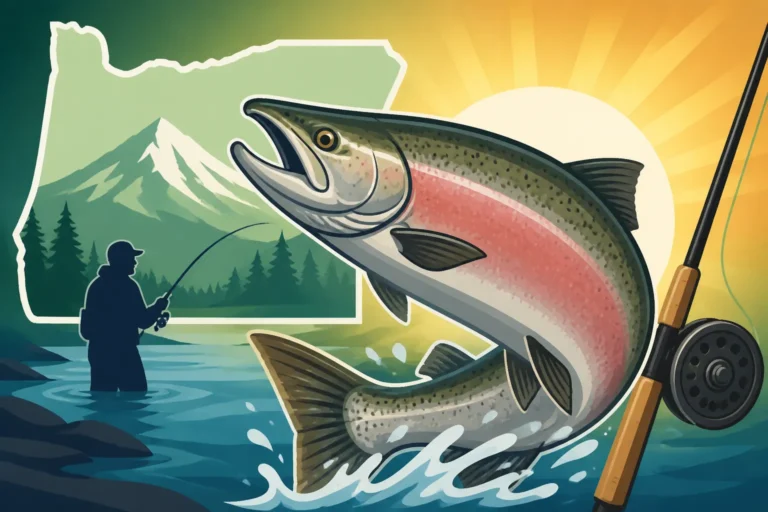
It's incredibly common for even seasoned anglers to feel a bit muddled when discussing Chinook salmon in Oregon, especially when trying to differentiate between "springers" and "fall kings." The truth is, while they're the same species, their behaviors, migration timing, and even their physical characteristics can be quite different, impacting everything from where you fish to what gear you use. This guide is here to untangle that confusion, helping you understand the nuances of these magnificent fish so you can be more prepared for your next Oregon fishing adventure.
Understanding the Chinook Salmon Life Cycle in Oregon
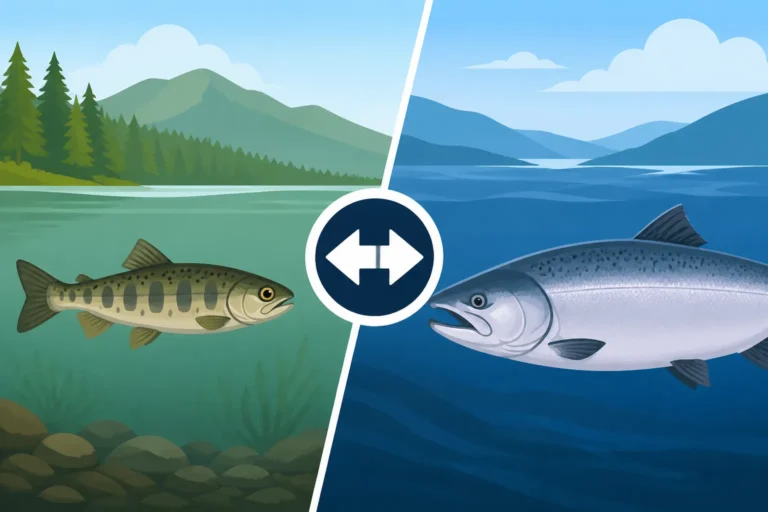
Before we dive into the specific differences, let's take a moment to appreciate the incredible journey that defines all Chinook salmon. These are anadromous fish, meaning they hatch in freshwater, migrate to the ocean to grow, and then return to freshwater to spawn and complete their life cycle. It's a grueling, instinct-driven marathon that dictates much of their behavior and, by extension, our fishing opportunities.
The Incredible Journey of an Anadromous Fish
Imagine spending years in the vast, nutrient-rich Pacific Ocean, feasting on smaller fish and crustaceans, growing to impressive sizes. That's the first major chapter for any Chinook salmon. During this time, they pack on weight and build up the energy reserves they'll need for their monumental freshwater migration. The ocean is their feeding ground, their gym, their grow-out pond. This period of intense feeding is what makes them such powerful, prized catches when they first enter our rivers.
Once their biological clock starts ticking, a profound instinct guides them back to the very river systems, and often the exact tributary, where they were born. This isn't just a casual swim; it's a dedicated mission. They stop feeding once they enter freshwater, relying solely on those stored fat reserves for the journey upstream, for fighting currents, avoiding predators, and ultimately, for spawning. Understanding this fundamental shift from feeding in the ocean to fasting in freshwater is key to grasping why spring and fall runs behave differently.
Why Timing Matters: Spawning and Survival
The timing of a salmon's return to freshwater is crucial, and it's largely driven by the specific needs of their offspring. Different populations of Chinook salmon have evolved to return at different times of the year, ensuring that their eggs hatch and juvenile fish emerge when conditions in their particular spawning grounds are most favorable. This could mean warmer water temperatures in the spring for some, or higher, cooler flows in the fall for others.
This timing also plays a huge role in how far they have to travel and how long they might "hold" in freshwater before spawning. A fish returning earlier in the year to a distant spawning ground will need more energy reserves and will spend more time in the river, often in deep pools, waiting for the right conditions. Conversely, a fish returning later might have a shorter journey or more immediate spawning needs. This biological imperative is the root of the "spring" and "fall" distinctions we anglers obsess over.
The Distinctive Traits of Spring Chinook Salmon
Ah, springers! For many, the spring Chinook holds a special place in their angler's heart. These fish are often lauded for their exceptional table fare and their spirited fight. Let's explore what makes them unique.
Timing and Migration Patterns: Early Birds Get the Worm
Spring Chinook, as their name suggests, typically begin entering Oregon's major river systems, like the Columbia River, Willamette River, and Rogue River, much earlier in the year. We're talking late winter, but more commonly from March through June, with peak activity often in April and May. These early arrivals are usually destined for spawning grounds much further upstream, sometimes hundreds of miles from the ocean. Think about the upper reaches of the Willamette or the tributaries deep in the Columbia Basin.
Because their spawning time is still many months away (often not until late summer or early fall), these fish will "hold" in deeper, cooler freshwater pools for an extended period. They're not rushing upriver to spawn immediately; they're staging, conserving energy, and waiting for the optimal conditions to continue their journey. This holding behavior influences where anglers target them. You'll often find them congregating in specific deepwater stretches or cool water refuges, sometimes holding for weeks or even months before moving on. This long holding period is a defining characteristic of spring Chinook behavior.
Physical Characteristics and Condition
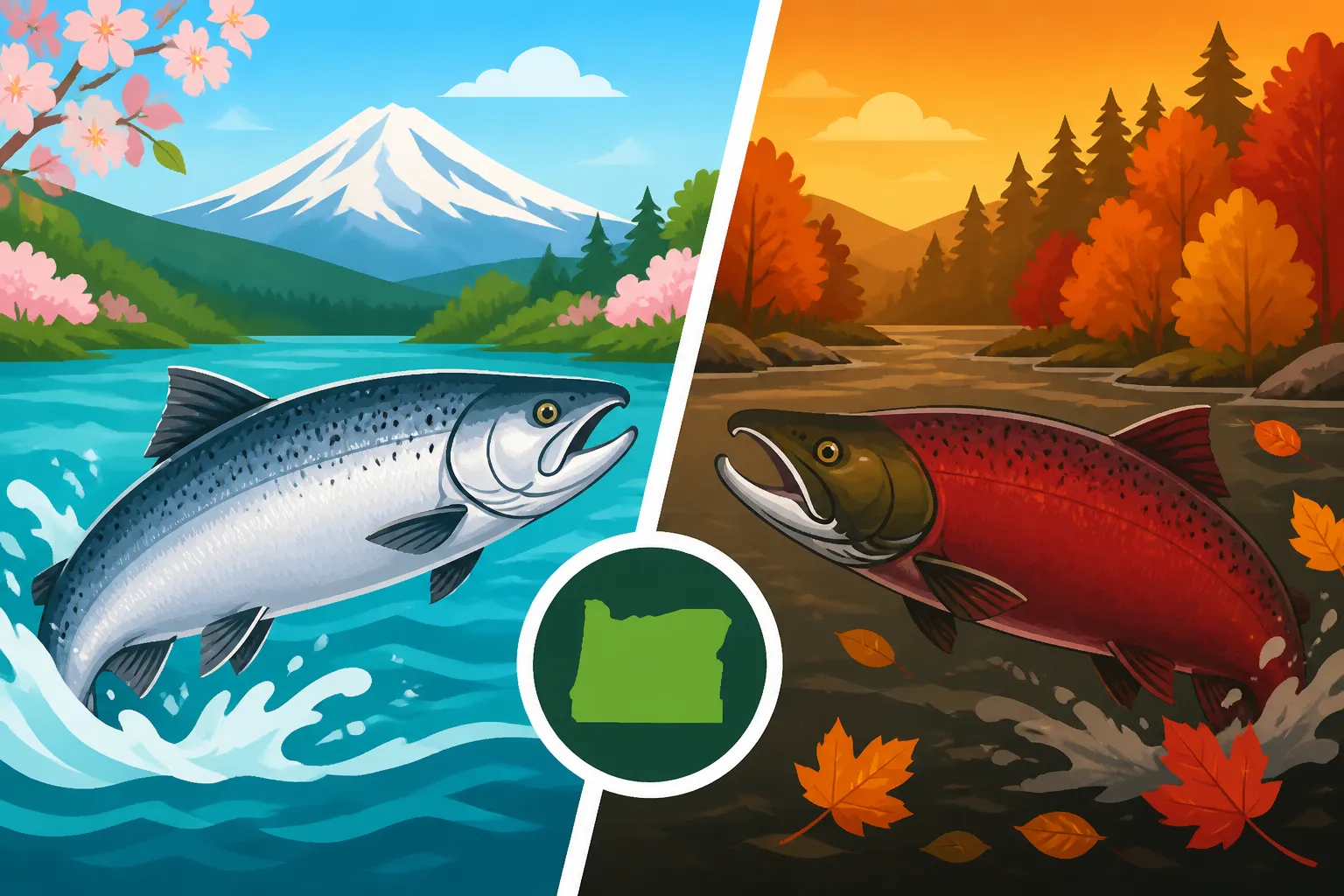
When a spring Chinook first enters the river, it's a truly magnificent sight. These fish are often described as "chrome bright" or "silver bullets." They haven't been in freshwater long, so their scales are still pristine and shiny, reflecting their recent ocean residence. More importantly, they are typically packed with fat and oil, giving their flesh a deep, rich orange-red color and a firm texture that is highly prized by seafood connoisseurs. This high-fat content is a direct result of their ocean feeding and the need to sustain themselves during their long freshwater fast.
Anglers often speak of the "quality" of a springer, referring to its superb eating condition. They tend to be strong fighters, too, fueled by those abundant reserves. While they might not always be the absolute largest Chinook, their condition and robust health make them an unforgettable catch. The taste is often described as richer, more buttery, which makes them a target for many anglers seeking exceptional table fare. If you're looking to catch a true beauty to take home, springers are often the gold standard. You can find excellent gear for targeting these beauties on Amazon, from high-quality line to specific lures.
Fishing Techniques and Preferences for Springers
Targeting spring Chinook requires a blend of patience and specific techniques. Given their tendency to hold in deeper pools and often hug the bottom, many successful strategies focus on presenting baits or lures directly to them. Trolling with a prawn spinner or herring behind a diver is a hugely popular and effective method, especially in wider river sections like the Willamette or the lower Columbia. Boats will methodically work specific runs where fish are known to congregate.
Bank anglers often have success with bobber and jig setups, or by Plunking for Salmon on the Oregon Coast in specific spots where fish travel close to shore, though this is often more associated with fall runs. In areas where bait is allowed, cured salmon eggs or prawns are killer. For river fishing, getting your presentation down to the fish without spooking them is key. Understanding where these fish will hold, often in cool, deep current breaks, is paramount to success. How to Fish for Spring Chinook on the Willamette is an invaluable resource for learning more specific tactics for this sought-after fish.
The Abundant Returns of Fall Chinook Salmon
While springers get a lot of glory, fall Chinook often represent the largest and most abundant returns, providing incredible fishing opportunities, especially on the lower Columbia and coastal rivers.
Timing and Migration Patterns: The Autumn Rush
Fall Chinook typically begin their freshwater migration from August through October, with the absolute peak often hitting in September. These fish are on a much more immediate timeline to their spawning grounds, which are generally located in the lower to middle stretches of river systems. Unlike springers who "hold" for months, fall kings are often in more of a hurry, moving steadily upstream towards their destination.
Think of the frenetic action at the mouth of the Columbia during the "Buoy 10" fishery, where thousands of fall Chinook flood into the river system. This intense influx happens over a shorter period, creating a very different fishing dynamic. Coastal rivers like the Nestucca, Wilson, and Trask also see massive returns of fall Chinook, providing fantastic opportunities as the fish push upstream after late summer rains. Their migration is a strong, purposeful push towards spawning, making them eager to bite in certain scenarios as they move through.
Physical Characteristics and Condition
When fall Chinook first enter the river, they are also chrome bright and packed with energy from their ocean feast, much like their spring counterparts. However, because their spawning is more imminent, they begin to change more rapidly once they've been in freshwater for a while. Their beautiful silver scales might start to darken, taking on more of a bronze or olive hue. Males, in particular, will develop a pronounced hooked jaw (kype) and might show more aggressive breeding colors.
While still excellent eating, especially those caught early in their run, their fat reserves will diminish more quickly as they put all their energy into maturation and spawning. The meat might not be quite as intensely red or as fatty as a prime springer that's just entered the river, but it's still firm, flaky, and delicious. Many anglers will argue that a fresh fall Chinook, straight from the ocean or lower river, is just as good on the grill as a springer, and I wouldn't disagree! The key is often catching them early in their migration.
Fishing Techniques and Preferences for Fall Kings
Due to their timing and often higher numbers, a wider variety of techniques prove effective for fall Chinook. Trolling is king on the lower Columbia, especially during the Buoy 10 fishery, where anglers use bait (like herring or anchovies behind a flasher) and large, reflective plugs or spinners. The sheer volume of fish means that getting a presentation in front of them repeatedly can yield impressive results.
As they move further upstream into narrower river sections, drift fishing with roe, yarn, or beads becomes very popular, as does back-bouncing. Many coastal rivers are perfect for Plunking for Salmon on the Oregon Coast, a technique where heavy weights hold bait or lures in key travel lanes, letting the fish come to you. Don't forget bobber and jig fishing, which can be incredibly effective when fish are holding in deeper pools. When stocking up on your fall Chinook tackle, Amazon can be a great resource for finding bulk packs of popular lures and baits, often with quick delivery. For more in-depth knowledge on specific river tactics, check out How to Fish for Fall Chinook on the Columbia.
Key Differences and Why They Matter to Anglers
Understanding the distinctions between spring and fall Chinook isn't just an academic exercise; it directly impacts your success on the water.
Timing and Location: Knowing Where and When to Go
The most obvious and perhaps most critical difference is their return timing and where they go. If you're dreaming of those bright, high-fat springers, you'll be focusing your efforts from March to June in the middle to upper reaches of major rivers like the Willamette and the mainstem Columbia, often targeting deep holding water. Your tactics will revolve around patient, persistent presentations in those deeper spots.
However, if your schedule allows for late summer and fall fishing, and you're after sheer numbers and often larger fish, the fall run is your bread and butter. You'll be concentrating on the lower Columbia River (especially near Astoria, where Buoy 10 Fishing Guide provides a wealth of info) and various coastal rivers from August through October. The fishing can be fast and furious, with fish moving more rapidly. This difference in timing and destination fundamentally changes your trip planning, from boat ramps to preferred gear available on Amazon.
Eating Quality and Preparation
While both spring and fall Chinook are delicious, there's a general consensus among many anglers that springers offer a slightly superior eating experience due to their higher fat content. This makes them incredibly versatile for cooking—they hold up wonderfully to grilling, smoking, and baking, retaining moisture and flavor.
Fall Chinook, especially those caught early in their run, are also fantastic. They might be a bit leaner if caught further upstream or later in the season, but they are still a prime catch. They grill beautifully and make excellent canned or smoked fish. The best advice? Enjoy both! Don't let perceived differences stop you from appreciating a fresh-caught salmon, regardless of its run timing.
Conservation Considerations
Both spring and fall Chinook populations in Oregon face various conservation challenges, and regulations often reflect these concerns. It's crucial for anglers to be aware of the specific rules for the area and time they are fishing, as regulations can vary not only by river but also by run. For example, some runs may have wild fish components that are protected, while hatchery fish are fair game.
Fin-clipping is a common practice to differentiate hatchery-raised fish from wild ones, and anglers often have different retention rules for each. Always consult the current Oregon Fishing Regulations Explained before heading out. Understanding whether you're targeting a spring or fall run helps you comply with regulations, ensuring sustainable fishing for generations to come. Oregon Combined Angling Tag Guide also details specific tags you might need depending on the species and location.
Key Distinctions Between Spring and Fall Chinook Salmon
Let's put it all together in a quick comparison table to help solidify the differences.
| Feature | Spring Chinook | Fall Chinook |
|---|---|---|
| Primary Migration | March – June (peak April/May) | August – October (peak September) |
| Spawning Timing | Late summer to early fall (long freshwater hold) | Early to late fall (more immediate spawning) |
| Spawning Location | Upper river reaches, distant tributaries | Lower to middle river reaches |
| Condition (Early Run) | "Chrome bright," very high fat content, firm flesh | "Chrome bright," high fat content, firm flesh |
| Condition (Later Run) | Still good, but fat stores diminishing | Darker, more pronounced spawning colors, fat stores diminishing faster |
| Typical Behavior | Prolonged holding in deep, cool pools | More consistent upstream movement, less holding |
| Key Fishing Areas | Willamette River, Columbia (upper sections), Rogue River | Lower Columbia (Buoy 10), Oregon Coast Rivers |
| Preferred Gear | Prawn spinners, herring, bobber & jig, plugs | Herring, anchovies, large spinners, plugs, roe, plunking |
Understanding the distinct characteristics and behaviors of spring and fall Chinook salmon is more than just knowing trivia; it's about being a more informed, effective, and conservation-minded angler. Each run offers its own unique challenges and rewards, and by appreciating their differences, you can better tailor your approach to the Oregon waters and increase your chances of a successful and memorable outing.
Disclaimer
This article is for general informational purposes only and does not constitute professional advice. Laws, prices and regulations vary by location and change over time. Consult a qualified professional for guidance on your specific situation.