Mackinaw (Lake Trout) Fishing
Ah, the mighty Mackinaw! If you've ever dreamt of battling a true freshwater heavyweight in Oregon, then chasing these formidable lake trout is probably high on your list. But let's be honest, they're not exactly known for jumping into your net. These fish are deep, elusive, and demand a particular approach, which can be frustrating if you're just starting out or only used to shallower water fishing. This guide is designed to cut through the confusion and give you the real lowdown on how to effectively pursue and hopefully land these magnificent fish in Oregon's pristine, deep waters.
Unveiling the Mackinaw: What are Lake Trout and Where Do They Thrive in Oregon?
When we talk about Mackinaw, or lake trout as they’re more formally known, we’re talking about a fish that is truly built for the depths. They are a species of char, closely related to brook trout and Arctic char, but they possess a size and power that sets them apart. Many anglers are familiar with rainbow or cutthroat trout, but Mackinaw operate in a completely different world, and understanding their nature is the first step to successful fishing.
The Elusive Giant: Identifying Oregon's Mackinaw
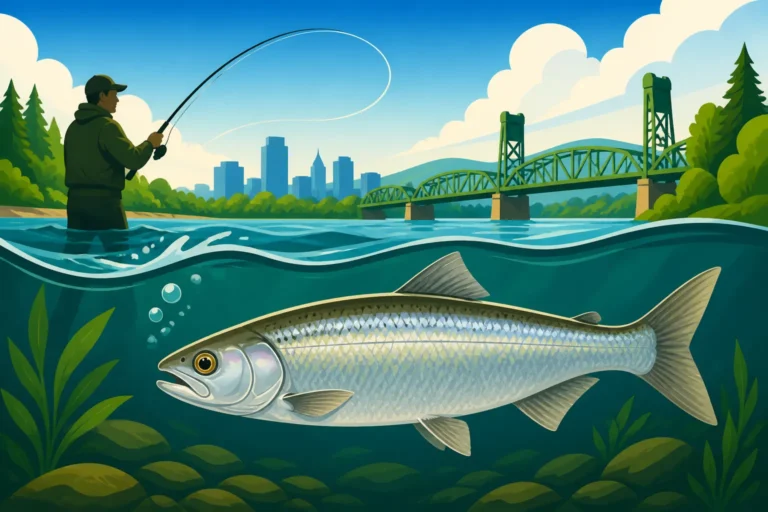
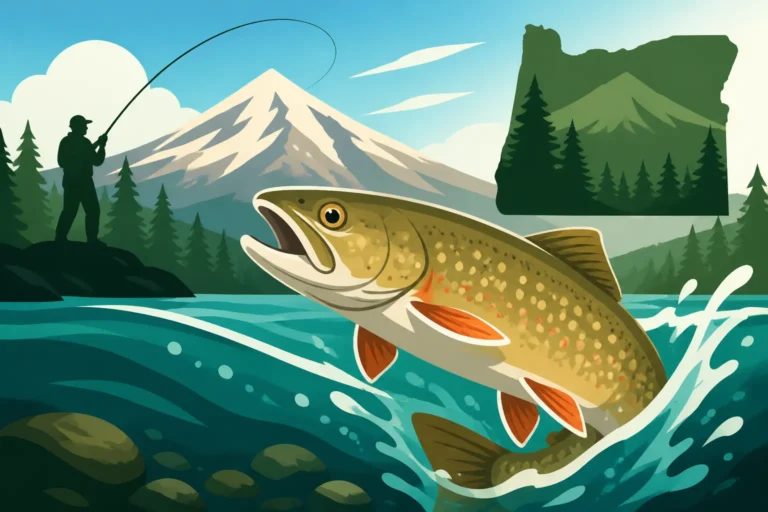
Oregon’s Mackinaw are an impressive sight, characterized by their long, sleek bodies, dark green to gray coloration, and distinctive light spots over their sides and back. Unlike many other trout species, their tail fins are deeply forked, a testament to their life spent cruising deep, open water. Their mouths are large, equipped with sharp teeth, signaling their predatory nature. They can grow to incredible sizes, with some individuals pushing well over 20 pounds, making them a true trophy for any freshwater angler. When you hook into one of these, you'll know it – they put up a serious fight, often characterized by deep, powerful runs rather than aerial acrobatics. It's a heavy, stubborn tug-of-war that can really test your gear and your resolve.
Their size isn't just for show; it reflects their position at the top of the food chain in the deep, cold lakes they inhabit. Mackinaw are voracious predators, feeding on smaller fish like kokanee salmon, whitefish, and even smaller trout. This diet contributes to their robust growth and gives them the strength to dominate their aquatic environment. Understanding what they eat is a crucial piece of the puzzle when selecting your baits and lures.
Deep Water Havens: Key Oregon Lakes for Mackinaw
In Oregon, when you hear "Mackinaw fishing," one name immediately comes to mind: Odell Lake. This stunning high-mountain lake in the Cascades is Oregon’s premier Mackinaw fishery, famous for producing not just numbers, but truly massive fish. The lake’s immense depth – over 280 feet in some spots – and its abundance of kokanee salmon create the perfect ecosystem for these deep-water predators to thrive. If you're serious about targeting Mackinaw, Odell Lake is your prime destination. It’s where legends are made and where most of the specific tactics we’ll discuss are employed.
While Odell Lake is the undisputed king, there have been historical reports or minor populations in other very deep, cold lakes across the state, but none approach the consistent quality or accessibility of Odell for Mackinaw fishing. It's important to know that places like Crater Lake, while incredibly deep, are highly protected and fishing for Mackinaw (or any fish) is strictly regulated and often catch-and-release only with very specific methods. For practical, consistent Mackinaw angling, Odell Lake mackinaw fishing is the definitive answer, and all your planning should center around its unique characteristics.
Mackinaw's Role in the Ecosystem: Predator and Prey Dynamics
Mackinaw are apex predators in the ecosystems they inhabit, and their presence has a profound impact on other fish species. At Odell Lake, for example, they primarily feed on the abundant kokanee salmon population. This predatory relationship is a natural part of the lake's ecological balance, though it is often managed to ensure that neither population overwhelms the other. A healthy kokanee population supports a healthy Mackinaw population, and vice-versa.
However, in some environments where Mackinaw have been introduced, they can pose a threat to native trout and salmon species. In Oregon, the fisheries management works diligently to maintain a balance, often through stocking programs and specific regulations designed to promote healthy populations across the board. For anglers, understanding this dynamic is important. It means that while you're targeting a trophy, you're also participating in a managed fishery where your actions contribute to the overall health of the lake. Knowing their place in the food web helps you select the right lures and understand their feeding behaviors throughout the year.
Gearing Up for the Depths: Essential Equipment for Mackinaw Anglers
Chasing Mackinaw is not your typical lightweight trout fishing. These fish live deep, grow large, and fight hard, which means your gear needs to be up to the task. Trying to tackle a 15-pound Mackinaw with a flimsy trout rod will likely end in heartbreak and a broken line. Investing in the right equipment is crucial for both success and enjoyment.
Rods, Reels, and Line: Building Your Mackinaw Arsenal
When it comes to rods for Mackinaw, think heavy-duty. You’ll want a medium-heavy to heavy action rod, typically between 7 to 9 feet long. This length provides the leverage needed to fight big fish in deep water and handle the heavy weights often used in trolling. A strong backbone is essential to set hooks into their tough mouths and winch them up from significant depths. Many anglers opt for specialized trolling rods that have a good amount of give in the tip for detecting subtle bites, but plenty of power in the butt section.
For reels, a robust baitcasting reel or a large spinning reel with a smooth, powerful drag system is paramount. You need a reel that can hold a lot of line and stand up to the pressure of prolonged fights. A high-quality drag is non-negotiable; it prevents break-offs and allows you to wear down a powerful fish. Look for reels known for their durability and cranking power.
Line choice is equally important. Many experienced Mackinaw anglers start with a braided main line, often 30-50 pound test, due to its low stretch and incredible strength. The low stretch allows for excellent bite detection at extreme depths and powerful hook sets. To this, a leader of 15-25 pound test fluorocarbon is typically added. Fluorocarbon is nearly invisible in water, which can be a huge advantage for spooky Mackinaw, and it offers excellent abrasion resistance against sharp rocks and teeth. You can find a wide range of suitable braided line and fluorocarbon leaders on Amazon, which makes stocking up easy.
Lures, Baits, and Terminal Tackle: What Mackinaw Can't Resist
Mackinaw are predators, and their diet consists mainly of smaller fish, so your lure selection should mimic this. Large spoons are a classic choice, with colors like silver, copper, or those mimicking kokanee or baitfish often being highly effective. Popular spoon brands are a staple in many Mackinaw anglers' tackle boxes. Diving plugs and stickbaits, particularly those designed to run deep or be fished behind a downrigger, are also excellent. Look for models that imitate kokanee or other baitfish, with flashy finishes or natural patterns.
When it comes to bait, cut bait is often king, especially for larger, more finicky Mackinaw. Strips of kokanee, herring, or even sucker meat can be incredibly effective when trolled slowly or jigged. The natural scent and texture can be irresistible to a hungry Mackinaw. Terminal tackle should be robust: heavy-duty swivels, strong snaps, and sharp hooks are all essential. Remember, you're targeting large, powerful fish, so don't skimp on the strength of your components. Having a variety of lure sizes and colors, plus a good supply of cut bait, will keep you prepared for different conditions. If you're looking to explore different lure options or stock up on terminal tackle, Amazon offers a vast selection to get you ready for your next trip.
Advanced Tools: Downriggers, Sonar, and GPS
To consistently catch Mackinaw in their deep-water haunts, you really need some specialized equipment. Without it, you're essentially fishing blind.
Downriggers are perhaps the most crucial tool for trolling Mackinaw. These devices allow you to precisely control the depth of your lure, getting it down to where the fish are holding, which can often be 50, 100, or even 200 feet deep. They use a heavy lead ball to pull your line down, with a release clip that lets your line go once a fish strikes. Being able to present your lure at the exact depth where Mackinaw are feeding is a game-changer. Learning to operate them effectively takes a little practice, but it's well worth the effort.
Sonar (Fish Finder) and GPS units are equally invaluable. A good fish finder will show you not only the depth but also the underwater structure (ledges, drop-offs, humps) and, critically, actual fish arches. You can see schools of baitfish and even individual large fish, indicating where Mackinaw might be lurking. GPS helps you mark productive spots, track your trolling passes, and navigate safely on large lakes. Many modern units combine both functions, offering detailed mapping, side-imaging, and down-imaging capabilities that paint a clear picture of the underwater world. These sophisticated electronics can be a significant investment, but they provide an unparalleled advantage. You can research and purchase a wide array of fish finders and GPS units from retailers like Amazon.
Cracking the Code: Effective Techniques for Targeting Mackinaw
Once you have your gear ready, it’s time to talk tactics. Mackinaw fishing isn't about casting from shore with a bobber; it’s a strategic game of precision, patience, and understanding the deep-water environment.
The Art of Trolling: Covering Water in Mackinaw Territory
Trolling is by far the most popular and often most effective method for Mackinaw fishing, especially in large lakes like Odell. The goal is to cover a lot of water at specific depths, searching for active fish. You'll typically use a boat equipped with downriggers to get your lures down to the desired depth. Mackinaw often hold close to structure such as underwater points, submerged humps, or along sharp drop-offs. Trolling patterns involve zig-zagging or making broad turns to vary the speed and action of your lures, which can often trigger a strike.
A common setup involves multiple rods, each running at a different depth or with a different lure, until you find what the fish are keying in on. Speeds are usually slow, often between 1.5 to 2.5 miles per hour, allowing your lures to have their most enticing action. Pay close attention to your fish finder to identify schools of baitfish or Mackinaw marks, then adjust your depth and troll through those areas. This approach is thoroughly explored in guides like Trolling Techniques for Oregon Reservoirs, which offers deeper insights into the nuances of this method.
Vertical Jigging: Engaging Mackinaw Directly
While trolling is excellent for searching, vertical jigging can be incredibly effective when you’ve located a concentration of fish, often directly on your fish finder. This technique involves positioning your boat directly over the fish or a productive structure and dropping a heavy jig or spoon straight down to them. The key is to present the lure with an erratic, enticing action that mimics an injured baitfish.
Jigging for Mackinaw often involves large, heavy jigs (e.g., tube jigs, blade baits, or heavy spoons) that can quickly reach the bottom. Once at depth, you use a series of lifts and drops of your rod tip to make the lure "dance." Sometimes a slow, methodical lift-and-fall is best, other times an aggressive jigging motion will trigger a strike. It’s a very active form of fishing that requires constant attention to your line and your sonar screen. When the fish are holding tight to structure or are less willing to chase a trolled lure, jigging can out-produce trolling significantly.
Still Fishing and Ice Fishing Tactics
While boat-based trolling and jigging dominate Mackinaw fishing, there are situations where other methods can work. Still fishing, or anchoring in a promising spot and presenting bait, can be effective, especially during periods when Mackinaw are less active or in specific locations like deep holes near drop-offs. Using a heavy sinker to get your bait (like a large chunk of kokanee or herring) down to the bottom and waiting for a bite requires patience but can yield results.
Ice fishing is another exciting way to target Mackinaw in lakes like Odell, which freezes solid enough for safe access in colder months. This involves drilling holes in the ice, often over known deep-water structures or near schools of baitfish, and then jigging or still fishing with bait. Ice fishing offers a unique experience and can be incredibly productive, as Mackinaw are still active under the ice. Always prioritize safety when ice fishing, checking ice thickness and conditions carefully. Make sure to consult Oregon Fishing Season Dates and Limits for specific regulations on ice fishing and Mackinaw retention.
Understanding the Calendar and Conditions: When and Where Mackinaw Bite Best
Mackinaw are creatures of habit and temperature, so knowing their seasonal movements and how external conditions affect their behavior is paramount to consistent success. They thrive in cold water, and their depth preferences will shift throughout the year based on where that cold water (and their food) is found.
Seasonal Migrations and Feeding Patterns
Spring: As the ice melts and the lake begins to warm on the surface, Mackinaw often move into shallower depths, especially around inlets and points, looking for emerging baitfish. This can be a fantastic time for aggressive trolling or jigging. They are often hungry after a long winter and more willing to chase lures.
Summer: This is when Mackinaw truly retreat to the depths. As surface temperatures rise, the fish will seek out the thermocline – the layer of water where the temperature changes rapidly – or the coldest water available, often 50 feet or deeper. Targeting them during summer almost always requires downriggers and accurate depth control. They can become more lethargic in warmer months, so slower presentations or natural baits might be more effective.
Fall: As the lake water cools down again, Mackinaw often become more active and can be found at more varied depths. They might make forays into shallower waters during low light conditions or if there's an abundance of baitfish. Fall can be a prime time for large Mackinaw as they feed heavily in preparation for winter.
Winter (Ice Fishing): When lakes like Odell freeze over, Mackinaw remain active beneath the ice. They are still found in deep water, often concentrating around underwater structures or where baitfish are abundant. Ice fishing techniques like jigging spoons or using tip-ups with bait are highly effective.
Factors Influencing Mackinaw Location and Bites
Beyond the seasons, several factors play a significant role in where Mackinaw will be and how willing they are to bite:
- Water Temperature: As discussed, this is the primary driver of their depth. Always aim to fish in the coldest, most oxygenated water available.
- Forage Location: Mackinaw will follow their food. If you locate schools of kokanee or other baitfish on your sonar, Mackinaw are usually not far behind.
- Structure: Mackinaw love structure. Underwater humps, ledges, drop-offs, and even old submerged timber provide ambush points and cover. These are prime areas to target with both trolling and jigging.
- Light Conditions: Like many predatory fish, Mackinaw can be more active during low-light periods, such as dawn, dusk, or on overcast days. Bright sunlight can push them even deeper or make them less willing to bite.
- Barometric Pressure: A stable or rising barometer often correlates with more active fish, while a rapidly dropping barometer can make them sluggish and less interested in feeding. Paying attention to weather patterns can help predict better fishing days.
Reading the Water and Using Sonar Effectively
Learning to "read the water" in a deep lake means learning to interpret your sonar. Your fish finder is your window into the underwater world, and mastering it is perhaps the single most important skill for Mackinaw fishing.
Start by looking for depth changes and structure. Contour maps on your GPS can give you a starting point, but your sonar will reveal the actual terrain. Identify ledges, points, and deep flats. Then, look for baitfish schools. These will appear as dense clouds or clusters of small arches on your screen. Mackinaw will often be found either directly within or just below these schools. Finally, look for large, distinct arches – these are your target Mackinaw. Pay attention to their depth, and try to present your lure at or just above them. Don't be afraid to experiment with your sonar settings, adjusting sensitivity and range to get the clearest picture of what's beneath your boat. The more you use it, the better you’ll become at deciphering its secrets, giving you a huge advantage in your pursuit of how big do mackinaw get at Odell Lake.
Navigating the Rules: Oregon Regulations and Responsible Mackinaw Fishing
Before you even think about dropping a line, understanding Oregon's fishing regulations is absolutely essential. These rules are in place to manage fish populations, ensure sustainability, and maintain the quality of the fishing experience for everyone. Ignoring them can lead to hefty fines and loss of fishing privileges.
License and Endorsement Requirements
To fish for Mackinaw or any other species in Oregon, you must possess a valid Oregon fishing license. This is your fundamental right to fish in the state's waters. For most resident and non-resident anglers, an annual angling license is the standard. However, if you're only planning a short trip, there are often multi-day or daily license options available. It’s crucial to understand the difference between resident and non-resident fees and requirements.
While Mackinaw fishing itself doesn't usually require a specific Mackinaw endorsement beyond your general fishing license, it’s always wise to check the current Oregon Sport Fishing Regulations booklet for any specific regional rules or general endorsements that might apply. For instance, the Oregon Annual Angling License covers most freshwater fishing, but some species or locations might have additional requirements, though this is less common for Mackinaw. Always buy your license before you head out!
Bag Limits, Size Restrictions, and Special Rules
Regulations concerning Mackinaw (Lake Trout) can vary by water body and sometimes even by season, so you must always consult the most current Oregon Sport Fishing Regulations for the specific lake you are fishing, especially Oregon Fishing Regulations Explained. For Odell Lake, there are typically specific bag limits and sometimes size restrictions or slot limits for Mackinaw. These limits are designed to help manage the population, ensuring a healthy fishery for years to come.
For example, you might find a daily bag limit for Mackinaw, or a rule that specifies you can only keep fish within a certain size range (a slot limit), or perhaps only one fish over a certain trophy size. It’s also common to see rules about how you measure your fish – usually from the tip of the nose to the tip of the tail, with the tail pinched. Be aware of these details. Violating these rules, even accidentally, can result in significant penalties. Always know the current Oregon Daily Bag Limits Explained for Mackinaw before you fish.
| Regulation Category | General Oregon Requirement | Specific Mackinaw (Odell Lake) Considerations |
|---|---|---|
| Fishing License | Required for all anglers | Annual or multi-day angling license |
| Catch Limits | Varies by species/location | Check specific Odell Lake regulations annually |
| Size Restrictions | Varies by species/location | Often includes minimum, maximum, or slot limits |
| Gear Restrictions | Standard gear rules apply | No unusual restrictions for Mackinaw |
| Season Dates | Year-round on most lakes | Check for seasonal closures if any |
Practicing Conservation: Protecting Oregon's Fisheries
Responsible angling is about more than just following the rules; it's about being a steward of the resource. Mackinaw can be long-lived fish, and the large ones are valuable breeders. If you plan on practicing catch and release, especially for trophy fish, handle them with extreme care to maximize their survival chances. Use appropriate tools like a large, soft-mesh net to land them, and minimize their time out of the water. Avoid touching their gills, and support their body weight horizontally if you lift them for a photo.
Dispose of all trash properly, and avoid leaving any fishing line or tackle behind. Be mindful of boat wakes, especially near shorelines or other anglers. Education is also a key part of conservation; by understanding the rules and the ecology of the lakes you fish, you contribute to a more sustainable future for Oregon’s incredible fishing opportunities. Learning about the species and their habitat, as found in resources like the Oregon Trout Species Guide, deepens this understanding and promotes better practices.
Disclaimer
This article is for general informational purposes only and does not constitute professional advice. Laws, prices and regulations vary by location and change over time. Consult a qualified professional for guidance on your specific situation.