Wheelchair accessible fishing spots in Oregon
It's incredibly frustrating when you're itching to get out on the water, rod in hand, only to find that so many of Oregon's stunning fishing spots aren't truly designed for everyone. Navigating uneven terrain, steep banks, or a lack of proper facilities can turn what should be a relaxing day into a challenging ordeal. This guide is here to cut through that frustration, offering a comprehensive look at genuinely wheelchair accessible fishing spots across Oregon, along with practical tips to make your angling dreams a reality.
The Quest for Accessible Angling in Oregon
For many, the simple joy of casting a line and waiting for a bite is a cherished pastime. But if you or a loved one use a wheelchair or have other mobility challenges, finding a fishing spot that's genuinely welcoming can feel like searching for a needle in a haystack. Oregon boasts incredible natural beauty and abundant fisheries, yet not all of it is designed with accessibility in mind, leading to real disappointment for those who love to fish but face physical barriers.
Understanding the Challenges for Anglers with Mobility Issues
The biggest hurdle often comes down to infrastructure – or the lack thereof. Many traditional fishing access points were developed long before modern accessibility standards were widely considered. You might encounter gravel paths that turn into muddy ruts after a rain, steep slopes down to the water's edge, or overgrown vegetation that makes navigating impossible. Even parking can be an issue, with designated accessible spots often too far from the actual fishing area or lacking proper curb cuts.
Beyond the physical terrain, things like inaccessible restrooms, a lack of firm, level ground for setting up gear, or absence of railings on docks can create significant obstacles. It's not just about getting to the water's edge; it's about being able to comfortably and safely participate in the entire fishing experience. This often means relying on others for assistance or simply being unable to access prime fishing locations, which can be disheartening for any passionate angler.
What Makes a Fishing Spot Truly "Accessible"?
So, what does a truly accessible fishing spot look like? It's more than just a paved parking lot. We're talking about a comprehensive approach to making the outdoors available to everyone. First and foremost, a truly accessible spot will have designated, well-maintained accessible parking spaces located conveniently close to the fishing area. From there, you'd expect firm, level, and wide paths – ideally paved or compacted gravel – that lead directly to a fishing platform, dock, or bank.
These fishing structures should be spacious enough for a wheelchair to maneuver, with railings that are low enough to allow for comfortable casting but high enough for safety. Ideally, there are cutouts or benches integrated into the design to allow for different fishing positions. Accessible restrooms are a must, along with picnic tables that accommodate wheelchairs. Some top-tier locations even offer adaptive fishing equipment on loan or have staff trained to assist anglers with special needs. It's about ensuring a safe, comfortable, and independent experience from arrival to departure.
Top Wheelchair Accessible Fishing Spots in Oregon
Oregon has made great strides in recent years to improve accessibility at many of its beautiful parks and fishing destinations. While it's still a work in progress, there are some truly fantastic options that cater specifically to anglers with mobility needs, ensuring a rewarding day on the water.
Central Oregon's Accessible Gems
Central Oregon is a playground for outdoor enthusiasts, and thankfully, it offers several spots where anglers using wheelchairs can enjoy the region's diverse fisheries.
One standout is McKinney Lake near Hillsboro, a wonderful little spot that's particularly great for stocked trout fishing. It boasts a fully accessible floating dock that allows anglers to get right out over the water, providing excellent casting opportunities. The path to the dock is level and well-maintained, and parking is conveniently close. This lake is regularly stocked by the Oregon Department of Fish and Wildlife (ODFW), making it a reliable choice for consistent action, especially for newer anglers or families. It's a peaceful setting where you can truly focus on the fishing experience without worrying about tricky terrain.
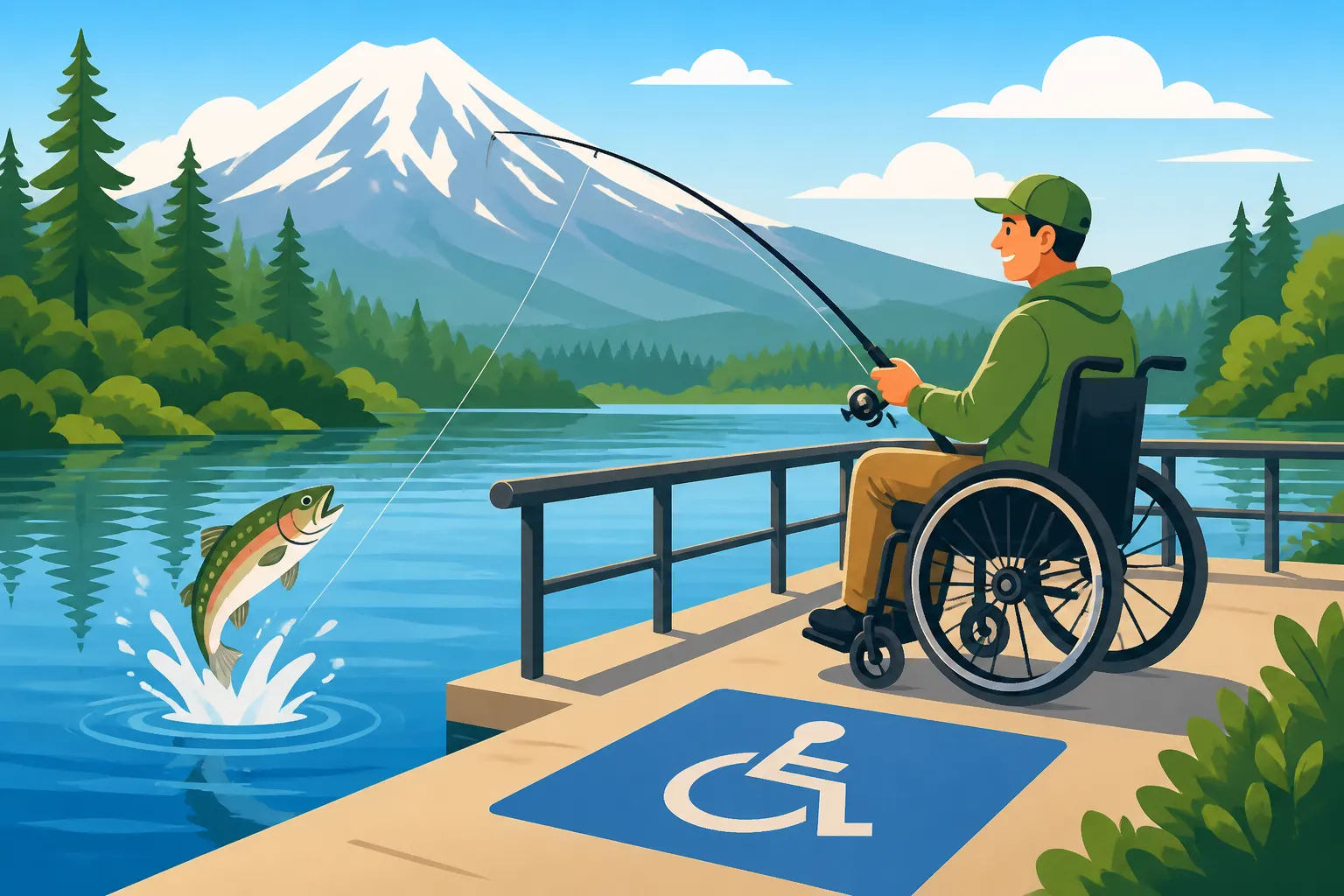
Another excellent option in this region is Timothy Lake near Mount Hood. At the Gone Creek Campground, you'll find a fantastic, accessible fishing pier that extends into the lake. This spot offers breathtaking views of Mount Hood and access to a popular fishery for rainbow trout and kokanee salmon. The pathways to the pier are generally well-maintained, and the facilities are designed with accessibility in mind. Spending a day here is not just about fishing; it's about soaking in the stunning Cascade mountain scenery in a truly inclusive environment. If you're planning a trip to this area, checking the Oregon Fishing Season Dates and Limits is always a good idea to know what to expect.
Coastal Oregon's Barrier-Free Bays and Piers
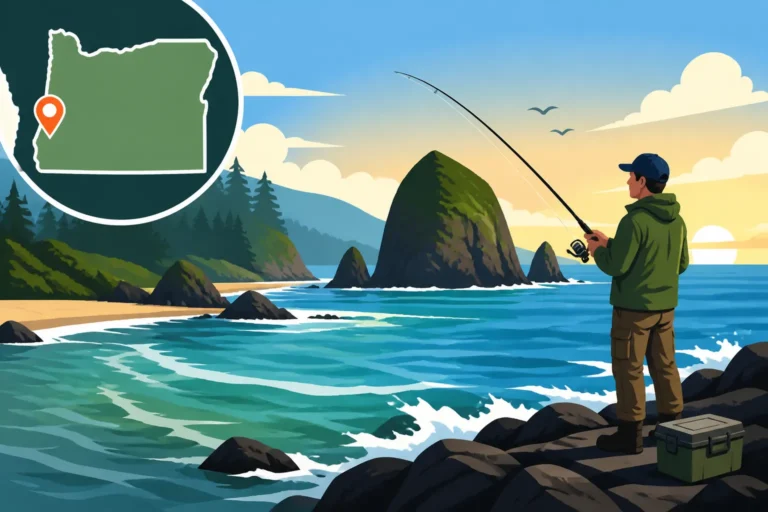
The Oregon Coast offers dramatic landscapes and incredible saltwater fishing, and several locations provide accessible access to these bountiful waters. These spots are fantastic for bottom fishing, crabbing, and sometimes even salmon, depending on the season.
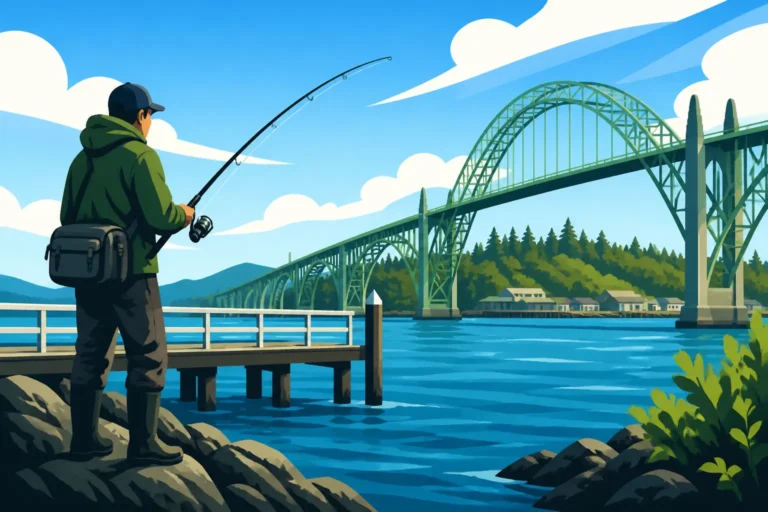
The Yaquina Bay State Recreation Site in Newport is a prime example. Its pier is known for being relatively flat and wide, making it a great choice for wheelchair users. Here, you can target various bottom fish species like lingcod and rockfish, and it's also a very popular spot for crabbing, which requires less active movement. The paved path from parking to the pier is a huge plus, removing many common barriers. Newport itself is a vibrant coastal town, and this accessible pier allows everyone to enjoy the iconic Oregon crabbing and fishing experience.
Further north, the pier at Garibaldi in Tillamook Bay also offers good accessibility. While not as explicitly ADA-designed as some newer facilities, the main pier area is generally flat and provides solid ground for fishing. Tillamook Bay is renowned for its salmon runs, especially fall Chinook, and even if you're not specifically targeting salmon from the pier, it's a fantastic spot for bottom fish and crabbing. The views of the bay and the distant mountains are an added bonus. For more specific information on what you might catch, consult a Oregon Salmon Species Guide or resources on Oregon Coast Fishing Spots.
Willamette Valley's Easy-Access Lakes and Rivers
The heart of Oregon, the Willamette Valley, is dotted with lakes and rivers that offer accessible fishing opportunities, often just a short drive from major population centers like Portland and Salem.
Canby Pond in Canby is a shining example of a dedicated accessible fishing spot. This pond features an excellent accessible fishing platform that extends over the water, providing ample space for wheelchair users. It's routinely stocked with rainbow trout, making it an ideal location for a relaxed and successful fishing outing. The paths leading to the platform are level and well-maintained, and the overall setup prioritizes ease of access. It's a fantastic place for beginners, kids, and anyone looking for a stress-free fishing experience. Many often ask, Do kids need a fishing license in Oregon for spots like this, and generally, youth under 12 do not.
Henry Hagg Lake near Forest Grove also boasts several accessible features, particularly around Scoggins Creek Park. This large reservoir is a popular multi-species fishery, offering trout, bass, and perch. While the shoreline can be varied, specific accessible fishing docks and paved paths lead to key areas, ensuring that anglers with mobility challenges can reach prime fishing spots. The lake is vast, providing ample opportunity for exploration and different fishing techniques, whether you're targeting warmwater fish or the regularly stocked trout. When planning a trip, be sure to check the Oregon Fishing Regulations Explained for any specific rules for Hagg Lake.
Dexter Lake near Eugene also offers accessible options, notably at the Lowell State Recreation Site. Here, you can find an accessible fishing dock that provides good access to the lake's populations of warmwater species and trout. The area is generally flat and easy to navigate, making it a pleasant destination for a day of fishing, picnicking, and enjoying the serene environment.
Planning Your Accessible Oregon Fishing Trip
Planning is key to any successful fishing trip, but it becomes even more crucial when factoring in accessibility needs. A little foresight can prevent frustration and ensure a smooth, enjoyable experience from start to finish.
Essential Gear and Preparation for Mobility-Challenged Anglers
Beyond your standard fishing rod and reel, consider how your gear can enhance comfort and ease of use. For instance, a rod holder that can attach to a wheelchair or a sturdy, adjustable stand can make a huge difference, allowing you to rest your arms and focus on feeling the bite. Lighter-weight rods and reels can reduce fatigue, especially during longer fishing sessions. Consider tackle boxes that are easy to open and access with one hand, or small tackle pouches that attach to your chair for quick reach.
Always double-check weather forecasts, not just for comfort, but for safety. Rain can make paved surfaces slippery and turn gravel paths into mud, which can significantly impede mobility. Dressing in layers, bringing plenty of water, and having sunscreen and a hat are essential. It's also wise to pack a small repair kit for your chair, just in case, and make sure your tires are properly inflated for varied terrains.
Leveraging Resources and Local Knowledge
One of the best ways to ensure an accessible fishing experience is to tap into existing resources. The ODFW website is an invaluable tool, often listing accessible features for various parks and fishing locations. They also frequently update their stocking schedules, which can point you to ponds and lakes that are regularly stocked and often have accessible facilities. Many park and recreation websites also provide detailed accessibility information, sometimes even with photos or virtual tours of their facilities.
Don't hesitate to reach out to local tackle shops or visitors' centers; they often have firsthand knowledge of current conditions and the best accessible spots. Another fantastic resource is using platforms like FishingBooker. While they primarily connect you with guides, you can often find guides who specialize in or are very familiar with accessible fishing locations and can tailor a trip to your specific needs. They can provide insights into current water conditions, fish behavior, and even assist with adaptive techniques. Searching for Oregon Fishing Guide Services through such platforms can yield excellent results, allowing you to specify your accessibility requirements. They can often recommend not only locations but also techniques like Oregon Trout Fishing Techniques that are suitable for various mobility levels.
Enhancing the Accessible Fishing Experience
Making fishing accessible isn't just about ramps and platforms; it's also about adapting techniques and ensuring a supportive environment that maximizes enjoyment and minimizes barriers.
Adaptive Fishing Techniques and Equipment
Many anglers with mobility challenges have developed ingenious ways to continue enjoying their passion. Adaptive fishing equipment plays a huge role. There are motorized reel attachments that assist with retrieval, specialized casting aids, and even rod holders that allow for hands-free fishing, perfect for those who might have limited hand strength or mobility. Some setups even feature bite alarms that provide auditory or visual cues, so you don't have to constantly watch your line.
Learning new techniques can also be beneficial. For example, rather than active casting, sometimes still fishing with bait or soaking a power bait setup from an accessible pier can be incredibly effective and less physically demanding. Exploring methods like plunking, a form of bank fishing where your bait sits in one spot, can also be quite productive and requires minimal movement once your line is set. The goal is to find what works for you to maximize your comfort and success on the water.
Safety Considerations and Companion Support
Safety should always be paramount, especially when fishing near water. Always inform someone of your fishing plans, including your location and estimated return time. If possible, fishing with a companion is highly recommended. A fishing buddy can provide assistance with baiting hooks, landing fish, and navigating any unexpected challenges that might arise. They can also share in the joy of the catch, making the experience even more memorable.
Ensure your wheelchair or mobility device is stable on the fishing platform or dock, and be mindful of your surroundings, especially if the weather changes. If you're on a pier or dock, always be aware of other anglers and boat traffic. Having a cell phone fully charged is a good safety measure, as is a basic first-aid kit. Remember that spots like those listed in Best Fishing Spots Near Portland are often more populated, meaning help is usually closer if needed, but it also means more people to navigate around. For those considering a guided trip, many services listed on FishingBooker are happy to discuss safety protocols and companion arrangements to ensure peace of mind.
| Accessible Fishing Spot | Location (Nearest Town) | Primary Fish Species | Key Accessible Feature(s) | Notes |
|---|---|---|---|---|
| McKinney Lake | Hillsboro | Rainbow Trout, Bass | Accessible Floating Dock, Paved Paths, Accessible Restrooms | Regularly stocked, great for beginners and families. |
| Timothy Lake | Mount Hood | Rainbow Trout, Kokanee | Accessible Fishing Pier at Gone Creek Campground, Paved Paths | Stunning views, mountain setting. Check specific campground access. |
| Yaquina Bay State Rec. | Newport | Bottom Fish, Crab | Wide, Flat Pier; Paved Access to Pier | Popular for crabbing and ocean bottom fishing, good facilities nearby. |
| Garibaldi Pier | Tillamook Bay | Bottom Fish, Crab, Salmon | Generally Flat Pier, Paved Access to Pier | Good for bay fishing and crabbing, scenic bay views. |
| Canby Pond | Canby | Rainbow Trout | Dedicated Accessible Fishing Platform, Level Paths | Excellent for easy trout fishing, frequently stocked. |
| Henry Hagg Lake | Forest Grove | Trout, Bass, Perch | Accessible Docks/Platforms at Scoggins Creek Park, Paved Paths | Large reservoir with diverse fishing opportunities. |
| Dexter Lake | Eugene | Trout, Warmwater | Accessible Fishing Dock at Lowell State Recreation Site | Peaceful setting, good for a relaxed day. |
Disclaimer
The information provided in this guide is for general informational purposes only and is subject to change. While we strive for accuracy, fishing regulations, accessibility features, and conditions can vary and be updated by local authorities. Always consult the official Oregon Department of Fish and Wildlife (ODFW) website, park specific information, or call ahead to verify current regulations, accessibility status, and any closures or advisories before planning your trip. Fishing inherently involves risks, and users assume all responsibility for their safety.