How big do coastal cutthroat trout get
Many anglers, especially those new to the beautiful rivers and coastal estuaries of Oregon, often wonder about the true potential of our local fish. When you think of trout, your mind might jump to big, beefy rainbows from a stocked lake, but the coastal cutthroat is a different beast entirely. It's easy to assume all trout are roughly the same size, but these native beauties have distinct characteristics and growth patterns that make them truly unique. This guide is here to shed light on just how large coastal cutthroat trout can grow in Oregon, exploring the factors that influence their size and where you might encounter some of the more impressive specimens.
Understanding the Coastal Cutthroat Trout: What Makes Them Unique?
Before we talk about how big they get, let's really get to know the coastal cutthroat trout. These aren't your typical hatchery rainbows, plumped up on fish pellets. Coastal cutthroat, or Oncorhynchus clarkii clarkii, are a subspecies of cutthroat trout native to the Pacific Northwest. They are a resilient, adaptable fish, and their life history can vary dramatically, which directly impacts their size potential.
Identifying a Coastal Cutthroat
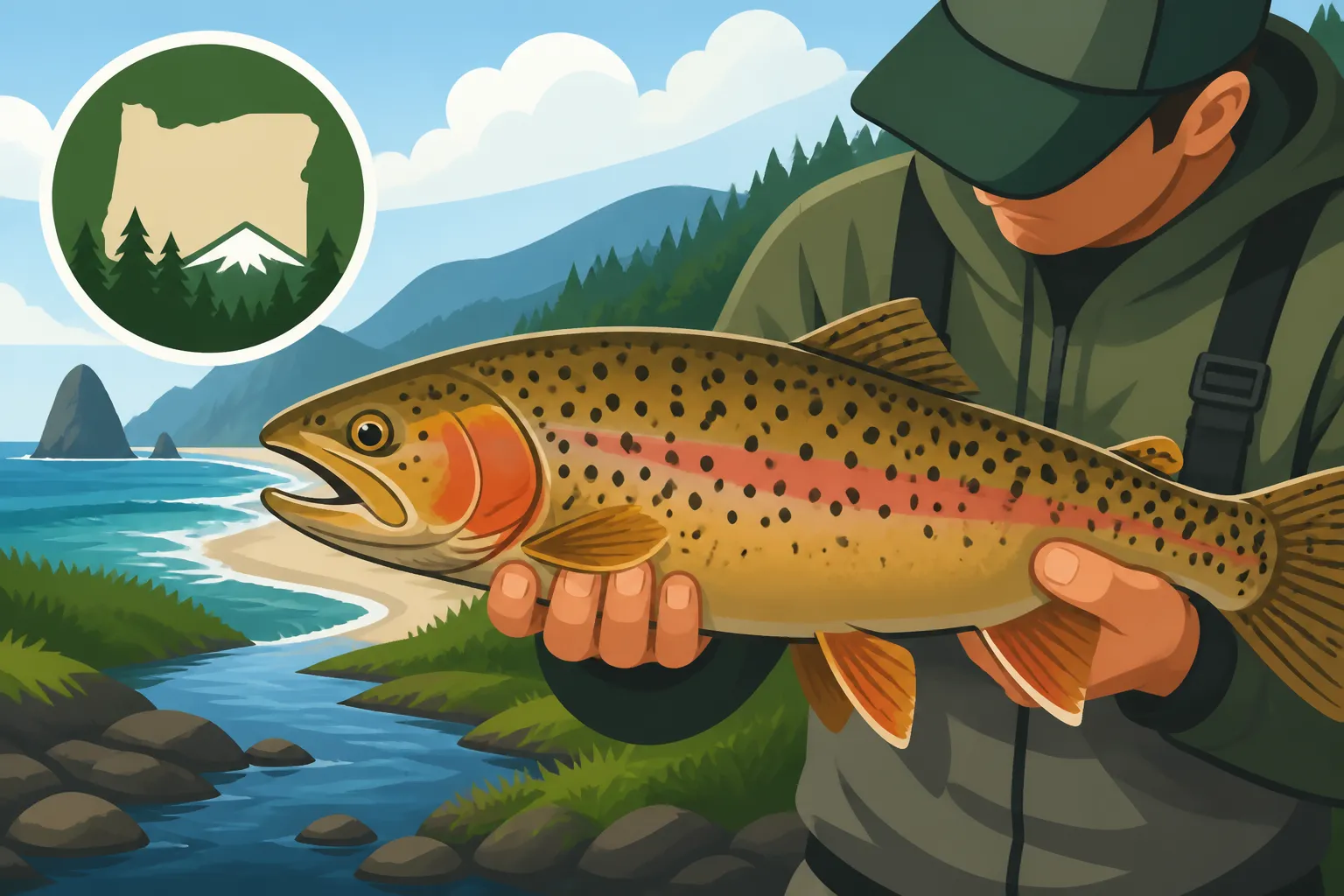
One of the first things you'll notice about a cutthroat, of course, is that tell-tale red or orange slash under their jawline – a natural indicator that gives them their name. Beyond that, their appearance can change based on their environment. Freshwater residents tend to be darker, often with olive or brownish backs, fading to a lighter belly, and covered in distinctive black spots that are usually larger and more irregular than those on a rainbow trout. Sea-run cutthroat, on the other hand, take on a more silvery, chrome appearance, much like a small steelhead or salmon, as they prepare for or return from their ocean migrations. The spots might be less pronounced when they're fresh from the salt, but they're always there if you look closely. Knowing these nuances can help you appreciate what you've hooked. You can learn more about other trout species in our Oregon Trout Species Guide.
Their Diverse Habitats
Coastal cutthroat are incredibly versatile. You'll find them in a dizzying array of habitats across Oregon, from the tiniest headwater streams high in the Coast Range to expansive estuaries and even the nearshore ocean waters. Some cutthroat spend their entire lives in freshwater streams and lakes – we call these "resident" cutthroat. They thrive in cold, clear, well-oxygenated water, often seeking out complex habitats with plenty of fallen timber, undercut banks, and deep pools for shelter. Other populations are "sea-run" or "anadromous," meaning they migrate from freshwater rivers and streams out to the saltwater environment of bays and the ocean to feed and grow, much like salmon or steelhead, before returning to spawn. This migratory lifestyle plays a huge role in their ultimate size, as the abundant food sources in the ocean allow for much faster growth. These different behaviors are a key aspect of Cutthroat Trout in Oregon.
Diet and Ecosystem Role
Coastal cutthroat are opportunistic feeders, which means they're not particularly picky. In freshwater, their diet consists largely of aquatic insects like mayflies, caddisflies, and stoneflies, along with terrestrial insects that fall into the water, such as grasshoppers and ants. They'll also readily eat smaller fish, sculpins, salmonid fry, and even tiny crustaceans. When they move to brackish water or the ocean, their diet expands to include larger prey like herring, anchovies, and various shrimp and crabs. This rich, protein-packed ocean diet is absolutely critical for the rapid growth that sea-run cutthroat experience. They are an integral part of the ecosystem, acting as both predator and prey, and their health is often a good indicator of the overall health of their diverse habitats.
Factors That Dictate a Cutthroat's Size
It’s truly amazing how much variety you can see in coastal cutthroat trout, even within the same river system. Their size isn't just a random occurrence; it's a fascinating interplay of genetics, the food available to them, and the specific environment they call home. When you’re out on the water, understanding these factors can give you a better appreciation for the fish you encounter.
The Influence of Genetics and Environment
Just like people, fish have genetic predispositions that can influence how large they might grow. Some populations might simply have genes that favor larger body size. However, genetics alone won't get a fish to trophy status without the right environment. Think of it like this: a cutthroat with the genetic potential to be a giant won't reach that potential if it's stuck in a small, nutrient-poor stream with limited food and overcrowding.
The environment provides the stage. Water temperature, flow, habitat complexity (like deep pools and woody debris), and predation pressure all play a role. A stable environment with consistent, cool water temperatures and plenty of cover allows fish to expend less energy on survival and more on growth. Conversely, extreme conditions, low water flows, or intense predation can stunt growth, even for fish with great genetics. For instance, a cutthroat in a tiny, shallow stream might never grow beyond 8-10 inches, simply because its environment can't sustain anything larger.
Food Availability and Growth Rate
This is perhaps the most significant factor. More food, especially high-quality protein, almost always equates to faster growth and ultimately, larger size.
Resident cutthroat, living exclusively in streams and lakes, rely on insect hatches, small baitfish, and terrestrial bugs. Their growth rate is often slower because these food sources, while essential, don't offer the same caloric punch as an ocean buffet. A cutthroat living in a small, infertile mountain stream might take years to reach 12 inches.
Sea-run cutthroat, however, hit the jackpot. When they migrate to the rich feeding grounds of coastal estuaries and the open ocean, they gain access to a tremendous abundance of forage fish like juvenile salmon, herring, and anchovies. This explosion of protein allows them to grow at an astonishing rate. It's not uncommon for a cutthroat to double or even triple its weight during just a few months in saltwater. This dramatic difference in diet is the primary reason why sea-run cutthroat can reach much larger sizes than their resident counterparts. It’s why anglers seek them out in Oregon Coast Fishing Spots where they often stage before moving back upstream.
Resident vs. Sea-Run: A Tale of Two Lifestyles
The distinction between resident and sea-run populations is fundamental to understanding coastal cutthroat size.
-
Resident Cutthroat: These fish live their entire lives in freshwater. They might move around within a river system, but they don't venture into the salt. Their growth is limited by the productivity of their freshwater environment. Typically, a truly resident cutthroat in a small stream will range from 6 to 14 inches, with a 16-inch fish being considered quite large. In larger rivers or lakes with abundant food, some residents might push towards 18-20 inches, but these are exceptions.
-
Sea-Run Cutthroat: These are the true "steelhead of the trout world." They spend their early years in freshwater, migrate to the ocean for a period of intense feeding and growth, and then return to freshwater to spawn. This access to the ocean's bounty allows them to achieve significantly larger sizes. A sea-run cutthroat returning to spawn will typically range from 16 to 24 inches, with fish over 20 inches being a common and highly prized catch. Occasionally, larger specimens are caught, pushing the upper limits of their species. These fish represent an incredible ecological adaptation, demonstrating the power of diverse life histories on a species' potential.
Typical Size Ranges: Resident vs. Sea-Run Giants
When you’re out on the water, whether it's a bubbling mountain stream or a wide, tidal river, you’ll encounter coastal cutthroat of various sizes. It’s fascinating to see the spectrum, and knowing what to expect can help set your expectations and celebrate each catch for what it is. While every fish is unique, there are definite patterns based on their life history.
What to Expect from Resident Cutthroat
For those cutthroat that choose to stay in freshwater their entire lives, growth is generally a slower, more deliberate process. Most resident coastal cutthroat you'll encounter in Oregon's smaller streams and rivers will fall into the 6 to 12-inch range. These are often vibrant, beautifully colored fish, packed with fight despite their modest size. They are perfectly adapted to their stream environment, darting out from behind rocks or fallen logs to snatch an insect.
If you’re lucky enough to find them in a larger, more productive river system or a lake with a consistent food supply, you might run into 14 to 16-inch residents. These are solid, impressive fish for their kind and offer a fantastic challenge on light tackle. A resident cutthroat pushing 18 inches or more is considered quite a trophy and is relatively rare. These bigger fish have usually found an exceptionally rich foraging ground or have simply been very adept at avoiding predators for many years. They are a testament to the health and abundance of their specific freshwater habitat.
The Bigger Picture: Sea-Run Cutthroat Potential
Now, if you're chasing truly bigger coastal cutthroat, the sea-run variety is where it's at. These are the fish that spend time in the Pacific Ocean, packing on serious pounds before returning to their natal streams. The average size for a returning sea-run cutthroat in Oregon is typically between 16 and 20 inches. These fish are robust, powerful, and often still gleaming with that silvery, ocean-fresh sheen. They offer an exhilarating fight, often making acrobatic jumps and strong runs, much like their larger salmon and steelhead cousins.
It's not uncommon for anglers to land sea-run cutthroat in the 20 to 24-inch range. A fish in this category is a truly memorable catch, a testament to its successful ocean journey. They are formidable opponents and highly sought after by coastal anglers. These larger fish are often mature individuals making their second or third spawning migration. While less frequent, sea-run cutthroat can occasionally exceed 24 inches, with some rare reports of fish pushing towards 26-28 inches or even larger. These are the true giants of the species, incredibly old and wise fish that have successfully navigated the challenges of both freshwater and saltwater environments.
When you're comparing the two, the difference is clear, as shown in the table below:
| Feature | Resident Coastal Cutthroat Trout | Sea-Run Coastal Cutthroat Trout |
|---|---|---|
| Typical Size | 6-12 inches (average); up to 18 inches (rare trophy) | 16-20 inches (average); up to 26+ inches (trophy) |
| Coloration | Darker, olive/brown back, lighter belly, prominent spots | Silvery/chrome when fresh from salt, spots less pronounced |
| Habitat | Headwater streams, small rivers, lakes, ponds (freshwater only) | Estuaries, coastal rivers, nearshore ocean (migratory) |
| Diet | Aquatic/terrestrial insects, small fish | Abundant ocean baitfish (herring, anchovies), shrimp, larger insects |
| Growth Rate | Slower, limited by freshwater food sources | Rapid, fueled by rich ocean diet |
| Lifespan | Often shorter, but can live several years in stable habitats | Generally longer, due to access to rich ocean feeding grounds |
Oregon's Record Holders and Exceptional Catches
While official state records for coastal cutthroat can be tricky to track due to subspecies complexities and general trout categories, stories of truly massive cutthroat circulate among seasoned anglers. These are often the sea-run variety, caught in coastal rivers or estuaries. While specific weights and lengths vary, exceptional catches typically fall into that 24-inch plus category, sometimes exceeding 5-6 pounds. These fish are usually caught by anglers who dedicate themselves to understanding the specific migration patterns and feeding habits of these larger sea-run individuals, often during prime times when they are staging in estuaries or moving into rivers to spawn. It's a testament to the wildness and potential of Oregon's native fish, reminding us that there are always bigger fish out there!
Where to Seek Out Larger Coastal Cutthroat in Oregon
If you’re dreaming of hooking into one of those impressive, larger coastal cutthroat trout, knowing where to focus your efforts is just as important as knowing how to fish. Oregon's diverse landscape offers a range of opportunities, but some spots definitely tip the odds in your favor for finding those bigger, often sea-run, specimens.
Productive Coastal Rivers and Estuaries
The absolute best places to target larger coastal cutthroat are the rivers and estuaries along the Oregon Coast. Think of systems like the Nestucca, Siletz, Alsea, Siuslaw, Umpqua, Coquille, and Rogue Rivers. These rivers provide the essential freshwater spawning and rearing habitat, but more importantly, they offer direct access to the ocean for the sea-run populations.
- Estuaries: The brackish waters of estuaries are prime feeding grounds where cutthroat transition between fresh and saltwater. Here, they gorge themselves on a smorgasbord of baitfish, shrimp, and other marine invertebrates, putting on incredible weight. Fishing estuaries, especially around tide changes, can be incredibly productive. Look for areas with structure like pilings, docks, log jams, and points where currents create eddies.
- Lower River Sections: As sea-run cutthroat push upstream from the estuaries into the lower sections of coastal rivers, they're still in prime condition, often aggressive and actively feeding. These areas typically have a mix of deeper pools, gravel bars, and slower runs that offer both holding water and feeding opportunities. Tillamook Bay fishing spots and Yaquina Bay crabbing and fishing spots are famous for these kinds of opportunities.
Larger Inland Rivers and Lakes
While sea-run cutthroat dominate the trophy size discussions, some larger inland rivers and lakes can produce impressive resident cutthroat. These are typically systems with abundant food sources and less intense fishing pressure.
- Larger Tributaries: Think of the larger, more nutrient-rich tributaries of major river systems, even those some distance from the coast. These might hold older, larger resident cutthroat that have found a consistent food supply of insects and small baitfish.
- High Mountain Lakes (less common for coastal cutthroat specifically, but worth noting for trout in general): While not typically known for coastal cutthroat, some of Oregon’s larger, deeper mountain lakes can produce very large cutthroat that have adapted to a lake environment, feeding on kokanee salmon or abundant aquatic insects. However, these are often different subspecies of cutthroat or stocked rainbow trout. For coastal cutthroat specifically, focus on the systems directly connected to the Pacific. If you're looking for general trout fishing, check out Oregon Fishing Spots by Region.
When planning your trip, always check the current Oregon Fishing Regulations Explained for the specific body of water you intend to fish. Regulations can change, and knowing the current rules on bag limits and any size restrictions is crucial.
Tips for Targeting Trophy Coastal Cutthroat
Landing a large coastal cutthroat is a rewarding experience, and while luck always plays a part, certain strategies can significantly increase your chances. It’s not just about flinging a line; it’s about understanding the fish, their habitat, and what makes them tick.
Effective Techniques and Gear
Coastal cutthroat are often less selective than some other trout species, but presenting your offering correctly is key.
- Spin Fishing: For many anglers, spin fishing is the go-to method. Small spinners (like Rooster Tails or Mepps) and spoons (like Little Cleos or Kastmasters) in silver, gold, or brass finishes are incredibly effective. A lightweight spinning rod, perhaps one you scouted on Amazon for a great deal, paired with 4-6 pound test line, is ideal for casting accurately and enjoying the fight. When sea-runs are moving through estuaries, small jerkbaits or even bait under a bobber can be lethal. Best Lures for Oregon Salmon Fishing might give you some ideas for crossover lures, as cutthroat often target similar baitfish.
- Fly Fishing: Fly fishing for coastal cutthroat, especially the sea-run variety, is a classic and highly effective technique. Streamer patterns mimicking small baitfish (Clouser Minnows, Deceivers) are excellent, particularly in estuaries and lower river sections. In freshwater, traditional trout flies like Woolly Buggers, nymphs, and various dry flies mimicking terrestrial insects can be very productive. A 5 or 6-weight fly rod with a floating line and a variety of sinking leaders or even a full sink tip can cover most situations. Remember, a good fly box, filled with a diverse selection, is easily built up by ordering specific patterns online from retailers like Amazon.
- Bait Fishing: While not always necessary, bait can be incredibly effective, especially for resident cutthroat or slower-moving sea-runs. Worms, salmon eggs, or even small pieces of cured prawn can entice a bite. Using a light leader and a small hook is crucial to a natural presentation. For more on this, check out Best Bait for Oregon Trout Fishing.
Reading the Water and Seasonal Considerations
Understanding where cutthroat hold and feed is paramount.
- Current and Structure: Look for seams where fast water meets slow water, eddies behind rocks or log jams, and undercut banks. These spots provide both shelter from the current and ambush points for feeding. In estuaries, target channels, points, and the edges of weed beds.
- Tides (for sea-run): For sea-run cutthroat, tides are everything. Incoming tides often bring fish into the estuaries, and outgoing tides can concentrate baitfish, making cutthroat more active. Plan your fishing around these tidal swings for maximum success.
- Seasonal Timing: While resident cutthroat can be caught year-round in many areas (always check Oregon Fishing Season Dates and Limits), the prime time for sea-run cutthroat is typically late summer through fall, as they stage in estuaries and begin their upstream migrations. Early spring can also be good as smolts head to sea and post-spawn adults recover.
Remember, a successful angler is always learning and adapting. Don't be afraid to experiment with different techniques, lures, and fishing spots. And always keep a pair of polarized sunglasses handy—you can find a wide variety on Amazon—they’re invaluable for spotting fish and structure in the water, giving you a critical edge in locating those bigger cutthroat.
Disclaimer
This article is for general informational purposes only and does not constitute professional advice. Laws, prices and regulations vary by location and change over time. Consult a qualified professional for guidance on your specific situation.