How to check red tide closures before clamming
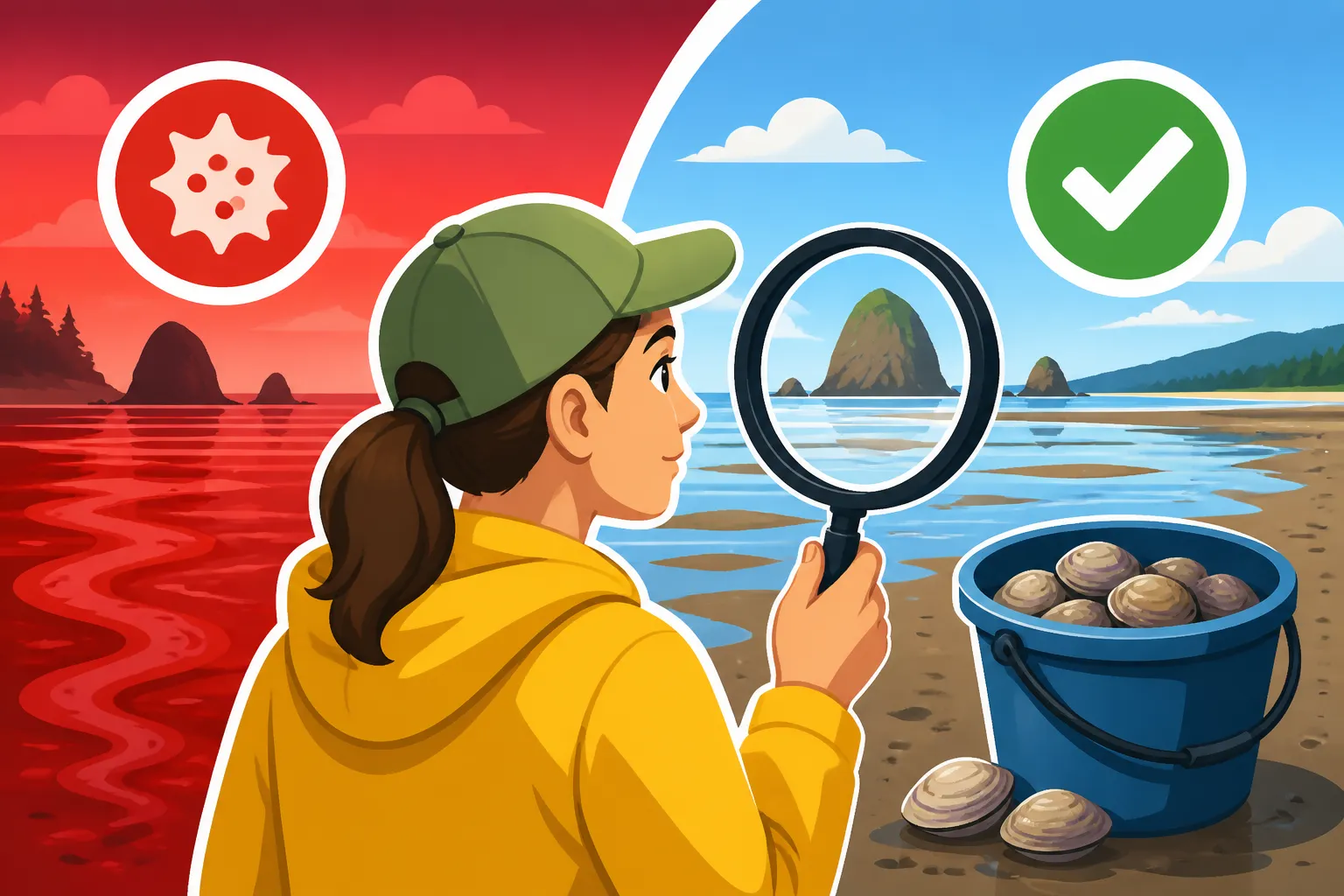
There's nothing quite as frustrating as packing up the car, driving all the way to your favorite clamming beach, and then finding a dreaded "CLOSED" sign due to a red tide. It's a massive bummer, a wasted trip, and for many, a legitimate concern about food safety. This guide is here to ensure that never happens to you again, breaking down exactly how to check for red tide closures and other crucial shellfish safety information before you even leave your driveway, making your next clamming adventure both successful and safe.
What Exactly is Red Tide and Why Does It Matter for Clamming?
When people talk about "red tide," they're often referring to a harmful algal bloom (HAB) that can make shellfish unsafe to eat. It's not actually a tide, and it's not always red, but the impact it can have on your clamming plans is very real and potentially dangerous. These blooms are caused by microscopic marine algae that, under certain conditions, can multiply rapidly and concentrate toxins.
Understanding Biotoxins and Paralytic Shellfish Poisoning (PSP)
The main concern with red tide, especially for recreational clamming, is the potential for paralytic shellfish poisoning (PSP). This is caused by saxitoxins produced by certain types of algae. Shellfish, being filter feeders, essentially strain large volumes of water through their systems, accumulating these toxins in their tissues. When you consume shellfish contaminated with PSP toxins, you can experience a range of symptoms from tingling lips and extremities to difficulty breathing and, in severe cases, paralysis and death. It's not something to take lightly, and unlike bacterial contamination, these toxins are not destroyed by cooking.
There are other biotoxins too, like domoic acid which causes Amnesic Shellfish Poisoning (ASP), and toxins causing Diarrhetic Shellfish Poisoning (DSP). While PSP is the most commonly discussed, understanding that various toxins can be present is key to appreciating the comprehensive nature of the monitoring systems in place. Knowing how to check for these issues is paramount for enjoying Oregon's fantastic clamming opportunities safely.
Why Clams Are Particularly Susceptible
Clams, along with mussels, oysters, and scallops, are filter feeders. This means they literally filter seawater to extract their food, which includes these microscopic algae. If the algae are toxic, the shellfish effectively concentrate those toxins within their bodies. The toxins can accumulate in different parts of the shellfish and linger for varying lengths of time, even after the algal bloom itself has dissipated. That's why closures often persist for a while even if the visible "red" part of the tide is gone. This biological reality is why it’s so critical to pay attention to official warnings. Imagine digging a limit of delicious razor clams on a sunny Oregon beach, only to find out later they were full of harmful toxins. It’s a gut-wrenching thought that the right precautions can easily prevent.
The Official Sources for Oregon Shellfish Safety Information
When it comes to knowing if it's safe to dig for clams, you absolutely need to go straight to the official sources. Guessing or relying on hearsay from the internet or social media is a recipe for disaster. Oregon has two primary state agencies that work together to monitor and communicate shellfish safety: the Oregon Department of Fish and Wildlife (ODFW) and the Oregon Department of Agriculture (ODA). These are your best friends in preventing a bad clamming experience.
Oregon Department of Fish and Wildlife (ODFW) – Your Go-To Resource
The ODFW is often the first place anglers and clammers think of, and for good reason. They manage the recreational fishing and shellfish harvesting rules and seasons. While they don't conduct the actual biotoxin testing, they are a primary channel for communicating closures and openings related to recreational shellfish harvesting. Their website, particularly the "Shellfish & Crabbing" section, is invaluable.
You'll find maps, news releases, and often direct links to the ODA's health advisories. Many people forget that getting an Oregon Shellfish License is just the first step; staying informed about closures is equally important. ODFW's communication is usually very timely, updating quickly when conditions change. They understand that people are planning trips, sometimes from far away, and they strive to provide clear, accessible information. They'll also tell you if the Oregon Crabbing Season Timing is open or closed, which is often tied to the same marine conditions.
Oregon Department of Agriculture (ODA) – Shellfish Safety Updates
This is the real powerhouse for shellfish health and safety advisories. The ODA is the agency responsible for monitoring marine biotoxins in shellfish along the Oregon coast. They collect samples, conduct laboratory testing, and issue public health advisories or closures when unsafe levels of toxins are detected. Their "Shellfish Biotoxin Closures" page is the authoritative source for whether a specific area is open or closed for recreational or commercial harvesting. This page will detail specific stretches of coastline affected, the type of toxin, and the species of shellfish impacted (e.g., razor clams, bay clams, mussels).
It's crucial to check the ODA site or call their shellfish safety hotline. Their advisories are meticulously updated and are the definitive word on current conditions. Don't ever head out without checking their latest updates. Many folks planning a quick trip to a local bay, maybe thinking about whether Do you need a separate license to crab in Oregon?, often overlook the critical step of checking for health advisories, leading to disappointment or worse.
Other Helpful Channels and Resources
While ODFW and ODA are the official primary sources, there are other ways to get supplementary information and reminders.
- Social Media: Follow ODFW and ODA on their official social media channels. They often post immediate updates and advisories, sometimes with helpful graphics or direct links. Just be sure you're following the official pages and not unofficial groups or individuals.
- Local Bait Shops and Marinas: These businesses are often on the front lines and will have current closure information posted or can tell you verbally. They're usually very good at keeping up, as their customers depend on it.
- NOAA and Other Weather Resources: While not directly about red tide, general marine forecasts from NOAA or other reputable weather services can give you an idea of ocean conditions that might lead to blooms, such as warmer waters or calm periods. However, always defer to ODA for actual closure information.
- Apps and Subscription Services: Some fishing and outdoor apps might integrate ODA data, but always double-check against the original source if you can. For instance, a dedicated fishing app might inform you about Oregon Fishing Season Dates and Limits, but ensure its shellfish safety data is directly pulled from ODA. You can also get waterproof phone cases on sites like Amazon to protect your device while checking updates on the beach.
Beyond Red Tide: Other Essential Shellfish Safety Checks
While red tide and biotoxins are paramount concerns, they aren't the only things that can make shellfish unsafe to eat. A truly prepared clammer understands that broader environmental conditions and other types of contamination can also lead to closures.
Marine Biotoxin Updates (Beyond PSP)
As mentioned, PSP is just one of several marine biotoxins. The ODA monitors for others as well, including:
- Domoic Acid (Amnesic Shellfish Poisoning – ASP): This toxin can accumulate in shellfish and trigger symptoms ranging from nausea and vomiting to dizziness, disorientation, and in severe cases, permanent short-term memory loss. Razor clams, in particular, can accumulate high levels of domoic acid.
- Diarrhetic Shellfish Poisoning (DSP): While typically less severe than PSP or ASP, DSP can cause significant gastrointestinal distress.
The ODA's advisories will specify which toxin is causing the closure. It’s important to pay attention to these details because different toxins can impact different shellfish species, or persist for different lengths of time. A closure for domoic acid on razor clams might not affect bay clams, for example, though it's always best to err on the side of caution and check specific advisories. For detailed information, referring to the official Oregon Fishing Regulations Explained booklet can also clarify general rules about shellfish harvesting.
Bacterial Closures (Norovirus, E. coli)
Beyond naturally occurring marine biotoxins, shellfish can also become contaminated with bacteria and viruses, especially after heavy rainfall. Stormwater runoff can carry bacteria like E. coli from land into bays and estuaries where bay clams and oysters are harvested. These closures are typically issued by the ODA when bacterial levels exceed safe limits.
Unlike biotoxins, which aren't destroyed by cooking, some bacterial contaminants can be reduced by thorough cooking, but it's still best to avoid consuming contaminated shellfish altogether. These closures are usually temporary and site-specific, often impacting inner bay areas more directly. Always check for bacterial advisories, especially after significant rain events, before heading out to places like Netarts Bay or Tillamook Bay.
Identifying Safe vs. Unsafe Shellfish Harvesting Areas
The Oregon coast is vast, and conditions can vary significantly from one bay to another, or even along different stretches of the same beach. ODA advisories are always specific about the location of the closure, often listing specific beaches, bays, or even sections of a bay.
For example, an advisory might state "Razor clamming closed from Tillamook Head to Cape Lookout due to PSP," or "Bay clamming closed in Netarts Bay due to elevated bacterial levels." This means that outside of those specific zones, or for species not mentioned, harvesting might still be open. However, it's your responsibility to confirm this. Never assume an area is open just because it wasn't explicitly named in a closure for a different area. It's like understanding the Oregon Fishing Zones Explained for finfish – different rules apply to different places.
Always be aware of local conditions. If you see signs of algal blooms (discolored water, foam, dead fish), even if there's no official closure, it's wise to be cautious. If in doubt, don't dig. Many clammers also use a sturdy clam gun or shovel, often purchased from outdoor retailers like Amazon, to get to their quarry.
Planning Your Clamming Trip: Best Practices for Safety and Success
A little planning goes a long way when it comes to clamming in Oregon. Not only does it increase your chances of finding a good limit, but more importantly, it ensures your trip is safe for you and your family. Remember, clamming is a fantastic outdoor activity, and with the right preparation, it can be enjoyed without worry.
Before You Leave Home: Your Pre-Trip Checklist
Don't let excitement override your common sense. Develop a solid pre-trip checklist, and stick to it every single time you plan to go clamming.
- Check ODA Shellfish Biotoxin Hotline/Website: This is your #1 priority. Confirm there are no closures for the specific area and species you intend to harvest.
- Check ODFW Shellfish & Crabbing Page: Look for general regulations, season openings, and any additional localized advisories. They'll also tell you about your Oregon Combined Angling Tag Guide needs if you're also planning to fish.
- Tide Tables: Clamming, especially for razor clams, is highly dependent on low tides. Plan your trip around the lowest possible tides (minus tides are best). You can find tide tables easily online. For razor clams, the Best tide for razor clam digging is usually during a minus tide.
- Weather Forecast: Check the weather! Cold, wet, and windy conditions can make for a miserable, or even dangerous, experience on the beach.
- Gear Check: Do you have your clam gun or shovel, bucket or net, measuring device, and proper clothing? A good pair of waders and waterproof gloves are essential for comfort and warmth, especially on the Oregon Coast Fishing Spots.
- License: Ensure your Oregon Shellfish License is current. It's often included with an Oregon Annual Angling License. It’s easy to buy online or from a local vendor.
- Identify Species: Know the difference between a legal razor clam and a butter clam, for instance. Understanding the What is the daily limit for razor clams in Oregon for your target species is also crucial.
| Checklist Item | Action Required | Why It's Important |
|---|---|---|
| ODA Biotoxin Status | Visit ODA Shellfish Biotoxin website or call hotline. | Critical for preventing illness from harmful algal blooms (e.g., PSP). |
| ODFW Regulations | Check ODFW website for seasons, limits, and other rules. | Ensures legal harvesting and awareness of any specific area closures. |
| Tide Charts | Consult online tide tables for specific location and date. | Essential for accessing clam beds, especially for razor clams during minus tides. |
| Weather Forecast | Check marine and local weather for conditions like wind, rain, and temperature. | Safety, comfort, and knowing what gear to bring. |
| Gear & Supplies | Confirm clam gun/shovel, bucket, measuring device, proper clothing, water, snacks. | Efficient and comfortable harvesting, preparedness. |
| Current License | Verify your Oregon Shellfish License is valid. | Required by law for all shellfish harvesting. |
| Species ID & Limits | Review identification guides and Oregon Daily Bag Limits Explained. | Ensures legal and responsible harvesting; prevents unintentional rule violations. |
| Emergency Contacts/Plan | Inform someone of your plans, have fully charged phone. | Safety in case of an emergency on remote beaches. |
On the Beach: Observing Your Surroundings
Even after checking all the online resources, it's good practice to do a quick visual assessment once you arrive at your clamming destination.
- Look for Posted Signs: Sometimes, local agencies or park services will post physical signs at beach access points indicating closures.
- Observe the Water: Is the water discolored in any way (e.g., reddish-brown, greenish)? Is there unusual foam or scum on the surface? These could be signs of an algal bloom.
- Check for Dead Marine Life: Are there unusual numbers of dead fish, birds, or other marine organisms washed ashore? This can sometimes be a sign of a harmful algal bloom or other environmental issues.
- Talk to Other Clammers: If you see other people already out there, a quick, polite question can sometimes confirm what you already know or alert you to a very recent change. But always prioritize official sources over anecdotal information.
Safe Harvesting and Handling Practices
Once you've confirmed it's safe to harvest, there are still best practices to follow to ensure the clams remain safe and fresh for consumption.
- Harvest Responsibly: Follow all size and bag limits. Only take what you will use. More information can be found in the comprehensive Oregon Fishing Regulations Explained.
- Keep Clams Cool: As soon as you harvest clams, get them into a bucket or cooler with some cool seawater or ice (ensure the ice doesn't melt directly into the clams if using freshwater, as this can kill them). This keeps them alive and fresh.
- Clean Thoroughly: Once home, clean your clams thoroughly. Different species require different cleaning methods (e.g., purging razor clams in fresh water to remove sand).
- Cook Properly: While cooking won't remove biotoxins, it will kill bacteria. Ensure clams are cooked to an appropriate internal temperature.
- Storage: If not consuming immediately, freeze or refrigerate promptly. Proper handling after harvest is just as important as safe harvesting.
By consistently following these steps, you'll be well-prepared for a successful, safe, and enjoyable clamming trip on Oregon's beautiful coast. It removes the guesswork and replaces it with confidence, allowing you to focus on the joy of digging for your dinner.
Disclaimer
This article is for general informational purposes only and does not constitute professional advice. Laws, prices and regulations vary by location and change over time. Consult a qualified professional for guidance on your specific situation.