Can you cancel an Oregon charter booking for a refund?
Oh, the dread of having to cancel a much-anticipated fishing trip! You've got your gear ready, your mind is on the bite, and then life throws a curveball. One of the biggest worries for anglers planning an adventure on Oregon's stunning rivers or vast ocean is not just the disappointment of a cancelled trip, but also the nagging question: "Can I get my money back?" It's a completely valid concern, and this guide is here to walk you through the ins and outs of charter booking cancellations and potential refunds, so you can book your next Oregon fishing trip with a little more peace of mind.
Understanding the Nature of Charter Booking Policies
When you book a fishing charter in Oregon, whether it's for salmon on the Columbia, steelhead on the Deschutes, or halibut off the coast, you're not just reserving a spot on a boat; you're often securing a captain's time, fuel, bait, and the opportunity for other potential clients. These aren't big corporations with endless resources; many are small, independent businesses run by passionate anglers who rely on each trip.
Why Cancellation Policies Exist
Imagine a charter captain, let's call him Captain Bob, who meticulously prepares his boat for a day of Oregon Salmon Fishing Techniques. He's bought fresh bait, filled the fuel tank, checked his tackle, and declined another group because your booking was solid. If you cancel last minute, that's not just a lost trip for you; it's a lost day of income for Captain Bob, and all his prep work and missed opportunities become a real financial hit. This is why every charter and guide service, understandably, has a cancellation policy in place. It protects their livelihood and ensures they can continue offering these incredible experiences. These policies aren't designed to be punitive; they're about managing risk and commitment for both parties. They help ensure that guides can run their businesses sustainably, especially given the unpredictable nature of weather and fish runs.
The "No-Shows" and Last-Minute Cancellations Problem
The bane of any charter captain's existence is the no-show or the extremely last-minute cancellation. Picture a crisp Oregon morning, the boat is loaded, coffee is brewing, and the sun is just hitting the water – perfect conditions for Spring Chinook Season Timing in Oregon. The captain is waiting at the dock, and you just don't show up. Or perhaps you call an hour before departure. For a business that might only run one or two trips a day, if that, a no-show means 100% loss for that slot. It's not just the lost revenue; it’s the inability to fill that spot with another eager angler who might have been on a waiting list. These situations can be devastating for small businesses and can even influence the strictness of future cancellation policies. It's a trust relationship between angler and guide, and a no-show breaks that trust entirely.
How Booking Platforms Can Help and Hurt
Many anglers today use online booking platforms, like FishingBooker, to find and reserve their Oregon fishing adventures. These platforms can be a huge convenience, offering a wide selection of charters, transparent pricing, and often user reviews. They also typically have their own standardized cancellation policies, which can sometimes override or supplement the individual captain's policy. On the one hand, a platform like FishingBooker can offer a layer of protection, as they often mediate disputes and might have clearer, more accessible refund guidelines. This can be very helpful if you're ever in a tricky situation. On the other hand, relying solely on a third-party platform's generic policy might mean you miss specific nuances of a particular captain's rules or local conditions. Always remember that even when booking through a platform, it's a good idea to know the specific guide's policy too, as the platform often defers to the guide's stated terms once a booking is confirmed.
Common Elements of Oregon Fishing Charter Refund Policies
While specific policies can vary wildly, most Oregon fishing charters share common themes when it comes to cancellations and refunds. Knowing these typical structures can help you better understand what to expect.
Deposit vs. Full Payment Upfront
One of the first things to understand is how you paid for your trip. Was it a small deposit to hold your date, with the balance due on the day of the trip? Or did you pay the full amount upfront?
- Deposit: Most charters require a deposit, ranging from a percentage of the trip cost to a flat fee. This deposit serves as your commitment. If you cancel within an acceptable timeframe (which we'll discuss next), you might get your deposit back, or it might be forfeited depending on the policy. If you cancel too close to the trip date, the deposit is almost always non-refundable, as it's meant to cover the captain's lost opportunity and initial expenses.
- Full Payment Upfront: Some charters, especially for highly sought-after trips or during peak seasons, might require full payment at the time of booking. In these cases, the refund policy becomes even more critical, as there's more money at stake. If you paid in full, the amount you get back will depend entirely on the policy's timeframe and reasons for cancellation. You might receive a partial refund, a full refund, or a credit, depending on the circumstances and how far in advance you cancel.
It's a big deal if you've paid for An Oregon Annual Angling License and a full day charter, so always check before committing.
The Timeframe Factor: 24-Hour, 48-Hour, or Longer Windows
The most crucial factor in any refund policy is when you cancel. Charter operators need sufficient notice to try and rebook your spot, especially if it’s a popular time for Oregon Halibut Tag Requirements or other highly sought-after species.
- Standard Windows: Many Oregon charters operate with a 7-day, 14-day, or even 30-day cancellation window for a full refund of your deposit or payment. If you cancel before this window, you typically receive a full refund.
- Within the Window: If you cancel within this designated timeframe (e.g., 3 days before a 7-day policy), you'll likely forfeit your deposit or a significant portion of your payment. This is because the captain has very little time to find a replacement booking, and their chances of filling that spot diminish greatly.
- Example: Let's say you booked a Columbia River Salmon Guide Trips and the policy states a 14-day cancellation window for a full refund. If you cancel 15 days out, you're usually golden. If you cancel 10 days out, that deposit is probably gone.
Weather-Related Cancellations vs. Angler-Initiated Cancellations
This is where things can get a bit nuanced, especially in Oregon, where the weather can change on a dime!
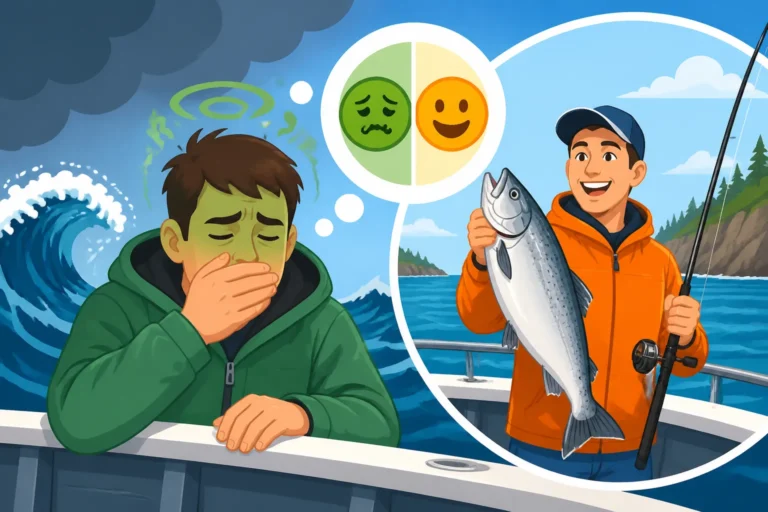
- Weather Cancellations (Captain's Call): If the captain determines that conditions are unsafe or unfishable (e.g., high winds on the ocean, dangerously high river flows, thick fog), they will almost always cancel the trip. In these cases, you are typically offered a full refund or the option to reschedule. This is standard practice and protects both your safety and the charter's reputation. It's never the angler's fault if the weather turns sour.
- Angler-Initiated Cancellations: These are cancellations made by you for personal reasons (e.g., illness, unexpected family emergency, work commitment, simply changing your mind). Unless there's an "Act of God" clause (discussed below) or you cancel well outside the stated timeframe, these cancellations are subject to the standard refund policy, and you might forfeit your deposit or payment.
It's important to understand the distinction. If it's raining but the conditions are safe and fishable, and you decide not to go, that's an angler-initiated cancellation, not a weather cancellation.
Act of God Clauses and Unforeseen Circumstances
Sometimes, things happen that are truly beyond anyone's control. These are often referred to as "Acts of God" clauses in contracts, though in charter agreements, it's more about significant, unforeseen circumstances.
- Major Emergencies: If a genuine, verifiable emergency arises (like a sudden severe illness, a death in the immediate family, or major travel disruptions due to natural disaster) that forces you to cancel, some captains might be more flexible, especially if you communicate promptly and provide documentation. However, this is at the captain's discretion and not guaranteed. It's always best to be transparent and provide as much detail as you can.
- Captain's Discretion: While not a formal clause, many experienced guides understand that life happens. If you've been a repeat customer or have a good relationship with a guide for Oregon Steelhead Guide Trips, they might be more willing to work with you on a reschedule or a partial refund, even if you fall outside the strict policy. But again, this is a favor, not a right.
| Cancellation Type | Who Initiates | Typical Refund Outcome (if within policy window) | Notes |
|---|---|---|---|
| Weather/Safety | Captain | Full Refund or Reschedule | Captain's call is final. Angler's safety is paramount. |
| Angler Personal Reason | Angler | Deposit forfeited or partial refund | Subject to timeframe policy. Earlier cancellation means better chances. |
| Mechanical Failure | Captain | Full Refund or Reschedule | Rare, but if the boat breaks down, it's on the captain. |
| Unforeseen Emergency | Angler | Captain's discretion (partial/reschedule) | Requires prompt communication and often verifiable proof. Not guaranteed. |
| No-Show | Angler (lack of) | No Refund, full payment typically forfeited | Highly discouraged, impacts guide's livelihood significantly. |
Navigating a Cancellation and Maximizing Your Refund Chances
So, you find yourself in the tough spot of needing to cancel. Here's how to approach it to give yourself the best possible chance of a favorable outcome.
Reading the Fine Print Before You Book
This might sound obvious, but how many of us actually read the cancellation policy before clicking "book"? I know, I know, it's easy to just skim! But when you're shelling out good money for something like Oregon Ocean Charter Fishing, it's absolutely crucial. Before you commit, actively look for the cancellation policy. It's usually found on the charter's website, on the booking platform's page (like FishingBooker), or it might be sent to you in the confirmation email.
Pay close attention to:
- The timeframe: How many days in advance do you need to cancel for a full refund?
- Refund amount: Is it a full refund, partial, or credit?
- Deposit specifics: Is the deposit ever refundable?
- Weather clause: What happens if the weather is bad? Who makes that call?
Knowing these details upfront empowers you. If the policy seems too strict for your comfort level, you might choose a different charter or consider trip insurance.
Direct Communication with Your Captain or Guide
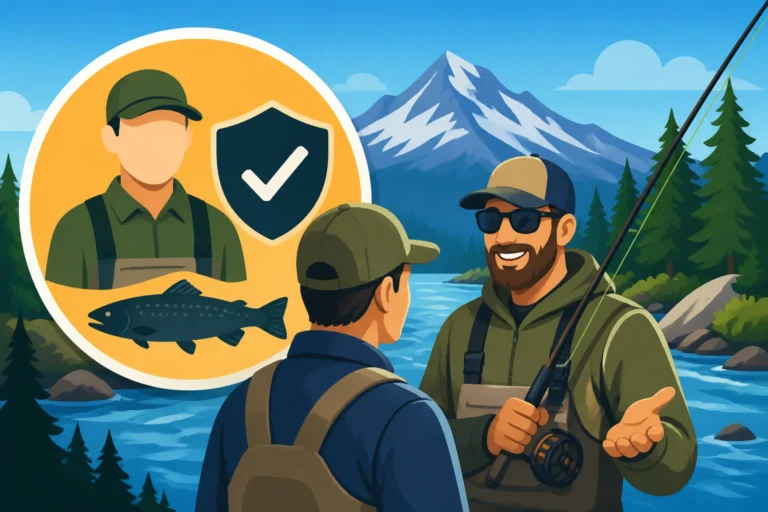
If you need to cancel, the absolute best thing you can do is communicate directly and as soon as possible with your captain or guide. Don't send a cryptic email or hope they'll figure it out. Pick up the phone!
- Be Honest and Transparent: Explain your situation clearly and calmly. Captains are usually reasonable people; they understand that life happens. A sincere explanation often goes a long way.
- Early Notification is Key: The more notice you give, the better. If you notify them well outside the cancellation window, they have a much higher chance of rebooking the date, which makes them more inclined to offer a full refund. Even if you're inside the window, early notification still helps them try to mitigate their loss.
- Discuss Alternatives: Instead of just asking for a refund, propose alternatives. Can you reschedule for a different date? Perhaps during a less busy season for Best Time of Year to Fish in Oregon? Many captains prefer to keep your business by rescheduling rather than issuing a refund and losing you entirely.
Utilizing Booking Platform Support
If you booked through a platform like FishingBooker, and you're having trouble reaching your captain or there's a disagreement about the policy, this is when their customer support can be invaluable.
- Review Platform Policies: First, check FishingBooker's specific cancellation and refund policies. They often have a clear dispute resolution process.
- Reach Out to Support: Contact their customer service team. They can often act as a mediator between you and the captain. They might have tools or influence to help facilitate a refund or a favorable rescheduling that you couldn't achieve on your own.
- Documentation: Keep all your booking confirmations, emails, and any communication with the captain. This documentation will be essential if you need to involve a third-party platform for support.
Considering Trip Insurance
For those who are particularly worried about losing money due to unforeseen circumstances, especially on more expensive trips or during critical travel times, trip insurance can be a smart move.
- What it Covers: Travel insurance policies can cover various reasons for cancellation, including illness, family emergencies, adverse weather (that prevents travel, not just prevents fishing), and more. Make sure to read the specifics of what a policy covers before purchasing.
- Peace of Mind: While an extra cost, trip insurance can provide immense peace of mind, knowing that if something truly unavoidable comes up, your financial investment in your Oregon Fishing Charter Guide trip is protected. It's an investment in reassurance.
- Check with Provider: There are many reputable travel insurance providers out there. Compare policies to find one that best fits your needs and the potential cost of your fishing adventure.
When a Refund Might Not Be an Option And What To Do Instead
Sometimes, despite your best efforts, a full refund simply isn't in the cards, especially if you're cancelling close to the trip date for a personal reason. But don't despair! There are often other solutions that can benefit both you and the charter.
Rescheduling vs. Refund
For most Oregon fishing guides, a reschedule is often preferred over a refund, especially if you've communicated early enough. It allows them to retain your business and doesn't leave them with an empty slot for that day.
- Flexibility is Key: If you can be flexible with your new dates, it makes it much easier for the captain to accommodate you. Perhaps you can move your Oregon Coho Salmon trip to a different week, or even a different season.
- Benefit for Both: You get to still go fishing, and the captain doesn't lose a booking entirely. It’s a win-win. Many guides will bend over backward to make a reschedule happen because they want you to have a great experience and come back again. They know that good customer service creates loyal anglers.
Credit for Future Trips
If rescheduling for an immediate future date isn't possible, some captains might offer a credit for a future trip. This means your payment or deposit is held by the charter and can be applied to a booking further down the line, often within a year.
- Good for Long-Term Planning: This is particularly useful if your immediate schedule is uncertain but you know you want to fish with that specific guide again. It allows you to keep your money invested in a future adventure without the pressure of immediately picking a new date.
- Confirm Expiry: Always clarify if there's an expiry date on the credit. You don't want to find out later that your credit expired! Get it in writing if possible, even a quick email confirmation can suffice.
Understanding Lost Deposits
Finally, be prepared for the possibility of losing your deposit. While no one wants to lose money, sometimes it's an unavoidable part of the process when cancelling within the critical window.
- It's a Business Tool: Remember, the deposit is there to protect the guide. It covers the costs of their time, preparation, and the lost opportunity of booking another client for that specific day. If you cancel at the last minute, that deposit helps offset a portion of their loss.
- Consider the Impact: Try to view it from the perspective of a small business owner. Losing a full day's booking can be a significant setback, and the deposit acts as a small cushion.
- Learn for Next Time: If you do forfeit a deposit, take it as a learning experience. For future bookings, make sure you're more confident about your dates or consider purchasing trip insurance.
Navigating cancellations can be stressful, but by understanding policies, communicating proactively, and exploring alternatives, you can often find a solution that works for everyone involved. The key is clear communication and respecting the commitment you made when you booked your Oregon fishing adventure.
Disclaimer
This article is for general informational purposes only and does not constitute professional advice. Laws, prices and regulations vary by location and change over time. Consult a qualified professional for guidance on your specific situation.