Oregon Steelhead Guide Trips
Oh, the elusive steelhead! If you've ever spent countless hours on an Oregon river, casting until your arm aches, battling the elements, and still coming up empty-handed, you know the frustration. It's a humbling experience, and frankly, it can be disheartening. Steelhead fishing in Oregon isn't just a casual pastime; it's an art, a science, and often, a test of patience against some of the most challenging and magnificent fish out there. This guide is here to shed light on how an Oregon steelhead guide trip can transform your experience, offering insights into navigating these complex waters with the help of seasoned pros.
Why Consider a Steelhead Guide Trip in Oregon?
Let's be honest, steelhead fishing in Oregon can feel like trying to solve a cryptic puzzle while standing in a rushing river. You've got the gear, maybe even a few tips from a friend, but the fish just aren't biting. It's not for lack of trying, but rather a lack of localized, real-time knowledge and specialized techniques. This is precisely where a professional steelhead guide becomes an invaluable asset, turning potential frustration into a genuine chance at success and, more importantly, a truly enjoyable day on the water.
Navigating Complex Regulations and Seasons
One of the biggest headaches for any angler in Oregon is keeping up with the ever-changing regulations. It's not just about having an Oregon Fishing License Guide; it's about understanding the nuances. Are you in a wild fish zone or a hatchery selective one? What are the bait restrictions today? Is the river open for retention, or is it strictly catch-and-release for certain species? These rules can change by the river, by the section of the river, and even by the day, often due to water levels, fish counts, or emergency closures. It’s a lot to keep track of, and accidentally breaking a rule can lead to significant penalties.
Imagine spending hours planning your trip, only to arrive at your favorite spot and discover, through a small, easily missed sign, that a specific regulation has changed, making your planned technique illegal. A good guide, however, lives and breathes these regulations. They are often among the first to know about updates and closures, not just from official sources but from their network of fellow guides and their constant presence on the water. They'll ensure you're compliant, allowing you to focus on the fishing, not the rulebook. They understand the intricacies of Oregon Fishing Regulations Explained and will protect you from unintentional violations.
Mastering Specialized Techniques
Steelhead are notoriously finicky, and catching them often requires very specific techniques that aren't always intuitive for the casual angler. Are you supposed to be drift fishing a worm, swinging a fly, casting a spinner, or plunking an array of brightly colored beads? The answer often depends on the water conditions, the time of year, and the specific river section. Without years of experience, it's tough to know which approach to take, let alone how to execute it effectively. You might be fishing the right spot at the right time, but with the wrong presentation, and the fish will simply ignore your offering.
A guide brings a deep arsenal of Oregon Steelhead Fishing Techniques to the boat. They've spent countless hours honing their craft, learning what works when and where. They can teach you the subtle art of reading water, understanding current seams, and presenting your lure or fly with precision. More than just telling you what to do, they’ll show you, adjust your cast, and fine-tune your setup. This hands-on instruction is invaluable, accelerating your learning curve far beyond what you could achieve on your own. It's like having a master craftsman by your side, guiding your hands as you learn a complex skill.
Accessing Prime, Often Secluded, Fishing Waters
One of the biggest advantages of hiring a guide, especially for steelhead, is gaining access to spots that are either hard to reach, require specific local knowledge, or are simply not obvious to the untrained eye. Many of Oregon's best steelhead runs are found in remote areas, or on private land with specific access agreements. Without a guide, you might be stuck fishing crowded public access points, which, while sometimes productive, often lack the serenity and untouched feel of more secluded spots.
Guides often have specialized boats, like drift boats, that can navigate shallow rivers and take you to runs that are inaccessible by foot or conventional motorboat. They know the subtle changes in the riverbed, the specific rock formations, and the underwater structure where steelhead like to hold. This isn't information you'll find on a map or a generic fishing forum. It's earned knowledge, gathered over years of guiding, and it can make all the difference between a slow day and an unforgettable experience. Imagine being dropped off at a pristine, isolated run, knowing you have a real shot at a fresh, chrome bright steelhead, far from the madding crowd.
Types of Oregon Steelhead Guide Trips
Just like there are many ways to skin a cat, there are many ways to chase steelhead in Oregon. Different rivers, seasons, and personal preferences call for different types of guide trips. Understanding these options can help you pick the adventure that best suits your style, your physical capabilities, and your ultimate fishing goals. Whether you dream of floating down a wild river or meticulously wading a pristine section, there’s a guided trip designed for you.
Drift Boat Adventures
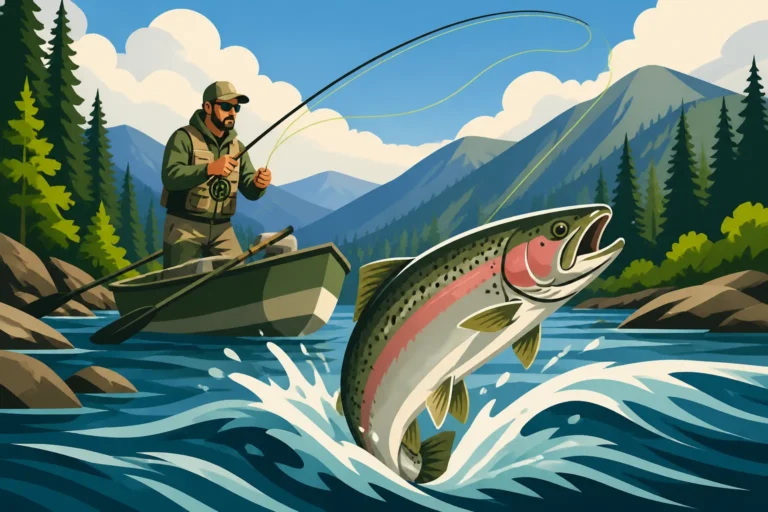
Drift boat trips are arguably the quintessential Oregon steelhead experience, particularly on our larger, more navigable rivers. These custom-built, shallow-draft boats are designed to be rowed silently downstream, allowing you to cover significant stretches of river while presenting your offerings to untouched water. It’s a wonderfully immersive experience, floating through stunning landscapes, with your guide expertly maneuvering the boat to put you in the prime fishing positions.
On a drift boat trip, your guide will often row you into position, instructing you to cast towards a specific seam, logjam, or rock where steelhead are known to hold. This might involve side-drifting bait, casting spinners, or fly fishing from the boat. The beauty of the drift boat is its versatility; it allows you to hit multiple spots in a day, moving constantly and giving you fresh water to target. It’s an ideal option for anglers who want to cover a lot of ground, enjoy the scenery, and appreciate the comfort of being in a boat, especially during colder weather or when targeting deeper runs. Rivers like the Deschutes, Rogue, and some coastal rivers are prime for these types of trips.
Wading and Bank Fishing Expeditions
For those who prefer a more intimate connection with the river, or who are targeting smaller, brushier streams, a wading or bank fishing expedition might be the perfect fit. These trips often focus on accessing specific runs that might not be reachable by boat or on waters where a boat would be impractical. It requires a bit more physical effort, as you'll be walking, scrambling, and wading, but the reward is often a feeling of true wilderness immersion.
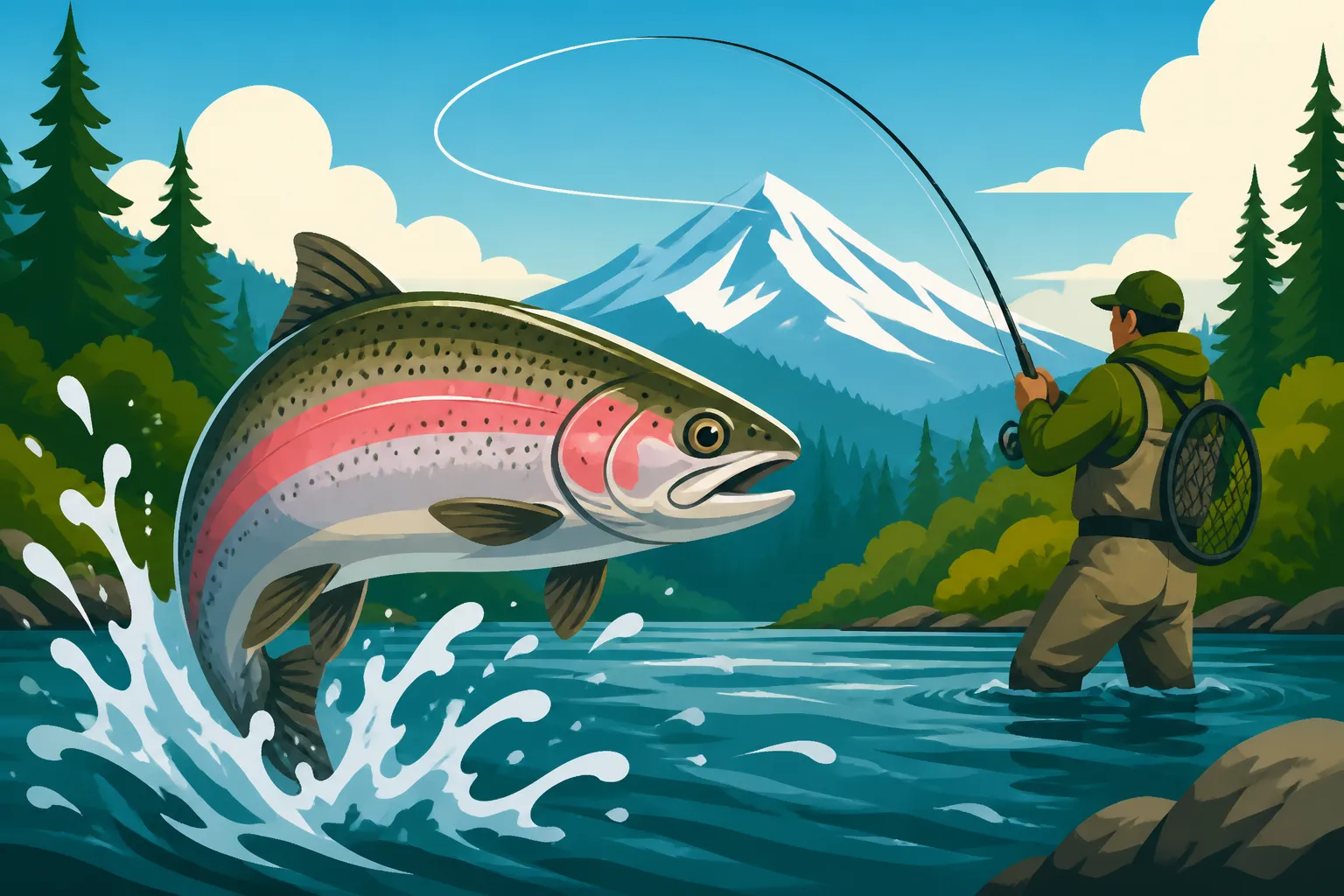
Your guide will lead you to productive stretches, teaching you how to move stealthily, read the subtle currents, and cast effectively from the bank or while standing in the river. This style of fishing is excellent for honing your casting skills, understanding fish lies in detail, and experiencing the river up close and personal. It's particularly popular for fly fishing for Summer Steelhead in Oregon on rivers like the Deschutes, where precise casting and a delicate presentation are key. It's also common on smaller coastal rivers where winter steelhead stack up in specific pools, making it a great option for Winter Steelhead in Oregon trips. You might spend the day hiking from spot to spot, learning the intricacies of each pool and riffle.
Combination Trips and Custom Packages
Sometimes, one approach isn't enough, or you might have specific goals in mind. Many Oregon steelhead guides offer combination trips that blend elements of drift boating and wading, or they can create custom packages tailored to your preferences. For example, you might spend the morning floating and covering water, then switch to wading a particularly productive stretch in the afternoon.
Custom packages can also cater to specific targets, like focusing exclusively on fly fishing for a certain species, or incorporating multi-day trips that explore different rivers or sections. If you're looking for a comprehensive experience that allows you to explore different facets of steelhead fishing, discussing a custom trip with your guide is an excellent idea. This flexibility allows you to maximize your time on the water and gain a broader understanding of Oregon's diverse steelhead fisheries. When you're looking for a guide, using platforms like FishingBooker can help you filter for guides who offer these specialized services, allowing you to clearly communicate your preferences upfront.
What to Expect on Your Guided Steelhead Trip
Booking a guided trip, especially if it's your first time, can come with a lot of questions. What do I bring? What does the guide provide? How long is the day? Understanding the typical flow of an Oregon steelhead guide trip can help ease any anxieties and allow you to fully immerse yourself in the experience. Remember, your guide is there to make your day enjoyable, educational, and, hopefully, productive.
Gear, Tackle, and Bait Provided
One of the most appealing aspects of a guided trip, particularly for beginners or those traveling from afar, is that the guide typically supplies all the necessary fishing gear, tackle, and bait. This means you don't need to invest in expensive rods, reels, waders, or an assortment of lures that may or may not be effective. Your guide will have top-of-the-line equipment, perfectly suited for the conditions and the specific techniques you'll be employing that day.
This usually includes appropriate rods and reels (whether for spinning, baitcasting, or fly fishing), fresh line, a variety of proven lures, flies, or bait, and all the terminal tackle like weights, swivels, and leaders. They'll also often provide high-quality waders and wading boots if your trip involves wading, ensuring you stay warm and dry. While you're welcome to bring your own favorite rod or lucky lure, trust that your guide's gear is specifically chosen for success on that particular river. This convenience removes a huge barrier to entry and ensures you’re fishing with the best possible setup.
The Typical Day: From Dawn to Dusk
A guided steelhead trip often starts early, sometimes well before sunrise, especially during prime seasons or on popular rivers. Your guide will usually arrange a meeting point, often a boat ramp or a nearby coffee shop, to brief you on the day's plan and get any last-minute questions answered. From there, you'll head to the river, load the boat, or gear up for a wading adventure.
The day itself is a continuous lesson in angling. Your guide will set up your rods, explain the chosen technique, and point out ideal casting spots. You'll spend hours covering water, making casts, and receiving real-time feedback and instruction. Lunch is often a simple affair on the riverbank, a chance to refuel and share stories before getting back to fishing. The day typically concludes in the late afternoon or early evening, after you've thoroughly worked the river. While catching fish is always the goal, the experience is also about learning, enjoying the scenery, and appreciating the peace of the river. The duration and intensity of the day can vary, so it's always good to clarify the schedule when booking, especially if you're using a service like FishingBooker where trip details are usually clearly outlined.
Safety First: Understanding Your Guide's Role
Beyond just putting you on fish, your guide’s paramount responsibility is your safety. Oregon's rivers can be powerful, cold, and unpredictable. A professional guide is trained in river safety, first aid, and emergency procedures. They know the river's currents, its hidden obstacles, and how to navigate it safely, whether in a drift boat or on foot. They'll provide life jackets and ensure they're worn when necessary.
They're also experts at handling powerful fish like steelhead safely, both for the angler and the fish. They'll teach you how to properly land, handle, and release fish, especially if you're practicing Oregon Catch-and-Release Rules. This focus on safety allows you to relax and enjoy the fishing, knowing you're in capable hands. Don’t hesitate to ask your guide about their safety protocols or any concerns you might have; a good guide will always prioritize your well-being.
Choosing the Right Oregon Steelhead Guide
Deciding to hire a guide is a great first step, but then comes the task of finding the right guide for your trip. There are many talented guides in Oregon, but they all have different specialties, personalities, and approaches. Taking the time to research and choose carefully can significantly impact your overall experience, ensuring it aligns with your expectations for a truly memorable steelhead adventure.
Licensing, Experience, and Reputation
First and foremost, ensure your guide is properly licensed and insured. In Oregon, fishing guides are required to meet specific state and federal requirements, including having a valid U.S. Coast Guard license if operating on certain waters, and a guide’s license from the Oregon State Marine Board. This ensures they have met minimum standards for safety, navigation, and professional conduct. Don't be shy about asking for proof of their credentials.
Beyond licenses, consider their experience and reputation. How long have they been guiding? Do they specialize in steelhead, and specifically on the rivers you're interested in? A guide with decades of experience on a particular river will have an intimate knowledge of its every bend, riffle, and hole. Look for reviews and testimonials online – platforms like FishingBooker are excellent for this, as they provide verified reviews from past clients. A guide's reputation for being patient, knowledgeable, and safety-conscious is just as important as their ability to find fish. Word-of-mouth is also huge in the guiding community, so ask around if you know other anglers.
Communication and Trip Customization
A great guide is also a great communicator. Before booking, have a conversation with potential guides. Ask about their approach, what kind of fishing they do, and what a typical day looks like. Clearly articulate your goals: Are you hoping to catch a trophy fish, or primarily looking to learn new techniques? Do you prefer fly fishing or conventional gear? Are you comfortable with an early start, or do you need a more relaxed pace?
A guide who listens attentively to your preferences and can offer suggestions to customize the trip is a valuable asset. Some guides are phenomenal teachers, perfect for beginners, while others might focus more on putting experienced anglers on big fish. Discuss dietary restrictions, physical limitations, or any other specific needs you might have. The better you communicate your expectations, the more likely you are to find a guide who can deliver the trip you're envisioning. For example, if you're keen on targeting steelhead on the Deschutes River Fishing Guide and want to learn specific fly-fishing techniques, make sure your chosen guide excels in that area.
Understanding Pricing and Inclusions
Guide trip prices can vary depending on the river, duration, and the guide's experience. When comparing prices, make sure you understand what's included. Most guides will cover:
- Boat and Fuel: If it's a drift boat or jet boat trip.
- All Fishing Gear: Rods, reels, line, lures, flies, bait, and terminal tackle.
- Waders and Boots: If wading is part of the trip.
- Safety Equipment: Life jackets, first aid.
- Expert Instruction: On techniques, river etiquette, and fish handling.
What's often not included, and which you'll need to arrange yourself, are:
- Oregon Fishing License: You'll need a valid license and any necessary endorsements, such as the Oregon Combined Angling Tag Guide for salmon and steelhead.
- Food and Beverages: Though some guides might offer a basic lunch or snacks; always clarify.
- Warm Clothing/Rain Gear: Essential for Oregon's unpredictable weather.
- Sunscreen, Sunglasses, Hat: Crucial for comfort and protection.
- Gratuity for the Guide: Tipping is customary and appreciated.
| Inclusions (Typically Provided) | Exclusions (Angler's Responsibility) |
|---|---|
| Fishing Rods, Reels, Line | Oregon Fishing License |
| Lures, Flies, Bait, Terminal Tackle | Necessary Endorsements (e.g., tags) |
| Drift Boat / Jet Boat & Fuel | Food, Snacks, Beverages |
| Waders and Wading Boots | Appropriate Clothing (layers, rain) |
| Safety Equipment (Life Jackets) | Sunscreen, Hat, Sunglasses |
| Expert Instruction and Guiding | Gratuity for the Guide |
| Fish Handling & Cleaning (basic) | Personal Items (camera, medications) |
Always ask for a clear breakdown of costs and inclusions before booking to avoid any surprises. A reputable guide will be transparent about their pricing structure.
Popular Oregon Rivers for Guided Steelhead Trips
Oregon is blessed with an incredible network of rivers, each with its own character and unique steelhead runs. From the wild, rugged coastal streams to the iconic inland rivers, there’s a steelhead adventure waiting for every angler. Knowing which rivers are prime for guided trips, and what makes them special, can help you narrow down your choices and target the experience you truly desire.
Coastal Rivers: Nestucca, Wilson, Siletz
Oregon's Coast Range rivers are legendary for their winter steelhead runs. These relatively shorter rivers, like the Nestucca River Fishing Guide, Wilson River Fishing Guide, and Siletz River Fishing Guide, swell with rain during the colder months, creating perfect conditions for anadromous fish to migrate upstream. These rivers are often characterized by their intimate feel, winding through dense forests, offering a true Pacific Northwest wilderness experience.
Guided trips on coastal rivers often focus on drift boating, covering many miles of prime holding water. Anglers can expect to target strong, often chunky, hatchery and wild steelhead that make their way up from the ocean. Techniques typically involve drift fishing with bait, jigs under floats, or casting spinners. The scenery is breathtaking, and the fishing can be incredibly rewarding, though conditions can be challenging with winter rains. These rivers also see some summer steelhead, but they are predominantly known for their robust winter runs, making them a fantastic choice for a cold-weather adventure.
Inland Gems: Deschutes, Rogue, Umpqua
Moving inland, Oregon boasts some truly iconic steelhead rivers that offer different experiences. The Deschutes River, for example, is world-renowned for its incredible Summer Steelhead in Oregon fishery. Flowing through high desert canyons, its consistent flows and prolific insect hatches make it a fly angler's paradise. Guided trips here often focus on fly fishing, either from a drift boat or through wading, targeting aggressive summer-run fish. The unique environment, with its sagebrush and basalt cliffs, offers a stark contrast to the verdant coast.
Further south, the Rogue River Fishing Guide is another legendary steelhead destination. It hosts both summer and winter steelhead runs, offering year-round opportunities. Guides on the Rogue often utilize jet boats in its lower sections and drift boats in the middle and upper stretches, allowing access to diverse water. The Rogue is famous for its wild, strong fish and stunning scenery, including its wild and scenic sections. The Umpqua River, known for its smallmouth bass, also has fantastic winter steelhead runs, and guides can offer drift boat trips through its beautiful lower stretches. Each of these rivers offers a distinct flavor of steelhead fishing, from the dry fly paradise of the Deschutes to the powerful runs of the Rogue.
Navigating Seasonal Hotspots
Steelhead fishing is incredibly seasonal, and a good guide knows exactly where the fish are going to be at different times of the year. The timing of the runs, water levels, and even daily temperatures dictate where the fish hold and what they're willing to bite. What might be a hotspot in December on a coastal river could be completely barren in August.
Guides are constantly monitoring these factors, tracking fish migrations, and adapting their strategies. They know when the first push of Winter Steelhead in Oregon hits the Nestucca, or when the bulk of the Summer Steelhead in Oregon are making their way up the Deschutes. This insider knowledge is crucial for success. If you're booking well in advance, discuss the optimal time for your chosen river and type of steelhead. This ensures you're putting yourself in the best possible position to intercept migrating fish, rather than casting into empty water. Checking online resources like FishingBooker can sometimes give you a seasonal overview of what's biting where, helping you plan the timing of your trip effectively.
Preparing for Your Oregon Steelhead Adventure
You've decided on a guide, picked a river, and set a date. Fantastic! Now it's time to prepare for your trip. While your guide will handle most of the technical aspects of fishing, there are a few personal items and considerations that are entirely up to you. Being well-prepared ensures your comfort, allows you to fully enjoy the experience, and respects your guide's time and effort.
Essential Personal Gear Checklist
Oregon weather, especially in the steelhead seasons, can be incredibly unpredictable. One moment it's sunny, the next you're in a downpour. Layering is key! Here's a checklist of essentials you should bring, regardless of what your guide provides:
- Layered Clothing: Start with a moisture-wicking base layer (synthetics or wool, no cotton!), add a fleece or wool mid-layer, and finish with a waterproof and windproof outer shell (jacket and pants). You can always shed layers if it warms up.
- Warm Hat and Gloves: Especially crucial in winter or on cold mornings. Fingers get cold fast!
- Warm, Dry Socks: Bring an extra pair or two. Wet feet are miserable.
- Sun Protection: Even on cloudy days, UV rays can be intense, especially with water reflection. Pack sunglasses (polarized are a must for spotting fish), a wide-brimmed hat, and high SPF sunscreen.
- Personal Medications: Any prescriptions, motion sickness remedies, or pain relievers you might need.
- Camera/Phone: For capturing those scenic moments and hopefully, your catch (ensure it's waterproof or in a dry bag!).
- Small Backpack/Dry Bag: To keep your personal items organized and dry.
- Water Bottle/Snacks: While some guides provide lunch, it's always good to have extra hydration and a quick energy boost.
- Small Towel: Handy for drying hands or wiping gear.
- Change of Clothes: For after the trip, especially if you get wet.
Remember, dressing for the conditions and bringing more layers than you think you'll need is always a good strategy in Oregon. You're far better off shedding a layer than shivering all day.
Licensing and Endorsements
This is perhaps the most critical item on your personal to-do list: acquiring the proper Oregon fishing license and any necessary endorsements before your trip. Your guide cannot provide this for you, and without it, you simply cannot fish. Fishing without a license can lead to significant fines and penalties, and it will definitely ruin your day.
For steelhead fishing, you'll generally need an annual or multi-day Oregon angling license. Additionally, because steelhead are an anadromous species, you will almost certainly need a Oregon Combined Angling Tag Guide. This tag is crucial for recording your salmon and steelhead catches, whether you retain them or not (as per Oregon Catch Record Card Requirements). Confirm with your guide exactly what type of license and tags are required for your specific trip. You can typically purchase these online through the Oregon Department of Fish and Wildlife (ODFW) website or from authorized license vendors like sporting goods stores. Make sure you have a physical copy or an official digital copy accessible on your phone, as game wardens can and will ask to see it.
Physical Preparation and Realistic Expectations
While most guided trips are designed to be accessible, steelhead fishing can involve some physical activity. If you're doing a wading trip, you'll be walking uneven terrain and wading in currents. Even drift boat trips require standing, casting repeatedly, and potentially fighting a strong fish for an extended period. A basic level of fitness will enhance your enjoyment and endurance throughout the day.
More importantly, set realistic expectations for your trip. While guides are experts at putting you on fish, steelhead fishing is still fishing – and there are no guarantees. Weather, water conditions, fish behavior, and sheer luck all play a role. Some days are incredible, with multiple hookups, while other days can be slower. Focus on the entire experience: the stunning scenery, the camaraderie with your guide, the opportunity to learn new skills, and the thrill of the chase. A successful trip isn't always measured by the number of fish caught, but by the quality of the experience and the memories made. Enjoy the journey, and the fish will be a bonus.
Ethical Angling and Conservation on Guided Trips
As passionate anglers, we all have a responsibility to protect the resources we cherish. Guided steelhead trips are not just about catching fish; they're also an opportunity to learn and practice ethical angling and conservation principles. Reputable Oregon fishing guides are often at the forefront of these efforts, teaching sustainable practices and promoting stewardship of our precious rivers and fish populations.
Catch-and-Release Best Practices
Many steelhead runs in Oregon, especially those for wild fish, are managed on a strict Oregon Catch-and-Release Rules basis. Even for hatchery fish, practicing proper catch-and-release techniques ensures that any fish you decide not to keep have the best chance of survival. Your guide will be an expert in these practices and will instruct you on how to minimize stress and injury to the fish.
This includes:
- Minimize Fight Time: Bring the fish in as quickly as possible without over-stressing it or breaking your line.
- Keep Fish in Water: Avoid removing the fish from the water entirely, especially for photographs. If you must, do so quickly and gently.
- Wet Hands: Always wet your hands before touching the fish to protect its delicate slime coat.
- Barbless Hooks: Many regulations require barbless hooks for steelhead, and it’s a good practice even when not required, as it aids in easy removal.
- Proper Hook Removal: Use forceps or pliers to quickly remove the hook. If the hook is deeply embedded and cannot be easily removed, cut the line as close to the hook as possible.
- Revive Gently: Hold the fish upright in the current, facing upstream, until it can swim away under its own power. Do not forcefully pump it back and forth.
Following these practices, taught by your guide, ensures that you contribute to the health and sustainability of Oregon's steelhead populations for future generations.
Understanding Hatchery vs. Wild Steelhead
A crucial aspect of steelhead conservation in Oregon is understanding the difference between hatchery and wild steelhead. While both are magnificent fish, wild steelhead populations often face greater conservation concerns. In many rivers, retaining wild steelhead is either prohibited or highly restricted, while hatchery-origin fish (often identified by a clipped adipose fin) may be retained within specific limits.
Your guide will teach you How to Tell a Wild Steelhead from a Hatchery Steelhead by looking for the adipose fin (the small, fleshy fin between the dorsal and tail fins). Hatchery fish typically have this fin clipped, a practice that helps distinguish them from wild fish and aids in conservation efforts. Knowing the difference is not just about compliance with regulations; it’s about appreciating the ecological significance of wild fish and making informed decisions that support their recovery. A guided trip offers an excellent opportunity to deepen your understanding of these critical conservation distinctions.
Respecting the Environment and Fellow Anglers
Beyond the fish themselves, ethical angling extends to respecting the environment and other users of the river. This means practicing "Leave No Trace" principles: pack out everything you pack in, and perhaps even pick up any litter you encounter. Avoid disturbing wildlife, be mindful of riparian zones, and prevent the spread of invasive species by cleaning your boots and gear.
Furthermore, respect for fellow anglers is paramount. Rivers can be busy, especially during peak steelhead runs. Your guide will demonstrate proper river etiquette, such as giving other anglers ample space, avoiding cutting off drifts, and being considerate at boat ramps and access points. A guided trip isn't just a fishing lesson; it's a masterclass in responsible outdoor recreation, teaching you to be a thoughtful and respectful steward of Oregon's beautiful natural resources. This collective commitment to conservation ensures that Oregon's incredible steelhead fisheries remain vibrant and accessible for everyone.
Disclaimer
This article is for general informational purposes only and does not constitute professional advice. Laws, prices and regulations vary by location and change over time. Consult a qualified professional for guidance on your specific situation.