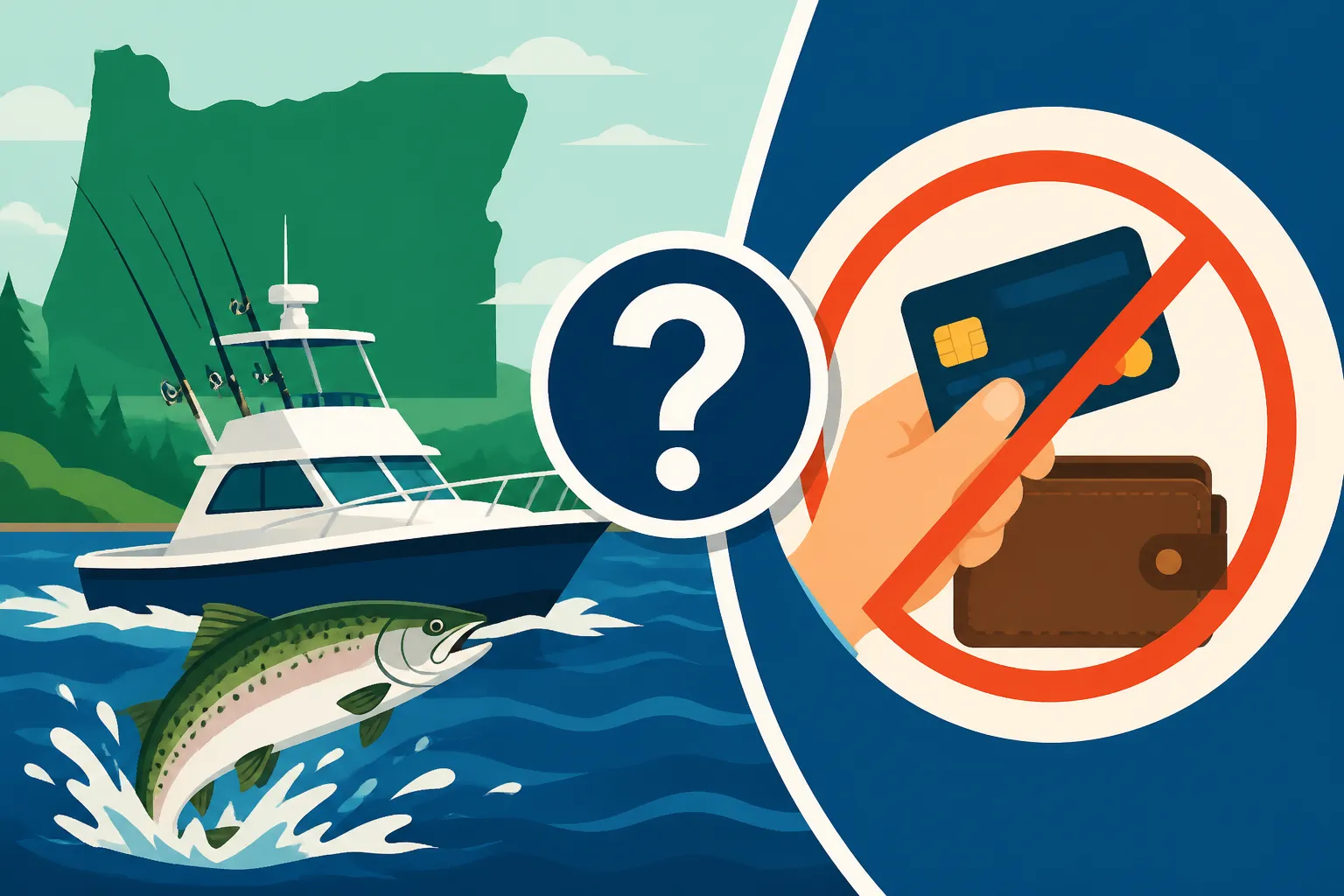
Do Oregon charters require a deposit?
Planning an exciting fishing trip on Oregon's stunning coast or a productive river often involves booking a charter, but a common question that pops up, causing a bit of stress for many, is about deposits. It's totally natural to wonder if you need to put money down upfront and what that means for your trip. This guide is here to demystify the deposit requirements for Oregon fishing charters, helping you navigate the booking process with confidence and clarity.
The Standard Practice: Why Deposits are Common
When you're dreaming of reeling in a trophy salmon or battling a powerful steelhead, the last thing you want to worry about are the logistics of payment. However, deposits are a deeply ingrained and necessary part of the charter fishing world, and for good reason. They act as a commitment from you and a safeguard for the hard-working charter captains and guides who dedicate their lives to putting anglers on fish.
Securing Your Spot on the Water
Imagine it's prime Chinook salmon season on the Columbia River, or the halibut bite is red hot off the coast of Newport. Quality charters and experienced guides book up fast, often months in advance, especially for desirable dates like weekends or specific tides. When you call to reserve a day, that guide is setting aside their boat, their expertise, and their time specifically for you and your group. This means they are turning away other potential clients who might be vying for that same slot.
A deposit helps secure that commitment. It ensures that the captain isn't left with an empty boat and a lost day's wages if an angler decides last-minute not to show up or finds another option. For the angler, paying a deposit gives peace of mind, knowing that their coveted date and chosen adventure, whether it's a Halibut Charter Trips off Newport or a Columbia River Salmon Guide Trips, is firmly locked in. It's a mutual agreement: your deposit confirms your intention to fish, and the charter's acceptance confirms their commitment to take you.
Mitigating No-Shows and Late Cancellations
Running a fishing charter is a small business, often a labor of love, but a business nonetheless. There are significant overhead costs involved: boat maintenance, fuel, insurance, gear, and, of course, the guide's wages. A full day of fishing requires hours of preparation before the boat even leaves the dock, from checking weather and tides to prepping bait and ensuring all safety equipment is in order.
A no-show or a late cancellation can be financially devastating for a charter. If a trip that was booked for a specific day suddenly falls through with little notice, it's nearly impossible for the captain to fill that spot, resulting in a complete loss of income for that day. Deposits serve to offset some of this loss, covering a fraction of the operating costs and compensating the guide for the lost opportunity. While no one wants to lose their deposit, understanding the guide's perspective – that they've blocked off their schedule and incurred costs based on your commitment – can help clarify why these policies are so important.
What a Deposit Typically Covers
It's helpful to think of a deposit not as an extra fee, but as a partial pre-payment towards your overall trip cost. It’s a down payment that solidifies your reservation. Generally, a deposit covers the initial administrative costs of booking and ensures that the boat, equipment, and guide's time are reserved for your specific date. It might also contribute to the fixed costs that a charter incurs regardless of whether the boat goes out, such as dock fees or basic maintenance.
It’s important to remember that the deposit is rarely the full price of the trip. The remaining balance will typically be due on the day of your charter, usually before you depart or sometimes immediately after you return, depending on the captain's preference. This structure allows the charter to manage their cash flow and ensures that you, the angler, aren't paying the entire sum far in advance of your actual trip, keeping things fair for everyone.
How Deposit Policies Vary Among Oregon Charters
Just like no two fishing trips are exactly alike, neither are the deposit policies of every Oregon charter. While the general principle of requiring a deposit remains consistent, the specifics can differ quite a bit depending on the captain, the type of trip, and even the booking method. It's crucial to pay attention to these variations when you're planning your adventure.
Deposit Amounts: From Flat Fees to Percentages
You'll find a spectrum of approaches when it comes to how much a deposit will be. Some charters opt for a straightforward flat fee per person, which might be a set amount, say, for each spot on a shared Group Fishing Charter Rates in Oregon. This makes budgeting easy, as you know exactly what to expect upfront. Other charters might charge a flat fee per boat, regardless of how many people are in your party, which is more common for private bookings like a Private Fishing Guide Rates in Oregon.
Then there's the percentage-based deposit. This is often a portion of the total trip cost, perhaps 25% or 50%. The advantage here is that if you're booking a longer, more expensive multi-day trip, the deposit scales accordingly. Factors influencing the deposit amount can include the type of fishing (e.g., a challenging Oregon Halibut Charter Guide might have different requirements than a short bay crabbing trip), the duration of the trip, and the size of the boat. Reputable online platforms like FishingBooker often clearly display these deposit structures right alongside the trip details, making it easy to compare various options.
Payment Methods and Booking Platforms
Gone are the days when every booking had to be done with a phone call and a mailed check. Today, Oregon charters offer a variety of convenient ways to pay your deposit. Most will accept major credit cards directly through their website or over the phone. Online payment systems, such as PayPal or other secure merchant services, are also very common, providing a safe and efficient way to transfer funds.
Many anglers choose to book their Oregon fishing adventures through dedicated online booking platforms. Services like FishingBooker act as intermediaries, streamlining the entire reservation process. When you book through such a platform, the deposit is typically handled directly by the platform itself, which then remits the funds to the charter captain. This often provides an extra layer of security and convenience, as these platforms usually have standardized booking procedures and clear communication channels. However, whether booking direct or via a platform, always ensure you're using a secure connection and that you receive a confirmation of your payment.
Refund and Cancellation Policies
This is perhaps the most critical part of understanding deposit requirements: what happens if you need to cancel? Every charter will have a cancellation policy, and these can vary significantly. Generally, the policy will outline a specific timeframe within which you can cancel and receive a full or partial refund of your deposit.
For example, a common policy might state that you receive a full refund if you cancel more than 30 days before your trip. If you cancel within 14-30 days, you might forfeit a portion of your deposit, or receive a credit for a future trip. Cancellations made less than 7 days out often result in a complete forfeiture of the deposit, as the charter has little to no chance of rebooking that slot. These timeframes are put in place to give the captain a reasonable opportunity to fill the vacancy.
A key exception to these policies almost universally revolves around weather. Reputable Oregon charters will prioritize your safety above all else. If the captain deems the weather or sea conditions unsafe for fishing, they will cancel the trip. In such cases, you will almost always be offered the option to reschedule for another date or receive a full refund of your deposit. It’s rare to find a charter that would keep your deposit if they are the ones cancelling due to safety concerns. Always confirm the specific weather cancellation policy with your chosen charter, as well as checking on How often do Oregon fishing regulations change to ensure you're aware of any fishing season impacts.
| Policy Aspect | Typical Scenario | What to Expect |
|---|---|---|
| Deposit Amount | Flat fee per person or per boat, or a percentage | Varies by charter, trip type (e.g., Oregon Salmon Charter Guide), and duration. Always confirm. |
| Payment Method | Credit card, online payment platforms | Secure online transactions are common. Some accept checks for advance bookings. |
| Cancellation Window | 7-30 days for full refund | Shorter notice often means partial or no refund of deposit. Review carefully. |
| Weather Cancellation | Captain cancels due to unsafe conditions | Full refund or option to reschedule is standard. Safety first! |
| No-Show | Failure to appear for the trip | Deposit is almost always forfeited. |
| Rescheduling | Often allowed with sufficient notice (e.g., 2 weeks) | May depend on charter availability; sometimes a small fee applies. |
Finding and Understanding Deposit Requirements Before You Book
You've picked your target species, envisioned your dream catch, and you're ready to book. Before you hit that "confirm" button, taking a few moments to thoroughly understand the deposit requirements can save you a lot of headache and ensure a smooth experience. This proactive approach is key to a stress-free fishing adventure in Oregon.
Where to Look for Deposit Information
The first and most obvious place to check for deposit information is the charter's official website. Most professional charters will have a dedicated "Book Now," "Rates," "FAQ," or "Policies" section where they clearly outline their deposit requirements, cancellation policy, and payment options. Look for specific details on the amount, the timeframe for refunds, and what happens in case of bad weather. Don't skim; read it carefully.
If you're using an online booking platform, like FishingBooker, you'll find this information front and center. These platforms are designed to make booking transparent, so the deposit amount, payment schedule, and cancellation terms are typically displayed prominently on the listing page for each charter. This standardized presentation can make comparing policies across different Newport Oregon Fishing Charters or Astoria Oregon Fishing Charters much easier.
Of course, if you can't find the information easily, or if anything seems unclear, don't hesitate to reach out directly. A quick phone call or email to the charter captain or booking agent is always a good idea. They are usually more than happy to clarify any questions you have and ensure you're comfortable with the terms before committing. This direct communication can also give you a good feel for the charter's customer service.
Questions to Ask Your Prospective Charter Captain
Even after reading the fine print, having a direct conversation can clear up any lingering doubts. Arm yourself with a few specific questions when you contact an Oregon charter. These questions not only help you understand the deposit policy but also demonstrate that you're a serious and considerate client, which is always appreciated by guides.
Here are some essential questions to ask:
- "What is the exact deposit amount for my chosen trip date and number of people?"
- "What is your cancellation window for a full deposit refund? For example, if I need to cancel, how much notice do I need to give?"
- "What is your policy if the trip is cancelled due to unsafe weather conditions? Will I receive a full refund or a chance to reschedule?"
- "When is the remaining balance of the trip due? Is it payable at the dock, or beforehand?"
- "Are there any other fees or charges I should be aware of, like for fish cleaning or tackle rental, that aren't included in the trip price or deposit?"
Asking these questions upfront ensures there are no surprises down the line. It's especially important if you're planning a complex trip, such as coordinating for a large group or trying to align with specific Oregon Fishing Season Dates and Limits. For instance, if you're looking into Oregon Steelhead Guide Trips, confirming the exact dates and what happens if the run is delayed or conditions change is vital.
The Importance of a Written Confirmation
Once you've paid your deposit, whether directly or through a platform like FishingBooker, always ensure you receive a written confirmation. This could be an email, a digital receipt, or a confirmation page you can print. This document should clearly state the date of your booking, the type of trip, the amount of the deposit paid, the total remaining balance, and a summary or link to the cancellation policy.
This written confirmation serves as your proof of payment and your agreement with the charter. In the unlikely event of a dispute or misunderstanding, having everything in writing provides clarity and protection for both you and the charter operator. It’s like getting a receipt for any significant purchase – it's simply good practice and offers peace of mind. Without it, verifying your booking or challenging any discrepancies becomes much harder.
Navigating Common Deposit Scenarios
Understanding the general principles of charter deposits is great, but real-world situations can sometimes present unique questions. Let's explore a few common scenarios you might encounter when booking your Oregon fishing adventure.
Last-Minute Bookings and Deposit Expectations
Sometimes, the perfect fishing opportunity pops up unexpectedly – maybe you suddenly have a free weekend, or an emergency closure opens up a new, unexpected opportunity elsewhere. For those spontaneous anglers looking for a last-minute charter, deposit expectations can sometimes differ. Because there's less time for the charter to rebook if you cancel, guides might require a larger deposit, or even the full trip amount upfront, to secure your spot.
While it might seem less flexible, it's a practical measure for the charter. Filling a slot with only a few days' notice is challenging, so the higher deposit ensures their commitment is reciprocated. If you're considering a quick trip, like utilizing an Oregon 1-Day Fishing License for an impulsive offshore venture, be prepared for these potentially stricter deposit terms. It's always best to ask explicitly about their policy for bookings made within a week or two of the desired fishing date.
Group Bookings and Deposit Responsibility
Planning a fishing trip with friends or family, perhaps on one of the Oregon Family-Friendly Fishing Charters, is a fantastic way to create lasting memories. However, when it comes to deposits for group bookings, clarity is key. Typically, one person in the group will be designated as the primary contact and will be responsible for placing the initial deposit for the entire party.
This individual essentially becomes the "face" of the group for the charter and is accountable for the deposit and adherence to the cancellation policy. It's crucial for the primary contact to clearly communicate all deposit and cancellation terms to everyone in the group. If someone in the party backs out at the last minute, the deposit policy will still apply to the overall booking, meaning the remaining members might need to cover the difference or forfeit that portion of the deposit. Establishing clear expectations within your group beforehand will prevent any awkward situations and keep the focus on the fun of fishing.
Understanding Endorsements and Additional Fees
When you're looking at the cost of an Oregon fishing charter, it’s easy to assume the deposit covers everything. However, it's vital to remember that the deposit, and even the full charter price, typically does not include your fishing license, any required endorsements, or other personal expenses. These are separate costs that anglers are responsible for acquiring and paying themselves.
For example, if you're heading out into the Pacific Ocean, you'll need an Oregon Ocean Endorsement in addition to your standard fishing license. If you're planning to fish for salmon or steelhead on the Columbia River, the Oregon Columbia River Basin Endorsement is a must. Similarly, if you plan to keep certain species like salmon, steelhead, or sturgeon, you'll need specific tags or Oregon Combined Angling Tag Guide. These are regulatory fees, not part of the charter service. Most charters will expect you to arrive with all necessary licenses and endorsements already purchased. While some guides might offer to help you acquire them, this is an exception, not the rule. Always budget for these additional requirements on top of your charter deposit and final payment.
Disclaimer
This article is for general informational purposes only and does not constitute professional advice. Laws, prices and regulations vary by location and change over time. Consult a qualified professional for guidance on your specific situation.