Can two anglers share an Oregon fishing license?
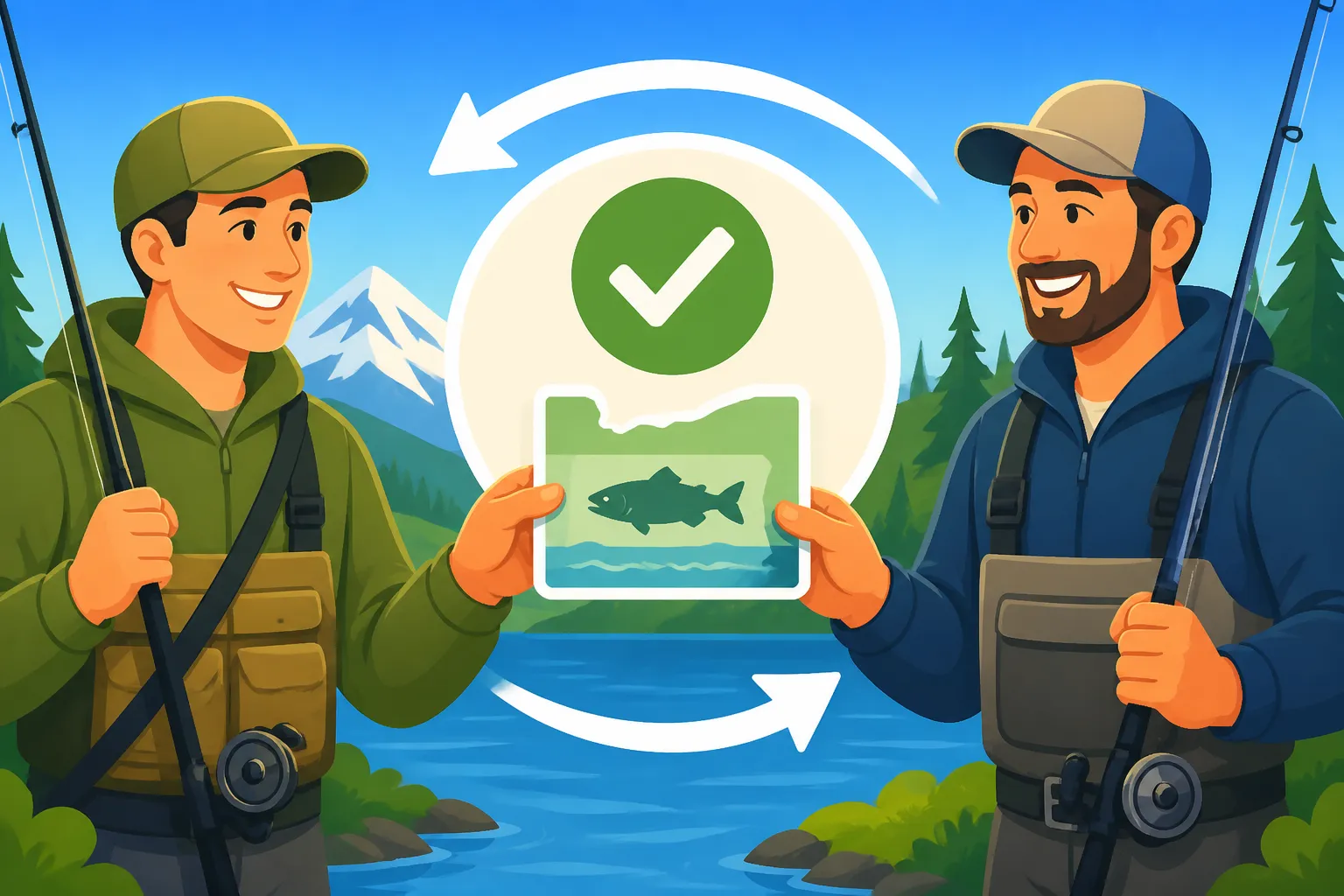
It's a common scenario: you and a friend, your partner, or your kids are heading out for a day of fishing in Oregon, and someone wonders, "Hey, can't we just share one license? We're fishing together, right?" This seemingly innocent question touches on a critical aspect of responsible angling. The short answer is no, and understanding why is key to avoiding an unwelcome encounter with a game warden and ensuring you're contributing to the health of Oregon's fisheries. This guide will meticulously break down the rules, the reasons behind them, and how to make sure every angler in your group is properly licensed for a worry-free day on the water.
Oregon's Individual Angler Requirement: A Clear Rule
Let's get right to it: in Oregon, fishing licenses are strictly individual. This means that every single person, with very few specific exceptions, who is actively fishing or attempting to catch fish, needs to possess their own valid license. There's no "family license" or "group discount" that allows multiple adults to share a single piece of paper. This is a fundamental principle of how fishing is regulated, not just in Oregon, but across most states.
Imagine a beautiful morning out on the Willamette River, chasing those elusive spring Chinook. You've got two rods in the water, and your buddy is holding one. If only one of you has a license, you're both technically breaking the rules. The Oregon Department of Fish and Wildlife (ODFW) issues licenses to individuals, and that license acts as your personal permission slip to partake in the sport. It's not tied to a household or a boat; it's tied directly to you. This might seem like a hassle, especially if you're just introducing someone new to the sport, but it's designed to ensure fairness and effective resource management.
The "Individual Angler" Principle Explained
The ODFW's licensing system operates on the principle that each person actively engaged in fishing contributes to the overall pressure on fish populations. Whether you're an experienced angler or a first-timer, every hook in the water has the potential to catch a fish. Therefore, each participant needs to be accounted for. This isn't about being punitive; it's about accurate data collection and funding for conservation.
Consider a scenario: a parent takes two children fishing. If the children are under the age of 12, they don't need a license for angling. However, the parent, being an adult and actively supervising or assisting, does need their own. If those children are 12 or older, they too would need their own Oregon Youth Fishing License. It's a clear age-based requirement, not a shared one. The idea is that everyone old enough to require a license must carry one. This applies whether you're fly fishing the Metolius River, trolling for kokanee on Wallowa Lake, or simply casting a line from a dock on the Oregon Coast.
Why ODFW Requires Separate Licenses
The reasons behind requiring individual fishing licenses are multifaceted, touching upon conservation, revenue generation, and data collection. Firstly, it's about conservation. Every license sold contributes to the ODFW's ability to manage fish stocks, fund habitat restoration projects, conduct scientific research, and enforce regulations. If people could share licenses, a significant portion of potential revenue would be lost, directly impacting these vital programs. Without adequate funding, the long-term health of Oregon's diverse fisheries—from wild steelhead runs to popular trout fisheries—would be jeopardized.
Secondly, licenses are a primary source of revenue for the ODFW. The funds generated from license sales, along with various tags and endorsements, are crucial for sustaining the agency's operations. This includes everything from stocking lakes and rivers with hatchery trout to monitoring salmon runs and protecting endangered species. Think of it as your direct contribution to ensuring future generations can enjoy the same incredible fishing opportunities that Oregon offers today.
Finally, individual licenses aid in data collection. While a single license can't track every single fish caught, the number of licenses sold, combined with catch record card data for certain species, provides valuable insights into fishing pressure and participation rates. This information helps fisheries managers make informed decisions about bag limits, season dates, and other regulatory measures outlined in the Oregon Fishing Regulations Explained. Without an accurate count of individual anglers, this data would be significantly skewed, making effective management much more challenging.
Consequences of Fishing Without a Proper License
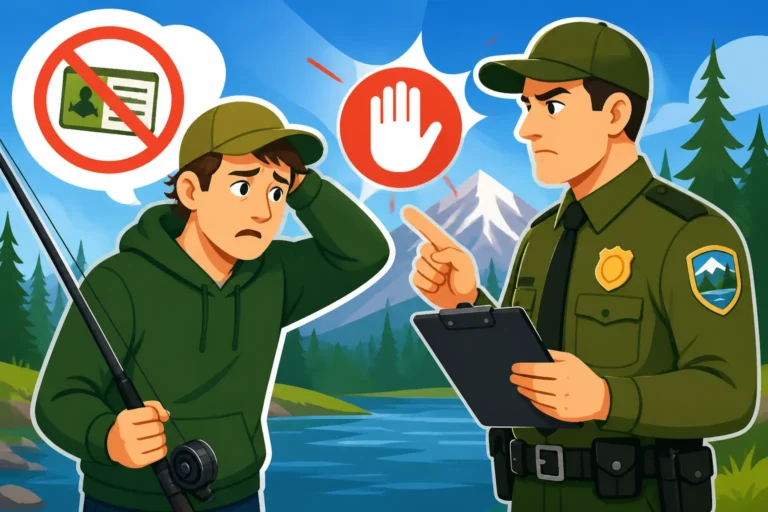
It might seem like a minor oversight, but fishing without a valid license in Oregon, or attempting to share one, can lead to serious repercussions. Game wardens are diligent in their patrols, and they have full authority to check licenses and ensure compliance. It's not just about a stern lecture; it can involve fines, confiscation of gear, and even a loss of future fishing privileges. It's simply not worth the risk.
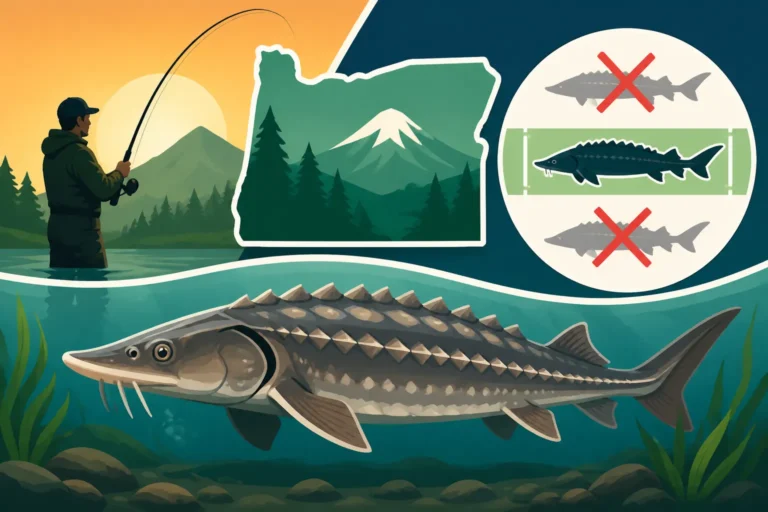
Picture this: You're out on the Columbia River, enjoying a fantastic day reeling in some smallmouth bass, or maybe even a sturgeon if the season is open. A friendly OSP (Oregon State Police) Game Warden approaches, asks to see your license, and you realize your buddy has the only one for the two of you. That friendly conversation can quickly turn into a legal headache.
Understanding Oregon Fishing Violations and Penalties
Fishing without a proper license in Oregon is considered a violation, and the penalties can range depending on the specific circumstances and whether it's a first offense. Generally, it's categorized as a Class A violation. This can lead to significant monetary fines, which can easily be several hundred dollars, far more than the cost of a valid Oregon Annual Angling License or even a short-term Oregon 1-Day Fishing License.
Beyond the financial hit, a violation can also result in the forfeiture of your fishing gear. This means your rods, reels, tackle box, and even your boat in some severe cases, could be confiscated by law enforcement. Imagine losing that prized fishing rod you just bought from a reputable outdoor retailer or even from a large online store like Amazon. Furthermore, multiple violations or more serious offenses (like retaining protected species without the correct tag) could lead to the suspension of your fishing privileges for a period, meaning you wouldn't be able to purchase a license at all for a set time. You can find more specific details about these consequences in our guide on Oregon Fishing Violations and Penalties.
Enforcement and Verification on the Water
Oregon State Police Game Wardens are highly trained and experienced in enforcing fishing regulations. They conduct patrols by vehicle, boat, and even on foot in remote areas. It's not uncommon to see them pulling up alongside boats on the lower Columbia or checking anglers along popular stretches of the Deschutes. Their primary role is to ensure conservation laws are followed, and checking licenses is a routine part of that duty.
When a game warden approaches, they will typically ask to see your fishing license and photo identification. They have the technology to verify the validity of your license on the spot. If you've purchased your license online, you can often display it on your phone, but it's always a good idea to have a printed copy as a backup, especially in areas with poor cell service. Our article on Can I use my phone as proof of an Oregon fishing license? provides more detail on this. They are authorized to ask questions about your fishing activities, the gear you're using, and any fish you've caught. Refusing to cooperate or providing false information can escalate the situation and lead to additional charges. Remember, they're there to protect the resource, and your cooperation helps them do their job effectively.
Ensuring Every Angler Has Their Own License
So, if sharing isn't an option, what's the best way to ensure everyone in your fishing party is properly licensed? It's actually quite straightforward once you understand the various options available. Oregon offers a range of license types designed to accommodate different age groups, residency statuses, and durations of fishing trips. Planning ahead is key, especially when you're bringing along new anglers or visiting from out of state.
It's a small investment for the immense pleasure of fishing Oregon's incredible waters, whether it's casting for trout in a high mountain lake or battling a salmon on the coast. Taking the time to understand the options and secure the correct licenses for everyone means a relaxing, legal, and truly enjoyable outing for all.
Different License Types for Diverse Needs
Oregon provides several types of fishing licenses to suit various situations. For residents, the standard is the Annual Angling License. This covers fishing for a full calendar year. For shorter visits or occasional trips, there are also options like the Oregon 1-Day Fishing License or multi-day licenses. These are perfect for a quick weekend getaway or for non-residents visiting the state.
Here's a quick overview of common license types and who needs them:
| License Type | Who Needs It | Validity | Key Features |
|---|---|---|---|
| Annual Angling License | Residents 18 and older | Calendar Year | Covers most freshwater & saltwater fishing (endorsements extra) |
| Annual Nonresident Angling | Nonresidents 18 and older | Calendar Year | For regular nonresident visitors |
| 1-Day/Multi-Day Angling | Residents/Nonresidents 18 and older, for short trips | 1, 2, 3, or 7 days | Flexible for vacations or infrequent fishing |
| Youth Angling License | Residents/Nonresidents ages 12-17 | Calendar Year | Reduced cost for young anglers |
| Senior Angling License | Oregon Residents 70 and older | Calendar Year | Significantly reduced cost for eligible seniors |
| Combined Angling Tag | Required for retaining salmon, steelhead, sturgeon, and halibut (in addition to license) | Calendar Year | Mandatory for specific high-value species |
| Shellfish License | Required for crabbing, clamming, etc. | Calendar Year | Specific to shellfish harvesting |
Remember, these general angling licenses typically do not include specific tags or endorsements required for certain species or areas. For instance, if you plan to keep salmon, steelhead, or sturgeon, you'll also need an Oregon Combined Angling Tag. If you're targeting halibut, a specific halibut tag is often required. Always check the current ODFW regulations for the most up-to-date requirements for your target species and location. Even if you're just enjoying a day out with some gear purchased from Amazon or your local tackle shop, it's vital to have all your paperwork in order.
Group Fishing Dynamics and Licensing
When fishing in a group, whether it's a family outing or a trip with friends, the individual license rule still applies. If you're going out with your spouse, both of you need a license if you're both fishing. If you're taking your children, remember that children under 12 typically don't need an angling license, but those 12 and older do. Many parents find the Oregon Youth Fishing License an excellent way to get their kids invested in the sport without a huge upfront cost.
For larger groups or those unfamiliar with Oregon's waters, hiring an Oregon Fishing Guide Services can be a fantastic option. Reputable guides will not only provide expertise and gear but will also ensure that all participants are aware of and comply with licensing requirements before you even hit the water. They often remind clients to purchase their licenses and any necessary tags in advance, preventing any last-minute scramble or, worse, an illegal fishing situation. It's about collective responsibility for the resource while enjoying the experience together.
How and Where to Obtain Your Oregon Fishing License
Getting your Oregon fishing license is thankfully a very straightforward process, designed for convenience. You have a few main avenues, each with its own advantages. The most important thing is to do it before you head out to fish. Don't wait until you're at the river's edge or boat ramp, hoping to find a last-minute solution. Plan ahead, get your license, and you'll be set for a fantastic day on the water.
Having your license ready means you can focus on the fishing, the scenery, and the company, rather than worrying about compliance. You can even browse for last-minute fishing accessories on sites like Amazon while you're at it, knowing your license is secured.
Online vs. In-Person Purchase Options
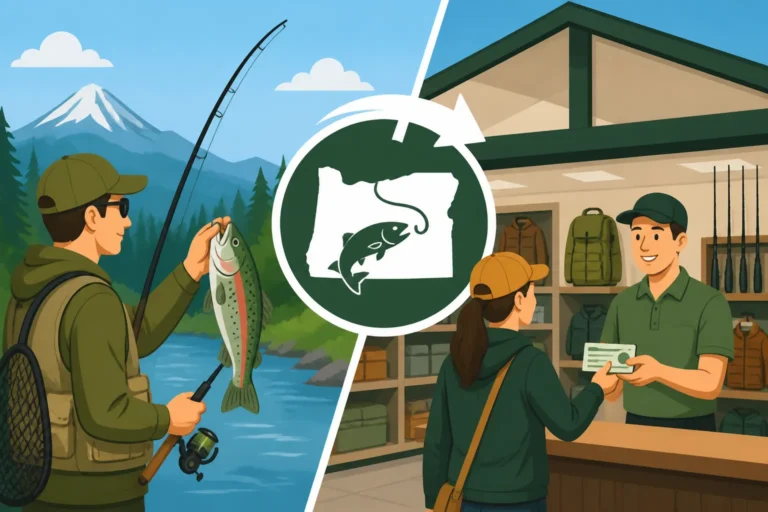
The most popular and often easiest way to purchase an Oregon fishing license is online through the ODFW's electronic licensing system, known as MyODFW. This method offers several benefits:
- Convenience: You can purchase your license 24/7 from the comfort of your home, using your computer or smartphone.
- Instant Access: Once purchased, you can immediately print your license or save an electronic copy to your mobile device. This means no waiting in line!
- Full Range of Options: The online system allows you to select any type of license, tag, or endorsement you need, including the Oregon Combined Angling Tag.
However, if you prefer a more traditional approach or need assistance, you can also purchase your license in person at various vendors across the state. These include:
- ODFW Offices: State agency offices often sell licenses and can provide direct assistance.
- Sporting Goods Stores: Many large retailers, independent tackle shops, and some general stores are authorized ODFW license vendors. Places like Bi-Mart, Fred Meyer, and even some smaller convenience stores often carry them. Our guide on Where to Buy an Oregon Fishing License provides more specific locations.
The choice between online and in-person often comes down to personal preference and urgency. For a detailed comparison, check out our article on Buying an Oregon Fishing License Online vs In Person. Both methods are reliable, but online offers unparalleled speed and accessibility.
Necessary Information and Proof for Purchase
When you go to purchase your Oregon fishing license, whether online or in person, you'll need to provide some basic information. For residents, this typically includes:
- Proof of Residency: A valid Oregon driver's license or state ID card is usually sufficient.
- Date of Birth: To verify age for different license categories (e.g., senior, youth).
- Contact Information: Name, address, phone number, and email.
For non-residents, you'll need similar personal identification from your home state. There are specific criteria to determine if you qualify as an Oregon resident for licensing purposes, which usually involves living in the state for at least six consecutive months. It's always best to have your identification readily available to ensure a smooth transaction.
Once you have your license, make sure to carry it with you whenever you are fishing. Keep it in a waterproof wallet or a secure pocket. If you opted for the digital version, ensure your phone is charged! Being prepared is the easiest way to ensure your fishing adventure remains enjoyable and compliant with all of Oregon's rules.
Disclaimer
Please note that fishing regulations, license requirements, and fees are subject to change by the Oregon Department of Fish and Wildlife (ODFW). While this guide strives to provide accurate and up-to-date information, it is always the angler's responsibility to consult the current official ODFW regulations, pamphlets, and website before heading out on the water. This content is for informational purposes only and does not constitute legal advice.