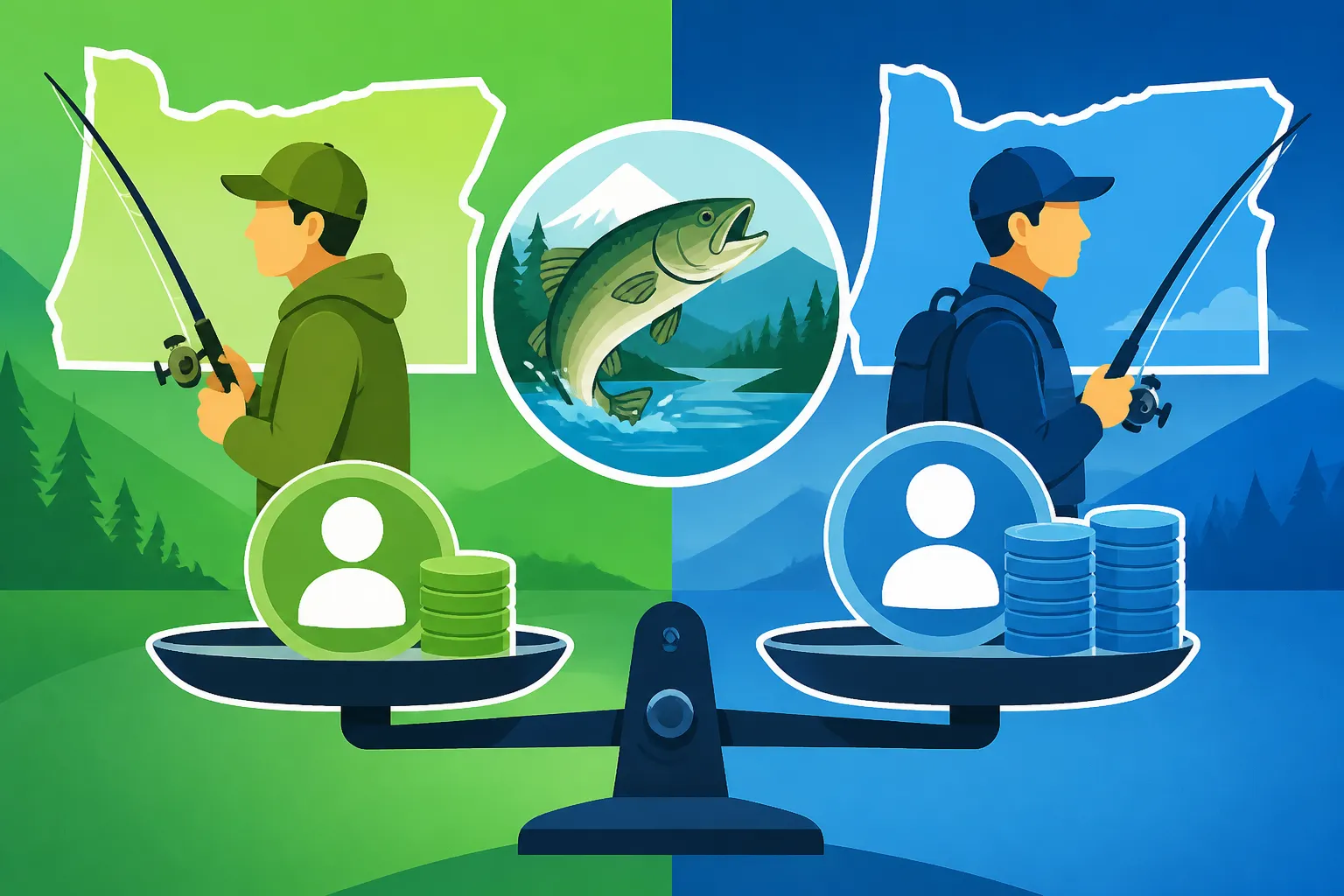
Oregon fishing license cost comparison resident vs nonresident
Navigating the world of fishing licenses can feel like trying to untangle a particularly stubborn knot in your fishing line, especially when you're trying to figure out if you're a resident or nonresident for Oregon's rules. It’s a common frustration, and the price difference between the two can be quite significant, leaving many anglers scratching their heads. This comprehensive guide is here to demystify the Oregon fishing license cost comparison for residents versus nonresidents, breaking down what you need, what it costs, and how to get it, so you can spend less time worrying about permits and more time casting a line.
Understanding Oregon Fishing License Categories
Before we even get to the dollar signs, it's crucial to understand how Oregon defines a resident versus a nonresident. This distinction is the bedrock of how much you'll end up paying for your angling privileges. It's not always as straightforward as where you receive your mail, and there are specific criteria that the Oregon Department of Fish and Wildlife (ODFW) uses.
Who Qualifies as an Oregon Resident?
Becoming an Oregon resident for fishing license purposes isn't just about wishing you were one! The state has clear-cut requirements. Generally, you’re considered an Oregon resident if you've lived in the state for at least six consecutive months immediately prior to applying for a license. This isn't just a casual visit; it implies a continuous physical presence and an intent to make Oregon your home. This means things like having an Oregon driver's license, registering your vehicles in Oregon, and even filing your taxes as an Oregon resident all contribute to establishing that residency. If you're a college student attending an Oregon institution, there might be specific nuances to your situation, so always check the latest ODFW guidelines. Many people find themselves moving to Oregon for work or lifestyle and wonder when they can claim resident status for their outdoor pursuits. It truly boils down to that continuous six-month period and demonstrating your intent to reside here permanently.
The Basics of Nonresident Status
If you don't meet those resident criteria, then you're generally considered a nonresident. This applies to anyone visiting Oregon for a fishing trip, whether it's for a weekend getaway to the Deschutes River or a week-long salmon expedition on the Columbia. Even if you own property in Oregon but primarily live in another state, you’ll typically fall under the nonresident category. This is where many vacationers find themselves, planning a trip to experience Oregon’s incredible fishing opportunities. It’s important to embrace this status from the start, as pretending to be a resident when you're not can lead to significant penalties, including hefty fines and loss of future fishing privileges, as outlined in the Oregon Fishing Violations and Penalties guide. It’s simply not worth the risk.
Why the Price Difference Exists
The disparity in license costs between residents and nonresidents is a common practice across states, and it's rooted in the principles of conservation and state funding. Residents, through their taxes and property ownership, contribute continuously to the state's infrastructure, services, and wildlife management efforts. Therefore, their fishing licenses are priced to reflect this ongoing contribution and encourage local participation in outdoor recreation. Nonresidents, while welcomed visitors, don't have that same long-term financial stake in the state's conservation budget. The higher nonresident fees help to offset the costs of managing fisheries, maintaining access points, enforcing regulations, and stocking programs that all anglers benefit from, ensuring that Oregon's bountiful waters remain healthy for generations to come. It’s about sharing the cost of stewardship fairly among all who enjoy the resource.
Annual Fishing License Costs: Resident vs. Nonresident
When you're planning your Oregon fishing adventure, whether you call the Beaver State home or are just passing through, the annual angling license is often the first thing people look at. The price difference here is the most stark and usually sparks the initial "resident vs. nonresident" debate. Let’s break down what these core licenses entail.
Resident Annual Angling License
For those of us lucky enough to call Oregon home, the annual angling license is a fantastic value. It typically covers a full calendar year, from January 1st to December 31st, allowing you to fish for a wide variety of species across the state's vast network of rivers, lakes, and coastal waters. As of early 2024, an adult resident annual angling license generally costs around $44.00. This single license is your gateway to trout fishing in the high Cascades, chasing bass in warmwater lakes, and even targeting salmon and steelhead, provided you also acquire the necessary tags or endorsements. It's truly the cornerstone of fishing for Oregonians, making regular outings affordable and accessible. Don’t forget that this base license doesn't include everything; you'll still need specific tags for certain species, which we'll discuss a bit later. If you’re curious about all the possibilities, our guide to Oregon Fishing License Types Explained goes into much more detail.
Nonresident Annual Angling License
Now, for our friends visiting from out of state, the annual nonresident angling license carries a higher price tag, reflecting the rationale we discussed earlier regarding conservation funding. A nonresident adult annual angling license typically runs around $115.50 as of early 2024. While it's a higher initial investment than the resident version, it offers the same extensive fishing opportunities across Oregon for the entire calendar year. For those planning multiple trips throughout the year or extended stays, this annual option can still offer excellent value compared to purchasing several short-term licenses. Imagine spending a week in the spring targeting Willamette River spring Chinook, then returning in the fall for Columbia River coho – an annual license might just pay for itself.
Here’s a quick comparison of some common license types and their costs (as of early 2024, always check current ODFW rates for the most up-to-date figures):
| License Type | Resident Cost (Approx.) | Nonresident Cost (Approx.) | What it Covers |
|---|---|---|---|
| Annual Angling | $44.00 | $115.50 | General freshwater & saltwater angling for most species. |
| 1-Day Angling | $23.00 | $23.00 | General angling for one calendar day. |
| 2-Day Angling | $42.00 | $42.00 | General angling for two consecutive calendar days. |
| 3-Day Angling | N/A | $51.00 | General angling for three consecutive calendar days. |
| 7-Day Angling | N/A | $75.00 | General angling for seven consecutive calendar days. |
| Annual Combined Angling Tag | $33.00 | $33.00 | Required for salmon, steelhead, sturgeon, halibut. |
| Columbia River Basin Endorsement | $9.75 | $9.75 | Required for salmon, steelhead, sturgeon in the Columbia River Basin. |
| Annual Shellfish | $10.00 | $28.00 | Crabbing, clamming, mussel harvesting. |
Note: Prices are estimates and subject to change. Always verify current fees with the ODFW.
Short-Term and Specialized Licenses for Visitors
Not everyone needs a full annual license, especially if you're just visiting for a short fishing excursion. Oregon understands this and offers several short-term and specialized licenses that cater to the needs of temporary visitors, making it easier and more cost-effective to enjoy a quick trip without overspending.
Exploring Multi-Day Options for Nonresidents
For nonresidents, the multi-day license options are often the sweet spot. Instead of shelling out for a full annual license, you can pick a license that matches the length of your trip. Oregon offers 1-day, 2-day, 3-day, and 7-day nonresident angling licenses. The prices for these licenses are the same for residents and nonresidents, which is a nice break for visitors. A 1-day license, for example, might cost around $23.00. This is perfect for someone just looking to try their luck for a single day, perhaps during one of the Oregon Free Fishing Days to maximize their value, or just to get their feet wet. For a longer stay, a 7-day license at approximately $75.00 can be a much better deal than buying multiple 1-day licenses. These options provide great flexibility and ensure you're only paying for the days you'll actually be fishing. You can delve deeper into these options with our dedicated guides on the Oregon 1-Day Fishing License and Oregon Multi-Day Fishing License Options. Remember, these multi-day licenses typically need to be used on consecutive calendar days once activated, so plan your fishing days accordingly!
Youth and Senior License Considerations
Oregon also offers specific license structures for youth and seniors, regardless of their residency status, although there are some differences.
For youth, the good news is that anglers under 12 years of age generally don't need a fishing license in Oregon. This makes it incredibly easy and affordable to introduce young ones to the joys of fishing. For youth aged 12 to 17, there is a youth annual angling license available, which is significantly cheaper than the adult resident license. As of early 2024, this youth license typically costs around $10.00. This applies to both residents and nonresidents, offering an excellent opportunity for families to get out on the water without breaking the bank. It answers the common question, "Do kids need a fishing license in Oregon?".
When it comes to seniors, resident seniors (typically 70 years and older) often receive discounted rates or even free licenses, but this can vary and usually requires living in Oregon for a specific period. For instance, a resident pioneer license (for those aged 65 and up who have resided in Oregon for at least 50 years) can offer significant discounts. Nonresident seniors, however, generally pay the standard nonresident rates unless specific reciprocity agreements or temporary special programs are in place, which are rare. It's always best for seniors, especially those who are long-time Oregon residents, to consult the ODFW's official resources or our Oregon Senior Fishing License Age and Cost guide for the most current information regarding eligibility and pricing.
Essential Endorsements and Tags: An Added Cost for Everyone
Beyond the basic angling license, whether you're a resident or a nonresident, Oregon requires additional tags and endorsements for certain types of fishing. These aren't optional if you plan on targeting specific, highly sought-after species or fishing in particular areas. They represent an additional cost but are crucial for legal and responsible fishing.
The Oregon Combined Angling Tag
This is perhaps the most important additional purchase for many anglers. The Combined Angling Tag is mandatory if you plan to fish for salmon, steelhead, sturgeon, or halibut anywhere in Oregon. Yes, that’s right – even if you have your annual angling license, you must also have this tag to legally harvest or even attempt to catch these popular species. The good news is that the cost of the Combined Angling Tag is the same for both residents and nonresidents, typically around $33.00 as of early 2024. This tag also serves as your catch record card for these species, requiring you to mark down your catches immediately upon retention. Failure to possess this tag when targeting these species, or failure to properly record your catch, can lead to fines. Many people ask, "What does the Oregon combined angling tag cover?" – it literally covers these prized game fish, and it's essential for anyone serious about targeting them.
Shellfish and Other Specific Endorsements
Oregon's coast offers incredible opportunities for crabbing and clamming, which often complement a fishing trip beautifully. However, these activities also require a separate Shellfish License. Again, the cost differs for residents and nonresidents. As of early 2024, a resident annual shellfish license might be around $10.00, while a nonresident annual shellfish license could be closer to $28.00. This license covers all shellfish harvesting activities, from digging for razor clams on the north coast to dropping crab pots in Yaquina Bay. You can learn more about this specific permit in our article on the Oregon Shellfish License.
Beyond shellfish, if you plan to fish for bottomfish (like lingcod or rockfish) or tuna in the ocean, you’ll typically need an Ocean Endorsement. The cost for this is usually the same for residents and nonresidents, adding a small amount to your overall license package. This endorsement ensures that specific conservation efforts for these marine species are funded. The Oregon Ocean Endorsement guide can provide more specific details on what it covers and its current cost.
Columbia River Basin Endorsement
Fishing in the legendary Columbia River Basin for salmon, steelhead, or sturgeon comes with its own specific requirement: the Columbia River Basin Endorsement. This endorsement is necessary for anyone, resident or nonresident, who fishes in the mainstem Columbia River or its tributaries within the basin. This includes popular fishing areas like the Willamette River up to Willamette Falls. The fee for this endorsement, which is approximately $9.75, goes towards management and restoration efforts specific to the Columbia River fishery, which is a vital resource shared by Oregon and Washington. Our article, "What is the Columbia River Basin Endorsement for Oregon anglers", explains its importance in greater detail. It’s a small added cost but a vital one for protecting this incredible fishery.
Maximizing Value and Avoiding Common Pitfalls
Understanding the various costs is just one part of the equation. Knowing how to make the most of your purchase and steer clear of common mistakes can save you both money and headaches, ensuring your Oregon fishing experience is enjoyable and legal.
Is an Annual Nonresident License Worth It?
This is a question many out-of-state anglers grapple with. If you're planning just one short trip, say for a weekend, then purchasing a 1-day or 2-day nonresident license is usually the most economical choice. However, if your trip extends beyond a few days, or if you envision making multiple visits to Oregon within the calendar year, an annual nonresident license can quickly become the better value. For instance, if you plan a 7-day trip, a 7-day license might cost around $75.00. But if you were to come back for another 3-day trip later in the year, you’d be buying another 3-day license, adding up quickly. The $115.50 annual nonresident license covers you for the entire year, regardless of how many trips you take or how long they are. Our guide, "Is an Oregon nonresident annual fishing license worth it for one trip?". often helps anglers do the math. Consider your travel plans carefully: two extended trips or a single very long stay might push the annual license into the "worth it" category.
Where to Purchase Your License
Once you've figured out what licenses and endorsements you need, the next step is actually getting them. Fortunately, Oregon makes this fairly easy. The most common and convenient way to purchase an Oregon fishing license is online directly through the ODFW licensing system. This allows for instant purchase and often an immediate digital copy you can display on your smartphone, answering the question, "Can I use my phone as proof of an Oregon fishing license?". You can also visit numerous authorized license agents throughout the state. These agents include many sporting goods stores, tackle shops, and some general stores. Big retailers like Bi-Mart and even local Fred Meyer stores often have a licensing counter where you can purchase your permits in person. While you won't buy your license on Amazon, it's a great place to pick up those specific fishing lures, durable waders, or even a new fishing vest that you'll need for your trip once your license is secured. Always remember to carry your license with you when you're fishing! For more details, check out our guide on "Where to Buy an Oregon Fishing License".
Staying Informed on Regulations and Changes
The world of fishing regulations isn't static. Seasons open and close, bag limits change, and emergency closures can happen due to environmental factors or fish runs. Relying on outdated information can lead to unintentional violations. Always make it a habit to check the current Oregon Sport Fishing Regulations for the specific waters you plan to fish before heading out. The ODFW website is the authoritative source, providing updated regulations, emergency closures, and fish stocking schedules. You can also pick up a physical copy of the regulation booklet at most license agents. Don't be that angler who gets caught off guard! Staying informed protects both you and the fishery. Our comprehensive "Oregon Fishing Regulations Explained". article is an excellent starting point for understanding the intricacies of Oregon's rules.
Disclaimer
Please note that all costs and regulations mentioned in this article are based on information available as of 2026 and are subject to change by the Oregon Department of Fish and Wildlife (ODFW). It is always the angler's responsibility to verify current pricing and regulations directly with ODFW before fishing.