Oregon fishing license requirements for fly fishing versus bait fishing
Oh, the age-old question that pops up in every angler's mind when they're getting ready for a trip to Oregon's beautiful waters! You're standing there, deciding between your trusty fly rod and a spin setup with bait, and a little voice whispers, "Do I need a different license for this?" It's a common confusion, and frankly, the rules can feel like a tangled leader at times. This guide is here to clear up exactly what kind of Oregon fishing license requirements you'll face, whether you're casting tiny dries on the Deschutes or dunking a worm in a local pond.
The Universal Oregon Fishing License Requirement
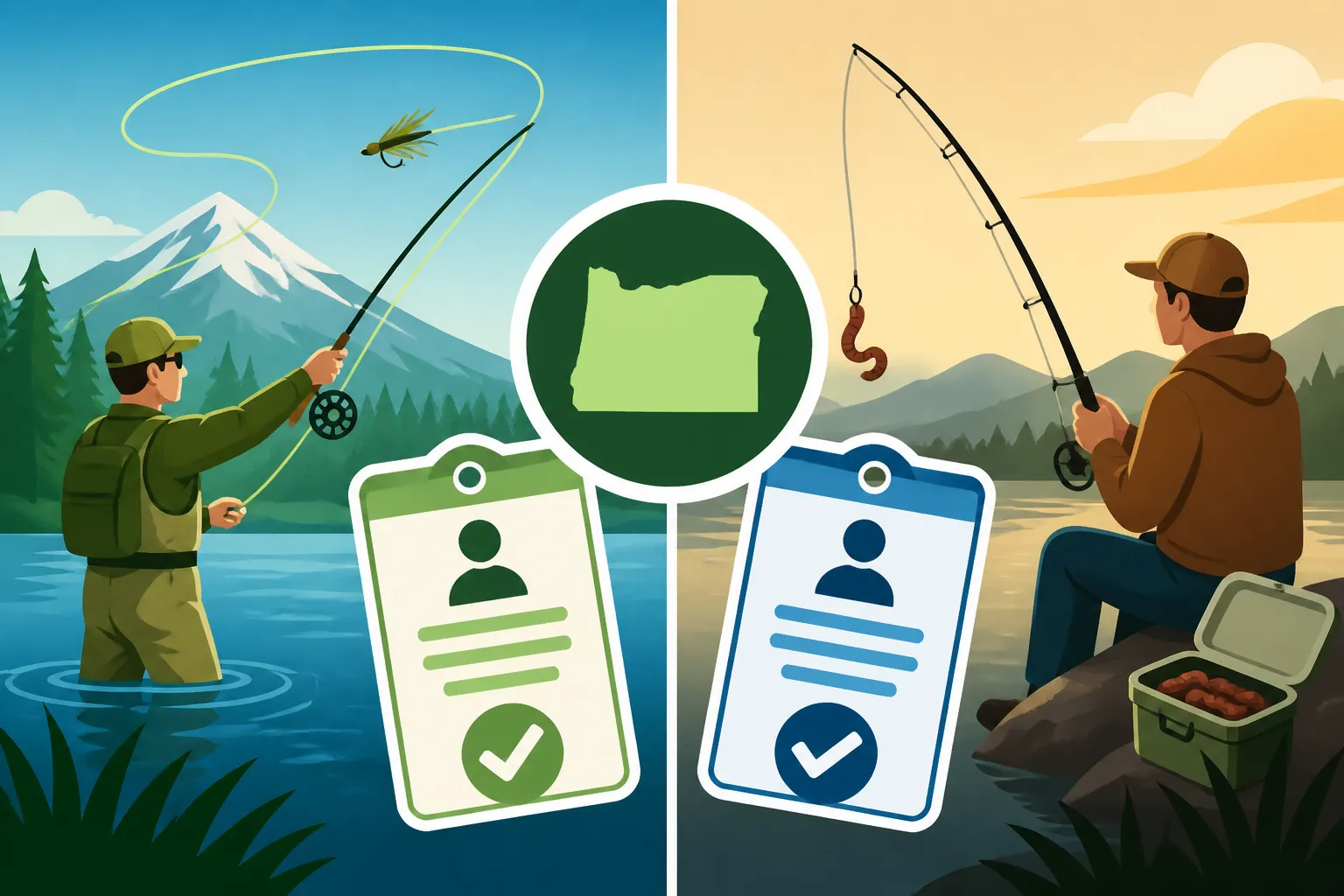
Let's cut right to the chase: the foundational requirement for fishing in Oregon doesn't really care how you're trying to catch fish. Whether you're a seasoned fly angler, a dedicated bait fisherman, or someone who loves to troll lures from a boat, the base angling license is almost always your starting point. It's less about your gear choice and more about your intent to harvest or attempt to harvest fish.
Who Needs a License, Regardless of Gear?
In Oregon, if you're 14 years of age or older and you plan to fish, clam, or crab, you generally need a valid angling license. This applies to both residents and non-residents. It doesn't matter if you're planning on a serene afternoon of catch-and-release fly fishing on the Metolius River or an active morning bait fishing for stocked trout at Henry Hagg Lake. The moment you cast a line, if you're in the age bracket, that license needs to be in your possession.
There are, of course, a few exceptions that always seem to make things interesting. Oregon does offer special opportunities like Oregon Free Fishing Days, where the license requirement is temporarily waived, usually twice a year. And, naturally, there are specific Oregon Fishing Rules for Kids and Seniors that adjust requirements based on age, with younger children (under 14) typically not needing a license. But for most of us, if you're not a kid and it's not a free fishing day, you need that base license. You can easily pick one up online or at a local sporting goods store. When I'm gearing up, I often check out what's available for essential tackle and maybe a new fishing vest on Amazon, but the license itself is always through official channels.
What the Base License Covers
Your standard annual Oregon Annual Angling License or even a short-term Oregon 1-Day Fishing License is your general pass to fish in most of Oregon's freshwater and marine waters. It allows you to participate in angling for most species, adhering to all the general statewide regulations regarding bag limits, size restrictions, and seasons. This is your core document, the one that tells the Oregon Department of Fish and Wildlife (ODFW) that you're a legal participant in the state's amazing fisheries.
Think of it this way: the base license is like your driver's license. It permits you to operate a vehicle (fish) on the public roads (Oregon waters). However, just like a driver's license doesn't let you drive a semi-truck without a special endorsement, your base fishing license doesn't automatically cover every single type of fishing or every specific species you might encounter. That's where things get a bit more nuanced, and where the species you're after or the location you choose might require additional permits.
When Gear Choices Do Indirectly Impact Your Fishing Permit Needs
While the initial license isn't tied to fly versus bait, your chosen species and location often are. And these choices can absolutely dictate whether you need additional tags or endorsements on top of your base license. This is where many anglers, especially those new to Oregon, get a little tripped up.
Tags for Specific Species
Oregon is famous for its salmon and steelhead runs, and fishing for these iconic species comes with specific requirements that go beyond the basic angling license. For example, if you plan to target salmon, steelhead, or sturgeon, you'll need a Oregon Combined Angling Tag. This tag acts as a harvest card, allowing you to record your catch and ensuring you adhere to specific annual harvest limits for these sensitive species. It doesn't matter if you're swinging flies for steelhead on the Deschutes or throwing Spin-N-Glos for salmon on the Columbia; if you intend to keep one of these fish, you need that combined angling tag. Even if you're just planning on catch-and-release for salmon and steelhead, having the tag is often a good idea, as regulations can change, and you might accidentally hook one you could keep if allowed.
Similarly, if your heart is set on landing a massive sturgeon, you'll need a specific Oregon Sturgeon Tag Requirements. And for those venturing into the ocean for bottom dwellers or flatfish, a Oregon Halibut Tag Requirements might be on your list. These tags are all about what you're fishing for, not how you're fishing for them. So, whether your halibut bait rig is drifting down or your salmon fly is swinging, if you're aiming for these fish, prepare for the appropriate tag.
Endorsements for Specific Waters or Methods
Beyond species-specific tags, certain fishing areas in Oregon also require special endorsements. These are less about your gear choice and more about the unique management needs of a particular fishery.
One prime example is the Oregon Columbia River Basin Endorsement. If you plan to fish for salmon, steelhead, or sturgeon in the mainstem Columbia River or its tributaries like the Willamette River, you'll need this endorsement. This applies whether you're fly fishing for fall Chinook near Astoria or bait fishing for spring Chinook in the Willamette. The revenue from this endorsement helps fund research and management efforts specific to these critical waterways.
Another important one for ocean anglers is the Oregon Ocean Endorsement. If your fishing adventure takes you beyond the jetty lines into the Pacific, you'll need this in addition to your base license. This applies whether you're chasing tuna, halibut, or bottom fish. Again, your choice of lure, bait, or fly gear doesn't change this requirement; being on the ocean targeting these species does. It’s always smart to check the latest Oregon Fishing Regulations Explained before heading out, as these endorsements and their rules can sometimes be updated.
Area-Specific Regulations: Fly-Fishing Only Waters and Bait Restrictions
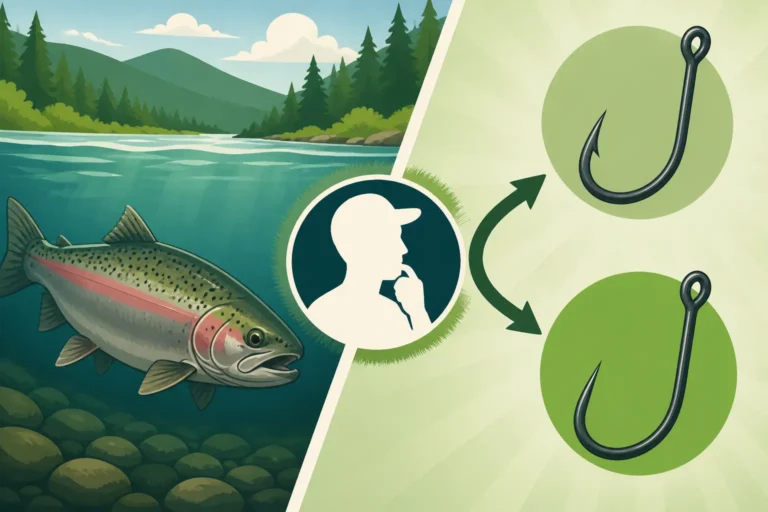
Now, here's where your gear choice does directly come into play, not for the license itself, but for what's permissible in certain areas. Oregon has many designated "fly-fishing only" waters, or waters with specific Oregon bait restrictions on fly-only water. In these areas, using anything other than a fly rod and artificial flies is strictly prohibited. This means no worms, no PowerBait, no spin-n-glos, and no lure presentations typically associated with conventional gear.
It's absolutely crucial to understand that "fly-fishing only" means just that: only fly fishing. It doesn't mean you don't need a license. You still absolutely need your base Oregon angling license to fish these waters, just like any other public water. The restriction is on the method, not the requirement to be licensed.
Here's a quick look at how the primary requirements stack up:
| Requirement Category | Applies to Fly Fishing? | Applies to Bait Fishing? | Why it's Needed |
|---|---|---|---|
| Base Angling License | Yes | Yes | Universal permission to fish (age 14+) |
| Combined Angling Tag | Yes (for harvest) | Yes (for harvest) | To keep salmon, steelhead, sturgeon |
| Oregon Sturgeon Tag | Yes (for harvest) | Yes (for harvest) | To keep sturgeon |
| Oregon Halibut Tag | Yes (for harvest) | Yes (for harvest) | To keep halibut |
| Columbia River Basin Endorsement | Yes | Yes | To fish for salmon/steelhead/sturgeon in CRB waters |
| Oregon Ocean Endorsement | Yes | Yes | To fish in marine waters (outside estuaries) |
| Area-Specific Bait Restrictions | N/A (flies allowed) | No (bait prohibited) | To protect sensitive fisheries, manage selective harvest |
This table highlights that the primary distinction is not between fly and bait for the license, but for specific regulations that might then limit your gear choice.
Common Misconceptions and Clarifications
It's easy to get tangled up in the details, especially with the diverse fishing opportunities Oregon offers. Let's tackle a couple of common misunderstandings head-on.
"Fly Fishing Only" Waters Don't Mean "No License Required"
This is perhaps the biggest misconception. Some anglers assume that because a river or lake is designated "fly-fishing only" (like parts of the Metolius River or certain high mountain lakes), it somehow implies a more "pure" form of fishing that is exempt from licensing. This couldn't be further from the truth.
Every single body of water in Oregon that is open to public fishing requires a valid angling license for anyone 14 years or older, regardless of the gear restrictions. The "fly-fishing only" designation simply means that you are limited to using artificial flies presented with a fly rod and reel. It's a conservation measure, often implemented to protect sensitive fish populations or enhance the angling experience, not a loophole for licensing. So, if you're heading to a picturesque stream with your fly rod, make sure your Oregon Fishing License Guide is up-to-date and in your wallet! If you ever lose your license, you can look up your How to look up an Oregon fishing license purchase on the ODFW website.
The Cost Difference: Are Endorsements More Common for One Type?
You might wonder if, due to the nature of certain fisheries, one type of angler (fly or bait) ends up paying more for additional permits. Generally speaking, no, not directly because of the type of fishing. However, it can be argued that anglers targeting specific species that often require tags and endorsements—like salmon, steelhead, and halibut—might accumulate more fees. And because these species are often pursued with a variety of methods, including both fly and bait, the additional costs are spread across the angling community.
For instance, a dedicated steelhead angler, whether they prefer swinging flies or drift fishing with bait, will need a base license and the Combined Angling Tag. If they frequently fish the Columbia River, they'll also need the Columbia River Basin Endorsement. The costs for these are the same, regardless of their preferred tackle. The total Oregon fishing license cost comparison resident vs nonresident shows that non-residents always pay more, but again, this isn't tied to fishing method. The key is simply what you intend to fish for, and where you plan to do it. You can find all the details on individual costs, like the Oregon Combined Angling Tag Cost, directly on the ODFW website. For anglers who plan to fish regularly, the Oregon Annual Angling License is usually the most cost-effective option compared to multiple daily licenses.
Ensuring You're Fully Compliant
Navigating the nuances of fishing regulations can feel like a chore, but it's essential for a responsible and enjoyable fishing experience. The last thing you want is a run-in with a game warden because you overlooked a small but critical detail.
How to Check Current Regulations
The single most important piece of advice any veteran angler can give is this: always check the current Oregon Sport Fishing Regulations. These regulations are dynamic; they can and do change frequently due to fish population health, environmental factors, or emergency closures. What was legal last year or even last month might not be today. A great starting point is the ODFW website, where you can find the complete regulations manual. You can also pick up a physical copy at most license vendors or sporting goods stores. I keep a copy on my phone and sometimes even splurge for a waterproof version on Amazon to keep in my tackle bag. Knowing How often do Oregon fishing regulations change is key to staying legal and informed.
Key things to look for include:
- Zone-specific rules: Oregon is divided into various fishing zones, and rules can differ significantly from one to another.
- Species-specific rules: Bag limits, size limits, and open seasons for individual species.
- Gear restrictions: This is where you'll find information about "fly-fishing only" sections, bait prohibitions, or even barbless hook requirements.
- Emergency closures: These can happen at any time due to low water, high temperatures, or critical fish counts.
Where to Purchase Licenses and Tags
Purchasing your Oregon angling license and any necessary tags or endorsements is a straightforward process, thankfully. The most convenient method for many is buying directly online through the ODFW's Electronic Licensing System (ELS). This allows for instant purchase and often an immediate digital copy you can display on your phone, though it's always wise to have a physical copy or print-out as a backup.
Alternatively, you can purchase licenses and tags in person at hundreds of authorized license vendors across the state. These often include sporting goods stores like Cabela's or Bi-Mart, tackle shops, and some general stores. These vendors are usually well-versed in the different license types, from the basic Oregon Fishing License Types Explained to specific endorsements. They're a great resource if you have last-minute questions, or just prefer the old-school approach. Remember that knowing Where to Buy an Oregon Fishing License ensures you're ready to hit the water legally.
Conclusion: Focus on What You're Chasing, Not Just How You're Casting
At the end of the day, whether you're elegantly presenting a dry fly to a rising trout or patiently waiting for a bite on your bait rig, the core Oregon fishing license requirement remains the same. The choice between fly fishing and bait fishing primarily impacts the gear and methods you can use in specific areas, and whether those methods align with any local gear restrictions. It's the species you target and the waters you fish that will ultimately determine if you need additional tags or endorsements on top of your base license.
So, gear up with confidence, knowing that your passion for fishing in Oregon is welcome, no matter your preferred method. Just remember to do your homework, get the right paperwork, and respect the incredible natural resources we're so lucky to enjoy here in the Beaver State. Tight lines!
Disclaimer
Please note that fishing regulations in Oregon are subject to change. Always consult the latest official Oregon Department of Fish and Wildlife (ODFW) regulations before engaging in any fishing activities. This guide is for informational purposes only and should not be considered a substitute for the current official regulations.