Where to fish for walleye on the John Day River
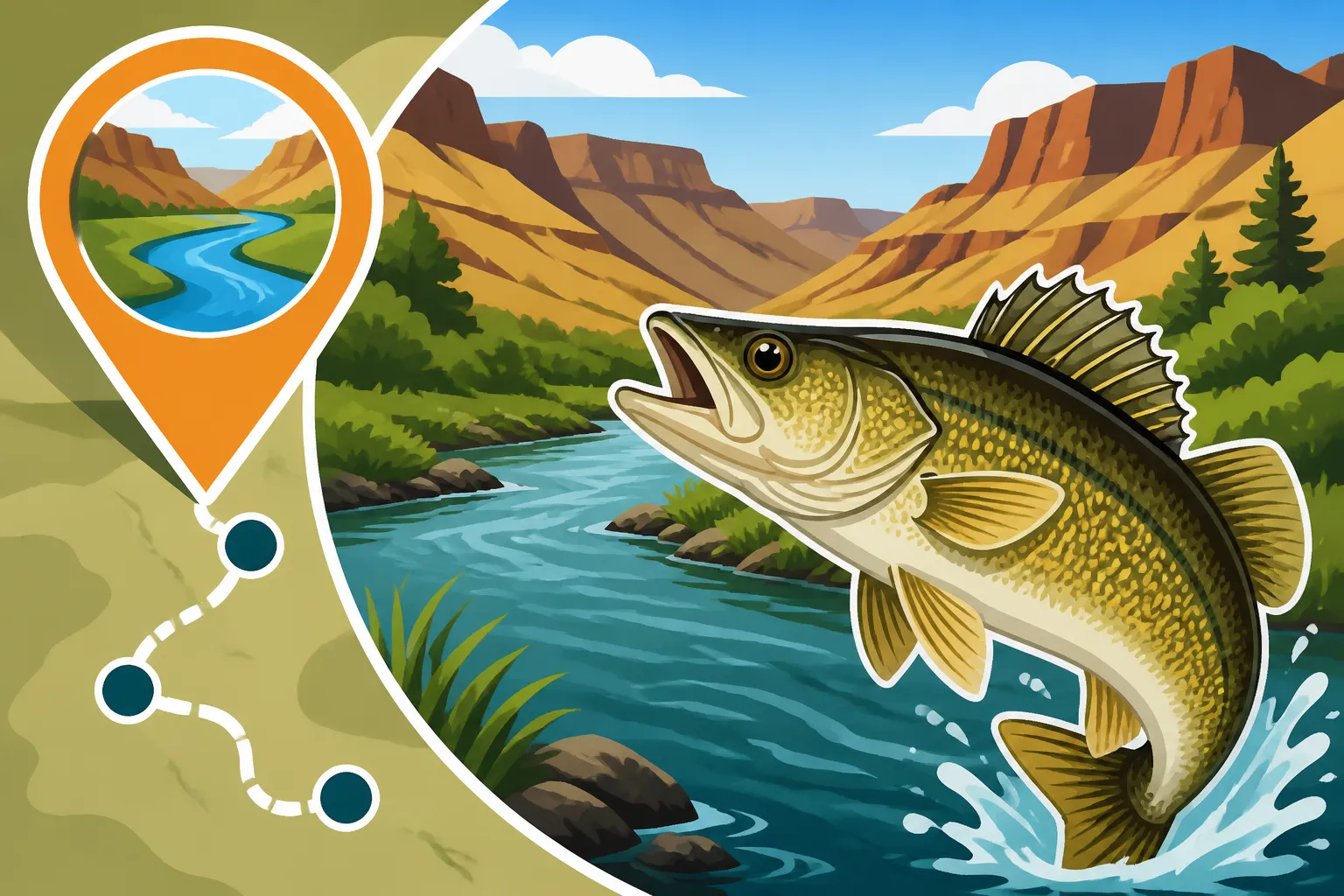
If you've ever cast a line into a big, sprawling river system like the John Day in Oregon, you know the frustration of wanting to target a specific fish, like the elusive walleye, but having no idea where to even begin. It feels like searching for a needle in a haystack, right? This guide is here to cut through that confusion, giving you the insider scoop on the best stretches, tactics, and knowledge to finally reel in those toothy trophies from the legendary John Day River.
Understanding Walleye in the John Day River
Walleye, often called "walleyed pike" by folks from back east, are a fantastic sport fish known for their incredible table fare and challenging nature. They're not native to Oregon, but they've found a thriving home in certain stretches of the Columbia River Basin, and the John Day River, particularly its lower reaches, is one of their prime hangouts.
Why the John Day is a Walleye Hotspot
The John Day River offers a unique blend of conditions that walleye absolutely adore. Unlike many of Oregon's pristine, cold-water trout streams, the lower John Day is a warmer, often murkier river, especially as it approaches its confluence with the Columbia. This warmer, often silty water, coupled with a robust forage base, creates an ideal nursery and hunting ground for walleye. The river's varied structure – from deep pools to rocky ledges and submerged timber – provides ample ambush points and protection for these light-sensitive predators. It’s not just a river; it's a diverse ecosystem that mimics the large reservoir environments where walleye thrive elsewhere, making it a unique gem for targeting Walleye in Oregon.
What truly sets the John Day apart is its connection to the Columbia River. Walleye from the Columbia often move into the lower John Day, especially during spawning seasons or in search of prey. This constant influx replenishes the population and ensures a healthy, vibrant fishery. Plus, the river itself provides a rich diet of baitfish, crayfish, and insects, giving walleye everything they need to grow to impressive sizes.
Walleye Behavior and Habitat Preferences
Understanding how walleye behave is the first step to finding them. These fish are notorious for being light-sensitive, which means they prefer deeper water, shaded areas, or low-light conditions. You'll often find them lurking near structure that offers concealment and a current break, allowing them to ambush prey without expending too much energy. Think about large rocks, underwater ledges, submerged logs, drop-offs, and even bridge pilings. They use these features to avoid bright sunlight and surprise their meals.
As the day progresses, walleye typically move deeper or into more shaded areas. Early mornings, late evenings, and overcast days are prime times for them to venture into shallower feeding grounds. They're also quite active at night, which is why many dedicated walleye anglers swear by moonlit fishing trips. Knowing Best time of day to fish for walleye can dramatically increase your chances. The current also plays a significant role; walleye will often sit just out of the main current, waiting for food to drift by. This behavior is crucial when you're trying to pinpoint where to drop your lure or bait.
Prime Fishing Locations on the John Day River
When it comes to the John Day, not just any stretch of water will do. You need to focus on specific areas that offer the right combination of depth, structure, and accessibility for walleye. The lower river, from its mouth at the Columbia upstream to around the Cottonwood Bridge area, is generally considered the most productive zone for these fish.
Key Access Points and Boat Ramps
Access is crucial, especially on a river system like the John Day. For most serious walleye anglers, a boat is almost a necessity to effectively cover water and reach the best spots.
- John Day Dam Area: The confluence of the John Day and Columbia rivers, right near the John Day Dam, is arguably the most consistent walleye hot spot. Here, you'll find plenty of boat ramps on the Columbia side, allowing easy access to the mouth of the John Day. The mixing of the two rivers creates current breaks, eddies, and varied depths that walleye love. This area is easily accessible for boaters coming from either the Oregon or Washington side of the Columbia, including launches at places like Roosevelt or Boardman.
- Cottonwood Bridge: Further upstream, the area around Cottonwood Bridge offers both boat and some limited bank access. While it's a bit of a drive, this stretch provides excellent structure, including rocky banks, deeper pools, and current seams that hold walleye. There are usually designated public access points or small informal launches here. If you’re looking for a quieter experience away from the main Columbia, this can be a good option.
- Maryhill State Park (Columbia River): While technically on the Columbia, launching from Maryhill State Park provides quick access to the mouth of the John Day River, especially for those approaching from the Washington side. The Columbia River itself holds vast numbers of walleye, and they often funnel into the John Day.
- Service Creek to Twickenham (Upper Reaches): While the extreme lower river is prime, don't discount the stretches further upstream, particularly if you're looking for a true adventure or exploring less pressured waters. Areas around Service Creek and Twickenham, though primarily known for John Day River smallmouth bass fishing and native trout, can still surprise you with a walleye catch, especially during cooler months when they might spread out more. These areas often require more localized knowledge or smaller watercraft like drift boats or kayaks. For these more remote spots, checking out resources like FishingBooker to find a local guide who knows these specific upstream stretches can be incredibly helpful.
Productive Stretches and Structures
Once you're on the water, you need to know what to look for. Walleye are structure-oriented fish, so identifying key underwater features is paramount.
- Confluence Zones and Eddies: Where the John Day meets the mighty Columbia, massive eddies and current breaks form. These are natural congregation points for baitfish, and consequently, for walleye. Look for the seams where fast water meets slow water, or any area where the current creates a swirling backwater. These are perfect ambush points.
- Rocky Points and Ledges: The John Day is a rocky river, and these natural formations are walleye magnets. Underwater points that jut out into the current, or ledges that create sudden depth changes, provide perfect cover. Walleye will often sit on the deep side of a ledge, facing into the current, waiting for an easy meal. Use your sonar to identify these features.
- Submerged Timber and Brush Piles: Any kind of woody debris in the water offers excellent cover. Old trees, logs, or brush piles create shade and protection, making them ideal hideouts for walleye. Fishing these spots requires careful lure presentation to avoid snags, but the payoff can be huge.
- Deep Pools and Channel Drop-offs: Walleye will often retreat to the deepest available water, especially during bright sunny days. Use your depth finder to locate sudden drop-offs into deeper pools or the main river channel. These areas act as thermal refuges and safe zones for larger fish.
Essential Techniques and Gear for John Day Walleye
Having the right gear and knowing the effective techniques can make all the difference in your John Day walleye pursuit. These fish aren't always easy to fool, but with a bit of strategy, you can increase your odds significantly.
Effective Lures and Bait
Walleye have distinct feeding preferences, and matching your presentation to their mood is key.
- Jigging: This is arguably the most popular and effective technique for walleye. Heavy jigs (1/4 to 1 ounce, depending on current and depth) tipped with soft plastics (grubs, paddle tails) or live bait (worms, minnows) are deadly. Popular colors often include chartreuse, white, orange, and motor oil. The key is to keep your jig near the bottom, bouncing it along to imitate a struggling baitfish or a crayfish. For fishing the John Day, consider using a high-visibility line for better bite detection, as walleye bites can be incredibly subtle.
- Crankbaits and Trolling: When walleye are actively chasing bait, crankbaits can be incredibly effective, especially when trolled from a boat. Deep-diving crankbaits that can reach the river's depths are ideal. Brands like Rapala, Berkley, and Bomber make excellent choices. Vary your trolling speed and experiment with different colors until you find what triggers a bite. Trolling along depth contours, rocky ledges, or the edges of current seams is a productive strategy. FishingBooker guides often utilize these exact techniques.
- Spinner Rigs (Crawler Harnesses): These rigs, typically featuring a blade, beads, and two hooks, are often tipped with a nightcrawler. They're excellent for slowly drifting or trolling near the bottom. The spinning blade creates vibration and flash, attracting walleye from a distance. You can use bottom bouncers to keep your rig in the strike zone without snagging too often.
- Live Bait: Nothing beats live bait for many walleye anglers. Nightcrawlers, shiner minnows, or even local baitfish (where legal, always check Oregon Fishing Regulations Explained) are incredibly effective. Present live bait on a simple slip-sinker rig, allowing the bait to drift naturally with the current close to the bottom. The natural scent and movement are hard for a walleye to resist.
Best Times and Conditions
Timing is everything when it comes to walleye. These fish follow predictable patterns based on seasons, water temperature, and light conditions.
- Spring (Pre-Spawn and Spawn): Late winter into early spring (typically March to May) is prime time. Walleye move into shallower, rocky areas to spawn. This is when they are often most concentrated and aggressive. Look for them in areas with current and clean, rocky bottoms. Water temperatures in the 40s and 50s are ideal for the spawn.
- Summer (Post-Spawn and Feeding Frenzy): As water temperatures rise in summer, walleye generally move to deeper, cooler water during the day, becoming more active at dawn, dusk, and throughout the night. Targeting them in deeper pools or shaded structures with jigs and crankbaits during these low-light periods can be very productive. They are in full feeding mode to recover from spawning.
- Fall (Fattening Up): Autumn sees walleye moving back into shallower feeding areas as water temperatures cool. They're trying to pack on weight for winter, making them aggressive feeders. This can be another fantastic time to target them, similar to spring conditions, especially in the mornings and evenings.
- Winter (Slow but Steady): While fishing can slow down, dedicated anglers can still find walleye in winter, usually in the deepest parts of the river. Vertical jigging directly over known walleye haunts can yield results, though bites will be much more subtle. For year-round fishing, checking the Oregon Fishing Season Dates and Limits is always a good idea.
Remember, walleye are notoriously sensitive to bright light. Overcast days, early mornings, and late evenings are generally the most productive. Turbid water can also improve daytime fishing, as it reduces light penetration and makes walleye more comfortable in shallower water.
Navigating Regulations and Conservation
Fishing for walleye on the John Day, like any fishery in Oregon, comes with its own set of rules and responsibilities. Understanding these isn't just about avoiding penalties; it's about contributing to the health and sustainability of this unique resource.
Oregon Walleye Regulations
Before you even think about casting a line, make sure you have your Oregon Fishing License Guide. This is non-negotiable for anyone over the age of 12. Oregon's fishing regulations are designed to protect native species and manage introduced ones. Walleye, being an introduced species, are generally managed to encourage harvest, especially in areas where they might compete with or prey on native salmon and steelhead smolts.
Currently, for walleye in the Columbia River and its tributaries, including the lower John Day, there's often no daily bag limit or size restriction. This is a clear indicator that the Oregon Department of Fish and Wildlife (ODFW) encourages anglers to keep what they catch. However, regulations can change, so it's absolutely vital to consult the current ODFW Sport Fishing Regulations for the Columbia River Zone before each trip. This booklet will provide specific details on Oregon Daily Bag Limits Explained and any other pertinent rules. It’s better to be safe than sorry and verify everything!
Respecting the River and Its Ecosystem
The John Day River is not just a walleye fishery; it's a vital part of Oregon's natural heritage, home to native redband trout, smallmouth bass, and crucial salmon and steelhead runs. When you're fishing for walleye, it's paramount to practice responsible angling. This means being mindful of other species you might encounter. If you catch a native fish, know how to properly handle and release it to ensure its survival.
Always pack out everything you pack in. Leave no trace. This pristine river corridor relies on all of us to keep it clean and healthy. Respect private property, even if it's along the riverbanks, and be courteous to other anglers, kayakers, and boaters. If you're using a boat, be aware of no-wake zones and other boating regulations. Consider using a service like FishingBooker to find a guide who can not only put you on fish but also teach you about responsible angling practices specific to the John Day. By being a good steward, you help ensure that the John Day remains a fantastic place to fish for generations to come.
| Location Feature | Best For Walleye When… | Recommended Technique | Key Benefit |
|---|---|---|---|
| John Day Dam Area | Spring spawn, summer/fall feeding near confluence | Jigging with soft plastics, trolling deep-diving crankbaits | High concentration of walleye, excellent boat access |
| Cottonwood Bridge | Any season, targeting deeper pools and rocky banks | Drifting live bait, vertical jigging, casting crankbaits | Good mix of depths and structure, less crowded than river mouth |
| Rocky Points/Ledges | Low light conditions, sunny days (fish deep side) | Bottom bouncing spinner rigs, jigging | Walleye ambush points, cover from current |
| Submerged Timber | Any time walleye are seeking cover/ambush points, especially sunny days | Vertical jigging, weedless jigs | Excellent cover, often holds larger fish (risk of snags) |
| Eddies/Current Seams | Anytime baitfish are congregating | Casting jigs, drifting bait, trolling edges | Concentrates baitfish and walleye, easy feeding for fish |
Disclaimer
Fishing conditions and regulations in Oregon can change rapidly due to environmental factors, fish populations, and management decisions. While this guide provides comprehensive information based on current understanding, it is always your responsibility to consult the latest official Oregon Department of Fish and Wildlife (ODFW) regulations before engaging in any fishing activity. Ensure you have the appropriate licenses and endorsements, and always prioritize safety and ethical angling practices.