Best bait for catfish in Oregon
If you've ever spent an afternoon by one of Oregon's many lakes or slow-moving rivers, hoping to feel that telltale tug, only to be met with silence, you know the frustration. Catfish, with their whiskered faces and bottom-dwelling habits, can sometimes feel like elusive shadows. But don't let their mysterious nature fool you; they're often more than willing to bite if you offer them the right incentive. This guide is all about cutting through the guesswork and helping you discover the best baits to land those whiskered warriors in Oregon, turning your quiet afternoons into exciting catches.
Understanding Oregon Catfish and Their Habits
Before we even talk about dangling a hook, it's really helpful to understand the fish we're after. Catfish aren't like your quick-strike trout or aggressive salmon. They operate on a different sensory system, and knowing that is half the battle when it comes to bait selection and presentation.
The Main Players: Channel Cats and Brown Bullheads
In Oregon, when we talk about catfish, we're primarily talking about two species: the Channel Catfish and the Brown Bullhead. While both are members of the catfish family, they have some distinct differences that can subtly influence your approach.
Channel catfish are sleek, usually silver or olive-green with scattered black spots, especially when younger. They have a deeply forked tail, making them more streamlined and often stronger fighters than their bullhead cousins. These guys are the real "game fish" of the catfishing world in Oregon, known for their decent size and feisty fights. You'll find them thriving in larger rivers like the Willamette and the Columbia, and in many of our warmer, nutrient-rich reservoirs and ponds. They're true omnivores and scavengers, with an incredibly keen sense of smell, which is their primary tool for finding food in murky waters. This is why scent is such a critical factor in choosing your bait.
Brown bullheads, on the other hand, are stockier, usually dark brown to black, and have a more rounded, shovel-like tail. They don't get as large as channel cats, but what they lack in size, they often make up for in sheer numbers and accessibility. Bullheads are incredibly hardy and can tolerate a wider range of water conditions, including shallower, muddier, or slightly less oxygenated waters. They're the kind of catfish you'll often find in smaller farm ponds, slow-moving creeks, and the weedy margins of bigger lakes. Like channel cats, they're opportunists and rely heavily on their sense of smell and those sensitive whiskers (barbels) to forage along the bottom. You can learn more about these fascinating creatures and others in our comprehensive Oregon Warmwater Fish Species guide.
Prime Catfish Habitat in Oregon
Knowing where these fish like to hang out is just as important as knowing what they like to eat. Catfish are generally drawn to warmer, slower-moving water, often seeking out cover and food sources along the bottom.
Think about areas with soft, muddy bottoms, submerged logs, brush piles, or undercut banks. These are natural shelters where they feel safe and where food tends to accumulate. In rivers like the lower Willamette River or the slower sections of the Columbia River and its tributaries, look for deeper holes, eddies, and areas downstream from current breaks. These spots offer a respite from strong currents and often hold a concentration of food. You might also have luck in bays and sloughs connected to these larger rivers.
When it comes to lakes and reservoirs, places like Fern Ridge Reservoir, Henry Hagg Lake, and even smaller local ponds are fantastic catfish producers. Here, focus your efforts on the deeper channels, the mouths of feeder creeks, and areas where there's a good mix of structure like submerged timber or weed lines. Catfish will often patrol these areas, especially as the water warms up. The general rule of thumb for both species is: if the water is warm and has a soft bottom with some cover, there's a good chance you'll find catfish there. For more specific locations, our Oregon Fishing Spots by Region article can be a great resource.
The All-Stars: Top Catfish Baits in Oregon
Alright, let's get down to the good stuff: what do these whiskered wonders actually want to eat? Because catfish rely so heavily on their sense of smell, the most effective baits are those that release a strong, enticing aroma into the water.
The Unbeatable Stink Baits and Prepared Baits
When you hear "catfish bait," stink bait is probably the first thing that comes to mind, and for good reason! These concoctions are designed specifically to exploit a catfish's powerful olfactory senses.
-
Stink Baits: These are often soft, dough-like, or dip baits with incredibly pungent odors. We're talking about ingredients like aged cheese, blood, garlic, and fish oils all mixed into a glorious, smelly paste. The idea is that the strong smell disperses in the water, attracting catfish from a distance. You typically use them by dipping a special "worm" or tube into the paste, or by molding a small piece around a treble hook or sponge. The messier they are, the better, usually! Brands like "Catfish Charlie" or "Uncle Josh" have been around forever and are popular for a reason. You can find a huge variety of these at local tackle shops or even online at places like Amazon. They're particularly effective for bullheads and channel cats in slower, warmer waters. The biggest con? They really live up to their name in terms of smell, so keep them sealed tight and bring wipes!
-
Dough Baits: While some dough baits lean into the "stink" category, others are more subtly scented. These often use ingredients like cornmeal, flour, oats, and various flavorings (vanilla, anise, garlic powder) mixed with water or even cheese. They're often molded onto a treble hook or a spring-loaded "worm" hook. They're easy to use and less messy than true stink baits, making them a good option for casual anglers or kids.
Natural Baits: Tried and True Classics
Sometimes, Mother Nature provides the best attractants. Many natural baits have been staples for catfish anglers for generations, and they still absolutely shine.
- Nightcrawlers and Worms: The humble nightcrawler is arguably the most universal bait out there, and catfish absolutely love them. Their wiggling action and natural scent are irresistible. You can fish them whole, threaded onto a hook, or in pieces. The beauty of worms is their accessibility – you can dig them up, buy them at almost any bait shop, or even find them on Amazon. They're clean, easy to use, and effective for both channel cats and bullheads of all sizes. Plus, you're also likely to catch other species like trout or panfish, which can be a fun bonus!
- Cut Bait: This is a fantastic option, especially for bigger channel catfish. Cut bait involves taking a small, oily fish (like a shad, sardine, or mackerel) and cutting it into chunks. The oils and blood that leak out create an incredibly appealing scent trail. For Oregon anglers, using a local fish like a legal-sized shad (if you catch one) or even parts of a legal carp can be highly effective. The key is to use fresh, oily pieces that are small enough for the catfish to swallow but large enough to stay on your hook. This is often the bait of choice when targeting larger, trophy-sized channel catfish in the Columbia River or the deeper sections of the Willamette.
- Chicken Livers: Oh, chicken livers. They are legendary in the catfishing world. Their soft texture, combined with a strong, bloody scent, is pure gold for catfish. They're usually quite affordable and readily available at grocery stores. The downside? They are notoriously messy and tend to fly off the hook with a vigorous cast. Many anglers combat this by curing them slightly, wrapping them in cheesecloth or pantyhose, or using special bait holders. Despite the mess, their effectiveness often makes them worth the effort, particularly for those hungry bullheads.
Unexpected Delights: Household Items Catfish Love
You don't always need specialized gear or exotic ingredients. Sometimes, the best catfish bait is already in your fridge or pantry!
- Hot Dogs: Yes, plain old hot dogs! Cut into small, hook-sized pieces, hot dogs emit a surprisingly appealing scent in the water. They're easy to handle, stay on the hook reasonably well, and are cheap. Some anglers even "doctor" them up by soaking them in garlic juice or Kool-Aid for added attraction. They're a fantastic, kid-friendly option for bullheads and smaller channel cats.
- Corn: While more commonly associated with carp and panfish, corn can also tempt catfish, especially bullheads in ponds or lakes where they've grown accustomed to it. A handful of canned corn can be used as chum to attract fish, and then a few kernels threaded onto a small hook can seal the deal.
- Cheese: Various types of cheese, especially pungent ones like cheddar or even cheese-filled snacks, can work. The strong dairy scent is very attractive to catfish. You can mold small pieces around your hook or combine it with dough baits.
- Boilies/Pellets: While perhaps not a "household item" for everyone, many anglers use specialized fish-attracting pellets or boilies designed for carp and sometimes catfish. These are often flavored and can be bought from fishing suppliers, including on Amazon.
Homemade vs. Store-Bought: What's Your Catfish Bait Strategy?
Now that we know what to use, let's talk about how to get it. When it comes to catfish bait, you generally have two routes: making it yourself or buying it pre-made. Each has its own charm and challenges.
The Appeal of DIY Catfish Baits
There's a certain satisfaction that comes with catching a fish on bait you made yourself. Homemade baits offer a fantastic blend of cost-effectiveness, customization, and pure angling fun.
- Cost Savings: Let's be real, fishing can get expensive. Making your own bait often uses inexpensive household ingredients, drastically cutting down on your tackle box budget. You can whip up a batch of dough bait for pennies compared to buying a commercial jar.
- Customization: This is where the real creativity comes in! You can experiment with different scents, textures, and ingredients to find what works best in your local waters. Maybe the catfish in your favorite stretch of the McKenzie River Fishing Guide (though not typically a catfish hotspot, just using for example) prefer a garlic-anise combo, while those in a warm pond near Salem go wild for chicken liver and hot dog mash. You become a mad scientist of scent!
- The Fun Factor: For many, mixing up a batch of "secret recipe" catfish bait is part of the angling experience. It's a project that extends beyond just the time spent on the water, adding another layer of enjoyment to your hobby.
- Simple Recipes: You don't need a gourmet kitchen to make effective catfish bait. Simple recipes often involve things like flour, cornmeal, oatmeal, garlic powder, cheese, and a liquid binder like water, milk, or even a bit of corn syrup. Fermenting grains like oats or corn for a few days in a sealed container can also create a wonderfully pungent, catfish-attracting concoction. The challenge can be consistency and finding what stays on the hook best.
Convenience and Consistency of Commercial Baits
For many anglers, especially those with limited time or who prefer a guaranteed product, store-bought baits are the way to go.
- Variety and Specialization: Commercial bait companies have spent years (and a lot of money) researching what works. They offer a vast array of specialized stink baits, dough baits, and prepared natural baits designed for specific species or conditions. You can find baits tailored for everything from monster channel cats to smaller bullheads.
- Guaranteed Effectiveness: While no bait guarantees a catch, commercial baits are generally formulated for maximum attraction and hook retention. You can trust that the product you're buying has a proven track record.
- Ease of Use: Just open the jar, put it on your hook, and cast. There's no mixing, no mess (until the fish bite, that is!), and no guesswork. This makes them ideal for spontaneous fishing trips or when you just want to get your line in the water quickly.
- Where to Buy: You'll find these at virtually any sporting goods store, bait and tackle shop, or even larger retailers. Online platforms like Amazon also offer a massive selection, often with customer reviews that can help guide your choice. Just be sure to read reviews for actual fishing success, not just how well it smells (or doesn't smell) to humans!
| Bait Type | Pros | Cons | Best Use |
|---|---|---|---|
| Nightcrawlers | Universal appeal, easy to find, clean, catches other species. | Can be picked off by smaller fish, smaller scent trail than stink baits. | All catfish sizes, general fishing, easy for beginners. |
| Chicken Livers | Extremely effective, strong scent, readily available, inexpensive. | Very messy, falls off hook easily, short shelf life once opened. | Bullheads, medium channel cats, still-fishing in calm water. |
| Cut Bait | Excellent for large channel catfish, strong blood/oil scent. | Requires preparing fish, can attract unwanted scavengers, messy. | Large channel catfish, deeper water, targeting bigger fish. |
| Stink Baits | Maximum scent attraction, designed specifically for catfish. | Incredibly pungent odor, can be messy, often requires special holders. | All catfish, murky water, when natural baits aren't working, still-fishing. |
| Hot Dogs | Inexpensive, clean, easy to use, readily available, kid-friendly. | Less potent scent than dedicated baits, may not attract larger fish. | Bullheads, smaller channel cats, casual fishing, family outings. |
Mastering the Bait: Tips for Success and Presentation
Having the best bait in your bucket is one thing, but knowing how to present it effectively is crucial for consistent success. Catfishing isn't just about throwing a smelly glob into the water; it's about understanding how the fish will find and take your offering.
Rigging Your Bait for Maximum Attraction
The way you rig your bait can make all the difference. Catfish are bottom feeders, so your bait generally needs to be on or very near the bottom.
- Slip Sinker Rig (Carolina Rig): This is perhaps the most popular and effective rig for catfish. It consists of an egg sinker (or similar weight) threaded onto your main line, followed by a bead (to protect your knot), then tied to a barrel swivel. A leader line (usually 12-24 inches) is then tied to the other end of the swivel, and your hook is tied to the end of the leader. This setup allows the fish to pick up the bait and swim off without feeling the resistance of the sinker, leading to more confident bites. This is a go-to for cut bait, chicken livers, and larger natural baits.
- Basic Bottom Rig: A simpler version involves tying a sinker directly to the end of your line, with a snelled hook (or two) tied a foot or so above it. This is great for keeping your bait right on the bottom, especially with worms or dough baits.
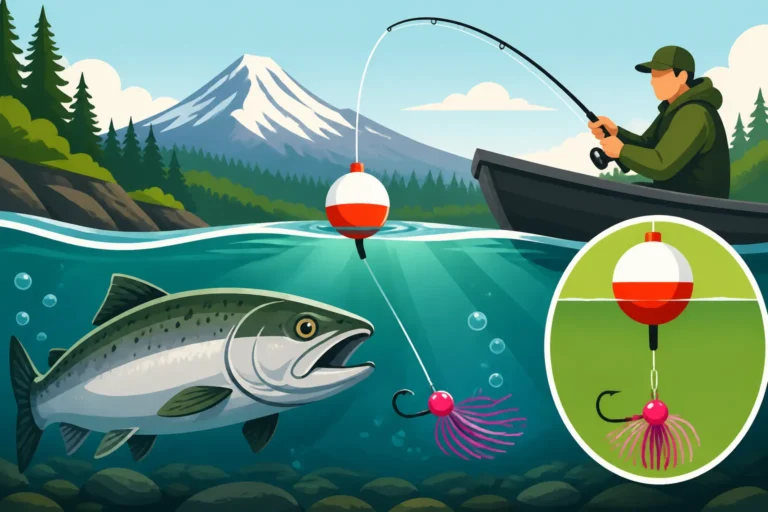
- Float Rig (Bobber Fishing): While less common for deep-dwelling cats, a float can be effective in shallower waters (3-6 feet) or over weed beds, keeping your bait suspended just above the bottom. This is often good for bullheads in ponds or slow creeks, especially if the bottom is particularly snaggy.
- Hook Size Matters: Don't go too small! Catfish have large mouths. For channel cats, a 2/0 to 6/0 circle hook is often ideal. Circle hooks are fantastic because they usually hook the fish in the corner of the mouth, making for easier release and less harm to the fish. For bullheads, a smaller 1/0 or 2/0 hook might be sufficient. Make sure your hook is sharp!
- Keeping Bait On: For soft baits like chicken livers, consider wrapping them in a small piece of nylon stocking or cheesecloth before hooking. This helps them stay on during the cast and withstand nibbles. You can also buy "bait holder" hooks that have extra barbs to keep soft baits secure.
Location, Location, Location: Where to Cast Your Bait
Even with the perfect bait and rig, you need to put it where the fish are.
- Target Structure: Look for submerged logs, rock piles, brush, or drastic depth changes (drop-offs). Catfish love these areas for cover and ambush points.
- Current Breaks: In rivers, areas where the current slows down, like eddies behind a rock or log, or the slack water along a bend, are prime spots. Catfish conserve energy by staying out of the main current and wait for food to drift by.
- Deeper Holes: If you have a fish finder or know the river/lake well, target deeper holes, especially during the brighter parts of the day when catfish might retreat from sunlight.
- Edges of Weed Beds: Catfish will often patrol the edges of dense aquatic vegetation, searching for prey hiding within.
- Fishing Multiple Depths: If you're unsure of the exact depth the fish are holding, try casting to different areas or using multiple rods set at varying depths to cover more water. This is a common strategy when fishing for various species, as detailed in our Oregon Fishing Techniques for Beginners guide.
Timing and Patience: The Catfish Angler's Virtues
Catfish aren't always in a hurry, so patience is key.
- Best Times: Catfish are often most active during low-light conditions. Dawn and dusk are prime times, and night fishing can be incredibly productive, especially for larger channel cats. They use their superior sense of smell and touch to hunt effectively in the dark.
- Warm Water Seasons: While you can catch catfish year-round, their activity peaks in the warmer months, typically from late spring through early fall, when water temperatures are consistently above 60 degrees Fahrenheit. This is when they're most actively feeding. Our Oregon Fishing Seasons Explained article provides a broader context for seasonal fishing.
- Let It Sit: Unlike active lure fishing, catfishing often involves casting your bait and letting it sit for an extended period. Give the scent time to disperse and the fish time to find it. Don't be afraid to leave your bait out for 15-30 minutes, or even longer, before checking or recasting. Sometimes the biggest fish take their time finding the offering.
Remember, every fishing trip is an opportunity to learn. Pay attention to what works, where you find the most success, and don't be afraid to experiment with different baits and presentations. Happy fishing!
Disclaimer
This article is for general informational purposes only and does not constitute professional advice. Laws, prices and regulations vary by location and change over time. Consult a qualified professional for guidance on your specific situation.