Walleye in Oregon
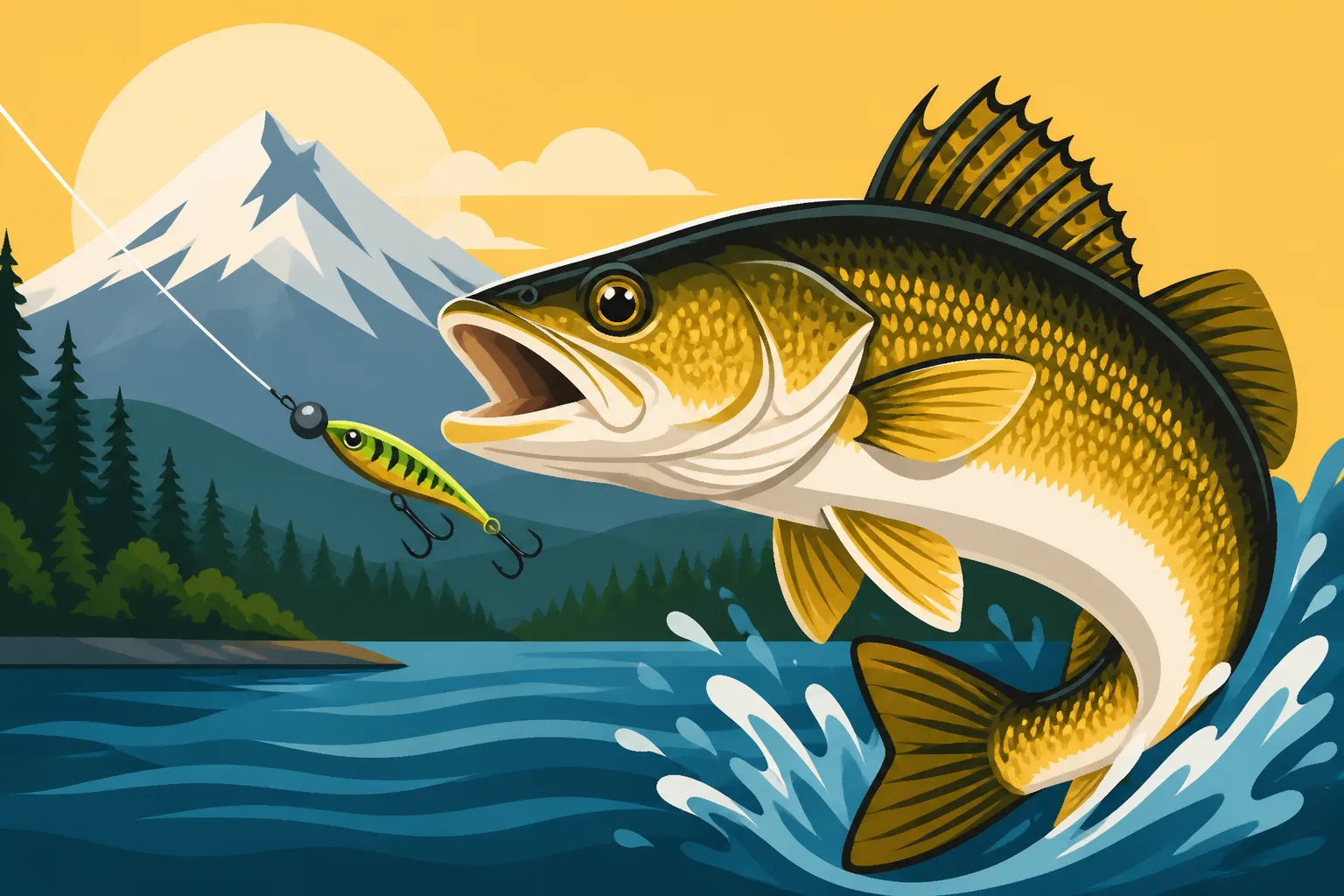
Oh, walleye in Oregon! It's a topic that often brings a mix of excitement for anglers and a bit of a furrowed brow for fishery managers. Many folks are surprised to even hear we have walleye in the Beaver State, often thinking of them as a Midwest staple. But they're here, particularly in the vast stretches of the Columbia River and some of its tributaries, offering a unique and often misunderstood fishing opportunity. This guide is going to clear up the confusion, dive into where you can find these toothy critters, why they're both a coveted game fish and an ecological concern, and how you can get in on the action to catch some for yourself.
The Walleye Enigma: Understanding Their Presence in Oregon
When you think of Oregon fishing, your mind likely jumps to salmon, steelhead, or trout. And rightly so! Those are our native superstars. But there’s another, often controversial, fish that has carved out a niche in some of our most significant waterways: the walleye. This species isn't native, but it has definitely made itself at home, creating a dynamic new facet to the state's angling scene.
Where Walleye Have Established Themselves in Oregon
Walleye aren't found in every lake or river in Oregon, and that's by design. Their presence is largely confined to specific areas where they've managed to thrive, much to the delight of some anglers and the concern of conservationists.
Columbia River Basin: The Primary Stronghold
If you're looking for walleye in Oregon, the mighty Columbia River is your absolute best bet. This vast river system, particularly the sections above Bonneville Dam, acts as a superhighway and prime habitat for these fish. Reservoirs like The Dalles Pool, John Day Pool, and McNary Pool are essentially large, slow-moving lakes that mimic the walleye's preferred environment back in the Midwest. These areas offer extensive shallow flats, drop-offs, and abundant forage fish, allowing walleye to grow to impressive sizes.
Anglers regularly pull in good numbers of walleye from these pools, especially around structure like submerged humps, rock piles, and points. The sheer size and interconnectedness of the Columbia River Basin make it an ideal breeding ground and home for a thriving walleye population. It's a vast fishery, sometimes feeling like a big secret even to local anglers who aren't specifically targeting them. If you're new to the area, getting a good map of the specific pool you plan to fish, perhaps an excellent waterproof one you can find on Amazon, will be a massive help.
John Day River: A Notable Hotspot
While the Columbia is the main event, the lower reaches of the John Day River, where it flows into the Columbia, also hold a significant walleye population. This river is famous for its smallmouth bass, but walleye have moved in and found the conditions to their liking, particularly in the deeper, slower sections closer to the confluence. The John Day offers a slightly different experience than the broad Columbia, often with more accessible bank fishing opportunities and a more intimate feel, despite the same species lurking below. Fishing here can be a real adventure, as you might hook into a smallmouth, a walleye, or even a channel catfish on the same trip! Learning How to Fish for Walleye on the John Day River can really open up new angling adventures.
How Walleye Made Their Way into Oregon Waters
Walleye didn't just appear out of thin air in Oregon. Their journey here is a classic tale of species introduction, whether intentional or accidental, that highlights the complex balance of our aquatic ecosystems.
Accidental Introductions and Range Expansion
The most widely accepted theory for walleye's arrival in Oregon is through accidental introductions into the Columbia River. They were stocked in various upstream reservoirs in other states, particularly Idaho, beginning in the 1950s. Once established in these interconnected waters, it was only a matter of time before they began to spread downstream, eventually reaching the Oregon sections of the Columbia. It's not uncommon for fish to travel great distances within a river system, especially if conditions are favorable and there are no impassable barriers.
These introductions, while not always intended to directly populate Oregon waters, created a "source" population that naturally expanded its range. Walleye are quite adaptable and can reproduce successfully in a variety of freshwater environments, given adequate food and spawning habitat. This natural expansion quickly led to self-sustaining populations in the Columbia River Basin.
The Role of River Systems and Reservoirs
The series of dams and reservoirs along the Columbia River, which dramatically changed the river's hydrology, ironically created ideal habitat for walleye. These impoundments slowed the river flow, created vast lake-like environments, and warmed the water, making it more hospitable for a species that prefers warmer, more turbid waters than many of Oregon's native cold-water fish. The reservoirs also provided ample baitfish, like shad and juvenile native species, which walleye readily prey upon.
This transformation of the river from a fast-flowing, cold-water system to a series of slower, warmer pools facilitated the walleye's establishment and proliferation. While these changes were made primarily for hydropower, navigation, and irrigation, they inadvertently laid out the welcome mat for a new predator, permanently altering the ecological landscape of these sections of the Columbia River Fishing Guide. Understanding these dynamics is crucial for appreciating both the angling opportunities and the conservation challenges posed by walleye in our state.
Why Walleye are Both Prized and Problematic in Oregon
The walleye in Oregon sits in a unique position. On one hand, they are celebrated by a dedicated group of anglers for their delicious taste and the challenge they present. On the other, they are a significant concern for fisheries managers due to their predatory nature and potential impact on native fish populations. It's a classic case of balancing sportfishing desires with ecological stewardship.
The Angler's Perspective: A Delicious and Challenging Catch
For those who actively pursue them, walleye are nothing short of fantastic. They offer a unique angling experience that sets them apart from the typical trout or salmon pursuit.
Culinary Value and Sportfishing Appeal
Let's start with the plate: walleye are renowned as one of the finest-eating freshwater fish available. Their flesh is firm, flaky, white, and has a mild, sweet flavor that is truly exquisite. Many compare it to halibut or cod, making them a highly desirable catch for the dinner table. This culinary appeal drives much of the interest in walleye fishing in Oregon, as anglers relish the chance to bring home such a tasty meal. There's nothing quite like fresh walleye fillets, pan-fried to a golden crisp.
Beyond their taste, walleye are also a challenging sport fish. They can be elusive, often preferring low-light conditions and specific underwater structures. They aren't typically acrobatic fighters like steelhead or salmon, but they offer a solid, determined pull, and their sharp teeth demand careful handling. The thrill of figuring out their patterns, locating their hidden haunts, and finally hooking into a nice "eye" makes for a deeply rewarding angling experience. They're a truly intriguing species within the broader Oregon Warmwater Fish Species category.
Comparing Walleye to Native Oregon Species
While Oregon is famous for its trout, salmon, and steelhead, walleye offer a different kind of fight and a different flavor profile. Native fish like rainbow trout are often targeted with flies or light tackle, known for their spirited jumps and runs. Salmon and steelhead are powerful, migratory fish that offer epic battles, often requiring heavy gear. Walleye, in contrast, are more subtle; they're often found hugging the bottom, striking with a less aggressive, more thumping bite.
The fishing techniques used for walleye are also distinct. While you might drift eggs for steelhead or troll plugs for salmon, walleye fishing often involves precision jigging, bottom bouncing, or slow trolling with spinner rigs. This diversity in fishing methods attracts anglers who enjoy a different challenge, broadening the scope of what Oregon's waters can offer. However, this diversity comes at an ecological cost, as their presence impacts the very native species that define Oregon fishing.
The Ecological Challenge: Impact on Native Fish Populations
The introduction of non-native species nearly always comes with ecological trade-offs, and walleye in Oregon are no exception. Their predatory nature and competitive advantage in certain environments raise significant concerns for the state's precious native fisheries.
Predation on Juvenile Salmon and Steelhead
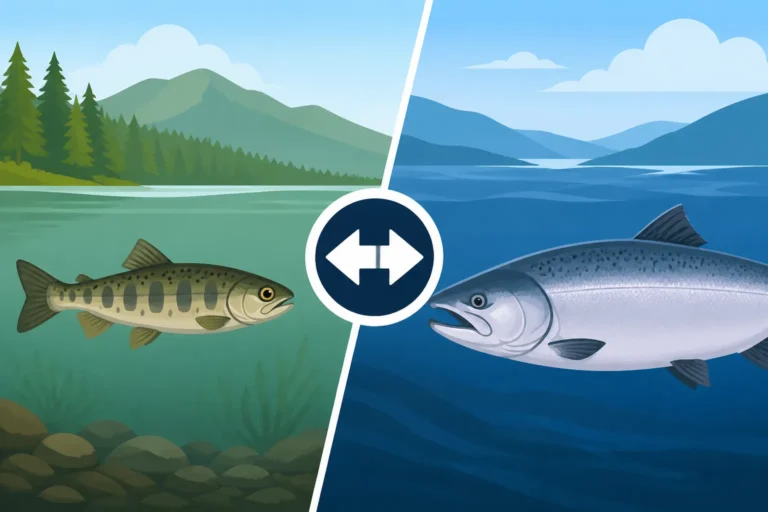
This is the primary concern for Oregon's fisheries managers. Walleye are opportunistic predators, and unfortunately, juvenile salmon and steelhead smolts moving downriver through the Columbia Basin make for an easy meal. In the vast, slow-moving pools created by dams, these young migratory fish become vulnerable to predation from a host of non-native species, including walleye. The sheer numbers of walleye, coupled with their efficient predatory habits, mean they can consume a significant number of these out-migrating smolts.
This predation adds another layer of stress to already struggling salmon and steelhead populations, which face challenges from habitat loss, dam passage, and ocean conditions. Every smolt lost to a predator like a walleye is one less potential adult fish that will return to spawn, impacting the long-term recovery efforts for these iconic species.
Competition for Resources with Native Species
Beyond direct predation, walleye also compete with native fish for food and habitat. While walleye prefer warmer water, they can still overlap with species like native pikeminnow and even some resident trout in certain areas. They consume a variety of prey fish, including shad, perch, and minnows, which are also food sources for other species.
The introduction of any non-native predator can disrupt the delicate balance of an ecosystem. Walleye's ability to thrive in the altered environments of the Columbia River reservoirs gives them an advantage, allowing them to establish robust populations that can outcompete or simply out-eat some native species. This competitive pressure, combined with predation, makes walleye a complex management challenge, leading to regulations that actively encourage harvest rather than protection. You can see how these specific policies contrast with those for native fish in the Oregon Fishing Regulations Explained.
Mastering the Hunt: Effective Techniques for Catching Oregon Walleye
So, you're ready to tackle these elusive and delicious fish in Oregon? Fantastic! While they might not be as common as trout, walleye offer a truly rewarding experience, both for the fight and the table. However, they can be a bit finicky, requiring specific gear and techniques to consistently put them in the boat or on the bank. Let's dive into what you'll need and how to get them to bite.
Essential Gear and Tackle for Walleye Success
Having the right tools for the job makes all the difference when chasing walleye. They're not brute fighters, but they have subtle bites and sharp teeth, demanding a balanced and sensitive setup.
Rods, Reels, and Line Choices
For walleye, sensitivity is key. You'll want a medium-light to medium-action spinning rod, typically 6'6" to 7'6" long. A fast or extra-fast tip is ideal for detecting those light "thumps" or "mushy" bites that walleye often deliver. Graphite rods offer the best sensitivity without being overly heavy. Pair this with a reliable spinning reel in the 2000-3000 size range, spooled with 8-15 pound braided line. Braided line offers superior sensitivity and minimal stretch, which is crucial for feeling those subtle bites, especially when fishing in deeper water or with long casts.
Many anglers then tie a 6-10 foot leader of 8-12 pound fluorocarbon line to their braid. Fluorocarbon is nearly invisible underwater and is more abrasion-resistant than mono, which is helpful when fishing around rocky structure where walleye often hide. Plus, its low stretch offers good sensitivity too. Make sure your knots are solid, especially the braid-to-fluoro connection – a double Uni knot or an FG knot are popular choices. You can find some excellent rod and reel combos and various types of braided and fluorocarbon line for sale on Amazon that are perfectly suited for walleye fishing.
Lures, Jigs, and Baits
Walleye are primarily visual predators, but they also respond to scent and vibration. Your tackle box should be stocked with a variety of offerings:
- Jigs: These are staples for walleye. ¼ to ¾ ounce jigs, tipped with soft plastics (grubs, paddle tails, minnow imitations) or live bait (minnows, nightcrawlers), are incredibly effective. Colors like chartreuse, white, orange, and natural baitfish patterns are always good starting points.
- Spinner Rigs/Crawler Harnesses: These are deadly, especially when slow trolling or drift fishing. A snelled hook with beads and a spinner blade (Colorado or Indiana style) ahead of a juicy nightcrawler is a classic walleye killer.
- Deep-Diving Crankbaits/Stickbaits: For trolling or casting to fish suspended over structure, crankbaits that dive to the fish's depth can be highly productive. Choose lures that imitate baitfish common in the Columbia, like shad or perch. Brands like Rapala, Berkley, and Bomber make excellent walleye crankbaits, readily available at sporting goods stores and online through retailers like Amazon.
- Blade Baits: These vibrating metal lures can be jigged vertically or cast and retrieved, mimicking fleeing baitfish and eliciting reaction strikes.
Live bait, particularly minnows (shiners or fatheads where legal), nightcrawlers, and leeches (if you can find them), can be absolutely irresistible to walleye. Present them on jigs, slip bobbers, or spinner rigs. Always check Oregon Fishing Regulations Explained for bait restrictions in specific waters.
Popular Walleye Fishing Methods
Walleye fishing requires a methodical approach. These aren't typically fish you'll stumble upon by accident; you need to understand their preferred habitats and adapt your techniques accordingly.
Bottom Bouncing and Jigging
These are arguably the two most effective methods for walleye, especially when they are relating to the bottom or submerged structure.
- Bottom Bouncing: This technique is fantastic for covering water slowly and presenting bait near the bottom. You use a specialized "bottom bouncer" weight, which has an L-shaped wire arm designed to drag along the bottom without snagging excessively. To the back of this bouncer, you attach a spinner rig (often with a nightcrawler or minnow). You then slowly motor along at 0.8 to 1.5 mph, keeping your line at a 45-degree angle, allowing the bouncer to periodically tap the bottom. When a walleye hits, you'll feel a subtle weight or tug; don't set the hook immediately, but drop your rod tip slightly to let the fish take the bait before sweeping into a hookset.
- Jigging: This is a versatile method that can be done from a boat or even from the bank in certain areas. It involves vertically dropping a jig to the bottom and then rhythmically lifting and dropping it. The key is to impart action to the lure (soft plastic or live bait) while keeping it in the strike zone. Walleye often hit on the drop or when the jig is sitting motionless on the bottom. Pay close attention to your line; a sudden slackening or a slight twitch might be a bite. In areas like the John Day River, casting and retrieving jigs can also be very effective, especially around current breaks and rocky banks.
Trolling and Casting
When walleye are scattered over larger areas or suspended off the bottom, trolling and casting become excellent search patterns.
- Trolling: This technique allows you to cover vast amounts of water, especially in the larger pools of the Columbia River. You can troll deep-diving crankbaits to target fish suspended at various depths, or use planer boards to spread out your lines and cover a wider swath of water with spinner rigs. Pay close attention to your boat speed (usually 1.5-2.5 mph) and use a fish finder to identify schools of baitfish or marks that indicate walleye. The goal is to present your lure at the depth where the fish are actively feeding. This is where your Oregon Trolling and Boat Fishing Techniques really come into play.
- Casting: While jigging is often vertical, casting allows you to target specific features like points, submerged humps, or current seams from a distance. You can cast jigs, swimbaits, or even shallow-running crankbaits, working them back through potential walleye holding areas. This method is particularly useful in areas with current or when walleye are feeding aggressively in shallower water, typically during low light. For both trolling and casting, a diverse selection of lures, including some of the well-regarded brands, can be found easily online.
| Method | Target Depth | Ideal Conditions | Recommended Lures/Baits | Notes |
|---|---|---|---|---|
| Bottom Bouncing | Bottom | Drift or Slow Troll | Spinner Rigs with Nightcrawlers/Minnows | Excellent for covering large areas near structure, subtle bites. |
| Jigging | Bottom/Mid | Vertical Presentation/Cast | Jigs with Plastics/Live Bait, Blade Baits | Versatile, great for structure and precise bait placement. |
| Trolling | Mid/Deep | Open Water, Covering Ground | Deep-Diving Crankbaits, Planer Board Rigs | Effective for suspended fish and finding active schools. |
| Casting | Shallow/Mid | Structure, Low Light | Jigs, Swimmbaits, Shallow Crankbaits | Good for targeting specific features and active feeders. |
Timing is Everything: When and Where to Find Oregon Walleye
Like most fish, walleye have distinct behavioral patterns influenced by the seasons, water conditions, and even the time of day. Understanding these nuances can significantly increase your success rate and help you narrow down your search in the vast waters of the Columbia and John Day rivers. It's not just about what you use, but when and where you present it.
Seasonal Patterns for Walleye Activity
Walleye metabolism and activity levels fluctuate throughout the year, dictating their location and willingness to bite. Knowing these seasonal shifts is crucial for planning your trips.
Spring and Fall Feeding Frenzies
If you want to experience some of the best walleye fishing Oregon has to offer, focus on the spring and fall. These are often referred to as "feeding frenzies" because the fish are actively trying to bulk up.
- Spring: As water temperatures begin to rise, typically from late March through May, walleye move from their deeper wintering grounds to shallower spawning areas. After spawning, they become incredibly active, feeding aggressively to recover lost energy. During this time, you'll find them in shallower flats, along current breaks, and near the mouths of tributaries. The water might still be a bit cool, so slower presentations like jigging with live bait or slow-trolling spinner rigs are often effective. This period coincides with other major runs, so always check Oregon Fishing Season Dates and Limits to understand any other concurrent regulations.
- Fall: As summer heat wanes and water temperatures begin to drop in September and October, walleye once again go on a strong bite. They're preparing for winter, packing on weight, and can be found in a variety of depths. They'll chase baitfish in shallower water during low light but might retreat to deeper edges and humps during the day. This time of year, both aggressive presentations like crankbaits and jigs, as well as live bait, can be highly productive. The cooler water makes them more active and willing to chase down a meal.
Summer Deep Water Tactics
Summer walleye fishing can be a bit more challenging, but it's far from impossible. As water temperatures peak, walleye often retreat to deeper, cooler waters where oxygen levels are stable and baitfish congregate.
During July and August, look for walleye in the main river channel, around deep humps, points, and along reservoir ledges. They'll often suspend in the water column or hug the bottom in 20-40 feet of water or even deeper, depending on the specific pool. This is when deep-diving crankbaits, heavy jigs, and bottom bouncers are your go-to tactics. Often, the bite windows are shorter, typically during dawn, dusk, or at night. Vertical jigging directly over identified schools on your fish finder can be incredibly effective during these warmer months. Don't be afraid to experiment with different depths and speeds, as the fish can be very particular.
Optimal Conditions for Walleye Fishing
Beyond the season, specific daily conditions can greatly influence walleye activity. Paying attention to these factors will give you a significant edge.
Water Temperature and Clarity
Walleye generally prefer water temperatures between 55°F and 70°F for their most active feeding. Outside of this range, they'll still bite, but often less aggressively or in more specific windows. Clear, cold water might push them deeper or make them more wary, requiring subtle presentations. Conversely, warmer, more turbid water (which is common in sections of the Columbia) can make them more active and less sensitive to heavy lines or less natural-looking baits. Walleye eyes are adapted to low light and murky conditions, giving them an advantage in these environments.
During periods of heavy runoff or sudden clarity changes, walleye might become less active or move to different areas. Keeping an eye on river flow and clarity reports for the Columbia and John Day can help you decide when and where to fish.
Low Light and Nocturnal Fishing
This is perhaps the most critical tip for consistent walleye success: these fish are primarily crepuscular (active at dawn and dusk) and nocturnal. Their large, reflective eyes are perfectly designed for hunting in low light conditions, giving them a distinct advantage over their prey when the sun is off the water.
- Dawn and Dusk: These are prime times. As the sun rises or sets, walleye often move into shallower feeding areas, becoming more aggressive. This is when you can experience some fast action, especially in spring and fall.
- Night Fishing: Don't overlook the night! Many serious walleye anglers consider night fishing to be the absolute best time for trophy fish. Walleye will move onto shallow flats and structure under the cover of darkness, making them accessible to casting jigs or trolling crankbaits. A good headlamp (you can find some excellent, waterproof options on Amazon) is essential, not just for rigging, but for safely navigating and landing fish in the dark. On cloudy days, walleye might remain active for longer periods throughout the day, as the low light conditions mimic their preferred feeding times. Understanding these patterns, combined with checking Best Time of Year to Fish in Oregon, will significantly boost your chances of success.
Oregon's Approach to Walleye Management and Regulations
When it comes to walleye in Oregon, the regulatory landscape is a bit different than for our cherished native species. Because walleye are an introduced species that can have significant impacts on vulnerable salmon and steelhead populations, the state's management strategy focuses on containing their spread and, where possible, reducing their numbers. This approach means that regulations for walleye are often more liberal, or even non-existent, compared to those for native fish.
Understanding Walleye Regulations in the Columbia and John Day
Unlike trout, salmon, or steelhead, where you'll find strict size limits, bag limits, and specific retention seasons, walleye often fall under a different set of rules designed to encourage their harvest.
Bag Limits and Size Restrictions
For many stretches of the Columbia and John Day rivers where walleye are prevalent, there are often no bag limits or size restrictions on walleye. This is a critical distinction and a clear indicator of their invasive status. The Oregon Department of Fish and Wildlife (ODFW) actively encourages anglers to harvest walleye, rather than practicing catch-and-release, as a means of population control. This contrasts sharply with regulations for native species, where conservation often dictates strict limits or even catch-and-release only rules.
For example, you might be allowed to keep as many walleye of any size as you catch, a stark difference from the carefully managed Oregon Daily Bag Limits Explained for species like Chinook salmon or steelhead. This policy aims to alleviate pressure on native fish by reducing the number of walleye predators in the system. Always, always check the most current ODFW regulations, as rules can change. While the general policy for walleye tends to be open harvest, specific areas or temporary situations could have different guidelines. This is especially true if you are fishing in shared waters with Washington, as Oregon and Washington License Reciprocity on the Columbia can have unique considerations.
Importance of Checking Current Regulations
I cannot stress this enough: always consult the current Oregon Sport Fishing Regulations before you head out. While I've given you the general philosophy behind walleye regulations, specific rules can and do change. These regulations will detail everything from the species you can target to the methods you can use, and any special zones or closures. You can usually find the most up-to-date information on the ODFW website or by picking up a physical regulation booklet from a license vendor.
These regulations are crucial for responsible angling and for ensuring you don't inadvertently violate any rules. They'll also inform you if any specific endorsements (like the Oregon Columbia River Basin Endorsement) are required for fishing in walleye-heavy sections of the Columbia. Understanding the intent behind these regulations – to manage an invasive species – helps put the liberal walleye rules into perspective.
The Call to Action: Anglers as Part of the Solution
For walleye in Oregon, anglers aren't just participants in a recreational activity; they are actively encouraged to be part of the solution to an ecological challenge.
Encouraging Harvest to Manage Populations
The ODFW's stance on walleye is clear: catch them and keep them. By harvesting walleye, anglers directly help in managing their population levels, which in turn can reduce their predatory impact on juvenile salmon and steelhead. This isn't about eradicating walleye (which is likely impossible given their widespread presence), but about mitigating their numbers to help native fish recover.
So, when you're out fishing for walleye in the Columbia or John Day, feel good about filling your cooler. You're not just enjoying a great day on the water and bringing home a delicious meal; you're also contributing to the conservation efforts for Oregon's native aquatic inhabitants. This is one of the few instances in fishing where taking your catch is actively encouraged as a management tool.
Responsible Angling Practices
Even with liberal harvest regulations, responsible angling practices are still paramount. This includes:
- Proper Disposal: If you catch a walleye and decide not to keep it (though you're encouraged to!), ensure it's released quickly and unharmed, or properly disposed of if it's deceased. Never release live walleye into waters where they are not already established.
- Preventing Further Spread: Absolutely never, under any circumstances, transport live walleye from one body of water to another. This is illegal and incredibly damaging to native ecosystems. The last thing Oregon needs is for walleye to be illegally introduced into new lakes and rivers.
- Reporting: If you encounter walleye in waters where they are not known to exist, report it to ODFW. This information is vital for monitoring their spread and developing appropriate management strategies.
By actively participating in the harvest of walleye and adhering to responsible angling ethics, you play a crucial role in balancing the enjoyment of a non-native sport fish with the vital protection of Oregon's native fish populations. It's a unique aspect of fishing in the state, offering both sport and a sense of ecological contribution. Remember, you'll still need your Oregon Fishing License Guide to pursue these fish legally, even if the bag limits are wide open.
In conclusion, walleye in Oregon present a fascinating duality: they are a delicious, challenging sport fish for anglers and a serious ecological concern for native salmon and steelhead. Primarily found in the Columbia River Basin and its lower tributaries like the John Day, these non-native predators thrive in the altered environments of our large reservoirs. Understanding their seasonal patterns, employing effective techniques like jigging and bottom bouncing, and knowing when and where to fish, will significantly boost your success. Most importantly, embrace the opportunity to harvest these fish, as you'll be contributing to the health of Oregon's native fisheries. So grab your gear, check the latest regulations, and head out to experience this unique facet of Oregon fishing – you might just discover a new favorite catch!
Disclaimer
This article is for general informational purposes only and does not constitute professional advice. Laws, prices and regulations vary by location and change over time. Consult a qualified professional for guidance on your specific situation.