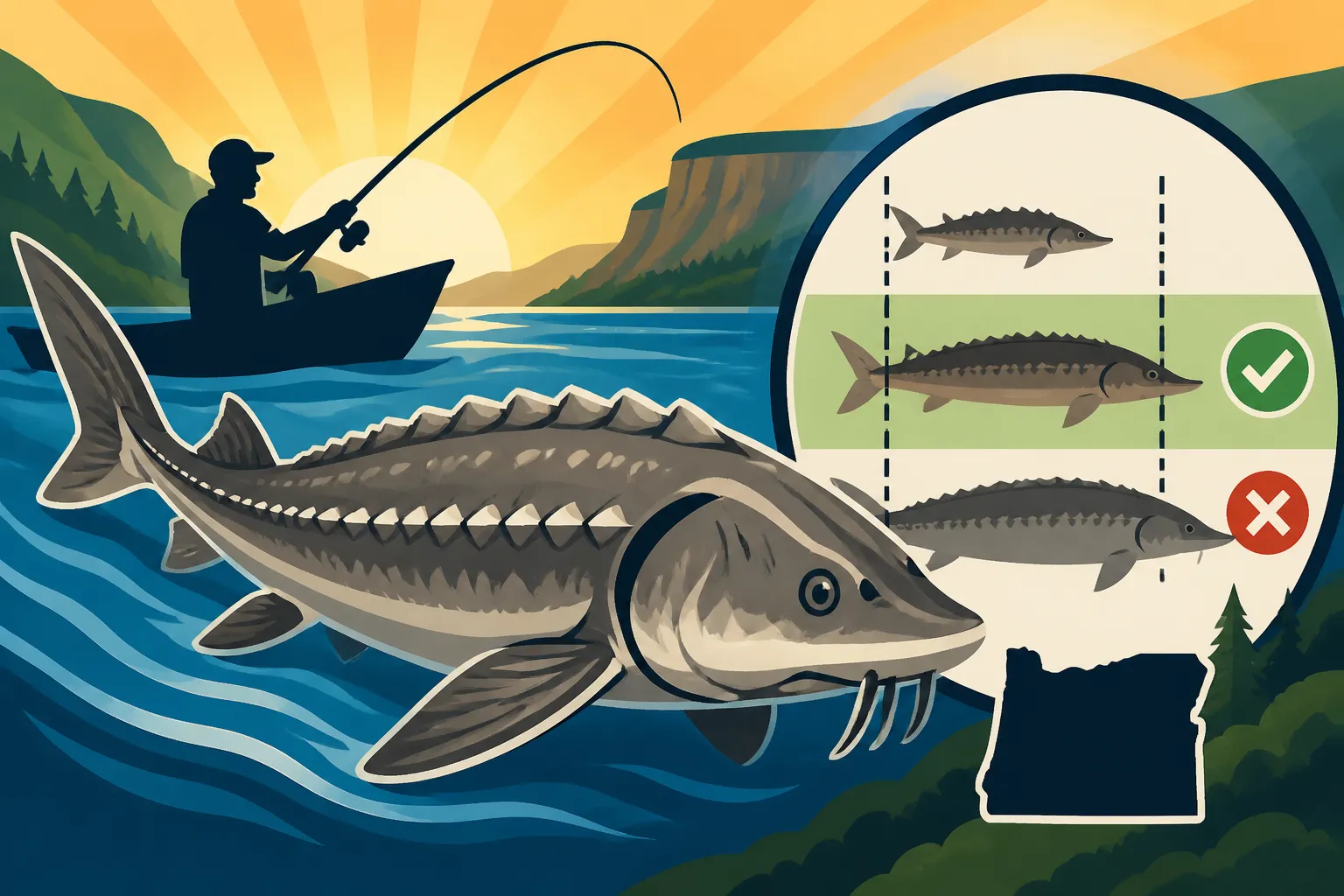
Columbia River sturgeon slot limit explained
Figuring out the exact rules for keeping a sturgeon on the mighty Columbia River can feel like trying to decipher an ancient scroll, especially when it comes to those elusive slot limits. Many anglers get frustrated trying to keep up with the ever-changing guidelines, worried they might accidentally violate a rule and face penalties. This guide will cut through the confusion, clearly explaining the Columbia River sturgeon slot limit, why it exists, and all the other crucial regulations you need to know to fish responsibly and legally for these incredible prehistoric fish.
The Unique Challenge of Sturgeon Regulations on the Columbia River
Fishing for sturgeon on the Columbia River is a truly iconic Pacific Northwest experience. These ancient, powerful fish demand respect, and so do the regulations designed to protect them. What makes these rules particularly tricky is the shared nature of the Columbia River itself. It forms a border between Oregon and Washington, meaning that two state agencies – the Oregon Department of Fish and Wildlife (ODFW) and the Washington Department of Fish and Wildlife (WDFW) – work together to manage the fishery. This collaboration often leads to unified rules, but keeping up with joint decisions and potential state-specific nuances can be a real headache for even seasoned anglers.
Why Sturgeon Need Special Protection
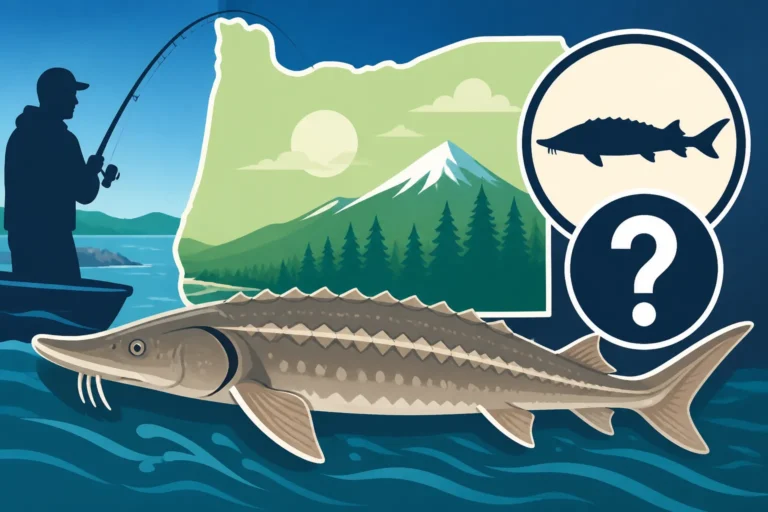
Sturgeon aren't like your average trout or bass. They are incredibly slow-growing, long-lived, and take many years to reach reproductive maturity. A large female sturgeon might not lay eggs until she's 15 or 20 years old, and some can live for over 100 years! This unique life history makes them particularly vulnerable to overfishing. If too many fish are harvested, especially the large, prolific breeders, or the younger fish before they even get a chance to reproduce, it can decimate a population for generations. This is why strict conservation measures, like slot limits and retention seasons, are absolutely critical to ensure that future generations can also experience the thrill of catching these magnificent creatures.
The Interstate Management Conundrum
Imagine trying to agree on rules with your neighbor for something you both own – that's essentially what ODFW and WDFW do for the Columbia River. They collaborate closely, using scientific data from population surveys and harvest reports to set seasons, bag limits, and size restrictions. These decisions are often made at joint public meetings, and while the goal is consistency for anglers on both sides of the river, the process can sometimes feel opaque. The fact that the rules can change, sometimes even mid-season due to unexpected harvest rates or biological concerns, adds another layer of complexity that can leave anglers feeling a bit lost. It really emphasizes the need to check the absolute latest regulations before you head out.
Demystifying the Sturgeon Slot Limit
The term "slot limit" is one of those fishing phrases that sounds official but can still leave you scratching your head if you're not familiar with it. For Columbia River sturgeon, it's not just a suggestion; it's a fundamental pillar of their conservation strategy. Understanding what it means and why it's implemented is key to fishing responsibly and contributing to the health of the sturgeon population.
What Exactly Is a Slot Limit?
At its core, a slot limit means you can only keep fish that fall within a specific size range. Think of it like a window: fish that are too small to fit through the bottom of the window must be released, and fish that are too large to fit through the top of the window must also be released. Only those fish that are just right – fitting snugly within the "slot" – are legal to keep.
For Columbia River sturgeon, this typically refers to a "fork length" measurement, which is taken from the tip of the snout to the fork in the tail. This is a crucial detail, as measuring to the tip of the tail would yield a different result and potentially put you in violation. Always make sure you're using the correct measurement method.
The Current Columbia River Sturgeon Slot Limit Explained
While exact measurements can shift from year to year based on stock assessments and season structures, the Columbia River sturgeon slot limit has historically centered around the 38 to 54-inch fork length range for retention fisheries in certain zones. This means if you catch a sturgeon, and the fishery is open for retention in that specific zone, it must be no shorter than 38 inches and no longer than 54 inches from the tip of its nose to the fork of its tail to be legally kept. Any sturgeon outside this range, whether smaller or larger, must be immediately released unharmed.
It's absolutely paramount to consult the most current Oregon Fishing Regulations Explained before every trip. These regulations are published annually, and sometimes emergency closures or changes are announced mid-season. Websites like the ODFW and WDFW, along with their official regulation pamphlets, are your best sources for up-to-the-minute information.
The Biological Reasoning Behind the Slot
You might wonder why such a seemingly arbitrary size range is chosen. The slot limit is a scientifically informed strategy designed to protect the most vulnerable and most vital parts of the sturgeon population.
First, by requiring the release of smaller sturgeon (below the slot), the regulations protect juvenile fish. These younger sturgeon haven't yet had the opportunity to contribute significantly to the breeding population. Allowing them to grow larger increases their chances of survival to maturity and their ability to reproduce multiple times over their long lives. It’s like letting the kids grow up before they have to take on adult responsibilities.
Second, the upper end of the slot limit (releasing larger sturgeon) is equally important. Those big "oversized" sturgeon are the prime breeding stock – the patriarchs and matriarchs of the river. They are incredibly prolific and have proven their ability to survive and reproduce. Protecting these large, mature fish ensures a healthy genetic diversity and a consistent supply of new sturgeon entering the population. Harvesting these massive, older fish would have a disproportionately negative impact on future generations. This "middle ground" approach balances recreational opportunity with long-term conservation, proving why the Columbia River sturgeon slot limit explained is so important.
How to Measure Your Sturgeon Correctly
Measuring a sturgeon can be a bit of a dance, especially with a large, powerful fish on the line. Safety for both you and the fish is paramount. Here’s a step-by-step approach:
- Be Prepared: Have a flexible tape measure or a marked measuring device readily accessible on your boat or shore setup. A large, wet mat or tarp can also be helpful for temporarily laying the fish on, minimizing slime removal and abrasion on rough surfaces.
- Land Carefully: Bring the sturgeon alongside the boat or onto a soft, clear bank. Avoid dragging it over rocks or concrete, which can cause severe damage to its skin and slime coat, making it susceptible to infection. Keep the fish in the water as much as possible.
- Secure and Control: For larger fish, a proper sturgeon cradle or a large, soft-mesh net can help. If you're on shore, gently guide it into shallow water. Avoid lifting large sturgeon by the tail or head only, which can cause spinal damage. Support its entire body.
- Measure Fork Length: This is critical. Place the tape measure at the tip of the sturgeon's snout (its nose). Run the tape along the body to the fork in its tail. The measurement at the deepest part of the "V" where the tail splits is your fork length. Do not measure to the very tip of either tail lobe.
- Quickly Assess: Compare your measurement to the current slot limit. If it's within the legal slot, and you are in a legal retention season and area, you can decide to keep it. If it's too small or too large, it must be released.
- Release Safely: Minimize the time the sturgeon is out of the water. If releasing, ensure it's revived and swimming strongly before letting it go. Hold it gently upright in the water, facing into any current, until it kicks strongly and swims away on its own. Proper handling is part of responsible fishing, even for catch-and-release. For more detailed guidance, consider checking out resources on How to Catch and Release Sturgeon Safely.
Beyond the Slot: Other Critical Sturgeon Regulations
While the slot limit is a major piece of the puzzle, it’s not the only rule governing sturgeon fishing on the Columbia River. There are several other layers of regulations that anglers absolutely must understand to ensure a legal and ethical outing. Ignoring these can lead to significant penalties, even if you’re adhering to the slot limit.
Retention Seasons and Area-Specific Rules
One of the most frustrating aspects for anglers is that even if a sturgeon is within the legal slot size, you might not be allowed to keep it. Why? Because retention (the act of keeping a fish) is only permitted during specific, often short, seasons and in designated areas of the Columbia River. These openings are carefully managed to meet harvest guidelines and prevent overfishing.
For instance, the Bonneville Pool, an incredible stretch of the Columbia above Bonneville Dam, often has very specific, limited retention seasons. Other areas, like certain stretches of the lower Columbia, might have different dates or even remain catch-and-release only for the entire year. These regulations are highly dynamic and can change frequently, sometimes with only a few days' notice, based on real-time catch data and biological assessments. Always double-check the current zone-specific regulations before planning your trip. Understanding Oregon Fishing Zones Explained can definitely help.
Annual and Daily Bag Limits
Even when retention is allowed and you catch a sturgeon within the slot, you’re still limited by daily and annual bag limits. Typically, the daily bag limit for sturgeon on the Columbia is one fish. This means you can only keep one legal-sized sturgeon per day. Exceeding this limit, even accidentally, is a serious violation.
Beyond the daily limit, there’s usually an annual harvest limit, often around 2-5 sturgeon per angler per calendar year. This annual limit is a critical conservation measure, ensuring that the total number of sturgeon removed from the river remains sustainable. Keeping track of your annual harvest is solely your responsibility, so make sure you mark your tags correctly and promptly.
Sturgeon Tags and Endorsements
Fishing for sturgeon isn't usually covered by a basic fishing license alone. In Oregon, if you intend to harvest sturgeon, you’ll need a special Oregon Sturgeon Tag Requirements or similar endorsement, in addition to your standard Oregon Fishing License Guide. This tag typically needs to be validated and carried with you while fishing. Upon retaining a sturgeon, you are generally required to immediately mark the tag (often by notching or punching out the date) and affix it to the fish. These tags are crucial for state agencies to monitor harvest levels and ensure compliance with annual limits. Failing to purchase the correct tag, or failing to properly validate and attach it to your catch, can result in fines and confiscation of your fish.
Catch-and-Release Rules: It's Not a Free-for-All
Even if you're planning a strictly catch-and-release sturgeon trip, there are still rules to follow. These aren't just suggestions; they’re designed to minimize harm to the fish you intend to release. Most notably, barbless hooks are typically mandatory for sturgeon fishing on the Columbia River, regardless of whether you're retaining or releasing. Barbless hooks make it much easier to remove the hook cleanly, reducing injury and stress to the fish.
Additionally, proper handling techniques are crucial. Avoid dragging sturgeon onto abrasive surfaces, minimize their time out of the water, and support their bodies adequately when handling for photos or measurement. The goal is to release them in the best possible condition to ensure their survival and continued contribution to the population. These Oregon Catch-and-Release Rules are vital for all anglers, showing respect for the resource.
Practical Tips for Successful and Responsible Sturgeon Angling
Navigating the world of Columbia River sturgeon fishing, with its unique challenges and rewarding moments, requires more than just a good rod and reel. It demands diligence, preparation, and a commitment to responsible angling practices. Here are some practical tips to help you make the most of your sturgeon adventures while staying on the right side of the rules.
Always Check Current Regulations
I cannot stress this enough: always check the latest regulations right before you head out. Don't rely on what you remember from last year or what your buddy told you. Sturgeon regulations on the Columbia River, especially retention seasons and specific slot limits, can change with little notice.
The best places to get the most accurate and up-to-date information are the official websites of the Oregon Department of Fish and Wildlife (ODFW.com) and the Washington Department of Fish and Wildlife (WDFW.WA.gov). Look for their online fishing regulation updates, news releases, or download the latest digital sport fishing regulation pamphlets. Many local tackle shops near popular sturgeon areas, like those in Astoria or Hood River, are also excellent sources of current information and often have printed copies of the rules. These folks live and breathe fishing, and they'll know if there have been any emergency closures or changes.
Essential Gear for Sturgeon Fishing
Sturgeon are incredibly powerful fish, and your gear needs to be up to the task. Skimping on tackle will lead to broken lines, lost fish, and potentially exhausted sturgeon that struggle to recover after a prolonged fight.
- Rods and Reels: You'll want heavy-duty rods, often rated for 80-200 lb test line, paired with robust conventional reels. Think brands like Penn, Shimano, or Ambassadeur that are built for saltwater or big game. A sturdy setup ensures you can effectively fight and land these big fish without unduly tiring them out.
- Line: Spool your reel with strong braided line (at least 65-100 lb test) for its sensitivity and incredible strength. A heavy monofilament or fluorocarbon leader (100-200 lb test) is then attached to withstand the sturgeon's abrasive mouth and rough scutes.
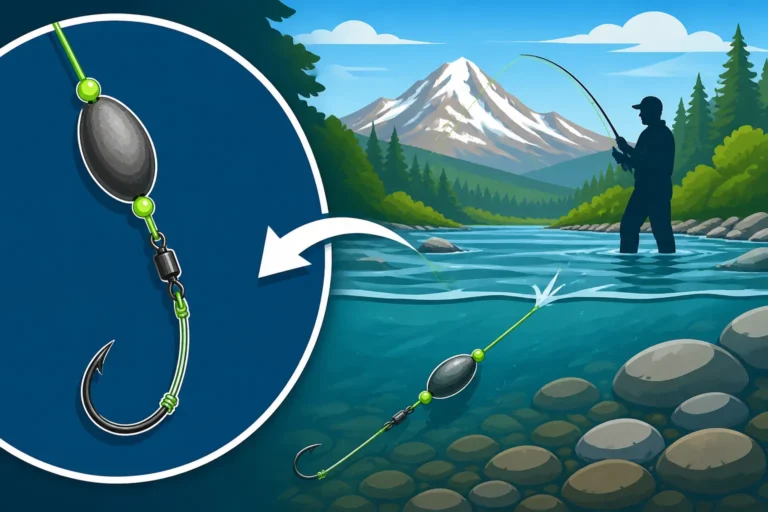
- Hooks: As mentioned, barbless hooks are often mandatory. Use strong, sharp circle hooks in sizes 8/0 to 12/0. Circle hooks are excellent for sturgeon as they tend to hook in the corner of the mouth, minimizing deep hooking and making release easier, especially crucial when practicing catch-and-release for those fish outside the slot. You can find a fantastic selection of these robust hooks and other sturgeon tackle on Amazon, ensuring you're well-equipped before your trip.
- Weight: Heavy lead or steel weights (8-20 ounces or more, depending on current and depth) are necessary to hold your bait on the bottom in the strong Columbia River currents.
- Measuring Device: A flexible tape measure or a dedicated sturgeon measuring device is non-negotiable. Make sure it’s clearly marked and easy to read so you can quickly and accurately assess your catch’s fork length.
- Gloves and Pliers: Heavy-duty gloves protect your hands from the sturgeon's sharp scutes, and long-nose pliers or hook removers are essential for safe and quick hook extraction.
Safe Handling and Release Techniques
Even if you're hoping for a keeper, the vast majority of sturgeon you encounter will be released. Knowing how to handle them safely is a mark of a responsible angler.
- Keep them Wet: The golden rule is to keep the sturgeon in the water as much as possible. Their slime coat is vital for protecting against disease, and prolonged exposure to air can be harmful, especially for large fish.
- Support the Body: If you must lift a sturgeon for a quick photo (only for fish of manageable size), support its entire body horizontally. Never lift a large sturgeon by the tail or gills, as this can cause severe internal injury. For very large fish, leave them in the water and take photos alongside the boat or from the bank.
- Minimize Stress: Avoid excessive fighting if possible. Once landed, unhook the fish quickly and calmly. If it's a legal keeper, prepare your tag and dispatch it humanely. If it's being released, get it back into the water as soon as possible.
- Revive the Fish: For released sturgeon, especially after a long fight, hold the fish upright in the current, facing upstream, until it regains its strength and swims off on its own. Never just toss it back into the water. Patience here dramatically increases its chances of survival. These practices are detailed in guides like How to Fish for Sturgeon on the Columbia.
Popular Sturgeon Fishing Spots on the Columbia
The Columbia River offers a multitude of spots to target sturgeon, each with its own character and regulations. Some of the most popular areas include:
- Lower Columbia (below Bonneville Dam): This vast stretch, from Astoria up to the dam, sees significant sturgeon fishing pressure. Areas around Cathlamet, Longview, and Kalama can be productive. Remember that specific regulations, including retention openings, can vary by smaller zones within this stretch. The Buoy 10 Fishing Guide area near the mouth can also hold sturgeon, especially during salmon runs.
- Bonneville Pool: Located immediately above Bonneville Dam, this reservoir-like section is famous for its large sturgeon. It often has very limited retention seasons, so checking current rules for the Bonneville Pool is absolutely critical.
- John Day Pool: Further upstream, the John Day Pool (between John Day Dam and McNary Dam) also holds a good population of sturgeon. Like Bonneville, retention opportunities are usually limited and highly regulated.
Always confirm the specific regulations for the particular section of the Columbia you plan to fish. Different pools and segments often have their own unique rules, season dates, and slot limits, which can be found in the Oregon Fishing Regulations Explained booklet.
Understanding Common Misconceptions and Frustrations
It’s easy to feel overwhelmed by the sheer volume and complexity of sturgeon regulations on the Columbia River. Many anglers, both new and experienced, voice common frustrations and harbor misconceptions that can lead to confusion or, worse, unintended violations. Let’s tackle some of these head-on.
"Why So Many Rules? It's Just Fishing!"
This is a sentiment often heard, and it comes from a place of wanting to enjoy a simple day on the water. However, with a species like the White Sturgeon, "just fishing" isn't a viable long-term strategy without strict management. The reality is that sturgeon are highly susceptible to overharvest due to their slow growth, late maturity, and long lifespans. Without proactive, comprehensive rules – including slot limits, daily/annual bag limits, and specific seasons – their populations would quickly decline, leading to much more severe restrictions, or even a complete closure of the fishery.
The extensive regulations are a direct response to historical declines and a commitment to ensuring these incredible fish remain a vibrant part of the Columbia River ecosystem for generations to come. It's an investment in the future of the fishery, even if it sometimes feels like a bureaucratic hurdle today. Thinking about the alternative, like a complete and permanent closure of sturgeon fishing, really puts the current rules into perspective.
"The Rules Keep Changing! How Am I Supposed to Keep Up?"
You're absolutely right to feel this frustration. It does seem like the rules can change on a dime, sometimes even within a season. This isn't done to annoy anglers; rather, it’s a necessary part of adaptive management. The ODFW and WDFW continually monitor sturgeon populations and, crucially, monitor the actual harvest rates. If anglers are catching and keeping sturgeon faster than projected, or if biological assessments indicate a weaker spawning class, managers must react quickly to prevent exceeding sustainable harvest limits.
These in-season adjustments, often announced through emergency rule changes, are designed to keep the fishery open for as long as possible while still protecting the resource. It’s a delicate balancing act. While it demands constant vigilance from anglers, it’s far better than having a rigid set of rules that could lead to overfishing and a complete shutdown. Always make checking for these updates a routine part of your fishing prep, just like checking the weather.
"It's Just Catch and Release Anyway, So Why Worry About the Slot?"
This is a dangerous misconception. While much of sturgeon fishing on the Columbia River is catch-and-release, especially for oversized and undersized fish, the slot limit is still a primary regulation for retention fisheries. If you are fishing during an open season and area where sturgeon retention is permitted, the slot limit is the absolute arbiter of whether you can keep that fish or not.
Furthermore, even in purely catch-and-release scenarios, the principles of responsible angling, such as using barbless hooks and minimizing stress during handling, are paramount. Oregon Fishing Violations and Penalties can apply even to catch-and-release activities if proper gear or handling practices are not followed, demonstrating that all sturgeon are protected, not just the keepers. The rules aren’t just about what you keep, but how you interact with these magnificent fish throughout your entire fishing experience.
Sturgeon Regulations Summary Table (Subject to Change)
It's important to remember that the details in this table are generalized and can change frequently. Always consult the official ODFW and WDFW regulations before fishing.
| Regulation Category | Typical Columbia River Guideline (Consult current ODFW/WDFW regulations!) | Key Details & Considerations |
|---|---|---|
| Understanding the rules of Oregon fishing is crucial for a successful and legal trip on the water. Today, we're diving deep into one of the most important – and often confusing – regulations for targeting one of the state's most iconic and ancient fish: the mighty sturgeon. We’ve all been there, wondering if that fish we just caught is a keeper, or if releasing it is the right call because of some subtle difference in the rulebook. This guide aims to clear up all the lingering questions you might have about the Columbia River sturgeon slot limit, so you can fish with confidence and contribute to the health of this incredible fishery. |
The Unique Management of Columbia River Sturgeon
Sturgeon in the Columbia River aren't just any fish; they're living fossils, often growing to immense sizes and living for many decades. This unique status, combined with the fact that the Columbia River forms a border between two states, means their management is a complex dance involving both Oregon and Washington. It’s this intricate balance that gives rise to the specific and often changing regulations that anglers need to keep up with.
Why Sturgeon Need Strict Management
Imagine a fish that takes 15 to 20 years to become sexually mature and can live for well over a century. That's a white sturgeon for you! Unlike species with faster life cycles, sturgeon populations recover very slowly from overfishing. If too many fish are removed, especially the large, egg-laden females or the smaller, developing juveniles, it can take generations for the stock to rebound. Their ancient lineage and slow reproductive cycle are precisely why state agencies like the Oregon Department of Fish and Wildlife (ODFW) and the Washington Department of Fish and Wildlife (WDFW) implement such strict conservation measures, including the all-important slot limits. These rules ensure that enough fish survive to spawn and sustain future generations of these magnificent creatures.
Navigating Interstate Fishing Regulations
The Columbia River acts as a shared resource, and fishing regulations for species like sturgeon are typically developed and agreed upon jointly by ODFW and WDFW. This collaborative approach means that, for the most part, the rules you follow on the Oregon side of the river will be the same on the Washington side. However, don't let this lull you into a false sense of security. There can sometimes be subtle, zone-specific differences or emergency rule changes that one state might implement, which is why checking both states' official updates is always a good idea. The shared management aims for consistency and effective conservation across the entire river, but it also means anglers need to be extra diligent about staying informed from both perspectives. It’s a bit like having two bosses for the same job – you need to make sure both are on the same page and you’re getting the latest directives from each!
Understanding the Columbia River Sturgeon Slot Limit
The term "slot limit" can be a bit of a mystery if you’re new to sturgeon fishing, but it’s a cornerstone of how these fish are managed on the Columbia. It's not just a random set of numbers; it's a carefully crafted strategy to protect the long-term health of the sturgeon population.
What Is a Slot Limit, Exactly?
A slot limit is a management tool that allows anglers to harvest fish only within a specific size range, referred to as the "slot." This means that fish deemed too small or too large must be released, even if you're in a designated retention season. Think of it like a strict bouncer at an exclusive club: only those of a certain size (in this case, length) are allowed in. The logic behind this isn't to be overly restrictive but to protect the most vulnerable segments of the fish population – the young fish that haven't reproduced yet and the large, mature spawners that are essential for future generations.
The Specifics of the Columbia River Sturgeon Slot
For Columbia River white sturgeon, the slot limit typically refers to a "fork length" measurement. This is crucial: you measure from the tip of the fish's snout to the fork in its tail, not the longest point of the tail. While the exact numbers can vary by year and specific river section, a common slot limit has been in the range of 38 to 54 inches fork length. This means if you catch a sturgeon, and you are in a legal retention area during a legal retention season, it must measure no less than 38 inches and no more than 54 inches to be legally kept. Any fish outside this range, whether smaller or larger, must be immediately and carefully released.
It is absolutely vital to consult the current year's Oregon Fishing Regulations Explained booklet or the ODFW/WDFW websites for the most up-to-date and precise slot limits, as these can change annually or even through in-season emergency rule changes based on biological assessments and harvest goals. This diligence is your best defense against accidental violations.
Why This Specific Size Range?
The slot limit isn't pulled out of thin air. It’s a scientifically-backed conservation strategy designed to protect the very fabric of the sturgeon population:
- Protecting Immature Fish (Below the Slot): By requiring the release of all sturgeon under, say, 38 inches, fisheries managers ensure that young, immature fish have the chance to grow and, most importantly, reach reproductive maturity. These smaller sturgeon haven't had the opportunity to contribute to the next generation yet, so protecting them allows them to become part of the future spawning stock. It's about giving them time to mature and fulfill their biological purpose.
- Protecting Prime Breeders (Above the Slot): The upper end of the slot, often around 54 inches, protects the largest and most valuable breeding sturgeon. These huge fish are often decades old, have survived many challenges, and have proven themselves as prolific spawners. They carry a vast number of eggs and are the genetic backbone of the population. Removing these oversized breeders would have a disproportionately negative impact on the long-term health and sustainability of the sturgeon fishery. The slot limit, therefore, focuses harvest pressure on the "middle-aged" fish that have likely spawned a few times but are not yet at their peak reproductive potential, ensuring the health of the species for years to come.
Measuring Your Sturgeon Safely and Accurately
Measuring a powerful, often large, sturgeon accurately and safely is a critical skill for any angler. This process needs to be done quickly, minimizing stress on the fish, and with careful attention to detail.
- Preparation is Key: Before you even cast a line, have your measuring device ready. A flexible tape measure or a marked measuring stick (many anglers mark their boat rails or custom measuring boards) is essential. Also, prepare a wet mat or a designated soft area on your boat or shoreline where you can temporarily lay the fish if necessary, minimizing slime loss and skin abrasion.
- Gentle Landing and Control: When you bring a sturgeon to the boat or shore, do so gently. Avoid dragging it over rough surfaces like rocks, gravel, or concrete, as this can severely damage its protective slime coat and skin. Keep the fish in the water as much as possible. If it's a very large fish, consider using a sturgeon cradle or a large, soft-mesh net designed for this purpose to support its entire body. Never lift a large sturgeon by the tail or head alone; this can cause serious internal damage.
- The Fork Length Measurement: This is where precision matters. Lay the fish on its side or back (if using a cradle) on your wet surface. Carefully extend the tape measure from the very tip of the sturgeon's snout (nose) straight along its body to the fork (the V-shaped indentation) of its tail. Record the measurement at this fork. Do NOT measure to the longest point of either tail lobe. Double-check your measurement if you're unsure.
- Quick Decision and Release: Once you have your accurate fork length, compare it to the current slot limit. If it falls within the legal slot, and you are fishing during an open retention season in a legal area, you can choose to keep it. If it's outside the slot, or if retention isn't permitted, it must be released immediately.
- Safe Release Practices: For released fish, minimize their time out of water. Support the fish horizontally, facing into any current, until it fully revives and swims away on its own. Never simply toss a sturgeon back; ensure it's strong and ready to go. Learning How to Catch and Release Sturgeon Safely is a valuable skill for all sturgeon anglers.
Beyond the Slot: Essential Sturgeon Regulations
While the slot limit is fundamental, it's just one piece of the regulatory mosaic for Columbia River sturgeon. Several other crucial rules dictate when, where, and how you can fish for these magnificent creatures. Ignoring any of these can lead to fines, citations, or the loss of your catch.
Retention Seasons and Area Restrictions
One of the biggest sources of confusion and frustration for anglers is the highly dynamic nature of sturgeon retention seasons. Even if you catch a sturgeon within the legal slot, you can only keep it if you are fishing during an authorized retention season and in a specific geographic area where retention is permitted. These seasons are often short, highly publicized, and can change with little notice.
For example, the Bonneville Pool, located upstream of Bonneville Dam, often has very specific and limited windows for sturgeon retention, sometimes only a few days or weeks out of the year. Other stretches, particularly in the lower Columbia River near the estuary, might have different or even more restrictive rules. Many areas might be catch-and-release only year-round. These restrictions are put in place to tightly control harvest and meet conservation goals, which are paramount for the species' long-term survival. Always check the very latest ODFW and WDFW emergency rule updates for the specific river section you plan to fish, as these can supersede annual regulations. Understanding Oregon Fishing Zones Explained will also help you identify where these specific rules apply.
Daily and Annual Bag Limits
Even during an open retention season, your ability to keep sturgeon is further limited by daily and annual bag limits. Typically, the daily bag limit for legal-sized sturgeon on the Columbia River is one fish per angler. This means that once you've kept a legal sturgeon, your retention opportunity for that day is over, even if you catch other slot-sized fish.
Furthermore, there’s an annual limit, which dictates the total number of legal sturgeon you can keep over the course of a calendar year. This annual limit usually ranges from 2 to 5 sturgeon per angler, but again, this number can vary. It's solely your responsibility to keep track of your annual harvest. These limits are absolutely critical for managing the overall take from the fishery, ensuring that the total number of retained fish falls within sustainable limits determined by biologists.
The Requirement for Sturgeon Tags and Endorsements
A standard Oregon fishing license is usually not enough if you intend to keep a sturgeon. In Oregon, you will almost certainly need a separate "Combined Angling Tag" or a specific sturgeon endorsement, in addition to your general fishing license. This tag is essentially a harvest card that allows you to legally retain a sturgeon and record your catch.
Upon retaining a legal sturgeon, you are generally required to immediately mark your tag (often by punching out the month and day) and securely affix it to the fish. This tag must remain attached to the sturgeon until it is prepared for consumption or storage. These tags are a vital tool for state agencies to track the total harvest and ensure that the annual limits for the entire fishery are not exceeded. Failing to purchase the necessary Oregon Sturgeon Tag Requirements or to properly mark and attach it to your catch can result in significant penalties, including fines and forfeiture of your catch. Familiarize yourself with the full Oregon Combined Angling Tag Guide to understand all its implications.
Catch-and-Release Only Rules: Still Strict
Even if you’re planning a purely catch-and-release sturgeon trip – perhaps targeting the magnificent oversized fish, or fishing outside of a retention season – there are still important regulations you must follow. These rules are in place to minimize harm to the fish, ensuring they survive to fight another day.
Most importantly, barbless hooks are typically mandatory for sturgeon fishing on the Columbia River, regardless of whether you intend to keep the fish or not. Barbless hooks greatly facilitate quick and clean hook removal, reducing tissue damage and stress to the sturgeon. Beyond tackle, proper handling techniques are crucial. Avoid dragging sturgeon onto hard, dry surfaces, minimize their time out of the water, and support their bodies horizontally if you must lift them. Always revive them until they swim off strongly on their own. These Oregon Catch-and-Release Rules are not optional; they are a legal requirement and an ethical imperative for all responsible anglers.
Practical Angling Tips for Columbia River Sturgeon
Sturgeon fishing on the Columbia River is an unforgettable experience, but it requires more than just luck. Strategic preparation, the right gear, and a commitment to responsible practices will dramatically increase your chances of success and ensure you’re contributing to the health of this precious fishery.
Always Verify Current Regulations
This cannot be overemphasized: always, always, always check the absolute latest fishing regulations immediately before every single trip. Do not rely on old pamphlets, what you heard from a friend, or last year's rules. Sturgeon retention seasons, slot limits, and area restrictions on the Columbia River can and do change frequently, sometimes with very little notice, due to in-season adjustments based on harvest rates and biological data.
Your primary sources should be the official websites for the Oregon Department of Fish and Wildlife (ODFW.com) and the Washington Department of Fish and Wildlife (WDFW.WA.gov). Look for their "Emergency Regulations" or "Rule Changes" sections, as these will have the most current information. Many local tackle shops near key sturgeon areas, like those in The Dalles or Vancouver, also stay incredibly informed and can offer guidance. A quick call or stop by before your trip could save you from an accidental violation.
Essential Gear for Battling Giants
Sturgeon are built like tanks, and your gear needs to be equally robust to handle their power and protect the fish.
- Rods and Reels: You'll need heavy-action conventional rods, often rated for 80-130 lb line, paired with robust, high-capacity conventional reels. Brands like Penn, Shimano, Daiwa, or Okuma offer excellent options designed for big game. The key is a strong backbone to horse fish away from snags and ample line capacity to handle long runs.
- Line: Spool your reel with 65 to 100 lb test braided line. Braid offers incredible strength-to-diameter ratio and minimal stretch, giving you excellent feel. Couple this with a heavy monofilament or fluorocarbon leader (100 to 200 lb test, 2-4 feet long) to resist abrasion from the sturgeon's rough scutes and powerful tail.
- Hooks: As per regulation, barbless circle hooks are usually mandatory. Use heavy-duty, strong hooks in sizes ranging from 8/0 to 12/0, depending on your bait size. Circle hooks greatly reduce the chance of gut-hooking, which is crucial for releasing fish unharmed.
- Weights: The mighty Columbia River often has strong currents, so you’ll need heavy lead or steel weights to hold your bait on the bottom. Have a range of sizes from 8 ounces up to 20 ounces or more, depending on the current and depth of where you're fishing. Slinky weights can also be effective in snaggy areas. You can find a wide variety of these specialized sturgeon fishing supplies on Amazon, making it easy to stock up before your next adventure.
- Measuring Device: A flexible tape measure, a purpose-built sturgeon ruler, or marks on your boat gunwale for fork length are essential for quickly determining if your fish is within the slot.
- Gloves and Tools: Heavy-duty gloves (like rubber-coated or insulated fishing gloves) protect your hands from the sturgeon's sharp scutes. Long-nose pliers or a dedicated hook remover are indispensable for quickly and safely removing hooks, especially when practicing catch-and-release.
Effective Bait and Presentation
While the focus here is on regulations, a quick word on bait is helpful. Sturgeon are primarily bottom feeders with an excellent sense of smell. Effective baits for Columbia River sturgeon include:
- Smelt: Often considered prime sturgeon bait when available, fresh or brined.
- Herring or Anchovies: Whole or cut, these oily baits attract sturgeon from a distance.
- Sand Shrimp/Prawns: A classic sturgeon bait, often fished in clusters.
- Squid: Durable and effective, especially for smaller sturgeon.
- Lamprey: A highly prized bait when legal and available.
Present your bait on a Carolina-style rig (sliding sinker) or a fixed-weight rig, ensuring your bait sits directly on the river bottom. For more in-depth advice on what these incredible fish like to eat, check out our guide on the Best Bait for Sturgeon Fishing on the Columbia.
Responsible Handling and Release Practices
The survival of released sturgeon depends heavily on how they are handled. Make it your mission to ensure every released fish swims away strong.
- Minimize Out-of-Water Time: Keep the sturgeon in the water as much as possible. If you need to bring it on board for measurement or a quick photo, use a wet mat or tarp to protect its slime coat.
- Support the Entire Body: If you must lift a sturgeon for a photo (only for fish of manageable size), always support its body horizontally with two hands (one under the head, one under the tail/mid-body) or use a cradle. Never lift a large sturgeon by the tail or head alone, as this can cause severe spinal and internal damage.
- Quick Hook Removal: Use your pliers or hook remover to quickly and gently remove the barbless hook. If the hook is deeply ingested, cut the line as close to the hook as possible rather than tearing at the fish's throat.
- Revive the Fish: For released sturgeon, especially after a prolonged fight, hold the fish gently upright in the water, facing into any current, until it regains its strength and swims away on its own power. This can take several minutes. Patience here is crucial for its survival. This comprehensive guide should give you the confidence to enjoy your sturgeon fishing, knowing you're fully prepared for the regulations.
Disclaimer
Fishing regulations, especially for sensitive species like sturgeon on the Columbia River, are subject to frequent change by the Oregon Department of Fish and Wildlife (ODFW) and the Washington Department of Fish and Wildlife (WDFW). This guide provides general information and common practices but should not be considered the definitive legal source. It is the angler's responsibility to consult the most current official ODFW and WDFW fishing regulations before participating in any fishing activity. Failure to do so may result in fines or penalties.