Bonneville Pool sturgeon size limit
Navigating the specific rules and regulations for fishing can sometimes feel like trying to decipher an ancient scroll, especially when it comes to unique species like sturgeon in a particular area. It’s incredibly frustrating when you just want to enjoy a day on the water but are constantly worried about accidentally breaking a rule. This comprehensive guide is here to demystify the Bonneville Pool sturgeon size limit, offering clear, actionable information so you can fish with confidence and respect for these magnificent creatures.
Understanding Sturgeon Fishing in the Bonneville Pool
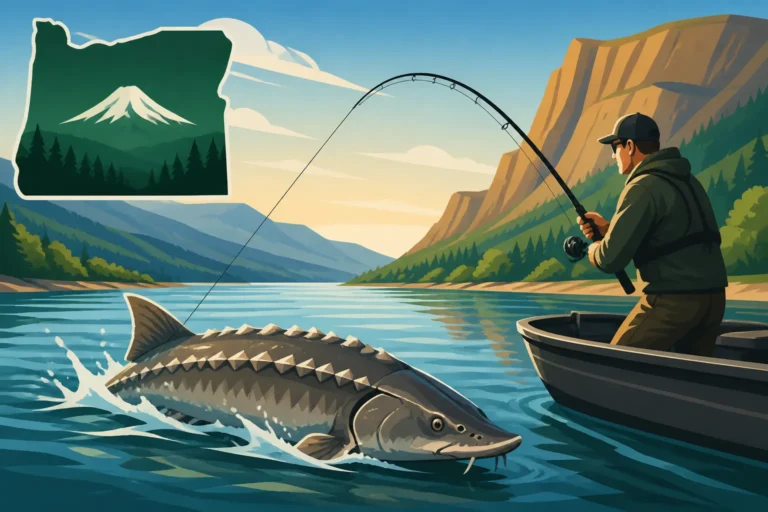
There’s something truly prehistoric and awe-inspiring about sturgeon. These ancient fish, with their armored plates and powerful runs, offer an angling experience unlike any other. However, their long lifespans and slow reproductive rates make them particularly vulnerable, necessitating strict regulations to ensure their survival for future generations. For us anglers, that means playing by the rules is not just a formality; it's a critical part of conservation.
Why Sturgeon Fishing is Special and Regulated in Oregon
Sturgeon are North America's largest freshwater fish, and catching one, even a smaller legal keeper, is an unforgettable fight. Their sheer power and size demand heavy tackle and often a whole lot of patience. Here in Oregon, particularly on the Columbia River system, we have the opportunity to target white sturgeon, but because of past overfishing and habitat concerns, their populations are carefully managed. The thrill of the catch comes with the significant responsibility of understanding and adhering to the guidelines set by the Oregon Department of Fish and Wildlife (ODFW) and Washington Department of Fish and Wildlife (WDFW), which often work in tandem for shared waters like the Columbia. Without these regulations, these magnificent fish wouldn't be around for us to appreciate.
A Quick Look at the Bonneville Pool
The Bonneville Pool is a significant stretch of the Columbia River, formed by the Bonneville Dam. It extends upstream from the dam, all the way to The Dalles Dam, covering a considerable distance and offering diverse habitat for sturgeon. This section of the river is a popular destination for sturgeon anglers, partly because of its accessibility and the generally robust population of both keeper-sized and oversized fish. However, being a major waterway, it also sees a lot of traffic, and conditions can change rapidly. Understanding the characteristics of the Bonneville Pool is key to successful and compliant sturgeon fishing. It's a vast, powerful body of water, and knowing its nuances, from current breaks to deeper holes, can greatly improve your chances of finding these bottom-dwelling giants.
Navigating the Bonneville Pool Sturgeon Size Limit
When you hook into a sturgeon, the last thing you want is confusion about whether you can keep it. The regulations, especially the specific slot limits, are designed to protect both the young fish, allowing them to grow, and the large breeding adults, which are vital for the population's future. Getting this right is paramount.
The Critical Slot Limit Explained
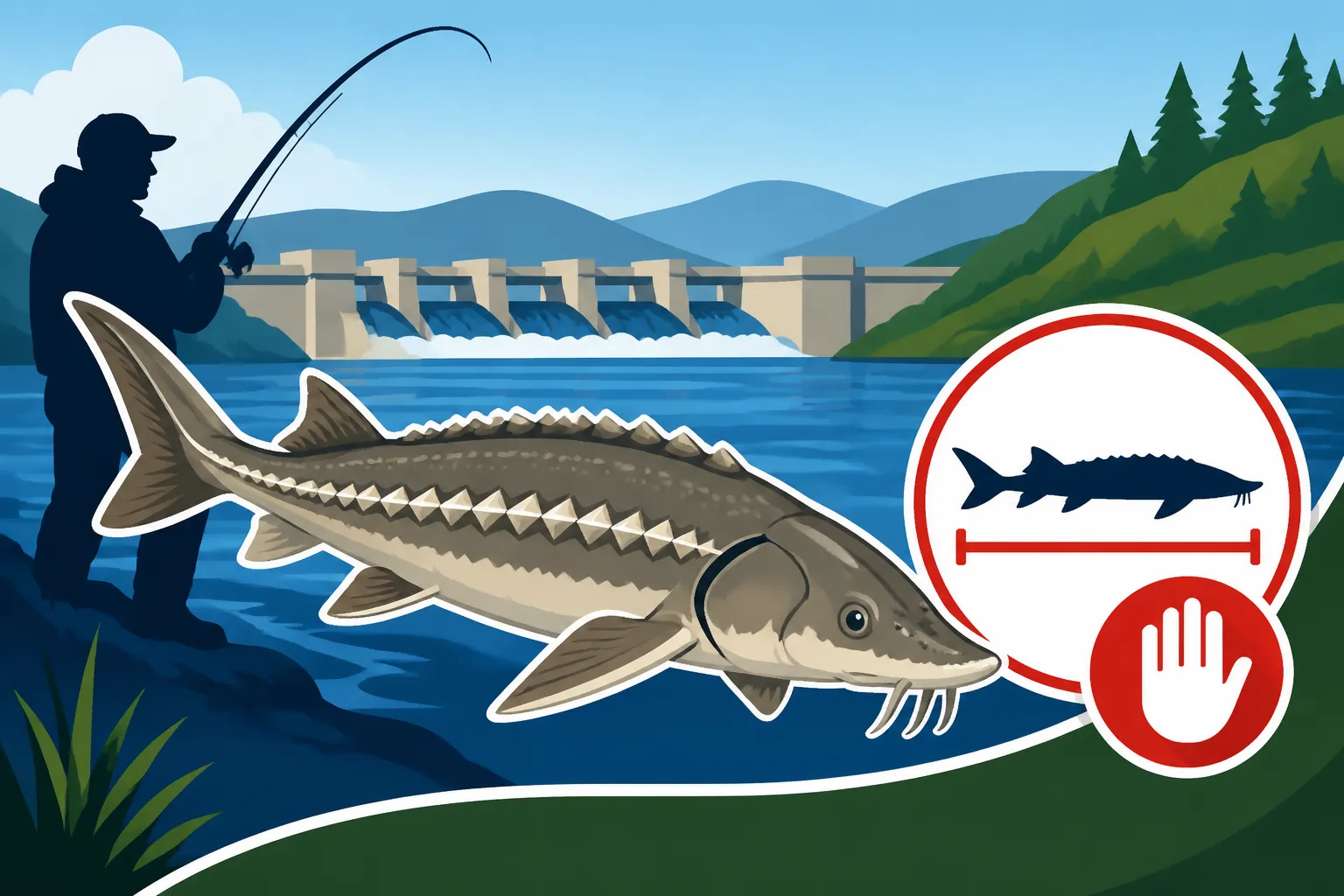
For white sturgeon in the Bonneville Pool, and indeed much of the Columbia River, anglers operate under a "slot limit" for retention. This means you can only keep fish that fall within a very specific size range. For example, a common slot limit might be between 44 inches and 50 inches fork length. A fish measuring 43 inches or 51 inches would need to be immediately released. This is crucial: the fish must be at least the minimum length and no more than the maximum length. The exact numbers can change year to year based on population assessments and quotas, so always check the latest Oregon Fishing Regulations Explained booklet or the ODFW website before you head out. These changes are put in place to ensure sustainability. The idea behind the slot limit is to protect the younger, growing fish from harvest, ensuring they reach reproductive maturity, and to also protect the largest, most productive breeding fish, allowing them to continue spawning and contributing to the gene pool. It's a balancing act to allow recreational harvest while safeguarding the future of the species.
Measuring Your Catch Accurately
Once you've landed a sturgeon that appears to be within the slot limit, precise measurement is your next critical step. This isn't a task to be rushed or estimated. The "fork length" measurement for sturgeon is taken from the tip of the snout to the fork in the caudal fin (tail).
Here’s a step-by-step guide to measuring your sturgeon safely and accurately:
- Prepare for the Measurement: Before you even bring the fish into the boat or onto the bank, have your measuring device ready. A flexible tape measure or a marked mat is ideal. Many anglers use a sturdy, waterproof measuring tape you can find readily on Amazon.
- Handle with Care: Sturgeon are incredibly tough, but they are still living creatures. Avoid dragging them on rough surfaces. If in a boat, use a large net or tail rope to bring them in. Keep their time out of water to an absolute minimum.
- Lay the Fish Flat: Gently lay the sturgeon on a flat surface. For smaller keeper-sized fish, this might be a measuring board or a boat deck. Ensure the fish is as straight as possible, not bent or curled.
- Position the Snout: Place the tip of the measuring device firmly against the tip of the sturgeon's snout.
- Locate the Fork: Smooth the tape along the fish's body to the very center of the fork in its tail. Do not measure to the end of the top or bottom lobe of the tail, only to the deepest part of the "V" shape.
- Read the Measurement: Take a clear, accurate reading. If there's any doubt, err on the side of caution. Remember, you're looking for an exact match within the prescribed slot.
- Release or Retain: Based on your measurement and the current Columbia River Sturgeon Slot Limit Explained, you'll either retain the fish (after ensuring you have the necessary Oregon Sturgeon Tag Requirements and have recorded it on your Oregon Catch Record Card Requirements) or immediately release it.
Remember, improper measurement could lead to retaining an illegal fish, resulting in serious consequences. Always be sure before you keep!
Catch-and-Release Rules Beyond the Slot
The reality of sturgeon fishing in the Bonneville Pool is that you'll often encounter fish that are either too small or too large to keep. These are often referred to as "overs" (oversized) or "unders" (undersized). It’s essential to be prepared for the responsible release of these fish.
When you're dealing with a sturgeon outside the legal slot, the goal is a quick and safe release to maximize its survival chances. This means minimizing the fish's time out of water and reducing stress. Avoid taking photos that delay the release, especially if the fish is struggling. Use appropriate gear, like strong leaders, to bring the fish in efficiently without unduly prolonging the fight. Circle hooks are highly recommended for sturgeon, as they significantly reduce gut-hooking, making release much easier and safer for the fish. If you do happen to retrieve a fish that's deeply hooked, it's best to cut the line as close to the hook as possible rather than trying to remove the hook, which can cause more damage. For more general information on these ancient creatures, check out our Oregon Sturgeon Guide.
Essential Gear and Practices for Sturgeon Anglers
Sturgeon are powerful, and hooking into one unprepared can lead to broken gear and a lost fish. Having the right tools and knowing how to use them safely is paramount, not just for your success but for the well-being of the fish.
Rods, Reels, and Line for Bonneville Pool Sturgeon
To effectively target sturgeon in the Bonneville Pool, you need serious tackle. We're talking about heavy-duty gear designed to withstand immense pressure and prolonged fights.
- Rods: Look for stout, medium-heavy to heavy action rods, typically 7 to 9 feet long. These rods need a strong backbone to set hooks into a sturgeon's bony mouth and enough flexibility in the tip to absorb the powerful head shakes. Brands like Ugly Stik or Penn offer durable options that can be found on Amazon.
- Reels: A high-quality conventional (baitcasting) reel is the preferred choice. It needs a smooth drag system and high line capacity. Reels in the 30-50 size range (e.g., Ambassadeur 7000 or equivalent) loaded with heavy line are common. The drag must be able to handle sustained runs from a powerful fish without failing.
- Line: Braided line is almost a necessity for sturgeon due to its incredible strength-to-diameter ratio and lack of stretch, which helps with hook sets. Many anglers opt for 60 to 100 lb test braided line. This heavy line provides the stopping power needed for large sturgeon and resistance to abrasion from the river bottom. Always use a strong leader, usually 80-150 lb test monofilament or fluorocarbon, to connect your hook to your main line. The leader provides an extra layer of protection against the sturgeon's abrasive body and sharp scutes.
Best Baits and Rigs for Sturgeon
Sturgeon are primarily scavengers with an incredible sense of smell, so pungent baits are often the most effective.
- Baits:
- Smelt: Fresh or brined smelt are a top choice. Their oily nature and strong scent are irresistible to sturgeon.
- Squid: Tough and long-lasting on the hook, squid is another excellent option, often used in combination with other baits.
- Shad: During the shad runs, freshly caught shad cut into strips or chunks can be incredibly effective. Learning How to Fish for Sturgeon on the Columbia often starts with understanding these bait choices.
- Eulachon: Similar to smelt, these oily fish are highly prized when available.
- Sand Shrimp: While smaller, sand shrimp can also be effective, especially when paired with a strong scent.
Make sure your bait is fresh and secured well to your hook. Sometimes, anglers "cure" their bait to make it tougher and more fragrant.
- Rigs:
- Sliding Sinker Rig: This is by far the most popular rig. It consists of a heavy sliding sinker (often 8-16 ounces or more, depending on current) on the main line, followed by a swivel, then a leader (2-4 feet long) tied to a large, stout circle hook. The sliding sinker allows the fish to pick up the bait without feeling the weight immediately, leading to a better bite.
- Circle Hooks: Mandatory in many areas for sturgeon fishing, circle hooks are designed to hook fish in the corner of the mouth, making for easier release and reducing mortality. When a sturgeon picks up the bait, don't jerk the rod; instead, slowly apply pressure as the fish swims away, letting the hook do its work. You can find robust circle hooks in various sizes (typically 5/0 to 10/0) on Amazon.
Ethical Angling and Conservation
Beyond just the size limit, being an ethical angler for sturgeon means a commitment to their long-term health. This includes minimizing stress on released fish, using appropriate gear to avoid line breakage and lost tackle, and always respecting the regulations. If you're fishing a catch-and-release only section, or if you catch an "overs" or "unders," get that fish back in the water quickly and gently. Support organizations that advocate for sturgeon research and habitat protection. Our privilege to fish for these incredible creatures hinges on our collective responsibility to conserve them. Always make sure you understand the broader Oregon Fishing Regulations Explained before heading out.
What Happens if You Don't Follow the Rules?
Fishing regulations are put in place for a reason – primarily conservation – and ignoring them can have serious repercussions, not just for the fish populations but for your wallet and fishing privileges. It's a risk simply not worth taking.
Common Mistakes to Avoid
Even experienced anglers can make mistakes, but some are more common and easily preventable than others when it comes to sturgeon:
- Misidentifying Species or Size: While white sturgeon are the primary target in the Bonneville Pool, accidentally keeping a green sturgeon (which are federally protected) or mismeasuring a white sturgeon are serious offenses. Always confirm the species and measure carefully.
- Forgetting Your License or Tags: Fishing without a valid Oregon Fishing License Guide or the specific Oregon Sturgeon Tag Requirements is a direct violation. You need to possess these, and for any retained sturgeon, immediately validate and record the catch on your catch record card. Forgetting to validate or failing to record your catch can lead to fines, even if the fish was legal.
- Improper Catch-and-Release: Leaving undersized or oversized sturgeon out of the water too long, or mishandling them, can lead to delayed mortality. This is detrimental to the population, even if you weren't trying to keep the fish. Remember, all sturgeon fishing, including catch-and-release, requires a valid angling license.
- Exceeding Bag or Annual Limits: The daily bag limit for sturgeon is very restrictive (often one fish, when open), and there's usually an annual limit as well. Keeping more than allowed is a clear violation. Always check Oregon Fishing Season Dates and Limits for current limits.
Penalties for Violations
Getting caught fishing without a license or violating size/bag limits in Oregon can result in significant penalties. These aren't just a slap on the wrist; they can be quite severe. Depending on the gravity of the offense, consequences can include:
- Hefty Fines: Monetary fines can range from hundreds to thousands of dollars per violation. The ODFW takes these infractions seriously. For more details on specific financial impacts, you can look into Oregon Fishing Violations and Penalties.
- Confiscation of Gear: Your fishing gear, including your rod, reel, and even your boat, could be confiscated.
- Loss of Fishing Privileges: You could have your fishing license revoked or suspended for a period of time, or even permanently. This means you wouldn't be able to fish in Oregon at all.
- Criminal Charges: In more severe cases, especially repeat offenses or significant poaching, violations can lead to criminal charges and even jail time.
It's a stark reminder that responsible angling isn't just a suggestion; it's a legal obligation. Make sure your Oregon Fishing License Guide is always current and that you have all the necessary endorsements and tags. If you're fishing shared waters like the Columbia, be aware of Oregon and Washington License Reciprocity on the Columbia rules, as regulations can sometimes differ slightly between states.
Bonneville Pool Sturgeon Retention Quick Reference
To help you keep track of the key details for sturgeon retention in the Bonneville Pool, here's a quick reference table. Please note: Regulations can change. Always consult the official ODFW regulations before fishing.
| Feature | Detail (Example, always check current regs) | Why it's Important |
|---|---|---|
| Minimum Fork Length | 44 inches | Protects juvenile fish, allowing them to grow to reproductive age. |
| Maximum Fork Length | 50 inches | Protects large, mature breeding adults critical for population sustainability. |
| Measurement Method | Snout to Fork of Tail | Standardized measurement ensures consistency and prevents ambiguity. |
| Gear Recommendation | Heavy Rod/Reel, 60-100lb Braided Line, 80-150lb Leader | Necessary for safely fighting and landing large, powerful sturgeon. |
| Hook Type | Circle Hooks | Reduces gut-hooking, improving survival rates for released fish. |
| Daily Bag Limit | 1 fish (when open) | Strict limits manage harvest pressure on a vulnerable species. |
| Annual Bag Limit | 2 fish (when open) | Further controls overall harvest to maintain healthy populations. |
| Required Documents | Oregon Angling License, Combined Angling Tag, Sturgeon Tag, Catch Card | Ensures legal participation and tracking of all retained fish for management purposes. |
| Bait Examples | Smelt, Squid, Shad | Effective, naturally attractive baits for bottom-feeding sturgeon. |
Disclaimer
The information provided in this guide is for general informational purposes only and is not intended as legal advice. Fishing regulations in Oregon, especially for protected species like sturgeon, are subject to change by the Oregon Department of Fish and Wildlife (ODFW). It is the responsibility of every angler to consult the most current official ODFW fishing regulations, emergency closures, and advisories before engaging in any fishing activity. Failure to do so may result in fines or penalties.