Oregon Crabbing Season Timing
Few things are as frustrating as planning a crabbing trip, only to discover the season is closed, or you're unknowingly breaking a rule. The waters around Oregon, whether in a serene bay or the vast ocean, offer incredible opportunities for Dungeness crab, but their seasons and regulations can feel like a moving target. This guide is here to untangle the complexities of Oregon's crabbing season timing, ensuring your next adventure is both successful and fully compliant with the rules.
Understanding Oregon's Crabbing Seasons
Oregon's crabbing opportunities are generally fantastic, but it's crucial to understand that the timing and regulations can differ significantly depending on whether you're dropping your pots in a calm bay or heading out into the open ocean. These distinctions exist for good reason, primarily to protect the crab population and ensure a sustainable harvest for everyone.
Bay and Estuary Crabbing: A Year-Round Delight
For many Oregonians and visitors alike, crabbing in the state's picturesque bays and estuaries is a cherished tradition. The good news is that recreational crabbing for Dungeness crab in these sheltered waters is generally open year-round. This continuous season offers incredible flexibility, allowing you to plan your trips without the rigid scheduling often associated with other fisheries. Imagine a spontaneous Saturday morning trip to Yaquina Bay, dropping pots from a public dock, or taking a small boat out into the quiet sloughs of Tillamook Bay – it's often possible any time of year.
However, "generally open" comes with a few important caveats. While you can typically crab for Dungeness throughout the year in bays like Netarts Bay or the lower Columbia River estuary, there are periods when the quality of the crab might not be at its peak. This often happens after heavy freshwater runoff from winter rains, which can cause crabs to move to deeper, saltier water or even become "soft-shelled" as they grow. So, while you can crab, paying attention to local conditions can drastically improve your haul.
It's also important to remember that these year-round opportunities are for recreational crabbers. Commercial bay crabbing often operates on different schedules and with specific permits, ensuring the resource isn't overfished. Always make sure you're aware of the latest Oregon Fishing Regulations Explained before heading out, as rules can sometimes change or specific areas might have temporary closures.
Ocean Crabbing: Commercial vs. Recreational & Specific Dates
Venturing out into the Pacific Ocean for Dungeness crab is a different beast entirely, both in terms of the experience and the regulatory calendar. The ocean crabbing season is typically split into recreational and commercial segments, and understanding these differences is key to planning your offshore trip.
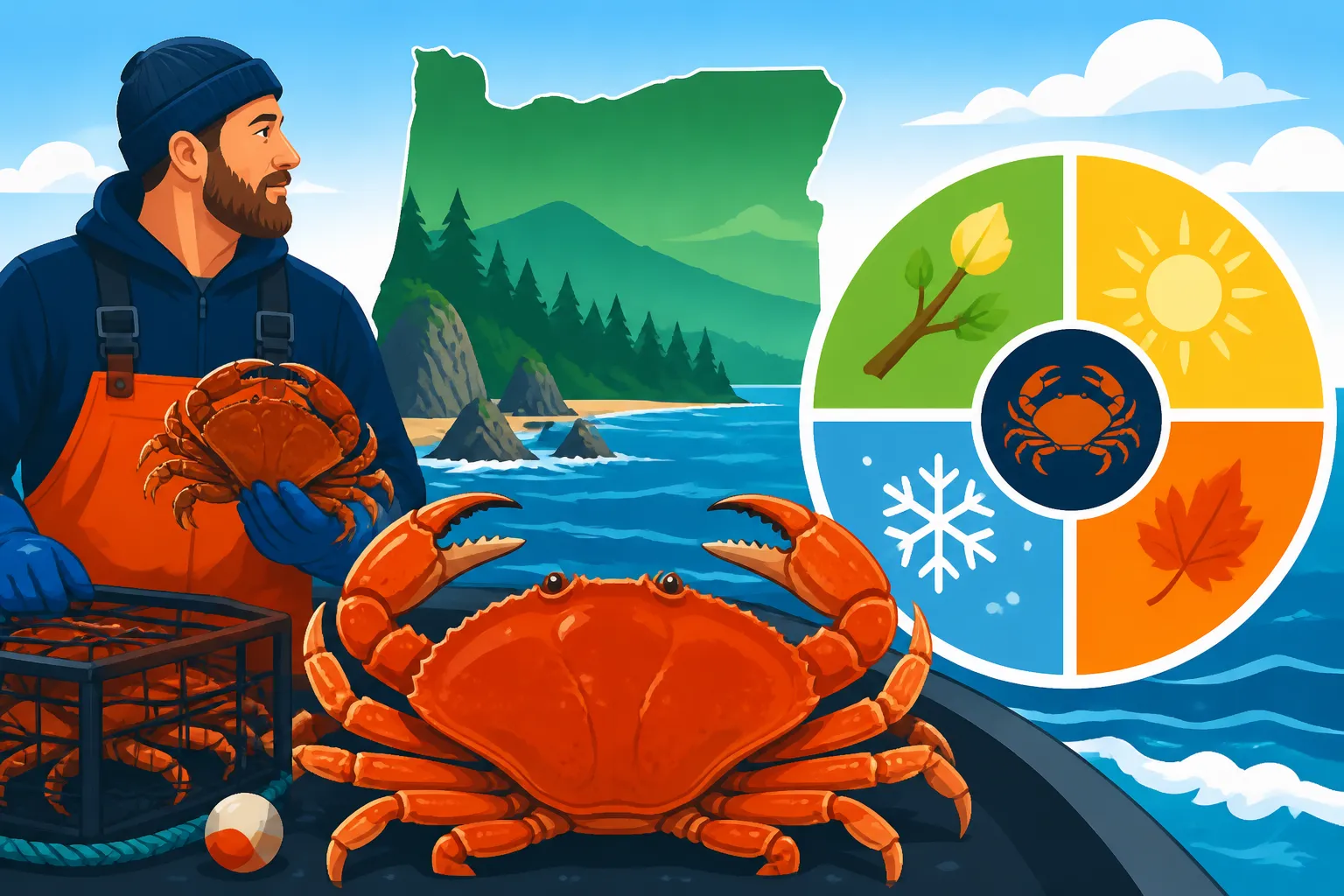
The recreational ocean Dungeness crab season usually opens on December 1st and runs through August 14th of the following year. This timing is critical and directly linked to the crabs' natural biology and the need to differentiate from the early commercial season. Historically, the December 1st opening allows time for the Dungeness crabs to "fill out" and harden their shells after their annual molting cycle, ensuring they are plump and full of delicious meat. You don't want to bring home a pot full of soft, watery crabs!
It's important to note that this December 1st opening for ocean crabbing is not always set in stone. The Oregon Department of Fish and Wildlife (ODFW), in cooperation with the Oregon Department of Agriculture (ODA), closely monitors crab meat yield and biotoxin levels. If crabs are found to be soft-shelled or if there are concerns about harmful algal blooms (like "red tide"), the ocean season opening can be delayed for both commercial and recreational crabbers. Always check current conditions and ODFW announcements before you hook up the boat trailer.
Factors Influencing Crabbing Seasons and Success
While knowing the general opening and closing dates is crucial, successful crabbing in Oregon means understanding the various natural factors that can influence both the availability and quality of the crabs, as well as the safety of your trip. These aren't just minor details; they can make or break your day on the water.
Shell Condition and Molting Cycles
One of the most significant factors affecting crabbing success and season timing is the Dungeness crab's molting cycle. Crabs grow by shedding their old, hard shells and growing new, larger, but initially soft ones. This process is called molting. During the late summer and early fall, many crabs undergo this molt, and their new shells take time to harden and for the meat inside to fill out.
Catching a soft-shelled crab is often a disappointing experience. The meat yield is low, and the texture can be mushy and watery, a stark contrast to the firm, sweet meat of a hard-shelled crab. This is why the commercial Dungeness crab season, particularly for ocean-caught crabs, is often delayed until early December. State agencies perform regular "meat yield" tests to ensure that the crabs have recovered sufficiently from their molt before opening the season. This careful management benefits everyone by ensuring a higher quality product for both commercial markets and recreational crabbers.
While molting primarily impacts ocean Dungeness, bay crabs can also go through this cycle. However, the warmer, shallower waters of the bays sometimes mean molting can be a bit more staggered or occur at slightly different times, which is one reason why bay crabbing typically remains open year-round. Still, if you're pulling up a lot of soft-shelled crabs in the bay, it might be a sign to wait a week or two or try a different spot where crabs might be further along in their hardening process.
Environmental Conditions and Closures
Beyond molting, environmental conditions play a massive role in crabbing success and, critically, your safety. Oregon's coastal waters are dynamic, and understanding these influences is paramount.
Red Tide and Marine Biotoxin Closures
The term "red tide" is commonly used to describe harmful algal blooms (HABs) that can make shellfish, including crab, unsafe to eat. These microscopic algae produce biotoxins like domoic acid (which causes Amnesic Shellfish Poisoning or ASP) and saxitoxin (which causes Paralytic Shellfish Poisoning or PSP). While Dungeness crabs can accumulate these toxins, they are generally safer to consume than filter feeders like clams or mussels, as crabs primarily carry toxins in their viscera (guts). However, during severe outbreaks, whole crab consumption, including the "butter" or hepatopancreas, can be dangerous.
The Oregon Department of Agriculture (ODA) regularly monitors shellfish for these biotoxins. If levels become unsafe, closures are enacted to protect public health. These closures can affect specific bays, sections of the coast, or even the entire coastline. It is absolutely vital to check for current closures before you ever consider dropping a pot. The ODA shellfish safety hotline and website are your best friends here. You can also learn more about how these advisories work by reading our guide on How to check red tide closures before clamming.
Freshwater Run-off and Ocean Swells
Heavy rainfall can lead to significant freshwater runoff into Oregon's bays and estuaries. Dungeness crabs prefer brackish or salty water, so when a large influx of freshwater lowers the salinity, crabs tend to move to deeper, saltier areas of the bay or even out into the ocean. This means that after a prolonged period of rain, your usual shallow-water crabbing spots might be less productive, and you might need to adjust your strategy to target deeper channels.
When it comes to ocean crabbing, large swells and rough seas are not just an inconvenience; they are a serious safety concern. Beyond making for an uncomfortable boat ride, rough conditions can make it incredibly dangerous to set and retrieve crab pots, let alone navigate the bar crossings common along the Oregon Coast. Always check marine forecasts before heading out, and if in doubt, stay in the bay or reschedule your trip. A crab isn't worth risking your life over.
Essential Gear and Licensing for Your Crabbing Adventure
Before you even think about timing your trip, you've got to make sure you're properly equipped and, more importantly, legally licensed. There’s nothing quite like the disappointment of catching a pot full of keepers only to realize you forgot a crucial piece of gear or, worse, don't have the right permit.
Required Licenses and Tags
In Oregon, anyone 12 years of age or older who wants to partake in the joys of crabbing needs to have an Oregon Shellfish License. This isn't just a suggestion; it's a legal requirement. Unlike fishing for salmon or steelhead, you don't need a separate Combined Angling Tag or an Ocean Endorsement specifically for crabbing. The shellfish license covers all your recreational crabbing and clamming adventures.
Purchasing your license is usually pretty straightforward. You can buy it online through the ODFW licensing system, at many ODFW offices, or from a variety of authorized license vendors, which often include sporting goods stores and some coastal bait shops. It’s always a good idea to sort out your license well in advance of your trip to avoid any last-minute hassles. You can find more detailed information, including specific costs, in our article on the Oregon Shellfish License and a breakdown of the Oregon annual shellfish license cost breakdown.
A common question people have is, Do you need a separate license to crab in Oregon? The simple answer for recreational crabbers is no, if you have your Oregon Shellfish License, you are generally covered for crabbing. This single license is designed to simplify participation in most shellfish harvesting activities. Just remember to carry proof of your license with you when crabbing, either a physical copy or an electronic version on your phone, as wildlife officers can and do check.
Recommended Crabbing Equipment
Having the right gear makes all the difference between a frustrating tangle of rope and a successful, enjoyable crabbing trip. You don't need to break the bank, but a few essential items are non-negotiable for safety and success.
First up, you'll need crab pots or ring nets. Ring nets are simpler, cheaper, and great for quick drops from docks or piers, especially for beginners or when crabbing with kids. Collapsible traps are a step up, holding crabs more effectively once they're inside, making them ideal for longer soaks from a boat. Rigid pots are the most robust, holding up well in stronger currents and offering the best retention, but they are bulkier and more expensive. For something robust and easy to deploy, many anglers find durable, stackable traps from brands like Promar or Danielson a good balance. If you're looking to quickly get set up, many options for crab rings, collapsible traps, and bait cages can be found on Amazon, often with quick delivery right to your door before your trip.
Next, bait is key! Crabs are scavengers, and they love smelly, oily offerings. Chicken drumsticks or thighs are a popular choice due to their durability and scent. Various types of fish carcasses, especially oily ones like salmon or tuna, are also highly effective. Some crabbers even swear by specialized crab bait, often available at local tackle shops. For more specific recommendations, check out our guide on the Best Crab Pot Bait for Yaquina Bay.
Finally, don't forget your measuring device! Oregon has strict minimum size requirements for Dungeness crab, and you'll need a crab gauge to ensure your keepers are legal. Only male Dungeness crab 5 ¾ inches or greater across the widest part of the shell (not including the points) can be kept. A good pair of heavy-duty gloves will protect your hands from sharp shells and pinchers, and a large cooler with ice is essential for keeping your catch fresh until you can clean and cook them. For handling lines and pots, a sturdy pair of work gloves will save your hands, and having extra line and a spare buoy in case of snags is always a smart move.
Crabbing Techniques and Best Practices
Once you've got your license and gear sorted, it's time to talk strategy. Crabbing isn't just about throwing a pot in the water; there are specific techniques that can greatly increase your chances of success, whether you're staying on solid ground or venturing out in a boat.
Crabbing from Docks, Piers, and Banks
For many, crabbing begins on a dock or pier, offering easy access and a fantastic family-friendly activity. This method is incredibly popular in many of Oregon's bays, such as the Newport Bayfront, the Garibaldi pier in Tillamook Bay, or the docks in Charleston. These locations provide readily available public access and often have bait and tackle shops nearby.
When crabbing from a dock or pier, ring nets are often the tool of choice. They're simple to use: place your bait in the center, lower the net to the bottom, and let it soak for 15-30 minutes. The key is to pull them up quickly and smoothly so the crabs don't escape over the low sides. The best time to try your luck from a dock is often during an incoming tide or slack high tide. As the tide comes in, it brings fresh food and moves the crabs around, increasing their activity. Slack tide, when the water movement is minimal, also offers a good window as crabs aren't fighting strong currents. Our detailed guide on How to Crab from a Dock in Oregon offers even more specific tips for this accessible method.
Bank crabbing, while less common for Dungeness, can also be productive in certain estuarine areas, particularly in channels or sloughs with good current. Here, you might use longer lines on your ring nets or even try collapsible traps from a sturdy bank. Just be mindful of private property and always respect posted signs. Patience is key with both dock and bank crabbing, but the rewards of fresh crab are well worth the wait.
Boat Crabbing in Bays and the Ocean
Boat crabbing offers a significant advantage: mobility. Whether you're in a small skiff exploring the expansive waters of Yaquina Bay or a larger vessel heading out into the Pacific, a boat allows you to cover more ground and target deeper, potentially more productive areas. In bays like Yaquina Bay Crabbing and Fishing Spots or Tillamook Bay Fishing Spots, you can strategically place multiple pots in channels, near drop-offs, or around structures where crabs tend to congregate.
When crabbing from a boat, collapsible traps or rigid pots are generally preferred over ring nets, especially if you plan on soaking your gear for longer periods, which is common. These traps are designed to hold crabs inside, preventing escape. Soaking times can vary, but typically, allowing pots to soak for 30 minutes to several hours, or even overnight, can yield excellent results. However, always check your gear regularly to prevent ghost fishing (traps continuing to fish if lost or abandoned) and to ensure bait is fresh.
Ocean crabbing from a boat introduces additional considerations. Safety is paramount; always check marine forecasts, carry appropriate safety gear, and be mindful of bar crossings if you're launching from an estuary. Ocean conditions can change rapidly, and strong currents can make setting and retrieving pots challenging. For identification, your buoys must be clearly marked with your ODFW customer ID number. Using a GPS to mark your pot locations is invaluable, especially in the ocean where visual landmarks are scarce. Consider investing in high-visibility buoys and sufficient line length to prevent your pots from drifting or being swept away by strong currents or tides.
Regulations and Responsible Crabbing
Oregon's fishing and crabbing regulations are put in place for a reason: to ensure the sustainability of the resource for future generations. Understanding and adhering to these rules isn't just about avoiding a fine; it's about being a responsible steward of our natural environment.
Size, Sex, and Bag Limits
These three factors are arguably the most critical regulations to grasp for Dungeness crab in Oregon. Ignoring them can lead to significant penalties and negatively impact the crab population.
First, size limits. For Dungeness crab, the minimum size is 5 ¾ inches. This measurement is taken in a straight line across the back of the shell, from point to point, not including the points. It's crucial to have a reliable crab gauge on hand. If a crab is even a hair under this length, it must be immediately released unharmed.
Next, sex identification. This is straightforward for Dungeness: you can only keep male crabs. You can easily tell the difference by looking at the underside of the crab's belly flap. Males have a narrow, pointed flap, often described as an "Eiffel Tower" shape. Females have a much wider, rounded, or U-shaped flap, resembling a "dome" or "Capitol Building." The reason for this rule is simple: it protects the breeding stock, ensuring that females can continue to produce future generations of crabs. If you catch a female, she must also be immediately released.
Finally, bag limits. Each individual licensed crabber is allowed to keep 12 Dungeness crab per day. This limit is per person, not per boat or per pot. So, if two licensed adults are crabbing together, they can collectively keep 24 Dungeness crab. These limits apply to Dungeness crab only. For Red Rock Crab, which are smaller and less regulated, there is no size limit, and you can keep 24 per person per day, of either sex. Always count your catch carefully to ensure you stay within the daily limit.
Marking Gear and Ethical Practices
Responsible crabbing extends beyond just legal limits; it also involves how you deploy and manage your gear. All crab pots, rings, and traps used in Oregon's public waters must be clearly marked. Specifically, your buoys (the floating markers attached to your pot line) need to display your permanent ODFW customer identification number. This allows wildlife officers to identify the owner of the gear and helps deter poaching or abandonment.
It's also essential to be mindful of where you place your pots. Avoid setting them in active navigation channels, near boat ramps, or in areas where they could easily get lost or tangle with other gear. If you're crabbing in popular spots like Yaquina Bay, be courteous to other crabbers and avoid crowding their gear. A good rule of thumb is to give other pots a reasonable berth.
Furthermore, practice ethical catch-and-release. When you pull up a pot, quickly sort through your catch, measuring each Dungeness crab and checking its sex. Handle undersized or female crabs gently and return them to the water as quickly as possible. Don't throw them from a height; gently lower them back into the water to minimize stress and injury. Properly rigging your pots with escape rings for smaller crabs and biodegradable cotton line on the escape panels (if required) helps ensure that undersized crabs can escape and that lost pots don't "ghost fish" indefinitely, continuing to trap and kill marine life. By following these guidelines, you help preserve Oregon's fantastic crabbing opportunities for everyone.
Oregon Dungeness Crab Season & Regulations Summary
For a quick overview, here's a table summarizing the key Dungeness crab season timings and regulations in Oregon:
| Aspect | Bay & Estuary Crabbing | Ocean Crabbing |
|---|---|---|
| Season Timing | Generally open year-round for recreational crabbers. | Typically December 1st – August 14th annually. |
| Opening Date Notes | Can be affected by freshwater runoff/crab movement. | Subject to delay based on meat yield and biotoxin levels (check ODFW/ODA). |
| Minimum Size | 5 ¾ inches (across the widest part of shell, excluding points). | 5 ¾ inches (across the widest part of shell, excluding points). |
| Sex Limit | Male Dungeness crab only. | Male Dungeness crab only. |
| Daily Bag Limit | 12 Dungeness crab per licensed individual. | 12 Dungeness crab per licensed individual. |
| License Required | Oregon Shellfish License for ages 12 and up. | Oregon Shellfish License for ages 12 and up. |
| Gear Marking | Buoys must display ODFW customer ID number. | Buoys must display ODFW customer ID number. |
| Common Closures | Biotoxin (PSP/DSP) alerts, temporary ODFW closures. | Biotoxin (PSP/DSP) alerts, season delays/early closures. |
| Red Rock Crab | No size limit, 24 per person, either sex. | No size limit, 24 per person, either sex. |
Disclaimer
Please be aware that fishing and crabbing regulations, seasons, and advisories are subject to change at any time by the Oregon Department of Fish and Wildlife (ODFW) and the Oregon Department of Agriculture (ODA). Always consult the most current official ODFW fishing regulations handbook and the ODA shellfish safety advisories before planning any crabbing trip. This article is intended for informational purposes only and should not be considered a substitute for official government resources.