How to Fly Fish the Metolius River
Oh, the Metolius River. It's truly a gem of Oregon, a place that calls to the soul of any fly angler with its crystal-clear, spring-fed waters and resident trout. But let's be real, its beauty comes with a challenge – those notoriously picky fish and stringent regulations can leave even seasoned anglers scratching their heads. If you've ever felt intimidated or simply unsure where to start on this magical river, you're not alone. This guide is here to demystify fly fishing the Metolius, equipping you with the knowledge, techniques, and confidence to make your next trip a truly rewarding one.
Understanding the Unique Metolius River Environment
The Metolius River isn't just another stream; it's an ecosystem unto itself, governed by a very specific set of natural conditions and human regulations. Ignoring these unique characteristics is like trying to drive a boat on dry land – it just won't work, and you'll likely end up frustrated. To truly connect with this river, you need to understand what makes it tick.
The Spring-Fed Nature and Cold Water Influence
One of the most defining characteristics of the Metolius River is its origin: it's almost entirely spring-fed. This isn't runoff from snowmelt or rain, which means its water temperature remains remarkably consistent year-round, typically hovering in the low 40s to low 50s Fahrenheit. While this stability might sound nice, it creates a challenging environment for trout. The cold water means slower metabolism for the fish, and fewer aquatic insects hatching at any given time compared to warmer rivers.
This consistent cold and clarity forces the trout to be incredibly efficient and opportunistic in their feeding. They won't expend energy chasing just anything; your presentation needs to be impeccable, and your fly choice often small and subtle. The trout here are accustomed to a constant, but often sparse, food supply, making them highly selective and wary. You won't find warm-water species thriving here; it's a cold-water fish paradise, but one that demands respect and a refined approach.
Special Regulations and Catch-and-Release
Another crucial aspect that sets the Metolius apart is its strict regulations. This isn't a river where you can just show up with any gear and expect to keep fish for dinner. The entire Metolius River is designated as a fly-fishing-only waterway, and all fishing must be done with single, barbless hooks. Furthermore, it's a catch-and-release fishery for all species, meaning every fish you hook, you must release unharmed. This is particularly important for species like the native Bull Trout, which are a protected species.
These regulations are in place to preserve the delicate ecosystem and ensure the health of its wild fish populations. It means that while the thrill of the catch is paramount, the responsibility of handling fish gently and releasing them quickly is equally important. Before heading out, always double-check the latest Oregon Fishing Regulations Explained from the Oregon Department of Fish and Wildlife (ODFW) website, as rules can occasionally change. Adhering to these rules isn't just about avoiding a fine; it's about being a responsible steward of a truly special natural resource.
Primary Fish Species and Their Habits
The Metolius River is primarily known for three main species: robust rainbow trout, elusive bull trout, and landlocked kokanee salmon. Each has its own distinct habits and preferred lies, and understanding them will greatly increase your chances of success.
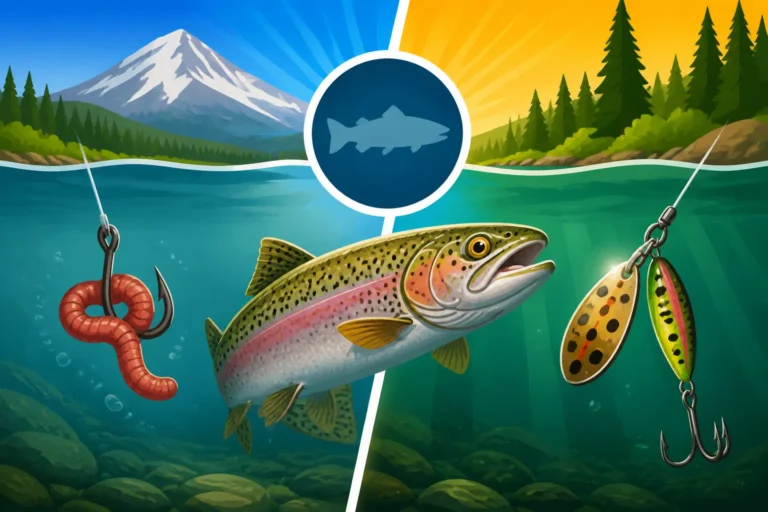
The rainbow trout here are wild, strong, and highly prized. They typically inhabit the faster riffles, oxygenated runs, and the edges of deeper pools where they can ambush passing insects. They are generally opportunistic feeders, but their clear-water environment makes them incredibly spooky. You'll often find them rising to small dry flies during hatches, but they spend most of their time feeding on nymphs subsurface.
Bull trout are the apex predators of the Metolius. These magnificent, salmonid-eating machines prefer deeper, colder water, often found lurking near structure like submerged logs, undercut banks, or significant drop-offs. They don't typically feed on tiny insects; instead, they target smaller fish, crayfish, and larger aquatic invertebrates. Anglers often pursue them with streamers, mimicking their preferred prey. Remember, bull trout are a federally protected species, and extreme care must be taken when handling and releasing them. Learning about Bull Trout in Oregon can provide more specific insights into their conservation status and best handling practices.
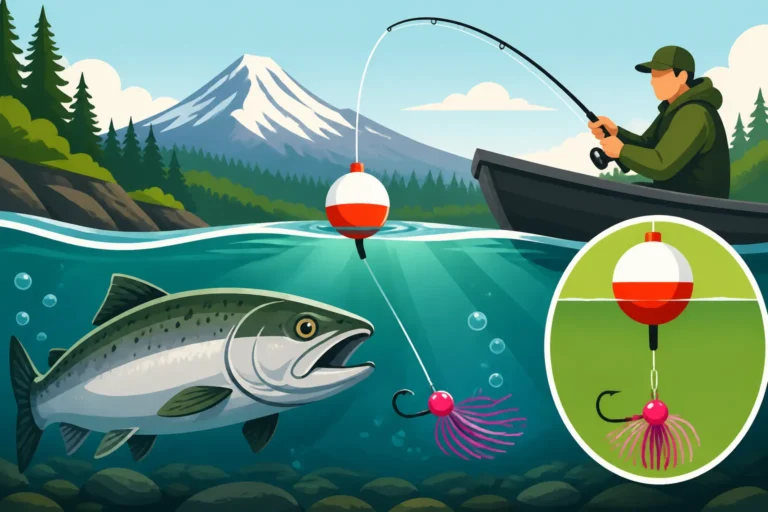
Finally, kokanee salmon, the landlocked sockeye, inhabit the Metolius, particularly in the lower stretches near Lake Billy Chinook. They are typically smaller than the rainbows and bulls, and while they can be targeted on flies, they often require different techniques, sometimes favoring small nymphs or even indicator fishing with small jigs or corn imitation flies. Their feeding habits can shift depending on the season and their proximity to the lake, making them a fun, albeit sometimes challenging, bonus species.
Essential Gear for Metolius River Fly Fishing
Stepping onto the Metolius without the right gear is like showing up to a gourmet restaurant with a fast-food craving – you might get something, but it won't be the experience you hoped for. The unique conditions of this river demand specific choices in your tackle to ensure both effectiveness and ethical angling.
Rod, Reel, and Line Selection
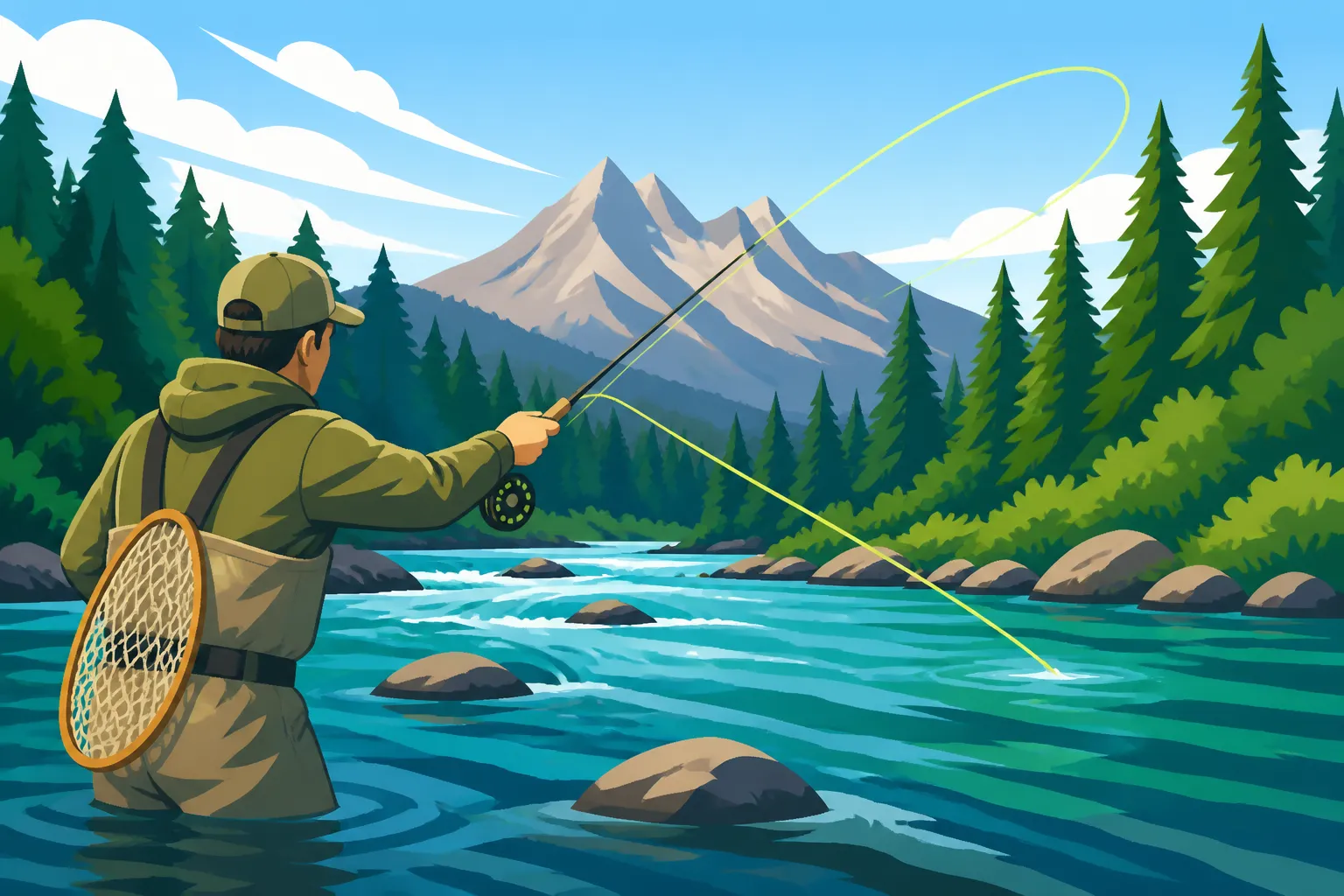
For the Metolius, finesse is often the name of the game, especially when targeting its wary rainbow trout. A 3-weight to 5-weight fly rod is generally ideal. A 3-weight offers the delicate presentation needed for tiny dries and nymphs but can feel underpowered if you hook into a larger rainbow or a bull trout. A 4-weight is arguably the most versatile, offering a good balance of delicacy and backbone. A 5-weight provides more power for casting into the wind, handling heavier nymph rigs, or fighting larger fish, but its heavier line can sometimes be less subtle for those ultra-spooky risers.
Your fly reel doesn't need to be a high-tech drag monster; a simple, reliable reel with a smooth drag is perfectly sufficient. The vast majority of your fish fighting will be done directly with the rod, not the reel's drag. Just ensure it balances well with your chosen rod.
For fly line, a weight-forward floating line is the standard. This taper helps with casting accuracy and mending. If you plan to heavily target bull trout with larger streamers, especially in deeper pockets, you might consider carrying a secondary spool with an integrated sink-tip line or a separate fast-sinking leader. However, for general nymphing and dry fly work, a good quality weight-forward floating line will serve you well. Popular brands offer excellent options, many of which can be found easily on platforms like Amazon.
Leader and Tippet Specifics
This is where many anglers make mistakes on the Metolius. Due to the incredibly clear water and selective fish, stealth is paramount. You'll want to use long, light leaders, typically 9 to 12 feet in length, tapering down to a fine tippet.
For tippet material, fluorocarbon is highly recommended. It's nearly invisible underwater and sinks faster than monofilament, which is a huge advantage when nymphing. For rainbows, you'll generally be using 5x to 7x tippet. Start with 5x; if the fish are still wary or refusing, step down to 6x, and if absolutely necessary, 7x. Going too light on tippet, however, risks breaking off larger fish, especially if you get an unexpected bull trout take. For streamer fishing specifically for bull trout, you can go a bit heavier, say 2x or 3x, as they are less tippet-shy. Always ensure your knots are strong and your tippet is fresh, as older tippet can weaken.
Waders, Boots, and Other Essentials
Wading the Metolius can be tricky, and comfort is key. High-quality chest waders are essential due to the often deep pockets and the need to stay dry in cold water. Given the rocky, sometimes slick bottom, a good pair of wading boots with felt soles or, even better, studded rubber soles, will provide the necessary traction. Safety always comes first, so consider a wading staff, especially if you're exploring unfamiliar stretches.
Beyond your core fishing gear, a few other items are non-negotiable for a Metolius outing:
- Net: A rubber-meshed landing net is critical for safe, ethical catch-and-release. The rubber protects the fish's slime coat and fins.
- Forceps or Hemostats: For quickly and gently removing barbless hooks.
- Nippers: For trimming line.
- Fly Floatant: Essential for keeping your dry flies riding high.
- Layered Clothing: The weather can be unpredictable, even if the water temperature isn't. Dress in layers to adapt to changing conditions.
- Sun Protection: Hat, sunglasses (polarized are a must for seeing into the water), and sunscreen.
- Water and Snacks: Always stay hydrated and fueled.
- Oregon Fishing License: And any required endorsements. Double-check the current Oregon Fishing License Guide to ensure you're fully compliant.
Mastering Metolius River Fly Selection
The Metolius is famous for its hatches, but even more so for its finicky fish. Having the right flies, and knowing when and how to present them, is paramount. This isn't a river where a "one size fits all" fly box will do.
Nymphing Strategies and Key Patterns
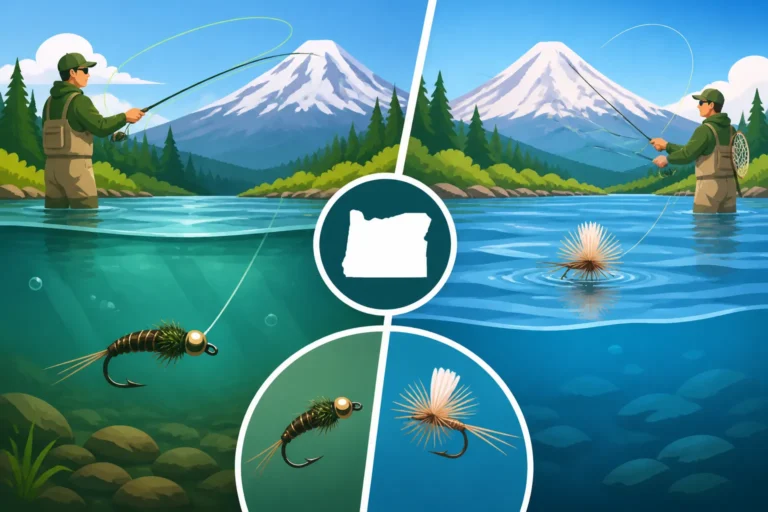
Nymphing is arguably the most consistent way to catch fish on the Metolius, as trout spend the vast majority of their feeding time subsurface. The cold, clear water demands a subtle approach, often with small, imitative patterns.
You'll generally employ either indicator nymphing or Euro nymphing. Indicator nymphing involves using a strike indicator to detect subtle takes while drifting one or more weighted nymphs under the surface. This is a great technique for covering water and maintaining depth. Euro nymphing, or tight-line nymphing, involves fishing without an indicator, using the fly line and rod tip to detect strikes, often with specialized, longer rods. This technique offers incredibly sensitive strike detection and precise depth control, making it highly effective on the Metolius. Regardless of your chosen method, focus on achieving a drag-free drift that mimics a natural insect tumbling in the current.
Key nymph patterns for the Metolius are often small and dark. Think about the insects that live in cold, clean water.
- Mayfly Nymphs: Small Pheasant Tail Nymphs, Hare's Ear Nymphs, and Barr's Emergers in sizes #16-20 are excellent. The trout are constantly feeding on various stages of mayfly larvae.
- Caddis Pupae: The Metolius has prolific caddis populations. Green Rock Worms, LaFontaine's Sparkle Pupa, and various caddis emergers in sizes #14-18 are reliable.
- Midge Larvae and Pupae: Midges are present year-round. Zebra Midges (black, red, olive), Mercury Midges, and other tiny midge pupa imitations in sizes #18-24 are absolute must-haves, especially in winter and during slow periods.
- Stonefly Nymphs: While larger stoneflies can be present, smaller patterns like Pat's Rubber Legs or 20 Incher Stoneflies in sizes #10-14 can be effective, particularly in faster, deeper runs, but generally smaller patterns are more consistent.
Dry Fly Opportunities and Matching the Hatch
While nymphing is consistent, nothing beats the thrill of a trout rising to a dry fly. Dry fly fishing on the Metolius can be exceptional, especially during specific hatches, but it demands perfect presentation and accurate fly selection.
- Caddis: The "Mother's Day Caddis" hatch (often in May, but variable) is legendary, with massive emergences of Hydropsyche caddis. Other caddis hatches occur throughout the year. X-Caddis, Elk Hair Caddis, and Goddard Caddis in sizes #14-18 are crucial. Look for the adults skating across the surface.
- Mayflies: Various species hatch from spring through fall. Blue-Winged Olives (BWO) in sizes #18-22 are particularly important during cloudy days, especially in spring and fall. Green Drakes can also provide exciting, albeit short-lived, opportunities in summer. Parachute Adams, Comparaduns, and Sparkle Duns are good all-around mayfly patterns.
- Midges: Even tiny midges can bring fish to the surface, especially on calm, overcast days or during winter afternoons. Griffith's Gnats, Sprout Midges, and other adult midge patterns in sizes #20-24 are essential for those ultra-picky risers.
- Terrestrials: In summer, don't overlook ants, beetles, and small grasshoppers near bankside vegetation. A well-presented foam ant or beetle pattern can sometimes entice a reluctant fish when nothing else will.
The key to successful dry fly fishing is observing what the fish are actually eating. Are they sipping tiny insects from the surface film? Are they aggressively slashing at larger bugs? Match your fly size, profile, and color to the natural insects you see. A good pair of binoculars can help you spot hatches from a distance without spooking fish.
Streamer Fishing for Bull Trout
If you're looking for a heavier fight and a chance at a true Metolius leviathan, targeting bull trout with streamers is your best bet. This is a more active, aggressive style of fishing, focusing on enticing these predatory fish to strike.
Bull trout prefer larger prey items, so your streamers should mimic baitfish, sculpins, or leeches.
- Sculpin Patterns: Sculpzillas, Muddler Minnows, and various conehead or beadhead sculpin imitations in olive, brown, or black, in sizes #4-8.
- Articulated Streamers: Patterns like the Sex Dungeon, Sculpin Helmet, or other articulated baitfish patterns can provide lifelike movement in the water, often triggering aggressive strikes.
- Leech Patterns: Woolly Buggers (black, olive, brown) and Zonkers in sizes #6-10 are always reliable for enticing predatory fish.
When fishing streamers for bull trout, you'll typically want a sink-tip line or a heavier leader to get your fly down quickly to where these fish hold – often in deeper pools, undercut banks, or near submerged structure. Cast your streamer across or slightly upstream, let it sink, and then strip it back with an erratic retrieve, mimicking a wounded baitfish. Be prepared for a powerful strike! Always remember the Metolius is catch-and-release only, especially for these protected Bull Trout.
Advanced Techniques for Tricky Metolius Trout
The Metolius River isn't known for easy fishing. Its crystal-clear water and selective trout mean that simply having the right fly isn't enough. You need to employ advanced techniques that focus on stealth, presentation, and precision. If you've ever felt like you're doing everything right but still not getting bites, it's probably these subtle nuances that are making the difference.
Reading the Water and Approaching Stealthily
The number one rule on the Metolius is stealth. The gin-clear water means trout can see you long before you see them. A clumsy approach will send fish scattering, ruining your chances in a prime spot.
- Slow Down: Don't rush into a run. Take your time, observe the water from a distance. Look for rising fish, darker shapes moving in the current, or subtle flashes.
- Stay Low and Back: Whenever possible, approach from downstream and stay low to the water, using bankside vegetation or terrain to break up your silhouette. Cast from as far a distance as you can manage accurately.
- Minimize Movement: Avoid sudden movements or casting a long shadow over the water. Even walking heavily on the bank can send vibrations through the water, alarming fish.
- Understand Holding Water: Learn to identify where trout hold. They'll be in places where they can expend minimal energy while having access to food and shelter. This includes:
- Riffles: The oxygenated, bubbly water where nymphs are dislodged. Fish will hold in the seams and edges.
- Runs: Consistent flowing water, often deeper than riffles. Fish will be along the bottom or in feeding lanes.
- Pools: Deeper, slower areas. Look for fish at the head (where food enters), tail (where food exits), and around any structure like boulders or logs.
- Undercut Banks: Prime lies for larger fish, especially bull trout, offering shelter and ambush points.
Reading the water effectively is an ongoing learning process, but on the Metolius, it's non-negotiable for consistent success.
Casting Accuracy and Presentation
Once you've located a fish or a promising spot, your cast and presentation must be flawless. Sloppy casts or drag will instantly put these wary fish down.
- Accuracy is Key: On a river like the Metolius, placing your fly within inches of your target can mean the difference between a refusal and a take. Practice casting to specific targets.
- Delicate Landings: Your fly should land softly, like a natural insect or baitfish falling onto or into the water. A heavy, spluttering cast will spook fish.
- Drag-Free Drift: This is paramount for both dry flies and nymphs. Any unnatural drag on your line will make your fly appear artificial. Learn to mend your line effectively, both upstream and downstream, to maintain a natural drift that matches the speed of the current where your fly is. On complex currents, this might require multiple mends within a single drift.
- Angle of Approach: Often, casting slightly upstream and allowing your fly to drift naturally downstream towards the fish is most effective. This allows the leader and line to drift over the fish after the fly, minimizing disturbance. Avoid casting directly over a fish whenever possible.
Perfecting your casting and presentation on the Metolius takes practice and patience, but it's incredibly rewarding when you finally fool one of these intelligent trout.
Targeting Specific Species
While you might accidentally hook a bull trout while nymphing for rainbows, understanding how to intentionally target each species can greatly enhance your success.
- Targeting Rainbow Trout: For rainbows, focus on the riffles, runs, and current seams. During active hatches, look for rising fish in calmer pockets and along the edges of runs. Most of the time, nymphing these areas with small, imitative patterns will be your best bet. Pay attention to changes in current speed, as rainbows will often position themselves just out of the main current flow, waiting for food to wash into their feeding lane.
- Targeting Bull Trout: Bull trout are typically found in deeper, slower water, often near significant structure or undercuts. They are less active feeders than rainbows and are almost exclusively predatory. Focus your efforts with streamers in the deepest parts of pools, where the river slows down, or near large submerged logs. Fish these areas thoroughly, making multiple casts and varying your retrieve speed to cover the water effectively. Remember, they are protected, so ethical handling is crucial if you manage to hook one. If you're really passionate about these fish, exploring further resources on Bull Trout in Oregon can deepen your understanding of their habitat and conservation.
- Targeting Kokanee Salmon: These landlocked salmon can be found throughout the river, but often in the lower reaches. They're typically targeted with smaller nymphs, sometimes even tiny jigs or bead-head variations fished under an indicator. They can be finicky, and their mouths are delicate, requiring careful handling. They often school, so if you find one, there are likely more.
By tailoring your approach to the specific species you're after, you can be much more efficient and successful on the Metolius.
Best Seasons and Access Points on the Metolius
Knowing how to fish the Metolius is one thing, but knowing when and where to go can make all the difference. This river offers year-round opportunities, but each season presents its own unique set of challenges and rewards. Understanding the layout and public access points is equally important for a stress-free and productive trip.
Year-Round Fishing Considerations
The Metolius River's spring-fed nature means it rarely freezes and maintains a relatively stable temperature, allowing for year-round fishing. However, the experience changes dramatically with the seasons.
- Spring (March-May): This is when the river truly begins to awaken. The "Mother's Day Caddis" hatch can be phenomenal, bringing large numbers of fish to the surface. Mayfly hatches (BWO's, March Browns) also become more consistent. Nymphing remains highly effective, especially with caddis pupae and larger mayfly imitations. Water levels are typically moderate, making wading comfortable.
- Summer (June-August): The warmest months, though the water remains cold. Terrestrial insects like ants and beetles become important, and evening caddis hatches can be explosive. Early mornings and late evenings are often the most productive times. Bull trout fishing with streamers can be good, as they are actively feeding. The river can get crowded, especially near popular access points, so consider exploring less-frequented stretches.
- Fall (September-November): Often considered one of the best times to fish. Fewer crowds, beautiful autumn colors, and strong hatches of Blue-Winged Olives (BWO's) and various caddis. The fish are actively feeding in preparation for winter. Bull trout activity can also be excellent as they chase juvenile fish moving into deeper waters.
- Winter (December-February): Don't underestimate winter fishing! While hatches are sparse, tiny midges can provide incredible dry fly opportunities on calm, sunny days. Nymphing with small midge larvae, pupae, and micro-patterns is consistently effective. The solitude and crisp air make for a serene experience, even if the fish count is lower. Be prepared for cold weather, ice on the banks, and potentially slushy conditions.
Regardless of the season, always check local weather forecasts and river reports before you go.
Key Access Points and Public Land
The Metolius River flows primarily through public lands managed by the U.S. Forest Service, providing ample access for anglers. The most popular area is around Camp Sherman, which offers numerous turnouts, campgrounds, and trails that parallel the river.
- Lower Metolius (Near Lake Billy Chinook): This section, downstream of Bridge 99, holds larger populations of kokanee and bull trout as it nears Lake Billy Chinook. Access can be a bit more challenging with steeper banks, but it offers some great opportunities for streamer fishing.
- Bridge 99 to Wizard Falls Fish Hatchery: This is a highly popular and productive stretch. You'll find numerous pull-outs and well-maintained trails along both sides of the river. Good for both nymphing and dry fly fishing, with consistent rainbow trout populations. This area can get busy, especially on weekends.
- Wizard Falls Fish Hatchery (and upstream): While the hatchery itself is interesting, fishing directly in front of it isn't allowed. Upstream from the hatchery, the river remains excellent, though sometimes with fewer readily accessible spots. This area often sees fewer anglers, offering a more tranquil experience.
Access is generally good, but remember that much of the river is winding and has varying depths. You'll primarily be wading this river, and a good pair of waders and wading boots is essential. There are some opportunities for bank fishing, but wading allows you to cover more water and position yourself better for tricky casts. You can find detailed maps of fishing zones and access points in the Oregon Fishing Zones Explained section of the ODFW regulations.
Respecting the Environment and Fellow Anglers
The Metolius River is a special place, and it's up to all of us to keep it that way. Practicing good etiquette and Leave No Trace principles is crucial.
- Leave No Trace: Pack out everything you pack in, including all trash and fishing line. Leave the riverbank cleaner than you found it.
- Respect Private Property: While much of the Metolius is public, be mindful of any marked private land.
- Wading Etiquette: Avoid wading unnecessarily through prime fishing water, especially when other anglers are present. If you must cross, do so quickly and quietly. Walk around spawning redds (nests) if you spot them, typically in fall and spring.
- Give Space: If you see another angler fishing a run, give them plenty of space. Don't crowd them or jump into the spot directly upstream or downstream. A polite nod or brief chat can help avoid misunderstandings.
- Handling Fish: Since it's a catch-and-release fishery, handle all fish with extreme care. Keep them in the water as much as possible, use wet hands, and release them gently only after they've recovered their strength. Avoid dragging them onto the bank for photos.
- Check for Closures: Before any trip, check the ODFW website for any emergency closures or special regulations that might be in effect due to fire, high water, or other environmental factors.
By being a responsible and respectful angler, you contribute to preserving the beauty and productivity of the Metolius River for generations to come.
| Fly Type | Metolius River Common Patterns | Typical Sizes | Best Season (Primary) | Targeting | Notes |
|---|---|---|---|---|---|
| Nymphs | Zebra Midge (Black, Red, Olive), Pheasant Tail Nymph, Hare's Ear | #16-24 | Year-Round | Rainbows | Essential for consistent subsurface action. Vary weight for depth. |
| Green Rock Worm (Caddis Larva), LaFontaine's Sparkle Pupa | #14-18 | Spring, Summer | Rainbows | Great for active caddis stages, especially when emergers are present. | |
| Pat's Rubber Legs, 20 Incher Stonefly | #10-14 | Spring, Fall | Rainbows | Use in faster, deeper runs. Can entice larger rainbows. | |
| Dry Flies | Elk Hair Caddis, X-Caddis, Goddard Caddis | #14-18 | Spring, Summer | Rainbows | Crucial during the Mother's Day Caddis hatch and other caddis activity. |
| Parachute Adams, BWO (Blue-Winged Olive) Dun, Sparkle Dun | #16-22 | Spring, Fall | Rainbows | Key during mayfly hatches, especially on overcast days. | |
| Griffith's Gnat, Sprout Midge | #20-24 | Year-Round | Rainbows | For selective fish sipping tiny midges. Delicate presentation needed. | |
| Foam Ant, Stimulator, Small Hopper | #14-18 | Summer | Rainbows | Effective near banks with overhanging vegetation when terrestrials are active. | |
| Streamers | Sculpzillas, Muddler Minnow, Conehead Sculpin | #4-8 | Year-Round | Bull Trout | Imitates baitfish and sculpins, main food source for bull trout. Fish deep and erratically. |
| Woolly Bugger (Olive, Black), Zonker | #6-10 | Year-Round | Bull Trout | Versatile, can also attract larger rainbow trout. |
Disclaimer
Fishing conditions and regulations in Oregon can change rapidly. While this guide provides comprehensive information, always consult the most current Oregon Department of Fish and Wildlife (ODFW) regulations and local advisories before heading out. Fishing involves inherent risks; please exercise caution and prioritize safety on the water.