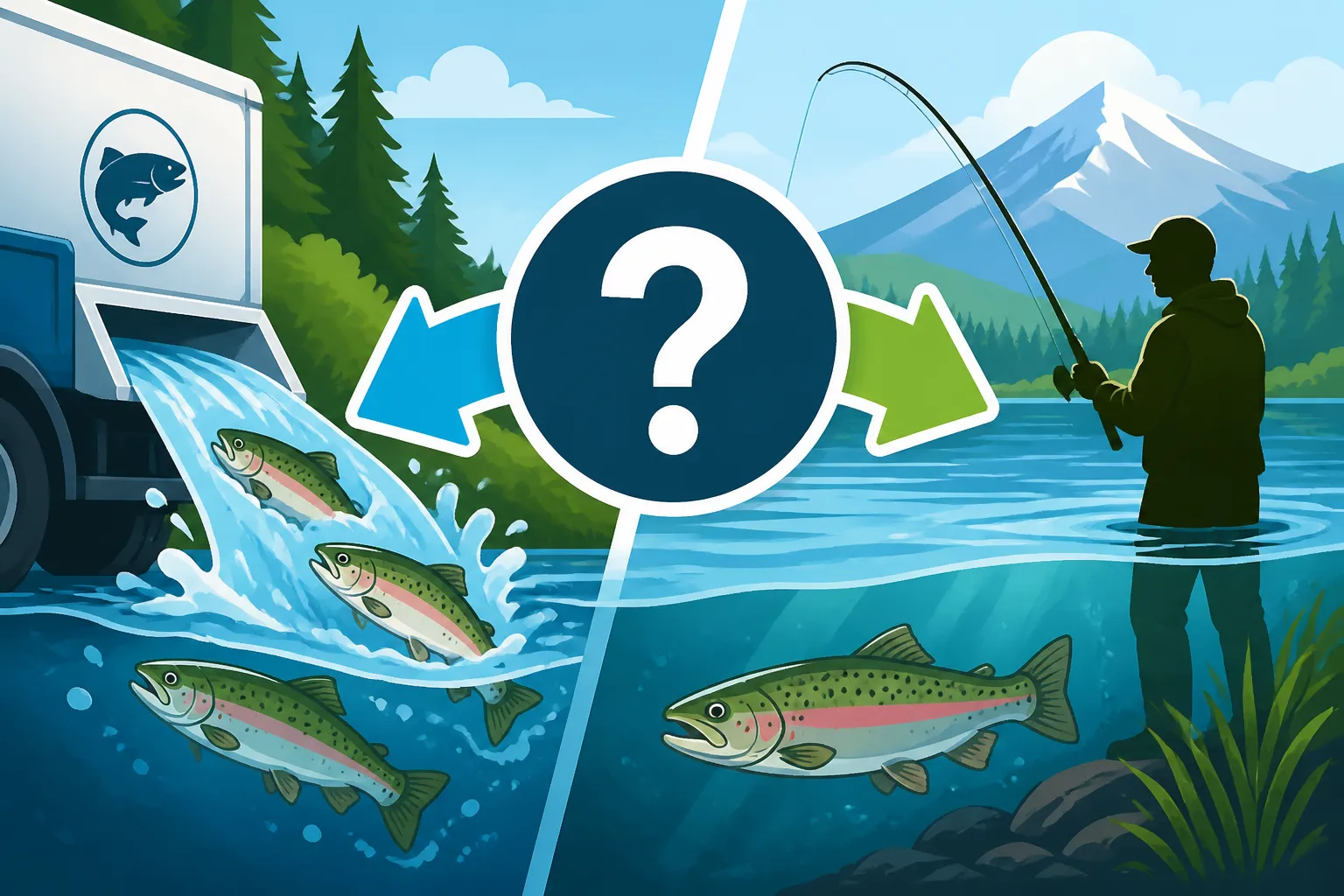
Are lakes stocked before trout season opens in Oregon?
It’s a question that echoes through bait shops and online forums every spring: are the lakes actually stocked before trout season officially opens in Oregon, or are we just throwing our lines into empty water, hoping for a miracle? That feeling of anticipation mixed with a dash of doubt is completely normal. Anglers, myself included, eagerly await those prime fishing days, and knowing when those feisty rainbows hit the water can make all the difference between a triumphant day and a quiet, fishless outing. This guide is here to unravel the mystery of Oregon's trout stocking practices and help you understand what to expect.
The Anticipation and the Reality of Oregon's Trout Stocking Program
There's a palpable buzz in the air as winter gives way to spring in Oregon, and every trout angler starts dreaming of bent rods and splashing fish. Many of us eagerly pore over the official Oregon Department of Fish and Wildlife (ODFW) regulations, marking the opening day on our calendars. But a common thought that gnaws at us is whether the ODFW crews have actually been out there, braving the elements to get those fish in the water before we arrive. The good news is, for many popular locations, the answer is often a resounding yes – with some important nuances, of course.
The Rationale Behind Pre-Season Stocking
The ODFW isn't just stocking on a whim; there's a well-thought-out strategy behind their trout stocking program, especially concerning those crucial weeks leading up to and immediately following the official opener. Their primary goal is to provide diverse angling opportunities and ensure a reasonable chance of success for recreational anglers, particularly in easily accessible lakes and ponds.
Think about it: if every lake was stocked only on the morning of opening day, it would be a logistical nightmare, not to mention a rush for anglers. By stocking some waters in the days or even weeks preceding the opener, ODFW achieves several critical objectives. Firstly, it allows for better distribution of fish, giving them a little time to acclimate to their new environment and spread out a bit. This reduces the risk of overcrowding in specific areas, which could lead to stress for the fish and a less enjoyable experience for us. Secondly, it manages angler pressure. Instead of everyone converging on a few newly stocked spots, having fish spread out across various locations helps thin the crowds. It also ensures that anglers who head out right on opening day have a legitimate shot at catching fish, fulfilling the promise of a rewarding outing. Plus, for many family-friendly fishing events, having a good number of ready-to-be-caught fish is essential for encouraging participation, especially among new and young anglers.
How ODFW Manages Stocking Schedules
The timing of trout stocking in Oregon is a delicate balance, heavily influenced by environmental factors and careful planning. You might imagine a perfect schedule, but Mother Nature often has other ideas. Factors like water temperature, snowmelt, and road accessibility play huge roles. For instance, high-elevation lakes in the Cascades might remain frozen or inaccessible due to snow well past the valley floor's opening dates. ODFW crews can't stock a lake that's still under several feet of ice or if the access roads are impassable.
The true goal for ODFW isn't just to stock on opening day, but to ensure that fish are present and available for opening day and throughout the peak season. This often means stocking a week or two beforehand in many lower-elevation, readily accessible lakes and ponds. They strategically introduce catchable-sized rainbow trout into these waters so that when anglers arrive with their Oregon Fishing License Guide in hand, there are plenty of eager fish swimming around. They also consider the health of the fish. Introducing fish into extremely cold water or rapidly changing conditions can be detrimental. They aim for optimal conditions to minimize stress and maximize survival rates, which ultimately benefits us by providing healthier, more active fish. You can often find the most up-to-date information on their official website, specifically the section dedicated to Where to find the Oregon trout stocking schedule.
Diving into Oregon's Stocking Methods and What Anglers Can Expect
Understanding the "why" of stocking is one thing, but knowing the "how" can significantly impact your fishing success. Not all stocked fish are created equal, and the type of trout released, along with the frequency of stocking, will influence your approach and expectations when you hit the water.
Types of Trout Stocked and Their Characteristics
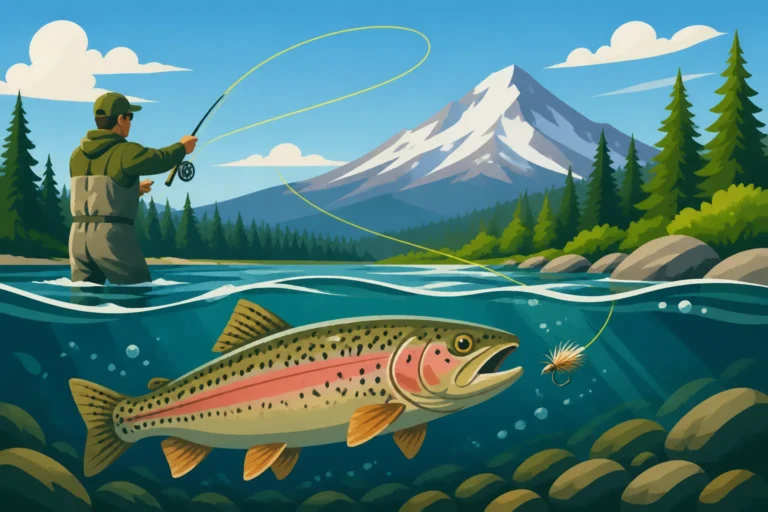
When we talk about trout stocking in Oregon, we're primarily talking about rainbow trout. These hardy, fast-growing fish are the workhorses of the ODFW stocking program. They are raised in hatcheries, often to a "catchable size" – meaning they are already large enough to be kept within the Oregon Daily Bag Limits Explained and are ready to bite. These hatchery-raised rainbows are generally less wary than their wild counterparts, making them an excellent target for beginners and a reliable option for a fun day on the water.
While rainbow trout dominate, you might occasionally hear about other species being stocked. Coastal cutthroat trout are native to many Oregon waters and while not as widely stocked in put-and-take fisheries as rainbows, they are often managed to enhance existing populations. Brown trout and brook trout are sometimes found in Oregon, but they are less commonly part of the mass stocking for immediate angler gratification. Instead, ODFW focuses on sustaining their wild populations or managing them in specific, often higher-elevation, lakes and streams. It's crucial to understand the difference between these hatchery-raised, "ready-to-catch" rainbows and the wild trout that have spent their entire lives in a river or lake. The wild fish are often more challenging to catch, demanding more refined Oregon Trout Fishing Techniques.
Understanding Stocking Frequency and Locations
The frequency and specific locations for stocking are carefully planned by ODFW to maximize angler opportunity throughout the season. Some lakes, especially those designated as "family fishing ponds" or highly accessible urban lakes, receive multiple stockings throughout the spring and summer. This continuous refresh ensures that even if the fish get caught out quickly, there's another batch coming soon, keeping the fishing consistent. Places like Henry Hagg Lake are prime examples of waters that receive regular infusions of hatchery trout, making them fantastic destinations for a Henry Hagg Lake Fishing Guide adventure.
Other larger reservoirs or remote high-mountain lakes might receive a single, larger stocking, sometimes with smaller "fingerling" trout that need time to grow before they are of catchable size. These fingerling plants are more about long-term fishery management, creating a self-sustaining or semi-sustaining population over time, rather than immediate gratification on opening day. When planning your trip, always consult the ODFW stocking schedule. It provides details on which lakes are being stocked, when, and with what species and size of fish. This is your most valuable resource for predicting where the action will be hot, whether you're interested in a quick outing near Portland or a longer trip to a scenic lake.
Maximizing Your Chances: Fishing Stocked Lakes Effectively
Once you know the lakes are stocked, the next logical step is to figure out how to catch those eager fish. Thankfully, fishing for freshly stocked trout doesn't require an advanced degree in angling. In fact, it's often wonderfully straightforward, making it perfect for both seasoned pros looking for some easy action and absolute beginners.
Gear and Tactics for Freshly Stocked Trout
The beauty of fishing for newly stocked trout is that they aren't usually picky eaters. They've spent their lives in a hatchery, accustomed to pellet feed, so natural instincts might be a little dulled at first. This is where simplicity often wins the day. A basic light spinning rod and reel combo, spooled with 4-6 pound test line, is more than enough. You don't need expensive, high-tech equipment to have a blast. For many, a simple "power bait" rig, using a small treble hook and a pea-sized ball of bright, scented dough bait, fished off the bottom with a small sinker, is incredibly effective. Worms, especially nightcrawlers, are also a classic and often irresistible bait. Small spinners, like a #0 or #1 Mepps or Rooster Tail, or even a simple jig under a bobber, can entice aggressive bites. Many of these essential items can be found readily available for purchase on Amazon, ensuring you're well-equipped without breaking the bank.
Don't overthink it. These fish are often quite hungry and competitive. Casting out, letting your bait or lure settle, and retrieving slowly or waiting patiently is often all it takes. For a deeper dive into effective presentations, check out our guide on How to Catch Trout in Stocked Oregon Lakes and Best Bait for Oregon Trout Fishing. The key is to present something appetizing that they can easily see and grab, particularly in the clear, cold waters typical of early season.
Reading the Water and Timing Your Trip
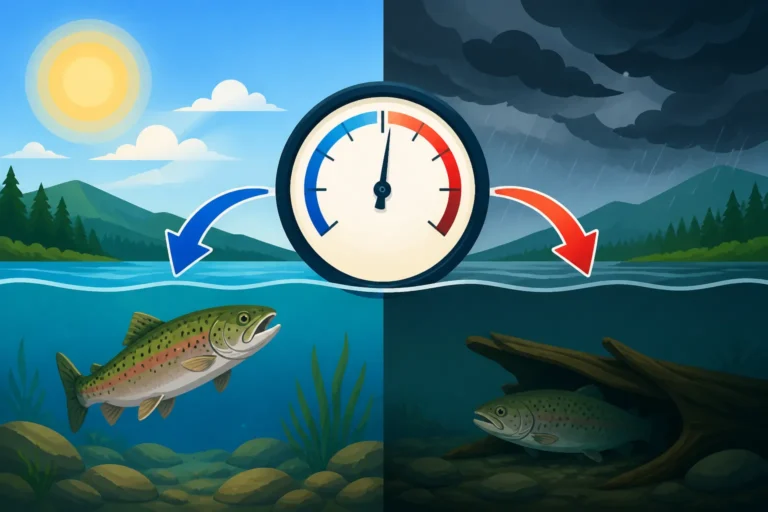
Even with freshly stocked trout, a little bit of strategy goes a long way. Early season conditions mean cold water, and while trout are cold-water fish, they can still be a bit sluggish in frigid temperatures. Look for areas where the sun hits the water first, or where there might be slightly warmer pockets, perhaps near shallow coves or where a small stream enters the lake. Fish will often gravitate to these areas.
Timing your trip can also make a significant difference. While opening day is exciting, it can also be crowded. If you prefer a bit more solitude, consider going a day or two after the initial rush, especially if you know the lake has received a substantial stocking. Conversely, if you want the absolute first crack at the freshest fish, being there right at dawn on opening day can be thrilling. The best times of day are often early morning or late afternoon when light is lower and fish feel more comfortable moving into shallower feeding areas. Always keep an eye on the Best Time of Year to Fish in Oregon for broader seasonal advice, and check specific Oregon Fishing Season Dates and Limits for your target species and location. Before heading out, always check the ODFW's weekly fishing reports. They'll often tell you which lakes have been stocked, how the fishing has been, and even give you tips on successful baits or techniques. These reports are goldmines of information and can save you a lot of guesswork.
Beyond Opening Day: The Lifespan of Stocked Trout Opportunities
While the initial stocking before and around opening day generates immense excitement, it's important to remember that ODFW's efforts don't stop there. The goal is to provide sustained angling opportunities, not just a one-day wonder. This commitment to ongoing stocking ensures that you can enjoy productive trout fishing throughout the season.
Sustaining the Fishery Through Continuous Stocking
Many popular trout lakes and ponds, particularly those catering to high demand and family outings, receive multiple stockings throughout the spring and into the summer, or even fall, as conditions allow. This "put-and-take" management strategy is crucial for maintaining a healthy population of catchable trout. As anglers harvest fish, new batches are introduced, ensuring a continuous supply. This means that if you miss opening day, or if the fish are caught out quickly, you'll likely have more opportunities to fish a freshly stocked lake later in the season.
This sustained effort makes options like an Oregon Annual Angling License particularly valuable, as it grants you year-round access to these dynamic fisheries. It also highlights the importance of understanding Oregon Fishing Regulations Explained, including bag limits, to ensure everyone gets a fair shot and the fishery remains healthy. For instance, some lakes might have different regulations or stocking frequencies, so it pays to stay informed. Consider exploring a variety of Oregon Fishing License Types Explained to ensure you have the right endorsements for all your fishing adventures, whether it's trout, salmon, or steelhead.
Resources for Anglers to Stay Informed
The single most valuable tool for any trout angler in Oregon is the official ODFW stocking schedule. This online resource is updated regularly and provides precise details on which waters have been stocked, the species, and the approximate number of fish. It’s your direct line to knowing where the fresh fish are. I can’t stress enough how much this resource will improve your chances of success. Set a reminder to check it before every trip!
Beyond the official schedule, local tackle shops like Fisherman's Marine & Outdoor or Bob's Sporting Goods are incredible hubs of information. The folks working there live and breathe fishing, and they often have real-time reports from anglers on the water. They can tell you what baits are working best, what the water conditions are like, and even recommend specific spots on a lake. Online fishing forums and local social media groups are also great for community-sourced information, though always cross-reference with official ODFW data. By staying proactive and utilizing these resources, you'll be able to hit the water with confidence, knowing exactly when and where those eager, freshly stocked trout are waiting. And don't forget to keep your tackle box ready with fresh PowerBait or a new set of lures, easily replenished through retailers like Amazon when you're stocking up for your next outing.
| Lake Type/Characteristic | Typical Stocking Strategy | Species | Angler Expectation |
|---|---|---|---|
| Urban Ponds/Community Lakes | Frequent, often weekly/bi-weekly during peak season | Rainbow Trout (catchable size) | High success rate, good for families, consistent opportunity. |
| Accessible Low-Elevation Lakes | Pre-season, then monthly/bi-monthly depending on pressure | Rainbow Trout (catchable size) | Good early season, may slow between stockings, still reliable. |
| High-Elevation/Mountain Lakes | Annual or bi-annual, once snow melts (often fingerlings) | Rainbow, Cutthroat, Brook Trout | Focus on growth, less immediate "put-and-take" fishing, wilder experience. |
| Large Reservoirs | Less frequent, sometimes large plants of fingerlings/yearlings | Rainbow Trout, Kokanee, Bass (other species) | More varied fishing, can take time for fish to grow, may hold wilder populations. |
Disclaimer
The information provided in this guide is for general informational purposes only and is based on typical Oregon fishing regulations and practices. Fishing regulations, stocking schedules, and local conditions can change frequently. Always consult the most current Oregon Department of Fish and Wildlife (ODFW) regulations, stocking reports, and local advisories before planning any fishing trip. Adherence to all laws and regulations is the responsibility of the angler.