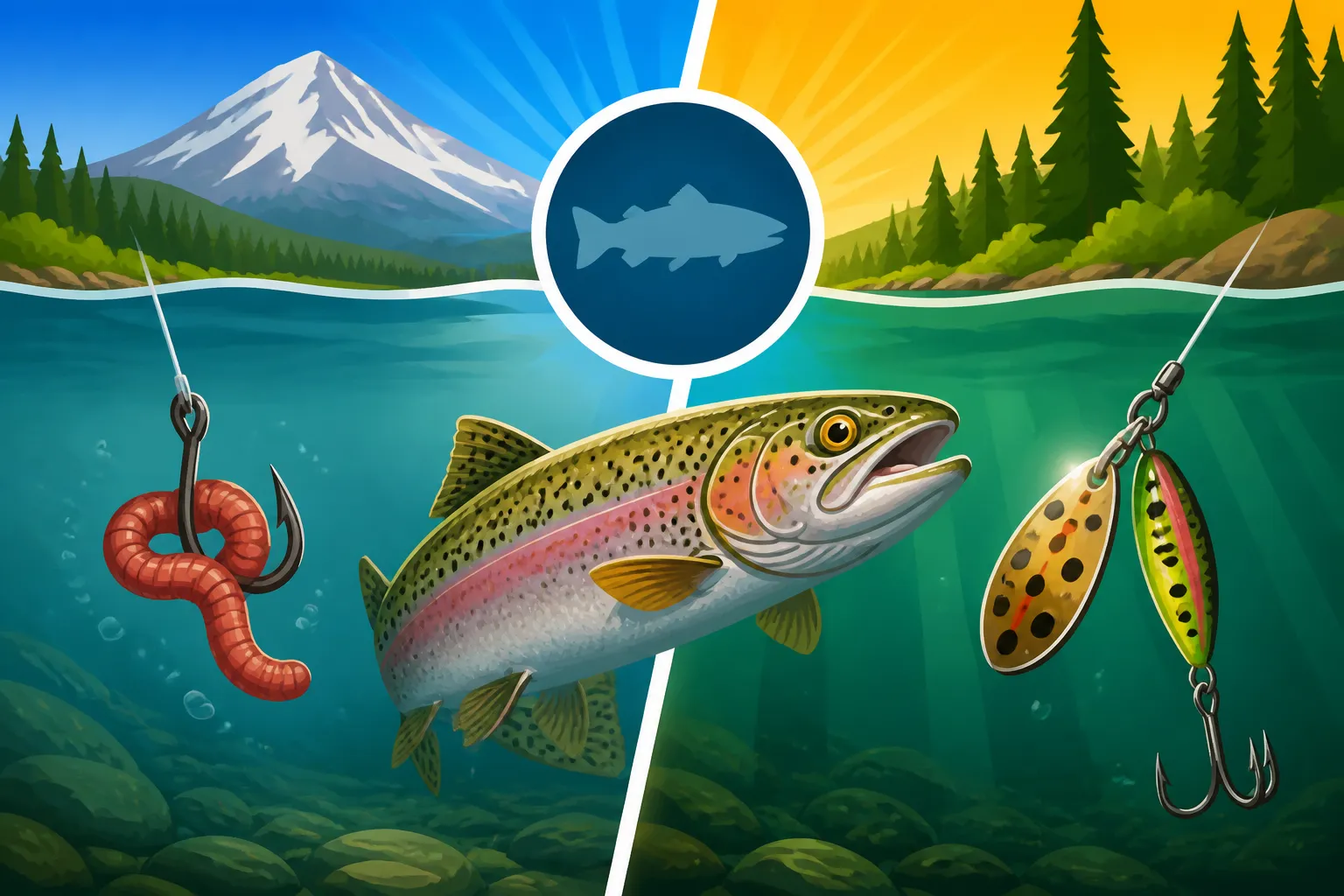
Do trout prefer bait or lures in stocked lakes?
One of the most common head-scratchers for any angler, especially when you're targeting those eager trout in Oregon's plentiful stocked lakes, is figuring out what they really want to bite. You’ve probably stood there, looking at your tackle box overflowing with colorful lures and a cooler full of smelly baits, wondering if those recently planted rainbows prefer a flashy spinner or a glob of PowerBait. It’s a completely valid frustration, as what works one day might not the next. This guide will dive deep into the preferences of stocked trout, helping you understand their behavior and giving you the insights to choose between bait and lures for your next successful fishing trip in Oregon.
Bait vs. Lures for Stocked Trout in Oregon
When you're talking about trout in stocked lakes here in Oregon, it's a bit of a different ballgame compared to wild trout living in pristine streams. These fish have a unique upbringing, and understanding that background is key to unlocking their feeding habits.
Understanding Stocked Trout Behavior
Think about it: most of the trout that get stocked into our local lakes and ponds, like those regularly planted in places like Henry Hagg Lake or Timothy Lake, have spent their formative months in a hatchery. What did they eat there? Pellets. Lots and lots of uniform, high-protein pellets. This means their initial instinct isn't necessarily to chase down a fleeing minnow or inspect a juicy worm wriggling on the bottom. Instead, they're conditioned to respond to scent, color, and a presentation that often mimics what they’ve known.
When they're first released, stocked trout are often quite aggressive. They're in a new environment, competing for food, and still somewhat wired for that pellet-feeding frenzy. This initial period can be a fantastic time for both baits and lures, as they'll hit just about anything out of pure instinct or curiosity. However, as they spend more time in the lake, they start to adapt. They might encounter natural forage like insects, minnows, or even crawfish. They also become warier of constant angler pressure, learning to avoid obvious presentations. This evolution in behavior means that what worked immediately after stocking might become less effective weeks later. If you're wondering about the timing of these fish releases, you can often find information on where to find the Oregon trout stocking schedule.
The Allure of Bait
For many anglers, especially those just starting out or fishing with family, bait is the undisputed champion for stocked trout. There’s a comforting simplicity and undeniable effectiveness to it.
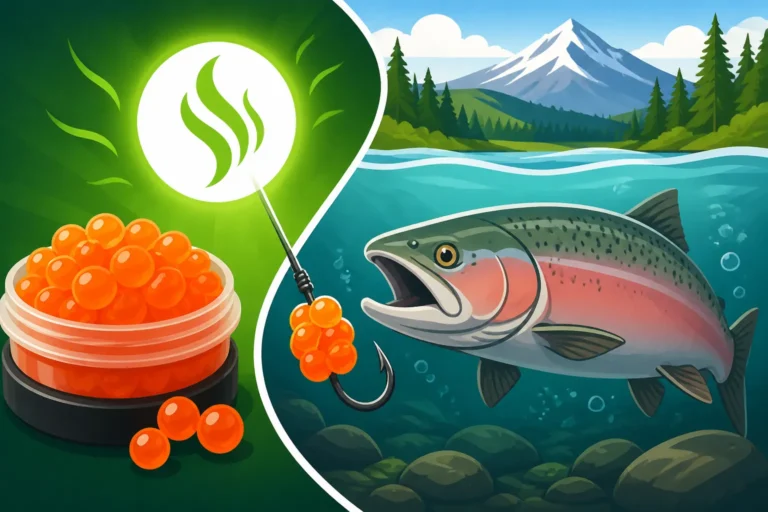
Perhaps the most iconic bait for stocked trout is PowerBait. This concoction, often resembling play-doh, comes in a rainbow of colors and scents designed specifically to mimic the pellets trout were raised on. You can roll it into a small ball, thread it onto a hook, and let its buoyant properties lift it off the bottom, putting it right at a trout's eye level. The scent trail it leaves in the water is a huge attractant, drawing in curious fish from a distance. The beauty of PowerBait is its consistency; a small jar picked up from your local sporting goods store or even on Amazon can last for several trips. Its artificial nature means it holds together well on the hook, and its specific formulation targets those hatchery instincts.
Beyond PowerBait, traditional natural baits still shine. Worms, particularly nightcrawlers or garden worms, are universally appealing. They offer a natural scent, texture, and movement that stocked trout, once they start acclimating to a more natural diet, find irresistible. Fishing a worm under a bobber or on a slow retrieve near the bottom can be incredibly effective. Just remember, trout often swallow worms quite deeply, so be prepared for careful release if you’re practicing catch-and-release. Another surprising, yet often effective, bait is canned corn. Its bright yellow color and slightly sweet scent can be a fantastic visual and olfactory attractant, especially in clearer waters. Finally, salmon eggs, either natural or processed, are another classic. Their soft texture and natural scent make them a go-to for many experienced trout anglers.
The pros of using bait are clear: high success rates, particularly for beginners or when fish are less active; the scent draws fish in; and many baits are relatively inexpensive and easy to use. The cons include the mess factor, the potential for deep hooking, and the generally less active style of fishing, where you often wait for the bite rather than actively casting and retrieving. For those looking to optimize their bait presentation, understanding the best bait for Oregon trout fishing can make all the difference.
The Excitement of Lures
For the more active angler, or those who enjoy the thrill of the cast and retrieve, lures offer an exhilarating way to target stocked trout. Lures demand a bit more technique and understanding of trout behavior, but the reward of feeling that strike on a fast-moving bait can be incredibly satisfying.
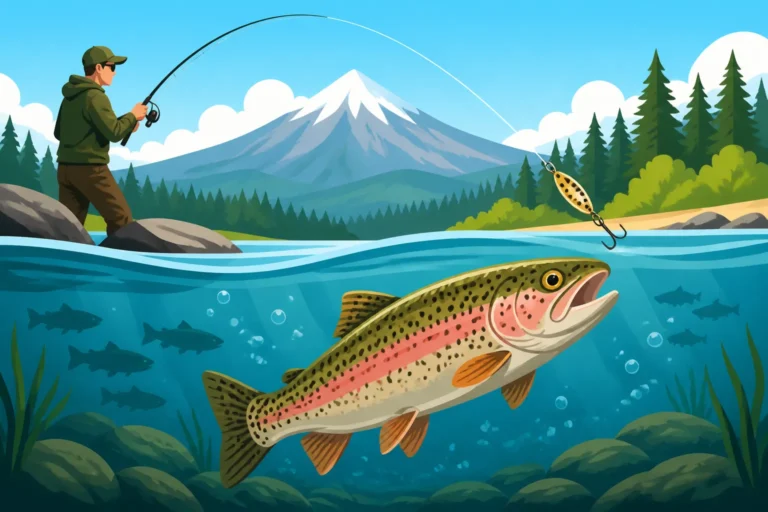
Spinners are a perennial favorite, and for good reason. Brands like Mepps, Rooster Tail, and Panther Martin have become synonymous with trout fishing. Their spinning blade creates flash and vibration in the water, mimicking a fleeing baitfish or even a struggling insect. The key with spinners is matching the size to the trout you’re targeting and the water conditions. Smaller spinners (1/16 to 1/8 ounce) are generally perfect for stocked trout. You cast them out and retrieve them at a steady pace, just fast enough to get the blade spinning. The flash and vibration can trigger an aggressive reaction strike, especially from newly stocked fish.
Spoons are another excellent choice. These thin, curved pieces of metal, like the classic Dick Nite or Kastmaster, wobble and flutter as they’re retrieved or sink, imitating a wounded baitfish. Spoons are fantastic for covering a lot of water, and their erratic action can really entice a strike. They can be cast and retrieved, trolled behind a boat, or even jigged vertically if you’re fishing from a dock or a boat over deeper water.
Small crankbaits or jerkbaits, typically 1-2 inches long, can also be deadly. These often resemble small minnows and dive to a certain depth when retrieved. Their lifelike swimming action can be incredibly enticing, especially when trout have been in the lake long enough to start keying in on actual baitfish. Jigs, particularly small marabou jigs or those tipped with a piece of worm or scented plastic, can also be very effective, especially when jigged near structure or drop-offs.
The pros of lures include active engagement (you're constantly casting and working the lure), covering a wide area, reducing the chance of deep hooking, and often catching more aggressive, larger fish. The cons can be a steeper learning curve for presentation, potentially less consistent bites than bait on certain days, and the initial investment in a variety of lures.
Factors Influencing Trout Preference
It’s never a simple "bait or lure" decision; many variables play into what a stocked trout might prefer on any given day. Understanding these can significantly improve your chances.
Water Conditions and Clarity
The state of the water itself is a huge factor. In clear water, trout rely heavily on their eyesight. A lure with lots of flash or a natural-looking bait that's well-presented can be highly effective. The trout can see your offering from a greater distance and will often inspect it before committing. This is where subtle colors and natural movements can really shine. Conversely, overly bright or large lures might spook wary fish in crystal-clear conditions. On clear days, fishing light line, like 4-6 lb test, is often critical.
In murky or stained water, visual appeal takes a backseat to scent and vibration. This is where bait often has an edge. The scent from PowerBait, worms, or even heavily scented artificial plastics can travel further in low visibility, guiding trout to your hook. For lures, those that create strong vibrations, like a spinner with a larger blade or a noisy crankbait, can also be effective by allowing trout to locate them through their lateral line system. Color still plays a role; often, brighter, more contrasting colors (like chartreuse, orange, or hot pink) can be more visible in stained water, even if it's just a silhouette.
Water temperature also dictates activity. Cold water generally means less active fish, favoring bait that sits in their strike zone for longer periods. Warmer water often means more aggressive fish, ready to chase down a lure.
Time of Day and Pressure
Just like us, trout have peak activity times. Early morning and late evening are almost always prime times for trout fishing, regardless of whether you're using bait or lures. During these cooler periods, trout are more likely to move into shallower water to feed.
Heavily pressured lakes, especially those near urban areas like the popular ponds around Portland, see a lot of angler traffic. Trout in these lakes become incredibly wary very quickly. They've seen every type of PowerBait and spinner imaginable. In such scenarios, finesse techniques become crucial. This might mean downsizing your bait (a tiny piece of PowerBait or a small worm), using lighter line, or employing very subtle lure presentations. Sometimes, a tiny jig or a micro-spinner can trigger a bite when larger, more aggressive offerings are ignored.
Conversely, in newly stocked lakes or immediately after a fresh stocking, trout are often less discriminating. They’re still in that hatchery mindset, and their hunger overrides their caution. This is when both bait and lures can be incredibly effective, often leading to fast action. You might even find that the Oregon Trout Season Opening Day is a time when the fish are least picky. Over time, as the fish spread out and get accustomed to their new home, they become more selective. Switching tactics throughout the day can also be beneficial. You might start with a fast-moving lure to locate active fish in the morning, then switch to a more passive bait setup as the sun gets higher and the fish retreat to deeper, cooler water.
Presentation Matters More Than You Think
It's not just about what you offer, but how you offer it. This is where the art of fishing truly comes into play.
For bait, presentation often means getting it to the right depth and making it look natural. If you're using floating bait like PowerBait, a small swivel and an appropriately sized sinker will get your line to the bottom, allowing the buoyant bait to float up a few inches to a foot or two, right where a cruising trout can easily spot it. Varying the leader length between your sinker and hook can help you find the preferred depth. For worms or corn, fishing them under a bobber can keep them suspended at a precise depth, or allowing them to lie naturally on the bottom can also be effective. You might also consider using a very small, sharp hook to keep your bait looking as natural as possible – finding the right what size hook for trout bait fishing is important.
For lures, presentation is all about the retrieve. A spinner needs to be retrieved fast enough to get the blade spinning, but not so fast that it zips past the fish before they can react. Varying your retrieve speed, adding pauses, or subtle twitches can often trigger a follow-up strike from a hesitant trout. Spoons often benefit from a lift-and-drop retrieve, mimicking an injured baitfish. Small jigs can be retrieved with a slow, steady motion or bounced gently along the bottom. The key is experimentation. Try different retrieve speeds, depths, and actions until you find what the fish are responding to that day. This is a core part of mastering Oregon Fishing Techniques for Beginners.
Combining Strategies for Success
Instead of thinking of it as an either/or situation, the most successful anglers often employ a combination of strategies, adapting to the fish's mood and the conditions.
The Best of Both Worlds
If regulations allow (always check the current Oregon Fishing Regulations Explained for the specific water you're fishing), using two rods can be a game-changer. You could rig one rod with a stationary bait setup – perhaps a piece of PowerBait off the bottom – and actively fish the other rod with a spinner or spoon. This allows you to explore both passive and active presentations simultaneously, quickly determining which method is more effective on that particular day.
Another great tactic is to start with a lure, especially if you're fishing a freshly stocked lake. The aggressive nature of newly introduced trout means they're often willing to chase down a flashy spinner or spoon. This allows you to cover water quickly, locate schools of fish, and capitalize on their initial eagerness. Once the action slows, or if you find a productive spot, switch to a more subtle bait presentation. This gives those fish a different look, often enticing bites from trout that have become wary of fast-moving lures. Even for lures, adding a dab of scent (like a commercially available trout attractant) can sometimes give them an extra edge, especially in stained water or for less aggressive fish. You can find many scent options and Oregon Bait and Lure Guide resources on platforms like Amazon.
Gear Essentials for Stocked Trout
Having the right gear makes a huge difference in your success and enjoyment. You don't need top-of-the-line expensive equipment, but reliable, appropriate tackle is key.
A light to ultralight spinning rod and reel combo is ideal for stocked trout. A rod in the 5'6" to 6'6" range with a fast or moderate-fast action will give you the sensitivity to feel subtle bites and the backbone to fight energetic trout. A small spinning reel (size 1000 or 2000) spooled with light line is perfect.
Speaking of line, 4-6 pound test monofilament or fluorocarbon is generally all you need. Monofilament is more forgiving and easier to cast, while fluorocarbon offers greater invisibility underwater and less stretch, which can translate to better bite detection. Many anglers will use a main line of monofilament and tie on a short fluorocarbon leader for stealth.
For terminal tackle, keep it simple. Small, sharp bait hooks (size 8 to 12) are perfect for PowerBait, worms, or corn. A selection of small split shot weights or sliding egg sinkers will help you get your bait down to the desired depth. Small barrel swivels prevent line twist, especially when using spinners or fishing with bait that might spin in the current. Don't forget a small selection of your chosen baits and lures; a few jars of PowerBait, some worms, and a handful of small spinners and spoons will cover most situations. Many of these items are readily available and can be quickly purchased from online retailers like Amazon before your next trip. To learn more about targeting specific species, check out resources like the Oregon Salmon Fishing Techniques or Oregon Steelhead Fishing Techniques, as some techniques and gear can overlap for trout.
Final Thoughts on Trout Preferences
Ultimately, there's no single, definitive answer to whether trout prefer bait or lures in stocked lakes. What works best can literally change hour by hour, day by day. However, by understanding the unique behavior of hatchery-raised trout, considering the water conditions, and adapting your approach based on angler pressure, you’ll be much better equipped to fill your stringer or enjoy a productive catch-and-release session.
My advice? Don't limit yourself to one or the other. Carry both bait and lures, and be willing to experiment. Start with what you're most confident in, but if the bites aren't coming, don't hesitate to switch things up. Pay attention to what other successful anglers around you are using, but also trust your instincts and try something different if needed. The joy of fishing, after all, is in the challenge and the constant learning. So grab your gear, consult the Oregon Fishing Season Dates and Limits, and get out there and discover what those Oregon trout are biting on today!
Disclaimer
Fishing regulations and conditions in Oregon can change frequently. Always consult the latest Oregon Department of Fish and Wildlife (ODFW) regulations before heading out. This guide provides general information and recommendations, but it is the angler's responsibility to adhere to all current laws and guidelines.