Nestucca River Fishing Guide
Navigating a new river system can feel a bit daunting, right? You hear whispers about the legendary fishing on the Nestucca River, but you're not quite sure where to start, what to fish for, or even how to approach this dynamic coastal waterway. It’s easy to get lost in the regulations and the sheer amount of information out there. This comprehensive guide is designed to cut through the confusion, offering you the insider scoop on how to successfully fish the Nestucca River, from its prime species to the best techniques and crucial access points, ensuring your next trip is a memorable one.
Unveiling the Nestucca River: A Coastal Gem for Anglers
The Nestucca River, nestled in the scenic coastal range of Oregon, is much more than just a pretty stretch of water. It's a lifeline for a vibrant ecosystem and a beloved destination for anglers seeking trophy salmon and steelhead. But to truly appreciate its fishing potential, you first need to understand its unique character and the journey it takes from the mountains to the sea.
Where the Nestucca Flows: Geography and Access Points
The Nestucca River begins its journey high in the Northern Oregon Coast Range, carving its way through lush temperate rainforests before emptying into the Pacific Ocean at Nestucca Bay, near the charming town of Pacific City. This journey shapes its diverse fishing opportunities. The upper reaches are typically steeper, faster-flowing, and offer a more intimate, sometimes wade-fishing experience, while the lower river, particularly below the town of Cloverdale, widens, slows, and becomes tidally influenced, making it ideal for boat fishing and offers some excellent bank access points like Three Rivers. Further downstream, you'll find numerous public boat ramps and private access points that dot the riverbanks, especially around Beaver and Cloverdale, making it relatively accessible for both drift boaters and those fishing from shore.
Why the Nestucca Stands Out: Unique Characteristics
What truly sets the Nestucca apart from many other coastal rivers is its combination of a strong hatchery program and significant wild fish populations. This means more opportunities for anglers to encounter fish, while still preserving the natural integrity of the river's wild runs. The river's moderate size makes it manageable, yet it holds enough water to support robust runs of several anadromous species. Its relatively clear waters, even during moderate rain events, can offer better visibility than some of its more turbid neighbors. Furthermore, the Nestucca's estuary system, shared with the Little Nestucca and the Salmon River, creates a rich nursery ground and a vital staging area for returning adult fish, concentrating them before they push upstream. This makes the lower sections incredibly productive during peak seasons.
A River for All Seasons? Understanding its Ecosystem
While certain species dominate specific times of the year, the Nestucca offers angling opportunities nearly year-round. Its ecosystem is primarily driven by the migration of salmon and steelhead, with resident coastal cutthroat trout providing consistent action in between major runs. The health of its tributaries, like the Little Nestucca and Three Rivers, is crucial for spawning and rearing, and these smaller streams often hold their own resident fish populations. Understanding the lifecycle of these species and how they interact with the river's flow, temperature, and food sources is key to consistent success. The river also supports a diverse array of wildlife, from osprey and eagles to deer and elk, making a day on the Nestucca a truly immersive outdoor experience, even if the fish aren't always biting.
Prime Species to Target on the Nestucca River
When you’re planning a trip to the Nestucca, knowing what you’re likely to encounter is half the battle. This river is famous for its anadromous runs, offering thrilling battles with some of Oregon’s most prized game fish. Each species has its own peak season and preferred habitats within the river.
Battling the Mighty Winter Steelhead
Without a doubt, winter steelhead are a major draw to the Nestucca River. These chrome-bright beauties enter the river from late November through March, with peak fishing usually from January to March. They are powerful, acrobatic fighters that provide an incredible challenge, especially when the river is high and cold. Hatchery steelhead, which are fin-clipped, are the primary target for retention, while wild steelhead are almost always catch-and-release only on the Nestucca, as is common in many Oregon rivers. Targeting them often involves drifting bait, jigs, or small plugs through deep runs and pools where they hold. If you're looking for an unforgettable winter angling experience, learning the nuances of Oregon Steelhead Fishing Techniques on the Nestucca is a must.
The Thrill of Fall Chinook Salmon
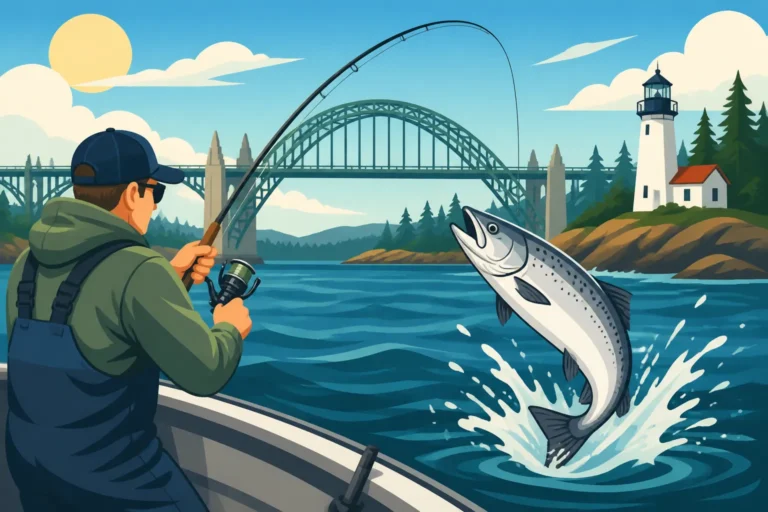
As autumn colors begin to paint the landscape, the Nestucca comes alive with the arrival of fall Chinook salmon, often referred to as "kings." These magnificent fish, the largest of the Pacific salmon species, typically enter the river from late August through October. The lower tidal sections of the river, especially around Nestucca Bay and up to Cloverdale, become prime fishing grounds as these fish stage before their upstream migration. Trolling with bait such as herring or anchovies, or back-bouncing cured roe, are common and highly effective methods. They offer a brute-force fight that can test even the most experienced angler's gear and resolve. Many anglers even seek out guided trips through services like FishingBooker to maximize their chances during this short but intense season.
Coho Salmon: A Silver Flash
Following closely on the heels of the fall Chinook, or sometimes even intermingling with them, are the sleek and aggressive coho salmon, also known as "silvers." Coho typically run from September through November, providing another exciting salmon fishery. While not as large as Chinook, coho are incredibly acrobatic and put up a spectacular fight, often leaping clear out of the water. They are usually found throughout the lower and middle sections of the river, often in shallower, faster water than Chinook. Twitching jigs, casting spinners, or drifting cured eggs are excellent methods for enticing these feisty fish. The flash of a coho striking a lure is an experience every angler cherishes.
Coastal Cutthroat Trout: A Year-Round Pursuit
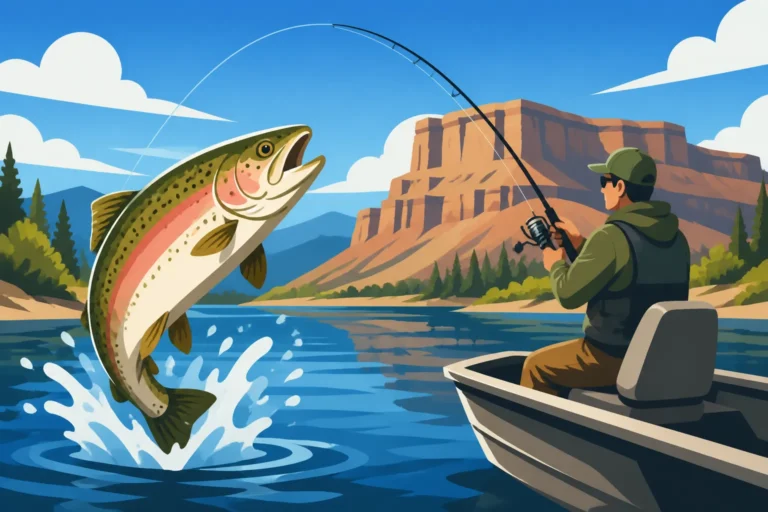
While salmon and steelhead grab the headlines, don't overlook the resident coastal cutthroat trout. These beautiful, native trout offer consistent action throughout the year, especially during the warmer months when the anadromous runs are less active. You can find cutthroat throughout the river system, from the tidal influence all the way up into the smaller tributaries. They readily take small spinners, flies, or bait like worms and salmon eggs. They might not be the biggest fish in the river, but their aggressive strikes and distinctive red slashes beneath their jaws make them a delightful catch. Fly anglers, in particular, find great joy in pursuing these wild trout in the Nestucca’s upper reaches and feeder creeks. Many anglers practice responsible catch-and-release with these beautiful native fish, using light tackle for maximum sport. To learn more about targeting these elusive fish, check out our guide on Oregon Trout Fishing Techniques.
Best Fishing Techniques and Tackle for Nestucca Success
The Nestucca River is a diverse waterway that demands a variety of fishing techniques and a well-stocked tackle box. What works best can depend on the species you're targeting, the time of year, and the specific conditions of the river. Adaptability is key to success here.
Drift Fishing and Bobber Dogging: River Staples
For steelhead and often for salmon in the mid to upper river, drift fishing is an absolute staple. This technique involves presenting bait (like cured roe, shrimp, or worms), artificial eggs, or jigs naturally along the river bottom, allowing the current to carry it into fish-holding lies. A good drift keeps your offering just above the snags while remaining visible and accessible to the fish. When the river is running a bit higher or has increased turbidity, a weighted float rig, often called "bobber dogging" or "float fishing," can be incredibly effective. This method suspends your offering at a precise depth, making it easier for fish to see and strike, and signals even the most subtle bites. It's particularly popular for winter steelhead. Learning how to properly set up a drift or float rig and read the water for ideal fishing lanes is crucial.
Spinner and Spoon Fishing: Covering Water
When fish are actively migrating or you want to cover a lot of water from the bank or a boat, spinners and spoons are incredibly effective, especially for coho and aggressive Chinook. The flash and vibration of a properly presented spinner can provoke strikes from fish that might ignore other offerings. Popular choices include Blue Fox Vibrax, Mepps, or larger hammered spoons in silver, brass, or painted finishes. Cast upstream and across, letting the lure swing and retrieve just fast enough to make the blade or spoon wobble and flash enticingly. This is often a great technique in the faster, shallower sections where fish are moving. For insights on what to pack, our Oregon Bait and Lure Guide offers an in-depth look at effective choices.
Fly Fishing Opportunities on the Nestucca
While not as renowned as some of Oregon's other fly-fishing destinations, the Nestucca offers rewarding opportunities for the dedicated fly angler, particularly for winter steelhead and coastal cutthroat trout. For steelhead, two-handed spey rods are popular for covering large runs, swinging weighted flies like intruders or traditional steelhead patterns. Single-hand rods can be effective for nymphing or indicator fishing in softer water. For cutthroat, the upper river and its tributaries offer classic dry fly and nymphing conditions during the warmer months. Matching the hatch (or simply presenting an attractive generalist pattern like a Goddard Caddis or an Elk Hair Caddis) can lead to excellent action. It's a more nuanced approach that requires patience and practice, but the rewards of catching a fish on a fly you tied yourself are immense.
Essential Gear for Your Nestucca Adventure
Beyond your rod and reel, having the right ancillary gear is essential for a comfortable and successful trip. Waders and wading boots are non-negotiable for bank anglers, providing warmth and access to prime water. A good quality fishing vest or pack to organize your tackle, extra line, and tools like pliers and clippers will keep you efficient. For safety, especially when wading in swift current, a wading staff is highly recommended. Always carry a net, ideally one with rubberized mesh to protect fish during landing and release. And, of course, don't forget your Oregon Fishing License Guide and any required endorsements, which are easily obtainable online or at local tackle shops like Tillamook Sporting Goods. Remember, even if you’re booking a trip through a guide service, they often recommend bringing certain personal items.
Here's a quick comparison of common Nestucca fishing techniques:
| Technique | Target Species | Best Seasons | Typical Locations | Pros | Cons |
|---|---|---|---|---|---|
| Drift Fishing | Steelhead, Chinook, Coho | Fall, Winter, Spring | Runs, Riffles, Tailouts (mid to upper river) | Natural presentation, effective for holding fish | Can be prone to snags, requires good bottom feel |
| Float Fishing | Steelhead, Coho, Trout | Fall, Winter, Spring | Deeper Runs, Seams, Around Structure | Excellent bite detection, precise depth control | Limited to certain water types, can be cumbersome |
| Spinner/Spoon | Coho, Chinook, Steelhead | Fall, Winter, Spring (active) | Moving water, Estuary, Covering broad areas | Covers a lot of water, highly visible | Can be aggressive for finicky fish, may attract snags |
| Fly Fishing | Steelhead, Cutthroat Trout | Year-round (species dependent) | Upper River, Riffles, Pools, Tributaries | Highly rewarding, quiet, can be very precise | Steeper learning curve, specialized gear |
| Trolling | Chinook, Coho | Fall (peak) | Lower River, Estuary, Nestucca Bay | Covers large areas, effective for actively searching | Requires a boat, less "hands-on" feel |
Navigating Seasons and Conditions for Optimal Fishing
Fishing the Nestucca River successfully isn't just about having the right gear; it's about understanding the rhythm of the river and the calendar. Each season brings different opportunities and challenges, and being prepared for varying water conditions is paramount.
Winter Steelhead: Timing Your Run
As mentioned, winter steelhead are a major draw. The run typically begins in late November, gains momentum in December, and peaks from January through March. Early in the season, fish are often aggressive and can be found throughout the lower and middle river. As the season progresses into the colder months, steelhead tend to hold in deeper pools and slower runs. A critical factor for Winter Steelhead Run Timing in Oregon is water flow. After a heavy rain, the river will rise and often become muddy. As it drops and clears, it enters "prime time" – often referred to as "falling and clearing." This is when steelhead are most likely to move and bite. Knowing when to hit the river after a storm can make all the difference, so monitoring stream gauges is a smart move.
Fall Salmon: The Peak Migration Window
The fall salmon season, primarily for Chinook and Coho, is an intense and exciting period. Chinook typically start entering the bay in late August, with the main push in September and October. Coho usually follow from September into November. The lower river and estuary are key during this time, especially on incoming tides, as salmon push in from the ocean. This can be one of the best times to consider booking a guided trip with a local expert you might find on FishingBooker, as they have an intimate knowledge of where the fish are holding based on recent movements and tides. As they move upstream, they become more spread out and territorial. Understanding the impact of tides on their movement in the lower river is critical for maximizing your time on the water during this peak Fall Chinook Season Timing on the Columbia (though this applies to the Nestucca as well for general timing).
Summer and Fall Cutthroat: Cooler Water, Better Bites
While the big anadromous runs get most of the attention, the Nestucca offers excellent cutthroat trout fishing during the summer and early fall. As river temperatures rise, these trout often seek out cooler water, congregating near tributary mouths, spring-fed pockets, and deeper, shaded pools. Early mornings and late evenings are often the most productive times during the summer heat. As fall approaches and water temperatures cool, cutthroat become more active throughout the day, often feeding voraciously in preparation for winter. This is a fantastic time for fly fishing with dry flies or small nymphs.
Understanding Water Levels and Weather Impacts
The Nestucca, like all coastal rivers, is highly susceptible to changes in weather. Heavy rainfall can quickly cause the river to blow out, becoming high and muddy, while prolonged dry spells can lead to very low and clear conditions. Both extremes can make fishing challenging.
- High Water: When the river is high and muddy, fish tend to move to the banks and into slower seams where they can find refuge from the strong current. This is often a good time for float fishing or using larger, more visible baits or lures.
- Low Water: In contrast, very low and clear water makes fish skittish and more challenging to approach. Long leaders, light line, and subtle presentations become crucial. Often, fishing early or late in the day, or during periods of cloud cover, can improve your chances.
Always check the local forecast and online river gauges before heading out. The Oregon Department of Fish and Wildlife (ODFW) website is a great resource for real-time Oregon Fishing Zones Explained and conditions, helping you make informed decisions about when and where to fish.
Key Fishing Spots and Access on the Nestucca River
The Nestucca River offers a variety of access points and fishing environments, catering to different styles of angling. From the broad tidal estuary to the intimate upper reaches, knowing where to go can significantly impact your success.
Lower River Hotspots: Tidal Influence and Boat Launches
The lower Nestucca, from Pacific City up to Cloverdale, is heavily influenced by tides and is primarily navigated by boat, though good bank access exists. This section is a prime staging area for salmon and a fantastic spot for crabbing in Nestucca Bay. Popular boat launches include the public ramp in Pacific City and several private ramps further upstream. One well-known bank fishing spot is the access at the Bob's Creek Bridge, offering good plunking opportunities during salmon runs. Another productive area is near the mouth of Three Rivers, where salmon and steelhead often hold before entering that tributary. During the fall salmon run, trolling in the deeper channels of the lower river, particularly around the tide changes, can be incredibly effective. Anglers often refer to certain "drifts" or "holes" by name, passed down through local knowledge, so don't hesitate to strike up a friendly conversation with local bait shop owners.
Middle River Drifts: Hatchery and Wild Fish Zones
Above Cloverdale and extending up past the town of Beaver, the Nestucca transitions into a more traditional river environment, with alternating pools, runs, and riffles. This is prime water for drift boats and often offers numerous pull-outs and access points for wade fishing. The Nestucca Hatchery, located upstream from Beaver, plays a significant role in the river's fisheries, contributing a large number of hatchery-origin salmon and steelhead. Fishing the water immediately downstream from the hatchery, especially during peak runs, can be productive, as fish often mill about before entering the facility. There are also designated Nestucca River fishing access points along Highway 101 and other side roads that provide entry to these productive middle sections. Understanding Oregon Fishing Regulations Explained is especially important here, as some areas might have specific rules for retention or gear based on whether you're targeting hatchery or wild fish.
Upper River and Tributaries: Smaller Waters, Big Rewards
As you move further upstream past the main stem's larger accessible stretches, the Nestucca and its significant tributaries like the Little Nestucca and Three Rivers become smaller, wilder, and more intimate. These areas are often best suited for wade fishing and fly fishing, particularly for resident cutthroat trout and later-season steelhead. Access can be more challenging, sometimes requiring some bushwhacking or knowledge of private timberland access (always respect private property and check for permits). While the fish might not be as numerous as in the lower river, they can be larger and offer a more solitary, rewarding experience. The smaller water also means lighter tackle and more finesse are typically required.
Bank Angling vs. Boat Access: What's Right for You?
The Nestucca provides opportunities for both bank and boat anglers.
- Bank Angling: Ideal for those without a boat, offering flexibility and cost savings. Many popular spots, especially near bridges, parks, and designated access areas, provide good bank access. However, you're limited to the water you can reach from shore.
- Boat Access (Drift Boat/Motorized Boat): A drift boat is arguably the most effective way to fish the middle and upper Nestucca, allowing anglers to cover miles of prime water and access spots unreachable from the bank. Motorized boats are common in the lower tidal sections, enabling efficient trolling and access to the estuary. While more expensive and requiring specific skills, a boat greatly expands your fishing horizons. If you don't own a boat but want the experience, consider hiring a local guide, many of whom can be found through platforms like FishingBooker, offering guided Nestucca River fishing access trips. They often provide all the necessary equipment and expertise.
Regulations, Conservation, and Responsible Angling
Fishing the Nestucca River is a privilege that comes with responsibility. Understanding and adhering to Oregon Fishing Regulations Explained is not just about avoiding fines; it's about contributing to the long-term health of these precious fisheries. Conservation efforts are vital, especially in a dynamic coastal river system like the Nestucca.
Essential Oregon Fishing Regulations for the Nestucca
Oregon's fishing regulations are complex and can change frequently, so always consult the most current ODFW Sport Fishing Regulations booklet before you go. You can usually pick up a physical copy at any tackle shop or download it from the ODFW website. Key regulations for the Nestucca often include:
- License and Tags: You'll need an Oregon Fishing License Guide and, for salmon and steelhead, a Combined Angling Tag or specific salmon/steelhead tags. Always carry proof of your license.
- Bag Limits: Daily and seasonal bag limits for different species vary. For example, steelhead limits might differentiate between hatchery (fin-clipped) and wild fish (often catch-and-release only).
- Size Limits: Minimum or maximum size limits might apply to certain species, especially salmon and sturgeon.
- Gear Restrictions: Specific sections of the river might have restrictions on bait, barbless hooks, or even the type of line or gear you can use (e.g., fly-fishing only sections, or areas prohibiting certain weights).
- Open Seasons: Specific seasons for retaining certain species are strictly enforced. Just because you can catch it doesn't mean you can keep it.
Staying informed about these rules, perhaps by checking Oregon Fishing Season Dates and Limits regularly, ensures you're fishing legally and ethically.
Hatchery vs. Wild Fish: Identifying and Protecting
A cornerstone of Oregon's salmon and steelhead management is the differentiation between hatchery and wild fish. Hatchery fish are typically marked with a clipped adipose fin (the small, fleshy fin on their back near the tail). Wild fish retain this fin. On the Nestucca, as in many rivers, the goal is often to harvest hatchery fish while protecting wild populations, which are crucial for the genetic diversity and long-term health of the species. When you catch a fin-clipped fish, it's usually legal to retain it (within daily limits and season rules). If you catch an unclipped wild fish, it must almost always be released unharmed. Learning How to tell a wild steelhead from a hatchery steelhead is a fundamental skill for any responsible angler on the Nestucca. Always handle wild fish with care, minimizing their time out of water.
Catch and Release Best Practices
Even when targeting hatchery fish for retention, practicing proper catch and release for any fish you intend to let go is vital. This is especially true for wild steelhead and trout.
- Use appropriate tackle: Don't use excessively light line that prolongs the fight and exhausts the fish.
- Barbless Hooks: Mandated in many areas and highly recommended everywhere, barbless hooks make removal easier and reduce injury.
- Minimize handling: Keep the fish in the water as much as possible. If you must handle it, do so with wet hands and support its body, especially around the belly.
- Avoid nets with knots: Knotless, rubberized landing nets are much gentler on fish scales and slime coats.
- Revive the fish: If a fish is lethargic, hold it gently in the current, facing upstream, until it swims away on its own.
By following these practices and being mindful of the Oregon Catch Record Card Requirements for any fish you keep, you're not only preserving the resource but also ensuring that future generations can enjoy the incredible fishing opportunities the Nestucca River provides.
Disclaimer
Fishing conditions and regulations in Oregon can change rapidly due to environmental factors, fish migration patterns, and management decisions. Always consult the latest Oregon Department of Fish and Wildlife (ODFW) regulations and local advisories before planning your trip. This guide is for informational purposes only and should not be considered a substitute for official regulations.