How many fish can you expect to catch on a guided trip
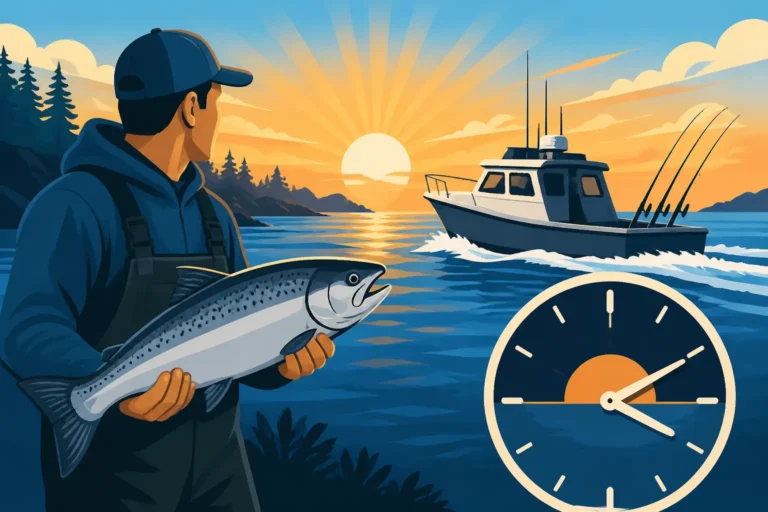
It’s a question that echoes through every aspiring angler’s mind before booking a guided fishing trip: "How many fish am I actually going to catch?" We've all seen those triumphant photos on social media – boats laden with limits, smiling faces holding up trophy-sized catches. It’s natural to hope for the same, but the reality of fishing, even with the most experienced guide, is far more nuanced than a simple numbers game. This guide will walk you through setting realistic expectations for your Oregon guided fishing adventure, delving into the many factors that truly influence your catch, and helping you understand what makes a successful trip beyond just the fish count.
Setting Realistic Expectations for Your Guided Trip
Let's face it, when you invest in a guided trip, whether it's for an exhilarating day of salmon fishing on the Columbia or a serene fly-fishing excursion on the Deschutes, you're hoping for a memorable experience that includes some fish in the net. But it’s crucial to understand that fishing isn't like shopping; you don't pay for a specific number of fish. The ocean and rivers aren't stocked vending machines. What you're truly paying for is the guide's expertise, their knowledge of local waters, current conditions, proven techniques, and their commitment to putting you in the best possible position to succeed.
Understanding the "No Guarantee" Principle
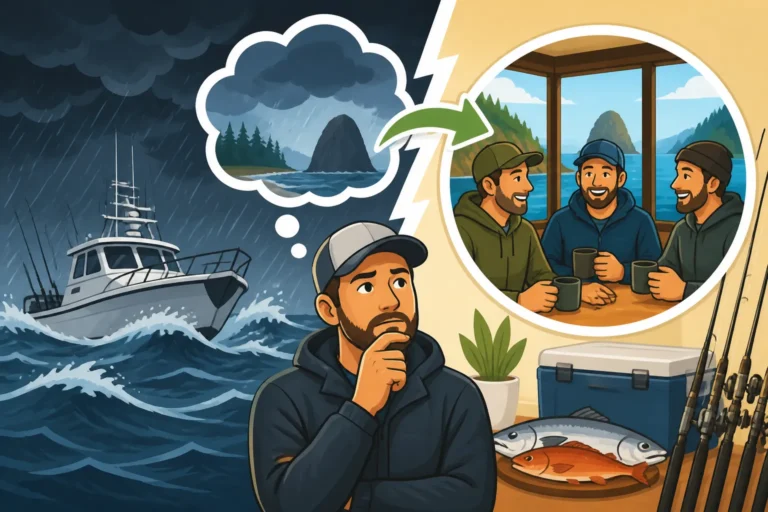
One of the hardest truths in fishing, especially for newcomers, is that there are simply no guarantees. A reputable guide will never promise you a specific number of fish, nor should you expect one. Mother Nature is the ultimate boss on any fishing trip. Conditions can change in an instant: sudden shifts in weather, unexpected water temperature fluctuations, river blowouts from heavy rain, or even just the fish deciding they’re not in the mood to bite that day can turn a hot bite cold.
Think about it: fish are wild creatures with their own instincts and patterns. They move, they feed, they hide. A guide’s job is to interpret these variables and adapt, using their years of experience to make the best decisions on the water. They know the migratory paths for salmon, the deep holes where steelhead might be holding, or the optimal tides for bottom fish off the coast. They’ll have the right gear, bait, and local knowledge that would take you years to acquire on your own. But even with all that going for them, they cannot control the fish itself. It's about maximizing your opportunity to catch fish, not guaranteeing the catch itself. When browsing guides on platforms like FishingBooker, you'll often see guides emphasizing the experience and the effort, not just the catch.
The Value Beyond the Catch Count
A truly successful guided fishing trip often extends far beyond the number of fish you bring home. While a cooler full of fillets is certainly a bonus, consider the other invaluable aspects. Did you learn new techniques, like how to properly cast a fly or read river currents? Did you gain a deeper understanding of the local ecosystem and the species you were targeting? Was the scenery breathtaking, offering a much-needed escape into nature?
Many anglers find immense satisfaction in the process itself – the thrill of the strike, the fight of a strong fish, or simply spending a day on the water with good company. A great guide shares stories, teaches tips, and makes the entire outing enjoyable, regardless of the scoreboard. They know the Oregon Fishing Regulations Explained like the back of their hand and can educate you on responsible angling practices. Perhaps you learned about different Oregon Fishing Techniques for Beginners or discovered a new favorite fishing spot that you’ll want to revisit. These are experiences and knowledge that last a lifetime, long after the fish have been eaten.
Factors That Influence Your Catch Rate on a Guided Trip
While no guide can guarantee a catch, several key factors significantly influence your chances and therefore your realistic expectations for how many fish you might bring in. Understanding these elements will help you appreciate the complexity of fishing and make informed choices when planning your adventure.
Species and Seasonality
Different fish species inherently have different catch rates, and these rates fluctuate dramatically with the seasons. Targeting fast-action panfish in a stocked lake is a completely different ballgame than pursuing elusive trophy steelhead in a coastal river.
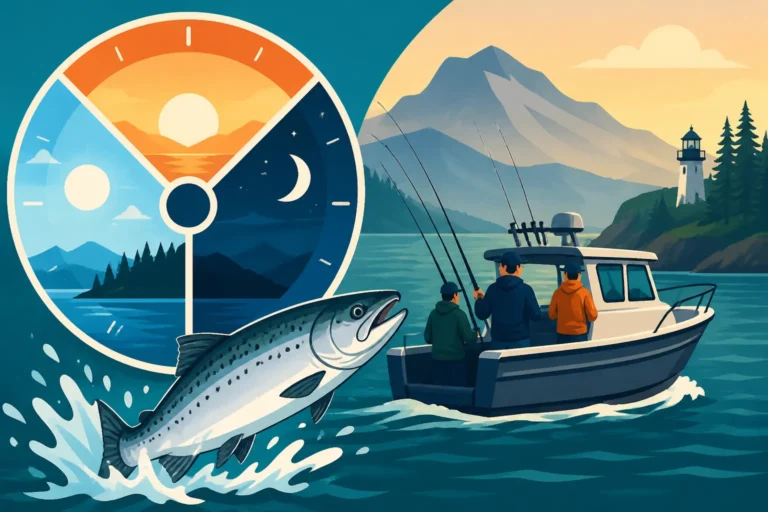
- Salmon & Steelhead: When you’re chasing species like Chinook salmon on the Columbia or winter steelhead on the Wilson River Fishing Guide, you’re often dealing with powerful, migratory fish that can be challenging to locate and entice. Some days might be phenomenal, where the bite is hot and you hit your Oregon Daily Bag Limits Explained. Other days, despite everyone's best efforts, the fish might just not be around or willing to bite. Factors like river flow, water clarity, and temperature play huge roles. The Best Time of Year to Fish in Oregon for these species will usually coincide with their peak runs, but even then, consistency isn't guaranteed.
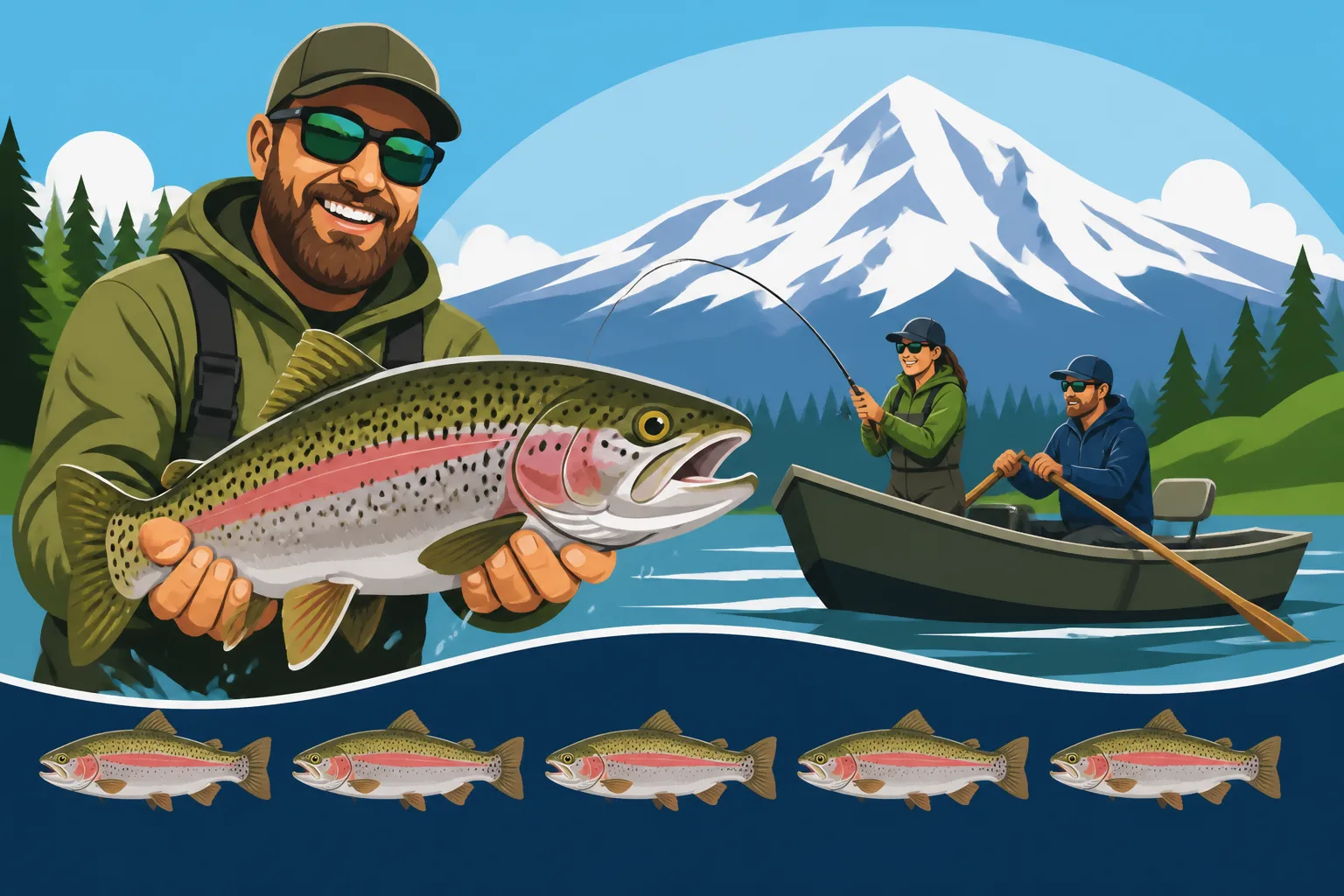
- Trout: For trout, especially in stocked lakes or smaller rivers, catch rates can often be higher and more consistent, especially for beginners. Stocked rainbow trout are generally more aggressive and less wary than wild fish. However, even with trout, weather changes or heavy fishing pressure can impact success. If you're heading to a high mountain lake for native brook trout, the experience might be more about solitude and scenery, with fewer fish, but those you catch will be precious.
- Bottom Fish & Halibut: When ocean fishing for rockfish or lingcod, especially if the weather is calm enough to hit offshore reefs, catch rates can often be quite high. These fish tend to be more structure-oriented and less prone to migratory whims than salmon. Halibut, while larger and highly sought after, often have limited seasons and can be trickier to locate, meaning a successful trip might involve one or two prize fish rather than a boatload. This is where an Oregon Ocean Endorsement becomes critical.
Weather and Water Conditions
This is perhaps the single biggest uncontrollable factor. A perfectly planned trip can be completely altered by Mother Nature.
- Rain and River Flows: Heavy rains can blow out rivers, making them muddy, high, and unfishable for certain techniques. Conversely, a light rain can sometimes trigger a bite, especially for salmon and steelhead. A guide will monitor conditions closely and might suggest rescheduling or moving to a different system if conditions are poor. You'll want to review Oregon Fishing Season Dates and Limits and then check real-time conditions.
- Temperature: Water temperature significantly affects fish behavior. Too cold, and fish can become lethargic. Too warm, and some species, like trout, will seek deeper, cooler water or become stressed. Ocean temperatures can affect baitfish presence, which in turn impacts salmon and tuna.
- Wind and Tides: On the coast or large estuaries like Tillamook Bay, strong winds can make fishing uncomfortable or even dangerous, leading to cancellations. Tides are paramount for coastal fishing, influencing when fish feed and where they might be holding. A good guide knows how to "fish the tides" to maximize opportunities.
| Factor | Impact on Catch Rate | Examples (Oregon Context) |
|---|---|---|
| Fish Species | Varies widely from high-volume to trophy-focused | Trout often higher volume; Sturgeon often 1-2 trophy fish |
| Seasonality | Peak runs offer best chances; off-season is tougher | Spring Chinook run vs. slow summer lull |
| Weather | Heavy rain (muddy rivers), strong winds (ocean), heat | Deschutes River clarity after a storm; high swells for ocean trips |
| Water Conditions | Temperature, clarity, flow (rivers); tides (coast) | Cold river temps slow steelhead; high tide for bay crabbing |
| Guide Experience | Knowledge, adaptability, equipment, "fish sense" | Knowing hidden spots on the Rogue River Fishing Guide |
| Angler Skill | Casting, fighting fish, following instructions | Novice vs. experienced fly angler on the Metolius River |
| Luck | The unpredictable element, always present in fishing | Being in the right place at the right time |
Guide Experience and Equipment
While a guide can’t control the fish, their experience is your best asset. A seasoned Oregon Fishing Guide Services professional brings a wealth of knowledge to the table.
- Local Knowledge: They know the nuances of specific rivers, lakes, or ocean spots – where fish tend to hold at different water levels, what bait is working best on a particular day, and where to avoid crowds. This hyper-local insight is invaluable.
- Adaptability: A great guide doesn’t stick to one plan. If the bite isn't happening in one spot, they move. If fish aren't hitting spinners, they'll switch to plugs or bait. They’re constantly observing, experimenting, and adjusting their strategy based on real-time conditions. This is where their "fish sense" truly comes into play.
- Top-Notch Gear: Guides typically provide high-quality, well-maintained rods, reels, lines, and tackle perfectly suited for the target species and conditions. This eliminates the guesswork and expense for you and ensures you're fishing with optimal equipment. Often, they have specialized boats too, like drift boats for rivers or comfortable ocean charters from ports like Newport. Looking up guides on a platform like FishingBooker often allows you to see the type of boat and gear they offer.
Your Own Skill Level and Participation
Believe it or not, your own engagement and willingness to learn also play a significant role in your success.
- Following Instructions: Your guide will give you instructions on how to cast, retrieve, set the hook, and fight a fish. Listen carefully and try your best to follow their advice. They see hundreds of anglers each year and know what works.
- Patience: Fishing often requires a good dose of patience. There will be downtime between bites. Enjoy the scenery, ask questions, and be ready when the action starts.
- Casting and Technique: While guides are patient with beginners, some techniques require a certain level of finesse. For instance, precise casting is often key in fly fishing or for targeting specific lies in a river. If you’re completely new, your guide will spend time teaching you, but remember that practice makes perfect, and your initial attempts might not be as effective as a seasoned angler's. Many guides offer Beginner-Friendly Guided Fishing Trips in Oregon specifically designed to teach the ropes.
Managing Disappointment and Maximizing Your Experience
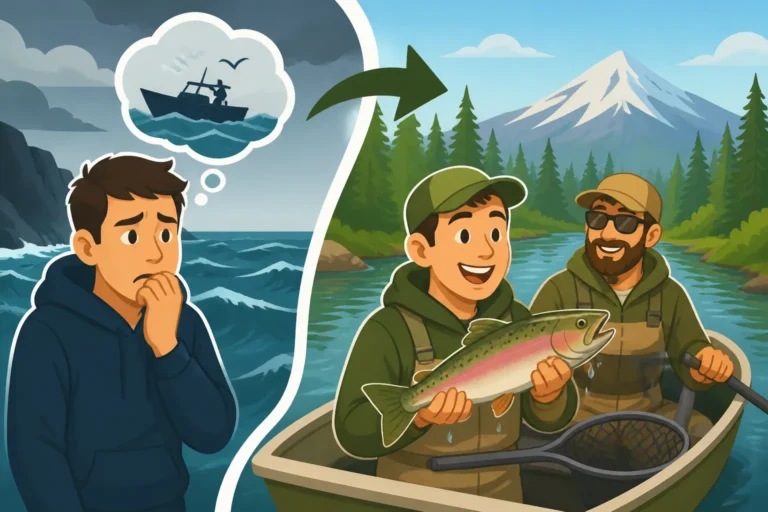
It's easy to get caught up in the numbers game, especially when you've invested in a guided trip. But learning to manage those expectations is key to ensuring you always have a fantastic time on the water, regardless of the cooler's contents.
What to Do When the Fish Aren't Biting
Even the best guides have slow days. It happens. If the fish aren't cooperating, don't let it ruin your trip. This is where a truly good guide shines, because they'll work even harder to find fish and keep your spirits up.
- Ask Questions: If things are slow, engage your guide. Ask why they think the fish aren’t biting, what they’re trying differently, or what they’ve seen on similar days. You'll learn a ton about fish behavior and angling strategy.
- Focus on Learning: Use the downtime to hone your skills. Practice your cast, learn about knot tying, or ask about different Oregon Salmon Fishing Techniques or Oregon Steelhead Fishing Techniques. Every moment on the water is an opportunity to expand your knowledge.
- Appreciate the Scenery: Oregon's rivers and coastlines are stunning. Take a moment to soak in the views, observe wildlife, and just enjoy being outdoors. The beauty of the Columbia River Fishing Guide or a quiet morning on the Deschutes River Fishing Guide is an experience in itself.
- Don't Blame the Guide: Remember the "no guarantee" principle. A guide is an expert, not a magician. They are likely just as frustrated (if not more so!) than you are when the fish aren't cooperating. They're doing their absolute best with the conditions they've been given.
Communicating Your Goals to Your Guide
Before your trip, whether you book through a local outfitter or a platform like FishingBooker, it's always a good idea to communicate your expectations clearly with your guide. Are you solely focused on catching your limit of salmon? Or are you more interested in learning how to fly fish for trout, even if it means fewer hookups?
- Quantity vs. Quality: Do you want to catch as many fish as possible, or are you hoping for one trophy-sized fish? For example, targeting panfish might mean many bites, while pursuing a monster sturgeon could mean a long wait for one epic battle. Your guide can help tailor the trip to your preference within the realm of possibility.
- Technique Focus: If you're passionate about a specific technique, like learning to spey cast for steelhead, let your guide know. They might choose locations or methods that prioritize teaching you that skill, even if it's not the most productive method for catching fish that day.
- Experience Over Haul: If your primary goal is to simply have a relaxing day on the water with your family, tell them. They might focus on calmer waters or more accessible species that offer consistent action for kids. Guides offering Oregon Family-Friendly Fishing Charters understand that the overall enjoyment is paramount.
Ultimately, the number of fish you can expect to catch on a guided trip in Oregon is an elusive figure, constantly shifting with the whims of nature and the specific circumstances of your outing. What you can expect, however, is a dedicated professional working tirelessly to give you the best possible chance at success, an incredible outdoor experience in some of the most beautiful places on earth, and the opportunity to learn and grow as an angler. Focus on the journey, embrace the unpredictability, and you'll always come home with a story worth telling, whether or not the cooler is full.
Disclaimer
This article is for general informational purposes only and does not constitute professional advice. Laws, prices and regulations vary by location and change over time. Consult a qualified professional for guidance on your specific situation.