What time do Oregon salmon charters usually depart
Heading out for an Oregon salmon charter is an experience filled with anticipation, but one of the first questions on any angler's mind is, "What time do we even start?" It's not always a simple answer, as these trips are deeply intertwined with natural rhythms like tides and fish behavior. This guide will walk you through the typical departure windows for Oregon salmon charters, helping you understand the factors that shape these crucial timings and what you need to know to ensure a smooth start to your fishing adventure.
Understanding the Typical Salmon Charter Schedule
When you book an Oregon salmon charter, don't expect a one-size-fits-all departure time. While there are common patterns, the exact hour your boat leaves the dock is a dynamic decision, often influenced by the time of year, the specific location, and the captain's strategy for maximizing your chances of a catch. Generally, though, you'll find that most salmon charters get an early start, long before many folks have even had their first cup of coffee.
The Dawn Patrol: Why Early Mornings Dominate
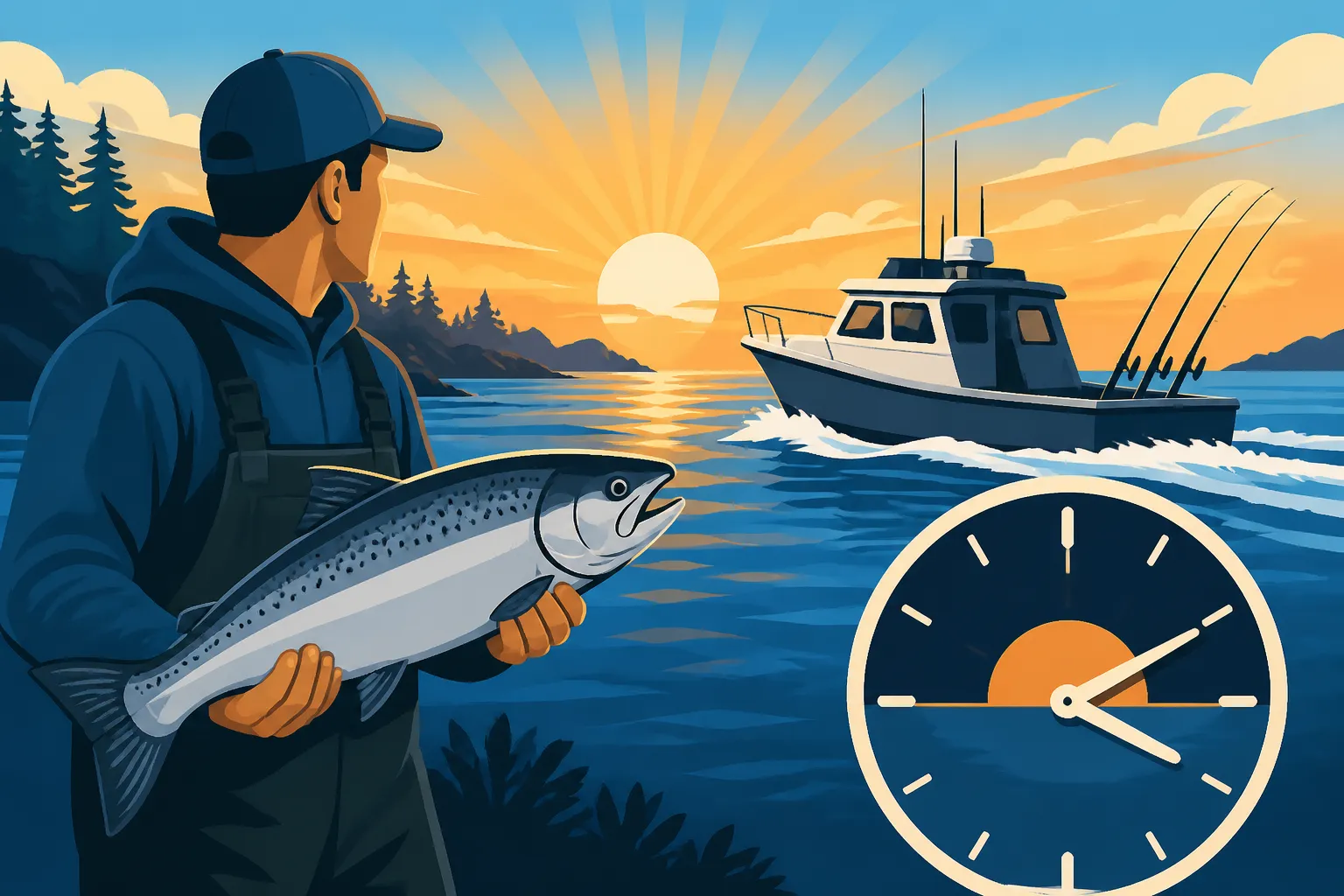
For many Oregon salmon charters, especially those targeting Chinook and Coho salmon, an early morning departure is practically tradition. We're talking about hitting the water well before sunrise, often between 4:00 AM and 6:00 AM. There's a good reason for this "dawn patrol" mentality. Salmon, like many fish, tend to be most active during periods of low light. As the sun begins to creep over the horizon, the changing light conditions can trigger feeding frenzies, making those first few hours of daylight incredibly productive.
Think about it from the salmon's perspective: it's a prime time to hunt baitfish under the cover of dim light. As an angler, getting your lines in the water during this crucial window means you're presenting your offerings when the fish are most likely to bite. Plus, hitting the water early often means you get to your chosen fishing grounds before other boats crowd the area, giving you a strategic advantage. It's a small sacrifice of sleep for potentially big rewards.
Variations by Season and Species
The "early bird" rule is strong, but there are nuances depending on the season and the specific salmon species you're chasing. For example, during the peak of the fall Chinook runs on the Columbia River (often associated with the famous Buoy 10 Fishing Guide area), captains are keenly aware of the tides. An outgoing tide, which helps carry salmon downriver and out to sea, is often a preferred fishing time, and charters will time their departures to coincide with the beginning of this tidal movement, which might shift daily.
Similarly, if you're targeting Coho (silver salmon) off the coast later in the summer or early fall, while early morning is still often key, a captain might adjust slightly based on recent bite patterns or marine forecasts. Some days, a bite might pick up mid-morning, or a specific tide might be more favorable. Reputable charters are constantly analyzing these factors to give you the best shot. Remember, the captain isn't just picking a time out of a hat; they're making an informed, strategic decision based on decades of experience and current conditions.
Factors Influencing Departure Times
So, we've established that early mornings are common, but let's dive deeper into why those specific times are chosen. It's a complex interplay of natural forces and logistical considerations that directly impacts your success on the water.
Tides and Bar Crossings: The Ocean's Schedule
When you're fishing the Oregon coast, particularly out of ports like Astoria, Newport, or Depoe Bay, the ocean's tides are arguably the most critical factor in determining departure times. This isn't just about fish behavior; it's about safety and accessibility. Many of Oregon's coastal rivers and bays have bars – shifting sandbars at the mouth of the estuary where ocean swells meet outgoing river currents. These bar crossings can be treacherous, especially on an ebb tide with opposing swells.
Captains prioritize safety above all else. They will often schedule departures to coincide with slack tide or an incoming tide when the bar conditions are calmer and safer to navigate. This means your departure could be at 5 AM one day and 7 AM the next, purely dictated by the tidal swing. An experienced captain will consult tide charts and current bar conditions (often communicated by the Coast Guard) before making the final call. Trying to force a departure against adverse bar conditions is reckless, and a good captain won't do it, even if it means altering the planned fishing time slightly. It's a crucial aspect of Oregon Ocean Charter Fishing.
Species Behavior and Feeding Windows
Different salmon species, and even different runs of the same species, can have preferred feeding times. Spring Chinook, for instance, are often caught in river systems like the Willamette and Columbia during specific tidal flows or during the first light of day. Fall Chinook returning to the Columbia might be more aggressive during certain parts of the tidal cycle. Coho salmon, while also often active in low light, can sometimes school up and feed aggressively later in the morning or early afternoon, depending on baitfish concentrations.
A seasoned charter captain knows these patterns intimately. They're trying to put you on the fish when they're most likely to bite. If a particular baitfish, like anchovies or herring, is prevalent in the area, the salmon might be active when those baitfish are most vulnerable, which often aligns with early morning light or specific tidal currents. They're essentially trying to predict when the salmon's breakfast, lunch, or dinner bell will ring, and then they're taking you there.
Weather and Sea Conditions
While not a direct determinant of scheduled departure, weather conditions play a huge role in actual departure and potential delays or cancellations. A charter might be scheduled for 6 AM, but if a strong wind advisory comes out, or if seas are forecast to be dangerously rough, a responsible captain will postpone or cancel the trip. Safety is paramount, especially on the open ocean.
Captains monitor marine forecasts closely, looking at wave height, wind speed, and visibility. They'll also consider how comfortable their passengers will be. Nobody wants to be miserably seasick for an entire trip. You can learn more about this through articles like Are Oregon fishing charters cancelled for rough weather?. Sometimes, a delayed departure by an hour or two might mean riding out the worst of a morning chop, leading to a much more pleasant and productive fishing experience. Always be prepared for the captain to make a last-minute call based on safety and comfort.
Location-Specific Considerations
Oregon is a vast state with diverse fishing grounds, and departure times can vary significantly between coastal ocean charters and inland river trips.
- Coastal Ocean Charters: For trips out of Newport, Depoe Bay, or Garibaldi, targeting salmon in the ocean, tides and bar conditions are the primary drivers. Early departures are standard to get to offshore fishing grounds, which can take an hour or more of travel time.
- River and Bay Charters: For salmon fishing on the lower Columbia River or in estuaries like Tillamook Bay, departure times are still often early to capitalize on low light and tidal influences. However, the exact timing might be less about bar crossings and more about specific current speeds or preferred fishing holes within the river system. For instance, a trip specifically targeting spring Chinook on the Willamette River Fishing Guide might still depart early, but the "bar crossing" concern isn't a factor.
| Factor | Typical Impact on Departure Time |
|---|---|
| Tidal Movement | Often dictates departure for ocean bar crossings; slack tide or incoming favored for safety. Also influences river/bay fish activity. |
| Sunrise/Low Light | Salmon (especially Chinook) are highly active during dawn and dusk. Most charters aim to be on the water at or before first light. |
| Target Species | Different salmon species may have slightly varied peak activity times, though early morning is generally good. |
| Season | Summer/Fall salmon runs often coincide with strong tidal patterns, influencing timing. |
| Weather/Sea Conditions | Can cause delays or cancellations for safety and comfort, overriding planned departure times. |
| Fishing Location | Ocean charters heavily influenced by tides and bar. River charters still often early, but less focused on ocean bar safety. |
How to Confirm Your Charter's Departure
Once you've booked your Oregon salmon charter, knowing how and when to confirm your departure time is essential. Clear communication with your captain or charter service is key to avoiding confusion and ensuring you're ready to go when the time comes.
Direct Communication with Your Captain
The most reliable way to confirm your departure time is directly with your charter captain. Most captains will reach out to you a day or two before your scheduled trip. This contact is crucial, as it allows them to provide the most up-to-date information, factoring in the latest weather forecasts, tidal predictions, and any unexpected changes. Don't be shy about asking questions when they call! It's your trip, and they want you to be informed.
This conversation is also a great opportunity to ask about what to bring, current fishing conditions, and any special instructions. If you haven't heard from your captain by the day before your trip, it's a good idea to reach out to them. They might be busy on the water, but they'll appreciate you taking the initiative. Platforms like FishingBooker often provide captain contact details directly after booking, making this communication seamless.
Online Booking Platforms and Websites
Many Oregon fishing charters list their available trips and typical departure times on their own websites or through online booking platforms. When you're browsing for a charter, you'll often see "AM trip" or a specific time window. While these provide a good initial estimate, remember that the final, confirmed departure time will come directly from the captain.
Booking sites, like FishingBooker, are fantastic resources for comparing different charters, checking their general schedules, and getting an idea of what's available. They streamline the booking process and often include reviews from other anglers, giving you insights into a captain's communication style and reliability. However, always view the time listed on a website as a provisional time until confirmed by the captain. This is particularly important for ocean trips where conditions can change rapidly. For example, if you're looking for Newport Oregon Fishing Charters, you'll find a range of options and initial schedules online.
Pre-Trip Briefings and Meeting Points
Most charters will provide you with a meeting point and instructions for arrival. This might be at a specific marina slip, a public boat ramp, or even a designated parking area near the dock. Pay close attention to these details. Arriving early (15-30 minutes before the confirmed departure time) is always a good idea. This gives you time to park, use the restroom, organize your gear, and meet your captain and deckhand without feeling rushed.
The captain will typically conduct a brief safety talk and outline the plan for the day before you cast off. This is another opportunity to ask any last-minute questions. Being punctual shows respect for the captain's schedule and ensures that the entire group can get out on the water and start fishing as planned, maximizing your time on the water.
Pre-Departure Checklist and Expectations
You've got your departure time confirmed, now what? A little preparation can go a long way in making your salmon charter experience comfortable and successful. It’s not just about showing up on time; it’s about showing up ready.
What to Bring and Wear
Oregon weather is famously unpredictable, especially along the coast. Even if it's sunny at the dock, it can be cold and wet on the open water. Layers are your best friend!
- Warm, Waterproof Clothing: This is non-negotiable. Bring a waterproof jacket and pants, even if the forecast looks clear. Fleece or wool layers underneath are crucial.
- Non-Slip Footwear: The deck of a boat can get wet and slippery. Boots or shoes with good grip are essential for safety.
- Hat and Gloves: Especially for those early morning departures, a warm hat and waterproof gloves will make a huge difference in your comfort.
- Food and Drinks: Most charters don't provide meals. Pack snacks, a sandwich, and plenty of water or other non-alcoholic beverages.
- Cooler: Bring a cooler with ice to take your catch home. Some charters have onboard fish boxes, but having your own ensures your fish stay fresh for the ride home.
- Sun Protection: Even on cloudy days, UV rays can be strong on the water. Bring sunscreen, sunglasses, and a wide-brimmed hat.
- Motion Sickness Medication: If you're prone to seasickness, take medication before you board the boat. Don't wait until you start feeling queasy. You can find tips for this in Best seasickness medicine for an ocean fishing charter.
- Fishing License and Tags: Crucially, remember your valid Oregon fishing license and any required tags (like the Oregon Combined Angling Tag Guide or salmon/steelhead tags). The captain cannot provide these, and you cannot fish without them.
Equipment and Amenities Provided by the Charter
Most reputable salmon charters are all-inclusive regarding fishing gear. They will provide high-quality rods, reels, tackle, and bait. Don't worry about bringing your own expensive salmon gear unless you specifically prefer to use it and have cleared it with the captain.
You can expect:
- Rods and Reels: Properly spooled and rigged for salmon fishing.
- Bait and Lures: Often fresh herring, anchovies, or effective lures for the conditions.
- Safety Equipment: Life jackets (including child sizes), first aid kits, emergency communication devices, and other required safety gear are onboard.
- Fish Cleaning: Many charters offer basic fish cleaning and filleting services at the end of the trip, or they can direct you to a local processor. It's a great question to ask the captain beforehand if you're wondering Does the charter clean and fillet your fish?.
- Restrooms: Most larger charter boats will have a marine head (restroom), but it's usually basic, so plan accordingly.
What to Expect During the Trip
Once you've departed, the adventure truly begins! Expect a journey to the fishing grounds, which could take anywhere from 30 minutes to over an hour, depending on the location and where the fish are biting. During this time, the deckhand or captain will often provide additional instructions on how to use the gear, explain the fishing techniques they'll be employing, and answer any questions you have.
Salmon fishing often involves trolling, where the boat moves slowly, pulling multiple lines with bait or lures. It's a patient game, but when a rod goes off, the excitement is instant! Listen to your captain and crew; they are there to help you land your fish safely and efficiently. Remember to respect daily bag limits and size restrictions, as detailed in the Oregon Fishing Regulations Explained and Oregon Daily Bag Limits Explained. These rules are strictly enforced for conservation.
Enjoy the scenery, the fresh air, and the thrill of the chase. Even on slower fishing days, being out on the Pacific Ocean or a beautiful Oregon river is an experience in itself.
Conclusion: Plan Ahead for a Great Salmon Fishing Trip
The question of "what time do Oregon salmon charters usually depart" opens up a whole world of planning and preparation. While early mornings are a common theme, remember that the precise timing is a calculated decision by experienced captains, driven by tides, weather, fish behavior, and safety considerations. Your best bet is always direct communication with your charter captain a day or two before your trip. Show up on time, dressed appropriately, and with your license in hand, and you'll be set for an unforgettable Oregon salmon fishing adventure. Tight lines!
Disclaimer
This article is for general informational purposes only and does not constitute professional advice. Laws, prices and regulations vary by location and change over time. Consult a qualified professional for guidance on your specific situation.