Is a wading trip or drift boat trip better for beginners?
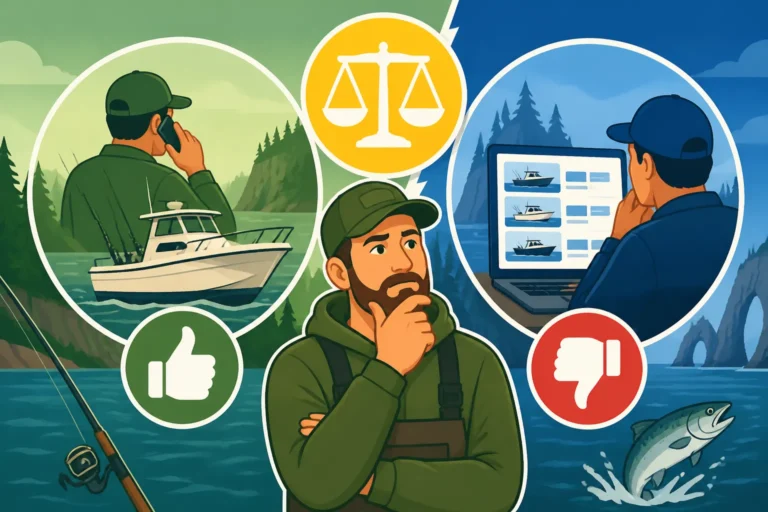
Deciding on your first guided fishing trip in Oregon can feel like trying to read a river without a map, especially when you're faced with choices like a wading trip versus a drift boat trip. Many aspiring anglers, and even some seasoned ones new to a specific fishery, get bogged down wondering which option will offer the best experience, the most comfort, or the quickest path to success. This guide aims to demystify these two popular Oregon fishing trip styles, helping you understand their nuances so you can confidently choose the perfect adventure for your skill level and preferences.
Understanding Wading Fishing Trips in Oregon
Wading fishing is perhaps the most intimate way to connect with a river, putting you right in the water, feeling the currents and the riverbed beneath your feet. It's often romanticized in fishing literature, and for good reason—there's something incredibly primal and fulfilling about standing in the flow, casting to a specific seam or riffle.
What Exactly is Wading Fishing?
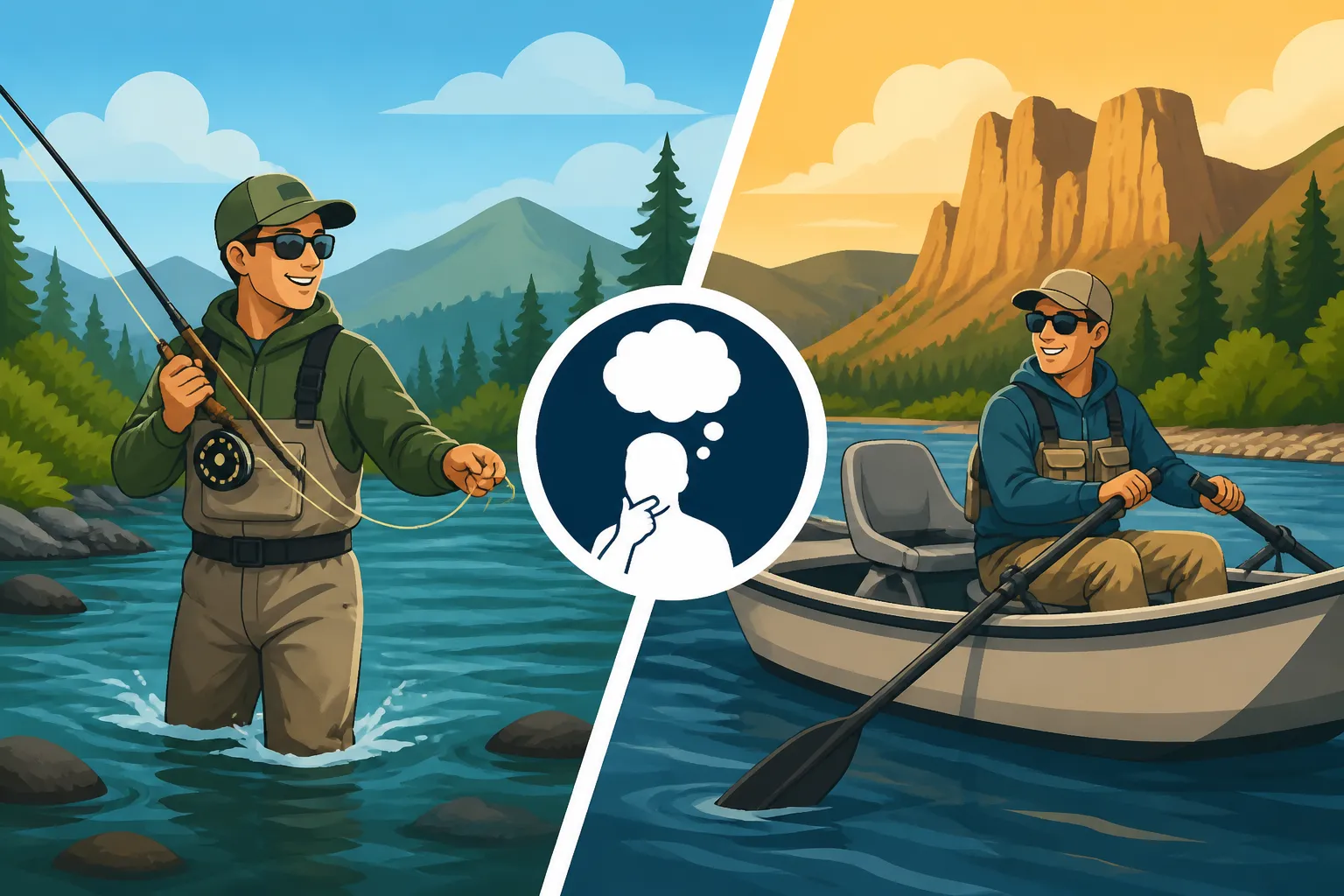
When you sign up for a guided wading trip in Oregon, you're essentially preparing to walk into the river itself. Your guide will drive you to various access points along a river, such as the Deschutes or McKenzie, where you'll gear up with waders and wading boots. From there, you'll physically walk into the river, often navigating uneven rocky bottoms and varying currents, to reach prime fishing spots. The guide will teach you how to read the water, position yourself correctly, and execute casts. You'll move from spot to spot on foot, sometimes covering significant distances along the bank or directly through shallow sections of the river. It's a very hands-on experience, often focused on smaller, more precise presentations, especially with fly fishing. It gives you a true sense of place, allowing you to observe the river's ecosystem up close.
Pros of Wading for Beginners
For many, wading offers an incredible entry point into guided fishing, especially if you're looking for a deep connection with nature. Firstly, it's often more accessible from a cost perspective. Generally, wading trips can be a bit more budget-friendly than drift boat trips, as they don't involve the overhead of a specialized boat, trailer, and the fuel required for covering long distances on the water. This can be a huge relief if you're dipping your toes into guided trips for the first time and aren't ready to commit to a larger expense.
Secondly, wading fosters a profound connection to the environment. You're not just observing the river from a boat; you are in it. Feeling the water flow around you, hearing the subtle sounds, and noticing the insects buzzing by gives you an immersive experience that's hard to replicate. This sensory immersion can be incredibly rewarding, helping you appreciate the subtle nuances of the river and its inhabitants. It's an excellent way to learn about river hydrology and fish habitat firsthand.
Finally, wading trips can be fantastic for learning specific casting techniques and fish behavior in different water types. Because you're often targeting specific lies or pockets from a stationary position, your guide can focus intensely on your casting mechanics, mending lines, and presenting flies or lures with precision. This can accelerate your learning curve significantly, building fundamental skills that will serve you well in all your future fishing endeavors. The personalized, focused instruction you get while standing shoulder-to-shoulder with your guide in the river is invaluable.
Cons of Wading for Beginners
Despite its charm, wading fishing isn't without its challenges, especially for beginners. The most significant hurdle is the physical demand. You'll be walking, often on slippery, uneven riverbeds, against currents, and potentially up and down banks. This requires a certain level of physical fitness, balance, and stamina. If you have mobility issues or aren't comfortable with strenuous activity, a wading trip could quickly become exhausting rather than enjoyable. It's not just about the fishing; it's also about navigating the environment.
Another drawback is the limited access to certain fishing spots. While wading allows you to get into specific areas, it restricts you to what's reachable by foot. Many prime runs, deep pools, or far banks might be inaccessible if the water is too deep, too fast, or if there are no safe wading paths. This means your guide might not be able to put you on fish as easily or as consistently as they could from a boat, particularly on larger rivers or during high water events. Sometimes, the best fish are simply out of reach.
Lastly, comfort and safety can be concerns. Even with proper waders, you can get cold quickly in Oregon's often chilly rivers, especially during cooler months. Falling is also a real risk on slick rocks, which can lead to scrapes, bruises, or even a dunking in cold water. While guides prioritize safety, the inherent nature of wading means you're more exposed to the elements and potential physical hazards. It's important to be aware of these aspects and communicate any concerns you have with your guide before embarking on a trip.
Exploring Drift Boat Fishing Trips in Oregon
Stepping into a drift boat for a guided trip is a completely different ballgame. It's an iconic image of Pacific Northwest angling, drifting silently down a river, the guide expertly maneuvering the boat while you cast from a comfortable seat.
The Drift Boat Experience
A drift boat trip involves a specialized, flat-bottomed boat designed to navigate rivers efficiently, typically propelled by oars. Your guide will row you down a stretch of river, positioning the boat strategically so you can cast to prime holding water. Unlike wading, you remain in the boat for the majority of the trip, casting from a stable platform. The guide handles all the navigation, ensuring your safety and putting you in the best possible position to present your flies or lures. This means you can cover many miles of river in a single day, accessing spots that would be impossible to reach on foot. On a drift boat, you might encounter various fish species depending on the river and season, from Oregon Salmon Species Guide to Oregon Steelhead Guide and different types of trout. The focus is often on continuous casting and covering water, with the guide providing instruction and netting fish. This style of fishing is very popular on rivers like the Deschutes, Rogue, and Willamette.
Pros of Drift Boat Fishing for Beginners
For many beginners, a drift boat trip offers a superior experience due to a combination of comfort, safety, and increased opportunities. First and foremost, comfort is a huge advantage. You're seated, typically in a swivel seat, with gear readily accessible. This means less physical exertion compared to wading, making it suitable for almost all fitness levels. You stay drier and warmer, which is a major plus during a long day on the water, especially during cooler seasons or in less-than-ideal weather. This increased comfort allows you to focus more on the fishing itself and less on battling the elements or the riverbed.
Safety is another significant benefit. Your guide is an expert at navigating the river's currents, rapids, and obstacles. They know the safe channels and how to handle unexpected situations, greatly reducing the risk of falls or other mishaps. Being in a boat also keeps you out of potentially dangerous currents and off slippery rocks. This peace of mind allows beginners to relax and enjoy the learning process without constant worry about footing or getting swept away.
Perhaps the biggest advantage for beginners is the expertise and efficiency a guide can provide from a drift boat. The guide can put you directly on fish, maneuvering the boat to hit prime seams, eddies, and riffles that are difficult or impossible to reach from the bank. This dramatically increases your chances of success, which is a huge confidence booster for a first-timer. The guide can also help untangle lines, re-tie knots, and quickly change flies or lures, maximizing your fishing time. They essentially "drive" you to the fish, allowing you to focus purely on casting and retrieving. Furthermore, a drift boat allows you to explore vast sections of river, covering miles that would take days on foot, thereby broadening your understanding of the river's ecosystem and diverse fishing opportunities. To find a reputable guide, you might explore services on platforms like FishingBooker, which lists many experienced Oregon fishing guides.
Cons of Drift Boat Fishing for Beginners
While offering many advantages, drift boat trips do come with a few considerations for beginners. The most obvious is the cost. Drift boat trips are generally more expensive than wading trips. The specialized boat, trailer, insurance, fuel, and the guide's extensive experience and equipment all contribute to a higher price point. If you're on a tight budget, this could be a deciding factor. However, many find the investment well worth it for the enhanced experience and increased chances of success.
Another point to consider is that the experience can sometimes feel less "hands-on" in terms of river interaction. Because the guide is doing all the rowing and navigating, you're not physically experiencing the river's currents and terrain in the same way you would while wading. While you're still casting and reeling, some beginners might feel a slight disconnect from the raw, immersive feel that wading provides. It's a trade-off between comfort and direct interaction with the river environment.
Finally, while often a pro, the social dynamic in a drift boat can be a con for some. You're typically sharing a relatively small space with your guide, and sometimes another angler. If you prefer solitude or are shy, this constant proximity might feel a bit intense for a full day. However, a good guide will be adept at making everyone feel comfortable and tailoring the conversation and instruction to your preference. FishingBooker provides options to search for private trips if this is a concern for you.
Making the Right Choice: Wading vs. Drift Boat for Your First Trip
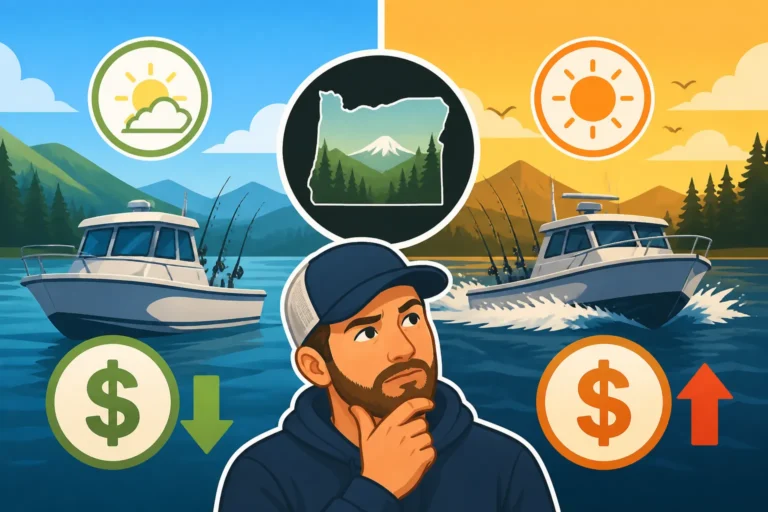
So, you've considered the pros and cons of each, but how do you truly decide which is best for you? It boils down to your personal priorities and what you hope to get out of your first guided Oregon fishing trip.
Factors to Consider
When weighing your options, think about these key factors:
- Physical Fitness and Mobility: This is perhaps the most critical consideration. If you're physically active, have good balance, and enjoy hiking, wading could be a great fit. If you have any physical limitations, balance issues, or simply prefer a less strenuous day, a drift boat is almost certainly the better choice. No one wants to spend their fishing trip feeling exhausted or in pain.
- Budget: As mentioned, wading trips are often more affordable. If cost is your primary concern, and you're physically able, a wading trip could be a good starting point. However, remember to factor in the value of comfort, increased opportunity, and safety that a drift boat often provides.
- Desired Learning Experience: Do you want to master specific casting techniques and river reading skills by being immersed in the water? A wading trip offers intense, focused instruction on these fundamentals. Or do you want to learn how to fish a wide variety of water, cover more ground, and increase your chances of hooking up, with less emphasis on the physical aspects of river navigation? A drift boat excels here.
- Target Species and Season: The type of fish you're targeting and the time of year can also influence the best choice. For instance, specific trout species in smaller, shallow streams might be ideal for wading, while larger rivers during Oregon Salmon Fishing Techniques seasons often lend themselves better to drift boat tactics to cover more water. During cold Oregon Winter Fishing Options, staying dry and warm in a boat is a huge plus.
- Preferred Experience: Are you seeking a quiet, meditative experience where you truly feel the river underfoot? Or do you prefer a dynamic, constantly changing environment where you're always moving and covering new water? Reflect on what kind of outdoor adventure truly excites you.
Scenario-Based Recommendations
Let's look at a few hypothetical scenarios to help solidify your decision:
- Scenario 1: The Active Adventurer: You're in good physical shape, love hiking, and want to truly immerse yourself in the river environment. You're keen on learning the nuances of fly casting and reading subtle currents. A wading trip on a smaller Oregon river known for trout, like the Crooked River or parts of the Deschutes, would be perfect. You'll get incredible hands-on instruction and a deep connection to the natural world.
- Scenario 2: The Comfortable Conqueror: You want to catch fish and enjoy a relaxing day without too much physical exertion. You might be a bit older, have some mobility concerns, or just prefer to stay dry and warm. A drift boat trip on a river like the Willamette River Fishing Guide for spring Chinook or the Rogue River Fishing Guide for steelhead would be ideal. Your guide will do the hard work, putting you on fish comfortably and safely. This is often the best choice if you're traveling with family or want to introduce someone less physically inclined to the joys of fishing.
- Scenario 3: The Focused Learner (Fly Fishing Specific): You're absolutely committed to learning the art of fly fishing and want intense, personalized instruction on casting, presentation, and entomology. You don't mind getting wet or working a bit harder. A wading trip, especially one tailored as a How to Fly Fish in Oregon lesson, is probably your best bet. You'll spend more time in one spot, refining your technique.
- Scenario 4: The Sightseer & Angler: You want to see as much of Oregon's beautiful riverscapes as possible, while also having a high chance of catching fish. You appreciate covering a lot of ground and having a knowledgeable guide point out wildlife and scenery. A drift boat trip will allow you to float through stunning canyons and diverse habitats, experiencing many different runs and pools in a single day.
Here's a quick comparison table to help you visualize the differences:
| Feature | Wading Trip (Beginner Focus) | Drift Boat Trip (Beginner Focus) |
|---|---|---|
| Physical Effort | Moderate to High (walking, balancing on uneven riverbeds) | Low (seated, guide rows) |
| Cost | Generally Lower | Generally Higher |
| Comfort | Lower (can get cold/wet, less stable footing) | Higher (seated, drier, more stable platform) |
| Access | Limited to walkable areas; intimate access to specific spots | Covers many miles of river; accesses difficult-to-reach spots |
| Learning Focus | Intense focus on casting, river reading, specific presentations | Broader experience of river sections, higher chance of hooking fish |
| Safety | Higher personal risk of falls; guide assists with navigation | Guide manages all navigation; higher overall safety in rapids |
| River Connection | Very High (you are in the water, feeling the currents) | High (close to the water, but observing from a stable platform) |
| Ideal For | Active, budget-conscious learners, focused on specific skills | Less active, seeking comfort and higher catch potential, covering ground |
Preparing for Your First Oregon Fishing Adventure
No matter which type of trip you choose, a little preparation goes a long way to ensure a fantastic day on the water.
Essential Gear and Clothing
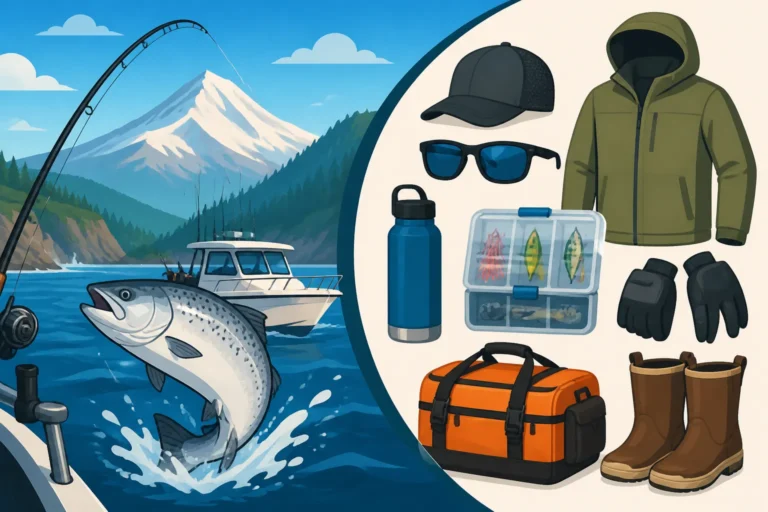
Your guide will provide most of the specialized fishing gear like rods, reels, and tackle, but personal comfort items are your responsibility. For both trips, layering is key in Oregon's unpredictable weather. Start with moisture-wicking base layers, add a fleece or wool mid-layer, and finish with a waterproof and windproof outer shell. Even on sunny days, pack rain gear—the weather can change rapidly.
If you're wading, proper waders and wading boots are critical. Your guide might have loaners, but clarify this beforehand. Good quality waders will keep you dry and warm, while felt-soled or studded wading boots provide essential traction on slippery rocks. Always wear wool socks to prevent blisters and add warmth. For a drift boat trip, while waders aren't strictly necessary for staying dry from the river itself, they can still be a good idea for comfort and warmth, especially if you anticipate getting out of the boat briefly. A hat, sunglasses (polarized are a huge advantage for spotting fish and protecting your eyes), and sunscreen are also crucial. Don't forget snacks, water, and any personal medications. Many guides will provide lunch, but always confirm this beforehand. For more on what to bring, check out a resource like Oregon Fishing Techniques for Beginners.
Communicating with Your Guide
This is perhaps the most important tip for a successful trip, regardless of whether you choose wading or a drift boat. Before your trip, have an open conversation with your guide about your experience level, physical limitations, and what you hope to achieve. Are you hoping to catch a specific species like Chinook Salmon in Oregon or just learn the ropes? Do you have a specific goal, like improving your cast? The more information you provide, the better your guide can tailor the day to your needs and ensure you have a truly memorable experience.
Don't be shy about asking questions, whether it's about the fish, the river, or the techniques being used. Guides are a wealth of knowledge and are there to teach you. They've seen it all, from novice anglers to seasoned veterans, and their primary goal is to make your day enjoyable and productive. Companies listed on sites like FishingBooker often have guides with detailed bios where you can get a feel for their approach. Always confirm details like meeting times, locations, and what's included in the trip. Remember, an informed angler is a happy angler!
Ultimately, both wading and drift boat trips offer fantastic ways to experience Oregon's incredible fishing. By understanding the unique aspects of each, and by honestly assessing your own preferences and abilities, you can make an informed decision that sets you up for an unforgettable adventure on the water.
Disclaimer
This article is for general informational purposes only and does not constitute professional advice. Laws, prices and regulations vary by location and change over time. Consult a qualified professional for guidance on your specific situation.