Best charter for winter steelhead on the Rogue
If you've set your sights on landing a winter steelhead on the legendary Rogue River, you're not just looking for a fishing trip; you're embarking on an adventure that demands skill, patience, and often, the keen eye of an experienced guide. Navigating the Rogue's winter currents and finicky fish can be a real challenge, and finding the right charter or guide is paramount to transforming a hopeful outing into a memorable success. This guide will help you understand what makes a guide truly excellent for winter steelhead on the Rogue, and how to choose one that fits your angling aspirations.
The Allure and Challenge of Winter Steelhead on the Rogue River
The Rogue River, snaking through diverse landscapes from the Cascades to the Pacific Ocean, is iconic in the angling world. But when the temperatures drop and the winter steelhead run begins, it transforms into a proving ground for dedicated anglers. It’s a pursuit that calls for a different kind of dedication than summer salmon fishing, for example, and that’s precisely why it holds such a special place in the hearts of those who chase these elusive fish.
Why the Rogue River for Winter Steelhead?
The Rogue River is more than just a waterway; it's a living legend in Oregon fishing lore. Its reputation for strong, wild-strain winter steelhead draws anglers from far and wide. The river offers a spectacular backdrop, from rugged canyons to more open, accessible stretches. The sheer beauty of the river in winter, often cloaked in mist or reflecting a crisp blue sky, adds an undeniable magic to the quest. Unlike some rivers that get hammered by fishing pressure, certain sections of the Rogue retain a wild, untamed feel, offering a truly immersive experience.
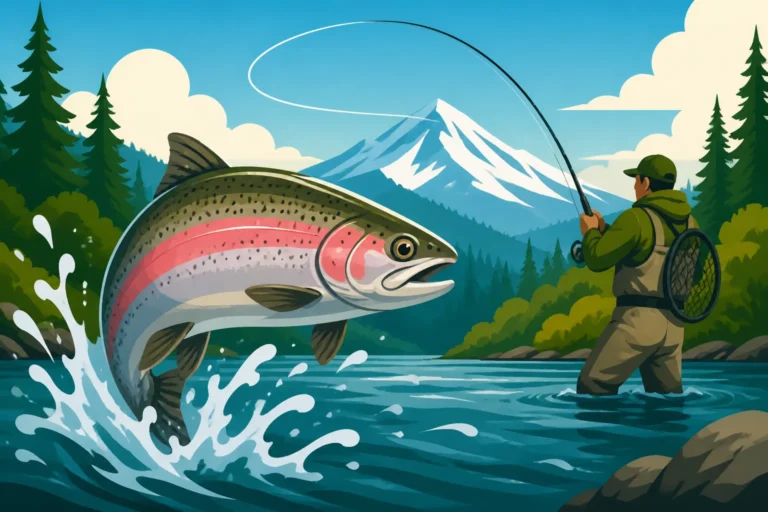
Beyond the scenery, the fish themselves are a major draw. These are powerful, ocean-going rainbow trout, often larger and more aggressive than their summer counterparts. Their journey upstream is a testament to their incredible strength and resilience. When you hook a Rogue River winter steelhead, you know you’re in for a fight that will test your tackle and your technique. The challenge lies in their sparse numbers compared to other species, their preference for specific water conditions, and their often subtle takes on a bait or fly. It's not about quantity; it's about the quality of the fish and the experience.
Understanding the Winter Steelhead Quest
Let's be real: winter steelhead fishing is not always easy. It's often cold, wet, and sometimes slow. You might spend hours without a bite, and then, in an instant, your rod buckles with a fish that feels like a freight train. This isn't a "guaranteed limits" kind of fishery. Instead, it's about the hunt, the pristine river environment, and the incredible reward of finally connecting with one of these magnificent fish.
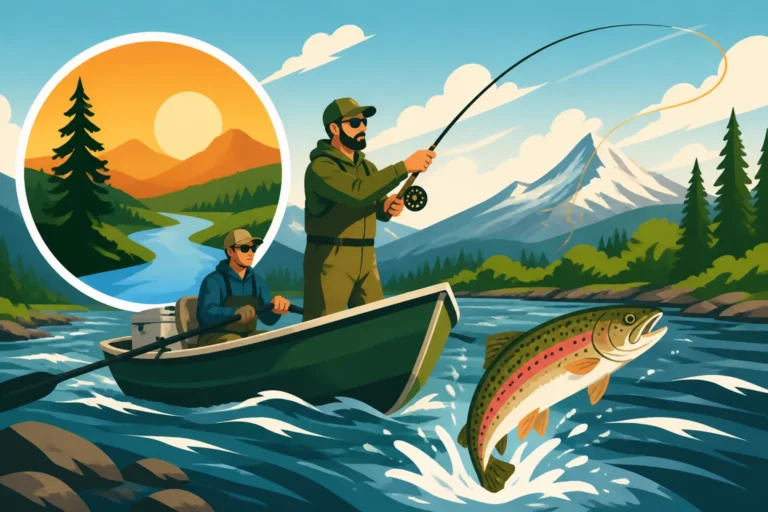
Winter steelhead primarily enter the Rogue from December through March, with peak runs varying depending on water conditions, rainfall, and specific river sections. They tend to be spread out, holding in deeper pools, behind structure, or in slower seams where they can conserve energy. This means your guide needs to know the river intimately – not just where the fish should be, but where they are right now, based on current conditions. Techniques often involve drift fishing with bait or jigs, pulling plugs from a drift boat, or, for the dedicated fly angler, nymphing or swinging flies in colder water. Each method requires precision, patience, and a deep understanding of the river's moods. It’s a true angler's game, and that’s what makes success so incredibly satisfying.
Essential Qualities of a Top Rogue River Winter Steelhead Guide
When you're out on the water, battling the elements and chasing a fish as elusive as a winter steelhead, your guide isn't just someone driving the boat. They are your navigator, your teacher, your safety net, and sometimes, your therapist when the bites are few and far between. Choosing the right one is crucial.
Experience and Local Knowledge
This is perhaps the single most important factor. A guide who has spent countless seasons on the Rogue, specifically chasing winter steelhead, possesses an almost intuitive understanding of the river. They know how different water levels, temperatures, and clarity impact fish behavior. They'll have a mental map of every rock, seam, and eddy that might hold a fish.
Imagine a scenario: A heavy rainstorm pushes the river up and turns it a muddy brown. An inexperienced guide might scratch their head, unsure where to go. A seasoned Rogue veteran, however, knows that certain tributaries might be clearer, or that steelhead will push into specific side channels or slower pockets to escape the main current. They understand the nuances of the run, knowing when the early "half-pounders" are present versus the larger, later-arriving adults. They've seen it all, from brutal cold snaps to surprising warm spells, and they know how to adapt their strategies to put you in the best possible position for a hook-up. Their knowledge of Rogue River Fishing Guide specifics, including lesser-known access points and productive drifts, is invaluable.
Safety First and Equipment Quality
Winter conditions on the Rogue can be challenging, even dangerous, if not respected. A top-tier guide prioritizes your safety above all else. This means having a well-maintained drift boat or jet boat that is appropriate for the river's conditions, equipped with all necessary safety gear like life jackets, first-aid kits, and communication devices.
Beyond safety, the quality of their fishing equipment makes a huge difference. You don't want to be fishing with worn-out reels, frayed lines, or dull hooks, especially when a powerful winter steelhead might be your only shot of the day. A professional guide provides high-quality rods, reels, and terminal tackle that are meticulously maintained. They should have a variety of setups ready for different techniques – whether you're drift fishing, pulling plugs, or nymphing. This means they are ready for any situation the river throws at you, ensuring that when that precious bite happens, you have the best chance to land the fish. Their boat should also be set up for comfort, perhaps with a small heater or at least thoughtful seating arrangements to make long days on cold water more tolerable. Remember, Do fishing guides in Oregon provide the boat?: yes, a good one will provide excellent, well-maintained equipment.
Teaching and Communication Style
Some anglers are seasoned veterans, others are complete novices, and many fall somewhere in between. A great guide understands this and adapts their teaching and communication style accordingly. They aren't just there to put you on fish; they're there to enhance your skills and your enjoyment.
A patient guide will explain why they're using a particular technique, how to read the water, and how to detect a subtle take. They’ll offer constructive feedback without making you feel inadequate. They celebrate successes and offer encouragement during slower periods. If you're new to winter steelhead fishing or specific techniques like side-drifting, a guide who enjoys teaching will make all the difference. They should be clear about what to expect, from the fishing conditions to the daily itinerary, ensuring you're comfortable and informed throughout your trip. For those interested in Oregon Fishing Techniques for Beginners, a good guide acts as an invaluable, real-time instructor.
Reputation and Client Testimonials
In the world of fishing guides, reputation is everything. A guide with a stellar reputation usually earns it through consistent performance, excellent client service, and a deep passion for their craft. How do you check this?
- Online Reviews: Look for consistent positive reviews on platforms like Google, Facebook, or specialized fishing charter sites. Pay attention to comments about the guide's demeanor, their knowledge, safety practices, and how they handled the fishing experience, not just the catch. This is where platforms like FishingBooker can be very helpful, as they often aggregate reviews from past clients.
- Word of Mouth: Talk to other anglers who have fished the Rogue in winter. Personal recommendations are often the most reliable. Ask specific questions about their experience.
- Forums and Social Media: Fishing-specific forums or local angling groups on social media can be great places to ask for recommendations and hear unbiased opinions about guides.
- Professional Affiliations: Some guides are affiliated with reputable guiding associations or have certifications that speak to their professionalism and commitment.
Be wary of guides with sparse or consistently negative reviews. While one bad review might be an anomaly, a pattern can be a red flag. A reputable guide will have a track record of happy clients, even if not every trip results in a boatload of fish (which is normal for steelhead!). Check for reviews that mention the guide's specific expertise in Oregon Steelhead Guide trips on the Rogue.
Finding and Booking Your Ideal Winter Steelhead Charter
Now that you know what to look for, how do you actually go about finding and securing that perfect Rogue River winter steelhead charter? It involves a bit of research and asking the right questions.
Researching Reputable Guides
Start your search early, especially if you plan to fish during prime winter windows. Many top guides book up months in advance.
- Online Search: A simple Google search for "Rogue River winter steelhead guide" will give you a list of local operators. Explore their websites, looking for information about their experience, specific focus on winter steelhead, and testimonials.
- Fishing Charter Marketplaces: Websites like FishingBooker are excellent resources. They allow you to browse multiple guides in the Rogue River area, compare their offerings, read reviews, and often book directly. They provide a standardized way to view guide profiles, making comparison easier. You can often filter by target species (steelhead) and location (Rogue River).
- Local Tackle Shops: If you're in the area or can call, local fly shops and tackle stores in towns like Grants Pass, Merlin, or Gold Beach are goldmines of information. They often know the guides personally and can give you an honest assessment of who's hot and who's not for current conditions.
- Referrals: As mentioned, asking other anglers for their recommendations can lead you to a fantastic, less-advertised guide who consistently produces.
When browsing, pay close attention to guides who specifically highlight their expertise in winter steelhead fishing on the Rogue, rather than just general "fishing trips." This specialization often indicates a deeper understanding and passion for this particular pursuit.
Key Questions to Ask Before Booking
Once you've narrowed down a few potential guides, it's time to pick up the phone or send an email. Don't be shy about asking detailed questions – a good guide will appreciate your thoroughness.
- "What sections of the Rogue do you typically fish for winter steelhead, and why?" This helps gauge their knowledge and whether their approach aligns with your expectations. Some guides might focus on the lower river, others the middle or upper sections.
- "What techniques do you primarily use for winter steelhead, and do you accommodate different skill levels?" This ensures they can cater to your experience, whether you prefer conventional gear, fly fishing, or want to learn a new method.
- "What is included in the trip price (e.g., tackle, bait, snacks, fish cleaning)? What do I need to bring?" Clarify everything upfront to avoid surprises. Most reputable guides provide all necessary gear.
- "What are your policies for bad weather or low/high water conditions?" Winter fishing can be unpredictable. Understand their cancellation or rescheduling policy if conditions make fishing unsafe or unproductive.
- "Do I need to purchase an Oregon Fishing License Guide and any specific endorsements beforehand?" The answer is almost certainly yes, but confirm what you need, such as an Oregon Combined Angling Tag Guide if targeting salmon/steelhead. Make sure you understand the Oregon Fishing Regulations Explained for winter steelhead.
- "What is your typical group size?" Some guides prefer one or two anglers for a more personalized experience, which can be ideal for technical fishing like winter steelhead.
Being clear about your expectations and asking these questions will help ensure you and your guide are on the same page, leading to a much more enjoyable and successful trip.
Timing Your Trip for Success
While winter steelhead can be found from December through March, the "best" time can vary significantly year to year and even week to week.
- Early Winter (Dec-Jan): Often sees the first push of hatchery steelhead, sometimes smaller "half-pounders" (immature steelhead), and occasionally a few early wild fish. Water conditions can be more stable before heavy winter rains.
- Mid-Winter (Jan-Feb): Often considered the peak for strong wild steelhead runs. This is when you might encounter the largest fish. However, this period can also bring the coldest temperatures and highest, murkiest water levels.
- Late Winter/Early Spring (Mar): Still good for steelhead, with increasing numbers of fish moving into spawning mode, though wild fish may be off-limits or catch-and-release only. Weather can start to moderate.
A great guide will keep a close eye on river conditions and Winter Steelhead Run Timing in Oregon. They can advise you on the best windows to book, especially if you have some flexibility in your schedule. Sometimes, waiting for a weather window – a break in the heavy rains, or a warming trend – can dramatically improve your chances. Always consult with your chosen guide about the best time to fish based on current forecasts and river reports.
Preparing for Your Rogue River Winter Steelhead Adventure
Booking the right guide is a huge step, but your own preparation is equally important for a comfortable and productive trip. Winter steelhead fishing is not for the faint of heart, but with the right gear and mindset, it can be incredibly rewarding.
Gear and Clothing for the Elements
Comfort is key when you're spending hours on a cold, potentially wet river. Being unprepared for the elements can quickly turn an exciting trip into a miserable one.
- Layer, Layer, Layer: This is the golden rule for winter fishing in Oregon. Start with a moisture-wicking base layer (synthetics or wool, never cotton), add an insulating mid-layer (fleece or down), and finish with a waterproof and windproof outer shell (jacket and pants). You'll want to be able to add or remove layers as the day progresses.
- Waterproofs are Non-Negotiable: A high-quality rain jacket and rain pants are essential. Even if it’s not raining, you’ll encounter spray from the boat, wet bushes, and damp gear. You'll thank yourself for investing in good waterproofs.
- Warm Hat and Gloves: You lose a lot of body heat through your head. A warm, waterproof hat is crucial. For gloves, consider fingerless gloves for dexterity, or thin, waterproof gloves that still allow you to feel your line. Bring a couple of pairs in case one gets soaked.
- Warm, Waterproof Footwear: Insulated rubber boots are often the best choice for drift boat fishing, keeping your feet dry and warm. If you’re wading, good waders with warm socks are a must.
- Socks: Wool or synthetic socks are best. Bring an extra pair or two, just in case.
- Sunglasses: Polarized sunglasses are excellent for reducing glare and helping you spot fish or structure in the water.
- Sunscreen and Lip Balm: Even on cloudy winter days, UV exposure can be significant, especially with reflection off the water.
Your guide will likely provide fishing rods, reels, and tackle, but it's always a good idea to confirm. Many anglers choose to bring their own favorite fishing vest or small tackle bag with essentials, but check with the guide first. When asking What should I bring on an Oregon fishing charter, focus on personal comfort items.
Understanding Expectations and Etiquette
Going into any guided trip with realistic expectations will greatly enhance your experience.
- Catch Rates: Winter steelhead fishing on the Rogue can be tough. It’s a challenging fishery, and while a good guide will maximize your opportunities, limits are not guaranteed. Focus on the experience, the beauty of the river, and the thrill of the chase. Any fish landed is a bonus.
- Listen to Your Guide: Your guide is the expert on the water. They’ll tell you where to cast, how to mend your line, and how to set the hook. Listen carefully and follow their instructions, even if it's different from what you're used to.
- Communication: If you're cold, uncomfortable, or have questions, speak up! Your guide wants you to have a good time.
- Conservation: Many guides on the Rogue practice catch-and-release, especially for wild steelhead. Understand the rules for Oregon Catch-and-Release Rules and how to properly handle fish. Knowing How to tell a wild steelhead from a hatchery steelhead is also important for compliance.
- Tipping: Tipping your guide is customary and greatly appreciated if they’ve provided a good service. A common guideline is 15-20% of the trip cost. This is a topic that often brings questions, so review How much do you tip an Oregon fishing guide for more details.
Necessary Licenses and Endorsements
Before you even step into the boat, ensure you have all the required paperwork. Fishing without the proper license and tags in Oregon can result in significant fines and penalties, as detailed in Fishing Without a License Penalties in Oregon.
- Oregon Angling License: Every angler over a certain age needs a valid Oregon angling license. Non-residents will need to purchase a non-resident license. You can typically buy these online through the Oregon Department of Fish and Wildlife (ODFW) website or from authorized license vendors like sporting goods stores.
- Combined Angling Tag: For anyone targeting salmon, steelhead, or sturgeon, a Combined Angling Tag is required in addition to your angling license. This tag helps the ODFW monitor harvest and ensure sustainable fisheries. Make sure to purchase this if winter steelhead are your target.
- Other Endorsements: Depending on where specifically on the Rogue you'll be fishing and what other species might be encountered, you might need other endorsements (e.g., Columbia River Basin Endorsement if fishing certain tributaries that flow into the Columbia, though less common for strictly Rogue River trips). Always double-check with your guide or the ODFW regulations booklet.
- Catch Record Cards: Steelhead caught (or even kept, depending on regulations) often need to be recorded on a catch record card, which comes with your Combined Angling Tag. Your guide can help you understand these requirements and how to fill them out correctly.
Remember, Do you need your own license for a guided trip in Oregon? is a resounding yes! Your guide cannot provide your personal license. Make sure to purchase it well in advance and have it with you, either physically or digitally on your phone, as required.
By doing your homework, asking good questions, and preparing properly, you'll be well on your way to a fantastic and memorable winter steelhead adventure on the magnificent Rogue River.
Disclaimer
This article is for general informational purposes only and does not constitute professional advice. Laws, prices and regulations vary by location and change over time. Consult a qualified professional for guidance on your specific situation.