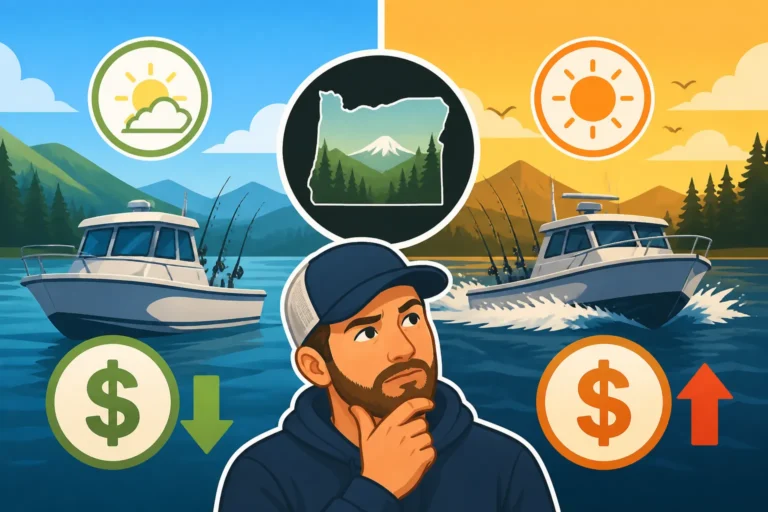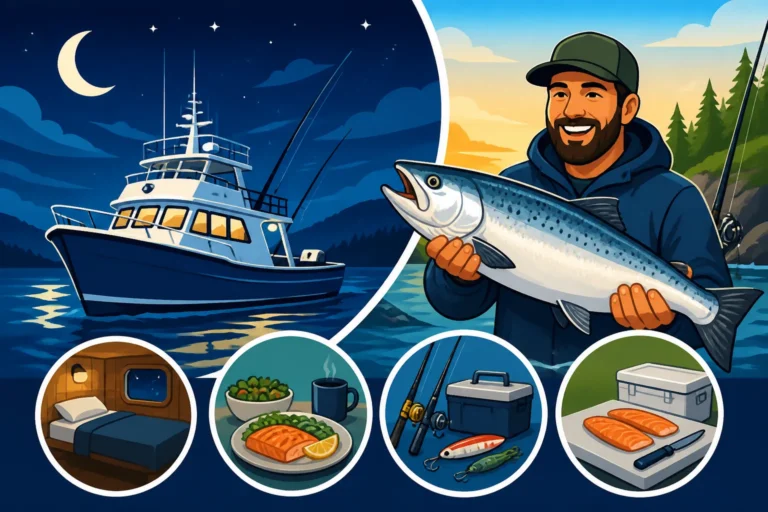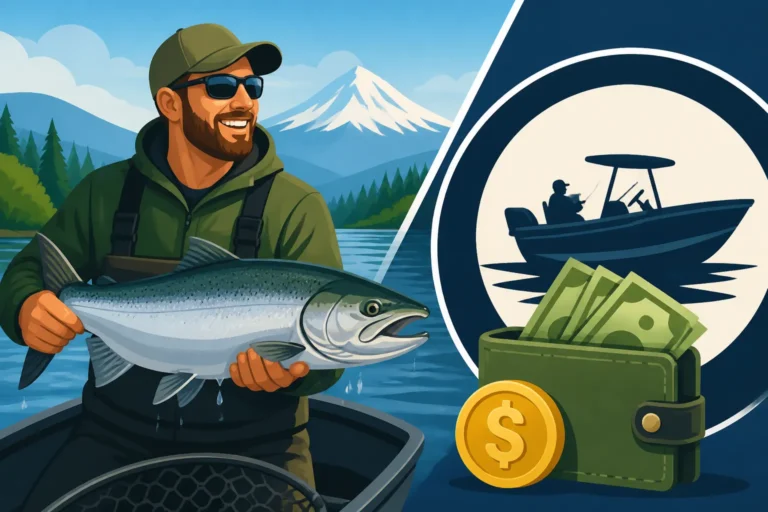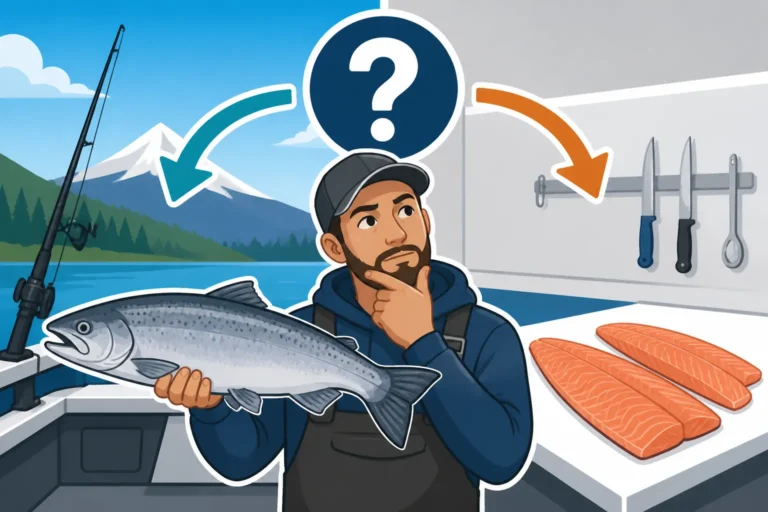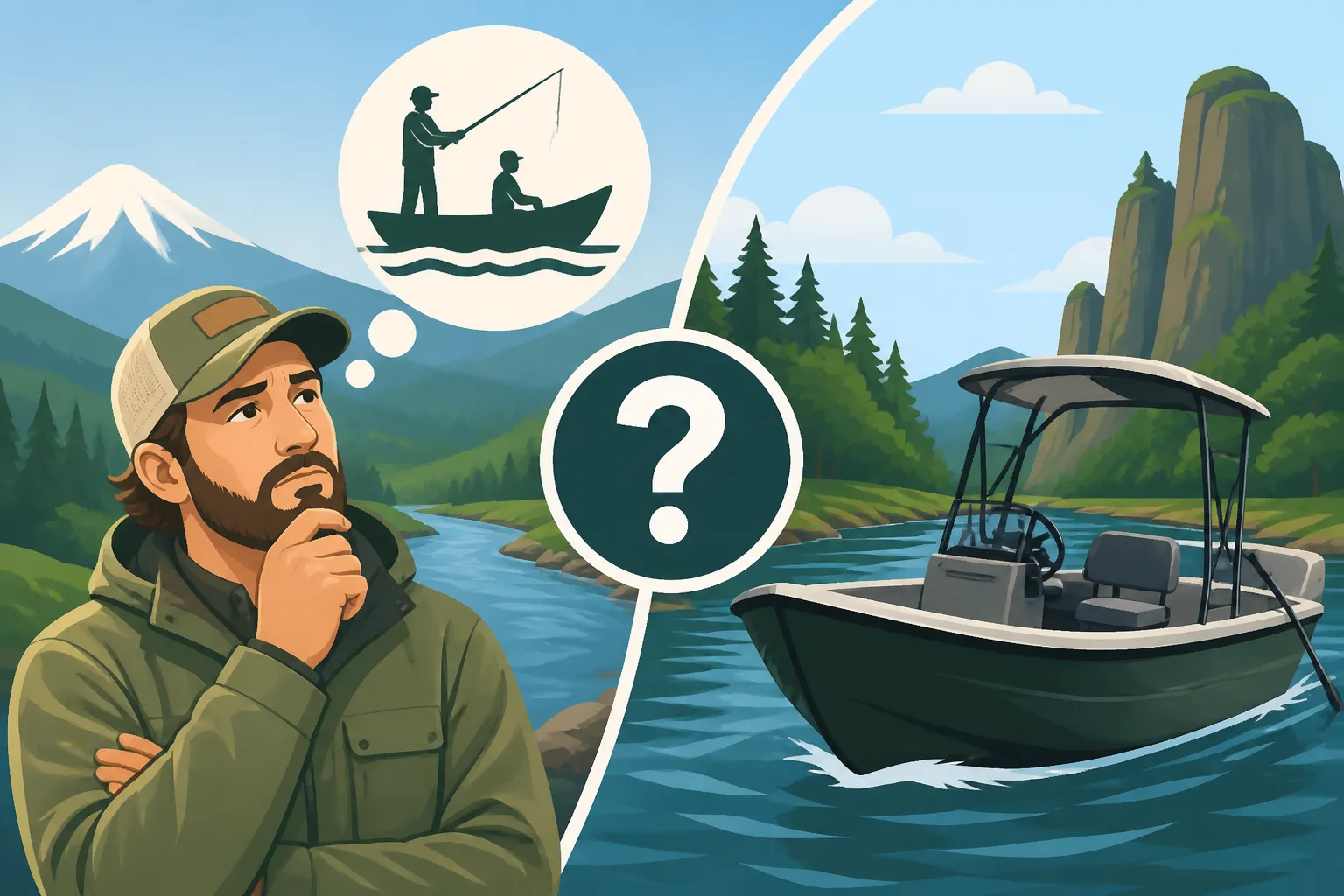
Do fishing guides in Oregon provide the boat?
It's a really common question, especially if you're new to the world of guided fishing trips in our beautiful state of Oregon: "Do I need to bring my own boat when I hire a fishing guide?" The short answer, and one that will likely bring a huge sigh of relief to most anglers, is almost always a resounding "no." When you book a reputable fishing guide in Oregon, you are absolutely paying for their expertise, their knowledge of the local waters, and, yes, their boat and all the specialized gear that comes with it. This guide will walk you through what to expect and why guides typically handle all the vessel logistics.
The Standard Expectation: Your Guide, Their Boat
When you envision a guided fishing trip in Oregon, whether it's battling a trophy salmon on the Columbia or casting flies on the Deschutes, the image should almost certainly include your guide at the helm of a purpose-built fishing machine. This is the cornerstone of what a professional guide service offers: a complete, turn-key experience where the boat is a fundamental part of the package.
The All-Inclusive Experience
Think of it this way: when you hire a professional fishing guide, you're not just hiring someone to point at fish. You're hiring a comprehensive service that includes their deep local knowledge, their top-of-the-line fishing gear, and crucially, their vessel. This means they have a boat specifically chosen and rigged for the type of fishing you'll be doing and the waters you'll be on. It's often the single biggest asset a guide possesses, representing a significant investment in safety, comfort, and the ability to access prime fishing locations. You'll step aboard, often with just your personal items, and everything else is handled. It’s a wonderful feeling to just show up and know all the heavy lifting – literally – has been done for you.
You might be exploring the vast stretches of the Columbia River for Chinook salmon or navigating the intricate channels of a coastal bay for Dungeness crab. In these scenarios, having a guide who intimately knows the waterways and is operating their own well-maintained boat is paramount. They know the currents, the depths, the hidden snags, and where the fish are likely holding at different times of the year. This expertise, combined with their specialized boat, forms the core value proposition of a guided trip. You can learn more about finding the right expert in our guide on How to Choose an Oregon Fishing Guide.
Types of Boats Used by Guides
Oregon's diverse fisheries mean that "a boat" can actually mean a lot of different things. Your guide will select their vessel based on the specific type of fishing and the body of water.
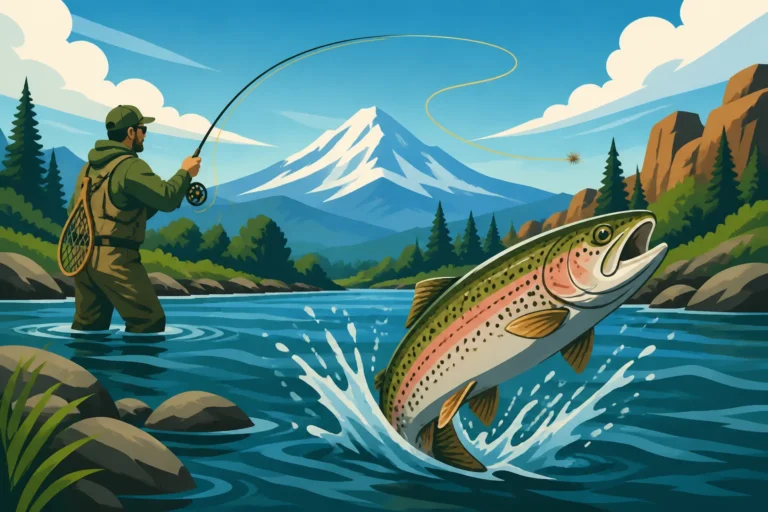
- Drift Boats: For many of Oregon's pristine rivers like the Deschutes or Rogue, especially for trout and steelhead, you'll often find yourself in a drift boat. These specialized, shallow-draft boats are designed to be rowed downstream, allowing for stealthy approaches to fishing holes and precise casts. They offer a stable platform for fly fishing or conventional gear, keeping you close to the action.
- Power Boats (Jet Boats & Outboards): For larger rivers like the Willamette or the mighty Columbia, particularly when targeting salmon or sturgeon, guides typically use larger power boats. Jet boats are fantastic for navigating shallow, rocky rivers, while prop-driven outboards are common on deeper, wider stretches. These boats allow guides to cover significant distances quickly, moving between productive spots as conditions change. If you're looking for Columbia River Salmon Guide Trips, you'll definitely be on a power boat.
- Ocean-Going Charters: If your adventure takes you offshore from towns like Newport or Astoria for halibut, tuna, or bottom fishing, you'll be on a much larger, more robust charter vessel. These boats are designed to handle ocean conditions and are equipped with advanced navigation and fish-finding electronics, as well as necessary safety gear for offshore travel. These are often what people think of when they hear Oregon Fishing Charter Guide.
Why Providing a Boat is Key for Guides
For a professional fishing guide, their boat isn't just a convenience; it's an indispensable tool of their trade. It’s how they deliver on their promise of a successful and safe fishing experience.
- Access: Many prime fishing spots, especially on rivers and lakes, are only accessible by boat. A guide's intimate knowledge of these access points and their ability to navigate to them is crucial.
- Safety: Guides are experienced boat operators, knowledgeable about local hazards, weather patterns, and emergency procedures. Their boats are regularly maintained and equipped with safety gear, giving you peace of mind.
- Specialized Equipment: Beyond the boat itself, guides equip their vessels with specific rod holders, electronics, bait wells, and storage solutions tailored to the fish they pursue. This means everything you need for a productive day is right at hand.
- Insurance & Licensing: Operating a for-hire vessel involves significant insurance and licensing requirements. A professional guide will have all of this in order for their own boat, which is one less thing for you to worry about. This ties into the broader topic of Oregon Fishing Guide Services and the professionalism they bring.
Rare Exceptions and Specific Scenarios
While the vast majority of guided fishing trips in Oregon include the guide's boat, there are a few niche scenarios where your vessel, or no vessel at all, might come into play. These are generally exceptions rather than the rule and should always be explicitly discussed and confirmed when booking.
Wade Trips and Shore Fishing
Not all guided trips require a boat at all! For certain types of fishing, especially fly fishing for trout or steelhead on smaller streams and rivers, guides might offer "wade trips." In these scenarios, the guide meets you at a specific location, and you spend the day walking the banks and wading into the river.
- Focus on Footwork: These trips are all about exploring specific stretches of water on foot, honing your casting skills, and working prime lies. The guide provides their expertise, flies, tackle, and instruction, but the primary mode of transport during fishing is your own two feet.
- Gear Provided (Still): Even on a wade trip, your guide will typically provide all the necessary fishing gear, like rods, reels, and sometimes even waders and boots if you don't have your own. They might drive you to multiple access points in their vehicle, but you won't be fishing from a boat. Many Deschutes River Fly Fishing Guides offer both drift boat and wade trip options, depending on the section of river and client preference.
Specialty Trips Requiring Client Boats (Very Niche)
This is extremely rare for a typical recreational fishing guide, but it does exist in some specialized contexts. For instance, an expert tournament angler might hire a guide purely for their knowledge of a specific lake or bass patterns, and they might want to fish from their own fully-rigged bass boat for familiarity or competition practice.
- High-End Specifics: These are not your average fishing trips. They usually involve experienced anglers with specialized, high-performance boats who are seeking very specific tactical advice rather than a full guided experience. The "guide" in this scenario acts more as a consultant or a coach from your own vessel.
- Always Confirm: If you ever encounter a guide advertising a service that sounds like you're expected to provide the boat, question it thoroughly. It's almost certainly an unusual arrangement, and you need to understand every detail of what's expected and what's included.
When a Guide Might Use Your Boat (Guided Assist)
Another very infrequent scenario is what some might call a "guided assist" where a guide helps you learn how to fish your own boat more effectively. Perhaps you've just bought a new boat for salmon fishing and need help understanding how to properly troll on the Willamette, or how to read your fishfinder more effectively.
- Instructional Focus: In this situation, the guide is primarily there to teach you techniques, electronics, and navigation specific to your vessel. They might bring their own tackle to demonstrate, but the focus is on educating you to become a more proficient angler in your own craft.
- Mutual Agreement: This is a highly customized service and would be arranged through direct communication with a guide willing to offer such instruction. It's not a standard "fishing trip" booking. For most people, seeking expert guidance will involve stepping onto the guide's vessel, allowing you to focus completely on the fishing experience without the stress of operating your own boat.
What to Confirm Before You Book Your Trip
Even though the default answer is overwhelmingly that your guide will provide the boat, it never hurts to be absolutely clear on what's included before you commit to a trip. Good communication upfront ensures a smooth, enjoyable, and surprise-free experience.
Always Ask About Gear and Vessel
When you're inquiring about a trip, don't hesitate to ask specific questions. A professional guide will appreciate your thoroughness and be happy to provide details.
- "What kind of boat do you use for this trip?" This helps set expectations for comfort, size, and amenities.
- "Is all fishing equipment provided, including rods, reels, and tackle?" Confirming this saves you from lugging unnecessary gear or, worse, showing up without something critical. Most guides provide everything, but it's good to know.
- "What about bait or lures?" These are almost always included in the trip price, but it's another easy question to confirm.
- "What safety equipment is on board?" While guides are legally required to have certain safety gear, asking shows you're taking your own safety seriously.
- "Do I need an Oregon Fishing License Guide before the trip, or does that get covered?" Licenses and tags are almost universally the client's responsibility.
Knowing these details helps you understand what you need to bring, which usually boils down to personal items like appropriate clothing, food, drinks, sunscreen, and maybe a camera. Check out our comprehensive post on What to bring on an Oregon fishing charter for more ideas.
Understanding Different Trip Formats
Fishing guides in Oregon offer a range of experiences beyond just "a fishing trip." Be sure to clarify the format of your chosen adventure.
- Full-Day vs. Half-Day: The duration can impact what's included, especially meals or extensive travel to remote spots.
- Private vs. Shared Charter: On a private trip, it's just your group and the guide. On a shared charter (more common for ocean trips), you'll be with other anglers, often sharing the cost and the boat. This won't change who provides the boat, but it changes the dynamic.
- Target Species: Different fish require different methods, which in turn might dictate the type of boat used. A guide specializing in Oregon Salmon Fishing Techniques will use a different setup than one focused on Oregon Trout Fishing Techniques.
The Role of Online Booking Platforms like FishingBooker
Platforms like FishingBooker can be incredibly helpful resources for finding and booking guides. They typically provide detailed listings that outline what's included in a trip, including the type of boat, gear, bait, and any additional costs.
- Transparency: Reputable guides listed on such platforms are usually very transparent about their offerings. You can often see photos of their boat, read about its features, and review the list of inclusions.
- Direct Communication: Even when booking through a platform like FishingBooker, you usually have the option to message the guide directly before confirming your reservation. This is your chance to ask any specific questions about the boat, gear, or trip logistics.
- Reviews: Reading reviews from previous clients on platforms like FishingBooker can give you a great sense of a guide's professionalism, the quality of their equipment, and the overall experience they provide. This is especially helpful when trying to decide if Are guided fishing trips in Oregon worth the cost for beginners?.
In essence, when you're looking to fish with a guide in Oregon, you should confidently expect that their expertise extends to providing a safe, well-equipped boat for your adventure. It's a key part of the value and convenience of a professional guiding service, allowing you to focus entirely on the thrill of the catch and the beauty of Oregon's waters.
Disclaimer
This article is for general informational purposes only and does not constitute professional advice. Laws, prices and regulations vary by location and change over time. Consult a qualified professional for guidance on your specific situation.