Best time to book a spring Chinook guide trip
The thrill of planning a spring Chinook fishing trip in Oregon is undeniable, but the reality of securing a prime spot with a top-notch guide can feel like a high-stakes game. Many anglers find themselves scrambling at the last minute, only to discover their preferred dates are long gone. This guide will walk you through the optimal booking window for an Oregon spring Chinook guide trip, helping you navigate the complexities and secure that coveted spot on the water.
Understanding Oregon's Spring Chinook Season
Before we dive into when to book, let's briefly chat about why spring Chinook fishing is such a big deal here in Oregon. It’s an iconic fishery, drawing anglers from all over for a chance at these powerful, chrome-bright salmon. The timing of their run is what dictates when guides are most in demand, and understanding that is the first step in successful booking.
The Elusive Nature of Spring Chinook
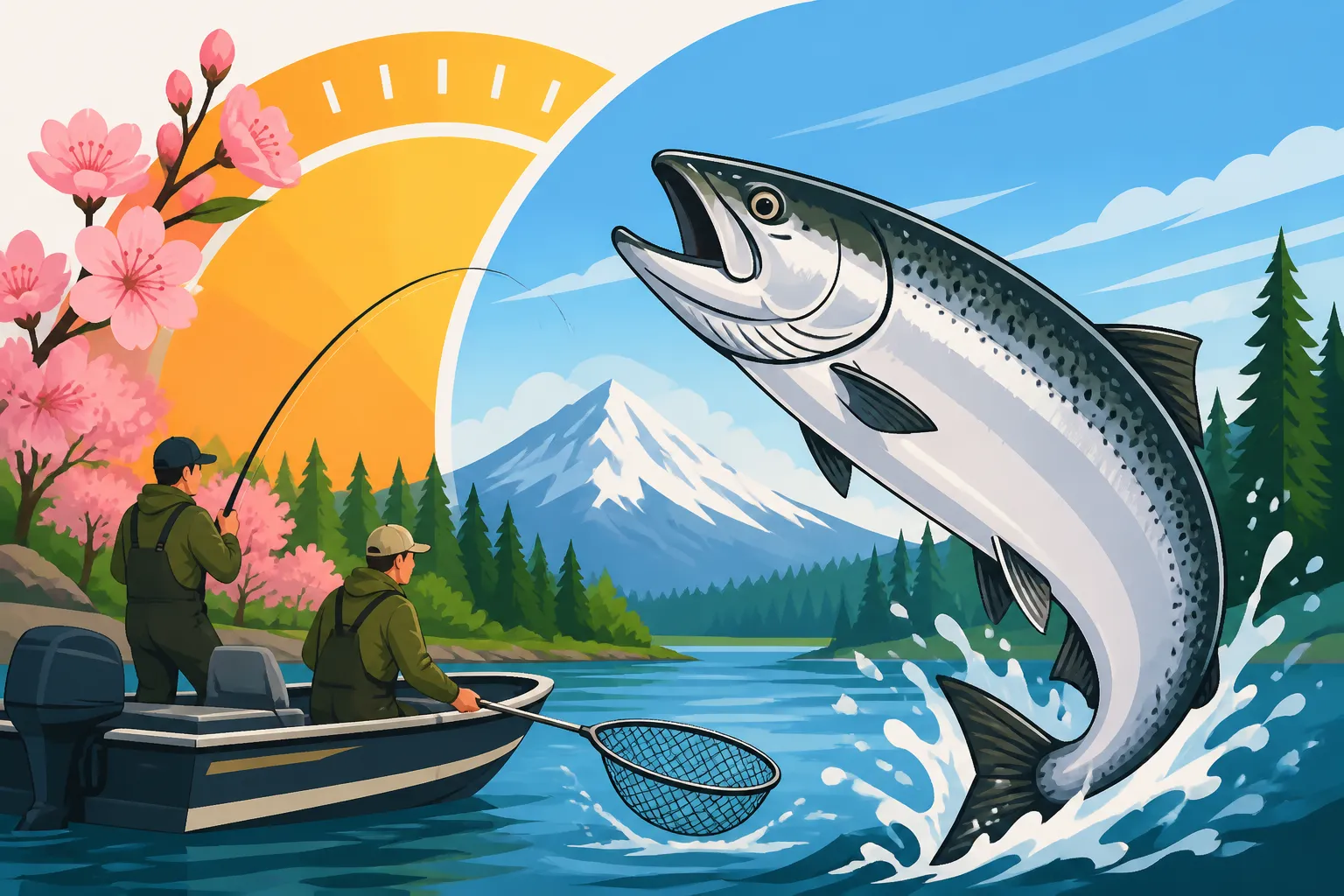
Spring Chinook are truly special. They're often referred to as "springers" and are prized for their exceptional table fare and incredible fighting ability. Unlike fall Chinook, which enter rivers later in the year, springers typically arrive in Oregon's freshwater systems in the late winter and early spring, making their way upstream to hold in cooler, deeper pools before spawning much later in the year. This extended freshwater journey means they are usually in peak condition when anglers encounter them.
However, the exact timing of their arrival and movement upstream is never set in stone. It's heavily influenced by environmental factors like water temperature, river flow, and snowpack levels from the previous winter. A cold, high-water spring might delay their push, while a warm, low-water year could see them entering earlier. This natural variability adds to the challenge and excitement but also means that nailing down the "best" fishing week can be a moving target. Reputable guides, with years of experience, watch these conditions like hawks, which is precisely why securing their expertise early is so critical.
Key Rivers for Spring Chinook Fishing
When we talk about spring Chinook in Oregon, two river systems usually dominate the conversation: the mighty Columbia River and the bustling Willamette River. Both offer fantastic opportunities, but their runs have slightly different characteristics and peak times. The lower Columbia sees a strong springer run, often starting in March and continuing through May, sometimes into June, with varying regulations each year. The Willamette River, a major tributary of the Columbia, also gets a robust return of spring Chinook, typically peaking from April through early June. Other coastal rivers might see smaller, more localized spring Chinook returns, but the Columbia and Willamette are the main draws for guided trips.
Understanding the Spring Chinook Season Timing in Oregon for your chosen river is paramount. Different segments of these rivers will fish better at different times, and a good guide knows these nuances intimately. For example, early season on the Willamette might see fish concentrated lower in the river, while later in the season they've pushed further upstream or into tributaries like the Clackamas or Sandy. This knowledge, coupled with an understanding of current conditions, is what you're paying for when you book a guide.
The Optimal Window for Booking Your Guide Trip
Now for the million-dollar question: when should you actually book that guide trip? The simple answer is: much earlier than you probably think.
The Early Bird Gets the Worm (and the Guide!)
For a spring Chinook guide trip in Oregon, you absolutely need to start looking and booking in the late fall or early winter of the preceding year. Yes, you heard that right – for a spring trip, you should be making arrangements as early as October, November, or December.
Why so early? Because the best, most experienced guides, especially those with a reputation for putting clients on fish, have loyal followings and their calendars fill up incredibly fast. Prime dates – think weekends, holidays like Memorial Day, and historically productive weeks in April and May – are often booked solid months in advance. Many repeat clients will re-book their preferred dates with their trusted guide immediately after their current trip concludes, essentially locking up those spots a full year ahead of time. If you wait until January or February, you're already behind the curve for the most sought-after guides and dates.
Think of it like booking a popular vacation rental in a high-demand area. You wouldn't expect to find openings for July at the last minute, would you? The same principle applies here. These guides are in high demand because they deliver results and provide a fantastic experience. Utilizing platforms like FishingBooker early can be a huge advantage. You can browse available guides, compare their experience and specialties, read reviews, and get a sense of their booking availability long before the rush. This allows you to secure a reputable guide and a desirable date without the last-minute stress.
Factors Affecting Booking Urgency
While the general rule is "book early," some specific factors can make booking even more urgent:
- Popularity of the Guide/Boat: Some guides are local legends, with years of experience and a track record that speaks for itself. Their calendars are essentially full before the new year even begins. If you have a specific guide in mind, you need to be exceptionally proactive.
- Weekends vs. Weekdays: Just like any other recreational activity, weekends are always more competitive. If your schedule allows for a weekday trip, you'll have slightly more flexibility and a better chance of finding openings, even if you book a little later. But even weekdays during peak run times get scooped up quickly.
- Holiday Periods: Any long weekend or major holiday that falls within the spring Chinook season (like Easter or Memorial Day) will be incredibly tough to book if you haven't planned far in advance. Guides often raise their rates for these high-demand dates, but more importantly, they are the first to go.
- Specific River Preference: If you're set on fishing a particular stretch of the Willamette River Fishing Guide or the lower Columbia, and that area is known for hot springer action, expect more competition for guide services there. Guides specialize in certain stretches of river, and their expertise in those specific locations is invaluable. When considering How to Fish for Spring Chinook on the Willamette, for example, you'll want a guide who lives and breathes that specific waterway.
What Happens if You Wait Too Long?
If you procrastinate, you're likely to face a few frustrating scenarios. First, you'll find limited choices. The most experienced and reputable guides will likely be fully booked for the entire spring season. This means you might have to settle for a less experienced guide, or one who doesn't specialize in spring Chinook, which can significantly impact your success rate and overall experience.
Second, you'll be stuck with less desirable dates. Those prime mid-week spots or early morning departures will be gone, leaving you with less-than-ideal windows or even no availability at all during the peak of the run. Imagine taking time off work only to find you can only fish on a Tuesday at noon, or that the only available guide is during a period when the fish historically haven't been as active.
Worst case scenario? You miss out entirely. You've got the itch, all your gear is ready, but there's simply no one available to take you. That's a truly deflating feeling for any passionate angler. So, taking the initiative in the fall and winter to get your trip locked in is not just a suggestion, it's a necessity for a successful spring Chinook outing. Consider checking FishingBooker for last-minute cancellations, but don't count on it as a primary booking strategy.
Preparing for Your Spring Chinook Trip After Booking
Congratulations, you've secured your guide trip! Now that the hardest part is over, it's time to focus on preparing for the actual day. A little proactive communication and understanding of what to expect can make your trip much smoother and more enjoyable.
Communication is Key with Your Guide
Once your trip is booked, maintain an open line of communication with your guide. Don't be afraid to ask questions. This is their livelihood, and they want you to have a great time. Confirm the meeting time and location a week or two before the trip, as conditions might necessitate slight adjustments.
Discuss what expectations you have for the trip. Are you hoping to learn new techniques? Are you aiming for a trophy fish? Your guide can help set realistic expectations based on current conditions. This is also the time to clarify what gear they provide versus what you should bring. Most guides provide rods, reels, and tackle, but it's always good to confirm. They can also advise on appropriate clothing for the unpredictable Oregon spring weather. Always ask about their cancellation or rescheduling policy, especially regarding adverse weather or river conditions. Rivers can blow out with heavy rain, and a responsible guide will prioritize safety and success, which might mean rescheduling. What should I bring on an Oregon fishing charter is a helpful resource to review before your outing.
Monitoring River Conditions and Forecasts
While your guide is the expert on river conditions, it doesn't hurt for you to keep a casual eye on the weather forecast and river levels as your trip approaches. Websites often provide real-time river gauges and forecasts. Understanding that How river flow affects steelhead fishing (and by extension, salmon fishing) can give you insight into why your guide might suggest a change in strategy or even a different fishing location on the day of your trip. High, muddy water can make fishing tough, while clearer, stable flows are generally more favorable. Your guide will interpret these conditions and adjust their game plan to maximize your chances, so trust their judgment. They're on the water constantly and have the most up-to-date information.
Essential Gear and Licensing Considerations
Even though guides typically provide the heavy-duty fishing gear, there are still a few things you'll want to take care of yourself. First and foremost, you must have your Oregon fishing license, and for spring Chinook, this almost always means a Oregon Combined Angling Tag Guide and potentially a Oregon Salmon and Steelhead Tag Requirements. Make sure these are purchased well in advance of your trip. There's nothing worse than showing up at the ramp only to realize you forgot this crucial piece of paperwork. The guide cannot provide this for you. Check out the general Oregon Fishing License Guide and Oregon Fishing Regulations Explained for full details.
Beyond licenses, comfortable, layered clothing is essential for Oregon's spring weather, which can range from chilly mornings to warm afternoons, with a good chance of rain. Waterproof outer layers are a must. Bring snacks, drinks, sunscreen, and a hat. Sunglasses are also key for eye protection and spotting fish. Your guide will confirm any specific items they recommend or require, but these are generally good starting points.
| Booking Timeline | Urgency | Guide Availability | Dates Available | Price Sensitivity |
|---|---|---|---|---|
| Late Fall (Oct-Nov) | Very High | Excellent (most still open) | Best selection of prime dates | Lower, often can negotiate |
| Early Winter (Dec-Jan) | High | Good (popular dates fill fast) | Good, but prime weekends go quickly | Standard |
| Late Winter (Feb-Mar) | Moderate | Limited (only certain guides/dates) | Mid-week, less popular dates | Standard to slightly higher |
| Spring (April-May) | Low | Very Limited (cancellations only) | Scraps, difficult to find | Higher for any remaining spots |
Maximizing Your Chances: Tips for a Successful Spring Chinook Trip
So you've booked your trip and prepared all your essentials. Now let's talk about how to make the most of your time on the water chasing those coveted spring Chinook.
Flexibility and Adaptability
Even with the best guide, fishing can be unpredictable. River conditions change with rain, snowmelt, and dam operations. Fish movements can be influenced by water temperature, forage availability, and spawning instincts. A guide might have a plan A, B, and C for the day, and they might need to switch between them quickly. Being flexible and adaptable is key. If your guide suggests moving spots, changing techniques, or trying a different lure, trust their judgment. They are reading the water and the conditions based on years of experience, and their goal is to put you on fish.
Remember, a guide trip is also an opportunity to learn. Pay attention to their techniques, how they read the water, and their approach to different situations. This insight is invaluable for future fishing adventures, whether guided or on your own. For more detailed information, consider reading up on Oregon Salmon Fishing Techniques to get a head start.
The Right Attitude Makes a Difference
Fishing, especially for elusive species like spring Chinook, is not always about limits and giant fish. Sometimes, it's about the entire experience: the stunning Oregon scenery, the camaraderie with your guide, the peace of being on the water, and the anticipation of a bite. Approaching the trip with a positive and patient attitude can make all the difference. Even if the fish aren't biting, you're still on an adventure in one of the most beautiful places on earth. Your guide will appreciate your good spirits, and it often leads to a more enjoyable day for everyone. If you're new to guided trips, you might wonder, Are guided fishing trips in Oregon worth the cost for beginners? The answer is almost always a resounding yes, precisely because of the learning opportunity and the sheer enjoyment of a well-organized trip.
Post-Trip Considerations
After a successful (or even just an enjoyable) day on the water, there are a few things to keep in mind. If you had a good experience, consider re-booking your guide for the following year, especially if you want to secure those prime dates again. This is how many experienced anglers ensure they get on the water with their preferred guides.
Tipping your guide is also customary and greatly appreciated, especially if they worked hard to put you on fish and provided a great experience. While there's no set rule, a general guideline is typically 15-20% of the trip cost. You can find more specific advice by looking into How much do you tip an Oregon fishing guide.
Finally, if you were fortunate enough to land some spring Chinook, remember to adhere to all catch limits and regulations. Your guide will assist with proper handling and preparation of your catch for the journey home, but ultimately, it's your responsibility to know the rules. Enjoy the delicious reward of your efforts – fresh Oregon spring Chinook is truly a culinary treat!
Disclaimer
This article is for general informational purposes only and does not constitute professional advice. Laws, prices and regulations vary by location and change over time. Consult a qualified professional for guidance on your specific situation.