Are Oregon fishing charters open year round?
It's a common thought for many anglers, especially those dreaming of a quick getaway to the beautiful Oregon coast or its mighty rivers: "Are Oregon fishing charters open year-round, ready to take me out whenever the mood strikes?" The short answer, and one that often catches folks by surprise, is a bit more complex than a simple yes or no. The reality is that while you can almost always find some form of fishing happening in Oregon, the availability of specific charters often fluctuates wildly with the seasons, fish runs, and ever-changing regulations. This guide will walk you through the ins and outs of charter availability in Oregon, so you can plan your trip with realistic expectations and make the most of your time on the water.
Understanding the Seasonal Nature of Oregon Fishing Charters
Thinking you can just show up on any given Tuesday in January and book a halibut charter off Newport might lead to disappointment. Oregon's fisheries are incredibly diverse, but they are also deeply tied to natural cycles like fish migrations, spawning seasons, and even the notorious Pacific Northwest weather. This means that "year-round" isn't a blanket statement for all types of fishing, but rather a mosaic of opportunities that shift throughout the calendar.
Why Charters Aren't Always Open for Everything
The primary reason charters aren't universally open for every species all the time comes down to a few critical factors:
- Fish Migrations and Life Cycles: Salmon and steelhead, for instance, are anadromous fish, meaning they spend part of their lives in the ocean and return to freshwater to spawn. Their presence in certain areas is highly seasonal. Other species, like halibut, have specific seasons dictated by conservation efforts to ensure sustainable populations. You can't catch what isn't there, or what isn't legal to target.
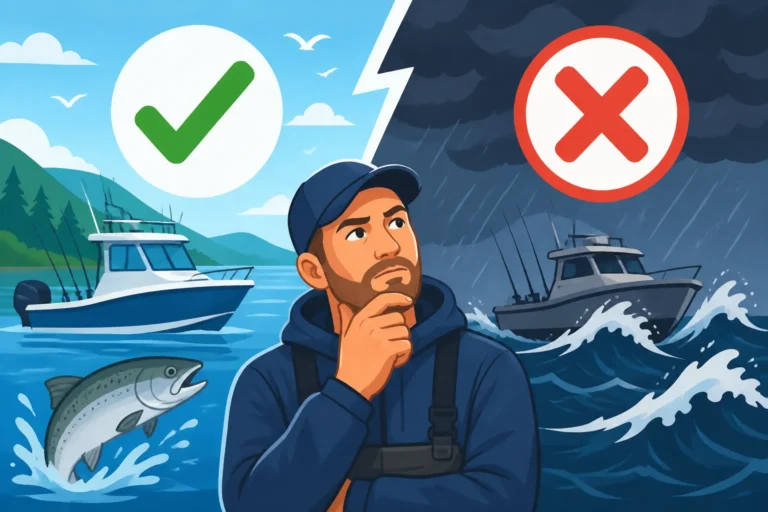
- Weather and Ocean Conditions: The Oregon coast is beautiful, but it can be notoriously rough, especially in winter. Ocean charters often get cancelled due to high seas, strong winds, or dangerous bar crossings. River levels can also become unfishable during heavy rain events or extreme low flows. Safety is paramount, and reputable charter operators will prioritize it every time.
- Strict Regulations: The Oregon Department of Fish and Wildlife (ODFW) manages fisheries meticulously, with specific opening and closing dates, bag limits, and gear restrictions that vary by species, location, and even time of year. These regulations are designed to protect fish populations and ensure healthy ecosystems. A charter can only operate within these legal frameworks. You can dive deeper into these rules by checking out our Oregon Fishing Regulations Explained article.
What "Year-Round" Can Actually Mean for Anglers
While a specific ocean salmon charter might not be running in February, you might find a charter targeting bottom fish in protected bays, or a river guide chasing winter steelhead. So, when people ask if charters are year-round, it's often more accurate to say that some kind of guided fishing opportunity exists in Oregon almost any time of the year, but the specific target species and location will vary immensely. It requires a bit of research and flexibility on your part to align your fishing dreams with what's actually available. Many anglers utilize platforms like FishingBooker to filter for available charters during specific times of year and for particular species, which can really help narrow down the options.
Ocean Fishing Charter Availability by Season
Oregon's coastline stretches over 360 miles, offering incredible opportunities for saltwater angling, but these opportunities are definitely not static throughout the year.
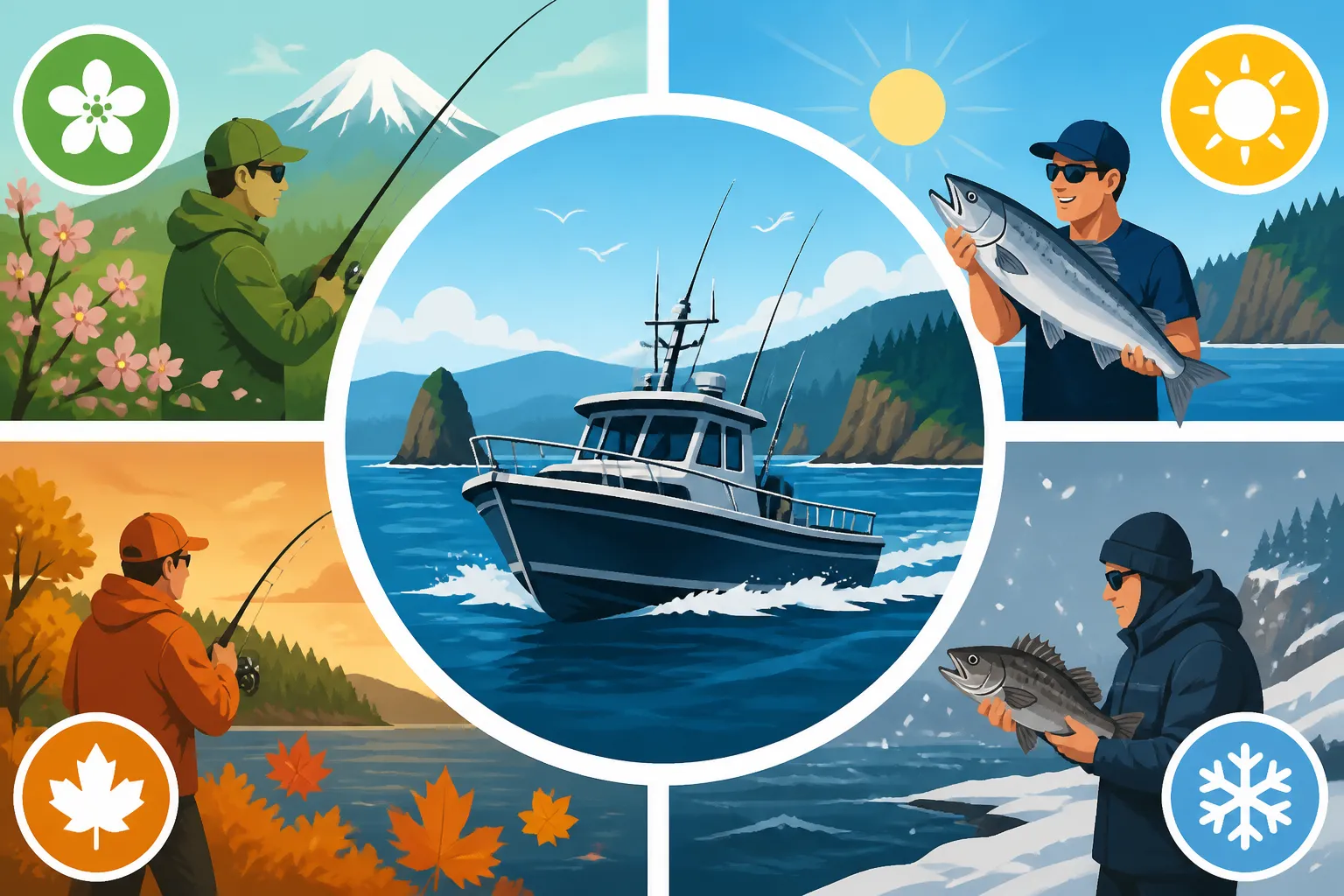
Spring: Lingcod, Rockfish, and the Anticipation of Halibut
As winter storms begin to subside, typically around March and April, the ocean starts to become more forgiving, and charters targeting lingcod and rockfish (bottom fish) become a popular option. These species are generally more accessible closer to shore and less affected by specific migratory patterns, making them a more consistent choice when conditions allow. Many charters out of ports like Newport, Depoe Bay, and Astoria will focus on these plentiful fish during early spring. It's a fantastic way to get out on the water, enjoy some fresh air, and almost guarantee some action.
Then, the buzz starts to build for Pacific halibut. Halibut season is highly anticipated and often managed with specific open dates, sometimes limited to certain days of the week or even specific areas. These regulations are designed to prevent overfishing and maintain the fishery's health. Charters will book up fast once halibut dates are announced, so if this is your target, early planning is crucial. Finding out when Pacific Halibut off Oregon are biting usually means keeping a close eye on ODFW announcements.
Summer: Salmon, Tuna, and Peak Season Excitement
Summer is undeniably prime time for Oregon ocean charters. The weather is generally more stable, and the ocean is often calmer, opening up opportunities for a wider range of species.
- Chinook (King) and Coho (Silver) Salmon: Different runs of salmon move along the coast and into bays and rivers. Summer sees charters targeting these prized fish, especially out of places like Garibaldi and Astoria, particularly for the famed Fall Chinook Season Timing on the Columbia as they enter the river system. These trips can be exhilarating, requiring specific techniques like trolling with bait or lures. Many charter operators specialize in salmon, and their schedules fill up quickly.
- Albacore Tuna: For those seeking a truly offshore adventure, albacore tuna can show up off the Oregon coast in late summer, typically August and September, sometimes into October. These fast-paced trips go far offshore, chasing schools of migrating tuna. It's an epic experience, but weather windows are crucial, and these trips are dependent on the tuna being within range. You'll often find these longer, more expensive trips out of larger ports like Newport and Charleston.
- Crabbing: While not strictly a "fishing" charter, many ocean charters offer crabbing as an add-on or a dedicated trip, especially in protected bays like Tillamook Bay or Yaquina Bay. Dungeness crabbing seasons also have specific opening dates, often around December for recreational ocean crabbing, but bay crabbing can be good through the summer. You can learn more about this by reading our Oregon Crabbing Season Timing guide.
Fall: Lingering Salmon, Bottom Fish, and Crabbing
As summer fades, fall can still offer some excellent ocean fishing. Fall Chinook salmon runs continue into the early part of the season, especially in estuaries and the lower Columbia River. Bottom fishing for lingcod and rockfish remains a reliable option, weather permitting. Crabbing also picks up, especially as Dungeness crab fill out. However, the weather starts to become more unpredictable, and the number of operational charters may begin to dwindle as operators winterize their boats or shift focus to river fisheries.
Winter: Challenges and Limited Opportunities
Winter on the Oregon coast is primarily characterized by rough seas and challenging conditions. Ocean charters are often scarce, with many operators opting for maintenance or focusing on specific river fisheries like winter steelhead. When the weather does cooperate, you might find a charter targeting bottom fish in very protected nearshore areas or bays. However, consistently booking an ocean trip during the winter months is a roll of the dice due to the high likelihood of cancellations.
River Fishing Charter Availability by Season
Oregon's rivers are legendary for their salmon and steelhead runs, and river guide services play a huge role in helping anglers access these fisheries. Unlike ocean charters, river guides operate smaller boats, rafts, or offer wade-fishing trips, and their seasons are tied directly to the specific fish runs in their local waterways.
Spring: Spring Chinook and the Last of Winter Steelhead
Spring is a hugely exciting time on many Oregon rivers. The most famous is the arrival of the Spring Chinook salmon. Rivers like the Willamette, Columbia, and some of their tributaries become hotspots for these highly prized fish. Charters and guides will be fully engaged, helping anglers target these powerful salmon. Understanding Spring Chinook Season Timing in Oregon is key to planning.
Simultaneously, the tail end of the winter steelhead run might still be active on some coastal rivers or even inland systems depending on the specific run timing. This means you could potentially find guides targeting both species during the overlapping period, offering a diverse spring fishing experience.
Summer: Summer Steelhead, Smallmouth Bass, and Trout
Summer in Oregon rivers offers a different kind of angling. The focus shifts heavily to summer steelhead, especially on iconic rivers like the Deschutes, Rogue, and some of the larger coastal systems. Fly fishing guides, in particular, will be busy chasing these acrobatic fish in the warmer months. Learn more about how to pursue them in How to Fish for Summer Steelhead on the Deschutes.
Additionally, many rivers and reservoirs hold excellent populations of smallmouth bass, and some guides specialize in these feisty fighters. Trout fishing, especially in higher elevation lakes and streams or colder river stretches, also becomes popular, with guides offering trips for rainbow, brown, and cutthroat trout. Oregon Trout Fishing Techniques covers a lot of these opportunities.
Fall: Fall Chinook, Coho, and Early Winter Steelhead
Fall is another major salmon season for Oregon's rivers. Fall Chinook salmon enter the Columbia River system and many coastal rivers in large numbers, providing fantastic opportunities. Charters on the lower Columbia, Willamette, and coastal rivers like the Nestucca or Trask will be in high demand. Oregon Salmon Fishing Techniques often apply here.
Coho (silver) salmon also return in force during the fall, offering another exciting target species. Towards the end of fall, as water temperatures drop and winter approaches, the first waves of winter steelhead begin to enter some coastal rivers, signaling the start of another prime season.
Winter: Winter Steelhead, Sturgeon, and Trout
Winter is prime time for winter steelhead on Oregon's coastal rivers. Rivers like the Wilson, Nestucca, Siletz, and Trask see strong runs of these powerful fish. Guides specializing in Oregon Steelhead Fishing Techniques will be busy through the colder months, often utilizing drift boats or sleds to cover water effectively. While the weather can be challenging, a crisp winter day on a steelhead river can be incredibly rewarding.
The Columbia River also offers year-round opportunities for sturgeon, though specific retention seasons for keeper sturgeon are highly regulated and often short. Catch-and-release sturgeon fishing, however, is often available with a guide throughout the winter. If you're looking for a monster fish, checking out Oregon Sturgeon Fishing Guide could be useful. Some lakes and rivers also offer winter trout fishing, especially if they remain ice-free.
| Fishing Type | Peak Seasons (General) | Notes on Availability |
|---|---|---|
| Ocean Bottom Fish | Spring, Summer, Fall (Winter weather dependent) | Most consistent ocean charter option; less affected by specific runs. Available most clear weather days, though winter can have many cancellations. |
| Ocean Halibut | Specific open dates in Spring/Summer | Highly regulated, limited seasons. Book far in advance as dates are announced. |
| Ocean Salmon | Summer, Early Fall (Coho, Chinook) | Excellent summer options, especially around the Columbia River mouth (Buoy 10) and coastal areas. Highly dependent on fish runs and ocean conditions. |
| Albacore Tuna | Late Summer, Early Fall | Offshore, long trips. Dependent on fish presence and calm weather. Can be short-lived season. |
| Dungeness Crabbing | Year-round in bays (seasonal ocean) | Often an add-on to fishing trips or dedicated crabbing charters. Check specific bay vs. ocean seasons. |
| River Spring Chinook | Spring (May-June) | Intense and popular. Book early for prime dates on Willamette, Columbia, etc. |
| River Summer Steelhead | Summer (July-September) | Major focus for fly fishing and conventional guides on rivers like the Deschutes. |
| River Fall Chinook/Coho | Fall (September-November) | Strong runs on coastal rivers and the Columbia. Excellent opportunities. |
| River Winter Steelhead | Winter (December-March) | Primary winter river fishery on coastal rivers. Weather can impact access but fish are present. |
| River Sturgeon | Year-round (catch-and-release) | Consistent opportunity on the Columbia; retention periods are very short and regulated. |
| River Trout/Bass | Spring, Summer, Fall | Widespread opportunities; some guides specialize in these. Less weather-dependent than ocean. |
How to Find and Book Charters During Any Season
So, knowing that "year-round" fishing means varied fishing, how do you go about finding the right charter for your desired season? It takes a bit of proactive research and communication.
Researching Your Options
First, decide what kind of fishing experience you're looking for. Are you dead set on catching a big Chinook salmon, or would you be happy with a cooler full of delicious rockfish? Do you prefer the calm of a river or the adventure of the open ocean? Knowing your priorities will help narrow down your search.
Next, consider the time of year you want to go. Armed with the seasonal information above, you can align your target species with likely availability. For example, if you're planning a trip in January, you're better off looking for Oregon Winter Fishing Options like a winter steelhead guide on the Nestucca River than a halibut charter out of Astoria.
Platforms like FishingBooker can be incredibly helpful here. They allow you to search for charters by location, species, and date, giving you a good overview of what's generally available in specific areas during your travel window. This is a great starting point to see which captains are running trips and what they are targeting.
Connecting with Charter Operators
Once you've identified a few potential charters or guides, the most important step is to reach out directly. Don't be shy!
- Ask about current conditions: A good operator will be honest about what's biting, current regulations, and expected weather. They can tell you if their boat is running for specific species.
- Inquire about specific seasons: Even if a charter isn't currently running a salmon trip, they might have dates available for an upcoming season. Many operators open their books months in advance for popular runs like spring Chinook or summer halibut.
- Be flexible: If your heart is set on a specific date, but the weather looks grim for ocean fishing, ask if they offer alternative options, like a bottom fishing trip or a river trip if they operate multiple vessels or work with other guides.
- Understand cancellations: Reputable charters will clearly outline their cancellation policy, especially regarding weather. It's important to understand this beforehand.
For example, if you're planning a trip for a specific fish, say How to Fish for Fall Chinook on the Columbia, contact guides early in the year to secure your spot for the fall season. Popular guides book up quickly, especially during peak fishing events like the Buoy 10 fishery.
Factors Beyond Just Seasons: Weather and Regulations
Even during peak season, two big factors can throw a wrench into your plans: Mother Nature and the ODFW.
The Unpredictable Oregon Weather
Oregon is known for its stunning landscapes, but also its mercurial weather.
- Ocean: Ocean charters are incredibly susceptible to weather. What starts as a sunny forecast can quickly turn into high seas and strong winds. Charters will prioritize safety and cancel if conditions are dangerous or simply too uncomfortable for a good fishing experience. Don't take it personally; they're looking out for your well-being.
- Rivers: While generally less affected than the ocean, rivers also have their challenges. Heavy rains can blow out rivers, making them high, muddy, and unfishable. Conversely, extremely low water during dry spells can make it difficult for boats to navigate and stress fish. Sudden heat waves can also raise water temperatures, leading to closures to protect sensitive species like steelhead and salmon.
It's always a good idea to check the marine forecast for ocean trips and local river flow data for river trips in the days leading up to your booking. Your guide will also be doing this, and they'll be your best source of up-to-the-minute information.
The Ever-Changing World of Regulations
Oregon's fishing regulations are dynamic. Seasons open and close, bag limits change, and specific areas can be shut down (or opened!) based on fish returns, conservation goals, or in-season management decisions.
- In-Season Changes: Sometimes, a season that was planned for weeks can be shortened or closed early if catch quotas are met faster than expected, or if fish returns are lower than predicted. This is particularly true for highly managed species like halibut and certain salmon runs.
- Emergency Closures: Environmental factors like drought, extreme heat, or disease outbreaks can lead to emergency closures to protect fish. Wildfires can also impact access to fishing areas.
Your charter guide is typically on top of these changes, as it directly impacts their business. They will be your primary source for understanding what's currently legal and open. It's also a good practice to occasionally check the ODFW website for the most current fishing reports and regulation updates, or consult a comprehensive guide like our Oregon Fishing Season Dates and Limits.
Ultimately, while the idea of "year-round" fishing charters in Oregon isn't a simple truth, the state offers incredible angling diversity that ensures some form of guided trip is almost always available. The key is to understand the seasonal nature of its fisheries, do your research, and communicate openly with potential charter operators. By doing so, you'll be well on your way to a successful and memorable Oregon fishing adventure, no matter the time of year.
Disclaimer
This article is for general informational purposes only and does not constitute professional advice. Laws, prices and regulations vary by location and change over time. Consult a qualified professional for guidance on your specific situation.