Are Oregon fishing charters cancelled for rough weather?
Oh, the age-old question that keeps many an angler up at night after booking that dream trip! You've got your gear ready, your bags packed, and you're envisioning that perfect day out on the Pacific, reeling in a beautiful salmon or halibut, only to have a nagging thought in the back of your mind: what if the weather turns? It's a completely valid concern, especially here in Oregon where our coastal weather can be as moody as a teenager on a Monday morning. Nobody wants to drive all the way to the coast, full of anticipation, only to find their much-anticipated fishing charter is called off. This guide is all about demystifying how Oregon fishing charters handle those unpredictable moments, giving you peace of mind and helping you understand what happens when rough weather inevitably makes an appearance.
The Unpredictable Nature of Oregon's Coastal Weather
Let's be real, Oregon's coast isn't exactly known for its consistently calm, sunny seas. While we get our fair share of absolutely stunning days, it's also a place where conditions can change on a dime. This isn't just about a little drizzle; we're talking about powerful ocean swells and strong winds that can turn a fun day into a miserable, or even dangerous, one.
Why Coastal Weather Is So Fickle
The Pacific Northwest, and Oregon in particular, sits in a unique geographical spot that makes our weather incredibly dynamic. We're directly exposed to the vast Pacific Ocean, which is a powerful engine for weather systems. What might start as a gentle breeze on land can translate into significant wave action and chop offshore. We often see cold fronts move in quickly, bringing with them not just rain, but substantial shifts in wind direction and speed. Fog can roll in unexpectedly, blanketing everything and reducing visibility to near zero in a matter of minutes.
It’s not just the big storms that cause issues. Even seemingly minor weather patterns can generate large ocean swells that travel for hundreds or thousands of miles before crashing onto our coast. These swells, combined with local winds, create choppy, uncomfortable, and potentially unsafe conditions for smaller vessels. When you’re out on the water, you quickly learn that the marine forecast is a completely different beast than the land forecast you check on your phone. What's sunny and calm in downtown Newport might be a wild, white-capped washing machine just a few miles offshore. This inherent variability is precisely why charter captains have to be constantly vigilant.
How Weather Impacts Safety and Success
For any reputable Oregon fishing charter, safety is the absolute top priority, hands down. A captain's primary responsibility is to ensure the well-being of everyone on board. This isn't just a legal obligation; it's a moral one. No amount of potential fish in the hold is worth putting passengers or crew at risk. Rough weather directly impacts this in several ways.
First, physical safety. Large waves and strong winds can make a boat difficult to control, increasing the risk of falls, injuries, or even worse scenarios. It can be incredibly challenging to move around the deck, use fishing equipment safely, or even just stand upright. Seasickness, while not a direct safety threat in itself, can incapacitate passengers and crew, making it harder to respond to any unforeseen issues. Second, operational safety. Navigating in poor visibility due to fog or heavy rain, or trying to operate fishing gear like downriggers or crab pots in heavy swells, becomes significantly more dangerous and prone to error.
Beyond safety, rough weather severely impacts the fishing experience and success. Fish often behave differently in stormy conditions; they might go deeper, stop feeding, or simply be harder to locate. It’s also incredibly difficult for anglers to focus on their lines, feel bites, or retrieve fish when they’re battling the elements themselves. Who wants to spend their hard-earned money and precious vacation time only to feel miserable and catch nothing? A good captain knows that a bad weather day almost guarantees an unhappy customer, even if they manage to get out there. It’s better to cancel and offer a safer, more enjoyable experience another time than to push through a marginal day.
How Oregon Fishing Charters Make Cancellation Decisions
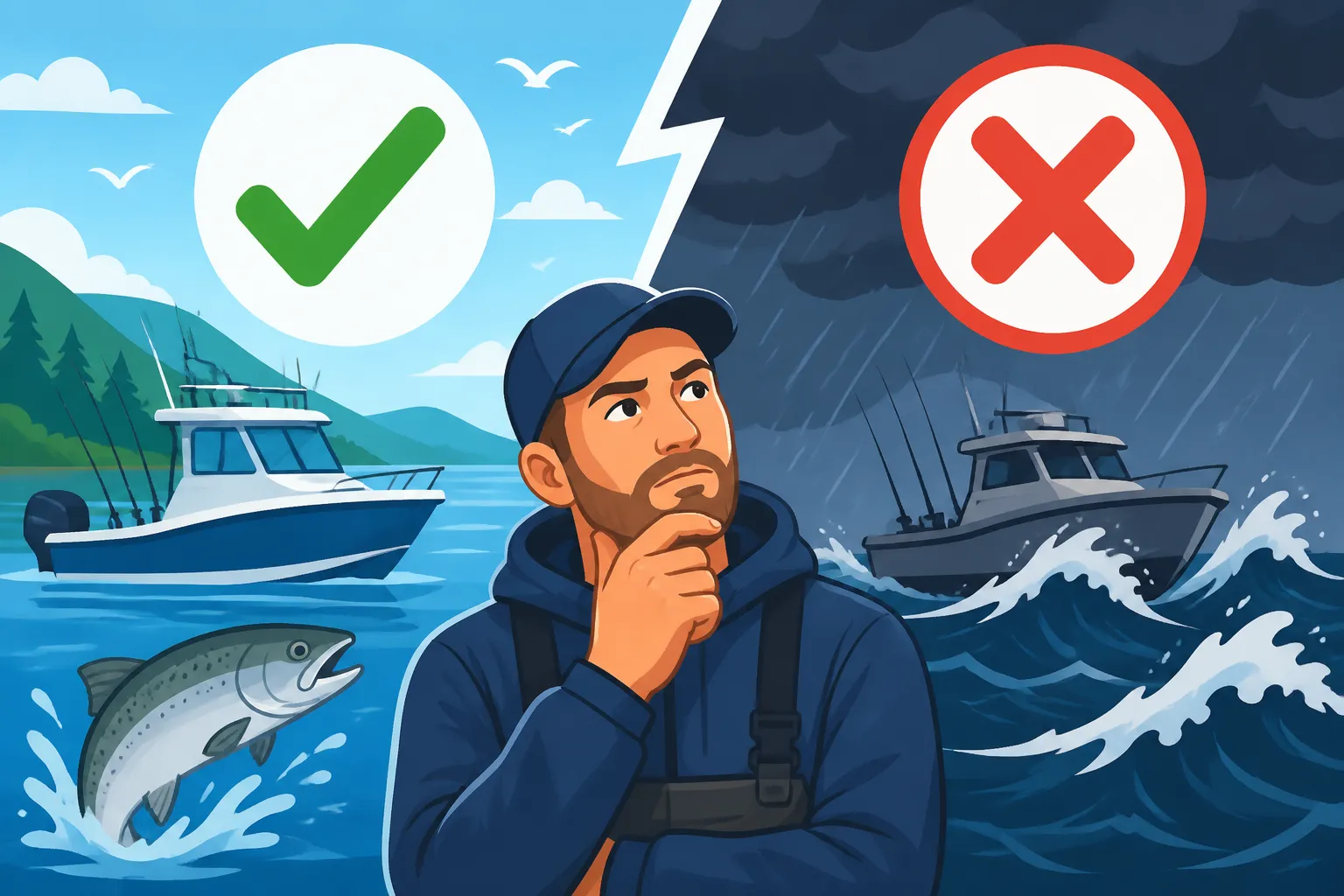
So, if you've booked a trip and the weather looks questionable, how exactly do charter captains decide whether to head out or call it off? It's a nuanced process driven by experience, safety protocols, and a deep understanding of marine conditions.
Captain's Discretion: The Ultimate Authority
When you book a fishing charter, you're not just paying for a boat; you're paying for the expertise, knowledge, and judgment of the captain. This is why the captain's decision is always final when it comes to weather cancellations. There's no committee, no democratic vote, and certainly no arguing with it once the call is made. And honestly, you wouldn't want it any other way.
These captains spend hundreds, if not thousands, of hours on the specific waters they fish. They know how their particular boat handles in various conditions, they understand the local currents, the behavior of swells, and the nuances of the marine forecast. They have a direct line to specialized weather services and often communicate with other captains in the area to get real-time reports. Their experience allows them to interpret forecasts that might look fine to an untrained eye and understand the potential dangers. For example, a captain might look at a forecast for 10-knot winds and 4-foot swells and know that, for a particular fishing ground or tide, that combination will create incredibly steep, close-together waves that are unsafe for their vessel and passengers. Trust their judgment – they're looking out for you, and their livelihood depends on maintaining a spotless safety record.
Factors Guiding a Cancellation Call
Captains consider a multitude of factors when deciding to cancel a trip due to weather. It’s rarely just one thing, but rather a combination of elements that create an unacceptable risk profile.
- Wind Speed and Gusts: This is often the biggest culprit. Strong winds directly create chop and waves, making for a very bumpy and uncomfortable ride. They can also make it incredibly difficult to maintain boat position, deploy gear, or even cast. Different boats have different tolerances; a larger, heavier vessel might handle 20-knot winds better than a smaller, lighter one. Gusts are particularly dangerous because they're sudden and can knock people off balance.
- Ocean Swell Height and Period: Swells are the rolling "hills and valleys" of the ocean. While a 4-foot swell might not sound like much, if the "period" (the time between the crests of two consecutive waves) is short, say 5-7 seconds, it means the waves are steep and close together. This creates a violent, pitching motion that can quickly induce seasickness and pose a safety risk. A longer period (10+ seconds) with the same swell height is generally much more comfortable, as the boat has time to ride up and down the wave smoothly.
- Visibility (Fog): Dense fog, common along the Oregon coast, can make navigation extremely hazardous. Even with radar and GPS, avoiding other vessels, crab pots, or submerged objects becomes a challenge. For charters that rely on visual cues for fishing or anchoring, fog can render a trip unproductive and dangerous.
- Heavy Rain: While heavy rain alone isn't usually a safety concern, it can make for a thoroughly miserable experience. Combined with wind and cold temperatures, it can lead to hypothermia risks, reduce visibility, and simply make it impossible to enjoy the day. Most captains will push through light rain, but a full-on downpour with wind is often a reason to reconsider.
- Forecast Reliability and Trends: Captains don't just look at one forecast; they cross-reference multiple marine weather sources, paying close attention to trends. Is the weather system strengthening or weakening? Is the forecast consistent across different models? Sometimes, a rapidly deteriorating forecast that comes in overnight can trigger a last-minute cancellation.
- Location and Type of Fishing: The decision can also depend on where the charter plans to fish and what kind of fishing. Bottom fishing in calmer, nearshore waters might be feasible in conditions that would be completely unsafe for heading out 30 miles offshore for halibut. Similarly, staying within a protected bay like Yaquina Bay for crabbing might be fine when ocean conditions are raging.
Captains often consult with local peers and use their vast experience to make the best call. If you're looking to book, many platforms like FishingBooker provide direct contact information for charters, allowing you to discuss their specific weather policies beforehand. Understanding these policies, such as the Oregon Fishing Charter Refund Policy, is crucial before you commit to a trip.
Understanding Your Options After a Cancellation
It's a bummer, absolutely. You’ve planned, maybe even traveled, and now your trip is canceled due to weather. But don’t despair! Reputable charters have procedures in place to handle these situations fairly.
Rescheduling Your Trip
For most anglers, rescheduling is the preferred outcome after a weather cancellation. It means you still get to experience your fishing adventure, just on a different day. Charter companies are typically very accommodating in these scenarios because they want to keep your business and provide the service you paid for.
The process usually involves working with the charter company to find a new date that works for both you and their schedule. This is where flexibility on your part can really pay off. If you have several days available in your itinerary, you'll have a much better chance of rebooking quickly. Many charters, especially during peak season, have tightly packed schedules, so finding an open slot might require some back-and-forth.
If you booked through an online platform like FishingBooker, they often have systems in place to facilitate rescheduling, acting as a go-between to ensure smooth communication and booking adjustments. It's always a good idea to communicate clearly and promptly with the charter once you hear about a potential or definite cancellation. Don't wait; the sooner you reach out, the better your chances of securing a desirable alternative date. Consider looking into Oregon Multi-Day Fishing License Options if you plan to extend your stay to accommodate a rescheduled trip.
Refund Policies Explained
While rescheduling is common, there are definitely times when a refund is the only viable option. This usually happens if you're traveling from far away and don't have the flexibility to reschedule, or if the charter's season is ending, and no other dates are available.
Generally, if the charter captain initiates the cancellation due to unsafe weather conditions, you are entitled to a full refund. This is standard practice across the industry and is designed to protect you from losing your money due to circumstances beyond your control. It's important to differentiate this from a customer-initiated cancellation, where different rules apply. If you decide to cancel because you don't like the forecast (but the captain still plans to go), or if you simply don't show up, you likely won't receive a refund. Always check the specific charter's policy; it should be clearly outlined on their website or during the booking process. Knowing the Oregon Fishing Charter Refund Policy upfront can save a lot of headaches later on.
It’s worth noting that refunds, while typically straightforward, can sometimes take a few business days to process and appear back in your account, especially if booking through third-party services. Patience is a virtue here!
Preparing for the Possibility of a Reschedule or Refund
Being prepared can significantly reduce the stress if your trip gets canceled. Here are a few proactive steps you can take:
- Travel Insurance: If your fishing trip is part of a larger, expensive vacation involving non-refundable flights, hotels, or other activities, consider purchasing travel insurance. Many policies offer coverage for trip cancellations due to unforeseen events, including weather-related disruptions that prevent the activity you planned. Read the fine print carefully to ensure fishing charter cancellations are covered.
- Have a "Plan B": Always have an alternative plan for your day or vacation. Oregon has so much to offer, even if you can't get out on the ocean. Maybe it's a visit to the Oregon Coast Aquarium, exploring tide pools, hiking a coastal trail, or trying some delicious local seafood. If your Oregon Ocean Charter Fishing trip is off, perhaps a visit to an inland river for some Oregon Trout Fishing Techniques or a tour of a local brewery could fill the void.
- Open Communication: Maintain an open line of communication with your charter company. Don't be afraid to call them a day or two before your trip to get a sense of the forecast and their current thinking. While they won't make a final call until closer to the departure time, they can often give you an early heads-up if conditions are looking dicey. This can help you adjust your plans sooner rather than later.
Knowing your options and preparing for the unexpected means that even if the weather doesn't cooperate, your overall experience won't be completely ruined.
Tips for Minimizing Weather-Related Disruptions
While you can't control the weather, you can take steps to make your Oregon fishing charter experience smoother and less prone to disappointment. A little proactive planning goes a long way.
Researching Charter Policies Upfront
This is perhaps the most crucial step. Before you hand over any money, take the time to thoroughly understand the charter's cancellation policy. Don't assume anything! Every charter operates a little differently, though most adhere to industry standards regarding weather.
When you're browsing for a charter, whether on their direct website or through a booking platform like FishingBooker, look for a clear, concise statement about their weather policy. What constitutes a "weather cancellation"? Who makes the final call? What are your options (reschedule, full refund, partial refund)? If it's not immediately clear, don't hesitate to call or email them directly to ask. A reputable charter will be happy to explain their policies. For instance, Newport Oregon Fishing Charters or Astoria Oregon Fishing Charters might have slightly different nuances due to their specific locations and typical weather patterns. Knowing this information beforehand eliminates any surprises and ensures you're on the same page with your captain.
Best Times to Book for Smoother Seas
While no month guarantees perfect weather on the Oregon coast, there are definitely seasons that tend to be calmer than others. Generally, late spring through early fall (roughly July through September) often offers the most stable and agreeable ocean conditions. These months typically see lighter winds, smaller swells, and less frequent storm systems.
However, even within these windows, you can have rough days. Mid-summer (August) is often considered the most reliable time for calm seas and excellent fishing, especially for species like albacore tuna which require traveling far offshore. Conversely, winter months (November through February) are almost guaranteed to bring larger swells, strong winds, and stormy conditions, making ocean charters less frequent and more susceptible to cancellation. If you're targeting specific species like winter steelhead in the rivers, you'll be fishing in different conditions entirely. For a comprehensive overview, checking a guide like Best Time of Year to Fish in Oregon can provide valuable insights into seasonal trends for various types of fishing.
Dressing Appropriately and Managing Expectations
Even on a day where the forecast looks good, you should always be prepared for changing conditions on the water. The ocean air is cooler, and spray can make things damp quickly.
- Dress in Layers: This is the golden rule for fishing in Oregon. Start with a moisture-wicking base layer, add insulating layers (fleece, wool), and finish with a waterproof and windproof outer shell. Even on a sunny day, the temperature can drop quickly, and wind chill is a real factor.
- Waterproof Everything: Invest in good quality waterproof rain gear – jacket, pants, and even waterproof boots. There's nothing worse than being cold and wet for hours on end. You'll thank yourself for having it, even if you don't end up needing it. Consider reading What should I bring on an Oregon fishing charter for more detailed packing advice.
- Manage Expectations: Fishing is fishing, not catching! And fishing in the Pacific Northwest means embracing the unpredictable nature of our environment. Go into your trip with an open mind and a flexible attitude. Understand that the captain will always prioritize your safety, and sometimes that means staying at the dock. View any fishing trip as an adventure, and if the fish bite and the weather cooperates, that's just a bonus! The experience of being out on the water, seeing the coastline from a different perspective, and spending time with friends or family is often worth the trip alone. If you're mentally prepared for a potential cancellation, it won't hit as hard if it happens.
By following these tips, you'll not only be more comfortable and prepared for whatever Oregon’s coastal weather throws your way, but you'll also be a more informed and appreciative client for your charter captain. Happy fishing, and may your seas be calm!
Disclaimer
This article is for general informational purposes only and does not constitute professional advice. Laws, prices and regulations vary by location and change over time. Consult a qualified professional for guidance on your specific situation.