Are Oregon charter boats heated in winter?
There’s nothing quite like the allure of winter fishing in Oregon, but let’s be honest, the thought of braving those chilly coastal winds or brisk river mornings can be a real deterrent. Many anglers wonder if enduring the cold is just part of the experience, especially when booking a charter. This guide will dive deep into whether Oregon charter boats are typically heated in winter, helping you plan for comfort and success on your next cold-weather adventure.
Understanding Winter Fishing in Oregon: The Chilly Reality
Oregon winters, particularly along the coast and on our major rivers, are no joke. While they might not bring the heavy snow of, say, the Rockies, they certainly deliver a good dose of cold, damp, and often windy conditions. This reality shapes how you need to approach any winter fishing trip, especially if you're stepping aboard a charter.
The Pacific Northwest Winter Experience
Imagine this: you're heading out before dawn, the air is crisp, biting at any exposed skin, and a fine mist might be clinging to the trees along the riverbanks. Out on the Pacific Ocean, it's often a different beast altogether – strong winds can whip up sea spray, and the dampness seems to penetrate right to your bones. It's not uncommon for temperatures to hover just above freezing, and with the added wind chill from a moving boat, it can feel significantly colder. This isn't just a minor discomfort; prolonged exposure to these elements can genuinely make an otherwise fantastic fishing trip feel miserable. You might find yourself constantly shifting, stomping your feet, or huddling, which takes away from the joy and focus of the fishing itself.
Many experienced Oregon anglers have stories of epic bites cut short because someone on board just couldn't take the cold anymore. It’s a completely valid frustration. No one wants to spend good money on a charter only to be counting down the minutes until they can get back to solid ground and a warm cup of coffee. That's why considering onboard amenities like heating becomes so crucial for winter outings.
Why Comfort Matters on a Charter
When you book an Oregon fishing charter, you're investing in an experience. Part of that experience is being able to concentrate on the fishing, enjoy the camaraderie, and take in the stunning Oregon scenery without being preoccupied by shivering. If you're constantly battling the cold, your hands might stiffen, making it harder to tie knots, manage your line, or even properly hold your rod. Your reaction time can slow down, and your overall enjoyment plummets.
For those who are newer to fishing, or perhaps bringing family members who aren't seasoned cold-weather warriors, comfort is paramount. A warm cabin provides a crucial refuge – a place to dry out, warm up fingers and toes, and recharge before heading back out to fish. It can truly make the difference between a memorable, positive experience and one that leaves you wishing you'd stayed home. After all, the goal is to catch fish and make memories, not to test your endurance against the elements.
Do Oregon Charter Boats Have Heat? The Truth About Amenities
Now for the million-dollar question: will your Oregon charter boat be heated? The answer, like many things in life, is "it depends." There’s no universal standard, and the amenities can vary significantly from one vessel to another. However, many reputable operations recognize the importance of passenger comfort, especially during the colder months.
Common Heating Options on Charter Vessels
You might encounter a few different types of heating systems on Oregon charter boats:
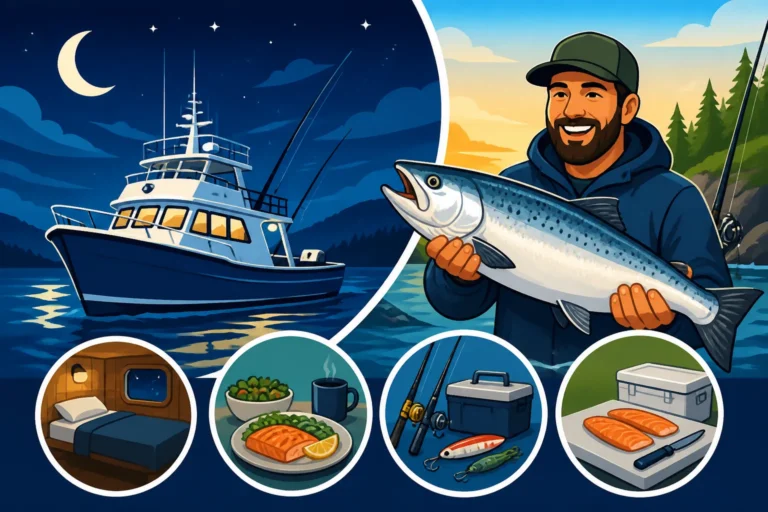
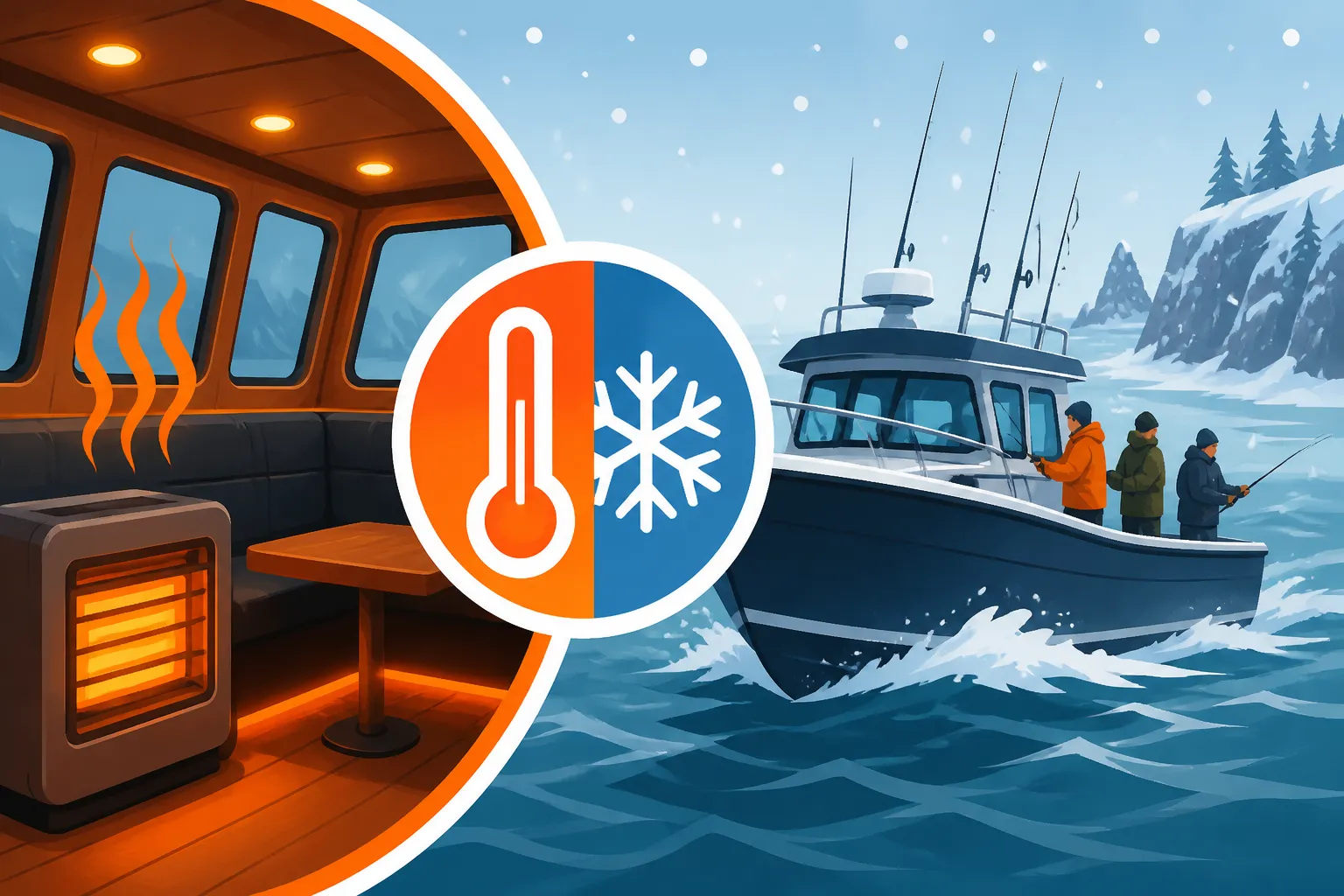
- Diesel/Propane Cabin Heaters: These are quite common on larger, enclosed vessels, particularly those designed for ocean charters or longer river trips. They work much like a small furnace, blowing warm air into the main cabin area. These are usually highly effective and can make the cabin incredibly cozy, offering a complete escape from the elements. Think of stepping inside a warm little room where you can shed a layer or two and truly thaw out.
- Electric Space Heaters (Shore Power/Generator): Some boats might use electric heaters if they have a generator on board or if they’re primarily used for day trips where the heater only needs to run for a few hours. These are generally less common on smaller, more mobile fishing boats but can be effective in a compact cabin.
- Wood Stoves (Rare, but exist): Very occasionally, on older, rustic river drift boats or larger custom-built vessels, you might find a small wood stove. While incredibly charming and effective, these are definitely the exception rather than the rule and typically found on private, custom guide boats rather than large commercial charters.
It's important to remember that even with heating, the fishing deck itself will still be exposed. The heating is primarily for the enclosed cabin, which serves as a vital warming station between fishing spots or during transit.
Factors Influencing Heating Availability
Several elements play a role in whether your specific charter boat will have heating:
- Boat Size and Type: Larger vessels, especially those designed for offshore excursions out of ports like Newport or Astoria, are much more likely to have robust, enclosed cabins with heating. These boats often carry more passengers and operate in more exposed conditions, making comfort a higher priority. Smaller river boats or open skiffs, while fantastic for certain types of fishing, usually don't have enclosed cabins, let alone heating. For instance, a boat designed for targeting Pacific Halibut off Oregon might be a completely different animal than a small craft for steelhead guide trips.
- Type of Fishing: If you're booking a charter for Oregon Ocean Charter Fishing where you'll be miles offshore for hours, an enclosed, heated cabin is a huge plus and often expected. For a shorter, inshore crabbing trip or a river trip where you're actively casting and moving, the need might be perceived differently by the operator.
- Age and Amenities of the Vessel: Newer or recently upgraded boats are more likely to feature modern amenities, including efficient heating systems. Older boats might be perfectly functional but might lack some of these creature comforts.
- Captain's Philosophy: Some captains prioritize comfort and want to ensure their clients have the best possible experience, regardless of the weather. Others might focus purely on the fishing aspect and expect their clients to be adequately dressed for the conditions.
How to Confirm Heating Before You Book
The absolute best way to know if an Oregon charter boat is heated in winter is to ask directly. Don't assume. When you're inquiring about a trip, make heating a specific question. Reputable charter operators will be transparent about their amenities.
When you're browsing for a charter, platforms like FishingBooker often include detailed descriptions of the boat and its facilities. Look for phrases like "heated cabin," "enclosed cabin," or "onboard heater." If it's not explicitly mentioned, send a message or make a call to clarify. It's perfectly reasonable to prioritize your comfort, especially on a longer trip or if you're sensitive to the cold. Knowing beforehand will help you manage your expectations and pack appropriately. You might find a great Newport Oregon Fishing Charters option that boasts a fantastic heated cabin, making that decision much easier.
Preparing for Cold Weather Charters: Beyond Just the Boat's Heat
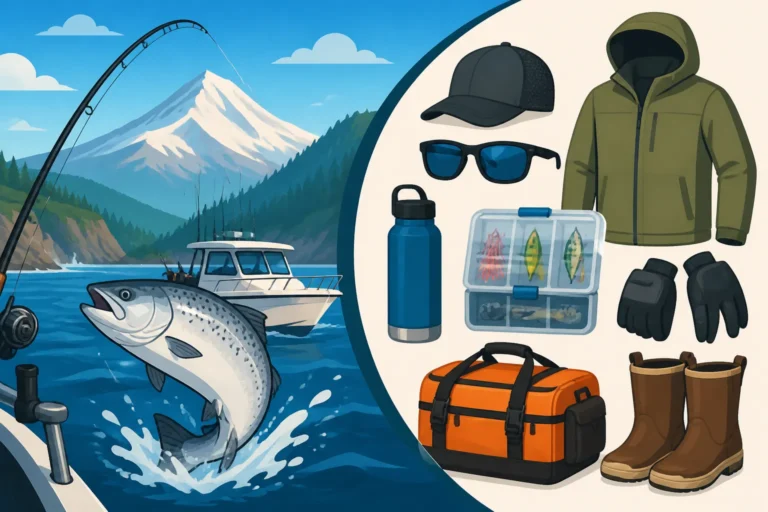
Even if your charter boat does have a heated cabin, you're still going to spend a good amount of time out on the deck, exposed to the elements. Therefore, proper personal preparation is crucial for a comfortable and enjoyable winter fishing experience in Oregon.
Layer Up, Always Layer Up
This is the golden rule for cold-weather adventuring, and it's especially true for fishing in Oregon. Forget fashion; think function.
- Base Layers: Start with a good moisture-wicking base layer against your skin. This could be merino wool or synthetic material. Avoid cotton, as it absorbs moisture and will make you colder when wet. This layer helps regulate your body temperature and keeps sweat away from your skin.
- Mid-Layers: Next, add insulating layers. Fleece jackets, wool sweaters, or down vests are excellent choices. These layers trap warm air close to your body. You might want to have a couple of these so you can adjust as conditions change or as you move in and out of a heated cabin.
- Outer Shell: Your outermost layer needs to be completely waterproof and windproof. A high-quality rain jacket and pants are non-negotiable for Oregon winters. They will protect you from rain, snow, and especially the biting wind and sea spray. Look for materials like Gore-Tex or similar waterproof-breathable fabrics.
- Headwear: A warm hat (wool or fleece) that covers your ears is incredibly important. You lose a significant amount of body heat through your head. Consider a balaclava or neck gaiter for extra protection against wind.
- Hand Protection: Waterproof and insulated gloves are a must. You'll need gloves that allow for enough dexterity to handle your gear but still keep your fingers warm. Some anglers opt for fingerless gloves for sensitivity and then pull on warmer mittens or fully insulated gloves when not actively fishing.
- Footwear: Insulated, waterproof boots are essential. Your feet will be on a cold deck, and they'll likely get wet. Wool socks (again, avoid cotton) are your best friend here, perhaps even two pairs if your boots allow for it. Best Waders for Cold Water Steelhead Fishing might be a different consideration, but for boat charters, good boots are key.
Remember, you can always take layers off if you get too warm, but you can't conjure them out of thin air if you're freezing.
Essential Gear for Staying Warm
Beyond clothing, a few key items can significantly boost your comfort:
- Hand Warmers and Toe Warmers: These small, disposable packets can be a lifesaver. Slip them into your gloves or boots for hours of radiant heat. They truly make a difference when your extremities start to ache from the cold.
- Thermos with Hot Beverages: A thermos filled with hot coffee, tea, or even just hot water (to mix with instant soup or cocoa) can be a game-changer. There's something incredibly comforting about a warm drink on a cold day.
- Snacks: High-energy snacks help keep your metabolism running, which generates body heat. Think nuts, granola bars, or even a hearty sandwich.
- Extra Towel/Rag: Handy for wiping down wet surfaces or drying your hands before putting them back into gloves.
What to Ask Your Charter Captain
Before you even step on the boat, don't hesitate to ask your captain specific questions about comfort beyond just heating:
- "Is there an enclosed cabin where we can warm up?"
- "Do you provide any hot beverages or water?"
- "What kind of covered areas are there on deck?"
- "Is there a marine head (toilet) on board, and is it heated or enclosed?"
Knowing these details upfront will allow you to pack appropriately and ensure you have the most enjoyable time possible. Many captains, especially those listed on platforms like FishingBooker, are happy to answer these questions because they want you to have a great trip. Booking a Columbia River Salmon Guide Trips or Sturgeon Guide Trips on the Columbia means you'll spend a lot of time on the water, so these amenities are important.
Making the Most of Your Winter Fishing Adventure
Winter fishing in Oregon isn't just about battling the cold; it's about embracing a unique season that offers incredible angling opportunities. With the right preparation and expectations, you can have some truly unforgettable experiences.
Winter Fishing Opportunities in Oregon
Don't let the cooler temperatures scare you away! Oregon's winter fishing can be fantastic for specific species:
- Steelhead: Many of Oregon's coastal rivers and tributaries see strong winter steelhead runs. These powerful fish are a prized catch, and the serene, often solitary beauty of winter river fishing is an experience unto itself. Consider a trip to target Winter Steelhead in Oregon.
- Dungeness Crab: Winter is prime time for crabbing along the Oregon coast. While typically not done from a fast-moving charter, some charters offer combo trips or crabbing as an add-on. Knowing the Oregon Crabbing Season Timing is key.
- Bottomfish (Lingcod and Rockfish): When ocean conditions allow, winter can still offer great opportunities for deep-sea bottom fishing. These hard-fighting species are often plentiful, and charters out of ports like Depoe Bay or Garibaldi specifically target them. You might be interested in how to catch Lingcod off the Oregon Coast or Rockfish off the Oregon Coast.
Balancing Comfort with the Catch
Ultimately, the best fishing trip is one where you're comfortable enough to truly enjoy the process, regardless of the ultimate catch. While the thrill of landing a big salmon or a feisty steelhead is certainly a huge draw, being miserable from the cold can overshadow even the most successful day.
Prioritizing a charter with a heated cabin, or ensuring you're layered up beyond what you think you'll need, allows you to relax into the rhythm of the ocean or river. It frees your mind to appreciate the stunning natural beauty, the quiet moments, and the excitement of the bite. If you're looking to book, make sure to read the boat descriptions carefully on sites like FishingBooker and don't hesitate to reach out to the captain. A little planning goes a long way in turning a potentially chilly outing into a truly warm memory.
Here's a quick look at typical heating availability on different charter types:
| Charter Boat Type | Likelihood of Heated Cabin | Typical Heating System | Notes |
|---|---|---|---|
| Large Ocean Charters (6+ passengers) | High | Diesel/Propane Forced Air | Often have spacious, fully enclosed and heated cabins. Best for comfort on long ocean trips. |
| Mid-Size Ocean Charters (up to 6) | Medium to High | Diesel/Propane or smaller electric | Many will have an enclosed, heated cabin, but might be smaller. Always ask to confirm. |
| River Drift Boats (1-3 passengers) | Very Low | None (open air) | Designed for active casting/drifting. Focus is on personal layering. Some guides offer hot drinks. |
| Smaller River Jet Boats (1-4) | Low | Small enclosed area, possibly portable | Generally open or partially covered. Some might have a very small, basic enclosure. Confirm directly. |
| Bay/Estuary Crabbing Boats | Low | None or very basic portable | Often open or minimal coverage. Trips tend to be shorter, so focus on warm clothing is paramount. |
Disclaimer
This article is for general informational purposes only and does not constitute professional advice. Laws, prices and regulations vary by location and change over time. Consult a qualified professional for guidance on your specific situation.