What age is too young for an ocean fishing charter
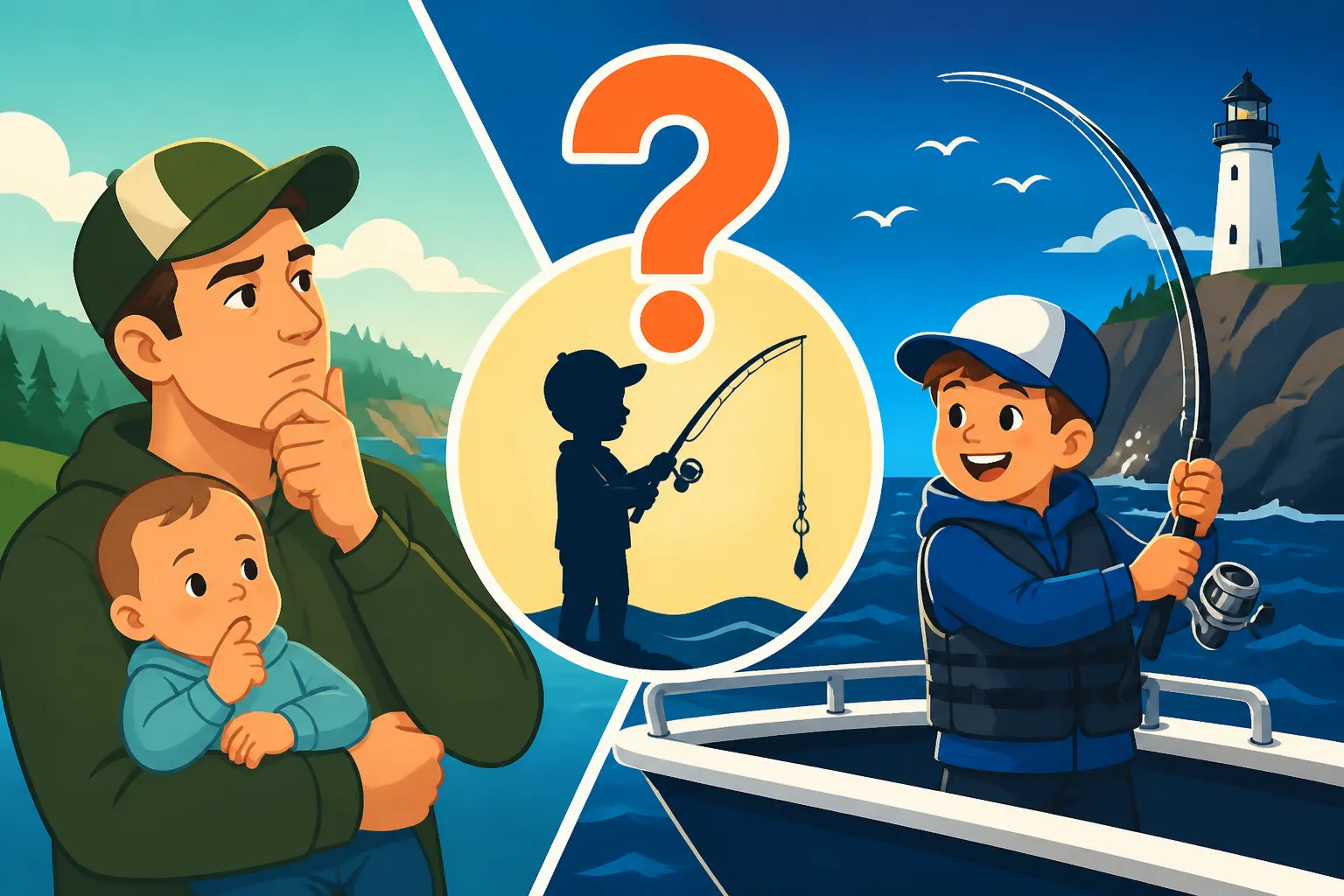
It’s a common dilemma for parents who love the open water and the thrill of a good catch: how young is too young to bring a child on an ocean fishing charter? We all want to share our passions with our kids, but the unique environment of the Pacific Ocean off Oregon presents challenges that are far different from a calm lake or river. This guide will walk you through the real-world considerations, from safety to seasickness, to help you make an informed decision about whether your little one is truly ready for an Oregon ocean adventure.
Understanding Ocean Fishing Charter Realities
Before you even think about booking, it’s crucial to understand what an ocean fishing charter actually entails, especially when you’re considering bringing children. It's not just a boat ride; it's an active fishing trip on potentially unpredictable waters.
The Environment: What to Expect on the Open Water
The Pacific Ocean, even on a "calm" day, is a dynamic environment. You'll be dealing with waves – sometimes gentle swells, other times significant chop – that can make even the most seasoned sailor a bit queasy. The boat will be in constant motion, pitching and rolling, which can be disorienting for small children who aren't used to it. Add to that the constant hum of the engine, the shouts of the crew, and the general bustle of fishing activity, and it can be an overwhelming sensory experience. The air is often colder and wetter than on land, even in summer, due to sea spray and wind chill. This isn't a leisurely cruise; it's an active, sometimes rugged, outing.
Visibility can also be a factor. While a clear day offers stunning views, Oregon’s coast is also known for its fog and overcast skies. If a child relies heavily on visual cues for orientation, a foggy ocean might exacerbate feelings of discomfort or seasickness. The sounds of the ocean itself – the crashing waves, the creak of the boat, the cries of gulls – can be fascinating, but for some children, it might just add to the general sensory overload. It's important to imagine your child in this potentially chaotic environment before committing.
Duration and Physical Demands
Ocean charters in Oregon typically range from half-day (4-6 hours) to full-day (8-12 hours) trips, and sometimes even longer for specialty trips like tuna or halibut. That’s a long time for anyone, let alone a young child with a limited attention span. Children will be expected to remain in designated areas for safety, and constant supervision is a must. Standing and bracing against the motion of the boat can be physically tiring. Potentially, there's the excitement of reeling in a big fish, which requires strength and endurance.
Imagine a restless child on a small boat for six hours with nowhere to truly run around or burn off energy. The novelty wears off quickly, and boredom can set in, leading to frustration for both the child and the parents. Consider if your child can handle being confined for an extended period, especially if they are prone to fidgeting or need frequent breaks. Many parents underestimate the sheer physical toll a day on the ocean can take, even on adults.
Safety Considerations
Safety is paramount on any fishing vessel. Charter boats are regulated and equipped with safety gear, including life jackets for all passengers. However, a child’s ability to understand and follow safety instructions – like staying behind railings, keeping hands clear of lines, or immediately sitting down when the boat makes a sharp turn – is critical. A crew member will always be looking out for everyone, but they cannot provide constant, individual supervision for every child, especially during peak fishing action.
Crew members are experienced professionals, but their primary role is guiding the fishing experience. While they are attentive to safety, they are not babysitters. You, as the parent or guardian, are responsible for your child's behavior and safety throughout the trip. Discussing the Oregon Fishing Regulations Explained before the trip, particularly any safety guidelines for children, can be beneficial for everyone involved. Ensure your child understands that safety rules are not negotiable, especially on a moving vessel in deep water.
Factors to Consider for Young Anglers
Deciding on the right age isn't a one-size-fits-all answer. It truly depends on the individual child and a variety of factors beyond just their birth certificate.
Age vs. Maturity: It's More Than Just Numbers
While there’s no official minimum age mandated by most Oregon charters, common sense often dictates that children under 4 or 5 years old are generally too young for a full ocean trip. However, maturity is a better indicator than age. Does your child have a decent attention span? Can they follow multi-step instructions from an unfamiliar adult (the captain or deckhand)? Do they have the patience to wait between bites, which can sometimes be long stretches? A child who can sit quietly, play independently, or engage in conversation for reasonable periods will have a much better experience than one who needs constant stimulation or becomes easily frustrated.
Think about how your child handles other structured activities. Can they sit through a long movie? Are they comfortable in new environments with new people? Are they generally resilient when things don't go exactly as planned? Ocean fishing requires adaptability – weather changes, fish might not bite, and the boat's motion can be unpredictable. A child with a higher level of maturity will navigate these variables much more gracefully, making the trip enjoyable for everyone.
Prior Experience with Boats and Water
Has your child spent time on smaller, calmer boats, like a pontoon on a lake or a drift boat on a river? Even a ferry ride can provide some insight into how they handle motion and being on the water. Children who are already comfortable with the feeling of a boat moving and the vastness of open water will likely adapt more easily to an ocean charter. If their only experience with water has been a swimming pool, an ocean environment might be a shock to their system.
Consider their comfort level with life jackets. While charters provide them, some children resist wearing them for extended periods. Practicing wearing one in a non-stressful environment beforehand can make a huge difference. Exposure to different water environments, even if it's just watching boats at a marina, can help prepare a child for what's to come. For instance, a quick crabbing trip in a calmer bay like Tillamook Bay or Yaquina Bay could be a great test run for an ocean excursion, offering a taste of being on a boat without the full intensity of offshore swells.
Child's Interest and Enthusiasm
This might seem obvious, but it’s crucial. Is the idea of fishing from an ocean boat genuinely exciting for your child, or is it something you want them to do? Forcing a child into an experience they're not interested in is a recipe for disaster. Their boredom and discomfort will quickly sour the trip for everyone. Look for genuine curiosity and enthusiasm. Do they ask questions about fish? Do they enjoy simple fishing activities from a dock or riverbank?
If they express excitement, involve them in the planning. Let them pick out a snack, pack a small backpack, or look at pictures of the fish you might catch. This engagement can build anticipation and ownership of the experience. Remember, the goal is to foster a love for the outdoors and fishing, not to create a stressful memory. Many charters focus on Oregon Family-Friendly Fishing Charters specifically, which can be a great place to start, as they often have a more relaxed pace and kid-oriented amenities.
Seasickness Susceptibility
Seasickness is a major consideration. If your child has a history of motion sickness (in cars, planes, or even on swings), an ocean charter will almost certainly trigger it. Even children without a history can succumb to the rocking motion of the ocean. A seasick child is miserable, and that misery spreads quickly to everyone around them. This is one of the primary reasons many charters suggest a minimum age.
Prevention is key. Consult with your pediatrician about appropriate over-the-counter medications for their age and weight. Administer them before getting on the boat, as they are far less effective once symptoms have started. Encourage light, non-greasy meals beforehand and avoid strong smells. Position them in the fresh air, looking at the horizon. Understanding Is seasickness common on Oregon ocean charters? and Best seasickness medicine for an ocean fishing charter can significantly help in your preparation.
Types of Oregon Charters and Their Suitability for Kids
Not all ocean charters are created equal, especially when it comes to accommodating young anglers. The type of trip you choose can drastically impact the experience for your child.
Shorter, Nearshore Trips
For younger children, or those new to ocean fishing, shorter, nearshore trips are often the best starting point. These trips typically stay closer to the coast, often within calmer bays or just outside the jetties, where the water tends to be less rough. Bottom fishing for rockfish or lingcod, or even dedicated crabbing trips in protected waters like Yaquina Bay, are excellent options. These trips are usually shorter in duration (3-5 hours), reducing the time a child has to be confined and minimizing exposure to intense seasickness-inducing swells.
These trips often have a higher chance of continuous action, meaning more bites and less waiting, which is great for keeping a child engaged. Many Oregon Fishing Charter Guide services in towns like Newport, Depoe Bay, and Garibaldi offer these types of excursions. The focus is less on trophy fish and more on the overall experience of being on the ocean and catching something, which is perfect for introducing kids to the sport without overwhelming them.
Longer Offshore Adventures
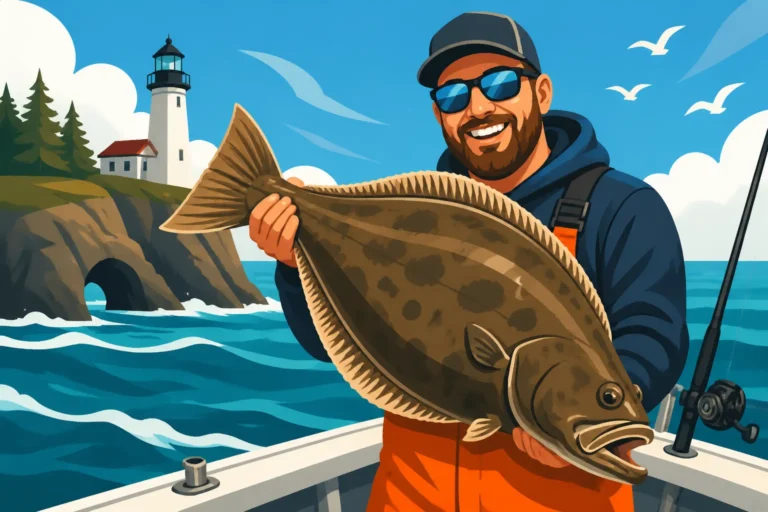
Trips targeting albacore tuna, halibut, or offshore salmon are generally not recommended for very young children. These excursions often involve traveling many miles offshore into much deeper, open water, where swells can be significantly larger and more unpredictable. They are typically full-day affairs, lasting 8-12 hours or even longer, and require a high degree of patience and endurance. The action can be sporadic, with long periods between bites, which can quickly lead to boredom and frustration for a child.
While adults might cherish the thrill of landing a large halibut or a hard-fighting tuna, the intensity and duration of these trips are usually beyond what a small child can comfortably handle. If you're looking at Halibut Charter Trips off Newport or Tuna Charter Trips off Oregon, it's generally best to wait until your children are older, perhaps in their pre-teen or teenage years, and have demonstrated a solid tolerance for shorter ocean trips.
Private vs. Shared Charters
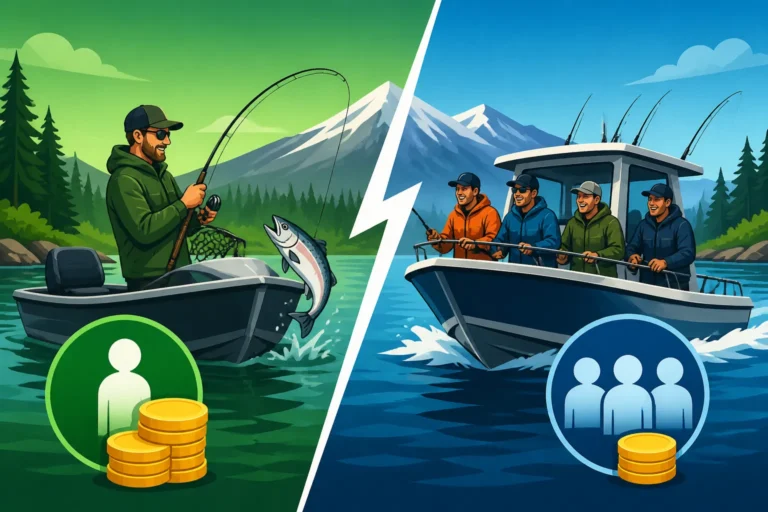
This is a significant distinction when bringing children. On a shared charter, you are with other paying customers who might have different expectations for their fishing experience. A screaming child, a child suffering from seasickness, or a child constantly needing attention can quickly become disruptive to others who have paid good money for their trip. While most anglers are understanding, it can create an uncomfortable atmosphere.
A private charter, while typically more expensive (check Oregon Fishing Charter Costs), offers immense flexibility. You have the entire boat to your group. This means you can dictate the pace, take breaks as needed, change locations if a child is struggling, or even cut the trip short if necessary without impacting other passengers. The crew can often dedicate more attention to teaching your child how to fish. This personalized experience can make all the difference in a child's first ocean fishing adventure. You can often find options for Newport Oregon Fishing Charters or Astoria Oregon Fishing Charters that offer private bookings.
Dedicated Family-Friendly Charters
Some charter companies specifically cater to families and first-time anglers. When looking for a charter, ask if they have "family-friendly" or "kid-focused" trips. These operations often have crews experienced with children, a more relaxed atmosphere, and may even have amenities like smaller life jackets, kid-sized fishing gear, or enclosed spaces for shelter. They understand the unique needs of younger passengers and prioritize the overall positive experience over maximizing the catch count.
When choosing, don't hesitate to directly ask captains about their experience with children and their policies. A good charter will be upfront about whether they feel your child's age is appropriate for a particular trip. A great resource like FishingBooker often allows you to filter for family-friendly charters and read reviews from other parents, which can be invaluable in selecting the right operator for your needs.
Here's a quick comparison of charter types:
| Charter Type | Target Age Group | Typical Duration | Proximity to Shore | Suitability for Young Kids | Key Benefit for Families |
|---|---|---|---|---|---|
| Nearshore Bottom Fishing | 5+ | 3-5 hours | Close (bays, jetties) | Excellent | Shorter, calmer, more consistent action to keep kids engaged |
| Bay Crabbing/Fishing | 4+ | 2-4 hours | Very Close (bays) | Excellent | Very calm water, short duration, interactive crabbing |
| Salmon Trolling (Coastal) | 8+ | 6-8 hours | Moderate (few miles out) | Moderate | Excitement of big fish, but longer and more open water |
| Halibut/Tuna Offshore | 12+ | 8-12+ hours | Far (many miles out) | Low | Best for experienced older kids/teens; rougher, longer |
| Columbia River Salmon/Sturgeon | 6+ | 6-8 hours | River (large, but protected) | Good | Large boats, calmer waters than ocean, still big fish |
(Note: "Target Age Group" is a general recommendation. Individual maturity varies.)
Preparing for a Successful Trip with Young Children
Once you've decided an ocean charter is a go, preparation is everything. A little foresight can prevent a lot of headaches and help ensure your child has a memorable, positive experience.
Essential Gear and Comfort Items
The Oregon coast weather is famously unpredictable, even in summer. Layering is crucial. Bring waterproof outerwear (jacket and pants), warm hats, gloves, and non-slip, waterproof shoes. Even if the forecast is sunny, conditions can change rapidly. Sunglasses and sunscreen are also essential, as UV rays reflect off the water. Pack plenty of snacks and drinks, especially water. Bland snacks like crackers can help settle a queasy stomach.
Don’t forget comfort items. A small pillow or blanket for naps, a favorite stuffed animal, or a book can provide a sense of security and entertainment during down times. Wipes, plastic bags for trash or seasickness incidents, and a change of clothes are also smart additions. While charters often provide basic fishing gear, you might consider bringing a kid-friendly rod and reel if your child has one and is comfortable using it, making the experience feel more personal. Check out What should I bring on an Oregon fishing charter for a more comprehensive list that you can adapt for your child.
Communication with the Charter Crew
Before you even step on the boat, have an open conversation with the captain or booking agent. Let them know you're bringing a young child and ask about their specific recommendations or policies. Inquire about onboard facilities, like restrooms, and where children are expected to be positioned during the trip. Discuss any concerns you have, such as potential seasickness or your child's temperament.
A reputable charter, particularly those listed on platforms like FishingBooker, will appreciate your proactive communication. They can offer advice based on their experience and may even make special accommodations. Establishing this rapport early helps set realistic expectations for both you and the crew, leading to a smoother and more enjoyable trip for everyone. Don’t be afraid to ask about How to choose an Oregon fishing guide – a good guide will be happy to answer your questions and build confidence.
Setting Realistic Expectations
Perhaps the most important aspect of bringing a child on an ocean charter is managing expectations. For a child, the goal isn't necessarily to catch the biggest fish or even to catch a fish at all. The experience itself is the reward: seeing marine wildlife, feeling the boat on the waves, trying something new, and spending time with family. Focus on the adventure, the fresh air, and the novelty of being on the ocean.
Explain to your child beforehand that fishing sometimes means waiting, and it's okay if you don't catch a fish every time. Celebrate small victories – seeing a seal, feeling a nibble, successfully casting. If the trip gets tough due to weather or seasickness, be prepared to shift gears and focus on comfort or simply enjoying the ride. A positive attitude from you, regardless of the fishing success, will significantly influence your child’s perception of the trip. Remember, the ultimate goal is to create a happy memory, even if that memory involves more whale watching than fish catching.
Disclaimer
This article is for general informational purposes only and does not constitute professional advice. Laws, prices and regulations vary by location and change over time. Consult a qualified professional for guidance on your specific situation.