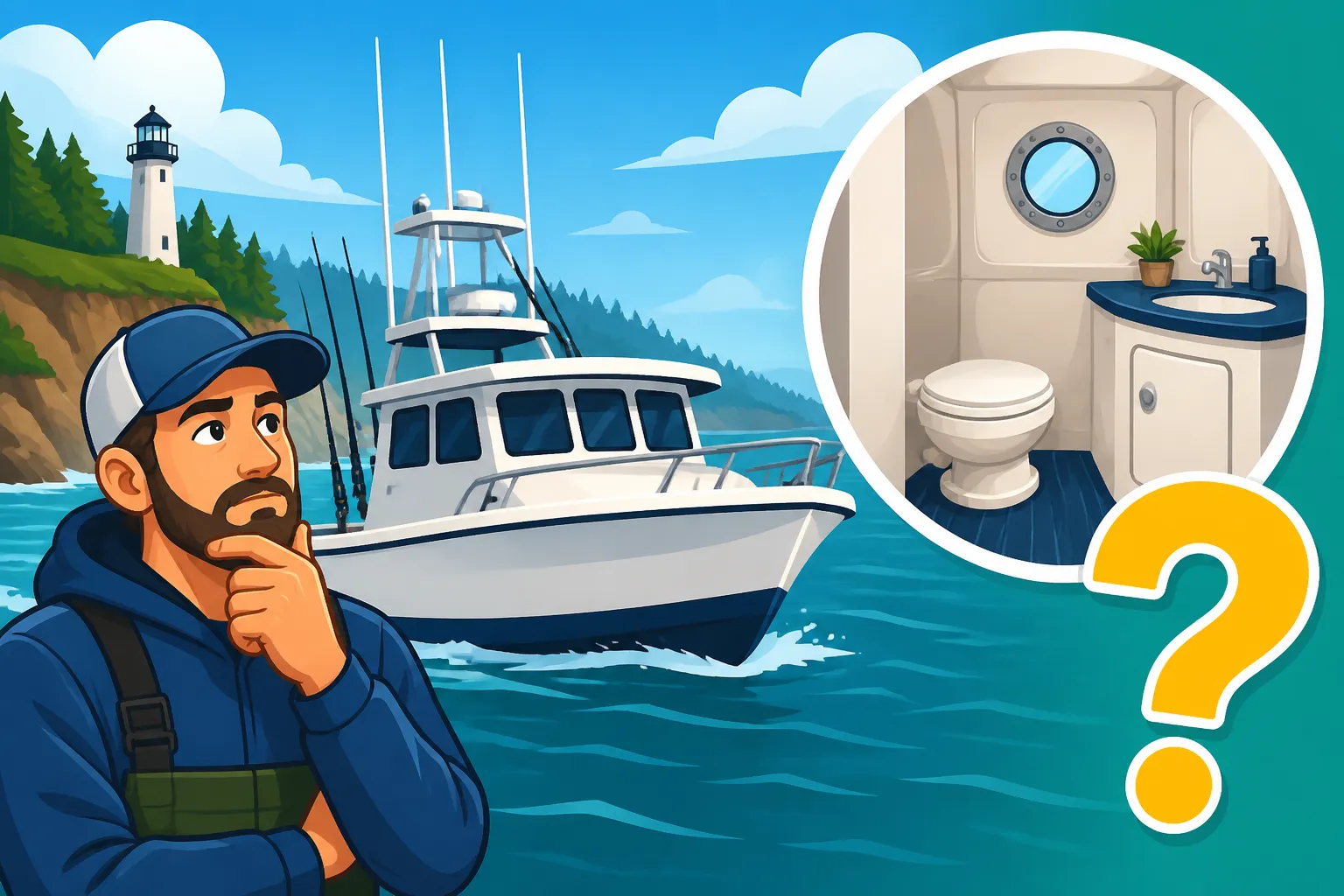
Do charter boats in Oregon have restrooms?
One of the questions that often weighs on people's minds when planning an Oregon fishing adventure, especially if it's their first time on a boat or they're going out for a longer trip, is the very practical concern of restroom facilities. Let's be honest, when you're out on the water, far from shore, knowing where you can "go" is pretty important for comfort and peace of mind. This guide will walk you through what to expect regarding restrooms on various Oregon charter boats, so you can plan your trip without unnecessary worry.
Understanding Restroom Facilities on Different Oregon Charter Boats
The availability and type of restroom on an Oregon fishing charter can vary significantly depending on the size of the vessel, the kind of fishing trip, and even the body of water you'll be on. It's not a one-size-fits-all situation, and managing your expectations beforehand is key to a comfortable outing.
Larger Ocean-Going Vessels for Offshore Adventures
When you're heading out for deep-sea adventures like Oregon Halibut Charter Guide, Oregon Salmon Charter Guide, or even Tuna Charter Trips off Oregon, you'll typically be on a larger vessel. These boats are designed for offshore travel and longer durations, often carrying more passengers. Because of this, they almost universally come equipped with a dedicated marine restroom, often referred to as a "head."
These heads are usually small, enclosed compartments, providing a reasonable degree of privacy. They're functional, but don't expect the luxury of your bathroom at home! They'll have a marine-specific toilet that works a bit differently than what you're used to on land. They often operate with a manual or electric pump system and have strict rules about what can and cannot be flushed – usually "nothing but bodily waste and boat-provided toilet paper." This is crucial to prevent clogging the system, which can be a real headache (and quite embarrassing) out at sea. Many larger charters operating out of ports like Newport, Astoria, or Depoe Bay are well-appointed in this regard, understanding that passenger comfort is paramount for a full day on the Pacific. These vessels also typically have running water for handwashing, which is a nice touch after handling fish.
Smaller River Boats and Drift Boats for Inland Fishing
Now, if your fishing dreams involve chasing steelhead on the Deschutes River or spring Chinook on the Willamette, you'll likely be on a much smaller craft. Think drift boats, jet sleds, or other specialized river boats. These vessels are designed for maneuverability in currents and shallower waters, and space is at a premium. Consequently, a dedicated, enclosed restroom facility like those on ocean charters is rarely an option.
For these kinds of trips, particularly on scenic rivers where you might be How to Fly Fish in Oregon or Drift Fishing Techniques for Oregon Rivers, guides employ various solutions. Sometimes it's a "take-a-break-on-shore" approach, finding a discreet spot along the bank. Other times, for longer float trips or when shore access is limited, they might carry a portable, self-contained toilet system, often a simple bucket-style commode with a privacy tent or cover. It's definitely more rustic, but it gets the job done and allows you to stay on the water longer. Guides are usually very experienced in handling these situations discreetly and respectfully. It’s always best to ask your guide directly when booking a Oregon Steelhead Guide Trips or Columbia River Salmon Guide Trips about their specific arrangements.
Bay and Estuary Boats for Crabbing and Nearshore Angling
Trips focused on Dungeness Crab in Oregon in places like Tillamook Bay or Yaquina Bay, or nearshore fishing for rockfish and lingcod, can fall somewhere in the middle. These boats might be larger than river craft but smaller than offshore charters.
On these bay and estuary trips, you'll find a mix. Some larger, more established bay charters might have a compact marine head, similar to the ocean vessels but perhaps even more basic. Smaller boats, or those focusing on shorter trips, might lean towards the portable solutions found on river boats, or rely on accessible dockside facilities before and after the trip. The key factor here is often the duration of the trip and the specific boat's design. A short 3-hour crabbing trip might not necessitate an elaborate setup, while a 6-hour bay fishing excursion might. When looking for a Crabbing Charter Trips in Oregon or other inshore options, checking the boat's amenities is a smart move.
Navigating "The Head": What to Know About Marine Toilets
If your Oregon fishing charter is equipped with a marine head, it’s important to understand a few things about how these systems work. They aren't quite like your porcelain throne at home, and treating them with care is essential for everyone's comfort and the smooth operation of your trip.
The Mechanics of a Marine Toilet
Marine toilets, or "heads," are fundamentally different from household plumbing. Instead of relying on gravity and a municipal sewer system, they use a pump system to move waste from the bowl to a holding tank on the boat. This system is robust but also sensitive.
Typically, after you use the toilet, you'll need to operate a pump (either a manual lever or a button for an electric pump) to flush. The process might require a few pumps to clear the bowl effectively. The golden rule for marine heads is "if you didn't eat it or drink it, don't flush it!" This means no paper towels, no feminine hygiene products, no wet wipes (even if they say "flushable" – they aren't for marine systems!), and definitely no trash. Only the specially designed, rapidly dissolving marine toilet paper provided by the charter should ever go into the bowl. Ignoring this rule is the quickest way to clog the system, rendering it unusable for everyone on board and potentially cutting your fishing trip short while the crew deals with a messy repair. Your captain or deckhand will usually give a brief orientation on how to use the head, and it's always best to listen carefully.
Privacy and Comfort Levels on Board
The level of privacy and comfort in a marine head can vary. On larger, more modern ocean-going charters, you might find a small but fully enclosed room with a locking door, offering complete privacy. These often include a small sink for handwashing and sometimes even a mirror.
On smaller boats that still have a head, the setup might be more compact. It could be a very tight space, perhaps just enough room to stand or sit, with minimal elbow room. In some cases, especially on slightly older or smaller vessels, the "head" might be a curtained-off section rather than a solid door, offering visual privacy but not full soundproofing. It's important to set your expectations accordingly. While not always luxurious, the primary goal is functional privacy, and most charters do a good job of providing a clean and usable space. Remember, it's a boat, not a hotel. If you're particularly concerned about privacy or claustrophobia, it's a valid question to ask the charter company when you book. You can often find details or even photos of the boat's facilities on websites like FishingBooker, or by calling the charter directly.
Planning Ahead: Essential Considerations for Your Trip
Knowing what to expect is one thing, but actively preparing for the restroom situation on your Oregon fishing charter can make a huge difference in your overall experience. A little foresight goes a long way, especially for longer trips or if you have specific needs.
Asking Before You Book: Don't Be Shy!
Seriously, don't be embarrassed to ask about restrooms when you're inquiring about or booking a trip. Reputable charter operators and guides understand this is a common and legitimate concern for their clients. It shows you're thinking ahead, and they'll appreciate that.
When you contact a charter or check out their listing on a platform like FishingBooker, make it a point to ask:
- "Does your boat have a restroom?"
- "If so, what kind of facilities are available?"
- "Is it a private, enclosed space?"
- "Are there any special instructions for using it?"
The answers will help you gauge whether the boat meets your comfort level. For example, if you're booking an Oregon Family-Friendly Fishing Charters trip, knowing there's a proper head can be a huge relief for parents with young children. Transparency from the charter is a good sign, and a good operator will happily provide the details.
Preparing for Trips with Limited or Basic Facilities
Even if a charter has a restroom, it might be more basic than you're used to, or for river trips, it might be a wilderness solution. Here are some tips for preparing:
- "Go before you go": This is the golden rule for any outdoor activity. Use facilities at the dock, marina, or a gas station right before you board the boat. Minimize your need to use the boat's facilities.
- Hydration strategy: Stay hydrated, but perhaps strategically. Avoid excessive caffeine or diuretics right before and during the trip, especially if you know facilities will be minimal.
- Pack smart: Consider bringing a small, discreet "personal hygiene kit" with hand sanitizer, a few extra tissues, and perhaps some wet wipes (for personal cleaning, not for flushing!).
- Dress in layers: Being too cold can make you feel the need to relieve yourself more often. Layers help you stay comfortable.
- Know the trip duration: A short How long is a typical salmon charter trip in Oregon might be manageable, but a full-day offshore adventure requires more planning.
Addressing Concerns for Families and Individuals
Families with young children, pregnant individuals, seniors, or those with certain medical conditions might have heightened concerns about restroom access.
- Children: For kids, a small, enclosed marine head can sometimes be intimidating. Talk to them beforehand about how it works and the rules. If it’s a river trip with a portable potty, reassure them it's normal and safe. Bring extra changes of clothes just in case, especially for younger kids.
- Pregnant individuals: Comfort is paramount. Choosing a charter with a more spacious and private head, and potentially a shorter trip duration, might be wise. Is seasickness common on Oregon ocean charters? can also be a factor here, as seasickness can sometimes increase bathroom needs.
- Medical needs: If you have a medical condition that requires frequent restroom access or specific accommodations, discuss this with the charter captain when booking. They can advise on the best boat and trip options to suit your needs. Remember, good communication ensures a better experience for everyone.
What if There's No Restroom (or It's Very Basic)? Embrace the Outdoors!
For those smaller river and bay boats, or even certain shorter ocean trips, you might find yourself on a vessel without a traditional, enclosed marine head. Don't fret! Oregon's experienced fishing guides have this covered, often with efficient and respectful solutions.
The "Bucket and Cover" System: Rustic But Effective
On many smaller river drift boats or jet sleds, where space is extremely limited, the common solution is often referred to as a "bucket and cover" system. This typically involves a sturdy five-gallon bucket fitted with a toilet seat lid, often lined with a waste bag, and accompanied by a privacy solution.
This might sound incredibly basic, but it's a practical and widely used solution that works. The privacy aspect is key here. Sometimes, it's a portable privacy tent that can be quickly set up on the bank or even on the boat if space allows. Other times, the guide might position the boat strategically behind a bend in the river or some dense foliage, ensuring visual privacy. The waste bags are sealed and disposed of properly back on shore, adhering to "Leave No Trace" principles. While it's definitely not a spa experience, it's a necessary utility that allows you to enjoy pristine river systems for longer durations. Guides are usually very adept at making this process as comfortable and discreet as possible.
Shore Stops and Designated Areas
Another common approach, particularly for river fishing like on the Deschutes River Fishing Guide or Rogue River Fishing Guide, is to utilize discreet shore stops. Guides know their rivers intimately and can often pull over at appropriate spots where anglers can step off the boat for a quick, private break.
These designated areas are chosen for their seclusion and usually follow strict environmental guidelines to minimize impact. It's an opportunity to stretch your legs, take care of business, and sometimes even enjoy a snack on solid ground. This method requires a bit of flexibility and coordination with your guide, but it's a great way to experience the natural beauty of Oregon's rivers while still addressing personal needs. For trips where a lot of moving around isn't feasible, such as specific types of Oregon sturgeon guide trips, your guide will communicate the plan beforehand.
Personal Preparedness: Handy Gear for the Great Outdoors
For those trips where facilities are minimal or non-existent, a little personal gear can go a long way in ensuring comfort and hygiene.
- Portable Urination Devices: Products like "she-wees" for women or simple funnel systems can be incredibly useful, allowing discreet urination without needing to fully undress or squat.
- Hygiene Wipes/Hand Sanitizer: Always, always have hand sanitizer on hand. Biodegradable wet wipes (for personal hygiene, not flushing!) can also be a comfort.
- Small Trash Bag: A small, sealable bag for any personal waste (like used tissues or wipes) ensures you can pack it out responsibly, leaving no trace behind.
- Layered Clothing: Dressing in layers can help regulate body temperature, which sometimes influences how often you feel the need to use the restroom. Plus, it's just good practice for Oregon's often unpredictable weather.
Being prepared with these small items demonstrates respect for the environment and for your guide, making the trip smoother for everyone.
Restroom Facilities by Oregon Charter Type
Here's a quick overview of what you can generally expect regarding restroom facilities based on the type of Oregon fishing charter you're considering. This table is a generalization, and it's always best to confirm with your specific charter operator.
| Charter Type | Typical Vessel Size | Common Restroom Solution | Privacy Level (Generally) | Key Considerations |
|---|---|---|---|---|
| Ocean-Going (Salmon, Halibut, Tuna) | Larger (25'+) | Enclosed Marine Head (pump flush toilet, small sink) | High (private room) | Strict rules on flushing (no foreign objects), may be compact, ensure handwashing available. Critical for Oregon Ocean Charter Fishing. |
| Larger Bay/Estuary (Crabbing, Nearshore) | Medium (20-30') | Often a compact Marine Head, sometimes portable commode | Medium to High | Can vary by boat size; inquire about specific boat's setup. Shorter trips might rely on dock facilities. |
| River Drift Boat/Jet Sled | Smaller (16-24') | Portable Commode (bucket-style) with privacy tent/cover, or shore stops | Medium (visual only) | Rustic but functional. Guide will facilitate discreet use. "Go before you go" is essential. Essential for Oregon Fishing Guide Services on rivers. |
| Kayak/Canoe Fishing | Very Small | None on board | N/A (shore stops only) | Requires shore stops or personal portable devices. Usually for shorter, self-contained trips. Always check the duration and plan accordingly. |
Remember, this is a general guideline. Your experience can vary greatly, which is why communication with your chosen charter is so important. Don't be afraid to ask questions – it's part of How to Choose an Oregon Fishing Guide to find the right fit for you and your group.
Conclusion
So, do Oregon charter boats have restrooms? For the most part, yes, especially the larger vessels heading out into the Pacific for salmon, halibut, or tuna. These boats typically come equipped with a marine head, offering privacy and a functional (if not luxurious) space to take care of business. However, when you venture onto Oregon's beautiful rivers in smaller drift boats or jet sleds, the situation shifts to more rustic, outdoor-oriented solutions like portable commodes with privacy tents or planned shore stops.
The key takeaway is this: always communicate with your chosen charter company before booking. A simple question about their facilities can prevent any discomfort or surprises during your trip. Operators listed on platforms like FishingBooker often detail their amenities, or a quick phone call will get you the information you need. Being informed and prepared will allow you to focus on what truly matters: enjoying the stunning scenery, the thrill of the catch, and the incredible fishing opportunities that Oregon offers, without any unnecessary distractions.
Disclaimer
This article is for general informational purposes only and does not constitute professional advice. Laws, prices and regulations vary by location and change over time. Consult a qualified professional for guidance on your specific situation.