What is a mackinaw fish
Have you ever heard the term "Mackinaw" thrown around in an Oregon fishing conversation and wondered if it was just another fancy name for a trout, or something else entirely? It’s completely understandable to feel a bit confused. With so many different fish species, common names can sometimes blur the lines, leaving anglers scratching their heads. This guide is here to clear up that mystery, diving deep into what a Mackinaw fish truly is, where you can find them in Oregon, and how these incredible, often massive, fish impact our unique aquatic ecosystems and fishing opportunities.
What Exactly is a Mackinaw Fish? Unraveling the Identity
Let's cut through the confusion right from the start. When people in Oregon, especially in our high Cascade lakes, talk about "Mackinaw," they're referring to a very specific and impressive fish. It's not just a regional slang term for any old big trout; it's a distinct species with its own unique characteristics and story.
The Scientific and Common Names: Salvelinus namaycush
Scientifically, the fish we call Mackinaw goes by Salvelinus namaycush. You might notice that "Salvelinus" genus, which groups it with other chars like our native bull trout and brook trout. Yes, that's right – despite often being called a "Lake Trout," it's actually a char, not a true trout in the Oncorhynchus or Salmo genus. This distinction is more than just academic; it tells us a lot about their biology and preferred habitats.
Across North America, this fish has a whole host of common names: Lake Trout (the most widespread name), Grey Trout, Togue, or even Siscowet (a deep-water variant in the Great Lakes). But here in the Western U.S., particularly in states like Oregon where it was introduced, "Mackinaw" became the popular moniker. It's thought to have originated from the Mackinac Island area in Michigan, a stronghold of these fish. So, when you're out exploring Best Lakes to Fish in Oregon and hear someone mention a Mackinaw, you now know precisely what they're talking about!
Distinctive Physical Characteristics
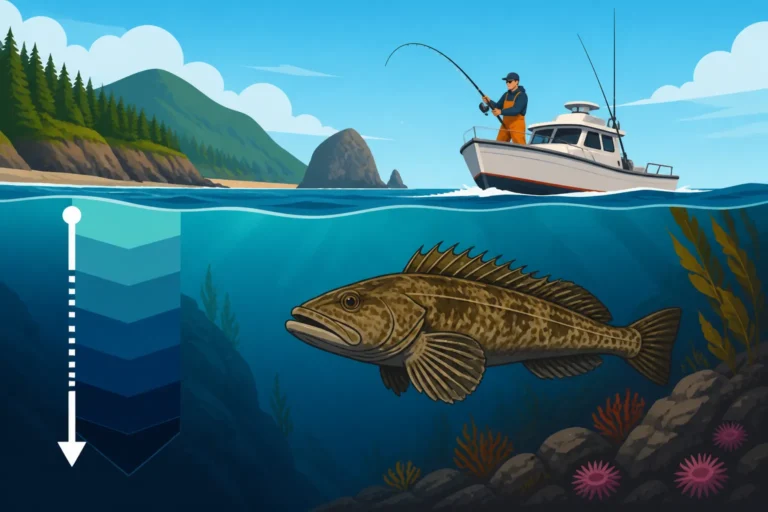
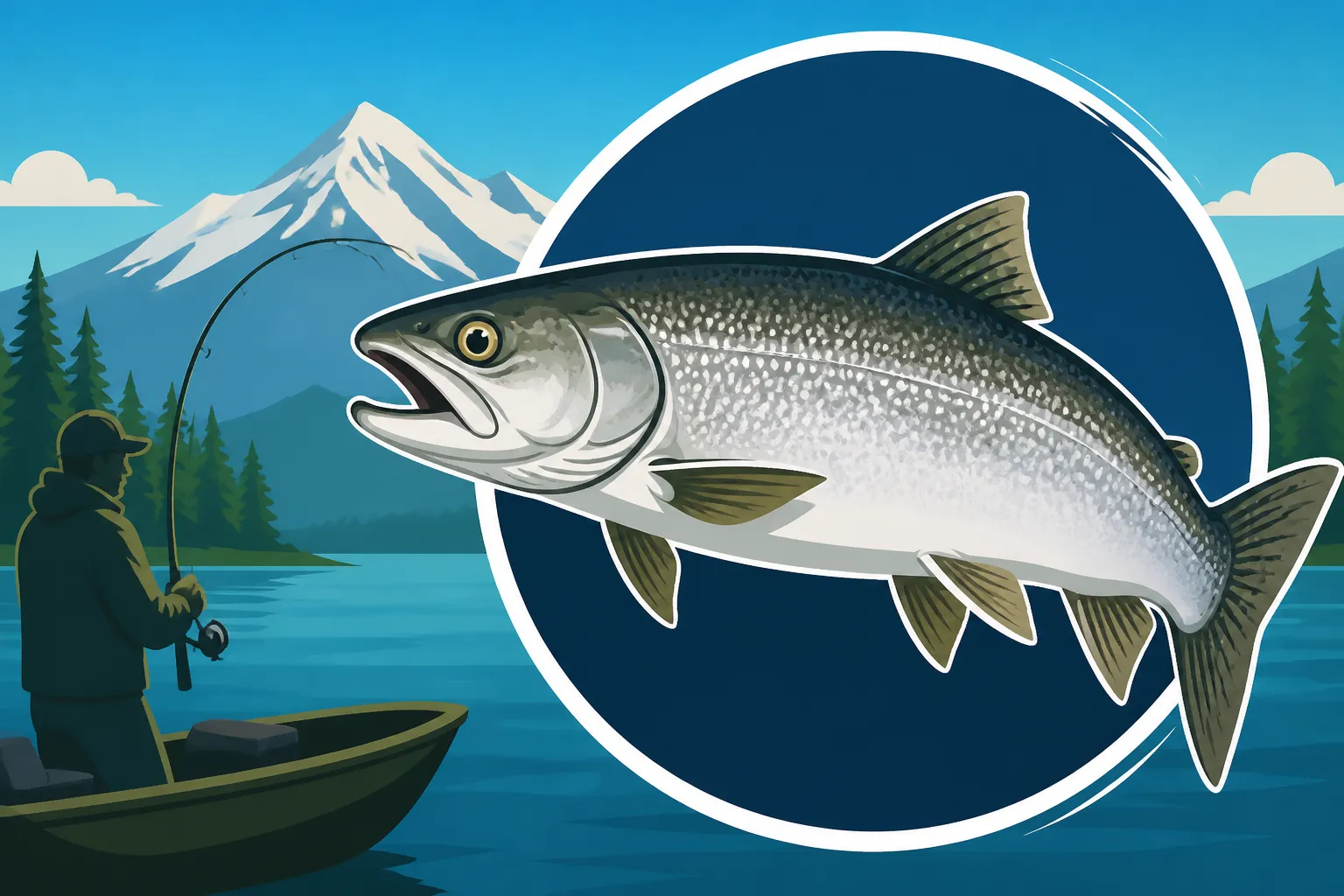
So, what does a Mackinaw look like? They are, to put it mildly, striking. Their bodies are typically long and slender, often exhibiting a dark gray, olive, or brownish coloration on their backs, fading to lighter shades on their sides and a white belly. What truly sets them apart are their numerous, irregular light spots (often cream or yellowish) that are scattered over their head, back, sides, and even their fins. Crucially, these spots are lighter than their background color, unlike some trout species that might have darker spots.
Another key identifier is their deeply forked tail, almost like a salmon's, which is quite pronounced compared to the squarer or slightly notched tails of many other trout. They also possess a large mouth with teeth on both jaws and on the roof of their mouth, revealing their predatory nature. Like all chars, they have an adipose fin, a small, fleshy fin between their dorsal and tail fins. If you're trying to distinguish between a Mackinaw and other fish you might encounter, this physical description is your best friend. For more on distinguishing different species, check out our Oregon Trout Species Guide.
Where Mackinaw are Found Globally and in Oregon
Mackinaw are native to the vast, cold, deep-water lakes of northern North America, including the Great Lakes, much of Canada, and Alaska. They are perfectly adapted to these frigid environments, thriving where other fish might struggle. However, their story in many western states, including Oregon, is one of introduction. They were often stocked in the late 19th and early 20th centuries as a sport fish, prized for their size and fighting ability.
In Oregon, Mackinaw are primarily found in a few specific, deep, cold-water lakes that mimic their native habitats. The most famous and prolific Mackinaw fishery in Oregon is without a doubt Odell Lake, nestled in the Cascade Mountains. Here, they have established a robust population and grow to impressive sizes, offering anglers a fantastic trophy opportunity. You might also find them, though in fewer numbers, in other deep lakes like Crescent Lake and occasionally Wallowa Lake, but Odell is truly the prime destination. Understanding their habitat preferences is key to finding these elusive giants.
Mackinaw's Habitat and Behavior in Oregon Lakes
Understanding where Mackinaw like to hang out and what makes them tick is crucial for any angler hoping to tangle with one of these deep-water giants. Their behavior is intrinsically linked to their environment, especially the unique conditions of Oregon's deep, cold lakes.
Deep, Cold Water Dwellers
Mackinaw are champions of the deep. They thrive in very cold, highly oxygenated water, typically preferring temperatures below 55 degrees Fahrenheit (around 13 degrees Celsius). This means that for much of the year in Oregon's larger lakes, they're not cruising the shallow margins like rainbow trout might. Instead, they retreat to the cooler, darker depths, often found anywhere from 30 to over 100 feet down, depending on the lake and the season.
This preference for depth and cold water significantly impacts how and when you fish for them. In the heat of summer, when surface waters warm up, Mackinaw will be in the deepest parts of the lake, often near underwater springs or oxygenated thermoclines. During spring and fall, when the entire water column is cooler and more uniform in temperature (a phenomenon known as "turnover"), they might be found at shallower depths, making them a bit more accessible to anglers without specialized deep-water gear. Knowing this seasonal migration pattern is your first step to success.
The Apex Predator of the Depths
Make no mistake, Mackinaw are formidable predators. They sit at the top of the food chain in their deep-water ecosystems. Their diet primarily consists of other fish, and in many Oregon lakes, that means kokanee salmon and sculpins are on the menu. They also aren't shy about eating smaller trout, whitefish, and even large invertebrates. Their large mouth and sharp teeth are perfectly designed for ambushing and consuming prey.
In a lake like Odell, where kokanee salmon are also a popular sport fish, the presence of a thriving Mackinaw population creates a delicate balance. Mackinaw can exert significant predatory pressure on kokanee, which is why the Oregon Department of Fish and Wildlife (ODFW) often manages these fisheries with liberal bag limits for Mackinaw, encouraging anglers to harvest them to help protect the kokanee population. This management strategy highlights the important ecological role Mackinaw play and the challenges of balancing a diverse fishery. Understanding this dynamic is key to responsible angling, and you can find more about these considerations in our Oregon Fishing Regulations Explained.
Spawning Habits and Life Cycle
Mackinaw have a fascinating life cycle that contributes to their potential for immense size. They typically spawn in the fall, often from September through November, depending on water temperatures. Unlike salmon that migrate up rivers to spawn, Mackinaw usually spawn in the same lake they inhabit, seeking out rocky shoals and reefs in deeper water. The females deposit their eggs over these rocky areas, and the males fertilize them. There's no nest building or parental care; the eggs simply settle into the crevices of the rocks, relying on the cold water and natural protection to develop.
Their growth is relatively slow, but they can live for a very long time – sometimes well over 20 years, and occasionally even past 50 years in their native range! This slow growth and longevity allow them to reach truly impressive sizes, making them a coveted trophy fish. However, it also means that overharvest can take a long time to recover from, which further emphasizes the importance of respecting Oregon Daily Bag Limits Explained and understanding specific lake regulations. Their resilience and ability to thrive in challenging cold environments truly make them a unique part of Oregon's freshwater fishing landscape.
Fishing for Mackinaw in Oregon: Tips and Techniques
Hooking into a Mackinaw, especially a big one, is an unforgettable experience. These fish fight hard and deep, testing your tackle and your resolve. To maximize your chances in Oregon's prime Mackinaw waters like Odell Lake, you need the right gear and a solid understanding of effective techniques.
Essential Gear and Tackle
Given that Mackinaw often inhabit significant depths, your standard trout rod might not cut it. You'll want to gear up for deep-water battles.
- Rods & Reels: Look for a medium-heavy to heavy action rod, usually 7 to 9 feet long, with a strong backbone. Pair this with a robust baitcasting or level-wind reel capable of holding a good amount of heavy line. A solid drag system is non-negotiable for these powerful fish.
- Line: Many anglers opt for braided line as their main line due to its strength and minimal stretch, which helps detect subtle bites at depth. A 30-50 pound test braid is common. You'll want to add a fluorocarbon leader, typically 15-30 pound test, to provide some invisibility in the clear water and abrasion resistance.
- Deep-Water Systems: To get your lure down to where the Mackinaw live, you'll need specialized equipment. This includes:
- Downriggers: These are mechanical devices that use a heavy ball to hold your line at a precise depth. Once a fish strikes, the line releases from the downrigger, allowing you to fight the fish directly.
- Lead Core Line: This line has a lead core wrapped in a braided sheath, designed to sink. Different colors indicate different depths, helping you know how much line you have out.
- Heavy Bottom Bouncers/Sinkers: For jigging or still fishing in shallower deep water, heavy weights are essential to maintain contact with the bottom.
- Lures & Bait: Mackinaw respond well to larger offerings that mimic their prey. You can find a fantastic selection of these on platforms like Amazon, from various brands.
- Large Spoons: Brands like Mac's Lures, Dick Nite, and Luhr Jensen make excellent trolling spoons in sizes that appeal to Mackinaw. Silver, white, chartreuse, and patterns mimicking kokanee are popular.
- Dodgers & Flashers: These are attractor devices trolled ahead of your main lure to create flash and vibration, drawing fish in.
- Plugs & Stickbaits: Large diving plugs, especially those in kokanee or perch patterns, can be very effective.
- Jigs: Heavy tube jigs, bucktail jigs, or even large metal jigs are excellent for vertical jigging.
- Bait: Live or dead bait, like kokanee (check regulations for legality and source) or other local forage fish, can be deadly, often rigged on a bait hook behind a flasher or dodger. Always check current regulations regarding bait use. Our Oregon Bait and Lure Guide offers more general insights.
| Gear Category | Specific Item | Purpose | Key Considerations |
|---|---|---|---|
| Rod | Medium-Heavy to Heavy | Fighting large, deep fish | 7-9 feet, strong backbone |
| Reel | Baitcasting/Level-wind | Holding heavy line, strong drag | High line capacity, smooth drag |
| Main Line | Braided Line | Strength, minimal stretch | 30-50 lb test, good knot strength |
| Leader | Fluorocarbon | Invisibility, abrasion resistance | 15-30 lb test, 10-20 ft length |
| Depth Control | Downrigger | Precise depth control for trolling | Electric or manual, heavy ball |
| Depth Control | Lead Core Line | Sinking line for trolling | Various colors, different sink rates |
| Attractors | Dodgers/Flashers | Attract fish with flash and vibration | Paired with spoons/plugs |
| Lures | Large Spoons | Mimic injured baitfish | Silver, white, chartreuse, kokanee patterns |
| Lures | Diving Plugs | Imitate swimming baitfish | Large sizes, realistic colors |
| Jigs | Heavy Tube/Bucktail | Vertical presentation | White, glow, dark colors for jigging |
Popular Techniques for Oregon Mackinaw
Once you have the gear, it's time to learn how to put it to work. Mackinaw fishing typically involves specific strategies to target their deep-water haunts.
- Trolling: This is arguably the most popular and effective method for Mackinaw, especially in large lakes like Odell. You'll typically use a boat to slowly move across the lake, dragging your lures or bait at the specific depth where Mackinaw are holding. Downriggers are invaluable here, allowing you to present your offering at a consistent depth, often directly over or near underwater structure. The speed of your troll is critical, usually quite slow, just fast enough to impart action to your lures. Experiment with different speeds, lure colors, and depths until you find what triggers a strike. This technique is also covered in more detail in our Oregon Trolling and Boat Fishing Techniques guide.
- Jigging: If you're pinpointing specific structures like underwater humps, rock piles, or steep drop-offs, vertical jigging can be incredibly effective. Using heavy jigs, you'll drop them to the bottom and then work them with an aggressive lift-and-drop motion, mimicking an injured or fleeing baitfish. Mackinaw often hit jigs on the fall, so pay close attention to your line. A good fish finder is a huge asset for jigging, allowing you to mark fish and structure before you even drop your line.
- Bait Fishing: While less common for active Mackinaw hunting, still-fishing with bait can be productive, especially if you know fish are concentrated in a certain area. A cut bait, like a piece of kokanee or a large chunk of sucker, can be fished on a dropper rig near the bottom. The scent of the bait can be very attractive to Mackinaw, drawing them in from a distance. Again, always double-check local bait regulations before using any fish as bait.
Best Times and Locations on Oregon Lakes
Timing and location are everything when it comes to Mackinaw fishing in Oregon.
- Time of Year: While Mackinaw can be caught year-round, spring and fall often offer the most accessible fishing. During these shoulder seasons, water temperatures are more uniform, and Mackinaw might be found shallower, making them easier to reach without ultra-specialized deep-water gear. Summer fishing means going deep, often 60-150 feet or more, but can yield some truly massive fish. Winter, particularly ice fishing on frozen lakes, can also be productive if conditions allow safe access.
- Time of Day: Mackinaw in deep water aren't as influenced by light levels as some shallow-water species. They can bite throughout the day. However, early morning and late evening often see increased activity, as these fish might move slightly shallower to feed or simply become more aggressive.
- Specific Locations: In Oregon, your focus should almost exclusively be on deep, cold lakes. Odell Lake mackinaw fishing is the undisputed champion. When fishing Odell or similar lakes, look for:
- Deep drop-offs: Where the lake bottom suddenly plunges.
- Underwater humps and ridges: These act as natural congregation points for both predators and their prey.
- Rocky areas: Mackinaw often relate to structure, and rocky bottom provides cover and habitat for their food sources.
- Submerged timber: Although challenging to fish around, sunken trees can hold large fish.
- A good topographical map of the lake and a reliable fish finder are your best friends for locating these hotspots. Remember that ODFW often encourages generous harvest of Mackinaw in Odell Lake to help manage the kokanee population, so be sure to know the Oregon Fishing Season Dates and Limits for your trip.
Mackinaw and Oregon's Fisheries Management
The story of the Mackinaw in Oregon is a prime example of how fisheries management often involves a delicate balancing act, especially when non-native species are introduced into an ecosystem. Understanding this context helps us appreciate why certain regulations are in place.
Balancing Predator and Prey
In their native range, Mackinaw are an integral part of the ecosystem. However, when introduced to new environments, particularly those with sensitive or native species, they can sometimes create imbalances. In Oregon, the prime example is Odell Lake. Mackinaw are highly effective predators, and their presence has a significant impact on other fish populations, most notably the popular kokanee salmon. Kokanee are a favorite forage fish for Mackinaw, and if Mackinaw numbers grow unchecked, they can severely deplete the kokanee population, affecting the entire food web and the angling opportunities for both species.
Because of this, the Oregon Department of Fish and Wildlife (ODFW) actively manages Mackinaw populations in lakes like Odell. Unlike many other sport fish that have strict limits to protect their numbers, ODFW often sets very liberal bag limits for Mackinaw in these specific waters, sometimes encouraging anglers to harvest as many as they can legally catch. This isn't because Mackinaw are undesirable, but rather it's a strategic effort to control their numbers and reduce their predatory impact on other valued fish species, thus maintaining a healthier, more balanced fishery. It’s a complex issue, and anglers play a crucial role in helping achieve these management goals.
Conservation and Sustainable Fishing Practices
While management strategies might encourage harvest in certain areas, conservation and sustainable fishing practices remain vital for all species, including Mackinaw. For anglers, this means a few things:
- Know the Regulations: Before you head out, always check the current ODFW regulations for the specific body of water you plan to fish. Regulations can vary significantly from one lake to another, and they can change season to season. What's allowed for Mackinaw in Odell Lake might be very different from rules in other states or even other Oregon waters. A current Oregon Fishing License Guide is your starting point, but always consult the specific angling regulations booklet.
- Proper Catch-and-Release: If you're not planning to keep your catch, or if you're fishing in an area where release is mandated (though less common for Mackinaw in high-impact areas), practice proper catch-and-release techniques. Minimize handling, use barbless hooks, and revive the fish quickly and gently before releasing it. Deep-water fish like Mackinaw can suffer from barotrauma (injury from rapid pressure changes), so be aware that even if released, their survival rate might be lower if brought up from extreme depths.
- Report Concerns: If you observe anything unusual, or suspect illegal fishing activity, report it to ODFW. Anglers are often the eyes and ears on the water and play a critical role in helping authorities monitor and protect our fisheries.
By understanding the ecological role of Mackinaw and adhering to responsible angling practices, we can all contribute to the long-term health and enjoyment of Oregon's unique fishing opportunities, ensuring that future generations can also experience the thrill of catching these magnificent deep-water chars.
Disclaimer
This article is for general informational purposes only and does not constitute professional advice. Laws, prices and regulations vary by location and change over time. Consult a qualified professional for guidance on your specific situation.