Oregon Fishing Regulations Explained
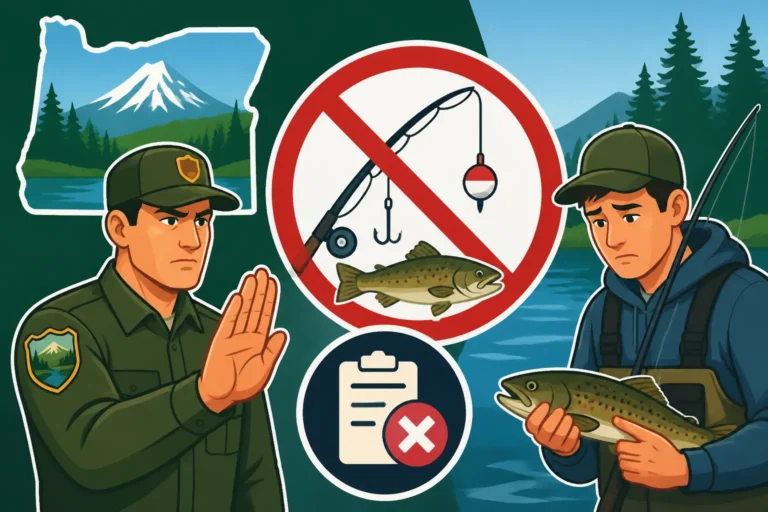
Navigating the labyrinth of Oregon fishing regulations can feel like trying to untangle a particularly stubborn bird's nest – frustrating, confusing, and sometimes, you just want to throw your hands up and quit. It's not always intuitive, and missing a tiny detail can land you in hot water with the Oregon Department of Fish and Wildlife (ODFW). This comprehensive guide is here to cut through the jargon, explain the nuances, and empower you to hit the water with confidence, knowing you're fishing by the book.
Understanding the Oregon Department of Fish and Wildlife (ODFW) Role
When you're out on the water, whether it's a bustling stretch of the Columbia or a quiet high mountain lake, every rule you encounter, every limit you adhere to, stems from the Oregon Department of Fish and Wildlife (ODFW). They are the stewards of Oregon's precious aquatic resources, tasked with balancing conservation efforts with recreational and commercial fishing opportunities. It's a huge undertaking, considering the incredible diversity of fish species and habitats across the state. They don't just make rules for the sake of it; every regulation is a carefully considered decision based on scientific data, population health, environmental factors, and public input.
The Authority Behind the Rules
The ODFW is the primary authority dictating virtually all aspects of fishing within Oregon's inland and marine waters. This includes everything from setting daily bag limits and determining which species can be retained, to specifying legal fishing methods and seasons. They publish detailed regulation booklets, both online and in print, which are truly your bible for understanding what's permissible. If you're ever in doubt about a specific rule for a particular body of water or species, the ODFW's official sources are always your go-to. Don't rely on hearsay from the bait shop or an old fishing buddy; what was true last year, or even last month, might have changed.
For instance, they regulate the specific gear allowed, like whether you can use bait, the number of hooks, or if barbless hooks are mandatory in certain areas, particularly for sensitive species like wild steelhead. They also manage the various "endorsements" and "tags" required in addition to your basic fishing license, which fund specific conservation efforts and allow them to track catch data for particular fisheries, such as salmon, steelhead, and sturgeon. It's a complex system designed to ensure the long-term health of our fisheries.
Why Regulations Change
It might seem like the rules are constantly shifting, and in some cases, you wouldn't be wrong. But there's a good reason for it. Oregon's fisheries are dynamic ecosystems, influenced by everything from ocean conditions and river flows to disease outbreaks and climate change. Fish populations fluctuate naturally, and human impact also plays a significant role. The ODFW monitors these factors closely, using scientific surveys, catch data from anglers, and environmental assessments to make informed decisions.
For example, a poor ocean return for a particular salmon run might lead to emergency closures or reduced bag limits for that species in specific rivers. Conversely, a robust return might allow for more liberal limits. These adjustments are critical for preventing overfishing and ensuring that there are enough fish left to spawn and perpetuate the population. Drought conditions can lower water levels and raise temperatures, making fish more susceptible to stress, leading to temporary restrictions on angling hours or even full closures. Similarly, conservation efforts for vulnerable species, like certain runs of wild steelhead or bull trout, often result in catch-and-release only rules or specific gear restrictions to minimize harm. Staying updated is key, which means regularly checking the Oregon Fishing Regulations Explained and related resources.
Navigating Oregon's Licensing and Tag Requirements
Before you even think about casting a line in Oregon, understanding the state's comprehensive licensing and tag system is paramount. It’s more than just a piece of paper; it’s your legal permission to fish and, importantly, a direct contribution to the conservation and management of Oregon's diverse fisheries. Trying to navigate this without proper knowledge can lead to frustration or, worse, significant fines, so let's break it down.
Basic Angling Licenses
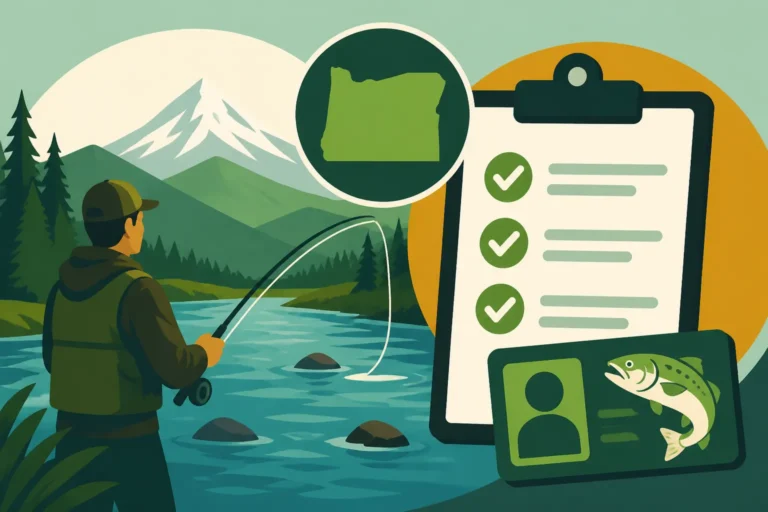
At the core of the system is the basic angling license. If you're 12 years or older, you need one. This single license covers you for most common species like trout, bass, and panfish in a wide variety of waters. You can purchase annual licenses, which are valid from January 1st through December 31st, or opt for short-term licenses like the Oregon 1-Day Fishing License or multi-day options if you're just visiting or planning a quick trip. The cost varies depending on whether you're an Oregon resident or a non-resident, and special rates exist for youth and seniors. For a deep dive into the costs, you might want to check out our Oregon Fishing License Costs guide.
Residency status is determined by factors like living in Oregon for at least six consecutive months and holding an Oregon driver's license or state ID. Non-residents often face higher fees, reflecting their limited contribution to the state's tax base that helps support ODFW programs. It's a common practice across many states to differentiate between resident and nonresident fees. Always carry your license with you when fishing, either a physical copy or a digital one on your phone – wardens will ask to see it.
Essential Tags and Endorsements
Beyond the basic angling license, certain species and fishing areas require additional purchases, known as tags or endorsements. These are specifically designed to manage fisheries for more sought-after species and fund their conservation. The most common is the Oregon Combined Angling Tag Guide, which is mandatory if you plan to fish for salmon, steelhead, or sturgeon. This tag allows the ODFW to track angler effort and harvest for these critical species, providing vital data for management decisions.
Then there are endorsements for specific areas or types of fishing:
- Oregon Ocean Endorsement: Required for fishing beyond the tidewater for marine species like halibut, tuna, or bottomfish. If you're heading out on an ocean charter from places like Newport or Astoria, you'll definitely need this.
- Oregon Columbia River Basin Endorsement: If you plan to fish in the mainstem Columbia River, its tributaries within the basin, or the Willamette River upstream to Willamette Falls, this is a must-have. It funds specific management and enhancement programs for fish runs in this vital waterway.
- Shellfish License: If crabbing, clamming, or harvesting other shellfish is on your agenda, you'll need an Oregon Shellfish License in addition to your angling license, or as a standalone purchase if you're only crabbing.
These additional purchases can add up, but they are crucial for sustainable fishing. Each one supports a specific facet of ODFW's mission. For instance, the revenue from the Columbia River Basin Endorsement directly contributes to hatchery programs, habitat restoration, and monitoring efforts essential for the anadromous fish that migrate through this system.
Special Considerations for Different Anglers
Oregon offers various license types and considerations for different demographics, ensuring accessibility while maintaining conservation goals.
- Youth Anglers: Kids under 12 years old generally do not need an angling license to fish in Oregon. However, once they hit age 12, they'll need to purchase a Oregon Youth Fishing License and any necessary tags or endorsements. It's a great way to introduce them to the sport without the initial barrier of a purchase.
- Senior Anglers: Oregon offers reduced-cost licenses for resident seniors, typically starting at age 70. This acknowledges a lifetime of potential contributions to the state and makes fishing more affordable for those in their golden years. Our Oregon Senior Fishing License guide has more details on eligibility and costs.
- Disabled Veterans & Persons with Disabilities: There are programs in place to support disabled veterans and individuals with disabilities, often offering free or reduced-cost licenses. These require specific documentation and applications, so it's best to check the ODFW website for the most current requirements.
Beyond these, there are specific tag requirements like the Oregon Catch Record Card Requirements for salmon and steelhead, which must be carried, filled out immediately upon retaining a fish, and submitted by the deadline. This data is incredibly valuable for ODFW to monitor harvest rates. Failing to properly fill out or return these cards can result in penalties, even if you had a valid license and tag. It's all part of the commitment to responsible angling.
Deciphering Statewide Fishing Regulations
Moving beyond the licenses and tags, the sheer volume of specific rules can sometimes feel overwhelming. However, many regulations apply statewide, providing a baseline understanding that you can then layer specific zone or species rules on top of. Think of these as the foundational principles of ethical and legal fishing in Oregon.
General Rules for All Waters
One of the most fundamental rules, often overlooked, is the requirement to have a valid fishing license and any necessary tags or endorsements in your possession at all times while fishing. This means if you're out on the Willamette River Fishing Guide with your pole in the water, and a game warden approaches, you need to be able to present your credentials immediately. Digital copies on your phone are generally accepted, but make sure your phone is charged!
Another critical statewide regulation relates to the number of fishing rods or lines you can use. In Oregon, a general angling license typically allows you to use up to two rods. This rule applies across most waters, whether you're still-fishing for trout in a high mountain lake or drift fishing for steelhead in a coastal river. However, there are exceptions, particularly in certain designated "fly-fishing only" waters where only one rod is permitted, or during specific ocean fisheries where more rods might be allowed under commercial licenses or specific endorsements. Always double-check the fine print for the water you intend to fish.
Furthermore, snagging fish – intentionally hooking a fish anywhere other than in the mouth – is strictly prohibited statewide. This is considered an unethical and unsporting method of fishing that can injure fish unnecessarily and is illegal. Any fish that is foul-hooked must be immediately released. Also, the wanton waste of fish is illegal. If you retain a fish, you must make a reasonable effort to use or consume it. This prevents people from keeping fish they don't want just for the sake of catching them.
Common Misconceptions and Clarifications
There are several common misunderstandings that trip up even seasoned anglers. One major misconception is that you don't need a license to fish on private property. While fishing on private land might seem exempt, if the water body (e.g., a pond, stream, or river) is considered "public waters," you still need a license. This includes many privately owned ponds that are fed by or drain into public waterways, allowing fish passage. Always assume you need a license unless you've confirmed with ODFW that the specific body of water is genuinely private and isolated from public fish populations.
Another area of confusion revolves around "catch-and-release" fishing. Many believe that if they are only practicing catch-and-release, they don't need a license or tags. This is incorrect. If you are angling for fish, regardless of your intent to keep them, you are required to possess all applicable licenses and tags. The act of angling itself triggers the requirement. This rule is in place because even catch-and-release fishing can impact fish populations, and the ODFW needs to monitor overall angling effort. Moreover, in specific areas or for certain protected species, there are strict Oregon Catch-and-Release Rules that dictate how you must handle the fish to ensure its survival, such as staying in the water or using specific de-hooking tools.
Finally, while not a misconception, it's worth clarifying that "free fishing days" exist in Oregon. These are specific dates, usually twice a year, when anyone can fish without a license or tags. This is an excellent opportunity for beginners or families to try fishing. However, all other fishing regulations, such as bag limits, size restrictions, and gear requirements, still apply during these days. It’s not a free-for-all! You can usually find the dates for these events on the ODFW website or check our guide on Oregon Free Fishing Days.
Exploring Oregon's Diverse Fishing Zones
Oregon is an incredibly diverse state, boasting everything from vast ocean waters to roaring rivers, tranquil high-mountain lakes, and sprawling reservoirs. It makes sense, then, that a single set of fishing rules wouldn't fit every location. To manage this complexity, ODFW has divided the state into distinct fishing zones, each with its own set of regulations tailored to the specific fish populations, habitats, and angling pressures of that area. Ignoring these zones is a sure way to find yourself in violation, even if you think you're following general statewide rules.
How Zones Impact Your Fishing Trip
The concept of fishing zones is fundamental to understanding Oregon's regulations. Rather than one-size-fits-all, zones allow for highly specific management. For instance, the rules for fishing for salmon on the Columbia River Fishing Guide might be vastly different from those for trout in a high-elevation lake in Central Oregon. These differences can include:
- Season Dates: When a particular fishery opens and closes can vary dramatically by zone. Some coastal rivers might open for winter steelhead much earlier or later than others.
- Daily and Possession Limits: The number of fish you can keep in a day, or have in your possession, is often zone-specific.
- Size Limits: Minimum and maximum size restrictions for various species can change from one zone to another.
- Gear Restrictions: Certain zones might be fly-fishing-only, prohibit bait, or require barbless hooks for specific species.
- Protected Species: Rules for handling or avoiding protected species are highly localized.
Before planning any fishing trip, your first step after securing your license should always be to identify which ODFW fishing zone your chosen spot falls into. The ODFW publishes detailed maps and descriptions for each zone in their regulation booklets and online. Our Oregon Fishing Zones Explained article delves deeper into this often-misunderstood aspect of Oregon fishing.
Key Differences in Major Zones
Let's look at some of the major zones and the typical distinctions you might encounter:
- Columbia River Zone: This is a behemoth, a major artery for anadromous fish like salmon and steelhead, and home to large populations of sturgeon. Regulations here are notoriously complex, often changing on short notice due to emergency closures or adjustments based on fish run sizes. Reciprocity agreements with Washington State also add a layer of complexity for anglers fishing the shared waters of the mainstem. You might need a Oregon Columbia River Basin Endorsement here.
- Marine Zone: This encompasses Oregon's ocean waters, bays, and estuaries. Rules here are distinct for saltwater species, including bottomfish (rockfish, lingcod), halibut, tuna, and shellfish. The Oregon Ocean Endorsement is often required for ocean fishing. Seasons for species like halibut and tuna are highly regulated and often have short, specific windows.
- Willamette Zone: Covering the vast Willamette River system, this zone is important for spring Chinook salmon, steelhead, and various warm water species. Regulations here are often influenced by the urban proximity and the impact of the river on a large population base.
- Coastal Rivers Zone: This zone includes numerous smaller rivers that flow directly to the Pacific, such as the Nestucca, Wilson, and Alsea. These rivers are famous for their winter steelhead and fall salmon runs. Regulations are often designed to protect wild fish populations, meaning strict catch-and-release rules or gear restrictions for wild steelhead might be common.
- Central and Eastern Oregon Zones (e.g., Deschutes, John Day, Southeast): These zones feature high desert rivers, large reservoirs, and high mountain lakes. Regulations often cater to trout fisheries (rainbow, brown, brook trout), smallmouth bass, or unique species like kokanee and bull trout. The Deschutes River Fishing Guide is a prime example of a river with its own very specific set of rules, including fly-fishing-only sections and barbless hook requirements.
Understanding these distinctions is not just about avoiding a ticket; it's about fishing responsibly and contributing to the health of specific fisheries. Always consult the official ODFW regulation booklet for the most accurate and up-to-date information for your chosen fishing location.
Daily and Possession Limits Explained
One of the most frequently asked questions, and a common source of confusion for anglers, revolves around daily and possession limits. It sounds simple enough: "How many fish can I keep?" But the answer often involves multiple layers of rules depending on the species, the specific water body, and even the time of day. Getting this wrong can lead to serious violations, so it's crucial to understand the nuances.
Understanding Bag Limits
The "daily bag limit" is the maximum number of a specific fish species you are allowed to legally catch and retain within a 24-hour period (from midnight to midnight). For example, if the Oregon daily bag limit for trout is five fish, you can't keep six in a single day, even if you released some earlier. This limit is designed to distribute the harvest among anglers and prevent individuals from taking an excessive number of fish, especially for popular or sensitive species.
It's vital to remember that these limits are almost always species-specific and often vary by location. For instance, the daily limit for hatchery steelhead might be different from that for hatchery Chinook salmon, and both could differ significantly from the limit for smallmouth bass. Moreover, some species, like wild steelhead or bull trout, are often strictly catch-and-release, meaning the daily bag limit is zero. If you catch a wild fish in an area where retention is prohibited, it must be released immediately and unharmed.
Sometimes, there are also "combined species" limits. For example, you might be allowed to keep a total of two salmon and steelhead combined per day, but with specific sub-limits (e.g., only one Chinook salmon). These complex rules reflect ODFW's detailed management strategies to protect specific runs or populations. Always read the regulations carefully to understand these intricate combinations.
Total Possession vs. Daily Limits
This is where many anglers get confused, especially those on multi-day trips or who process their catch. While the daily bag limit dictates how many fish you can keep per day, the "possession limit" dictates the total number of fish you can have in your possession at any given time, regardless of when they were caught.
Typically, the possession limit is twice the daily bag limit, but this isn't always the case, and for some species or areas, it might be the same as the daily limit. For example, if the daily limit for trout is five, your possession limit might be ten. This means you could catch and keep five trout on Monday and another five on Tuesday, but if you're still out fishing on Tuesday, you'd be in possession of ten trout, which is your limit. If you cleaned and processed Monday's catch on Monday evening and they were no longer identifiable as whole fish (filleted, frozen, etc.), they might not count towards your Tuesday possession limit in the same way, but this can get very nuanced and it's best to check ODFW's specific rules on processed fish.
The possession limit often applies to your home, vehicle, or cooler. So, if you've been on a week-long fishing trip up the John Day River Fishing Guide and have been keeping smallmouth bass daily, you need to be aware of your total possession limit when you head home. The best practice, especially for multi-day trips, is to process and consume fish as you go, or ensure you don't exceed the possession limit by the time you're done fishing. It's a system designed to ensure that anglers aren't stockpiling fish beyond sustainable levels.
Size Limits and Protected Species: What You Need to Know
Beyond how many fish you can keep, Oregon fishing regulations often dictate what size fish you can retain and which species are off-limits entirely. These rules are put in place for critical biological reasons: to protect juvenile fish so they can grow and spawn, or to safeguard adult fish (often larger females) that are vital for future generations. Ignoring size limits or retaining a protected species can lead to significant penalties and harm to fish populations.
Measuring Your Catch Accurately
Size limits typically involve either a minimum length, a maximum length, or sometimes a "slot limit" (where only fish within a specific size range can be kept). These measurements are usually taken from the tip of the nose to the tip of the tail, with the fish lying flat. It's crucial to measure accurately, as even being an inch off can result in a violation.
For example, there might be a Minimum size to keep a Chinook salmon in Oregon of 24 inches. This means any Chinook shorter than that must be immediately released. Conversely, for species like sturgeon, you might encounter a slot limit, such as the Oregon sturgeon slot limit explained. This means you can only keep sturgeon that fall within a specific length range (e.g., 44 to 54 inches fork length), while smaller and larger fish must be released. These slot limits are designed to protect both the young fish that haven't had a chance to spawn and the large, mature broodstock that are the backbone of the fishery.
Always carry a reliable measuring device with you – a tape measure, a dedicated fish ruler, or even a mark on your fishing rod. When in doubt, release the fish. It’s always better to err on the side of caution. If you accidentally kill a fish that's too small or too large, you might still be in violation, so handling fish carefully and having your measuring tools ready is key.
Crucial Catch-and-Release Guidelines
For many of Oregon's most prized fish, particularly wild salmon and steelhead, as well as species like bull trout, catch-and-release is not just encouraged, it's mandatory. The ODFW has strict Oregon Catch-and-Release Rules to ensure that fish have the best possible chance of survival after being released. These guidelines are not suggestions; they are part of the regulations and anglers are expected to follow them.
Key catch-and-release practices include:
- Minimize Air Exposure: Keep the fish in the water as much as possible. Prolonged exposure to air can severely damage a fish's gills and internal organs.
- Wet Hands: Always wet your hands before touching a fish to protect its delicate slime coat, which acts as a barrier against disease.
- Use Barbless Hooks: This is often a mandatory regulation in many catch-and-release fisheries, but even where not required, it greatly reduces harm to the fish. Barbless hooks make it much easier to remove the hook quickly. You can check our Oregon barbless hook requirements for specific details.
- Appropriate Gear: Use tackle that is heavy enough to land the fish quickly, minimizing the fight time and stress on the fish.
- Proper De-hooking Tools: Carry pliers or a de-hooker to quickly and safely remove hooks. If a fish is deeply hooked, it may be better to cut the line as close to the hook as possible rather than tearing internal organs trying to retrieve it.
- Revive the Fish: Gently hold the fish upright in the water, facing into the current, until it regains its strength and swims away on its own.
Failing to follow these guidelines, resulting in the death of a released fish, can be considered a violation, particularly for protected species.
Protecting Oregon's Vulnerable Fish
Oregon is home to several species that are listed as threatened or endangered under state and federal law. These include various runs of wild salmon and steelhead, as well as certain populations of bull trout. For these species, the regulations are extremely stringent, often mandating catch-and-release only, even for hatchery-origin fish in certain areas if there's a risk of harming wild populations.
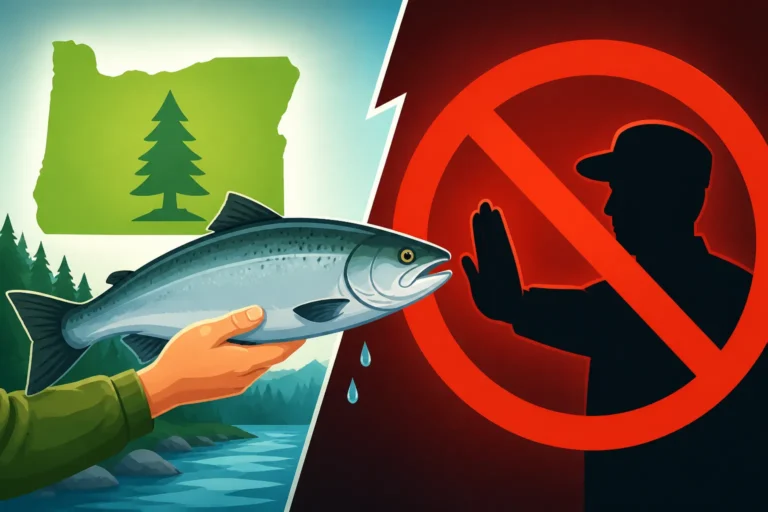
Identifying wild versus hatchery fish is critical. Many hatchery-raised salmon and steelhead are marked with a "fin clip," typically the adipose fin (the small, fleshy fin between the dorsal fin and the tail). If a fish lacks this clip, it's generally considered a wild fish and must be released immediately in most regulated waters. Misidentifying a wild fish and retaining it can result in substantial fines and even felony charges. Always double-check your catch for fin clips. If you're unsure, release it.
Table: Oregon Common Species Daily Limits and Minimum Size (Example)
| Species (Hatchery only unless specified) | Daily Limit | Minimum Size | Additional Notes |
|---|---|---|---|
| Trout (Rainbow, Brown, Brook) | 5 | 8 inches | Varies by zone; check specific regulations. |
| Chinook Salmon | 2 | 24 inches | Often includes jack salmon; wild Chinook typically catch-and-release. |
| Steelhead | 1-2 | 24 inches | Varies by run (winter/summer) and zone; wild steelhead usually catch-and-release. |
| Sturgeon (White Sturgeon) | 0-1 (annual) | 44-54 inches | Slot limit; retention highly restricted and often catch-and-release only. Requires a tag. |
| Smallmouth Bass | No limit | No minimum | Encouraged removal in many areas due to invasive status. |
| Halibut | 1 | 42 inches | Seasons are short and highly regulated; requires ocean endorsement. |
| Dungeness Crab | 12 males | 5 3/4 inches | Males only; requires shellfish license. |
Disclaimer: This table provides general examples and is NOT a substitute for checking current ODFW regulations for specific water bodies and dates. Regulations change frequently.
Tackle, Bait, and Gear Restrictions
Just when you think you've got a handle on licenses, limits, and zones, Oregon throws another curveball: specific rules about what you can actually put on the end of your line. These restrictions on tackle, bait, and gear are often in place to protect sensitive fish populations, promote fair chase, or prevent the spread of invasive species. Getting this wrong isn't just a minor infraction; it can directly impact fish health and the integrity of a fishery.
Hook Types and Barbless Requirements
One of the most common gear restrictions you'll encounter, particularly in rivers with sensitive anadromous fish populations (salmon and steelhead), is the requirement for barbless hooks. The rationale behind this is simple: barbless hooks cause less damage to fish and are much easier to remove, increasing a fish's survival chances when released. This is especially critical in catch-and-release fisheries for wild steelhead, where every effort is made to ensure the fish swim away unharmed. Our detailed guide on Oregon barbless hook requirements goes into depth on where and when these are mandatory.
Many anglers choose to crimp down the barbs on their hooks, which is an easy way to comply without buying all new gear. You can often do this with a pair of pliers right on the water. Beyond barbless hooks, there might be regulations on the number of hooks allowed per line, or even the type of hook. For example, some areas might restrict the use of treble hooks or require single-point hooks only. These rules are less common than barbless hook requirements but are crucial to be aware of.
Another important rule pertains to the use of lead weights. While not universally banned, there are growing concerns about the environmental impact of lost lead tackle, which can poison wildlife. Some areas or specific fisheries may restrict the use of lead, encouraging anglers to switch to non-toxic alternatives like steel, bismuth, or tungsten. This is an evolving area of regulation, so staying current is important.
Permitted Baits and Lures
What you can use to attract fish is also highly regulated. Generally, you'll find a distinction between natural baits (like worms, eggs, or shrimp) and artificial lures (spinners, spoons, jigs, flies).
- Bait Restrictions: Some waters are designated "fly-fishing only" or "artificial lures only." In these areas, using any form of natural bait, including scented artificial baits that mimic natural ones, is strictly prohibited. The Metolius River Fishing Guide is a famous example of a fly-fishing-only river. The purpose of these restrictions is often to reduce mortality rates for sensitive trout populations or to provide a specific type of angling experience. Using bait where it's not allowed is a direct violation.
- Artificial Lures: Even with artificial lures, there can be restrictions. For instance, the use of "chumming" (broadcasting bait into the water to attract fish) is generally prohibited or heavily restricted in Oregon, as it can concentrate fish unnaturally and spread disease. There are also rules against "live bait" in many areas, to prevent the introduction of invasive species or diseases. You can often find a wide variety of compliant lures, like those from popular brands available on Amazon, but always double-check the local rules before you buy.
- Scented Baits: Even seemingly innocuous items like PowerBait or Gulp! can fall under the "bait" category, even though they are artificial. If a water body is "artificial lures only," these products are typically not permitted. Always assume "artificial lures only" means no natural scents or bait imitations.
It's common for rules to specify if "scent" is considered bait. A general rule of thumb is, if it smells like food to a fish, it's probably considered bait.
Specific Waterway Restrictions
Beyond the general rules, many specific waterways have their own unique gear restrictions. These are often listed in the "Special Regulations" section for each zone or river system in the ODFW regulation booklet.
For example, a particular section of a river might have a "fly-fishing only" designation, while another section downstream allows bait and conventional gear. Some areas may have restrictions on the use of boats, or require specific types of motors (e.g., electric motors only) to protect water quality or sensitive habitats. The maximum length of your leader, or the weight of your sinker, can even be regulated in some highly specialized fisheries.
These hyper-local rules are often critical for the health of specific fish runs or fragile ecosystems. A good example is the ban on certain types of weights in specific spawning areas to prevent disturbance. Before heading out, especially to a new-to-you spot, always consult the current ODFW regulations for that specific body of water. A quick check can save you a lot of trouble and ensure you're fishing responsibly. Our guide on Oregon bait restrictions on fly-only water has more specific examples.
Staying Informed: Emergency Closures and Regulation Updates
One of the most challenging aspects of fishing in Oregon, especially for anadromous species like salmon and steelhead, is that regulations aren't static. Fisheries managers are constantly monitoring fish runs, environmental conditions, and harvest rates. This means that rules can and do change, sometimes with very little notice, requiring anglers to be diligent in checking for updates.
How to Check for Real-Time Changes
Emergency closures, season extensions, or changes to bag limits are not uncommon, particularly during peak fishing seasons or in response to unexpected fish run sizes or environmental events. Imagine planning a long-anticipated trip to the Rogue River Fishing Guide for steelhead, only to arrive and find out the fishery has been temporarily closed due to low water levels or poor fish returns. It happens.
The Oregon Department of Fish and Wildlife (ODFW) is the official source for all such updates. They utilize several channels to disseminate this critical information:
- ODFW Website: The most comprehensive and up-to-date information will always be found on the ODFW's official website. They have dedicated pages for regulation updates and emergency closures. Often, these are clearly marked with red banners or prominent alerts.
- Email Subscriptions: Many anglers find it incredibly helpful to sign up for ODFW's email newsletters and alerts. These services will send notifications directly to your inbox whenever significant changes occur for fisheries you're interested in, such as the Columbia River, coastal rivers, or specific lake systems. This is often the fastest way to get direct information.
- Fishery Hotlines: For some major fisheries, like the Columbia River, ODFW maintains dedicated phone hotlines with recorded messages that provide the latest updates. These can be particularly useful when internet access is spotty.
- Social Media: ODFW also uses social media platforms (like Facebook or Twitter) to share news and emergency alerts, making it accessible to a broader audience.
Checking for updates just before you leave for your trip, and even while you're at your destination if cell service allows, is the best practice. Our guide on How to check Oregon emergency fishing closures provides direct links and further advice.
Resources for Current Regulations
While emergency updates handle sudden changes, the overarching regulations are published annually. These official documents are indispensable for any angler.
- Annual Regulation Booklets: The ODFW publishes comprehensive sport fishing regulation booklets each year. These are available for free online as downloadable PDFs, and physical copies can often be picked up at ODFW offices, sporting goods stores, or license agents across the state. These booklets contain all the general statewide rules, detailed breakdowns by zone, and specific regulations for individual rivers, lakes, and marine areas. Always ensure you have the current year's booklet, as regulations from previous years are outdated. You can learn Where to find the Oregon fishing regulations booklet for more details.
- Online Regulation Tools: The ODFW website also offers interactive tools and maps that allow you to search for regulations by specific water body or fish species, which can be very helpful for quickly finding what you need without sifting through an entire PDF.
- License Agents: When you purchase your license (whether online or in person at a store like Sportsman's Warehouse or Cabela's), the agent can often provide you with a physical copy of the regulation booklet or direct you to the online version.
It's tempting to rely on a friend's memory or an old downloaded PDF, but fisheries management is dynamic. Fish populations, environmental factors, and even conservation priorities can shift, leading to necessary regulation adjustments. Making it a habit to check the ODFW website or your email alerts before every trip is the mark of a truly responsible and well-prepared angler. This is particularly true for high-profile fisheries or during sensitive times of the year, like spring Chinook season on the Willamette or fall Chinook on the Columbia.
Common Mistakes and How to Avoid Them
Even with the best intentions, anglers can inadvertently fall afoul of Oregon's fishing regulations. Sometimes it's a simple oversight, other times it's a misunderstanding of a complex rule. Knowing the common pitfalls can help you avoid frustration, potential fines, and ensure you're contributing to sustainable fishing practices.
Overlooking Zone-Specific Rules
This is perhaps the most frequent mistake anglers make. They read the general statewide rules or assume what applies to one river applies to all, only to discover too late that their chosen fishing spot has vastly different regulations. As we discussed, Oregon's diverse landscape means highly localized rules for specific bodies of water.
Scenario: An angler from Portland decides to take a trip to the Deschutes River Fishing Guide in Central Oregon, having previously only fished the Willamette River Fishing Guide. They're used to using roe (salmon eggs) as bait for salmon and steelhead on the Willamette. They arrive at the Deschutes, rig up with their favorite roe, and start fishing. Unbeknownst to them, a significant portion of the Deschutes River is designated "fly-fishing only" and prohibits all bait, including roe, to protect its wild trout and steelhead populations. A warden observes them, and they receive a citation, not realizing their mistake until it's too late.
How to avoid: Always, always consult the ODFW regulation booklet for the specific zone and water body you plan to fish. Don't assume. Pay close attention to headings like "Special Regulations" for individual rivers or lakes. Even within the same river, rules can change from one section to another (e.g., above or below a specific bridge). Our Oregon Fishing Zones Explained article is a great starting point, but the official ODFW booklet remains the definitive source. Before you head out, pull up the ODFW regulations on your phone or print the relevant pages, even if you’re purchasing something like a new fishing reel on Amazon, ensure you verify that your intended use is legal.
Failing to Understand Fin-Clipping Rules
The distinction between hatchery-raised and wild fish is a cornerstone of Oregon's conservation efforts, especially for salmon and steelhead. Hatchery fish are often allowed to be harvested, while wild fish are typically protected and must be released unharmed. ODFW uses fin-clipping (usually the adipose fin, a small fleshy fin on the back near the tail) to differentiate hatchery fish.
Scenario: An angler catches a beautiful steelhead on a coastal river. It's a healthy, vibrant fish, and they're excited to keep it. They quickly put it on their stringer, not realizing it lacks an adipose fin clip. A game warden checks their catch and points out that the retained steelhead is wild and should have been released. The angler, thinking all steelhead were fair game as long as they were of legal size, is now facing a significant penalty for possessing a protected wild fish.
How to avoid: Make it an absolute habit to check for an adipose fin clip on every salmon or steelhead you intend to retain. If the adipose fin is present (meaning it hasn't been clipped), the fish is considered wild and must be immediately released, gently and unharmed, unless the regulations for that specific water and time explicitly state otherwise (which is rare for wild fish). If you're unsure, or if the clip is ambiguous, always err on the side of caution and release the fish. It's better to let a potential keeper go than to risk a violation and harm a protected species. Our Oregon Catch-and-Release Rules guide offers specific advice on how to handle these situations.
Ignoring Emergency Updates
As mentioned earlier, regulations can change rapidly. Failing to check for emergency closures or updates can lead to fishing in a closed area or exceeding a suddenly reduced bag limit.
Scenario: A group of friends plans a weekend salmon trip on the lower Columbia River. They bought their licenses and tags a month in advance and reviewed the regulations then. However, a sudden, unexpected downturn in the fall Chinook run leads ODFW to issue an emergency closure of the fishery just two days before their trip. The friends, not checking the ODFW website or their email alerts, arrive at the river, launch their boat, and start fishing. They are later contacted by a warden and cited for fishing in a closed season.
How to avoid: Develop a routine of checking for updates right before you leave for your fishing trip, and even the morning of, if possible. Bookmark the ODFW's "Regulation Updates" and "Emergency Closures" pages on your phone. Sign up for ODFW email alerts. This is particularly crucial for heavily regulated and dynamic fisheries like the Columbia River, where decisions are often made in response to real-time fish passage data. Responsible angling means staying current with the ever-changing landscape of Oregon's fisheries.
Disclaimer
Please remember that this article provides general information and guidance regarding Oregon fishing regulations. The Oregon Department of Fish and Wildlife (ODFW) is the sole authority for all official fishing rules. Regulations can change frequently and without prior notice due to biological, environmental, or management reasons. It is your sole responsibility as an angler to consult the most current and official ODFW sport fishing regulations booklet and any in-season updates or emergency closures before engaging in any fishing activity. This article should not be considered a substitute for the official ODFW regulations.