Oregon daily bag limit for trout
Oregon's pristine rivers, sparkling lakes, and high mountain streams offer some truly incredible trout fishing experiences. But let's be honest, figuring out the daily bag limit for trout in this state can sometimes feel like trying to untangle a stubborn fishing line in the dark. You might think you've got it down, only to find a specific lake has completely different rules than the river just a few miles away. This guide is here to cut through that confusion, helping you understand the general rules, special exceptions, and how to find the precise regulations for your next trout adventure.
Understanding Oregon's Trout Fishing Regulations
Navigating the world of fishing regulations can be daunting. It's not just about getting a license; it's about understanding the nuances that protect our precious fish populations. When it comes to trout, Oregon has a layered approach, with general statewide rules that often give way to very specific, localized regulations. Ignoring these can turn a peaceful day on the water into a costly lesson, so let's dig into the why and how.
Why Bag Limits Exist
Bag limits, along with size restrictions and season dates, are the bedrock of responsible fisheries management. For trout, these limits are crucial for several reasons. Firstly, they help prevent overfishing, ensuring that enough adult trout remain in the system to spawn and maintain healthy populations for future generations. This is particularly vital for wild trout, which are often more vulnerable to fishing pressure than their hatchery-raised counterparts. Imagine a scenario where every angler kept every fish they caught; some of Oregon's most iconic trout streams would be barren in no time.
Secondly, bag limits can be tailored to help specific ecosystems thrive. For example, some high mountain lakes might have very liberal limits, or even no limits, on certain trout species to manage populations that are overabundant or to encourage the harvest of non-native fish that might be outcompeting native species. Conversely, a river known for its fragile population of wild redband trout might have a strict catch-and-release policy to protect every fish. It's all about balance and ensuring the long-term health of our aquatic environments. Understanding these principles helps us appreciate why the rules aren't always simple and straightforward.
The General Statewide Rule for Trout
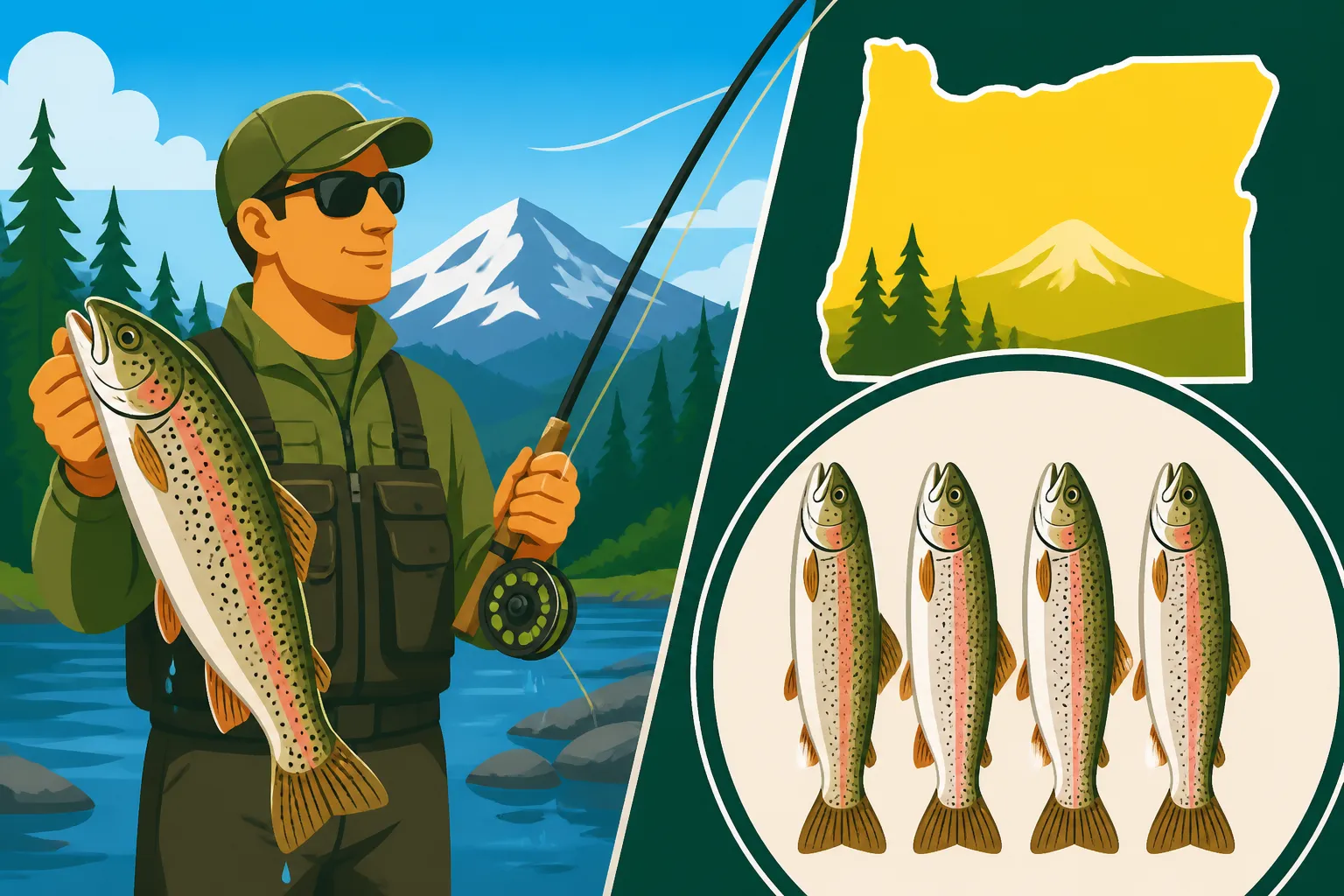
When you first dive into Oregon's fishing regulations, you'll encounter a "General Statewide Rule" for trout, and this is your baseline. For most waters across the state, the standard daily bag limit for trout is 5 fish per day. There's also a common minimum size restriction that often accompanies this, typically 8 inches in length. And to protect larger, often more prolific breeding fish, there's usually a stipulation that only one trout over 20 inches in length may be retained per day.
So, if you're out on a generic lake or stream that doesn't have any specific rules listed, this is your go-to regulation. You can keep five trout, each at least eight inches long, and only one of those can be a true lunker over 20 inches. This rule aims to provide a reasonable harvest opportunity for anglers while still offering a degree of protection to the broader trout population. However, and this is a big however, this general rule is more of a starting point than an absolute. It's like the default setting on your phone; it works most of the time, but you'll often need to customize it based on your location.
Important Exceptions and Special Regulations
This is where things can get a little tricky, and it's also where the importance of checking local regulations really comes into play. Oregon is incredibly diverse, from vast rivers like the Deschutes River Fishing Guide to countless small lakes and coastal streams. Because of this variety, many specific bodies of water have their own unique rules that override the general statewide limits. These special regulations are designed to protect unique populations, manage specific fisheries, or address local ecological concerns.
For instance, many rivers, especially those known for their wild trout, might be designated as "catch-and-release" only for certain species or during specific times of the year. The Metolius River, for example, is famous for its fly-fishing-only, catch-and-release rules for native trout. Other areas might have "slot limits," where you can only keep trout within a certain size range (e.g., between 10 and 14 inches), with anything smaller or larger having to be released. This often protects both juvenile fish and large breeding adults. You might also encounter gear restrictions, like fly-fishing only or artificial lures and flies only, which while not directly a bag limit, influence the survival rate of released fish and thus indirectly affect the effective harvest. The key takeaway here is to never assume the general rule applies everywhere. Always, always check the specifics. You can often find detailed information by referring to the comprehensive Oregon Fishing Regulations Explained.
Navigating Specific Waterbody Regulations
It's easy to get overwhelmed by all the different rules, but understanding how to find the right information is half the battle. Think of it like mapping out a new fishing spot; you need the right tools and a clear understanding of where to look. Getting this step right is crucial to avoiding any unintended violations and ensures you're fishing legally and responsibly.
How to Find Current Regulations for Your Spot
The single most important resource for any angler in Oregon is the Oregon Department of Fish and Wildlife (ODFW) Sport Fishing Regulations booklet. This guide is your bible. It's updated annually and provides detailed information on all the bag limits, size restrictions, open seasons, and gear rules for every specific body of water in the state. You can usually pick up a physical copy at any ODFW office, local sporting goods store, or even some tackle shops and license vendors. If you prefer a digital version, the ODFW website has the most current PDF available for download, which you can easily save to your phone or tablet. Sometimes, they're even available on places like Amazon if you prefer online shopping for a physical copy, though the most current version will always be from ODFW directly.
Before you head out, identify the exact waterbody you plan to fish – whether it's the Willamette River Fishing Guide, a specific section of the McKenzie River Fishing Guide, or a small, unnamed lake. Then, consult the regulation booklet. Look up that specific waterbody, and pay close attention to any "Special Regulations" listed for it. These will always override the General Statewide Rule. It might seem like a lot of reading, but it's a small investment of time that pays off in peace of mind and successful, legal fishing. For more guidance, check out our post on Where to find the Oregon fishing regulations booklet.
Common Scenarios with Varied Limits
The variety of regulations across Oregon isn't just for show; it's a reflection of the unique management strategies for different ecosystems and fish populations. Let's look at a few common scenarios where bag limits often differ from the statewide norm:
- High Mountain Lakes: Many high mountain lakes, particularly those in wilderness areas, often have more liberal trout limits, sometimes even allowing 10 fish per day, or occasionally no size or bag limits on specific species like brook trout. This is often to manage overpopulation, as these lakes can be incredibly productive, or to target non-native species. These are fantastic places for families or those looking to fill a stringer.
- Fly-Fishing Only Waters: On rivers or sections of rivers designated for fly-fishing only, you'll frequently find stricter regulations. While not always catch-and-release, the emphasis is often on conservation. These areas might have a reduced bag limit, say 2 trout, or specific slot limits to protect a certain size class of fish. The gear restriction itself minimizes harm to released fish.
- Wild Trout Streams: In streams or rivers renowned for their native, wild trout populations (like some coastal cutthroat streams or certain sections of the Deschutes for redband trout), you might find catch-and-release mandates for all wild trout. Hatchery trout, if present and distinguishable by a fin clip, might have a separate, usually higher, bag limit. This distinction is vital, and we'll delve more into it shortly.
- Stocked Ponds and Lakes: Conversely, many urban ponds and smaller lakes that are regularly stocked by ODFW to provide "put-and-take" fisheries often adhere closely to the general statewide limit of 5 trout, sometimes with no minimum size to encourage harvest. These are perfect spots for beginners and families. Learning How to Catch Trout in Stocked Oregon Lakes can be very rewarding.
Each of these scenarios highlights why a quick check of the regulations before you cast your line is non-negotiable.
Size Limits and Other Restrictions
Beyond the sheer number of fish you can keep, size limits and other restrictions play a huge role in Oregon's trout regulations. As mentioned, the general rule often includes an 8-inch minimum and only one fish over 20 inches. But these can vary wildly. Some waters might have a 6-inch minimum, while others might mandate a 10-inch minimum, or even specific "slot limits" where only fish between two sizes can be kept. This is designed to protect both the young fish still growing and the larger, more valuable breeding stock.
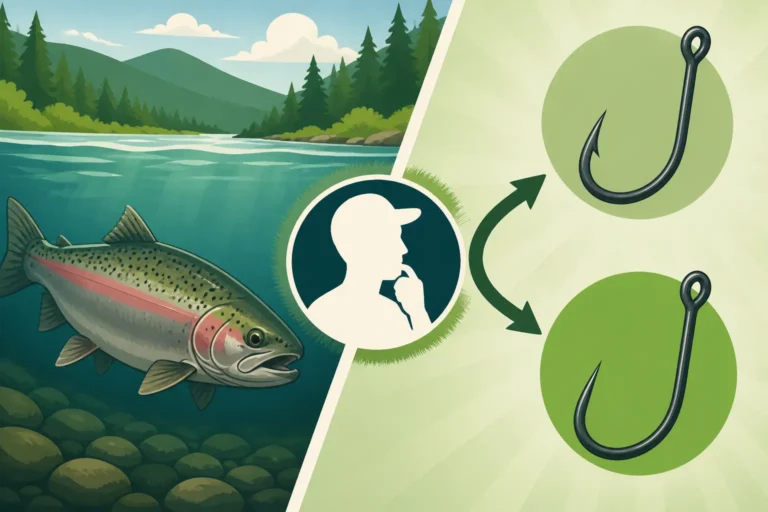
It's not just about length either. Sometimes, specific waters will have gear restrictions, such as requiring Oregon barbless hook requirements or limiting anglers to "artificial flies and lures only." While these aren't directly about how many fish you can keep, they are often implemented in waters where conservation of wild trout populations is paramount. Barbless hooks minimize tissue damage, increasing the survival rate of released fish, which is critical in catch-and-release fisheries. Having a reliable tape measure (many useful options can be found on Amazon) is indispensable for quickly and accurately determining if your catch meets the legal size requirements. Always double-check these details in the ODFW regulations for your specific fishing destination.
Identifying Trout Species and Their Limits
Knowing your trout is more than just academic; it's a critical component of adhering to fishing regulations, especially when wild versus hatchery distinctions or species-specific rules come into play. Oregon is home to several beautiful trout species, each with its own story and, often, its own set of rules.
Key Trout Species in Oregon
Oregon's waters teem with a diverse array of trout, and understanding the common ones is key to navigating regulations. Our Oregon Trout Species Guide offers a deep dive, but here's a quick overview of the most prominent:
- Rainbow Trout: Arguably the most common trout in Oregon, found in countless lakes and rivers. They are also heavily stocked by ODFW.
- Coastal Cutthroat Trout: Native to coastal streams and rivers, often found in both resident (stream-dwelling) and anadromous (sea-run) forms. They are prized for their aggressive bites.
- Redband Trout: A subspecies of rainbow trout, native to inland waters east of the Cascades. Known for their vibrant red lateral band and spots.
- Brown Trout: A non-native species that has established itself in many Oregon rivers and lakes, particularly in central and southern Oregon. They are highly sought after by fly anglers for their wariness and size.
- Brook Trout: Another non-native, highly prolific species, especially common in high mountain lakes where they can sometimes overpopulate.
- Bull Trout: These are federally protected in Oregon and are strictly catch-and-release only wherever they are found. They are often mistaken for brook trout by beginners, making proper identification absolutely crucial. Never, ever retain a bull trout.
Each of these species contributes to the rich tapestry of Oregon's fisheries, and their individual conservation statuses often dictate specific rules.
Hatchery vs. Wild Trout
This distinction is perhaps one of the most important aspects of Oregon trout fishing regulations. Many rivers and streams have different bag limits, or even entirely different rules, for hatchery-raised trout versus wild trout. Why the difference? Hatchery fish are specifically bred and raised in controlled environments to supplement fish populations for angler harvest, easing pressure on wild stocks. Wild trout, on the other hand, are the backbone of natural ecosystems and are often a focus of conservation efforts.
The easiest way to tell the difference, almost without exception, is the fin clip. Hatchery trout in Oregon are typically marked with a clipped adipose fin (the small, fleshy fin between the dorsal fin and the tail). If a trout has an adipose fin, it's considered a wild fish and must often be released immediately, especially in rivers with specific wild trout regulations. If it lacks an adipose fin (i.e., it's clipped), it's a hatchery fish, and you can usually keep it within the applicable bag limits. This fin clip is the angler's best friend for compliance. It's an essential part of Oregon Catch-and-Release Rules when it comes to differentiating what you can and cannot keep.
How to Safely Identify and Handle Trout
Proper identification and handling are critical, not just for compliance but for the health of the fish you intend to release. Misidentifying a bull trout as a brook trout, for example, could lead to serious Oregon Fishing Violations and Penalties.
Here are a few tips:
- Learn key features: Before you go, familiarize yourself with pictures of the different trout species, paying attention to patterns, coloration, and fin shapes. For instance, bull trout often have light spots on a dark background, while brook trout have worm-like patterns (vermiculations) on their backs and distinct white leading edges on their lower fins.
- Handle with care: If you're planning to release a fish, minimize its time out of water. Use wet hands to avoid removing their protective slime layer. If possible, keep the fish in the water while unhooking it.
- Use the right tools: Barbless hooks are highly recommended, especially in catch-and-release waters, as they make unhooking much easier and less damaging. Forceps or a hemostat are invaluable for quickly removing hooks.
- Know when to cut the line: If a fish is deeply hooked and removing the hook would cause excessive damage, it's often better to simply cut the line as close to the hook as possible. The hook will usually rust away or fall out naturally.
- Practice proper Oregon Trout Fishing Techniques: Mastering these techniques not only increases your catch rate but also improves fish survival.
Oregon Trout Bag Limit Summary
Here's a simplified table to illustrate the general differences in trout bag limits you might encounter in Oregon. Remember, these are generalizations and specific regulations for each waterbody always take precedence.
| Water Type / Species | General Daily Bag Limit | Minimum Size | Max > 20 Inches | Common Exceptions |
|---|---|---|---|---|
| Most Lakes/Streams (General Rule) | 5 Trout | 8 inches | 1 | Check for specific lake/stream rules. |
| High Mountain Lakes | 5-10 Trout, or No Limit | Varies/None | Varies/None | Often more liberal; check for species-specific rules. |
| Fly-Fishing Only Rivers | 0 (Catch & Release) or 1-2 Trout | Varies | 0 | Gear restrictions (flies/lures only), often barbless. |
| Wild Trout Streams | 0 (Catch & Release) | N/A | 0 | Hatchery-marked fish may have separate limits. |
| Stocked Ponds/Lakes | 5 Trout | 6-8 inches (or none) | 1 | Typically aligns with general rule; often no minimum. |
| Bull Trout | 0 (Catch & Release ONLY) | N/A | 0 | Federally protected; strict penalties for retention. |
It's clear that there's no single "one-size-fits-all" answer when it comes to trout bag limits in Oregon. The landscape is as varied as the fish themselves, with rules designed to protect and enhance specific fisheries. Your best bet is always to consult the latest ODFW regulations for the exact body of water you intend to fish. Understanding the reasoning behind these rules, like the distinction between wild and hatchery fish, empowers you to be a more responsible and successful angler. Don't forget that your Oregon Fishing License Guide is your first step before even considering bag limits, and understanding Oregon Fishing Season Dates and Limits is also critical. Happy fishing, and may your lines stay tight and your cooler legal!
Disclaimer
The information provided in this guide is for general informational purposes only and is not a substitute for the official Oregon Department of Fish and Wildlife (ODFW) regulations. Fishing rules and regulations can change frequently and without notice. It is the angler's sole responsibility to consult the most current ODFW Sport Fishing Regulations booklet and any in-season updates or emergency closures before engaging in any fishing activity. Failure to do so may result in fines or penalties.