Coos Bay Fishing Guide
Coos Bay, with its vast estuary, abundant marine life, and direct access to the Pacific Ocean, can feel like a labyrinth to navigate if you're not familiar with its unique fishing opportunities. Many anglers, especially those new to the area, often feel overwhelmed trying to figure out where to go, what to target, and what techniques actually work here. This comprehensive guide is designed to cut through that confusion, helping you unlock the secrets of Coos Bay fishing so you can spend less time guessing and more time reeling in your next great catch.
Understanding Coos Bay's Unique Fishery
Coos Bay isn't just one body of water; it's a dynamic system where freshwater rivers meet the mighty Pacific, creating an incredibly rich and diverse environment. This confluence of different water types, depths, and structures makes it a hotspot for a wide array of fish species and, let's be honest, can be a bit intimidating if you don't know where to start.
The Estuary Advantage: Why it's a Hotbed for Fish
The Coos Bay estuary is the largest estuary on the Oregon Coast, a sprawling network of channels, mudflats, eelgrass beds, and tidal sloughs. This diverse habitat acts like a nursery and a cafeteria for countless species. Young salmon, steelhead, and many bottomfish species spend critical parts of their lives here, gorging on the abundant food before heading out to the ocean. For anglers, this means a consistent presence of baitfish, which in turn attracts larger predatory fish. The calmer, protected waters of the estuary also make it accessible for different types of fishing, even when the ocean is too rough. It's a prime location for those seeking Dungeness crab, too, as the soft bottoms and tidal flows create ideal conditions for them to thrive.
The nutrient-rich waters support a complex food web, from tiny invertebrates and shrimp to larger fish like herring and anchovies. These smaller forage fish are the lifeblood of the estuary, drawing in species like Chinook and Coho salmon during their migratory runs, as well as resident populations of rockfish and lingcod that venture in from the nearshore ocean. The varying salinity levels throughout the estuary also contribute to its biodiversity, allowing both saltwater and some anadromous (migratory) freshwater species to coexist and flourish. It’s this intricate balance that makes Coos Bay such a productive and fascinating place to fish.
Ocean Access and Protected Waters: Best of Both Worlds
One of the greatest advantages of Coos Bay is its direct, relatively safe access to the Pacific Ocean, combined with the sheltered fishing opportunities within the bay itself. This dual access means you're not entirely at the mercy of ocean conditions. If the bar is too rough for offshore adventures, you can still find plenty of action inside the bay. Conversely, when the ocean is calm, you can venture out for halibut, tuna, or more aggressive bottom fishing.
The Coos Bay bar, while it requires respect and careful navigation, allows for relatively quick trips to prime offshore fishing grounds. Anglers launching from Charleston can be targeting rockfish and lingcod on the reefs just outside the bay within minutes, or head further out for salmon and, seasonally, tuna. This flexibility is a huge boon for planning your trip, as weather can be unpredictable on the Oregon Coast. You can always have a backup plan for productive fishing within the bay's protected waters, ensuring your trip isn't a wash even if the ocean isn't cooperating. This access also plays a crucial role for commercial and charter operations, making Coos Bay a significant port for Oregon's fishing industry.
Tidal Influences: How the Tides Shape Your Fishing Success
Understanding the tides in Coos Bay isn't just helpful; it's absolutely crucial for successful fishing. The immense volume of water moving in and out with each tide creates currents that dictate where fish feed, where bait congregates, and how you should present your offerings. Ignoring the tide chart is like trying to navigate a maze blindfolded – you might get lucky, but you're probably going to be frustrated.
For salmon and bottomfish within the bay, the incoming tide often brings in cooler, oxygenated, and sometimes bait-rich ocean water, which can trigger feeding frenzies. As the tide pushes in, baitfish often get pushed up against structure or into shallower areas, making them easier targets for larger predators. The outgoing tide, especially around low tide, can concentrate fish in deeper channels or sloughs, making them easier to locate. For crabbing, the slack tides (the period just before or after the peak of high or low tide when water movement is minimal) are generally considered the best, as your pots are less likely to drag and crabs are often more active moving about. Always check the local tide charts for Coos Bay before you head out, and factor in how far upriver you plan to go, as tide times will vary throughout the bay system.
Prime Fishing Spots Within Coos Bay
Coos Bay is vast, stretching from the Charleston jetties to the upper reaches of the Coos River system. Knowing the specific hotspots can make all the difference, whether you're casting from shore or dropping anchor from a boat. Each area offers distinct opportunities and challenges.
North Bend and Empire Docks: Easy Access, Family-Friendly
For those looking for easy access, particularly if you're bringing along new anglers or kids, the docks in North Bend and Empire are fantastic starting points. These public docks often provide good opportunities for various bay species without needing a boat. You can often find decent fishing for perch, flounder, and sometimes even smaller rockfish right from the docks. Many anglers also drop crab pots or rings from these docks, especially during crabbing season, making it a fun multi-species outing. The convenience of parking, restrooms, and sometimes even nearby bait shops adds to their appeal.
These spots are particularly great for teaching fundamental fishing skills, like casting, baiting a hook, and understanding how to set the hook. They're also safe, relatively calm environments, perfect for a relaxed afternoon. The key here is patience and using light tackle with small baits like shrimp, squid, or even pieces of clam. Remember that even from a dock, you'll still need an Oregon Fishing License Guide and an Oregon Shellfish License if you plan on targeting crab. Always be mindful of other users on the docks and cast responsibly.
Charleston Marina and Boat Basin: Gateway to the Ocean, Bay Fishing
The Charleston Marina is arguably the heart of the Coos Bay fishing scene. This is where most ocean-bound charters depart, and it provides excellent boat ramps for private vessels. From Charleston, you have direct access to the ocean via the jetties, making it a prime launch point for halibut, tuna, or bottomfish excursions. Even if you're not heading offshore, the boat basin itself and the immediate areas around the jetties offer fantastic bay fishing. Here, you'll often find lingcod and rockfish lurking around the rocky structures, and salmon sometimes stage just outside the jetties before entering the bay.
Many anglers target salmon within the main channel of Coos Bay, especially around the Charleston area, by trolling with flashers and bait or lures. The deep water and strong tidal currents here mean larger, often more aggressive fish. For crabbers, the protected waters of the basin are perfect for setting pots, and you can often rent a small boat or even gear from local vendors if you don't have your own. Whether you're hiring an Oregon Fishing Charter Guide or launching your own vessel, Charleston provides all the necessary infrastructure, including fuel, bait, and fish cleaning stations. If you're looking to book a trip, checking a platform like FishingBooker can give you a good overview of available charters operating out of Charleston.
Coos River System: Freshwater Influence, Different Species
Venturing further up into the Coos River system, which includes tributaries like the Millicoma and Coquille Rivers (though the Coquille is a separate basin, it's often associated for its proximity and similar fishing opportunities), you'll encounter a different fishing environment. Here, the water transitions from brackish to purely fresh, influencing the species you'll find. This area becomes particularly important during salmon and steelhead runs, as these anadromous fish push upriver to spawn. The Coos River itself is a significant contributor to the bay's salmon populations.
Drift fishing or bobber and jig techniques are popular here, especially for winter steelhead or fall Chinook. The quieter, tree-lined banks offer a more serene fishing experience compared to the open bay. While not as famous for freshwater trout as some other Oregon rivers, there are opportunities for resident cutthroat trout in the upper reaches. Always check the specific Oregon Fishing Regulations Explained for these river sections, as rules can vary greatly from the main bay, especially concerning bait restrictions or wild fish retention. The Coos River system provides a welcome change of pace and a chance to target some of Oregon's most iconic migratory fish in a more intimate setting.
Target Species and When to Find Them
Coos Bay is a year-round fishery, but different species have their prime seasons. Knowing what's biting when is key to maximizing your success and avoiding frustrating empty days on the water.
Salmon (Chinook & Coho): Seasonal Runs, Where to Intercept
Salmon are arguably the biggest draw to Coos Bay. Both Chinook (King) and Coho (Silver) salmon make their migratory journeys through the bay and into the Coos River system. The timing of these runs is critical.
-
Fall Chinook: These are the big, powerful kings, typically entering the bay from late summer through fall (August to October/November). They'll stage in the lower bay and then push up the Coos River. Trolling with bait (like herring or anchovies) or large lures (such as Brad's Super Baits or spinners) in the main channels around Charleston and up towards the Coos River mouth is a popular and effective method. You might also find them just outside the jetties. Techniques similar to those used for How to Fish for Fall Chinook on the Columbia can be very effective here.
-
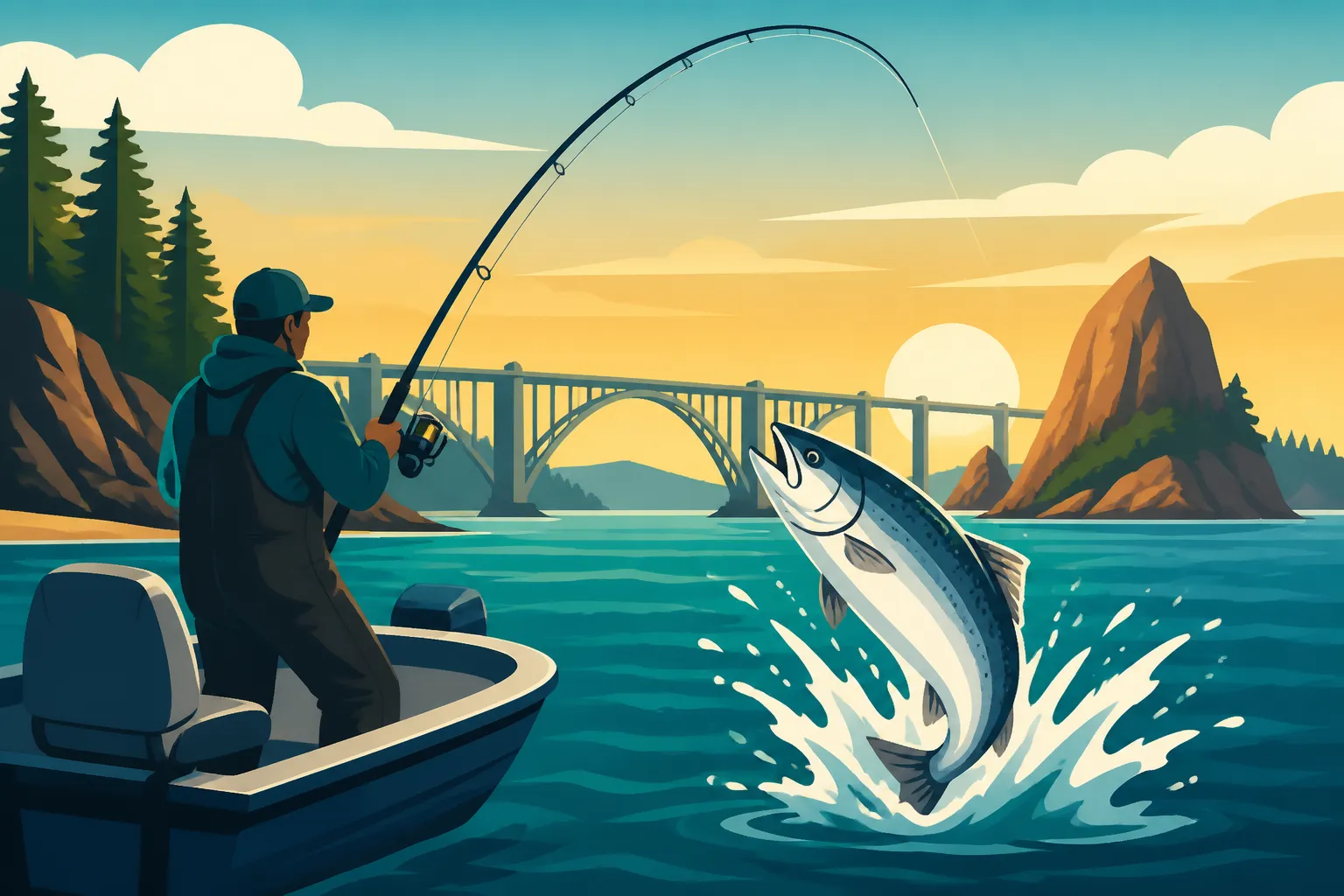
Coho Salmon: These acrobatic fighters usually arrive a bit later than the main push of Chinook, typically from late September into November. They are often found throughout the bay and can be very aggressive biters. Trolling smaller spoons, spinners, or bait can work wonders. Sometimes, Coho will school up in certain areas of the bay, making for fast and furious action if you find the right spot. For both species, pay close attention to the Oregon Daily Bag Limits Explained and specific regulations, as they can change based on run forecasts and conservation goals.
Crab (Dungeness & Red Rock): When and How to Get Them
Crabbing in Coos Bay is incredibly popular and, for many, just as exciting as fishing. Both Dungeness and Red Rock crabs are present, offering a delicious reward for your efforts.
-
Dungeness Crab: These are the highly prized, larger crabs. While Dungeness crabbing is open year-round in the bay, the best times are generally late spring through fall, and especially after the commercial season closes in August, as there's less competition. January and February can also be excellent, after the coastal storms have pushed crabs into the bay. You'll typically set crab pots or rings in channels or over mud flats, often using bait like chicken, fish carcasses, or even cat food. It's a great activity for families and can be done from a boat or from many of the public docks.
-
Red Rock Crab: These smaller, spicier crabs are abundant year-round and often easier to catch. They tend to prefer rocky areas and shallower water. While not as meaty as Dungeness, they make excellent eating. Many crabbers target both species simultaneously. Remember to adhere to the legal size and sex limits for Dungeness crab (only males of a certain size can be kept), and know the limits for red rock crab, as detailed in your Oregon Shellfish License regulations.
Bottomfish (Lingcod & Rockfish): Nearshore Action
Coos Bay offers fantastic opportunities for bottomfish, both within the bay and just outside the jetties. These species are generally available year-round, though ocean conditions will dictate when you can safely access the prime offshore spots.
-
Lingcod: These aggressive predators are a favorite among anglers for their powerful fights and delicious white meat. They're often found around rocky structures, reefs, and the jetties. Jigging with large swimbaits, metal jigs, or bait (like whole herring or live sculpin) is effective. You'll need stout tackle to pull them out of their rocky lairs.
-
Rockfish (various species): Coos Bay is home to many species of rockfish, including black rockfish, blue rockfish, kelp greenling, and vermilion rockfish. They congregate around rocky reefs, kelp beds, and structure. Jigging with leadhead jigs and plastic tails, or using bait on a dropper loop rig, works well. Bottom fishing from a boat just outside the jetties, or even inside the bay near deep structure, can yield excellent results. An Oregon Ocean Endorsement is required for ocean-bound bottom fishing, so be sure you have all your necessary paperwork in order.
Striped Bass & Sturgeon: Lesser-Known but Exciting Opportunities
While not as widely publicized as salmon or crab, Coos Bay also offers unique opportunities for striped bass and sturgeon, though these are more specialized fisheries.
-
Striped Bass: Coos Bay holds a small, self-sustaining population of striped bass, a relic from historic introductions. They are highly sought after by a dedicated few due to their challenging nature and powerful fight. They are typically targeted in the brackish waters of the bay and lower river, often around structure or ambush points. Fishing with large swimbaits, topwater lures, or live bait can entice a strike. This fishery is more about the thrill of the chase than guaranteed catches, but a Coos Bay striper is a true trophy.
-
Sturgeon: White sturgeon are present in Coos Bay, though not in the same densities as the Columbia River. They can be found in the deeper channels of the bay and lower river. Targeting these ancient fish requires heavy tackle and patience. Bottom fishing with baits like herring, squid, or even lamprey can be effective. Most sturgeon fishing in Coos Bay is catch-and-release, but always check current regulations for any potential retention seasons or slot limits. For more detailed information on techniques, you might find tips in guides like How to Fish for Sturgeon on the Columbia applicable to Coos Bay, remembering to adjust for local conditions.
Essential Gear and Techniques for Coos Bay
Having the right gear and knowing the effective techniques can make or break your Coos Bay fishing trip. From salmon to crab, each pursuit often calls for specialized equipment and methods.
Rods, Reels, and Line: Matching Your Tackle to the Fish
The diversity of fishing in Coos Bay means you'll likely need a versatile setup or a few specialized ones.
- For Salmon: A medium-heavy to heavy action salmon rod, typically 8.5 to 10.5 feet long, paired with a high-capacity baitcasting reel (like a Shimano Tekota or Penn Warfare) spooled with 20-30 lb monofilament or 30-65 lb braided line is standard. This setup provides the power needed to handle strong runs and troll heavy gear.
- For Bottomfish: A medium-heavy to heavy jigging rod, often shorter (6.5 to 7.5 feet), with a robust spinning or baitcasting reel spooled with 50-80 lb braided line is ideal. The braid's sensitivity helps detect subtle bites in deep water, and its strength is crucial for pulling fish away from rocky snags.
- For Crabbing: A sturdy rope, a crab pot or ring, and a buoy are the essentials. You don't need a rod and reel, but a gaff or net can be helpful for retrieving your catch from the pot.
- For Docks and Smaller Species: A medium-light spinning rod, 6-7 feet long, with a 2500-4000 series spinning reel spooled with 8-12 lb monofilament or braid is perfect for perch, flounder, and smaller bay fish. This setup is light enough to be enjoyable but strong enough for incidental larger catches.
Baits and Lures: What the Fish Are Biting
Choosing the right bait or lure is paramount. Coos Bay's fish have distinct preferences.
- Salmon: Fresh or brined herring and anchovies are top choices for trolling. Artificial lures like Brad's Super Baits, spinners (e.g., larger Mepps or Blue Fox), and spoons (like Silver Horde or Coyote) are also highly effective, especially when tipped with a scent. For more ideas, consult an Oregon Bait and Lure Guide.
- Bottomfish: Live or dead bait such as herring, squid, or sculpin works wonders for lingcod. For rockfish, leadhead jigs dressed with plastic grubs or swimbaits (like Berkeley Gulp! or Z-Man) in various colors are very productive. Metal jigs, such as Point Wilson Darts or various diamond jigs, are also excellent choices for vertical jigging.
- Crab: For Dungeness, bait cages filled with chicken parts (legs, thighs), fish carcasses (salmon heads are prime!), or even cat food (often tuna or salmon flavored) are standard. Red Rock crabs aren't as picky, and will often go for the same baits.
- Bay Fish (Perch, Flounder): Small pieces of shrimp, squid, clam necks, or even Gulp! sandworms on small hooks are very effective.
- Sturgeon: Fresh or brined herring, squid, sand shrimp, or lamprey are commonly used.
Popular Techniques: Trolling, Plunking, Jigging, Crabbing
Different areas and species in Coos Bay lend themselves to specific fishing techniques.
- Trolling: This is a dominant technique for salmon in the main bay channels. Boats move slowly, dragging bait or lures behind them at varying depths, often using downriggers to get gear to where the fish are holding. This method allows you to cover a lot of water and present your offering to actively feeding fish.
- Plunking: A shore-based technique, though sometimes used from boats, especially in river mouths. It involves casting heavy weights with bait or lures into strong currents and letting them sit, waiting for fish to come to them. This can be effective for salmon and steelhead moving upstream.
- Jigging: Primarily used for bottomfish and occasionally for salmon or aggressive stripers. This involves vertically dropping a lure (jig) to the bottom and then rhythmically lifting and dropping it to mimic an injured baitfish. It's an active and engaging way to fish, especially around rocky structures.
- Crabbing: Setting pots or rings from docks or boats. Pots are left to soak for a period (often 1-4 hours, or longer if unattended, but always check regulations for soak times) before being retrieved. Rings need to be tended more actively, pulled up periodically to check for crabs before they escape. Proper weighting and rope length are essential to avoid losing your gear to the strong Coos Bay currents.
Navigating Regulations and Safety
Before you even think about casting a line or dropping a crab pot in Coos Bay, understanding the regulations and prioritizing safety is non-negotiable. Oregon has specific rules designed to protect its fisheries and ensure angler safety.
Oregon Fishing License and Endorsements: What You Need
Let's get this straight: if you're 12 years old or older, you absolutely need an Oregon Fishing License Guide to fish in Coos Bay. There are no exceptions for "just trying it out" or "only catch-and-release." This license covers basic angling for most fish species.
Beyond the basic angling license, you'll likely need additional endorsements depending on what you plan to target and where you plan to fish:
- Combined Angling Tag: If you're going after salmon, steelhead, or sturgeon, you'll need this. It's a critical component for tracking your harvest of these highly regulated species.
- Oregon Ocean Endorsement: This is a must if you plan to fish for bottomfish, halibut, or tuna in the Pacific Ocean outside the Coos Bay jetties. Don't skip this, as fines for fishing without it can be steep.
- Oregon Shellfish License: If crabbing is on your agenda, this is non-negotiable. Even if you're just dropping a ring from a public dock, you need it.
- Columbia River Basin Endorsement: While Coos Bay isn't on the Columbia, some anglers who travel might need this for fishing other parts of Oregon. For Coos Bay, it's not typically required.
You can purchase your licenses and endorsements online through the Oregon Department of Fish and Wildlife (ODFW) website, or at many local sporting goods stores in Coos Bay, North Bend, and Charleston. Always carry proof of your license while fishing, whether it's a printed copy or on your phone.
Understanding Tides and Weather: Safety First
Coos Bay is directly influenced by the Pacific Ocean, which means tides and weather play a huge role in both your success and your safety. This isn't just a suggestion; it's a fundamental aspect of fishing here.
- Tides: As discussed earlier, tides dictate current strength, water depth, and fish behavior. A strong outgoing tide can make boat navigation challenging, particularly around the bar. Always consult a local tide chart before heading out. Websites and apps dedicated to marine weather and tides are invaluable resources.
- Coos Bay Bar: If you're venturing out to the ocean, the Coos Bay bar can be notoriously rough, especially during periods of strong winds or outgoing tides combined with ocean swell. It's crucial to check the bar conditions before crossing. The U.S. Coast Guard often provides bar reports, and local marinas will have current information. If in doubt, stay inside the bay. No fish is worth risking your life.
- Weather: Oregon Coast weather can change rapidly. Fog can roll in thick, winds can pick up unexpectedly, and swells can build quickly. Always check the marine forecast before you leave. Have appropriate safety gear on board, including life jackets for everyone, a marine radio or cell phone (though service can be spotty in some areas), and navigation tools. Dressing in layers is always a good idea, as temperatures can vary significantly throughout the day.
Catch Limits and Seasons: Staying Legal
Oregon implements strict Oregon Fishing Season Dates and Limits to manage its fish populations, and these regulations are regularly updated. It's your responsibility as an angler to know and follow them.
- Daily Bag Limits: These specify how many fish of a certain species you can keep per day. For example, Chinook salmon might have a daily limit of one or two, while rockfish often have higher limits but specific rules for different species within the rockfish family.
- Size Limits: Some species, like Dungeness crab and sturgeon, have minimum and/or maximum size limits (slot limits). Measure your catch accurately. For Dungeness crab, you must also release all females and only keep males of legal size.
- Fin-Clipping Regulations: For salmon and steelhead, often only hatchery-origin fish (identified by a clipped adipose fin) can be retained. Wild fish must be released unharmed. Learn how to properly identify hatchery vs. wild fish.
- Seasonal Closures: Certain areas or species may be closed to fishing during specific times of the year to protect spawning fish or recovering populations. These can be region-specific, so check the "South Coast" zone in the ODFW regulations.
- Emergency Closures: Always be aware that emergency closures can happen at any time due to low fish returns or environmental conditions. Check the ODFW website or local news sources regularly.
The ODFW publishes an annual synopsis of Oregon Sport Fishing Regulations, which is your go-to resource. Pick up a copy wherever licenses are sold or download it from their website. It’s essential reading for any angler in Coos Bay.
Planning Your Coos Bay Fishing Adventure
Whether you're a seasoned angler or a complete novice, planning ahead will ensure a smoother, more enjoyable, and ultimately more successful fishing trip to Coos Bay.
Hiring a Local Guide or Charter: Expertise on the Water
For many, especially those unfamiliar with Coos Bay or looking to target a specific species with high success rates, hiring a local fishing guide or charter is an invaluable option. These professionals bring years of experience, local knowledge, and specialized equipment that can significantly boost your chances of a great catch.
-
Benefits of a Guide:
- Local Knowledge: Guides know the current hotspots, what bait is working, and how the tides are affecting the bite – information that takes years to acquire.
- Specialized Equipment: They provide all the necessary rods, reels, tackle, and sometimes even bait, which can be a significant cost saving if you don't own the gear yourself.
- Safety: Experienced captains navigate the Coos Bay bar and ocean conditions safely, ensuring your trip is as secure as it is productive.
- Learning Opportunity: It's an excellent way to learn new techniques and gain insights into fishing specific species.
- Increased Success: They put you on the fish, often providing a much higher chance of success than going it alone, especially for challenging species like salmon or tuna.
-
Finding a Charter: You can find many reputable charters operating out of the Charleston Marina. Word-of-mouth is a great way, or you can search online platforms like FishingBooker, which lists local charters, their specialties, prices, and customer reviews. This can help you compare options and find a guide that matches your specific fishing goals and budget. Remember, these services often book up fast, especially during peak seasons, so plan to reserve your spot well in advance. Don't forget to ask about what's included and what you need to bring, like your Oregon Fishing License Guide and any required endorsements.
Shore vs. Boat Fishing: Different Experiences
Coos Bay offers diverse fishing experiences, whether you prefer the comfort of land or the freedom of the water. Each has its pros and cons.
-
Shore Fishing:
- Pros: Low cost, no boat needed, easy access, family-friendly, good for crabbing from docks.
- Cons: Limited range, dependent on fish coming to you, can be crowded in popular spots.
- Best for: Perch, flounder, small rockfish, and crabbing from public docks in North Bend and Empire, or targeting salmon/steelhead in the lower river system from accessible banks.
-
Boat Fishing:
- Pros: Access to vast areas of the bay and ocean, ability to target diverse species, freedom to explore.
- Cons: Requires a boat (and all its associated costs and maintenance), knowledge of navigation and safety, more susceptible to weather conditions.
- Best for: Trolling for salmon in the main channels, bottom fishing for lingcod and rockfish offshore, targeting halibut or tuna, or setting multiple crab pots over wide areas.
Your choice will largely depend on your budget, experience level, and the specific fish you're hoping to catch. Many anglers enjoy a mix of both, enjoying a relaxing day on a dock one day and an exhilarating offshore adventure the next.
Amenities and Local Services: Making Your Trip Comfortable
Coos Bay is a well-established fishing destination, meaning it has excellent infrastructure to support your trip. From bait shops to lodging, you'll find everything you need.
- Bait and Tackle Shops: You'll find several well-stocked shops in Coos Bay, North Bend, and Charleston, such as Basin Tackle or Englund Marine. These are invaluable resources for local knowledge, up-to-date fishing reports, and of course, all your bait and tackle needs. Don't hesitate to ask the staff for advice – they're usually happy to share tips.
- Boat Ramps and Marinas: Charleston Marina is the primary hub, offering multiple public ramps, fuel, moorage, and supplies. There are also smaller ramps and access points throughout the bay system.
- Lodging and Dining: The Coos Bay-North Bend area offers a wide range of accommodation, from budget-friendly motels to comfortable hotels and vacation rentals. After a long day on the water, you'll find plenty of dining options, many specializing in fresh local seafood.
- Fish Cleaning Stations: Many marinas, including Charleston, provide designated fish cleaning stations, often with fresh water, to make processing your catch easier before you head home. Some charters will also clean your fish for you.
By utilizing these local services, you can make your Coos Bay fishing adventure not just successful, but also incredibly comfortable and enjoyable. It's truly a place where you can immerse yourself in the angling experience, knowing that support and resources are readily available.
Coos Bay Fishing at a Glance
To help you quickly plan your Coos Bay adventure, here's a handy table summarizing some key targets, their prime seasons, and common methods.
| Target Species | Prime Season | Common Methods | Recommended Bait/Lure |
|---|---|---|---|
| Chinook Salmon | Late Summer – Fall (Aug-Nov) | Trolling, Plunking | Herring, Anchovies, Brad's Super Baits, Spinners |
| Coho Salmon | Fall (Sep-Nov) | Trolling | Spoons, Spinners, Smaller Herring |
| Dungeness Crab | Year-round (best: late Spring-Fall) | Potting, Ringing | Chicken, Fish Carcasses, Clam |
| Red Rock Crab | Year-round | Potting, Ringing | Chicken, Fish Carcasses, Clam |
| Lingcod | Year-round (weather permitting) | Jigging, Drifting Live Bait | Large Swimbaits, Metal Jigs, Live Sculpin, Herring |
| Rockfish | Year-round (weather permitting) | Jigging, Bottom Fishing | Leadhead Jigs w/ Plastics, Worms, Shrimp |
| Sturgeon | Year-round (check specific rules) | Bottom Fishing (Catch & Release) | Herring, Squid, Sand Shrimp, Lamprey |
| Perch/Flounder | Year-round | Still Fishing, Bottom Fishing | Small Shrimp, Squid, Clam, Worms |
This table is a general guide, and specific conditions, regulations, and fish movements can always influence the bite.
Disclaimer
Fishing in Oregon carries inherent risks, and regulations are subject to change. Always consult the most current Oregon Department of Fish and Wildlife (ODFW) regulations before any fishing trip. This guide is for informational purposes only and does not substitute for official ODFW publications or professional advice. Prioritize safety on the water and adhere to all local laws.