Multnomah Channel fishing access
Finding that perfect fishing spot can often feel like searching for a hidden treasure, especially when you're looking for something accessible yet productive, away from the intense crowds of the main Columbia or Willamette. Many anglers, myself included, have spent countless hours poring over maps, hoping to discover a diverse fishery that offers a little bit of everything without requiring a long drive to the middle of nowhere. This guide is all about one such gem: the Multnomah Channel, an often-overlooked stretch of water that provides fantastic opportunities for a wide range of species and angling styles, right on the doorstep of Portland.
Understanding the Multnomah Channel Fishing Experience
The Multnomah Channel isn't just another river; it's a unique offshoot, or slough, that branches off the Willamette River near Portland and meanders northwest before rejoining the Columbia River near St. Helens. This distinctive connection to both major rivers means it benefits from a rich influx of migrating fish while offering a slightly more intimate, sheltered fishing environment compared to the vast, often windswept mainstem Columbia. Its characteristics make it a truly special place for anglers seeking variety and a slightly different pace.
What Makes the Channel Unique
Imagine a winding waterway, lined with a mix of industrial docks, residential properties, and stretches of natural riparian vegetation. That's the Multnomah Channel. Because it's a slough, it's generally calmer than the main rivers, making it a favorite for smaller boats, kayaks, and even stand-up paddleboards. However, don't let its tranquil appearance fool you; it sees its share of commercial barge traffic, especially closer to the Columbia, so staying alert and aware of your surroundings is always key. The channel's unique hydrology, influenced by both the Willamette and Columbia and experiencing tidal fluctuations, creates diverse habitats perfect for various fish species.
The water itself can range from slow, deep pools to areas with more current, especially around the confluences. This variety in current, depth, and cover — from submerged logs and pilings to weed beds — is what makes the fishing so dynamic. You can find yourself targeting powerful salmon or sturgeon in one spot and then switching to light tackle for bass or panfish just a short distance away. It really offers a smorgasbord for the adventurous angler.
Primary Species to Target
The Multnomah Channel is a true multi-species fishery, renowned for its excellent opportunities across the seasons. This diversity is one of its biggest draws, ensuring there's almost always something biting.
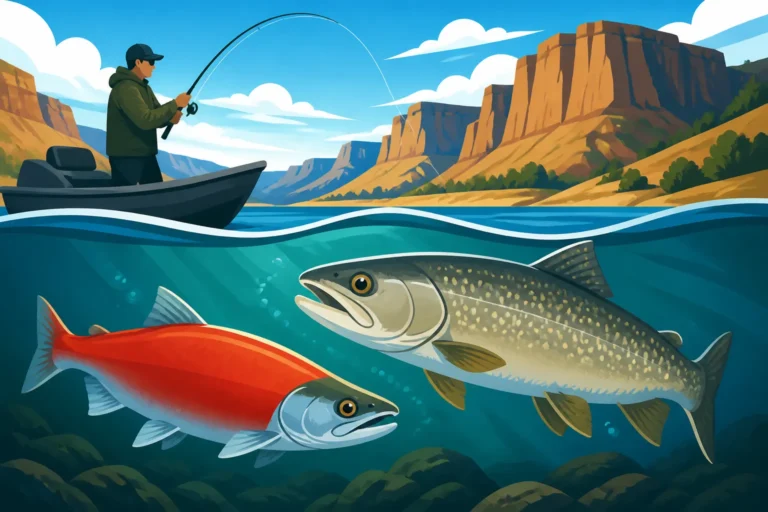
- Salmon: Both spring and fall Chinook salmon utilize the channel as a migration route. Spring Chinook are highly prized for their flavor and fighting prowess, making their way through the channel in late spring and early summer. Fall Chinook, often larger and more numerous, push through from late summer into fall. Anglers often target them by trolling herring or plugs, or by bobber-dogging roe. Remember, proper identification of wild vs. hatchery fish and understanding your Oregon Salmon Fishing Techniques are crucial here.
- Steelhead: While not as prolific as in some dedicated steelhead rivers, both winter and summer steelhead do make their way through the channel, offering exciting opportunities for those willing to put in the time. They are often targeted using traditional steelhead methods like drift fishing or bobber and jig.
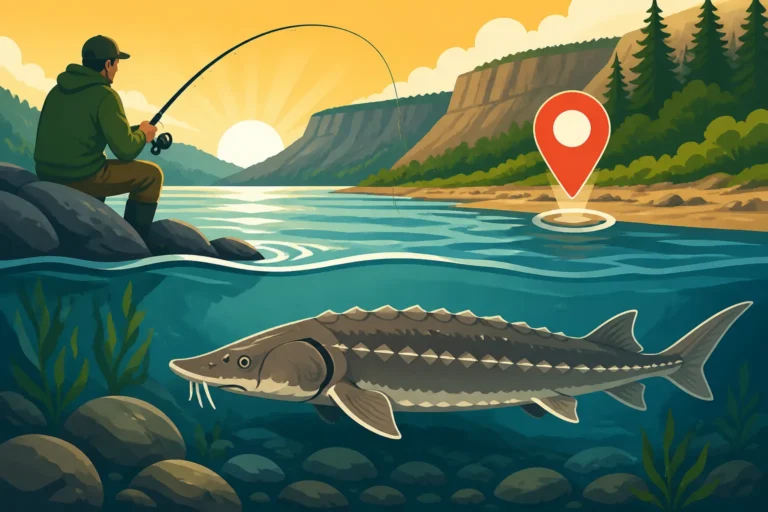
- Sturgeon: The channel is perhaps most famous for its sturgeon fishing. White sturgeon are abundant, offering incredible catch-and-release action throughout much of the year, with retention seasons occasionally opening when populations allow. These prehistoric giants are a blast to hook into, requiring heavy tackle and a strong back. For more on these incredible fish, check out our Oregon Sturgeon Guide.
- Warmwater Species: This is where the channel truly shines outside of anadromous runs. Smallmouth and largemouth bass thrive in the warmer, slower sections and around structure. Crappie, bluegill, and yellow perch are also plentiful, providing fantastic opportunities for family fishing and light tackle fun. These warmwater species are often active when salmon and steelhead runs are slow, making the channel a year-round destination for many. If you're looking to explore this angle, our guide to Oregon Warmwater Fish Species can offer more insights.
Best Times to Visit
Because of its diverse fishery, the Multnomah Channel truly offers year-round fishing, but different species peak at different times:
- Spring (March-May): This is prime time for spring Chinook as they begin their migration. Bass also start to become more active as water temperatures rise.
- Summer (June-August): Sturgeon fishing can be excellent during the summer months for both keeper and oversized fish (check regulations carefully!). Warmwater species like bass, crappie, and perch are very active, making it ideal for casual fishing trips, especially with kids.
- Fall (September-November): The channel buzzes with activity during the fall Chinook run. It’s a fantastic time for salmon fishing, often seeing anglers lining the banks and boat ramps.
- Winter (December-February): While slower for salmon, sturgeon can still be targeted, and hardy anglers might find some winter steelhead. The channel is also a quiet escape during these colder months.
Remember that tidal influence plays a significant role in the channel. Often, the incoming or outgoing tide can concentrate baitfish and predatory species, making certain tide changes particularly productive. Always consult a local tide chart for the Columbia River in the Portland/St. Helens area to plan your trip effectively.
Key Access Points and Public Ramps
One of the great things about the Multnomah Channel is its relatively good accessibility, offering options for both boat anglers and those who prefer to fish from shore. However, knowing where to go can make all the difference between a frustrating trip and a fantastic one.
Public Boat Ramps
For those with a boat, several public and private ramps offer convenient access to the Multnomah Channel. These ramps are your gateway to exploring the deeper channels and broader expanses of the slough.
- Fred's Marina (Portland): Located on the lower end of the channel, near where it splits from the Willamette, Fred's Marina offers a public boat ramp with ample parking. It's a popular spot, especially during salmon season, and provides good access to both the channel and the Willamette. It’s a good starting point for exploring the entire length of the channel. While it's a private marina, they typically have public access ramps available for a fee.
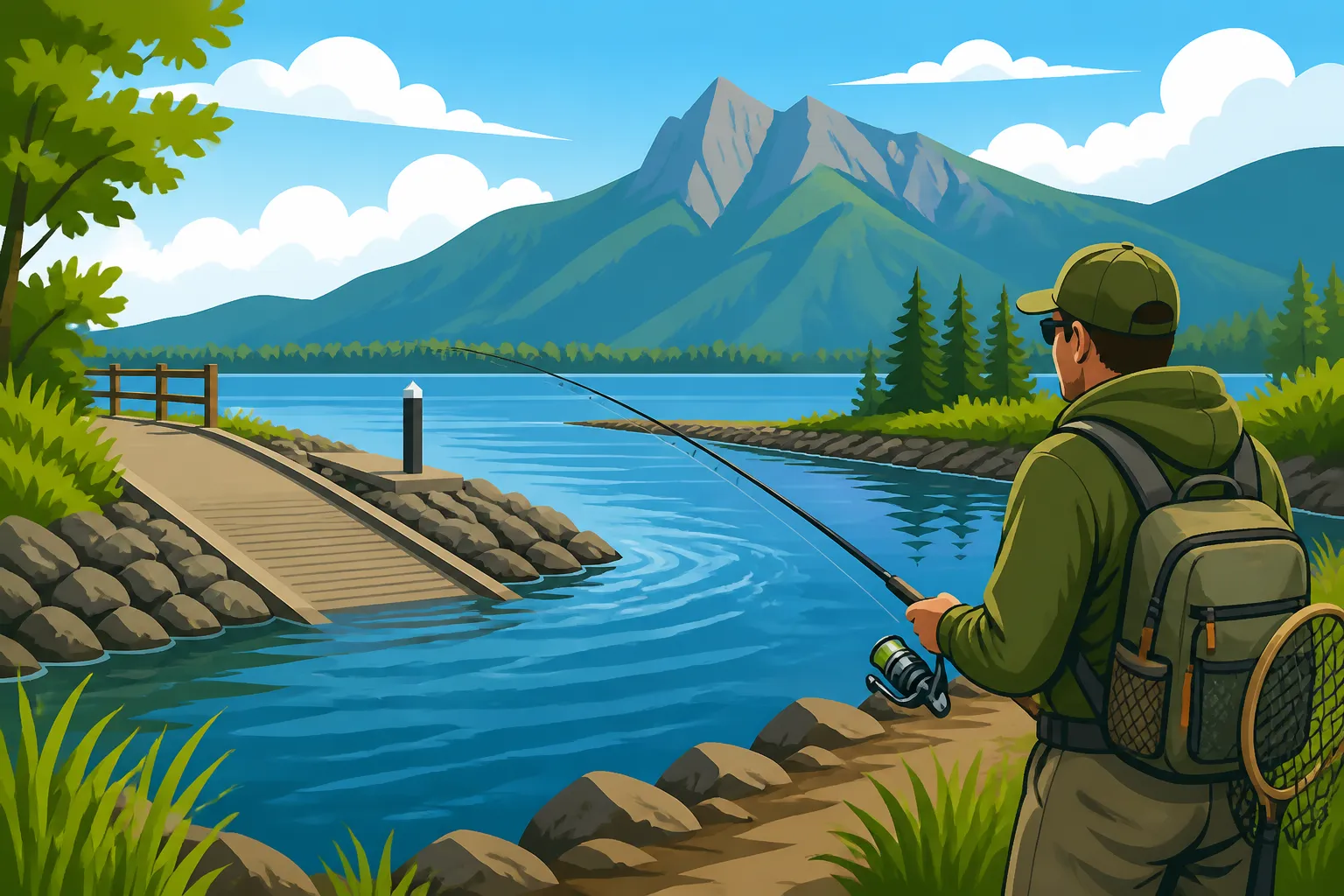
- Multnomah Channel Ramp (Sauvie Island): This is a well-known public ramp, often referred to simply as the "Multnomah Channel Ramp" or "Sauvie Island Bridge Ramp." It's situated right near the Sauvie Island Bridge on the mainland side, offering direct access to the channel. There's usually plenty of parking, making it a solid choice for launching. From here, you can easily motor upstream or downstream depending on your target species and preferred fishing methods.
- Scappoose Bay Marina (Scappoose): While technically in Scappoose Bay, this marina offers excellent access to the northern end of the Multnomah Channel, very close to its confluence with the Columbia River. It's a fantastic spot for targeting salmon and sturgeon as they enter or exit the channel. The marina is usually well-maintained and has good facilities.
When planning your boat trip, especially during peak seasons, consider arriving early to secure parking and avoid long lines at the ramp. Also, always ensure your boat is in good working order and you have all the necessary safety gear.
Bank Fishing Locations
If you prefer to keep your feet on solid ground, the Multnomah Channel still has plenty to offer. Bank access can be a bit more limited in some areas due to private property, but there are definitely spots where you can cast a line.
- Sauvie Island Roadways: Many stretches of roadway along Sauvie Island run parallel to the channel. While not all areas are explicitly marked as public fishing access, keen-eyed anglers can often find pull-offs and paths to the water. Look for areas adjacent to public lands or bridges. Just be incredibly mindful of "no trespassing" signs and respect private property. A small, portable chair and minimal gear are often best for these impromptu spots.
- Willow Bar Campground (Sauvie Island): Located on the Columbia River side of Sauvie Island, Willow Bar is known more for its Columbia access, but some areas within the Sauvie Island Wildlife Area might offer bank access to smaller sloughs that connect to the channel. This area is mostly known for game bird hunting, but hiking trails sometimes offer unexpected access points. Always check the ODFW regulations for specific area rules.
- Parks and Natural Areas: Occasionally, smaller county or local parks along the channel’s banks might offer fishing platforms or clear bank access. These are often quieter spots, perfect for a relaxed afternoon. Always check local park rules before you go.
For bank fishing, come prepared for varying terrain. Waders can be helpful if you want to get into the shallows, but often, sturdy boots are enough. Bring a tackle box with a variety of lures and baits, as you might encounter anything from bass to a passing salmon. If you're new to the area, a good way to scout out promising bank fishing spots without committing to a full trip is to take a drive along the channel and observe where other anglers are set up.
Kayak/Canoe Launching
For the paddle-powered angler, the Multnomah Channel is a dream come true. Its generally calmer waters and abundant shoreline cover make it an ideal environment for kayaks and canoes.
- Informal Beach Launches: Many of the public boat ramps mentioned above (like the Multnomah Channel Ramp on Sauvie Island) have easy beach or dock access suitable for hand-launching kayaks and canoes. This means you can often avoid the busy boat ramp fees if you're not using the power boat launch lane.
- Sauvie Island Access: Beyond formal ramps, many subtle pull-offs along the public roads on Sauvie Island can serve as informal launch points for kayaks. Look for spots where the bank gently slopes to the water and there's enough room to safely pull your vehicle off the road. These allow you to access quieter, more secluded areas that larger boats might avoid.
- Smaller Creeks and Sloughs: The channel is fed by and connects to numerous smaller creeks and sloughs. Exploring these tributaries by kayak can open up even more pristine fishing opportunities for warmwater species, especially bass and panfish. Just be mindful of private property and navigation hazards.
Kayaking or canoeing the Multnomah Channel offers a fantastic way to experience its beauty and access areas that are simply unreachable by larger boats or from shore. It’s also an incredibly peaceful way to fish, allowing you to stealthily approach fish in shallower waters. Just remember to always wear your personal flotation device (PFD) and be aware of any motorized boat traffic.
Navigating and Fishing the Multnomah Channel
Fishing the Multnomah Channel successfully requires a blend of local knowledge, appropriate gear, and a keen eye for safety and regulations. It’s a dynamic environment, and being prepared can significantly improve your experience.
Essential Gear and Techniques
The variety of fish in the Multnomah Channel means you'll want to be prepared with a versatile tackle box.
- For Salmon and Steelhead: You'll typically want a medium-heavy to heavy action rod, around 9-10 feet, paired with a reliable baitcasting or spinning reel spooled with 20-30 lb monofilament or braided line. Common techniques include trolling with Kwikfish, spinners, or Brad's Super Baits, or anchor fishing (plunking) with cured eggs, sand shrimp, or herring. For bank anglers, bobber and jig, or drift fishing with various baits can be effective. If you’re targeting fall Chinook, a strong setup is non-negotiable, as these fish can be absolute brutes. Our Oregon Salmon Fishing Techniques guide offers a deeper dive into methods.
- For Sturgeon: This requires specialized, robust gear. Think heavy-duty rods rated for 50-100 lb line, large conventional reels, and 80-100 lb braided main line with heavy leaders. You’ll be using large pyramid or cannonball sinkers (often 8-16 oz or more depending on current and depth) to hold bait like lamprey, smelt, shad, or squid on the bottom. Remember, sturgeon are protected, and understanding their slot limits and Oregon Sturgeon Tag Requirements is critical for legal retention if a season is open.
- For Bass and Panfish: A lighter touch is needed here. Medium-light to medium action spinning rods (6-7 feet) with 6-10 lb test line are perfect. For bass, jigs, crankbaits, spinnerbaits, and soft plastics (like worms or creature baits) are very effective, especially fished around docks, submerged logs, and weed lines. Panfish like crappie, bluegill, and perch will readily hit small jigs, worms, or pieces of nightcrawler fished under a bobber. This is fantastic light tackle fun, and often perfect for beginners or younger anglers. You can find excellent advice on where to get good, sturdy gear that will stand up to Oregon's diverse waters, and even find local guides, through resources like FishingBooker.
A good pair of polarized sunglasses is also invaluable for spotting structure, reading water, and protecting your eyes. And don't forget the basics: a net, pliers, and a tape measure are essential regardless of what you're targeting.
Safety and Regulations
Fishing anywhere in Oregon, especially on a channel with varying currents and boat traffic, requires adherence to safety guidelines and a thorough understanding of the regulations.
- Boating Safety: If you're on the water in a boat or kayak, always wear a PFD. Be aware of commercial boat traffic, especially barges, which create large wakes and have limited maneuverability. Navigation lights are a must for dawn, dusk, or nighttime fishing. Check weather forecasts before you go, as conditions can change rapidly.
- Oregon Fishing Regulations: The Multnomah Channel is under the jurisdiction of the Oregon Department of Fish and Wildlife (ODFW). Regulations for salmon, steelhead, and sturgeon are highly complex and can change frequently due to run sizes and conservation efforts. It's imperative to consult the current Oregon Fishing Regulations Explained booklet or the ODFW website before every trip. Pay close attention to bag limits, size restrictions, open seasons, and gear restrictions (e.g., barbless hooks for certain species).
- Licenses and Endorsements: Anyone 12 years or older needs an Oregon fishing license. If you're targeting salmon, steelhead, or sturgeon, you'll also need a Combined Angling Tag. Our Oregon Fishing License Guide breaks down all the requirements, including specific endorsements like the Columbia River Basin Endorsement if you plan to fish into the Columbia mainstem. Failing to have the correct license or tags can lead to significant fines and penalties, as outlined in What happens if you get caught fishing without a license in Oregon.
It’s always better to be over-prepared and knowledgeable about the rules. A quick check of the ODFW website for emergency closures or regulation updates is a wise habit for any angler.
Hiring a Guide or Charter
For anglers new to the Multnomah Channel, or those looking to maximize their chances of success, hiring a local fishing guide can be an invaluable experience. These professionals spend countless hours on the water and possess deep knowledge of the channel's nuances.
- Local Expertise: A good guide knows the best spots for specific species, understands the tidal patterns, and can provide all the necessary gear and bait. They can teach you effective techniques for the channel's unique conditions, saving you a lot of trial and error. Whether you're after a trophy sturgeon or your first salmon, a guide can put you on fish.
- Convenience: Many guides operate out of accessible points along the channel, like Fred's Marina or Scappoose Bay Marina. All you typically need to do is show up with your valid Oregon Fishing License Guide and appropriate clothing, and they handle the rest. This makes it a great option for visitors or those without their own boat.
- Finding a Guide: Platforms like FishingBooker are excellent resources for finding reputable, licensed fishing guides operating on the Multnomah Channel. You can search by species, trip duration, and even read reviews from other anglers to find the perfect match for your adventure. They provide a streamlined way to connect with experienced captains who know these waters inside and out.
Even seasoned anglers sometimes hire a guide to learn new techniques or explore unfamiliar waters. It's an investment in your fishing education and often results in a more productive and enjoyable day on the water.
Essential Multnomah Channel Fishing Information
To help you plan your next trip to the Multnomah Channel, here's a quick reference table summarizing some key aspects:
| Feature | Details |
|---|---|
| Location | Branch off the Willamette River near Portland, rejoining the Columbia River near St. Helens. |
| Primary Access Towns | Portland, Sauvie Island, Scappoose |
| Main Target Species | Chinook Salmon (Spring & Fall), Steelhead (Winter & Summer), White Sturgeon, Smallmouth Bass, Largemouth Bass, Crappie, Yellow Perch |
| Fishing Seasons | Salmon: Spring (Apr-Jun), Fall (Aug-Oct); Steelhead: Winter (Dec-Mar), Summer (Jun-Aug); Sturgeon: Year-round (Check for retention seasons); Warmwater: Spring-Fall (Peak May-Sept) |
| Key Techniques | Trolling (salmon), Plunking (salmon, sturgeon), Drift Fishing (steelhead, salmon), Bobber & Jig (steelhead, panfish), Lure Casting (bass, panfish) |
| Typical Tackle Needs | Medium-heavy to heavy for salmon/sturgeon, Medium-light to medium for bass/panfish. |
| Regulations & Licenses | Oregon Fishing License + Combined Angling Tag (for salmon/steelhead/sturgeon) required for ages 12+. Always check current ODFW regulations. |
| Boating Considerations | Tidal influence, commercial traffic (barges), snags. Calmest waters compared to main Columbia. |
| Bank Access | Available in some public areas and along certain roadways, but often limited by private property. |
| Paddle Craft | Excellent for kayaks/canoes due to calmer waters and access to shallow areas. |
The Multnomah Channel is a fantastic example of a productive fishery that's easily accessible but often overlooked. With its incredible diversity of species and opportunities for various fishing styles, it truly offers something for every angler, from the seasoned pro chasing a trophy sturgeon to a family hoping to catch some panfish for dinner. Don't be afraid to explore its winding waters and discover your new favorite fishing spot!
Disclaimer
Fishing conditions, regulations, and access points can change. Always consult the latest Oregon Department of Fish and Wildlife (ODFW) regulations and local advisories before planning your trip. This guide is for informational purposes only and does not constitute legal advice regarding fishing regulations.