Best boat ramps on the lower Columbia River
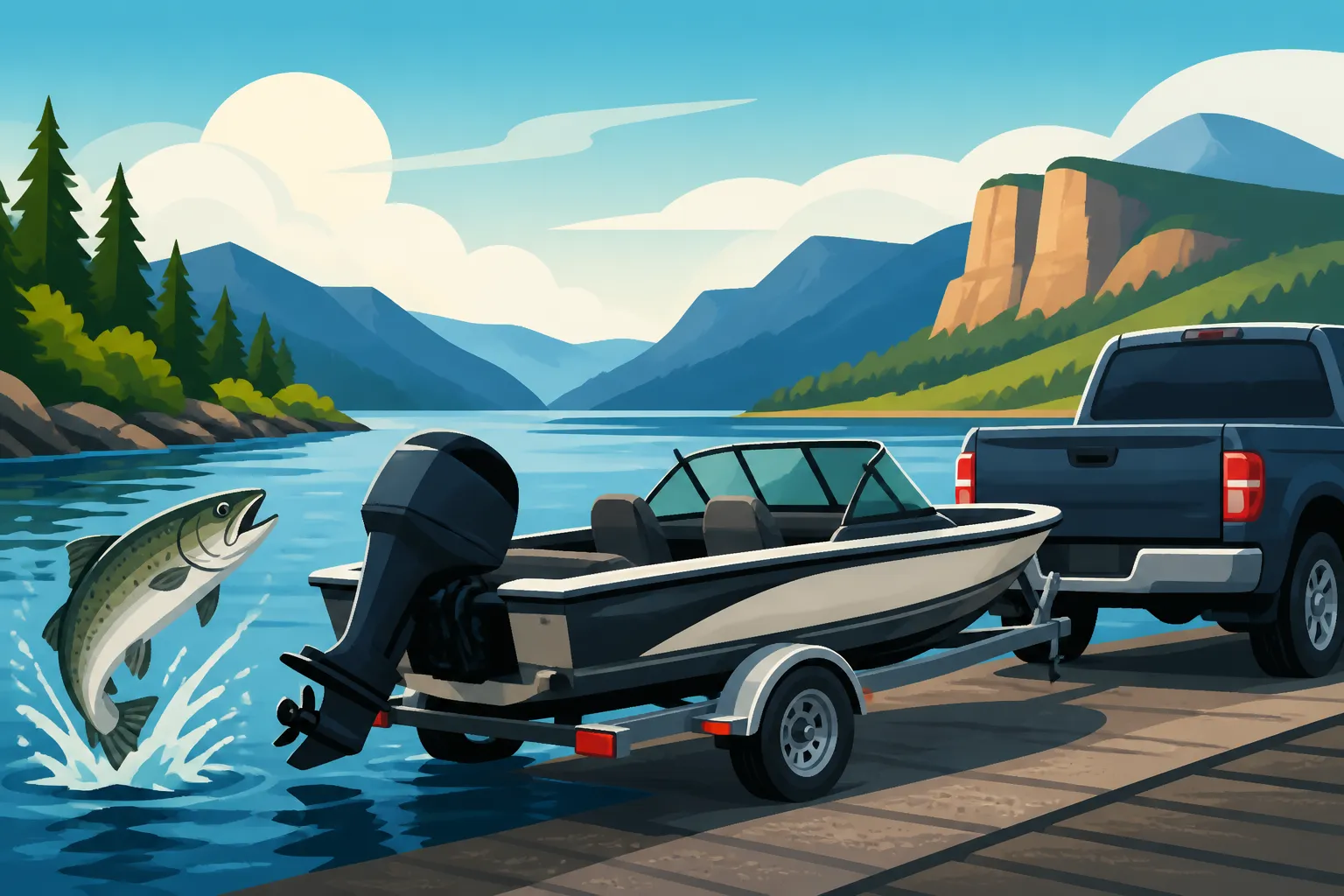
Trying to find the perfect boat ramp on the lower Columbia River can feel like a real treasure hunt, especially when you’re facing the pre-dawn rush with a boat hitched up and a cup of lukewarm coffee in hand. Between navigating tricky tides, finding enough parking for your rig, and just generally getting to the water without a hitch, it can be a source of stress rather than excitement. This comprehensive guide is here to take the guesswork out of your next adventure, detailing the best and most reliable boat ramps on both the Oregon and Washington sides of this mighty river.
Navigating the Lower Columbia River for Boaters
The Columbia River is an incredible fishery and a spectacular waterway, but it's also a force of nature. Understanding its unique characteristics, and knowing which boat ramps offer the best combination of accessibility and amenities, can make or break your day on the water. It’s not just about getting your boat wet; it’s about a smooth, safe, and enjoyable experience from launch to retrieve.
Why Choosing the Right Ramp Matters
Imagine this: you've planned a fantastic salmon fishing trip, meticulously prepped your gear, and arrived at a ramp only to find it's either too shallow for your prop, completely packed, or lacks the necessary parking for your truck and trailer. It’s a frustrating start to any outing! The right boat ramp isn’t just a concrete slab; it’s a critical piece of your fishing puzzle. A good ramp offers easy access, sufficient depth for various boat sizes, adequate parking, and usually, a convenient setup for launching and retrieving your vessel without stress.
Moreover, the location of your chosen ramp can significantly impact your travel time to your preferred fishing grounds. If you're targeting spring Chinook near Portland, launching from Astoria adds an unnecessary hour-plus drive downriver by boat. Conversely, if you're heading out to fish the Buoy 10 fishery at the mouth of the river, a ramp near Portland just won't cut it. Thinking ahead about your target species, the time of year, and the general river conditions will help you pinpoint the ideal launch point.
Understanding the Lower Columbia River's Unique Challenges
The lower Columbia River, stretching from Bonneville Dam out to the Pacific Ocean, is a dynamic and ever-changing environment. It presents specific challenges that even seasoned boaters need to respect.
Firstly, tides and currents are huge factors, especially below Longview. The river is tidal all the way up to Bonneville Dam, meaning water levels can fluctuate significantly throughout the day. A ramp that looks perfectly fine at high tide might become a mud flat or an impassable obstacle at low tide. Strong tidal currents, particularly around tide changes or in narrower sections, can also make launching and retrieving tricky, demanding extra attention and skill. Always check tide charts for your specific area before heading out.
Secondly, commercial traffic is a constant presence. Huge container ships, tugs with barges, and other commercial vessels utilize the Columbia River as a major shipping lane. These large vessels create enormous wakes that can easily swamp smaller boats, and they have limited maneuverability. It's crucial to be aware of your surroundings, maintain a safe distance, and understand navigation rules to avoid dangerous encounters. Recreational boaters are always expected to yield to commercial traffic.
Finally, depth variations and shifting sands are common. The riverbed is not uniform, and channels can change, especially after major floods. What was deep last year might be shallow this year. Always refer to current navigation charts and be vigilant for markers. Hitting a submerged sandbar can quickly turn a good day into a costly one.
Top Public Boat Ramps on the Lower Columbia River
Now that we’ve covered the "why," let's dive into the "where." The lower Columbia boasts numerous public boat ramps, each with its own advantages. We'll break them down by state, offering insights into their facilities and suitability for various types of fishing and boating.
Oregon Side Access Points
Oregon offers a fantastic array of boat ramps along its stretch of the lower Columbia, catering to everything from small bass boats to large ocean-going vessels.
Chinook Landing Marine Park (Fairview)
Located just east of Portland, Chinook Landing is one of the busiest and most popular ramps on the entire river. It's a massive facility designed to handle heavy traffic, making it a favorite for anglers targeting spring Chinook salmon as they make their way upriver.
- Location: Fairview, Oregon, accessible via Marine Drive.
- Facilities: This ramp features multiple wide concrete lanes (often 6+), extensive paved parking for hundreds of truck-and-trailer rigs, multiple docks for staging, and restrooms. There's usually an attendant on duty during peak seasons to manage traffic and collect fees.
- Best For: Chinook Landing is ideal for accessing the mainstem Columbia River near Portland, including the mouth of the Willamette River. It’s perfect for spring and fall salmon runs, sturgeon fishing, and general recreational boating. Its sheer size means it can get crowded, especially on prime weekend mornings during peak fishing seasons, so patience and good ramp etiquette are essential.
St. Helens Marina & Public Launch (St. Helens)
Moving downriver, the historic town of St. Helens offers a well-maintained public launch that’s a bit less hectic than Chinook Landing but still provides excellent access.
- Location: St. Helens, Oregon, right in the heart of town.
- Facilities: Typically features 2-3 concrete lanes, a sizable parking area, and floating docks. Restrooms are usually available. It's often associated with the St. Helens Marina, which offers additional services like fuel and bait.
- Best For: This ramp is a strong contender for fishing mid-river salmon and steelhead runs, as well as sturgeon. It provides a good launch point for exploring the various sloughs and channels around Sauvie Island and the main Columbia River. It’s a great option if you want to avoid some of the Portland metro area traffic while still being centrally located on the lower river.
Tongue Point Boat Launch (Astoria)
As you approach the mouth of the Columbia, Tongue Point becomes a crucial launch for serious anglers, especially those targeting the famed Buoy 10 fishery.
- Location: East of Astoria, Oregon, near the Coast Guard station.
- Facilities: Generally offers 2-3 concrete lanes, ample parking, and floating docks. This is a robust ramp built to handle the larger boats that venture into the rougher waters near the ocean.
- Best For: This ramp is absolutely essential for fishing the lower-most Columbia River and accessing the mouth of the river, particularly during the late summer fall Chinook and coho salmon runs at Buoy 10. It’s also a good spot for crabbing in Youngs Bay. Be aware that conditions near Astoria can be challenging with strong tides and wind, so always check marine forecasts.
Warrenton Mooring Basin / Hammond Marina (Warrenton / Hammond)
These two facilities are very close to each other, both offering prime access to the very mouth of the Columbia River and the Pacific Ocean. They are often considered gateway ramps for ocean-bound fishing.
- Location: Warrenton and Hammond, Oregon, just a few miles from the Columbia River bar.
- Facilities: Both offer multiple concrete lanes, extensive parking, large floating docks, and amenities like fuel, bait, and fish cleaning stations. They are designed for large recreational and charter boats.
- Best For: Unbeatable access to the mouth of the Columbia, the Buoy 10 fishery, and direct access to the Pacific Ocean for salmon, halibut, tuna, and bottom fishing. If you're heading out to the ocean, these are your primary launch points on the Oregon side. Be mindful of the challenging bar crossing conditions, and always listen to the Coast Guard’s bar advisory. When looking for a local guide to navigate these waters, services like FishingBooker can help you find experienced captains departing from these marinas.
Washington Side Access Points
The Washington side of the lower Columbia also provides excellent boat ramp options, offering equally strategic points for accessing various fishing zones and waterways.
Marine Park Boat Launch (Washougal)
Just across the river from Fairview, Washington's Marine Park is another high-traffic, well-equipped ramp for the upper reaches of the lower Columbia.
- Location: Washougal, Washington, a short drive from Vancouver, WA.
- Facilities: Features multiple wide concrete lanes (often 4-6), extensive parking, floating docks, and restrooms. Like Chinook Landing, it's built to accommodate high demand.
- Best For: Excellent for accessing the Columbia River from the Washington side near Vancouver and Camas. This ramp is a prime launch point for spring and fall salmon, steelhead, and sturgeon fishing in the mainstem. It's also popular for recreational boating and watersports.
Kalama Boat Launch (Kalama)
Kalama is a perennial favorite for many anglers, known for its strategic location and good facilities.
- Location: Kalama, Washington, situated right on the Columbia River.
- Facilities: Typically offers 2-3 well-maintained concrete lanes, ample paved parking, and sturdy floating docks. There are often amenities nearby like bait shops and fuel.
- Best For: Kalama is renowned as a fantastic launch for salmon and steelhead runs, particularly the spring Chinook run. It offers excellent access to good fishing grounds in the mid-river section. It’s generally less crowded than the ramps closer to Portland/Vancouver but still sees significant traffic during peak seasons.
Willow Grove Park Boat Launch (Longview)
Further downstream, Longview's Willow Grove Park offers another reliable option, particularly useful for accessing the Cowlitz River confluence and surrounding Columbia channels.
- Location: Longview, Washington, off Highway 4.
- Facilities: Features multiple concrete lanes, substantial parking, and floating docks. The park itself is quite pleasant, offering picnic areas and other amenities.
- Best For: A great launching spot for fishing the mainstem Columbia River in the Longview area, including access to the mouth of the Cowlitz River (a major steelhead and salmon tributary). It’s also good for sturgeon fishing and general recreational boating.
Skamokawa Vista Park (Skamokawa)
For those venturing into the scenic, quieter stretches of the mid-to-lower Columbia, Skamokawa offers a peaceful and well-appointed launch.
- Location: Skamokawa, Washington, on the historic Wahkiakum County side of the river.
- Facilities: Provides 2 concrete lanes, ample gravel and paved parking, floating docks, and restrooms. The park also features camping facilities.
- Best For: Ideal for accessing the beautiful and often less-crowded waters around Skamokawa and Cathlamet. It's a prime spot for salmon and sturgeon, and the surrounding sloughs offer excellent opportunities for bass and other warmwater species. The slower pace makes it appealing for family outings.
Ilwaco Boat Basin (Ilwaco)
Similar to Warrenton/Hammond on the Oregon side, Ilwaco is the primary Washington gateway to the Columbia River mouth and the Pacific Ocean.
- Location: Ilwaco, Washington, at the very southwestern tip of the state.
- Facilities: This is a large, full-service marina and public launch with multiple wide lanes, extensive parking, fuel, bait, fish cleaning stations, and several docks.
- Best For: Indispensable for fishing the Buoy 10 fishery, the Columbia River bar, and ocean fishing for halibut, tuna, and bottom fish. Many of the charters you might find on platforms like FishingBooker operating out of the mouth of the Columbia launch from here. Be prepared for potentially challenging bar conditions and high traffic during peak seasons.
Here's a quick comparison of some of the key boat ramps:
| Ramp Name (State) | Location | Number of Lanes | Parking Availability | Fee (Daily Avg.) | Key Features / Best For |
|---|---|---|---|---|---|
| Chinook Landing (OR) | Fairview | 6+ | Extensive | $5-$10 | High volume, great for Portland/Willamette confluence, salmon/sturgeon. |
| St. Helens Marina (OR) | St. Helens | 2-3 | Sizable | $5-$10 | Mid-river access, less crowded, good amenities, salmon/sturgeon. |
| Tongue Point (OR) | Astoria | 2-3 | Ample | $5-$10 | Lower river, Buoy 10 access, close to ocean, salmon/crabbing. |
| Warrenton / Hammond (OR) | Warrenton / Hammond | 3-4+ | Extensive | $5-$10 | Ocean access, Buoy 10, full services, salmon/halibut/tuna. |
| Marine Park (WA) | Washougal | 4-6 | Extensive | $5-$10 | High volume, great for Vancouver/Camas area, salmon/sturgeon. |
| Kalama Boat Launch (WA) | Kalama | 2-3 | Ample | $5-$10 | Popular mid-river, excellent salmon/steelhead access. |
| Willow Grove Park (WA) | Longview | 2-3 | Substantial | $5-$10 | Cowlitz River confluence, general Columbia fishing, family-friendly park. |
| Skamokawa Vista Park (WA) | Skamokawa | 2 | Ample (Paved/Gravel) | $5-$10 | Quieter, scenic, good for salmon/sturgeon, camping. |
| Ilwaco Boat Basin (WA) | Ilwaco | 4+ | Extensive | $5-$10 | Ocean access, Buoy 10, full services, salmon/halibut/tuna. |
Note: Fees are approximate and subject to change. Some ramps may offer annual passes.
Essential Considerations When Using Lower Columbia Ramps
Beyond simply knowing where the ramps are, understanding how to use them effectively and safely is paramount. The busiest ramps, especially on a sunny Saturday during peak salmon season, can be a real pressure cooker.
Launching and Retrieval Etiquette
Good ramp etiquette is about efficiency and consideration for others. Nobody likes being "that guy" holding up the line.
- Prepare Before You Launch: Before backing down the ramp, pull into a staging area. Remove your boat cover, load all your gear, attach fenders, install your drain plug, disconnect your trailer lights, and ensure your lines are ready. Do not do this on the ramp itself.
- Be Quick and Efficient: When it’s your turn, execute your launch or retrieval smoothly and quickly. Have a plan with your boating partners. If you're single-handing it, practice beforehand in less crowded conditions.
- Park Promptly: Once your boat is launched, immediately move your vehicle and trailer to a designated parking spot. Don't linger on the ramp or blocking access.
- Help Others (When Appropriate): If you see someone struggling and it's safe to offer a hand, do so. A little community spirit goes a long way.
- Mind the Current: At many Columbia River ramps, currents can be strong. Be aware of how the current will push your boat off the trailer and away from the dock. Use fenders and bow/stern lines to manage your boat effectively.
Safety and Regulations
Safety on the Columbia River is no joke. The sheer size of the river, combined with fluctuating weather and strong currents, demands respect.
- Life Jackets (PFDs): Oregon and Washington state laws require all children 12 and under to wear a U.S. Coast Guard-approved life jacket when on board any vessel that is underway. For adults, having a PFD readily accessible for every person on board is mandatory. However, wearing one is always the safest option, especially when crossing the bar or in rough conditions.
- Understand Local Rules: Each state has specific boating regulations. Familiarize yourself with them. This includes rules around right-of-way, navigation lights, sound signals, and required safety equipment like fire extinguishers and visual distress signals. You can find comprehensive details in the Oregon Fishing Regulations Explained guide.
- Check Weather and River Conditions: Always check the marine forecast before heading out, especially for wind and wave conditions at the river's mouth. Strong winds can whip up dangerous chop on the Columbia quickly. Websites like NOAA provide real-time conditions.
- Fishing Licenses and Endorsements: Remember that you’ll need an appropriate Oregon Fishing License Guide or Washington fishing license, along with any necessary endorsements (like the Columbia River Basin Endorsement for certain species) depending on what and where you’re fishing. Even if you're on a guided trip, most often you'll need your own license.
Parking and Fees
Most of the major public boat ramps on the lower Columbia River require a daily use fee or an annual permit. These fees typically range from $5 to $10 for a single launch and retrieve.
- Payment Methods: Many ramps have automated pay stations that accept cash or credit cards. Some are managed by attendants during peak hours. Always carry small bills just in case.
- Annual Passes: If you plan on fishing the Columbia frequently, investing in an annual pass for state parks or specific marine parks might be more economical. For Oregon, the Oregon State Marine Board (OSMB) sometimes offers passes that cover multiple ramps. In Washington, similar Discover Passes or regional port passes might apply.
- Parking Space: Major ramps like Chinook Landing and Marine Park have vast parking lots, but they can still fill up completely on prime fishing days. Arrive early to secure a spot, especially if you have a larger trailer. Don't park in non-designated areas, as you risk a ticket or being towed.
Planning Your Trip: Beyond the Ramp
Getting your boat in the water is just the first step. A successful and enjoyable day on the lower Columbia requires preparation both on and off the water.
Preparing for a Day on the Water
Once you've launched, the real adventure begins. Before you motor off, double-check a few critical things.
- Boat Functionality: Ensure your motor starts easily, your trim works, and all electronics (depth finder, GPS, VHF radio) are operational. Check your fuel levels! Running out of gas on the Columbia is no fun, and often expensive to remedy.
- Safety Gear: Confirm all your required safety gear is aboard and easily accessible. This includes life jackets, paddle/oars, anchor with sufficient rode, fire extinguisher, sound-making device (whistle/horn), and visual distress signals (flares).
- Fishing Gear: Is your bait fresh? Rods rigged? Tackle boxes stocked? Nothing worse than getting to your favorite spot only to realize you left essential gear at home. If you're targeting specific species, make sure your setup is appropriate. For instance, Oregon Salmon Fishing Techniques vary greatly from Oregon Sturgeon Fishing Techniques.
- Food and Drink: Pack plenty of water, snacks, and meals, especially for long days. Sunscreen, hats, and appropriate clothing layers are also crucial, as Columbia River weather can change rapidly.
Utilizing Online Resources and Local Knowledge
The Columbia River is vast, and conditions can vary significantly from one section to another. Staying informed is key.
- Official Websites: Regularly check the Oregon Department of Fish and Wildlife (ODFW) and Washington Department of Fish and Wildlife (WDFW) websites for up-to-date fishing regulations, emergency closures, and fish counts. These resources are invaluable for understanding daily bag limits and specific rules.
- River Reports: Many local tackle shops and fishing forums provide real-time river reports, offering insights into what's biting, where, and what techniques are working. Places like Fisherman's Marine & Outdoor in Oregon or Sportco in Washington are great resources for local knowledge.
- Tide Charts and Marine Forecasts: As mentioned, these are non-negotiable for safe and effective boating on the lower Columbia. Always consult them before and during your trip.
- Guided Trips: If you're new to the area or want to learn the ropes from a pro, consider booking a guided trip. Guides often launch from these same ramps and can provide invaluable insights into current conditions and fishing hotspots. Services like FishingBooker can help you connect with experienced Oregon Fishing Guide Services on the Columbia.
Nearby Fishing Opportunities
The beauty of launching on the lower Columbia is the sheer diversity of fishing opportunities that open up to you.
- Salmon: The Columbia is world-famous for its salmon runs, including spring Chinook, fall Chinook, and coho salmon. Depending on the season, you can find them from the mouth all the way up to Bonneville Dam and beyond.
- Steelhead: Both summer and winter steelhead runs offer thrilling fishing, often in the Columbia's tributaries, but the mainstem still holds migrating fish.
- Sturgeon: White sturgeon are a prized catch, though retention seasons are often limited and specific. The river offers incredible catch-and-release opportunities for these prehistoric giants. Learn more about Oregon Sturgeon Guide.
- Walleye and Smallmouth Bass: Upriver from Portland/Vancouver, and in many of the sloughs, you'll find excellent warmwater fishing for walleye and smallmouth bass. The John Day River, a major tributary, is particularly known for its smallmouth bass.
- Ocean Fishing: From the mouth of the Columbia, the Pacific Ocean opens up a whole new world of opportunities for halibut, lingcod, rockfish, and even albacore tuna when they’re in season. You’ll definitely want to launch from Warrenton, Hammond, or Ilwaco for these adventures. For many ocean adventures, people seek Oregon Ocean Charter Fishing services.
By understanding the ramps, the river's challenges, and how to prepare, you'll ensure your time on the lower Columbia is filled with tight lines and unforgettable memories, rather than frustrating delays and safety concerns.
Disclaimer
Fishing and boating inherently involve risks. This guide provides general information and recommendations. Always consult the most current Oregon and Washington Department of Fish and Wildlife regulations, U.S. Coast Guard advisories, and local marine forecasts before heading out on the water. User discretion is advised, and personal safety should always be your top priority.