Buoy 10 fishing spot for fall Chinook
Ah, the legendary Buoy 10 fishery for fall Chinook salmon! If you’ve ever dreamed of battling a chrome-bright king salmon in one of the most dynamic and challenging fisheries on the West Coast, you’ve probably heard whispers, or perhaps roars, about Buoy 10. This place isn't just a fishing spot; it's an annual pilgrimage, a phenomenon that draws thousands of anglers to the mouth of the mighty Columbia River. But let’s be real, it can also feel incredibly overwhelming and even a little intimidating if you haven't experienced it before. From navigating the crowds to understanding the tides and picking the right gear, there's a lot to wrap your head around. This guide is designed to cut through the noise, validate those frustrations, and equip you with the knowledge you need to confidently tackle Buoy 10 and, hopefully, land that fall Chinook of a lifetime.
Understanding the Buoy 10 Fishery Phenomenon
Buoy 10 isn't just a random spot on the water; it's a specific, highly productive area that acts as a natural funnel for one of the greatest salmon migrations on earth. Understanding why it's so special is the first step to appreciating its magic and its challenges.
Why Buoy 10 is a Fall Chinook Magnet
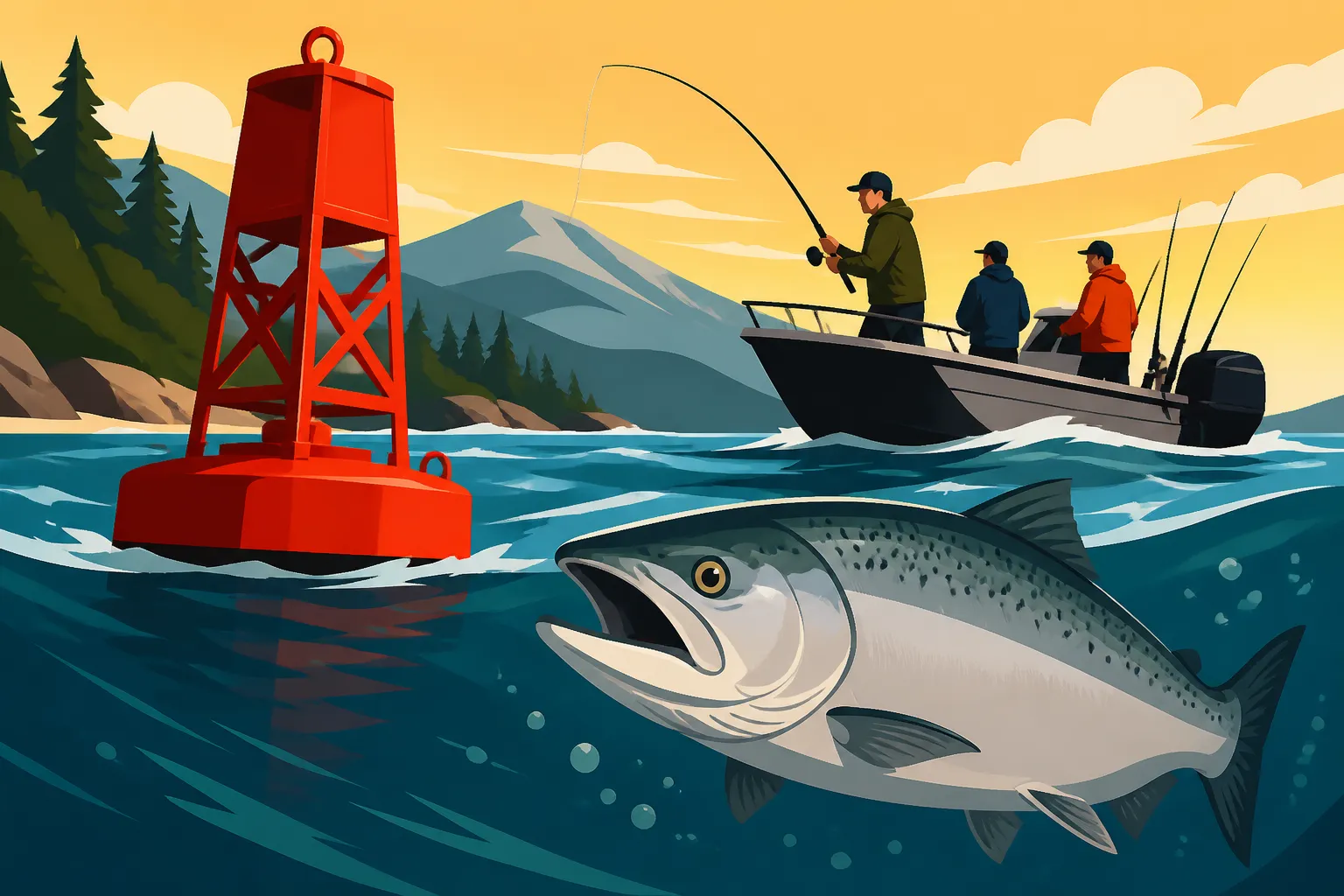
Imagine millions of salmon, after spending years in the vastness of the Pacific Ocean, now driven by an ancient, unwavering instinct to return to the freshwater rivers of their birth. The mouth of the Columbia River, a massive estuary where freshwater meets saltwater, is their gateway. And right at that gateway, near the coastal city of Astoria, Oregon, is the Buoy 10 line. This invisible boundary, stretching from Buoy 10 on the south side of the river to a specific marker on the Washington side, delineates a unique fishing zone. It’s essentially a chokepoint, a natural bottleneck where these incredible fish pause, mill about, and acclimate to the changing salinity before beginning their epic upstream journey.
This natural funnel effect is precisely what makes Buoy 10 such a productive fishery, especially for fall Chinook. These aren't just any salmon; they are often massive, powerful fish, sometimes tipping the scales at 30, 40, or even 50 pounds. They arrive in staggering numbers, sometimes hundreds of thousands strong, creating a concentrated fishery unlike almost any other. Anglers gather here in droves because the sheer volume of fish means an unparalleled opportunity to intercept these magnificent creatures. It’s a place where the adrenaline runs high, and the potential for a truly memorable catch is very real. These fall Chinook are a prime target, making Buoy 10 a critical part of the larger Oregon Salmon Species Guide.
Navigating the Buoy 10 Zone
The "Buoy 10 zone" isn't just a single buoy; it refers to a specific section of the Columbia River estuary that spans from the actual Buoy 10 marker upstream to a boundary near Tongue Point, roughly 17 miles from the mouth. On the Oregon side, this starts near Fort Clatsop, and on the Washington side, it's roughly parallel to the Long Beach Peninsula. This expansive area offers various depths and current conditions, all influenced by the massive tidal swings of the Pacific Ocean.
When you're out there, you'll see a line of boats, sometimes hundreds strong, all working different sections of this zone. Some prefer to fish closer to the actual buoy where the currents are strongest and the fish are just entering the river system. Others might target areas further upstream, closer to Astoria, where the water might be a little calmer, or specific channels offer unique opportunities. Understanding the precise geographic boundaries and how to legally navigate them is crucial, as fishing outside the designated zone or during closed periods can lead to serious penalties. This specific geographic area, with its distinct rules and target species, is a prime example of why understanding Oregon Fishing Zones Explained is so important. You're not just casting a line; you're participating in a highly regulated, high-traffic fishery that demands respect for its boundaries and fellow anglers.
Essential Gear and Techniques for Buoy 10 Fall Chinook
Fishing for fall Chinook at Buoy 10 is not a finesse game; it’s a power game. These fish are big, strong, and in their prime. You need gear that can withstand brutal runs and relentless head shakes, and techniques that can effectively present your offerings in strong currents.
Rods, Reels, and Line: What You Need
Forget your lightweight trout gear – this is heavy-duty territory. You'll need a robust setup to handle the powerful fights of an ocean-bright Chinook salmon.
- Rods: Look for salmon trolling rods typically in the 9- to 10-foot range, with a medium-heavy to heavy action. Fiberglass or composite rods are popular for their parabolic bend, which acts as a shock absorber during a powerful strike and helps keep hooks set. A good example might be a Lamiglas Certified Pro or a Shimano Talora. The goal is enough backbone to turn a big fish in strong current, but enough flex to prevent hooks from tearing out.
- Reels: A high-quality level-wind baitcasting reel is essential. Think something like an Ambassadeur 7000 or a Penn Squall. You need a reel with a smooth, powerful drag system that can withstand long runs and repeated stress. Capacity is key, too; ensure it can hold at least 250-300 yards of your chosen line.
- Line: Most anglers opt for a main line of 40- to 60-pound braided line, like PowerPro or Izorline. Braid offers incredible sensitivity and minimal stretch, which is crucial for feeling subtle bites in deep water and strong currents. You'll then typically run a fluorocarbon leader of 30- to 50-pound test, known for its invisibility underwater and abrasion resistance. Some prefer a heavy monofilament main line for its stretch, which can be forgiving, but braid has largely become the standard.
This robust tackle ensures you're not outmatched when that king salmon decides to make a run for the ocean. Investing in quality gear here isn't a luxury; it's a necessity for success and safety.
The Best Baits and Lures for Success
When those fall Chinook enter the Columbia, they’re still primarily focused on feeding, making them highly susceptible to certain presentations. The key is to mimic their natural forage and attract their aggressive instincts.
- Herring and Anchovies (Cut-Plug or Whole): These are absolute staples at Buoy 10. Fresh bait is paramount. A properly rigged cut-plug herring or anchovy, which spins enticingly in the current, is incredibly effective. The cut-plug technique involves a specific angle cut on the head of the baitfish to make it rotate on its axis, mimicking an injured baitfish. Many anglers brine their bait to toughen it up and enhance its scent. Understanding the nuances between Herring vs Anchovies for Oregon Salmon Fishing can give you an edge, as fish can show preferences on any given day.
- Spinners: Large, brightly colored spinners, often with tandem hooks and dressed with a piece of bait (like a prawn tail or sardine fillet), are another deadly option. Brands like Gibbs Delta or Blue Fox are common choices. The flash and vibration of a spinner can trigger aggressive strikes, especially when fish are actively feeding.
- Brad's Super Baits: These hardshell lures, often stuffed with canned tuna or scent, are incredibly popular. They come in various colors and designs, and their wobbling action drives salmon crazy.
- Plugs: While less common than bait and spinners, large salmon plugs like Kwikfish or Mag Lip can be effective, especially during specific tidal conditions or when fish are concentrated in deeper holes.
Regardless of your choice, scent is critical. Many anglers add scent oils or gels directly to their lures or bait for an extra advantage. Precision in rigging, maintaining sharp hooks, and regularly checking your bait presentation are all small details that add up to big results at Buoy 10. For a deeper dive into choices, check out our guide on Best Lures for Oregon Salmon Fishing.
Effective Fishing Strategies for Buoy 10
The highly dynamic nature of the Buoy 10 fishery demands adaptable strategies. You'll primarily be trolling, but how you troll and where you position your boat makes all the difference.
- Trolling with Downriggers or Divers: Most Buoy 10 fishing involves getting your bait or lure down to where the salmon are, which can be anywhere from 15 to 60 feet or deeper. Downriggers are common, allowing precise depth control. Lead cannonballs (10-20 lbs) attached to a release clip keep your line at the desired depth until a fish strikes. Another popular option is using large divers, such as a Dipsy Diver or a large inline sinker system (like a Fish Flash or Triangle Flasher followed by lead). These divers pull your line down and add extra attraction with flash and vibration.
- Mooching: While traditionally a west coast saltwater technique involving drifting bait, at Buoy 10, it often refers to a similar presentation using a diver or heavy weight with a cut-plug herring or anchovy, slowly "hovering" it at a specific depth while drifting with the tide. This can be deadly when fish are concentrated.
- Boat Positioning and Speed: This is paramount. You'll want to troll slowly, typically between 1.0 and 2.5 knots, often with or against the prevailing current depending on the tide and what fish are responding to. The goal is to keep your bait or lure consistently in the strike zone. Pay close attention to the other successful boats; they often hold clues about effective speeds and depths. It's not uncommon to see multiple boats working in precise patterns, trying to cover the most productive water.
- Plunking from Shore: While primarily a boat fishery, some dedicated anglers successfully "plunk" from shore, especially from the jetties near Fort Clatsop or the Fort Columbia State Park on the Washington side. This involves casting a heavy lead sinker with a bait or lure rig attached, letting it sit on the bottom, and waiting for salmon to swim by. It requires incredibly heavy tackle to withstand the current and hold bottom.
Mastering these strategies involves not just practice but also a keen understanding of the tides and fish behavior, which brings us to our next crucial topic.
Mastering the Tides and Timing for Buoy 10
If there's one thing that dictates success at Buoy 10 more than any other, it's the tide. The Columbia River mouth is a unique place where immense freshwater flow meets powerful ocean tides, creating a complex and ever-changing environment.
Understanding the Tidal Influence
The tides at the mouth of the Columbia River are no joke. They are strong, can be unpredictable, and completely dictate where the salmon will be and how they'll bite. Here's a breakdown:
- Incoming Tide: As the ocean pushes water into the river, a strong incoming tide often sees salmon pushing into the estuary. This can be a prime time as fish move with the current, making their way further upstream. Many anglers find the last half of the incoming tide and the beginning of the outgoing tide to be the most productive. The fish are often more active, riding the current and staging in deeper channels.
- Outgoing Tide: Conversely, an outgoing tide, particularly a strong one, can flush fish back out towards the ocean or push them into deeper, calmer pockets. While less commonly cited as the prime bite, some anglers find success on the outgoing tide, especially in specific areas where fish might be holding.
- Slack Tide: The periods of slack tide – when the water momentarily stops moving between the incoming and outgoing flows – can sometimes be slow. However, these calm periods can also offer a brief window where fish feel less pressured by the current and might be more willing to bite. It's often a transitional period.
Knowing the tide charts for Astoria is non-negotiable. You’ll want to plan your entire day around these movements, often trying to hit the peak of the incoming tide. It's an intricate dance with Mother Nature, and the more you understand her rhythm, the better your chances. Here's a general idea of how tides can impact success:
| Tide Phase | Current Strength | Fish Behavior | Angler Strategy |
|---|---|---|---|
| Incoming Tide | Increasing | Fish push upstream, actively moving and staging | Troll with the current, target deeper channels, focus on bait |
| High Slack | Minimal | Fish may mill about, less current-driven movement | Can be slow, but watch for brief bite windows, try different depths |
| Outgoing Tide | Increasing | Fish may move deeper or be flushed out of the estuary | Troll against current in certain areas, focus on transition zones |
| Low Slack | Minimal | Similar to high slack, often a reset period | Prepare for the next incoming push, consider alternative spots |
Remember, this is a generalization, and local conditions, water temperature, and fish run timing can all influence the bite.
Peak Fishing Windows and Run Timing
While the entire month of August and often into early September can be productive at Buoy 10, there are definitely peak fishing windows within that timeframe. The bulk of the fall Chinook run typically arrives in late August and early September. However, this can vary year to year based on ocean conditions, river flows, and overall run strength.
To maximize your chances, it's crucial to stay updated on the latest fishing reports from ODFW (Oregon Department of Fish and Wildlife), local tackle shops in Astoria (like Englund Marine & Industrial Supply or even the Fred Meyer sporting goods section), and online forums. These reports will often indicate when the main push of fish is arriving and which tides are most productive. Timing your trip to coincide with these peak windows, combined with favorable tides, will significantly increase your odds of success. Understanding the broader Fall Chinook Season Timing on the Columbia gives you context, but for Buoy 10, it's all about hyper-local, real-time intelligence. This focused fishery is often considered one of the best opportunities during the entire Best Time of Year to Fish in Oregon.
Safety, Regulations, and Etiquette on the Water
Buoy 10 can be an exhilarating experience, but its popularity and the raw power of the Columbia River demand respect. Safety, adherence to regulations, and good etiquette are non-negotiable for a successful and enjoyable trip.
Essential Safety Considerations
Fishing at the mouth of the Columbia River is not for the faint of heart, especially for those new to ocean or large tidal estuary conditions. The area is known for rough waters, swift currents, and heavy boat traffic.
- Life Jackets (PFDs): These are mandatory. Everyone on board should have an easily accessible, Coast Guard-approved PFD. For children, they should be worn at all times. The combination of cold water, strong currents, and heavy boat traffic means a fall overboard can quickly turn catastrophic.
- Weather and Bar Conditions: Always check the marine weather forecast for the Columbia River Bar and the Astoria area before heading out. Conditions can change rapidly, and a calm morning can quickly turn into a dangerous chop. NOAA weather radio or marine weather apps are essential. If the bar is rough, consider postponing your trip. The Coast Guard often issues advisories or even closes the bar to certain vessel sizes.
- VHF Marine Radio: A working VHF radio is crucial for communicating with other vessels, the Coast Guard, and monitoring weather alerts. Cell phone service can be spotty, and a marine radio is a dedicated safety device.
- Boat Handling and Awareness: With potentially hundreds of boats in a relatively confined area, extreme caution is required. Maintain a sharp lookout for other vessels, especially when trolling or maneuvering. Know your boat's capabilities and limitations. If you're new to the area or unfamiliar with handling a boat in strong currents, consider hiring a guide first.
- Cold Water Immersion: The water in the Columbia River is cold, even in August. Dress in layers, wear waterproof outerwear, and be prepared for exposure. Hypothermia is a real risk.
Prioritizing safety ensures that your Buoy 10 adventure remains a thrilling memory, not a cautionary tale.
Key Regulations and Catch Limits
Oregon and Washington share jurisdiction over the Columbia River, and regulations can be complex and change frequently. It is your responsibility to know and follow the rules.
- Fishing License and Endorsements: You absolutely need an Oregon Fishing License Guide to fish the Oregon side of the Columbia. For salmon, you'll also need an Oregon Combined Angling Tag Guide. If you’re fishing the Washington side, you'll need a Washington license. The good news is there’s Oregon and Washington License Reciprocity on the Columbia for certain sections, but always verify the specific rules for the Buoy 10 zone.
- Daily Bag Limits: For fall Chinook at Buoy 10, daily bag limits are typically strict, often one or two adult salmon. Pay close attention to rules regarding fin-clipped hatchery fish versus wild salmon, and specific size limits. Often, wild Chinook must be released unharmed. These specific rules are detailed in the Oregon Daily Bag Limits Explained and the general Oregon Fishing Regulations Explained.
- Retention Seasons: The Buoy 10 fishery usually opens in early August and can run through early September for Chinook, but the exact dates and retention rules are determined annually by ODFW and WDFW. Emergency closures or changes to bag limits can happen without much notice. Always check the latest ODFW regulation updates, available on their website or through local tackle shops, before you head out. These seasonal details are part of the broader Oregon Fishing Season Dates and Limits.
- Catch Record Cards/Tags: You'll need to immediately record any retained salmon on your catch record card or tag, as required by your license. Failure to do so can result in fines and penalties.
Ignorance of the law is not an excuse. Take the time to review the current regulations before every trip.
On-Water Etiquette and Respect
With so many boats converging on a relatively small area, good etiquette isn't just a nicety; it's essential for everyone's enjoyment and safety.
- Respect Others' Space: While it can get crowded, try to give other boats enough room, especially when they are fighting a fish. Don't cut in front of another boat that is actively trolling or drifting. Maintain a consistent course and speed.
- Fighting a Fish: If you hook a fish, it’s common courtesy to announce "Fish On!" loudly. This alerts nearby boats to give you space and adjust their course if necessary. Be prepared to chase a strong-running Chinook, but do so responsibly and without endangering others. Once the fish is landed or lost, pull your gear quickly to get out of the way.
- Gear Retrieval: When you're done fishing, or need to move to a different spot, retrieve your lines promptly and efficiently. Don't leave unattended lines trailing in the water.
- Keep Noise Down: Be mindful of excessive noise, especially early in the morning. Many anglers are trying to concentrate, and loud music or shouting can be disruptive.
- Waste Disposal: Pack out everything you pack in. Dispose of all trash, including discarded fishing line, properly back on shore. Respect the environment that provides such an incredible fishery.
Following these unspoken rules helps ensure a smooth, less stressful experience for everyone on the water and helps preserve the spirit of the Buoy 10 fishery.
Planning Your Buoy 10 Adventure
A successful Buoy 10 trip requires more than just good gear and knowledge of the tides; it demands careful planning. From deciding how you'll fish to where you'll stay, a little foresight goes a long way.
Choosing a Boat or Charter
For many, the biggest decision is whether to brave Buoy 10 in their own boat or join a guided trip. Each option has its distinct advantages and considerations.
- Fishing in Your Own Boat: This offers maximum flexibility and the freedom to fish when and where you want. However, it requires a boat capable of handling rough, tidal waters (at least 20 feet is recommended), a skilled captain experienced in large river systems and marine conditions, and all the necessary safety equipment. You'll need to know the launch ramps (like the public ramps in Astoria or Warrenton) and be proficient in boat maintenance. This is often the choice for experienced anglers who know the Columbia well.
- Hiring a Charter: For many, especially first-timers or those without appropriate boats, a guided fishing charter is the best way to experience Buoy 10. Licensed captains are intimately familiar with the fishery, the tides, the current regulations, and where the fish are biting. They provide all the necessary gear, bait, and often even help with fish cleaning. It removes a lot of the stress and ensures you're in safe, experienced hands. When looking for a charter, consider using a reputable booking platform like FishingBooker. They list numerous experienced captains operating out of Astoria and Ilwaco (Washington side) who specialize in Buoy 10 fall Chinook. You can compare boats, read reviews, and find a trip that fits your budget and group size. A quick search on FishingBooker will show you available dates and prices, making it easier to plan. This is an excellent option for beginners, families, or groups looking to maximize their fishing time without the logistical headaches. For more insights on this, you can review our Oregon Fishing Charter Guide and tips on How to Choose an Oregon Fishing Guide.
Remember, charters often book up months in advance for the peak Buoy 10 season, so plan accordingly. Using a service like FishingBooker allows you to secure your spot well ahead of time.
Accommodations and Local Amenities
Astoria, Oregon, is the primary hub for the Buoy 10 fishery, with its charming historic downtown, restaurants, and essential services.
- Accommodations: You'll find a range of options, from hotels and motels (like the Best Western or Cannery Pier Hotel & Spa) to vacation rentals and RV parks in Astoria and nearby Warrenton. During the peak Buoy 10 season, lodging can fill up quickly, so book early. If you're coming from the Washington side, Ilwaco also offers good options.
- Tackle Shops: Astoria is well-equipped with tackle shops where you can stock up on last-minute bait, lures, weights, and get the most current fishing reports. Stores like Englund Marine & Industrial Supply are local institutions. Many big box stores also carry fishing gear, but the local shops often have the specialized knowledge you'll need.
- Boat Ramps: Public boat ramps are available in Astoria and Warrenton, offering easy access to the river. Be prepared for crowds during peak season, especially on good weather days.
- Fish Processing: After a successful trip, many local businesses offer fish cleaning, filleting, and even vacuum-sealing services, so you can take your prized Chinook home ready for the freezer. This is a huge convenience, especially after a long day on the water.
Planning these logistics in advance ensures a smoother trip, allowing you to focus more on the fishing itself rather than scrambling for necessities.
Disclaimer
Fishing regulations, seasons, and limits are subject to change by the Oregon Department of Fish and Wildlife (ODFW) and Washington Department of Fish and Wildlife (WDFW). Always consult the most current official regulation booklets or websites before heading out on any fishing trip. Safety is paramount; be aware of weather and water conditions and take all necessary precautions.