How big do channel catfish get in Oregon
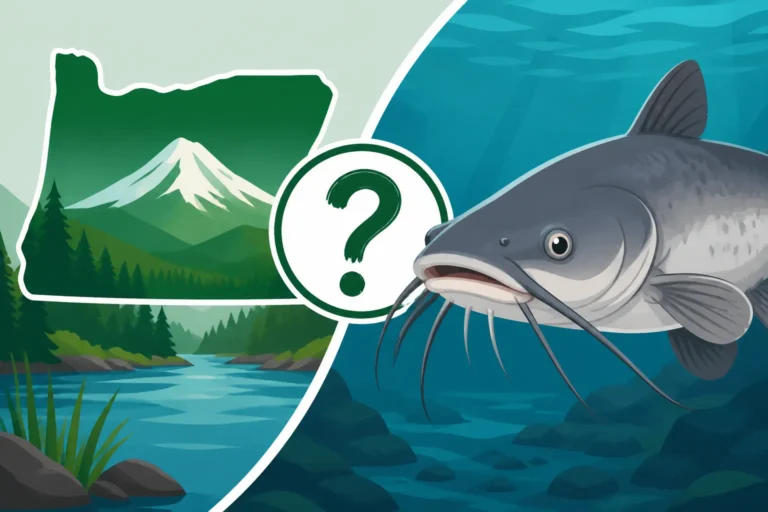
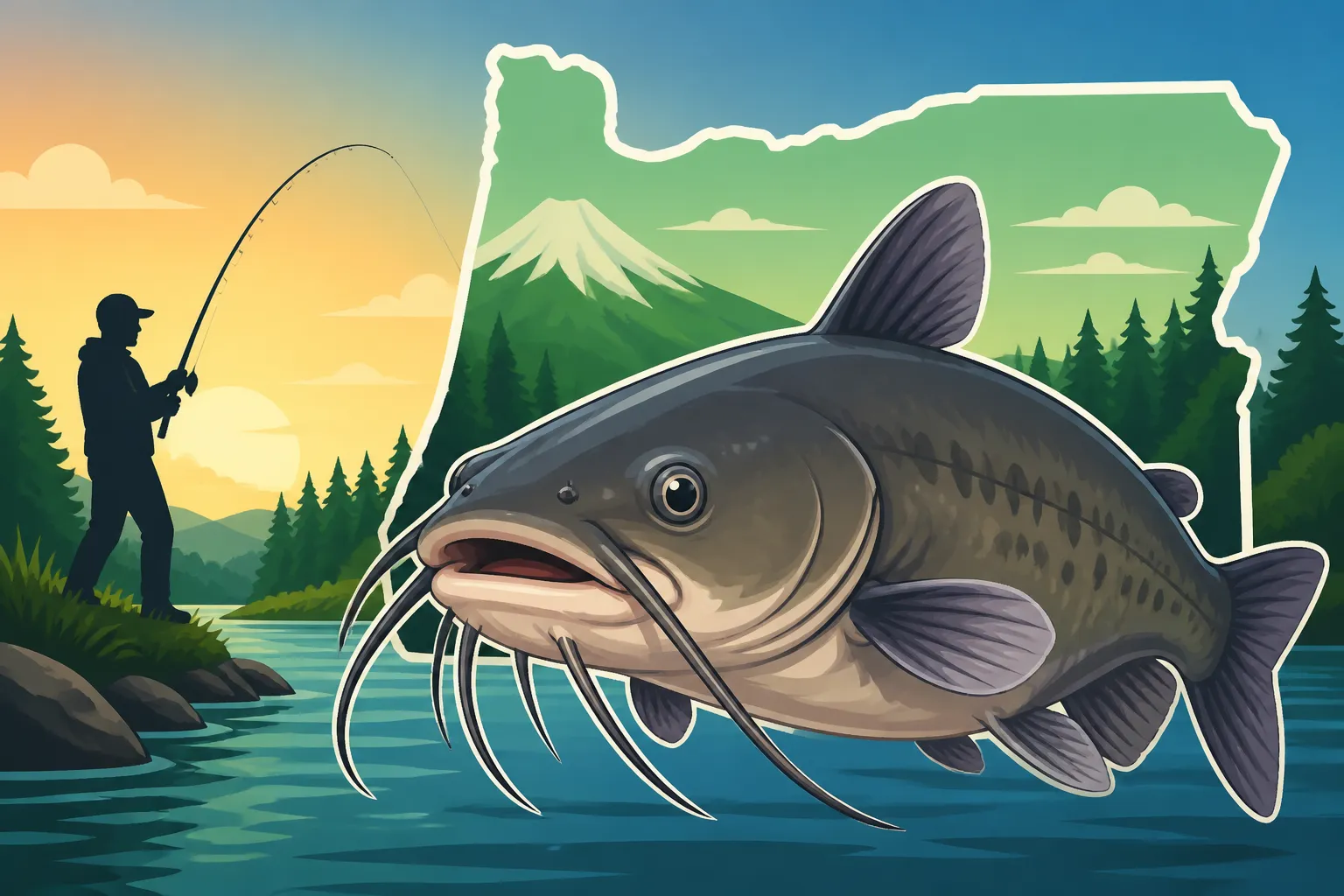
Many anglers hitting the waters in Oregon have a specific question in mind: just how big do those channel catfish really get here? It's a valid curiosity, especially if you've heard tales of monster cats from other states and wonder if Oregon's lakes and rivers can hold their own. It can be a little frustrating sometimes, feeling like the fish you're catching aren't quite living up to the legendary status of catfish elsewhere. This comprehensive guide will shed light on the typical sizes you can expect, the true giants lurking beneath the surface, and what influences their growth in the Beaver State.
The Typical and Trophy Sizes of Oregon Channel Catfish
When you're out fishing in Oregon, especially for warmwater species, channel catfish are often a welcome catch. They're feisty, delicious, and widely distributed. But what's the realistic expectation for their size? Let's break down what most anglers will encounter and what the true potential is.
Average Size Expectations in Oregon Waters
For the casual angler in Oregon, the most common channel catfish you'll reel in will generally fall into the 1 to 5-pound range. These are robust, healthy fish that put up a respectable fight, making for an exciting experience on the water. In terms of length, these average-sized cats typically measure anywhere from 12 to 20 inches. You'll find these fish in abundance across many of our warmer reservoirs, ponds, and the slower-moving, deeper sections of rivers. They're a staple for many anglers targeting panfish or other warmwater species, often surprising those who weren't even specifically targeting catfish. Their fight is often underestimated for their size, providing a good challenge on light to medium tackle.
The Potential for Oregon's True Giants
Now, for the serious catfisherman or those simply dreaming of a bragging-sized catch, Oregon absolutely has the potential for much larger channel catfish. While they might not be as common as in some southern states, fish breaking the 10-pound mark are certainly out there, and some even push past 20 pounds. These are the elusive "whiskered leviathans" that become the stuff of local legend. The Oregon state record for Channel Catfish in Oregon stands as a testament to this potential, showing that our waters can indeed grow some truly impressive specimens. Anglers consistently report hooking into fish exceeding 25 inches, and occasionally even past the 30-inch mark, particularly in certain well-managed fisheries or remote river sections. Finding these giants often requires specific tactics and a lot of patience, but the reward of landing such a powerful fish is immense.
Where to Find Oregon's Channel Catfish
Knowing how big they get is one thing, but knowing where to find them is key to putting those sizes to the test. Channel catfish aren't everywhere in Oregon, but they thrive in specific types of water bodies.
Prime Habitats: Lakes, Reservoirs, and Slow Rivers
Channel catfish are fundamentally warmwater fish. They much prefer environments with warmer water temperatures, soft or muddy bottoms, and plenty of cover where they can ambush prey or hide from predators. In Oregon, this means you'll want to focus your efforts on our larger, warmer reservoirs and ponds, as well as the slower, deeper sections of major rivers and their tributaries. Think about the kind of places where the water heats up nicely in the summer and offers a good mix of shallow feeding areas and deeper sanctuaries.
They often gravitate towards areas with submerged logs, brush piles, rock formations, and even man-made structures like old bridge pilings or docks. These provide excellent cover and concentrate baitfish, making them ideal hunting grounds for catfish. Look for them in areas where there's a good current break, allowing them to rest while still having access to passing food. Our Oregon Warmwater Fish Species guide provides more details on what other species you might find alongside catfish in these prime spots.
Notable Hotspots for Catfish Anglers
While channel catfish are found in various locations across Oregon, some spots are particularly renowned for their populations and the potential for larger fish. The John Day River, especially its lower reaches, is a fantastic option, not just for numbers but for the chance at some truly impressive sizes. Prineville Reservoir in Central Oregon is another well-known spot that consistently produces good channel catfish catches. Certain backwater areas and slower sections of the mighty Columbia River, particularly around its tributaries, can also be productive.
Anglers often find success in places like the Willamette River's slower channels, particularly downstream. Smaller ponds and community fishing lakes throughout the Willamette Valley and eastern Oregon that are managed for warmwater species can also hold surprisingly large catfish. For more specific recommendations on locations, our Oregon Fishing Spots by Region and Best Lakes to Fish in Oregon guides can point you in the right direction. Always check local regulations for any specific area you plan to fish, as rules can vary.
| Water Body Type | Preferred Features | Examples in Oregon |
|---|---|---|
| Large Reservoirs | Warm, deep, submerged structure, soft bottoms | Prineville Reservoir, Lake Umatilla, Owyhee Reservoir |
| Slow Rivers/Backwaters | Reduced current, deep holes, logjams, muddy banks | Lower John Day River, Lower Willamette River, Columbia River backwaters |
| Smaller Ponds | Warm, vegetated edges, deep pockets | Many community ponds and private impoundments |
What Influences Channel Catfish Growth and Size
It’s not just about being in the right place; several environmental and biological factors play a huge role in how large a channel catfish can actually grow in Oregon. Understanding these can help you target the areas most likely to hold bigger fish.
The Role of Food Availability and Diet
Perhaps the most significant factor influencing a channel catfish's size is the abundance and quality of its food sources. Like any creature, the more consistent and nutritious the diet, the faster and larger the fish can grow. Channel catfish are incredibly opportunistic omnivores, meaning they'll eat almost anything they can get their mouths around. Their diet typically consists of a wide variety of items:
- Insects and Larvae: Aquatic insects are a huge part of their diet, especially when young.
- Crustaceans: Crayfish are a particular favorite and a high-protein meal.
- Small Fish: Minnows, shad, and other small baitfish provide essential nutrients for rapid growth.
- Decaying Matter: They are scavengers and will readily consume dead fish or other organic matter, which is why stink baits are so effective.
Reservoirs and river systems that boast a rich ecosystem with a plentiful supply of forage fish and invertebrates will naturally produce larger catfish. An ecosystem where there’s a consistent food chain, from microscopic organisms up to baitfish, ensures that channel catfish have ample opportunity to feed and grow without having to expend too much energy searching for meals. This constant access to food allows them to pack on the pounds and reach impressive sizes. For tips on what they might be biting on, you might want to look at our Best Bait for Catfish in Oregon guide.
Water Temperature, Genetics, and Age
Beyond food, other critical factors dictate a channel catfish's ultimate size:
- Water Temperature: Channel catfish are warmwater fish, meaning they grow most efficiently in warmer environments. In Oregon, our hot summer months in eastern and southern parts of the state provide extended periods where water temperatures are ideal for channel catfish metabolism and growth. This allows them to feed more actively and convert food into body mass more effectively. Conversely, colder water slows their metabolism and growth.
- Genetics: Just like humans, some fish are simply genetically predisposed to grow larger than others. A fish from a lineage of naturally large catfish, given the right conditions, is more likely to reach trophy size. While anglers can't influence genetics, fisheries managers often consider this when stocking.
- Age: This might seem obvious, but it's often overlooked. Those truly giant channel catfish aren't born big; they've simply survived for many, many years. They've navigated countless seasons, avoided predators, and outsmarted numerous anglers, continuously feeding and growing throughout their lifespan. A 20-pound channel catfish in Oregon could easily be well over a decade old, if not much older, a testament to its resilience and the richness of its environment. Finding one of these old, wise fish is truly a badge of honor for any angler.
Strategies for Catching Larger Channel Catfish in Oregon
Catching an average-sized channel catfish is fun, but if you're really chasing those Oregon giants, you need to adjust your approach. It's not just about luck; it's about strategy, the right gear, and understanding their behavior.
Bait Choices for Bigger Bites
When you're aiming for a trophy channel catfish, the old adage "big bait, big fish" often holds true. While smaller catfish will readily hit corn or worms, larger fish are looking for a more substantial meal. This means moving beyond standard trout baits and focusing on options that are larger and pack a strong, enticing scent.
Consider these proven baits:
- Cut Bait: Pieces of oily fish like shad, carp, or even mackerel are incredibly effective. The scent trail they release in the water is a huge attractant. You can often buy frozen shad or other baitfish from local tackle shops or even online.
- Stink Baits: These come in various forms, from dips to punch baits, and are specifically designed to have an overpowering aroma that catfish can detect from a distance. Many successful anglers prepare their own concoctions, but there are excellent commercial options available.
- Chicken Livers: A classic for a reason. They're bloody, soft, and have a powerful smell. Keep them chilled until you're ready to use them, as they can get messy quickly.
- Prepared Baits: Brands like Catfish Charlie, Sonny's Super Sticky Baits, and others offer specially formulated doughs and dips that are highly attractive to catfish. You can find a huge variety of specialized catfish baits and scents on sites like Amazon, often with reviews that can help you pick what's popular locally.
Don't be afraid to use larger chunks of bait. A big catfish isn't deterred by a bait that looks too large for a panfish; they're looking for an easy, high-calorie meal. Oregon Fishing Techniques for Beginners can give you a starting point, but specializing in catfish takes a bit more dedication.
Gear Up for the Fight
Landing a 10-pound-plus channel catfish requires tackle that can withstand powerful runs and the brute strength of these fish. Trying to wrestle a large cat with ultralight gear is usually a recipe for a broken line or rod.
Here’s what you should consider for your setup:
- Rod: A medium-heavy to heavy action rod, typically 7 to 9 feet long. This length provides good casting distance and leverage for fighting strong fish.
- Reel: A sturdy spinning reel (size 4000-6000) or a baitcasting reel designed for heavy line. Smooth drag is crucial to prevent line breaks.
- Line: Spool your reel with 15-30 lb test monofilament or braided line. Braided line offers superior strength-to-diameter ratio and sensitivity, while mono offers more stretch which can be forgiving.
- Hooks: Use strong, sharp hooks. Circle hooks (size 2/0 to 5/0) are popular as they typically hook the fish in the corner of the mouth, making for easier release and less harm if you plan to let them go.
- Terminal Tackle: Don't skimp on quality swivels, sinkers, and leaders. Heavy-duty leaders (20-40 lb test fluorocarbon or monofilament) can prevent abrasive lines from breaking on teeth or submerged structure.
Looking for a new catfish rod and reel combo or need to stock up on heavy-duty hooks? There are many reliable options available for purchase through Amazon that can handle the powerful runs of a large Oregon catfish.
Targeting Structure and Night Fishing
Big catfish are often creatures of habit and prefer specific environments:
- Targeting Structure: During the day, larger catfish often retreat to areas with significant cover. This means focusing your efforts around deep holes, submerged timber, dense weed beds, rock piles, and points where currents create natural eddies. These spots offer shelter from the sun, protection from predators, and excellent ambush points for prey. Using a fish finder to locate these underwater features can be incredibly beneficial.
- Night Fishing: This is arguably one of the most effective strategies for targeting larger channel catfish. They become much more active hunters and feeders under the cover of darkness. The low light gives them an advantage over their prey, and they'll often move into shallower areas they might avoid during bright daylight. Many experienced anglers swear by setting out multiple lines with different baits and at varying depths once the sun goes down, especially during the warmer summer months. Be sure to bring headlamps, glow sticks for your rod tips, and bug spray!
Employing these strategies will significantly increase your chances of hooking into one of Oregon's impressive channel catfish. For even more detailed guidance, consider consulting our Oregon Catfish Guide to refine your techniques.
Disclaimer
This article is for general informational purposes only and does not constitute professional advice. Laws, prices and regulations vary by location and change over time. Consult a qualified professional for guidance on your specific situation.