What fish can you eat safely from Oregon rivers
One of the most rewarding parts of a successful fishing trip in Oregon is bringing home a fresh catch to share with family and friends. But let's be honest, in today's world, a common worry often creeps into the back of our minds: "Is this fish actually safe to eat?" With so much talk about environmental concerns and health advisories, it's easy to feel confused and even a little hesitant. This guide aims to clear up some of that uncertainty, helping you understand the general factors that influence fish safety from Oregon's incredible rivers and how you can make informed choices about your dinner plate.
Understanding Fish Consumption Advisories in Oregon
It's completely normal to feel a bit overwhelmed when you hear about fish consumption advisories. These advisories aren't there to scare you away from enjoying your catch, but rather to provide important guidance to protect public health. Think of them as a helpful heads-up from the Oregon Health Authority (OHA) and other state agencies, letting you know if certain fish from particular water bodies might accumulate contaminants over time. The key is knowing what these advisories mean and how to access them for the specific areas you plan to fish.
Why Advisories Exist: The Science Behind the Warnings
Fish, like all living creatures, interact with their environment. Unfortunately, some waterways can accumulate pollutants from various sources, whether it's historical industrial runoff, agricultural chemicals, or even naturally occurring elements. These contaminants, such as mercury, PCBs (polychlorinated biphenyls), or pesticides, can build up in a fish's tissues over its lifetime. Larger, older, and predatory fish tend to accumulate higher levels because they eat smaller fish that have also absorbed these substances – a process called biomagnification.
It's not just about what's in the water; it's about the entire food chain. A small mayfly nymph might absorb a tiny amount, a trout eats many mayflies, and then a sturgeon eats many trout. Each step up, the concentration can increase. This is why you often see advisories recommending limited consumption for larger, longer-lived species or those higher up the food chain, especially from certain areas. It's a proactive measure to ensure that people, particularly vulnerable populations like pregnant women or young children, aren't exposed to levels that could pose a health risk over time.
How to Find Current Advisories for Your Fishing Spot
Navigating the landscape of consumption advisories can seem daunting, but it's crucial for making smart choices. The Oregon Health Authority (OHA) is your primary resource for up-to-date information regarding fish consumption advisories across the state. They typically publish these advisories on their official website, often with maps or detailed lists specifying the water body, fish species, and recommended meal limits.
Before you head out, especially if you're targeting a species known to grow large or you're fishing in a more developed river system like the Willamette River or parts of the Columbia, make it a habit to check the OHA's environmental health section. These advisories can change, so what was safe last year might have new recommendations this year. It's truly a dynamic situation, and staying informed is the best way to ensure your catch is not only delicious but also safe.
Generally Consumed and Potentially Safer Fish Species from Oregon Rivers
While it's important to always check current advisories, some fish species are generally considered lower risk for contaminant accumulation due to their diet, size, or lifespan. This isn't a blanket guarantee, but rather a starting point for understanding which fish might be a safer bet for regular consumption.
Trout and Other Smaller Resident Fish
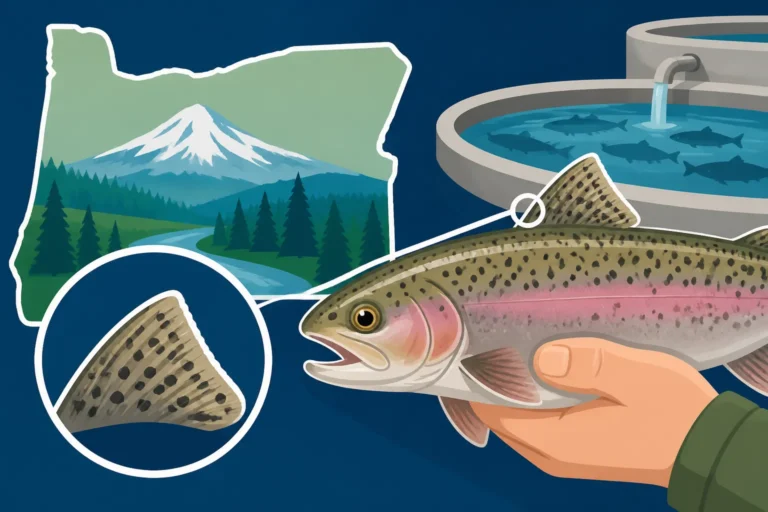
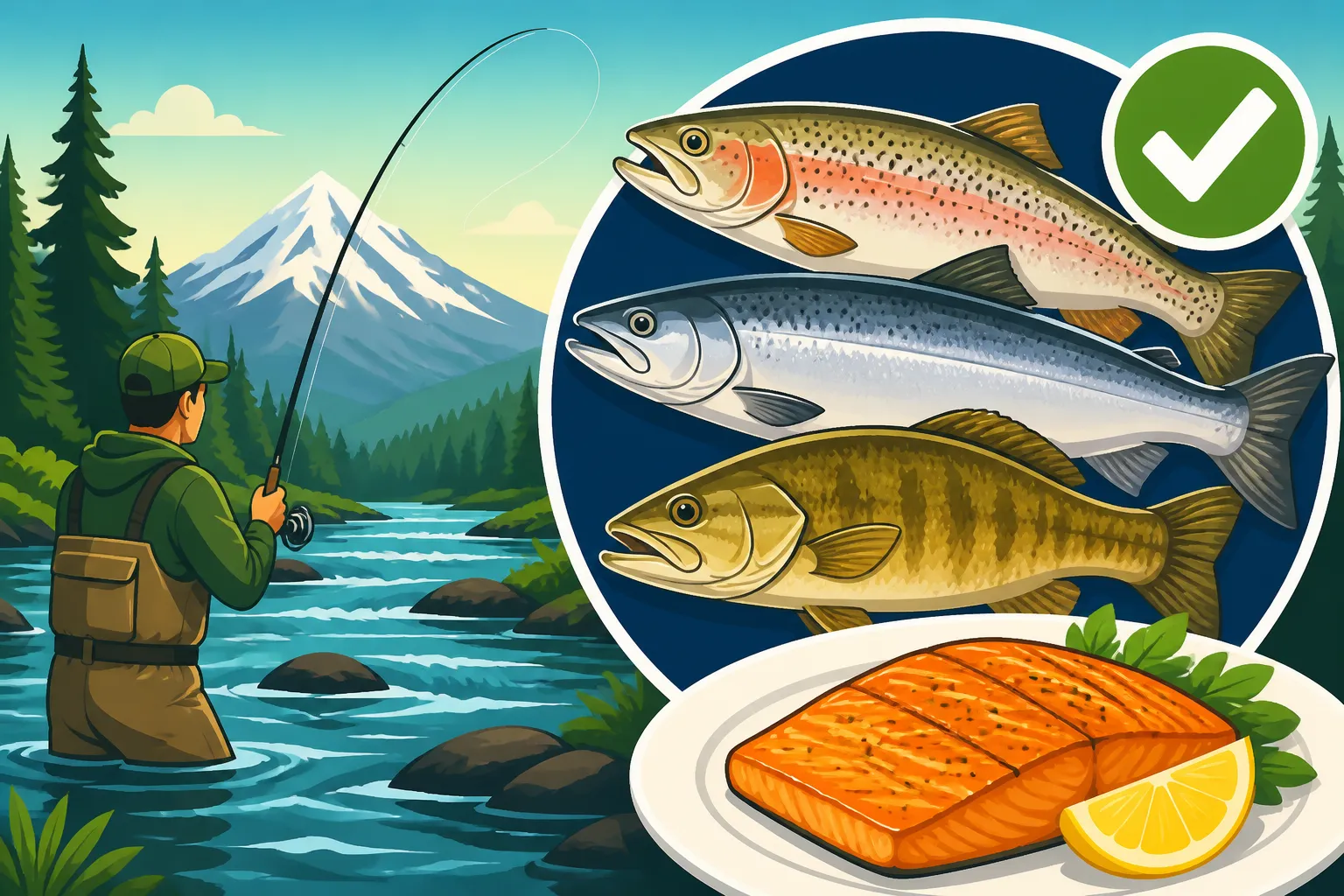
Many of Oregon's beautiful rivers and streams are home to various trout species, including rainbow, cutthroat, and brook trout. These fish, especially the smaller, stream-dwelling varieties, often have a lower accumulation of contaminants compared to larger, longer-lived predators. Their diet typically consists of insects and smaller aquatic organisms, and their shorter lifespans mean less time for toxins to build up. Oregon Trout Species Guide can give you a deeper dive into the types you might encounter.
For example, a feisty 12-inch rainbow trout caught in a pristine high-mountain lake or a clear Cascade stream is generally considered a good eating choice. The same often applies to smaller panfish like crappie or bluegill found in many of Oregon's calmer river backwaters or oxbows. These fish grow relatively quickly, don't live for many years, and usually don't consume other large fish, all factors that contribute to lower contaminant levels.
Salmon (with important caveats for certain runs)
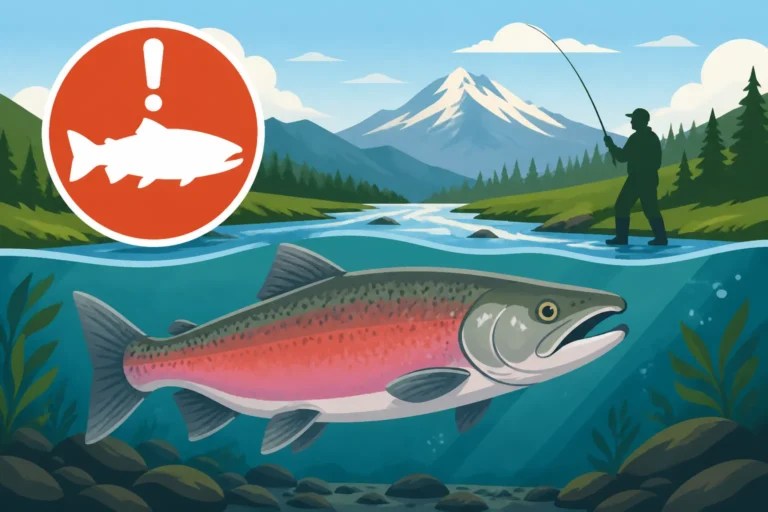
Oregon is synonymous with salmon, and for good reason! Chinook, Coho, and Sockeye salmon spend much of their lives in the vast, clean ocean before returning to freshwater to spawn. Because they're in the ocean for a significant portion of their lives and typically stop feeding once they enter freshwater to spawn, their contaminant levels are often lower than resident river fish that spend their entire lives in potentially impacted waterways. Oregon Salmon Species Guide provides excellent details on these magnificent fish.
However, there's a crucial distinction: which salmon run you're targeting. Ocean-caught salmon, or those just entering the lower stretches of rivers like the Columbia or coastal rivers, are generally considered safer and are prized for their rich, healthy fats. As salmon migrate further upstream and spend more time in freshwater, especially in river systems with historical contamination, advisories can sometimes be issued for specific stretches or species that linger. Always refer to current OHA advisories, particularly for fall Chinook runs in the Columbia River or its tributaries, as these might have specific recommendations.
White Sturgeon (Strictly Catch and Release in most cases)
Ah, the majestic white sturgeon! These ancient fish are truly a bucket-list species for many anglers on the Columbia and Willamette rivers. They can live for a very long time and grow to immense sizes, and their longevity and position at the top of the food chain mean they can accumulate significant levels of contaminants like PCBs and mercury. For this reason, consumption advisories for sturgeon are very common, and in many areas, particularly the Willamette River, sturgeon fishing is strictly catch-and-release.
On the Columbia River, there are specific harvest seasons and slot limits for sturgeon, but even then, advisories often recommend limited or no consumption, especially for larger fish. If you're fortunate enough to land a legal-sized sturgeon during a retention season, it's absolutely paramount to check the latest OHA guidance for that specific stretch of river. For a thrilling experience without the consumption worry, focusing on Oregon Sturgeon Guide catch-and-release is often the best approach.
| Fish Species Group | Typical Habitat | General Consumption Advice (Always Check OHA) | Common Contaminants of Concern |
|---|---|---|---|
| Small Trout/Panfish | High-mountain lakes, clear streams, river backwaters | Generally lower risk, often safer for regular consumption | Less common for significant levels |
| Ocean-run Salmon | Ocean, lower river estuaries (migrating) | Generally lower risk when fresh from ocean | PCBs, Dioxins (less common for early runs) |
| Resident River Salmon/Steelhead | Mid to upper river systems, prolonged freshwater residence | Check specific advisories carefully, especially for larger fish | Mercury, PCBs, Dioxins |
| White Sturgeon | Major rivers (Columbia, Willamette) | Frequent and significant advisories, often limited or no consumption | High levels of Mercury, PCBs |
| Bottom Feeders (Carp, Catfish) | Slower, warmer, sometimes more impacted river sections | Check specific advisories carefully, often limited consumption | PCBs, Mercury, Dioxins |
| Smallmouth Bass | Warmer river sections (e.g., John Day, Umpqua) | Generally moderate risk; smaller fish often safer | Mercury |
Factors Influencing Fish Safety and How to Mitigate Risks
While general guidelines are helpful, the actual safety of eating fish from Oregon rivers boils down to a few key factors. Understanding these can empower you to make more informed decisions, regardless of where or what you're fishing for. It’s about minimizing potential exposure and maximizing enjoyment.
Location, Location, Location: River Health Matters
Just like real estate, when it comes to fish safety, location is everything. The health of a river system plays a monumental role in what contaminants, if any, fish might accumulate. Rivers flowing through heavily industrialized or urban areas, agricultural regions with extensive pesticide use, or those with a history of mining activities are more likely to have fish with higher contaminant levels. Think about the legacy of manufacturing along parts of the Willamette River or historical industrial sites along the Columbia.
Conversely, fish caught in pristine, high-elevation mountain streams, wilderness rivers like the Rogue or Deschutes, or remote coastal tributaries are generally at a much lower risk. These areas typically have less human impact and therefore fewer sources of pollution. It’s not a perfect science, as even remote areas can have naturally occurring mercury, but the general rule holds true: cleaner water means cleaner fish. Always consider the immediate environment of your fishing spot.
Species, Size, and Age: The Accumulation Equation
As we touched on earlier, not all fish are created equal when it comes to contaminant accumulation. The species, its diet, its size, and its age are critical variables. Predatory fish, those that eat other fish, tend to accumulate more contaminants than species that primarily feed on insects or plant matter. This is why you often see advisories for larger bass, pike, or sturgeon. For instance, Oregon Bass Fishing Guide can tell you more about bass in Oregon, but remember that a trophy smallmouth from certain river sections might carry more risk than a small trout.
Similarly, older and larger fish have simply had more time to accumulate contaminants in their bodies. A massive, decades-old sturgeon will almost certainly have higher levels of mercury and PCBs than a two-year-old trout. When advisories mention "limited consumption" or suggest eating "smaller fish," this is precisely why. If you're concerned, opting for younger, smaller fish of the same species can be a practical way to reduce potential exposure. You might also find yourself needing to consult a Oregon Catch Record Card Requirements for regulated species, which helps track fishing efforts.
Preparation Techniques: Reducing Contaminant Exposure in Your Meal
Even if you're catching fish from an area with a consumption advisory, there are steps you can take during preparation to potentially reduce your exposure to certain contaminants. The primary culprits, like PCBs and many pesticides, tend to accumulate in the fatty tissues of fish. Mercury, however, is stored in the muscle tissue, so reducing fat won't help with mercury levels.
Here are some general tips:
- Remove Skin, Fat, and Organs: Before cooking, trim away the skin, visible fat (especially along the belly and lateral line), and the internal organs. Many contaminants reside in these areas. While it might reduce some of the flavor for certain fish, it's a trade-off for potentially safer eating.
- Cooking Methods: Grilling, baking, or broiling methods that allow fat to drip away can further reduce the amount of fat (and associated contaminants) you consume. Deep frying, on the other hand, can seal in contaminants if you're not careful, as the fat will remain.
- Variety is Key: Don't eat the same type of fish from the same location every single time. Diversify your diet with different species from various clean sources (both wild-caught and commercially sourced) to spread out any potential risks.
- Proper Gear: Having the right gear, like a sharp fillet knife (you can find excellent options on Amazon) and a clean cutting board, makes this process much easier and more efficient. Cleanliness in processing is always important for food safety.
Specific River Systems and Regional Considerations
Oregon is blessed with an incredible diversity of river systems, each with its own unique characteristics, ecosystems, and, yes, sometimes its own set of environmental considerations. Knowing these regional nuances can really help in making informed decisions about what fish to keep for the table.
The Columbia River Basin: A Mixed Bag of Opportunities
The mighty Columbia River is arguably Oregon's most iconic waterway, offering incredible fishing for salmon, steelhead, and sturgeon. However, its long history of industrial activity, agriculture, and hydroelectric dams means it also has a complex legacy of environmental challenges. Consequently, the Columbia River Basin often has the most comprehensive and detailed consumption advisories. For instance, a quick search often reveals specific guidelines for various species like sturgeon and certain salmon runs, varying by stretch of the river, from the lower river near Astoria up to the Bonneville Pool and beyond. Oregon and Washington License Reciprocity on the Columbia also highlights its cross-state nature, meaning advisories can be shared between agencies.
Generally, migratory fish like salmon, especially those caught early in their freshwater journey or from the vast, cleaner ocean, are considered safer bets than resident fish that spend their entire lives within potentially impacted sections of the river. Bottom-dwelling species like carp or catfish, and long-lived predators like sturgeon, often carry the most stringent consumption warnings due to their diet and age. Always consult the OHA advisories specifically for the section of the Columbia you are fishing, as recommendations can change based on species, size, and location.
Willamette River System: Urban Influences and Historical Advisories
The Willamette River, winding through Oregon's most populated valley, presents another unique situation. Historically, the river received significant industrial and agricultural discharges, which led to widespread contamination. While substantial cleanup efforts have been made, some of these contaminants, particularly PCBs and dioxins, can persist in the river sediment and bioaccumulate in fish. Because of this, the Willamette River typically has some of the most prominent fish consumption advisories in the state.
These advisories often recommend limited or no consumption for species like resident white sturgeon, carp, and larger bottom-dwelling catfish, particularly from the lower and middle sections of the river. Even for migratory salmon and steelhead that pass through the Willamette, OHA often provides specific guidance. It's truly vital to check the latest advisories before considering eating any fish from the Willamette, especially if you're targeting species that reside there permanently or for extended periods. Understanding Willamette River Fishing Guide information alongside consumption guidance is key.
Coastal Rivers and High Lakes: Often Cleaner, but Always Check
When we talk about Oregon's coastal rivers, like the Nestucca, Alsea, or Wilson, we're generally discussing much cleaner, less impacted systems compared to the large interior rivers. These rivers are famous for their salmon and steelhead runs, and because they are shorter, have less industrialization, and benefit from the flushing action of coastal rains, fish from these waters often have fewer consumption advisories. The same goes for the high-elevation Cascade lakes and streams; these pristine environments are usually excellent sources for safe, delicious trout.
However, even in these seemingly cleaner areas, it's a good practice to quickly check for any local advisories. Sometimes, localized issues, even natural ones like elevated mercury from certain geological formations, can prompt specific recommendations. For instance, while you might be looking forward to Oregon Trout Fishing Techniques in a mountain lake, a quick check of OHA resources is a smart, simple step that ensures peace of mind. Remember, the goal is informed enjoyment of Oregon's fantastic fishing resources.
Best Practices for a Safe and Enjoyable Catch
Beyond just knowing the advisories, there are some fundamental best practices that can make your entire fishing-to-table experience safer and more enjoyable. These practices apply regardless of where you're fishing in Oregon and help ensure your catch remains fresh and wholesome.
Handling and Storage for Optimal Freshness
The journey from the water to your plate is crucial for both taste and safety. Immediately after catching your fish, it's essential to dispatch it humanely and get it on ice. Fish left to flop around or warm up quickly degrade, affecting both texture and flavor, and increasing the risk of bacterial growth. A good cooler packed with plenty of ice is your best friend.
Once you've dispatched your fish, bleed it quickly by cutting a gill arch. This improves the quality of the meat. Then, get it into your cooler, submerged in ice water if possible, to bring its temperature down rapidly. When you get home, clean and fillet your fish promptly. If you don't plan to eat it within a day or two, vacuum seal and freeze it. Freezing maintains quality and prevents spoilage, ensuring that your efforts don't go to waste. For those considering long-term storage, Amazon offers a variety of vacuum sealers and freezer bags that are incredibly useful.
When to Practice Catch and Release
Sometimes, the safest and most responsible choice is simply to release your catch. This might be due to a fish consumption advisory for that particular species or location, or perhaps the fish is too large (and thus older, with more accumulated contaminants) for comfortable consumption, even if it's technically legal. Oregon Fishing Regulations Explained often highlights specific rules for catch-and-release, especially for protected species or wild stocks.
Beyond regulations, catch-and-release is a powerful conservation tool. By releasing healthy fish, especially native species, you contribute to the sustainability of Oregon's fisheries for future generations. If you're fishing a river with known contaminant issues, or simply targeting a species like a large white sturgeon where consumption is often discouraged, embracing catch-and-release lets you enjoy the thrill of the catch without the worry of what to do with the fish afterward. It's about respecting the resource and making intelligent decisions for both your health and the health of the ecosystem.
Don't Forget the Basics: License and Regulations
Before you even think about what fish you can eat, you absolutely must ensure you're fishing legally. This means having the correct Oregon fishing license and understanding the current regulations for the specific water body and species you're targeting. Regulations cover everything from season dates and bag limits to gear restrictions and even specific rules for certain fish, like Oregon Salmon and Steelhead Tag Requirements or Oregon Halibut Tag Requirements.
Fishing without a valid license or ignoring regulations isn't just a legal risk; it can inadvertently contribute to unsustainable fishing practices that harm fish populations and, by extension, the health of the ecosystem. Always consult the latest Oregon Department of Fish and Wildlife (ODFW) regulations, which are readily available online or at licensed vendors. They are constantly updated, and ignorance is rarely an excuse in the eyes of a game warden.
Disclaimer
This article is for general informational purposes only and does not constitute professional advice. Laws, prices and regulations vary by location and change over time. Consult a qualified professional for guidance on your specific situation.