How much does a tuna charter cost out of Newport
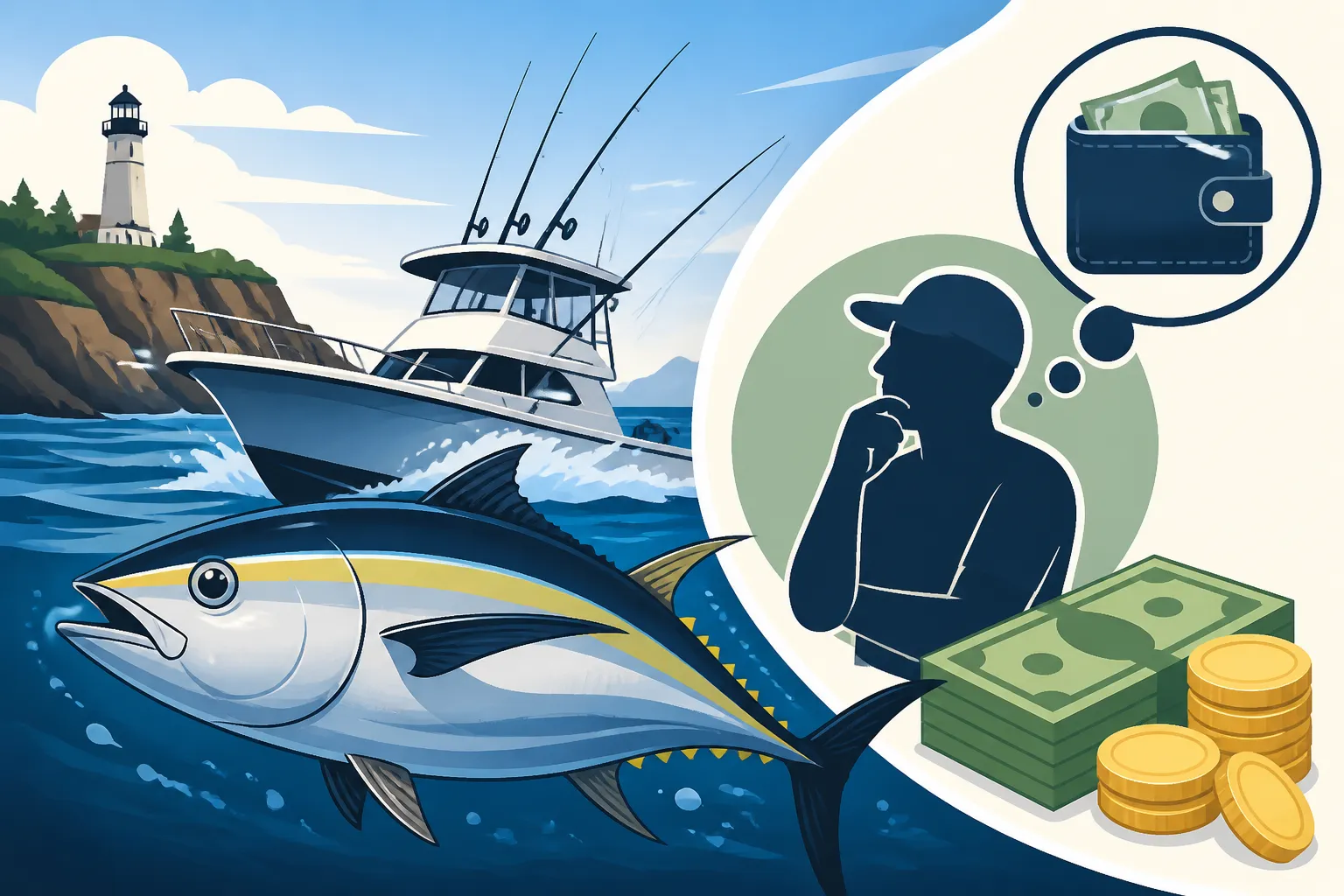
It's completely normal to feel a bit overwhelmed when you start looking into booking a tuna charter out of Newport, Oregon. You see these incredible photos of people holding massive albacore, and your mind immediately jumps to, "How much is this going to set me back?" The truth is, it's not always a straightforward answer, and the cost can vary quite a bit depending on a few key factors. This guide is here to demystify those costs, help you understand what you're paying for, and make sure you're well-prepared for your deep-sea adventure.
Understanding the Variables That Drive Tuna Charter Costs
When you're dreaming of those fast-paced, high-octane tuna runs off the Oregon coast, it’s easy to focus solely on the catch. But the journey to get there and the experience itself are influenced by several factors that directly impact the price of your charter. It’s not just a flat fee; it’s a reflection of the resources, expertise, and time involved.
Trip Duration and What's Included
One of the biggest factors in the price tag is how long you'll be out on the water. Tuna fishing, especially for albacore, often means heading a significant distance offshore, sometimes 20, 30, or even 50 miles or more, to find the warmer, tuna-rich waters. This isn't a quick jaunt around the bay.
- Standard Day Trips (10-12 hours): Most common tuna charters from Newport fall into this category. They typically depart very early in the morning, sometimes before dawn, and return late afternoon or early evening. The longer duration allows for the travel time offshore, ample fishing time, and the return trip. The cost for these trips usually includes all the necessary fishing gear – rods, reels, lines, tackle, and bait. Many charters also offer basic fish cleaning and filleting services once you're back at the dock, which is a huge plus after a successful day. You might assume everything is covered, but it's always wise to confirm upfront.
- Extended or Overnight Trips (18-24+ hours): While less common for albacore tuna out of Newport, some specialized charters might offer extended trips, especially if the fish are located far offshore or if the captain wants to maximize fishing time without the long run back to port each day. These trips will naturally carry a much higher price due to increased fuel consumption, crew time, and often, the provision of meals and even sleeping accommodations on board. If you're considering a truly epic adventure, these can be worth it, but be prepared for the premium.
Always check with the charter company exactly what their "all-inclusive" means. Does it cover your fishing license and any required endorsements, like the Oregon Ocean Endorsement? Often, these are separate costs you'll need to handle yourself before you even step on the boat.
Group Size and Charter Type
How many people are going to be on the boat with you can significantly alter the cost structure. Charters generally come in two main flavors: shared and private.
- Shared/Open-Boat Trips: This is often the most economical option if you're a single angler or a small group not looking to fill an entire boat. With a shared trip, you book a spot, and you'll be fishing alongside other individuals or small groups who have done the same. The cost is typically a per-person rate. Charters will usually have a minimum number of anglers required for the trip to go out, and a maximum capacity to ensure everyone has enough space to fish comfortably. This is a fantastic way to experience offshore fishing without the full financial commitment of a private vessel, and you might even make some new fishing buddies! When looking at options on platforms like FishingBooker, you'll see many listings for shared trips.
- Private Charters: If you're traveling with a larger family or a group of friends, a private charter might be the way to go. Here, you pay a flat rate for the entire boat for the day. This gives you exclusive access to the vessel and the captain's attention. You have more flexibility with departure times (within reason), fishing locations, and how you want to spend your day. While the upfront cost is higher than a single spot on a shared trip, if you divide it among a full boat of anglers, the per-person cost can sometimes become comparable, or even a better value, especially if you prioritize privacy and customization. It’s important to find out the maximum number of people the boat can legally and comfortably hold. Group Fishing Charter Rates in Oregon can give you a general idea of how this breaks down for different types of trips.
The Boat Itself and Its Amenities
Just like cars, fishing boats come in all shapes, sizes, and levels of luxury – and these choices impact the price.
- Size and Speed: Larger boats generally offer a more stable ride, which can be a huge comfort factor when you're out in the open ocean where conditions can change quickly. They also often have more deck space for multiple anglers to fight fish without getting tangled. Faster boats, while not always larger, can get you to the fishing grounds quicker, maximizing your actual fishing time. Both size and speed contribute to higher operational costs (fuel, maintenance, moorage), which are reflected in the charter price.
- Amenities: Some boats are basic, designed purely for efficient fishing. Others offer more creature comforts. Enclosed, heated cabins are a godsend on chilly Oregon mornings or in a sudden squall. Having a clean, accessible marine head (restroom) on board is often a non-negotiable for many anglers, especially on a long day trip. Some larger vessels might even have galley facilities, providing a more comfortable space to take a break and refuel. The more amenities and comfort a boat offers, the more you can expect to pay for the experience.
Reputation and Experience of the Captain
You're not just paying for a boat ride; you're paying for expertise. A seasoned captain who has spent years navigating the unpredictable Oregon coast and tracking tuna migrations brings invaluable knowledge to your trip.
- Local Knowledge is King: Tuna fishing is highly migratory and weather-dependent. A captain with decades of experience knows the subtle cues of the ocean, where to look for temperature breaks, bait balls, and bird activity, and how to adapt to changing conditions. This local expertise greatly increases your chances of a successful and memorable trip.
- Safety and Professionalism: An experienced captain and crew prioritize safety above all else. They understand marine weather, have all necessary safety equipment, and know how to handle any situation that might arise offshore. Their professionalism also ensures a smooth, enjoyable trip from start to finish. Charters with long-standing reputations for putting clients on fish and providing a top-notch experience often command a higher price, and frankly, it's often worth every penny. You can often check out reviews on sites like FishingBooker to gauge a captain's reputation. Knowing How to Choose an Oregon Fishing Guide can make a big difference in your experience.
The Shape of Tuna Charter Costs in Newport
So, what does this all mean for your wallet? While I can't give you exact dollar figures (those change with fuel prices and market demand!), I can certainly explain the general pricing landscape you'll encounter when looking for a tuna charter out of Newport.
Per-Person Pricing for Shared Trips
For those looking to join an open-boat trip, the cost is typically structured per person. This is usually the most budget-friendly way to experience offshore tuna fishing.
- What to Expect: You'll reserve a spot, and the charter will fill the remaining positions with other anglers. This option can be ideal for solo adventurers, couples, or small groups who want to keep costs down. You'll typically find a range of prices that reflect the length of the trip (e.g., 10-hour vs. 12-hour), the amenities on the boat, and the reputation of the charter company. It's a great entry point for many, allowing you to focus on the fishing without the worry of filling an entire boat.
- Inclusions: Generally, these per-person rates include your spot on the boat, all the fishing rods, reels, tackle, and bait. Most also cover the basic cleaning and filleting of your catch. What they usually don't include are your personal fishing license, any required tags or endorsements, food and drinks (unless explicitly stated), and, importantly, tips for the hard-working crew. These are all additional expenses you'll need to factor in. When comparing different charters, always look at the fine print to understand exactly what's included and what's an extra cost.
Flat Rate for Private Charters
If you're planning a trip with a specific group – your family, a bunch of buddies, or a corporate outing – a private charter gives you the boat all to yourselves. This comes with a different pricing model: a single flat rate for the entire boat for the trip duration.
- The Appeal of Exclusivity: The main draw here is the privacy and flexibility. You can enjoy the camaraderie of your own group without other anglers, and often have more say (within safety and regulatory limits) about where you fish and how long you spend in certain areas. This option is fantastic for families with kids who might need more flexibility, or for experienced anglers who want to dictate their day.
- Calculating Value: While the flat rate can seem substantial at first glance, it often becomes a good value when you consider the per-person cost if you're maxing out the boat's capacity. For instance, if a boat costs 'X' amount for a private charter and can comfortably hold six anglers, the per-person cost is 'X' divided by six. Compare that to the per-person rate for a shared trip, and you might find the private option surprisingly competitive, especially for the personalized experience it offers. This is an excellent way to secure a personalized Oregon Family-Friendly Fishing Charters experience. You can read up on specific costs in articles like How much does a salmon fishing charter cost in Newport to get a feel for how these numbers can stack up for different species, as tuna charters are often similarly priced.
Additional Costs to Factor In
Beyond the base charter fee, there are several other expenses that will sneak up on you if you're not prepared. Being aware of these can prevent any unpleasant surprises later.
- Licenses and Tags: This is a big one! Every angler, regardless of age, usually needs an Oregon Fishing License Guide to fish in Oregon waters, and for ocean species like tuna, you might also need an Oregon Ocean Endorsement. These are rarely included in the charter price and must be purchased beforehand. Check the Oregon Department of Fish and Wildlife (ODFW) website for current requirements and costs.
- Tips for the Crew: This is customary and expected. Charter crews work incredibly hard – from preparing gear and finding fish to helping you land them and cleaning your catch. A typical tip for a good experience is generally a percentage of the charter fee, usually paid directly to the captain or crew member who served you best. Don't forget this in your budget! You can get more details on standard practices in How much do you tip an Oregon fishing guide.
- Food and Drinks: Most charters don't provide meals, so plan to bring plenty of water, snacks, and a packed lunch. Offshore fishing can be physically demanding, and you'll want to stay hydrated and energized.
- Seasickness Medication: The Pacific Ocean can be a washing machine, even on seemingly calm days. If you're prone to seasickness, or even if you're not, it's wise to take preventative measures. Over-the-counter medications are available, but it's best to consult a doctor. Don't let a bout of nausea ruin your expensive trip! Best seasickness medicine for an ocean fishing charter offers some insights.
- Appropriate Clothing: Dress in layers! Even on a sunny summer day, it can be cold and windy offshore. Bring waterproof outer layers, warm hats, gloves, and non-slip shoes.
- Fish Processing: While most charters will do basic filleting, if you want your fish vacuum-sealed, portioned, or smoked, that's usually an extra service provided by a local fish processor at the dock, and it comes with its own costs.
- Travel and Accommodation: Don't forget the costs of getting to Newport and any overnight stays you might need before or after your early morning charter.
Making Your Tuna Charter Reservation
Booking your tuna adventure is an exciting step, but it requires a little planning and research to ensure you get the best experience for your money. Don't just pick the first charter you see; take your time!
Researching and Booking Your Trip
Finding the right charter for your group and budget means doing a bit of homework.
- When to Book: Tuna season in Oregon generally runs from late summer into early fall (July through September/October), depending on water temperatures and fish migration. These prime months are incredibly popular, so booking well in advance – often several months out – is highly recommended. Last-minute bookings are possible, but your options will be much more limited. The Best month to book a halibut charter in Oregon information can give you a similar idea of booking lead times for other popular ocean species.
- Where to Look:
- Online Booking Platforms: Websites like FishingBooker are excellent resources. They allow you to browse multiple charter operators in Newport, compare prices, read reviews from other anglers, and see what's included. This gives you a great overview of the market.
- Local Marinas and Websites: Many reputable charter companies have their own websites or can be found listed at the Newport marina. Booking directly can sometimes offer more flexibility or specific deals.
- Word-of-Mouth: Ask around! Fellow anglers, local bait shops, or even other businesses in Newport can often recommend captains they know and trust.
- Ask Plenty of Questions: Before you commit, don't hesitate to contact the charter operator with any questions you have. Clarify what's included in the price, what you need to bring, their cancellation policy, and what happens if the weather turns. A good charter company will be happy to answer all your queries thoroughly. This proactive approach is key to understanding What is included in an Oregon fishing charter price and ensuring there are no surprises.
Understanding Cancellation and Weather Policies
The Oregon coast is beautiful, but the ocean can be unforgiving. Weather is a huge factor in tuna fishing, and it can impact your trip plans.
- Weather Holds All the Cards: Offshore tuna fishing is highly dependent on safe ocean conditions. High winds, heavy swells, or dense fog can make a trip dangerous or simply unproductive. Reputable captains will prioritize your safety and will not hesitate to cancel a trip if conditions are unfavorable.
- Cancellation Policies: Every charter will have its own cancellation policy. Understand it fully before you put down a deposit.
- Weather-Related Cancellations: If the captain cancels due to unsafe weather, you should expect a full refund or the option to reschedule your trip. This is standard practice. Knowing Are Oregon fishing charters cancelled for rough weather? is crucial here.
- Client Cancellations: If you need to cancel, the policy will vary. Many charters require significant advance notice (e.g., 7-30 days) to offer a full refund of your deposit. If you cancel too close to the trip date, you might forfeit your deposit.
- Communication is Key: Stay in touch with your charter in the days leading up to your trip, especially if the weather forecast looks iffy. They will typically contact you if there are any concerns or changes.
Maximizing Your Value and Experience
You've invested your hard-earned money and precious time into this adventure, so make the most of it!
- Be Prepared: We've talked about licenses, layers, and seasickness remedies. Don't skimp on these preparations. A comfortable angler is a happy angler. Also, be sure to have enough space in your cooler back home for all that delicious tuna – you might bring home a lot!
- Listen to Your Captain and Crew: They are the experts on the boat, and their instructions are for your safety and success. Pay attention during safety briefings and follow their guidance when fishing. They're there to help you land fish!
- Embrace the Journey: Tuna fishing can be a grind. Sometimes the fish are biting nonstop, and sometimes you have to put in a lot of time and effort to find them. Enjoy the fresh air, the marine wildlife (dolphins, whales, seabirds are common!), and the camaraderie with your fellow anglers. Even if the tuna aren't jumping in the boat, the experience of being far offshore on the mighty Pacific is unforgettable. You might be interested in What to bring on an Oregon fishing charter to help you prepare.
- Manage Expectations: Fishing is fishing, not catching. While tuna charters have a high success rate, there are no guarantees. Go with an open mind and enjoy the challenge. A great day on the water is often more about the experience than the cooler full of fish.
Here’s a quick overview to help you weigh your options:
| Feature | Shared/Open-Boat Charter | Private Charter |
|---|---|---|
| Cost Structure | Per-person rate | Flat rate for the entire boat |
| Group Size | Individual anglers or small groups join others | Exclusive to your pre-arranged group |
| Flexibility | Less flexible on departure/fishing spots | More flexibility (within reason) on schedule/locations |
| Privacy | Limited; you're with strangers | High; just your group and the crew |
| Ideal For | Solo anglers, couples, small budgets, meeting new people | Families, friends, corporate groups, those seeking exclusivity |
| Per-Person Cost | Generally lower upfront | Can be competitive if boat capacity is maximized |
Booking a tuna charter out of Newport, Oregon, is an incredible experience, a true bucket-list item for many anglers. While the costs require some consideration, understanding the variables involved and planning ahead will help you secure a fantastic trip that creates lasting memories. Tight lines!
Disclaimer
This article is for general informational purposes only and does not constitute professional advice. Laws, prices and regulations vary by location and change over time. Consult a qualified professional for guidance on your specific situation.