Winchester Bay Oregon Fishing Charters
Many anglers arrive on the Oregon coast with dreams of reeling in a trophy salmon or crabbing for delicious Dungeness, only to find the sheer variety of fishing opportunities and the process of finding the right guide a little daunting. This comprehensive guide will illuminate the world of Winchester Bay Oregon fishing charters, helping you understand the diverse experiences on offer, how to choose a reputable operator, and what essential preparations will make your trip a truly unforgettable adventure on the Umpqua River and the vast Pacific Ocean.
Why Choose Winchester Bay for Your Oregon Fishing Charter?
Winchester Bay is more than just a scenic coastal town; it's a dynamic fishing hub where the mighty Umpqua River meets the Pacific. This unique geographical setup creates an incredibly rich and varied fishery, making it a prime destination for anglers seeking everything from hard-fighting salmon to abundant bottomfish and succulent crab. It’s a place where river and ocean seamlessly merge, offering distinct opportunities often within a stone's throw of each other.
A Unique Blend of River and Ocean Access
What truly sets Winchester Bay apart is its direct access to both a major river system and the open ocean. The Umpqua River estuary, particularly the lower river and its mouth, acts as a natural funnel for migrating salmon and a haven for Dungeness crab. This means that on any given day, you could be pursuing Chinook or Coho salmon within the calmer waters of the bay or venture just beyond the jetties into the Pacific for halibut, rockfish, or even albacore tuna. This versatility is a massive draw for charter operations, allowing them to adapt to changing weather conditions, fish runs, and angler preferences. Unlike some other coastal towns that are primarily ocean-focused, Winchester Bay truly offers the best of both worlds.
The protected waters inside the bay are often a welcome relief when the Pacific gets a bit feisty, providing safer and more comfortable fishing options, especially for families or those prone to seasickness. Guides here are experts at reading the conditions, knowing precisely when to brave the ocean swells and when to stick to the more sheltered waters, maximizing your chances of a successful and enjoyable outing. The transition from bay to ocean is quick and efficient, meaning less travel time and more fishing time once you’re underway.
Renowned for Salmon and Dungeness Crab
When you think of fishing in Winchester Bay, two species often come immediately to mind: salmon and Dungeness crab. The Umpqua River is famous for its robust runs of both spring and fall Chinook salmon, as well as Coho (silver) salmon. These magnificent fish stage in the estuary before making their upstream migration, offering fantastic opportunities for anglers. Charter boats are often rigged specifically for salmon, employing techniques like trolling with cut plug herring or spinners, or back-bouncing cured roe. The thrill of a salmon stripping line from your reel in the Umpqua's rich waters is an experience many anglers chase year after year. For those interested in improving their chances, understanding various Oregon Salmon Fishing Techniques can make a real difference.
Beyond the salmon, Winchester Bay is a Dungeness crab paradise. Many charters offer dedicated crabbing trips or "combo" trips where you fish for salmon and drop crab pots simultaneously. There's nothing quite like pulling up a pot overflowing with these delicious crustaceans, anticipating a fresh crab feast later that day. The bay's muddy bottom and abundant food sources provide an ideal habitat for Dungeness crab, making it a highly reliable fishery. Local guides know the prime spots and baiting techniques to ensure you go home with a generous haul of these prized shellfish. For a deeper dive, consider learning more about Dungeness Crab in Oregon.
Beyond the Big Two: Diverse Species and Scenic Beauty
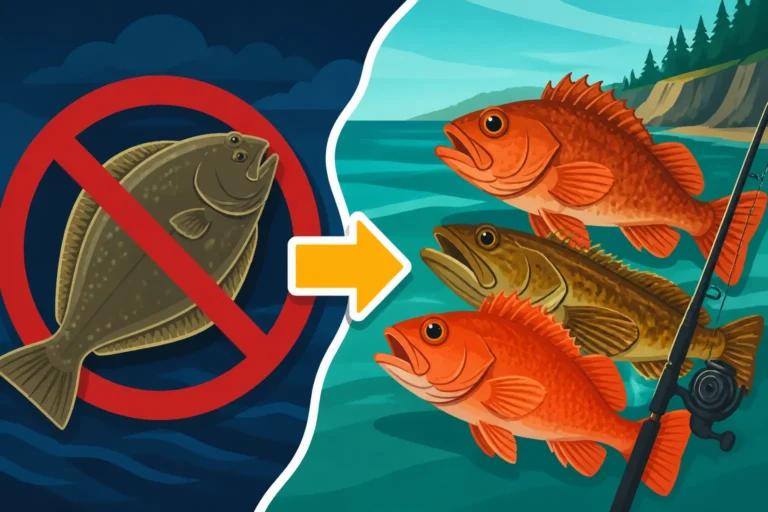
While salmon and crab might steal the spotlight, Winchester Bay offers a surprising array of other fish species to target, adding to its appeal. Offshore, you can find Pacific halibut, a highly prized flatfish that can grow to impressive sizes, offering a powerful fight. Lingcod and various rockfish species (like black rockfish, vermillion rockfish, and yelloweye rockfish) are also abundant on the rocky reefs and structures offshore, providing consistent action and excellent table fare. These bottomfish trips are often less weather-dependent than halibut or tuna runs, offering a reliable option for ocean fishing.
During late summer and early fall, when warm water pushes closer to shore, Winchester Bay can also be a launch point for exhilarating albacore tuna trips, chasing these fast-moving pelagic predators far offshore. In the estuary, beyond salmon, you might also hook into sea-run cutthroat trout or various resident species. And let's not forget the sheer natural beauty of the area. The dramatic coastline, the expansive dunes of the Oregon Dunes National Recreation Area, and the lush forests provide a stunning backdrop to your fishing adventure. A day on the water here isn't just about catching fish; it's an immersive experience in Oregon's breathtaking wilderness.
Navigating the Types of Fishing Charters in Winchester Bay
The diverse fishery of Winchester Bay naturally leads to a variety of charter options, each tailored to specific species, fishing styles, and durations. Understanding these different types will help you align your expectations with the services offered and choose the charter that best fits your angling goals.
Offshore Ocean Adventures: Halibut, Tuna, and Bottomfish
For those who crave the vastness of the Pacific and the thrill of deeper water fishing, offshore charters are the way to go. These trips typically involve heading several miles out from the Winchester Bay jetties into the open ocean, often in larger, more robust boats designed to handle ocean swells. The primary targets for these excursions are:
- Pacific Halibut: These are highly sought-after, offering a tremendous fight and delicious white meat. Halibut seasons are often regulated with specific opening dates and bag limits, so timing is key. Charters specializing in halibut often use heavy tackle, drifting over deep underwater structures or banks. For a complete overview, check out Pacific Halibut off Oregon.
- Albacore Tuna: During the summer and early fall, when ocean temperatures are right, albacore tuna move into range. These trips are typically longer, often 10-12 hours or even multi-day, as boats may need to travel 30-60 miles offshore to find the schools. Tuna fishing is fast-paced and exciting, usually involving trolling jigs or live bait. If you're interested in chasing these pelagic rockets, research Albacore Tuna Fishing Season.
- Bottomfish (Lingcod and Rockfish): These are a great option for consistent action. Lingcod are aggressive predators found on rocky reefs, while various species of rockfish offer steady bites and beautiful colors. Bottomfishing trips usually run for 5-8 hours and are excellent for families or those looking for plenty of fish to take home. They often involve jigging or bait fishing over structure. Many charters offer dedicated Bottom Fishing Charters in Oregon.
Ocean charters require a degree of sea-worthiness from anglers, as conditions can change rapidly. Always discuss potential weather and motion sickness concerns with your chosen operator.
Estuary and Nearshore Trips: Salmon and Crabbing
Closer to home, the Umpqua River estuary and the immediate nearshore ocean waters provide phenomenal opportunities, particularly for salmon and crabbing. These trips tend to be in smaller, more maneuverable boats suited for river and bay conditions, and often involve less travel time, which means more fishing.
- Salmon Fishing: As mentioned, the Umpqua is a salmon powerhouse. Charters here will focus on targeting Chinook and Coho salmon as they enter the river system. Depending on the season and fish behavior, guides will employ various techniques like trolling, bobber fishing with eggs, or casting spinners. These trips are incredibly popular, especially during peak salmon runs in spring and fall. A typical salmon trip might last 4-6 hours.
- Dungeness Crabbing: Many charters offer specific crabbing trips or combine crabbing with a salmon or bottom fishing outing. You'll head out with your guide to pull pre-set crab pots or drop new ones. It’s an interactive and rewarding experience, perfect for all ages, and guarantees some delicious fresh seafood for dinner. Knowing the Oregon Crabbing Season Timing is essential for these trips.
- Nearshore Combo Trips: Some charters cleverly combine a short salmon fishing session in the bay with a quick trip just outside the jetties for a bit of rockfish action, maximizing your chances of a diverse catch within a half-day trip. This is a fantastic option if you want a taste of both environments.
These estuary and nearshore trips are often ideal for families with younger children or those who prefer calmer waters and shorter boat rides.
Specialized and Custom Charters
While most charters fall into the categories above, some Winchester Bay operators offer more specialized experiences. For instance, some guides might focus exclusively on fly-fishing for salmon or steelhead if the conditions are right in the upper Umpqua. Others might offer eco-tours or wildlife viewing trips in addition to fishing.
- Private vs. Open Charters: Most charters offer both "open boat" (where you book a spot and share the boat with other individuals) and "private boat" (where you book the entire boat for your group). Private charters offer more flexibility regarding target species, departure times, and personalized attention, but come at a higher cost.
- Multi-Day Packages: For serious anglers or those planning an extended stay, some guides might be able to arrange multi-day packages that combine different types of fishing, perhaps spending one day offshore for tuna and another in the bay for salmon and crab.
Always communicate your desires and expectations clearly when inquiring about a charter. A good guide will be able to tell you if they can accommodate your specific interests.
What to Expect When Booking a Winchester Bay Charter
Embarking on a fishing charter in Winchester Bay is an exciting prospect, but going in with a clear understanding of what's involved can make a world of difference. From gear to the unpredictable nature of the ocean, being prepared helps manage expectations and ensures a smoother, more enjoyable trip.
Understanding Inclusions: Gear, Bait, and Expertise
One of the greatest advantages of booking a fishing charter is that the captain and crew typically provide everything you need for a successful day. This usually includes:
- Fishing Gear: High-quality rods, reels, and tackle appropriate for the target species are standard. This means you don't have to invest in specialized saltwater gear or worry about bringing your own. The guide will have tackle tuned for the local conditions and specific techniques.
- Bait and Lures: Live bait, cut bait, and a variety of artificial lures are also typically supplied. Guides are constantly monitoring what's working best, so they'll have the right offerings on hand.
- Safety Equipment: All licensed charters are required to have Coast Guard-approved safety equipment onboard, including life jackets, flares, and communication devices. Your safety is paramount.
- Expertise and Local Knowledge: This is perhaps the most valuable inclusion. Your captain and crew are professionals with years of experience navigating the local waters, understanding fish behavior, and knowing where the fish are biting. Their knowledge of currents, tides, and seasonal patterns is invaluable. They'll also provide instruction and assistance with rigging, casting, and landing fish.
Some charters might also include fish cleaning and filleting services at the end of the day, while others may offer it for an additional fee. It's always best to clarify these details upfront. Reputable booking platforms like FishingBooker often list these inclusions clearly, making it easier to compare services.
The Importance of Weather and Ocean Conditions
Fishing in Winchester Bay means dealing with the dynamic environment of the Pacific Ocean and the Umpqua River. Weather and water conditions are paramount, and they can change quickly.
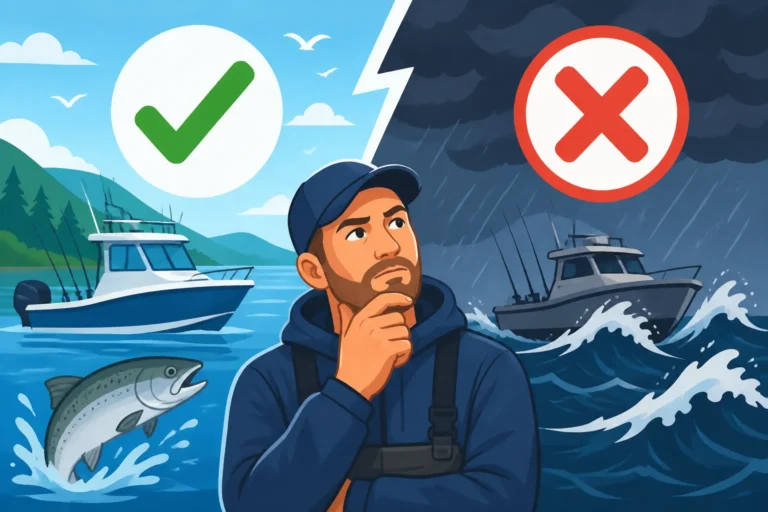
- Ocean Swells and Wind: Offshore trips are highly dependent on calm seas. High winds and large swells can make fishing uncomfortable, unproductive, and even unsafe. Captains prioritize safety and will cancel or reschedule ocean trips if conditions are deemed too rough.
- Fog: Coastal fog is common, especially in summer. While most modern charter boats have radar and GPS, dense fog can still impact visibility and travel times.
- River Conditions: For estuary salmon fishing, river flow and clarity can influence success. Heavy rains can blow out a river, making it muddy and slowing the bite, while low, clear water can make fish wary.
- Cancellation Policies: Because of the unpredictability of nature, charter companies have cancellation policies, often allowing the captain to cancel due to unsafe weather with a full refund or reschedule option for the client. Be sure to understand these policies before you book, as it's common practice and for your own safety.
Always call your charter captain a day or two before your trip to get an update on conditions and confirm departure times. Flexibility and understanding are key when fishing on the Oregon coast.
Daily Limits and Conservation Practices
Oregon has specific fishing regulations designed to manage fisheries sustainability. As an angler on a charter, it's crucial to be aware of and respect these rules.
- Oregon Fishing Regulations: These rules cover everything from daily bag limits and size restrictions to open seasons and legal fishing methods. Your charter captain is a licensed professional and will be well-versed in the current Oregon Fishing Regulations Explained. They will ensure everyone on board adheres to these rules.
- Combined Angling Tag and Endorsements: Depending on what you're fishing for (salmon, steelhead, sturgeon, or even ocean species), you may need specific tags or endorsements in addition to your standard Oregon Fishing License Guide. Your guide will advise you on this. For instance, an Oregon Ocean Endorsement is typically required for offshore fishing.
- Catch and Release: For certain species or in specific areas, catch and release might be mandatory (e.g., wild steelhead, specific size ranges of sturgeon). Your guide will instruct you on proper catch-and-release techniques to minimize stress and ensure the survival of released fish.
- Conservation: Good charters practice ethical fishing, minimizing waste, and respecting the environment. This includes knowing how to properly handle fish, dispose of waste, and avoid sensitive habitats. Understanding Oregon Daily Bag Limits Explained will help you manage your expectations for how much fish you can bring home.
Responsible angling contributes to healthy fish populations for future generations, and your charter captain is a vital part of that conservation effort.
How to Select the Perfect Winchester Bay Fishing Charter
With several excellent charter operations running out of Winchester Bay, choosing the right one can feel like a mini-quest in itself. However, by focusing on key criteria, you can confidently select a charter that will provide the best experience for you and your group.
Researching Reputable Operators and Guides
The foundation of a great fishing trip lies with a reputable operator and an experienced guide. Don't just pick the first name you see; do a little digging.
- Online Reviews and Testimonials: This is a fantastic starting point. Websites like Google Reviews, Yelp, and specialized fishing booking platforms like FishingBooker are full of firsthand accounts from previous clients. Look for consistent praise regarding the captain's knowledge, friendliness, boat maintenance, and success rates. Pay attention to how the operators respond to both positive and negative feedback.
- Word of Mouth: If you know someone who has fished in Winchester Bay, ask for their recommendations. Personal referrals often carry the most weight.
- Licensing and Insurance: Always confirm that the charter operator and captain are properly licensed and insured. In Oregon, fishing guides and charter boats must meet specific state and federal requirements. A legitimate guide will be proud to show their credentials. This ensures safety standards are met and provides peace of mind. For more details on what to look for, check out How to Choose an Oregon Fishing Guide.
- Website and Social Media: A professional website or active social media presence can give you a good sense of the operation's professionalism, the types of trips they offer, and recent catches. Look for up-to-date information and clear communication.
Don't hesitate to call or email prospective charters with your questions. A good operator will be happy to chat and help you plan your trip.
Considering Your Group Size and Skill Level
Matching the charter to your group's specific needs is crucial for an enjoyable experience.
- Group Size: Charter boats vary significantly in capacity. Some are smaller, ideal for 1-3 anglers, offering a more intimate experience. Others are larger party boats that can accommodate 6-12 or more people. Consider whether you want a private trip for your family or a shared experience with other anglers. If you have a larger group, you'll need a boat with ample deck space and seating.
- Experience Level: Are you a seasoned angler looking to tackle a specific species, or are you bringing beginners, perhaps even children?
- Beginners/Families: For those new to fishing, or families with young children, look for charters that explicitly mention being "family-friendly" or "beginner-focused." These guides are typically more patient, offer more hands-on instruction, and often prioritize fun and safety over solely trophy hunting. Shorter, calmer estuary trips are often a great starting point.
- Experienced Anglers: If you're an experienced angler, you might seek out guides known for their expertise in a particular technique (e.g., fly fishing for salmon) or for targeting specific, more challenging species like trophy halibut or tuna. You might also prefer a guide who allows more independence in rigging and fishing.
- Physical Limitations: If anyone in your group has mobility issues or other physical limitations, discuss this with the charter in advance. They can advise on boat accessibility, restroom facilities, and overall suitability of the trip.
Communicating these details upfront will allow the charter captain to recommend the best boat and trip type for your needs.
Comparing Costs and Value
Cost is, of course, a significant factor, but it's important to compare value, not just the bottom line. Charter prices can vary widely based on duration, target species, boat size, and whether it's an open or private trip.
- What's Included: As mentioned, always clarify what's included in the price. Does it cover gear, bait, fish cleaning, and potentially a snack or drinks? Some charters might seem cheaper but then charge extra for everything, while a slightly more expensive trip might be all-inclusive.
- Trip Length: Shorter half-day (4-6 hour) trips are generally less expensive than full-day (8-10 hour) or extended offshore (12+ hour) excursions. Longer trips offer more fishing time and often target more distant, larger fish, but also demand more time and endurance from anglers.
- Private vs. Open Boat: Private charters are almost always more expensive per person than open boat trips, but they offer exclusivity and customization. If you have a small group, sometimes booking a private trip can be surprisingly cost-effective when divided among everyone.
- Tips and Gratuities: It's customary to tip your captain and deckhand (if applicable) at the end of a successful trip, usually 15-20% of the trip cost. Factor this into your budget.
When comparing prices, consider what you're truly getting for your money: the quality of the boat and gear, the experience of the guide, the length and type of trip, and what amenities are provided. Sometimes, paying a little more for a highly reputable charter can lead to a much more satisfying and memorable experience.
Preparing for Your Winchester Bay Fishing Expedition
Once you’ve booked your Winchester Bay fishing charter, the anticipation builds! A little preparation on your part can go a long way in ensuring your day on the water is comfortable, productive, and fun.
Essential Gear and Personal Items to Bring
While the charter provides most of the fishing equipment, there are several personal items you’ll want to bring to make your trip more enjoyable, regardless of whether you're heading offshore or staying in the bay.
- Appropriate Clothing: The Oregon coast weather is famously unpredictable. Layers are absolutely key! Even on a sunny summer day, it can be chilly on the water, especially in the morning or when moving at speed. Bring waterproof outer layers (jacket and pants) as spray is common, even on calm days. A warm hat, gloves, and sunglasses are also highly recommended.
- Food and Drinks: Pack a lunch, snacks, and plenty of water or other non-alcoholic beverages. While some charters might offer light refreshments, it's always best to bring your own.
- Sun Protection: Even on cloudy days, UV rays can be intense on the water. Bring high SPF sunscreen, a wide-brimmed hat, and sunglasses (polarized are great for reducing glare off the water).
- Motion Sickness Medication: If you are at all prone to seasickness, take preventative measures before you board the boat. Over-the-counter medications like Dramamine or Bonine work best when taken an hour or more prior to departure. Patches and wristbands are other options. Don't wait until you feel sick; by then, it's often too late.
- Cooler with Ice: Plan to bring a cooler with ice to take your catch home. Your fish will be filleted (or whole, depending on your request and the species) and ready to be kept cold for the journey.
- Camera: You'll want to capture those memories, especially that big fish! Ensure your camera or phone is well-protected from water.
Avoid bringing unnecessary valuables or anything that could easily blow away or get wet. Keep it simple and focused on comfort and safety.
Licensing and Endorsements: What You'll Need
This is a critical step that often trips up first-time visitors. Oregon requires nearly all anglers to have a valid fishing license, and often additional endorsements, even for charter trips.
- Oregon Fishing License: Everyone aged 12 and older needs an Oregon Fishing License Guide. You can purchase these online through the Oregon Department of Fish and Wildlife (ODFW) website, or from authorized license agents like sporting goods stores and some coastal bait shops. It's often easiest to purchase it online before your trip and print a copy or save it to your phone.
- Combined Angling Tag: For specific species like salmon, steelhead, sturgeon, and halibut, you'll need to purchase an Oregon Combined Angling Tag in addition to your regular license. This tag comes with a catch record card, which is mandatory for recording your harvest of these species. For more information, read up on the Oregon Combined Angling Tag Guide.
- Oregon Ocean Endorsement: If your charter is heading out into the Pacific for salmon, halibut, bottomfish, or tuna, you will also need an Oregon Ocean Endorsement. This is an additional permit that costs extra but is crucial for legal ocean fishing.
- Columbia River Basin Endorsement: While less common for Winchester Bay specific charters, if you venture upriver towards the Columbia, you may need a Columbia River Basin Endorsement. Always confirm specific requirements with your charter captain, as they are the experts on what licenses are needed for the specific waters you will be fishing.
Make sure all required licenses and tags are purchased and on your person (physical copy or digital on your phone) before you board the boat. Game wardens do check.
Managing Expectations and Maximizing Your Experience
Fishing is called "fishing," not "catching," for a reason. While charter captains are highly skilled, they can't control every variable, and there are no guarantees of a limit catch every time.
- Embrace the Process: Focus on enjoying the experience, the scenery, the company, and the thrill of the chase. Even on slower days, being out on the water in Winchester Bay is a privilege.
- Listen to Your Guide: Your captain and crew are there to help you succeed. Listen to their instructions, ask questions, and follow their advice on bait presentation, reeling techniques, and handling fish.
- Stay Positive: A positive attitude can make a difference. Some of the best stories from fishing trips are not just about the biggest fish caught, but about the camaraderie and unexpected moments.
- Respect Nature: Be mindful of the marine environment. Don't litter, and follow all conservation guidelines. This helps ensure that the amazing fishing opportunities in Winchester Bay continue for years to come.
By being prepared, understanding the regulations, and maintaining a good attitude, you're setting yourself up for an incredible and memorable Winchester Bay fishing charter adventure.
Booking Your Winchester Bay Charter: Tips and Considerations
Booking your fishing charter in Winchester Bay isn't just about picking a date; it's about strategic planning to ensure you get the best experience possible. From timing your trip to understanding the nuances of the booking process, these tips will help you secure your ideal fishing adventure.
Timing Your Trip for Peak Seasons
When you book your trip can dramatically impact the type of fishing available and your chances of success. Different fish species have different prime seasons in Winchester Bay.
- Spring Chinook Salmon: The spring Chinook run typically starts to build in May and can offer excellent fishing through June and into July in the Umpqua estuary. These are highly prized fish.
- Summer Halibut: The halibut season off the Oregon coast often opens in May or June and can run through the summer, but is highly regulated with specific "all-depth" and "nearshore" dates, and can close early once quotas are met. Booking early for halibut is crucial.
- Fall Chinook and Coho Salmon: Late summer and early fall (August, September, October) see the strongest runs of fall Chinook and Coho salmon entering the Umpqua, offering some of the most consistent salmon fishing. This is often a peak time for combo salmon and crabbing trips.
- Bottomfish: Lingcod and various rockfish species are generally available year-round, though ocean conditions in winter can limit access. Summer and fall typically offer the calmest seas for bottom fishing.
- Albacore Tuna: This is a warm-water fishery, usually peaking in August and September, sometimes extending into October if the water stays warm. Tuna trips are highly weather-dependent and often booked last-minute when favorable conditions emerge.
- Dungeness Crabbing: While some crabbing occurs year-round, the fall and winter months after the recreational season opens are often considered prime for larger, meatier crabs.
If you have a specific species in mind, research its peak season and plan your trip accordingly. Popular times, especially for salmon and halibut, book up months in advance, so early booking is highly recommended. Many charters will list target species and best times on their websites or booking profiles on sites like FishingBooker.
The Booking Process: Deposits and Confirmations
Booking a charter is straightforward, but understanding the steps helps.
- Initial Inquiry: Reach out to your chosen charter (via phone, email, or online booking platform) to check availability for your desired dates and discuss the type of trip you're interested in. This is your chance to ask any questions you have about inclusions, boat size, target species, and group suitability.
- Deposit Requirement: Most reputable charters require a deposit to secure your booking. This non-refundable deposit protects the guide's time and resources. The deposit amount can vary but is often a percentage of the total trip cost. Make sure you understand the terms regarding the deposit.
- Confirmation: Once your deposit is paid, you should receive a booking confirmation, often via email. This document should detail your trip date, time, meeting location, total cost, and any remaining balance due.
- Final Payment: The remaining balance is typically paid on the day of your trip, usually before you depart, though some might request it shortly before. Cash is often preferred, but many also accept credit cards. Always confirm payment methods in advance.
Keep all communication and confirmation emails. Having these details handy will prevent any last-minute confusion.
Cancellation Policies and Contingency Plans
Life happens, and sometimes plans change. Understanding cancellation policies is vital, especially when dealing with outdoor activities.
- Captain's Cancellation: As mentioned earlier, charter captains reserve the right to cancel a trip due to unsafe weather or mechanical issues. In such cases, you will almost always receive a full refund of your deposit or the option to reschedule. This is for your safety and the longevity of their business.
- Client Cancellation: If you need to cancel your trip, most charters have a policy requiring a certain amount of notice (e.g., 72 hours, one week). If you cancel within this window, you might forfeit your deposit. If you cancel with sufficient notice, you'll likely receive your deposit back, minus any processing fees. Always read the specific cancellation policy of your chosen charter before booking.
- Contingency for Weather: Have a backup plan in mind. If your ocean charter gets weathered out, consider if the guide offers an alternative estuary trip (if available and suitable) or if you have other activities planned for your time in Winchester Bay. Flexibility will reduce stress.
- Communication is Key: If you anticipate needing to cancel or reschedule, communicate with your charter captain as soon as possible. They are often willing to work with you, especially if given ample notice.
Being proactive and informed about the booking and cancellation process will ensure a smoother experience, allowing you to focus on the excitement of your upcoming Winchester Bay fishing charter.
Disclaimer
This article is for general informational purposes only and does not constitute professional advice. Laws, prices and regulations vary by location and change over time. Consult a qualified professional for guidance on your specific situation.