Oregon daily bag limit for salmon on the Columbia
There's nothing quite as frustrating as heading out to the mighty Columbia River, full of anticipation for a day of salmon fishing, only to realize you're not entirely sure what the current daily bag limit is. The rules for salmon on the Columbia River in Oregon aren't static; they shift with the seasons, fish returns, and conservation needs, making it incredibly challenging for even seasoned anglers to keep up. This guide aims to clear up that confusion, providing a comprehensive look at the typical daily bag limits for salmon, why they change, and how you can stay informed so your next fishing trip is both successful and fully compliant.
Navigating the Shifting Sands of Salmon Limits on the Columbia River
If you've ever felt like you need a law degree to understand Oregon's fishing regulations, especially on the Columbia River, you're not alone. The sheer complexity can be overwhelming. Unlike a tranquil trout pond with straightforward rules, salmon fishing on the Columbia is a high-stakes game governed by constantly evolving biological data, interstate agreements with Washington, and in-season adjustments. One day you might be able to keep two adult Chinook, and the next, an emergency closure or a shift in the run forecast could drop that to one, or even zero. This dynamic environment is driven by the need to protect sensitive wild salmon runs while still allowing harvest opportunities for healthy hatchery populations.
Anglers often get caught off guard by these changes, leading to confusion, potential violations, and, frankly, a lot of unnecessary stress. You might plan a trip weeks in advance, buy all your gear, and then discover the rules have changed just before you launch your boat. It’s not just about knowing the general rules; it’s about knowing the most current rules for the specific stretch of the river you're fishing and the exact time of year you're casting your line. This constant vigilance is crucial, and it's why we're diving deep into this topic.
The Interplay of Species and Seasons
The Columbia River is a migratory superhighway for several species of Pacific salmon, each with its own distinct run timing and biological considerations. We're primarily talking about Chinook salmon (often divided into Spring, Summer, and Fall runs) and Coho salmon. Sockeye salmon also pass through, though they are less commonly targeted for retention on the mainstem Columbia, and limits are very restrictive when open. Chum salmon are present but rarely targeted and are typically catch-and-release.
Each species and run has its own unique journey and, therefore, its own set of regulations. For instance, Spring Chinook, highly prized for their flavor, often have the most conservative limits due to smaller run sizes and the importance of protecting wild stocks. Fall Chinook, on the other hand, can see more generous limits during strong return years, particularly in the lower river. This seasonal variation means that what's legal in May for Springers is entirely different from what's allowed in September for Fall fish. It’s not a "one size fits all" situation, and understanding these nuances is key to a successful and legal outing.
The Hatchery vs. Wild Salmon Distinction
One of the most critical aspects of Columbia River salmon regulations is the distinction between hatchery-origin and wild-origin fish. Hatchery fish are typically identified by an adipose fin clip – a small fin on their back near the tail that was removed when they were young. Wild fish retain this fin. Many regulations are designed to allow anglers to keep hatchery-marked fish while requiring the release of wild fish to help conserve their populations. This is a vital conservation strategy, but it requires anglers to be able to accurately identify a fin clip, often quickly and under less-than-ideal conditions. If you're ever in doubt, it's always safest to release the fish. Incorrect identification can lead to significant penalties. You’ll find more details on this important topic in our guide on Oregon Fishing Regulations Explained.
Specific Daily Bag Limits for Salmon on the Columbia River
When it comes to the Columbia River, daily bag limits for salmon are a moving target, but we can outline the general framework and typical scenarios you'll encounter. It's imperative to always check the Oregon Department of Fish and Wildlife (ODFW) website or their physical regulation booklet before you go, as emergency closures or in-season regulation changes are common. The rules also vary significantly by section of the river, often broken into areas like Buoy 10 to Tongue Point, Tongue Point to Bonneville Dam, Bonneville Dam to McNary Dam, and so forth.
Let's look at the general picture for the most commonly targeted salmon species:
Chinook Salmon Limits
Chinook salmon are the kings of the Columbia, and their limits are often the most scrutinized.
- Spring Chinook (Typically March – June): These are often the most restrictive. In many areas of the lower and upper Columbia, the limit might be one adult Chinook per day, sometimes with a specific minimum size requirement. Wild Spring Chinook are almost always catch-and-release only. There might also be a "jack" limit, allowing retention of smaller Chinook (typically under 24 inches) in addition to, or instead of, an adult. For example, during some periods, the limit might be one adult Chinook OR two jacks.
- Summer Chinook (Typically June – July): These runs are often targeted in the mid and upper Columbia. Limits can vary widely based on run strength and conservation concerns for specific stocks. Again, wild fish are typically catch-and-release.
- Fall Chinook (Typically August – December): This is often the most popular and productive salmon season on the lower Columbia, especially in the famed Buoy 10 fishery. Daily limits here can be more generous, often allowing for two adult hatchery Chinook per day. However, even these limits can be reduced if returns are weaker than forecasted. For a deep dive into this, check out our article on Fall Chinook daily bag limit on the Columbia River.
It's crucial to understand that "adult salmon" and "jack salmon" have specific definitions based on length in the regulations, and these can sometimes vary. Always confirm the exact measurements in the current ODFW synopsis.
Coho Salmon Limits
Coho salmon, known for their acrobatic fights, also provide excellent fishing opportunities, particularly in late summer and fall.
- Coho Salmon (Typically August – November): Similar to Chinook, limits often depend on whether they are hatchery-marked. A common limit might be two adult hatchery Coho per day. Wild Coho are typically catch-and-release. In areas like the Buoy 10 fishery, Coho limits are often combined with Chinook as part of a general "adult salmon" bag limit.
Sockeye Salmon Limits
Sockeye salmon runs on the Columbia River are less frequent and usually have very conservative or non-existent retention seasons. When open, the daily limit is typically one or two Sockeye, and these seasons are often very short and subject to immediate closure. Most Sockeye encountered by anglers are released unharmed.
The Combined Angling Tag and Catch Record Card
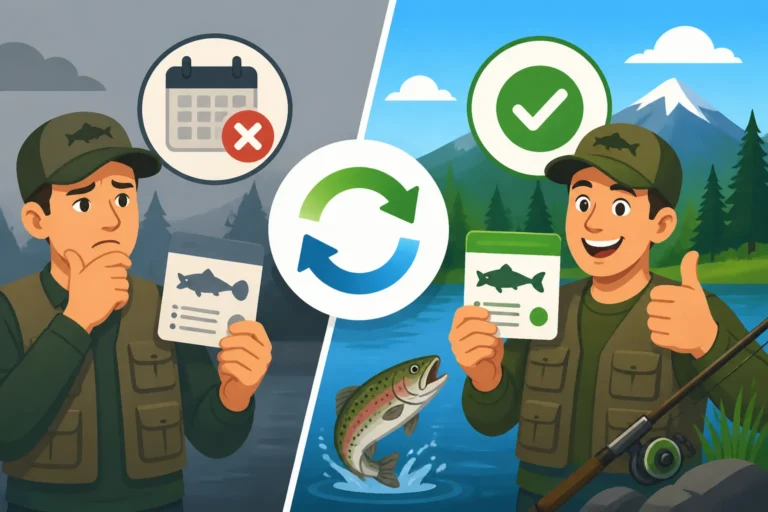
Regardless of the species or specific limits, if you're fishing for salmon or steelhead in Oregon, you must have a valid Oregon fishing license and a Combined Angling Tag. This tag is your physical record-keeping document for any salmon or steelhead you retain. Failure to properly fill out and possess this tag can result in significant penalties, even if you are otherwise within bag limits. Our guide on the Oregon Combined Angling Tag Guide explains this in more detail, and you can learn about proper record-keeping in Oregon Catch Record Card Requirements.
Example Daily Bag Limit Table (Illustrative – Always Check Current Regulations!)
| Species/Run | Typical Season | Lower Columbia (e.g., Buoy 10 to Bonneville) | Upper Columbia (e.g., above Bonneville) | Notes |
|---|---|---|---|---|
| Spring Chinook | March – June | 1 adult hatchery Chinook | 1 adult hatchery Chinook (often specific dates) | Wild Chinook: C&R only. Jacks may have separate limits. |
| Summer Chinook | June – July | Often C&R or closed to retention | 1-2 adult hatchery Chinook (variable) | Wild Chinook: C&R only. |
| Fall Chinook | August – December | 2 adult hatchery Chinook | 2 adult hatchery Chinook (often specific dates) | Wild Chinook: C&R only. Buoy 10 often sees generous limits early in the season. |
| Coho Salmon | August – November | 2 adult hatchery Coho | 2 adult hatchery Coho | Wild Coho: C&R only. Often combined with Chinook as "adult salmon." |
| Sockeye Salmon | July – August | Typically C&R, or 1-2 fish during very specific openings | Typically C&R, or 1-2 fish during very specific openings | Highly regulated, check for rare, short openings. |
| Total Salmon | All Seasons | Often a combined limit (e.g., 2 adult salmon per day) | Often a combined limit (e.g., 2 adult salmon per day) | This means you can't keep 2 Chinook AND 2 Coho if the combined limit is 2 adult salmon. |
Disclaimer: This table provides a general overview based on common regulations. Regulations are subject to immediate change. Always consult the official ODFW and Washington Department of Fish and Wildlife (WDFW) current regulations before fishing.
Why Salmon Limits on the Columbia River Are So Fluid
It's easy to get frustrated by the constant changes in salmon bag limits on the Columbia, but there are some very real, and very important, reasons behind them. This isn't just about making things complicated; it's about managing a precious, finite, and often vulnerable resource that supports ecosystems, economies, and cultures.
Conservation First: Protecting Wild Stocks
At the heart of the dynamic regulations is the paramount need for conservation, especially for wild salmon and steelhead populations. Many of these runs are listed under the Endangered Species Act (ESA) or are considered at risk. When you fish on the Columbia, you're interacting with fish that have traveled hundreds, if not thousands, of miles and represent the genetic future of their species. Fishing seasons and bag limits are carefully set to ensure that enough wild fish make it to their spawning grounds to reproduce. If biologists project a lower-than-expected return of wild fish, limits on hatchery fish, even those that are abundant, might be tightened to reduce incidental catch and mortality of the protected wild fish. This is a primary reason why you'll almost always see "wild salmon: catch-and-release" in the rules.
Interstate Management and Biological Complexity
The Columbia River forms a significant portion of the border between Oregon and Washington. This means salmon management is a collaborative effort between the Oregon Department of Fish and Wildlife (ODFW) and the Washington Department of Fish and Wildlife (WDFW). Decisions are made jointly, often following complex agreements and compact hearings. These agencies rely on extensive scientific data, including fish counts at dams, ocean harvest estimates, and river conditions, to make real-time decisions. The actual number of fish returning can differ significantly from pre-season forecasts, necessitating in-season adjustments to meet conservation goals.
Furthermore, the Columbia River fishery isn't just one fishery. It's a series of interconnected fisheries, from the ocean to tributaries far upstream. Salmon pass through tribal fisheries, commercial fisheries, and recreational fisheries. Each of these user groups has a stake, and management aims to balance these interests while prioritizing the health of the fish runs. This intricate web of biology, sociology, and politics makes the regulatory landscape incredibly complex and prone to change. Our guide on Oregon Fishing Season Dates and Limits offers a broader view of this complexity.
Environmental Factors and Climate Change
The health and abundance of salmon runs are heavily influenced by environmental conditions, both in the ocean and in freshwater habitats. Ocean conditions, such as water temperature and food availability, can significantly impact how many smolts survive to return as adults. In freshwater, factors like river flows, water temperatures, and habitat quality all play a critical role. Droughts, severe heatwaves, and even unexpected rainfall events can impact fish migrations and survival, leading to rapid adjustments in fishing opportunities. Climate change is adding another layer of uncertainty, making forecasts and management even more challenging. All these variables mean that what seemed like a solid plan for a fishing season can change overnight based on what the fish are actually doing in response to their environment. This is why checking for Oregon emergency fishing closures is so important before you head out.
Practical Tips for Staying Compliant and Prepared
Given the ever-changing nature of salmon regulations on the Columbia River, staying informed and prepared is your best defense against confusion and potential penalties. It might seem like a hassle, but a little homework upfront can save you a lot of headache (and money!) down the line.
Always Check Official Sources Before You Go
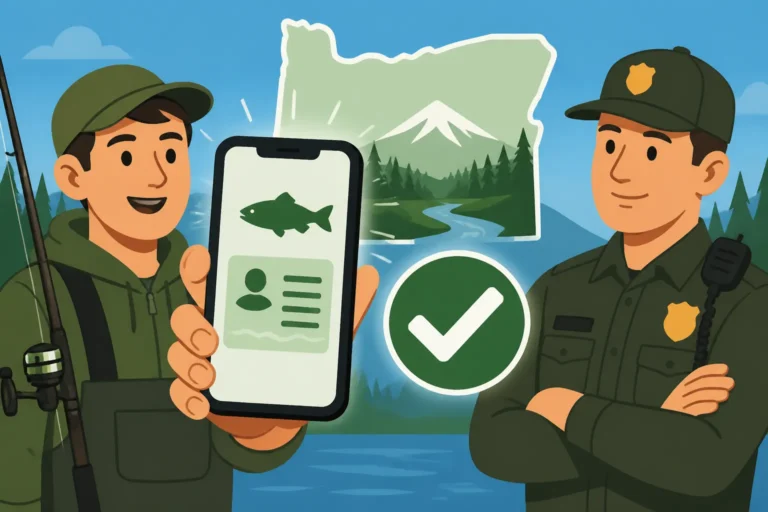
This cannot be stressed enough: always check the latest regulations immediately before your trip. Do not rely on old regulation booklets, hearsay from other anglers, or even social media posts. The official sources are the Oregon Department of Fish and Wildlife (ODFW) website and their dedicated fishing regulation app. Washington Department of Fish and Wildlife (WDFW) also has a joint Columbia River fishing rules page. These sites are updated frequently with emergency rules, quota updates, and season changes. It's often a good idea to bookmark the relevant pages on your phone or print them out if you'll be in an area with spotty service.
Think of it like checking the weather forecast before a hike; you wouldn't head into the backcountry without knowing what conditions to expect, and fishing regulations are no different. You can even sign up for email or text alerts from ODFW or WDFW to receive immediate notifications about significant regulation changes.
Gear Up for Success and Compliance
Being prepared isn't just about having the right rod and reel; it's also about having the right tools to comply with regulations.
- Measuring Device: Always carry a reliable tape measure or a marked fishing ruler. Salmon limits often include minimum or maximum size restrictions, and being able to accurately measure your catch is non-negotiable. You can find excellent, durable tape measures or rulers on platforms like Amazon that are designed for marine environments.
- Adipose Fin Clip Identification: While not a "tool" in the traditional sense, understanding how to quickly and accurately identify a fin clip is crucial. Practice looking at images or videos beforehand. If you're ever uncertain if a fish is clipped, treat it as wild and release it carefully.
- Writing Utensil for Catch Card: You need a waterproof pen or pencil to immediately fill out your Combined Angling Tag when you retain a salmon. Don't wait until you get back to shore; regulations require immediate recording. Carrying a couple of spares in your tackle box is a smart move.
- Landing Net: A sturdy, rubberized landing net is ideal for handling salmon, especially if you anticipate releasing wild fish. Rubber nets are gentler on fish scales and slime coats, increasing their survival chances.
Consider a Guided Trip, Especially for Beginners
If the complexity of Columbia River salmon fishing feels overwhelming, especially with the constant regulation changes, consider hiring a licensed fishing guide. A good guide will not only put you on fish but will also be intimately familiar with the most current regulations, ensuring your trip is compliant. They'll know the specific zones, the current bag limits, and how to properly handle and identify fish. This can be an invaluable learning experience for new anglers or those unfamiliar with the Columbia. You can explore options and learn more in our guide on Columbia River Salmon Guide Trips. Even experienced anglers sometimes hire guides when tackling a new or particularly complex fishery.
Understand Reciprocity with Washington
Fishing the mainstem Columbia River often involves shared regulations between Oregon and Washington. Generally, if you have a valid Oregon fishing license and the necessary endorsements (like the Combined Angling Tag), you can fish the mainstem Columbia River even if you launch from the Washington side, and vice-versa. However, there are nuances, especially regarding where you can land fish or if you venture into tributaries. It's crucial to understand Oregon and Washington License Reciprocity on the Columbia to avoid unintentional violations. Always check both states' regulations for the specific area you plan to fish, as state-specific rules can sometimes apply.
Disclaimer
Please remember that fishing regulations are subject to change without notice. While we strive to provide the most accurate and up-to-date information, it is the angler's responsibility to consult the official Oregon Department of Fish and Wildlife (ODFW) regulations and any emergency updates before heading out to fish.