Maupin Oregon fishing access points
Finding reliable and accessible fishing spots, especially in a popular area like Maupin, Oregon, can sometimes feel like trying to crack a secret code. You hear all the buzz about the incredible fishing, but then you're left wondering, "Okay, but where do I actually go?" It's a common frustration, and one that can quickly turn an exciting trip into a confusing quest for parking and river access. This guide is here to cut through that confusion, giving you the lowdown on the best Maupin Oregon fishing access points, so you can spend less time searching and more time with a line in the water.
Why Maupin is a Fishing Hotspot
Maupin, a charming little town nestled along the lower Deschutes River, isn't just picturesque; it's a genuine angler's paradise. For many, it's the heart of their Oregon fishing adventures, drawing enthusiasts from all over for very good reasons. The river here offers a unique blend of accessibility and incredible fishing opportunities that are hard to beat.
The Allure of the Deschutes River
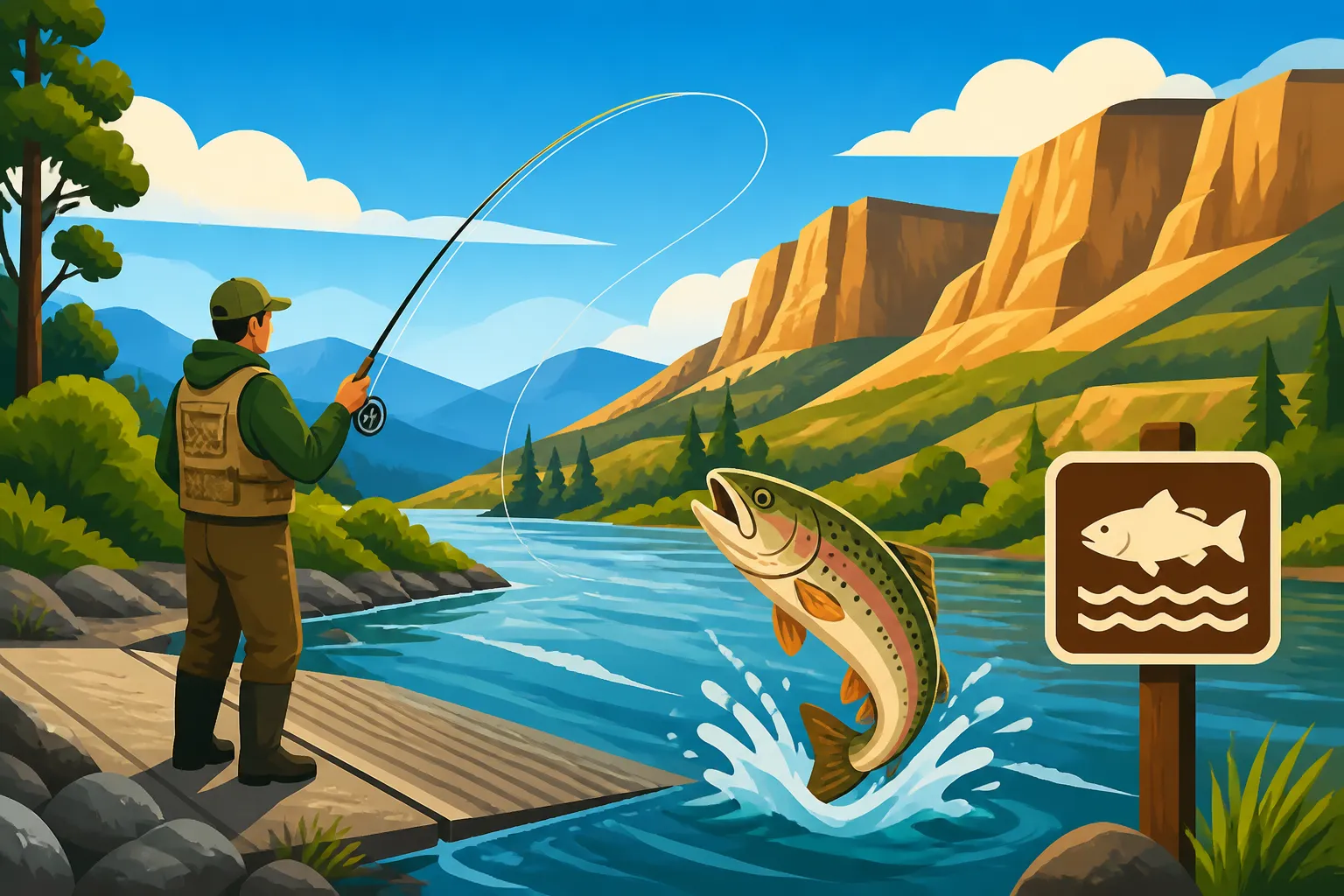
The Deschutes River is truly the crown jewel of Central Oregon fishing. It’s a freestone river, meaning its flow isn't primarily regulated by dams (though there are some upstream), allowing for a more natural, vibrant ecosystem. This river is renowned for its prolific salmonfly hatches, exceptional redband trout population, and the legendary summer steelhead runs. What makes the Deschutes near Maupin particularly special is the varied water it presents: swift riffles, deep pools, slow glides, and rocky sections that provide diverse habitats for fish and challenging, rewarding experiences for anglers. It's not just a river; it's an experience, a living tapestry of Oregon's natural beauty and angling heritage. Whether you're a seasoned fly-fisher or just looking to cast a line, the Deschutes has a way of captivating you.
Seasonal Opportunities and Target Species
One of the great joys of fishing in Maupin is the year-round potential for diverse catches. Each season brings its own flavor and target species, ensuring there's always something biting if you know where to look.
- Spring (April-May): This is prime time for the famous salmonfly hatch, a spectacle that draws fly anglers from across the globe. During this period, large redband trout gorge themselves on these enormous insects, making for exhilarating dry fly fishing. It's also when you might encounter some early steelhead pushing upriver.
- Summer (June-September): Summer is synonymous with steelhead on the Deschutes. These chrome beauties are challenging and rewarding, with many anglers pursuing them with swung flies or indicator nymphing. The trout fishing remains strong throughout the summer, often shifting to caddis hatches and terrestrials like hoppers as the weather warms. For detailed insights, check out our guide on Summer Steelhead in Oregon.
- Fall (October-November): As temperatures drop, the river continues to offer excellent steelhead fishing, often with fewer crowds. Trout fishing can also be fantastic as fish prepare for winter, aggressively feeding on nymphs and streamers.
- Winter (December-March): While many anglers pack away their gear, the Deschutes still holds opportunities. Whitefish are abundant and provide consistent action, and hardy anglers might even find winter trout willing to bite, especially on warmer, sunny days. It’s also a great time for solitude on the river.
Understanding these seasons and what species you're likely to encounter can significantly enhance your trip planning. Our comprehensive Oregon Fishing Seasons Explained dives deeper into these cycles across the state.
Essential Access Points for Anglers in Maupin
When you're heading to Maupin, knowing exactly where to put in or find a comfortable bank to fish from is key. The beauty of this area is that many of the best spots are easily accessible, offering a mix of facilities and fishing experiences.
Maupin City Park & Deschutes River Access
Right in the heart of Maupin, you'll find the Maupin City Park, which offers fantastic, straightforward access to the Deschutes River. This isn't just a park with a nice view; it's a central hub for anglers. There's ample parking, restrooms, and often a boat launch designed for rafts, drift boats, and kayaks. The river stretch immediately around the park provides excellent wading opportunities, particularly for those targeting trout with either flies or conventional gear. You'll find a mix of riffles and deeper runs here, making it a versatile spot for different techniques. It's a great place to start your day, get a feel for the river, and often, you'll see local guides launching their trips here. If you're wondering about general Oregon Fishing Techniques for Beginners, this is a solid place to practice.
Beavertail Campground & River Access
Just a short drive south of Maupin, the Beavertail Campground is another incredibly popular and well-loved access point. Managed by the Bureau of Land Management (BLM), this campground offers developed campsites, making it perfect for those who want to wake up and literally walk to the river. The access here is generally good for both bank fishing and wading, with several trails leading down to the water. It’s a little more spread out than the city park, offering a bit more solitude. Many anglers use Beavertail as a basecamp for exploring the lower Deschutes, and it's a fantastic spot for targeting steelhead during their summer and fall runs. The river here flows through a scenic canyon, providing stunning backdrops to your fishing adventures.
Mack's Canyon Day Use Area
Further downstream from Maupin, but still a crucial access point, is Mack's Canyon. This area is usually the take-out point for multi-day float trips down the lower Deschutes, but it also provides excellent day-use access. The drive can be a bit more remote, but it's well worth it for the incredible scenery and fantastic fishing. Mack's Canyon often sees strong steelhead numbers, especially later in the season. There are designated parking areas and river access points, though wading can be more challenging in certain sections due to deeper water and swifter currents. This spot is generally favored by more experienced anglers or those looking for a different challenge than the immediate Maupin area provides.
Other Notable Public Access Points
The Deschutes River canyon offers numerous other public access points, though some might require a bit more navigation or a willingness to hike.
- Kaskela: Located upstream from Maupin, Kaskela is another BLM site with camping and good river access. It's often less crowded than Beavertail and offers similar fishing opportunities for trout and steelhead.
- North Junction: This is often a popular put-in for shorter float trips or a bank fishing spot easily reachable from the highway. It provides access to some productive trout water.
- Warm Springs: While not directly in Maupin, the Warm Springs section of the Deschutes (which is on the Warm Springs Indian Reservation) is world-renowned for its fly-fishing. Access requires a tribal permit in addition to your state license, and regulations are strictly enforced. This area is highly sought after for its pristine waters and trophy trout.
Finding these spots sometimes means exploring a bit, but the rewards are often spectacular. Always look for official signage or check local maps before venturing off paved roads.
Navigating Regulations and Preparations
Fishing in Oregon, especially on a blue-ribbon river like the Deschutes, comes with its own set of rules designed to protect the resource and ensure sustainable fishing for generations to come. Ignoring these regulations isn't just risky; it can lead to hefty fines and impact the health of the fishery.
Understanding Deschutes River Regulations
The Deschutes River has specific regulations that can differ from general statewide rules. It's not uncommon for anglers to feel a bit overwhelmed by the complexity, but it’s crucial to understand them. For instance, much of the Deschutes in the Maupin area is designated "fly-fishing only" with barbless hooks required for certain species, particularly when targeting steelhead. You'll also encounter specific bait restrictions, catch-and-release rules for wild fish, and daily bag limits that vary by species and time of year.
The Oregon Department of Fish and Wildlife (ODFW) publishes a detailed regulation booklet annually, which is an absolute must-have. You can often pick one up at any license vendor or download it online. Our comprehensive guide, Oregon Fishing Regulations Explained, offers a detailed breakdown that can help you decipher these rules before you even leave home. Always double-check the latest regulations, as emergency closures or changes can occur throughout the season due to environmental factors or fish runs.
Gear Essentials for Maupin Fishing
Preparing your gear for a Maupin trip means thinking about the specific techniques you'll employ and the fish you're targeting.
- Fly Fishing: If you're coming for the famous Deschutes fly fishing, a 9-foot, 5 or 6-weight rod is excellent for trout, especially during hatch seasons. For steelhead, an 8-weight single-hand or a 6/7 weight spey/switch rod is more appropriate. Make sure you have a reliable reel with a smooth drag and plenty of backing. A good selection of flies, from stoneflies and caddis to nymphs and streamers, will be essential. Don't forget tippet, leader, strike indicators, and a net with a rubber mesh to protect the fish.
- Spin Fishing: For those who prefer spin fishing (where allowed), a medium-light spinning rod (7-8 feet) with a matching reel spooled with 8-12 lb test line is generally suitable for trout. For steelhead, you might want to bump up to a medium-heavy rod and line. A variety of spinners, spoons, and bait (where legal, typically roe or worms) will cover most scenarios. Our Oregon Bait and Lure Guide provides excellent suggestions for what works best.
- Waders and Boots: The Deschutes is primarily a wading river. High-quality, breathable waders and sturdy wading boots with good grip (felt or rubber with studs are popular) are non-negotiable. The river bottom can be rocky and slick, so safety first!
- Other Essentials: Sunscreen, a hat, polarized sunglasses (to spot fish and protect your eyes), a fishing vest or pack, nippers, forceps, and plenty of water are all crucial. A first-aid kit is always a good idea when you're out in the elements.
Licensing and Endorsements
This is perhaps the most fundamental requirement, and one that often causes confusion, especially for new anglers or visitors from out of state. Every angler 12 years of age and older needs a valid Oregon fishing license to fish in public waters. This isn't just a suggestion; it's the law.
- Oregon Fishing License: You'll need a general angling license. The cost varies for residents versus non-residents, and there are options for annual, multi-day, or even single-day licenses. For example, if you're curious about the general costs, you might want to look into How much is a fishing license in Oregon for 2026.
- Combined Angling Tag: If you plan on keeping salmon, steelhead, or sturgeon, you'll need to purchase a Combined Angling Tag in addition to your license. This tag serves as a catch record, and you must accurately record your harvest. Understand your Oregon Catch Record Card Requirements to avoid issues.
- Endorsements: While the Columbia River Basin Endorsement is vital for fishing in the mainstem Columbia, it’s not typically required for fishing the Deschutes River itself unless you venture very far downstream near its confluence with the Columbia. Always check the ODFW regulations to be sure.
You can easily purchase your license online through the ODFW website, at many sporting goods stores like Bi-Mart or Fred Meyer, or through authorized vendors in Maupin. Our guide on Where to Buy an Oregon Fishing License offers all the details you'll need. Make sure your license is easily accessible while fishing, whether it's a printed copy or on your phone as proof.
Practical Tips for a Successful Maupin Trip
Planning your fishing trip to Maupin involves more than just knowing where to cast a line and what regulations to follow. A few practical tips can make all the difference between a good trip and a truly memorable one.
Best Times to Visit for Specific Species
Timing is everything, and knowing the peak seasons for your desired catch can dramatically increase your chances of success.
- Trout (Redband): While available year-round, spring and fall offer exceptional trout fishing. In spring (April-May), the big insect hatches like salmonflies and golden stones bring large trout to the surface. In fall (September-October), trout are actively feeding, providing consistent nymphing and streamer opportunities.
- Steelhead: The Deschutes is famous for its summer steelhead, with runs typically starting in June and extending through November. Peak season often falls between August and October. For dedicated steelhead anglers, reviewing Oregon Steelhead Fishing Techniques will be invaluable.
- Whitefish: These often-overlooked fish are abundant in the Deschutes and provide excellent action, especially during the colder months when other species are less active. They are a great way to stay engaged on the river when trout or steelhead fishing is slow.
For a broader understanding of the region's fishing calendar, our Best Time of Year to Fish in Oregon is a helpful resource.
Safety Considerations on the River
The Deschutes River, while beautiful, is a powerful natural force, and safety should always be your top priority.
- Wading Safety: The currents can be strong, and the river bottom uneven and slippery. Always use a wading staff for balance, and never wade beyond your comfort level or in water too deep for your waders. It's wise to wear a wading belt to prevent water from rushing into your waders if you do take a tumble.
- River Currents: Be mindful of changing water levels and currents, especially if you plan to float or use a boat. Always check current conditions before heading out.
- Weather: Maupin can experience significant temperature swings, even within a single day. Dress in layers, bring rain gear, and be prepared for both hot sun and sudden cold snaps. The sun reflecting off the water can be intense, so adequate sun protection is crucial.
- Wildlife: The area is home to diverse wildlife, including rattlesnakes. Be aware of your surroundings, especially when walking through brushy areas or near rocky outcrops.
- Solo vs. Buddy System: While solo fishing can be a peaceful experience, it's always safer to fish with a buddy, or at least let someone know your float plan and expected return time.
Accommodation and Local Services
Maupin is small but well-equipped to support anglers. You'll find a few lodging options, from motels to vacation rentals and campgrounds. Many anglers opt for the simplicity of staying at one of the BLM campgrounds like Beavertail or Kaskela.
- Local Shops: Maupin has tackle shops and general stores where you can pick up last-minute gear, bait (where allowed), flies, snacks, and drinks. These local businesses are also fantastic sources of up-to-date information on river conditions and what’s biting.
- Fishing Guides: For those new to the area or looking to maximize their success, hiring a local guide is highly recommended. A good guide knows the river intimately, understands the nuances of the regulations, and can teach you effective How to Fly Fish in Oregon techniques for the Deschutes. Platforms like FishingBooker can help you find reputable local guides who specialize in the Deschutes River and can tailor a trip to your experience level and target species. They often provide all the necessary gear and can simplify the entire experience, from navigating access points to understanding the bite.
Taking advantage of these local services can turn a good fishing trip into an exceptional one, especially when you're exploring new waters.
Maupin Oregon Fishing Access Points: At a Glance
To help you quickly decide where to focus your efforts, here's a brief overview of the main access points in and around Maupin:
| Access Point | Location Relative to Maupin | Primary Features | Best For | Access Type |
|---|---|---|---|---|
| Maupin City Park | In Town | Parking, Restrooms, Boat Launch (rafts/drift boats) | Easy bank access, Wading, Trout, Steelhead | Paved, Drive-up |
| Beavertail Campground (BLM) | South of Maupin (5-10 min) | Camping, Restrooms, Trails to River | Bank fishing, Wading, Trout, Steelhead (basecamp) | Gravel Road, Drive-up |
| Mack's Canyon Day Use Area | North of Maupin (30-45 min) | Parking, Take-out for floats, Remote | Steelhead, Solitude, Experienced Waders | Gravel Road, Drive-up |
| Kaskela Campground (BLM) | Upstream of Maupin (15-20 min) | Camping, Basic Facilities, Trails to River | Bank fishing, Wading, Trout, Steelhead | Gravel Road, Drive-up |
| North Junction | Upstream of Maupin (5-10 min) | Parking, Put-in for shorter floats | Trout, Bank fishing | Paved, Drive-up |
This table should give you a quick reference when you're planning your day on the river. Remember to always consult detailed maps and current conditions before heading out, as road conditions and river access can sometimes change. Many local guides listed on FishingBooker also use these access points, so if you're going with a pro, they'll handle the logistics!
Disclaimer
Please note that fishing regulations, access points, and river conditions can change frequently. Always consult the latest Oregon Department of Fish and Wildlife (ODFW) regulations and local advisories before planning your trip. The information provided here is for general guidance only.