Klamath Lake Fishing Guide
Oh, Upper Klamath Lake. Just the mention of it can bring a mix of awe and a little bit of head-scratching to even the most seasoned Oregon angler. It's a vast, often challenging, but incredibly rewarding body of water, and figuring out its secrets can feel like a daunting task. Many folks get out there, see its sheer size and shallowness, and wonder where on earth to even begin, especially when you're dreaming of those legendary trophy Redband Trout. This guide is here to unravel those mysteries, offering a comprehensive look at how to tackle Klamath Lake, from understanding its unique environment to mastering the techniques that will put fish in your net.
Understanding Upper Klamath Lake's Unique Environment
Upper Klamath Lake isn't your typical Oregon fishing hole. It's a colossal body of water, stretching for miles, but surprisingly shallow for its size. This unique combination creates a dynamic and sometimes challenging environment that profoundly impacts fishing throughout the year. Understanding these characteristics is the first step to unlocking its potential.
The Lake's Geography and Depth Profile
Imagine looking out over a freshwater sea – that's often what Upper Klamath Lake feels like. It's the largest freshwater lake by surface area in Oregon, encompassing roughly 90,000 acres, yet its average depth is only about 8 to 14 feet. There are deeper channels, of course, some reaching up to 50 feet, but these are exceptions rather than the norm. This expansive, shallow nature means the water warms up quickly in the summer, and fishing spots can be influenced by even slight changes in wind and temperature across the vast expanse. It's not a lake where you can just drop anchor anywhere and expect results; knowing the subtle changes in contour and structure, even in shallow water, becomes paramount. The sheer size alone can be intimidating, making it difficult to pinpoint where fish might be holding without some prior knowledge or local insight.
Furthermore, the lake's bottom is predominantly soft mud and silt, which can be easily stirred up by wind and boat traffic. This can lead to decreased visibility, especially in shallower areas. While certain areas near the mouth of tributaries or around rocky structures might offer different bottom compositions, for the most part, you'll be dealing with a soft, nutrient-rich environment. This rich substrate, combined with warm summer temperatures, sets the stage for the lake's most prominent seasonal characteristic: massive algae blooms.
Water Quality and Seasonal Algae Blooms
The bane of many a summer angler's existence on Upper Klamath Lake is the infamous algae bloom. While the lake's rich ecosystem supports a thriving fishery, particularly for its native fish species, these blooms can be truly epic in scale. They typically begin in late spring and intensify throughout the summer, reaching their peak in July and August. These cyanobacteria blooms, often referred to as blue-green algae, can cover vast portions of the lake, making fishing incredibly challenging, if not downright impossible, in affected areas. The dense mats of algae can foul lines, clog trolling motors, and reduce water clarity to mere inches.
Beyond the physical nuisance, these blooms can significantly impact fish behavior. Fish tend to seek out clearer, cooler, and more oxygenated water during these periods, often retreating to deeper channels, areas near spring-fed inputs, or closer to tributary mouths. Understanding the lake's current water quality conditions, which you can often find through local reports or ODFW updates, is vital for planning a successful trip. While these blooms are a natural part of the lake's cycle, they require anglers to be adaptable and strategic, often shifting tactics or targeting specific times of day or areas that offer a temporary reprieve from the green soup. It's a frustrating reality for many, but one that dedicated Klamath Lake anglers learn to navigate.
Target Species and Prime Fishing Opportunities
While Upper Klamath Lake's ecosystem is complex, it's primarily known for one truly spectacular fish, alongside some other fun opportunities. Knowing what you're after and when to pursue them is key to a rewarding trip.
The Legendary Redband Trout Fishery
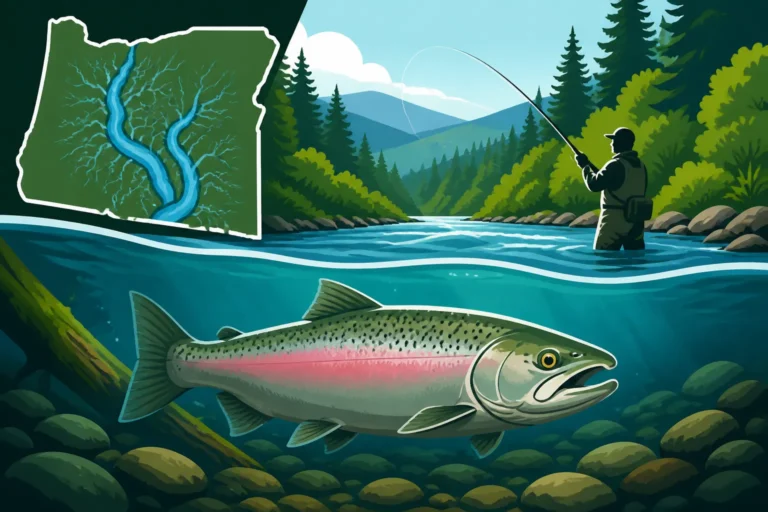
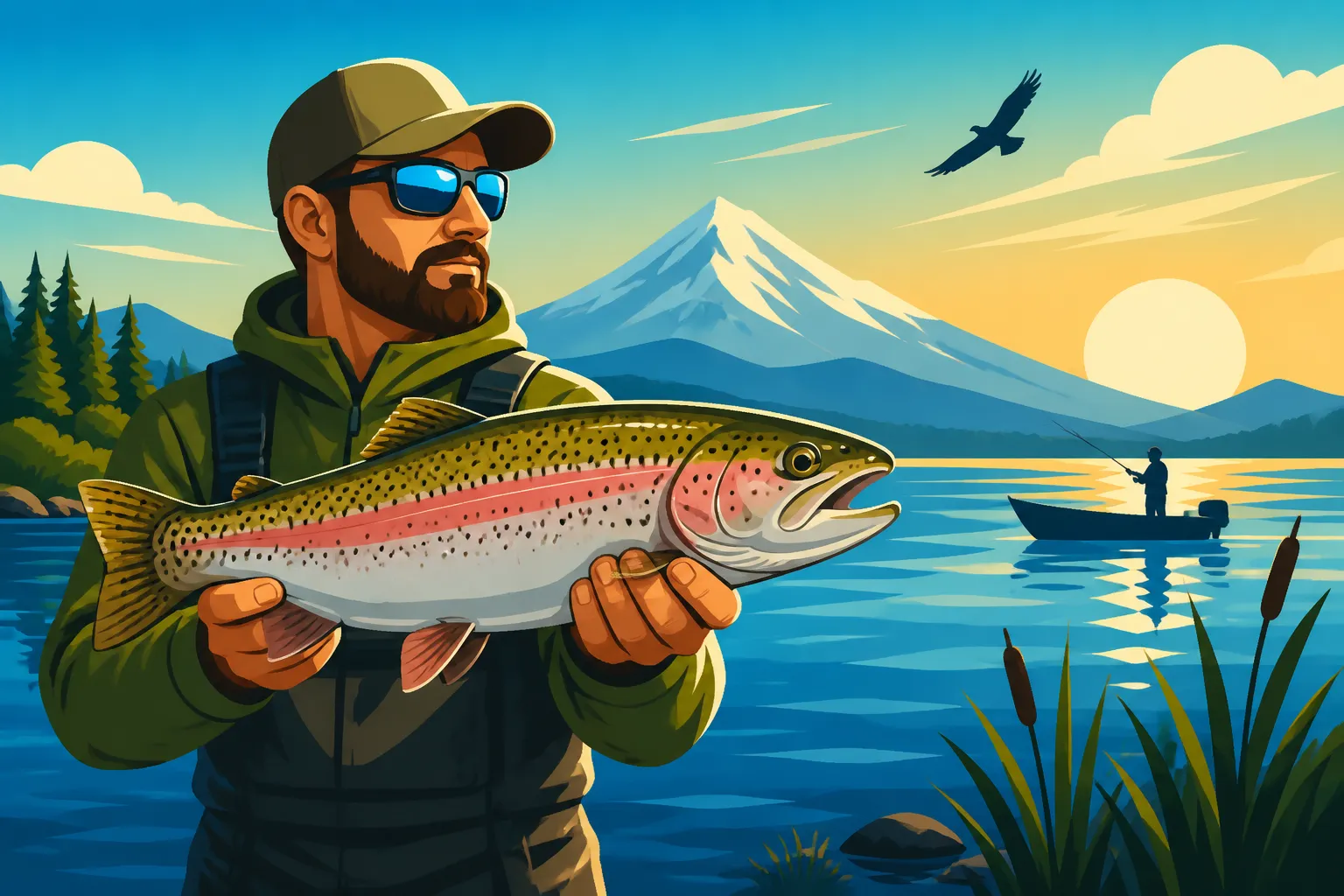
If you've heard anything about fishing Upper Klamath Lake, it's likely been about its gargantuan native Redband Trout. These aren't your average stocked rainbows; these fish are a unique subspecies, adapted to the lake's specific environment, and they grow to truly impressive sizes. We're talking about trout that regularly push 20-25 inches, with genuine trophy specimens exceeding 10 pounds, and sometimes even 30 inches or more! They are known for their vibrant red stripe and incredibly strong fight. These fish are a protected species, and fishing for them is primarily catch-and-release, often requiring a single barbless hook. Their survival depends on careful handling, so being prepared with the right release tools is crucial. You can learn more about Oregon Trout Species Guide to understand their unique characteristics.
The Redbands are largely piscivorous, meaning they eat other fish, particularly the abundant Tui Chub, which is a key forage base in the lake. This diet contributes to their phenomenal growth rates. They are also migratory, moving between the main lake and its tributaries like the Williamson and Wood Rivers for spawning. This migratory behavior significantly impacts when and where you can find them in the lake. In spring and early summer, before the worst of the algae blooms, they can be found throughout the lake, often cruising the shallower flats in search of food. As the water warms and algae thickens, they tend to move to deeper, cooler, and clearer pockets of water, or concentrate near river mouths. This makes understanding Oregon Fishing Season Dates and Limits crucial for planning your pursuit of these magnificent fish.
Diverse Warmwater Species
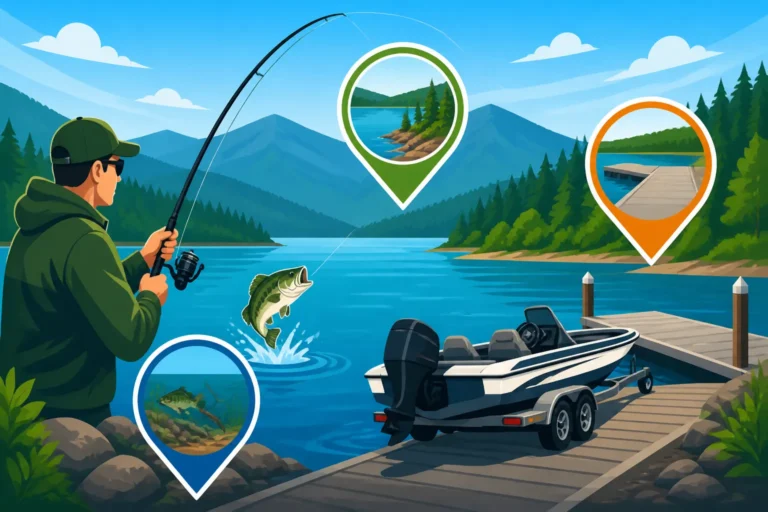
While the Redband Trout get all the glory, Upper Klamath Lake also offers some excellent fishing for warmwater species, particularly Crappie, Yellow Perch, and Largemouth Bass. These species thrive in the shallower, warmer sections of the lake and can provide fantastic action, especially during the summer months when Redband fishing might be tougher due to algae. If you're looking for consistent bites and a chance to fill a cooler, these are your targets. For more on these species, you can check out the Oregon Panfish Guide or the Oregon Bass Fishing Guide.
Crappie can be found in abundance, often schooling up in areas with submerged brush, weed beds, or around man-made structures like docks. They offer a fast-paced fishing experience and are excellent table fare. Yellow Perch, another schooling species, are also plentiful and readily caught on small jigs or bait. Both crappie and perch are great targets for families or anglers looking for less demanding fishing. Largemouth Bass, while not as numerous as crappie or perch, can grow to respectable sizes in the lake's warmer backwaters and sloughs, particularly those with good cover. They provide a thrilling fight and are a challenging sport fish for those who enjoy targeting them with artificial lures. Fishing for these species can often be a great alternative, ensuring a productive day on the water even when the Redbands are elusive.
Effective Fishing Techniques for Klamath Lake
Success on Upper Klamath Lake often boils down to employing the right techniques for the right species and conditions. It's a blend of traditional methods and some specific adaptations for this unique environment.
Trolling for Trophy Redbands
Trolling is hands down the most popular and often most effective method for targeting large Redband Trout on Upper Klamath Lake. Given the lake's vastness, covering water efficiently is crucial, and trolling allows you to do just that. Anglers typically use specialized trolling gear, often with downriggers or leaded line to get lures down to the desired depth, which can vary greatly depending on the season and water conditions. In cooler months or clearer water, Redbands might be closer to the surface, but during warmer periods, they'll often hug the bottom or deeper channels. The key is to run your lures just above the fish or slightly off the bottom where they're feeding.
Lure selection is paramount for Redbands. Flatfish, Kwikfish, and various spoons like Gibbs-Delta Coho spoons or Doctor Spoons are perennial favorites, often tipped with a piece of bait like an anchovy or sardine for added scent and appeal. The exact color and size can vary day to day, so it pays to experiment. Many successful anglers swear by specific color combinations, often mimicking the Tui Chub forage base, such as silver, black, chartreuse, or even a mix of iridescent purples and blues. Pay close attention to your speed; often a slower troll is more effective for these big trout, allowing the lure to work its action enticingly. Keeping an eye on your fish finder for bait balls or individual fish is also critical for targeting productive areas, often found along subtle depth changes or near submerged creek channels.
Bait Fishing for Consistent Action
While trolling might be king for the trophy Redbands, bait fishing is a highly effective and often simpler method for catching the lake's abundant warmwater species, and even smaller trout. For crappie and yellow perch, bait fishing offers consistent action, making it a great choice for beginners or families. Small jigs tipped with worms or grubs, fished under a bobber, are deadly for schooling panfish, especially around submerged structure or weed lines. Nightcrawlers, red worms, or even pieces of cut bait can also entice a variety of species.
When targeting Redbands with bait, the strategy shifts a bit. Many anglers will anchor up in known feeding lanes or near tributary mouths, presenting baits such as PowerBait, worms, or even clusters of salmon eggs on the bottom. Using a slip sinker rig allows the fish to pick up the bait without feeling immediate resistance, which can be crucial for enticing larger, wary trout. It's a more relaxed approach than trolling, but equally effective when fish are holding in specific areas. Just remember to use appropriate tackle for the size of fish you might encounter; even small trout can put up a respectable fight, and a large Redband will test your gear to its limits. This method is often fantastic for targeting specific areas where you've marked fish on your sonar.
Fly Fishing in Specific Conditions
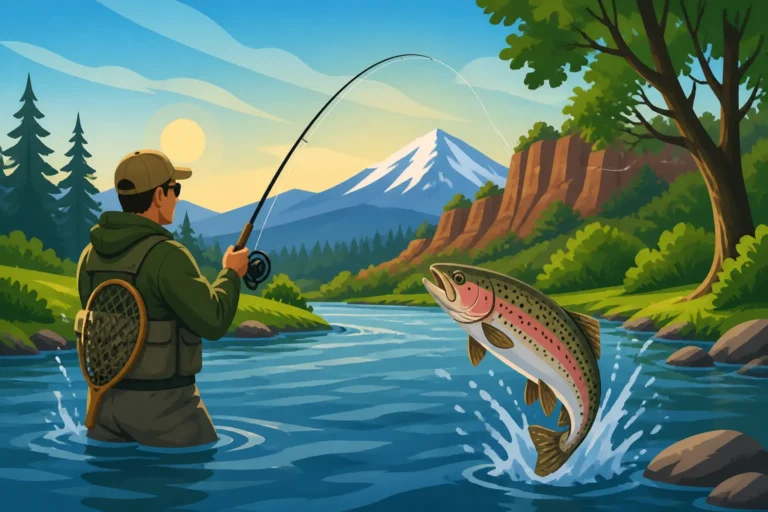
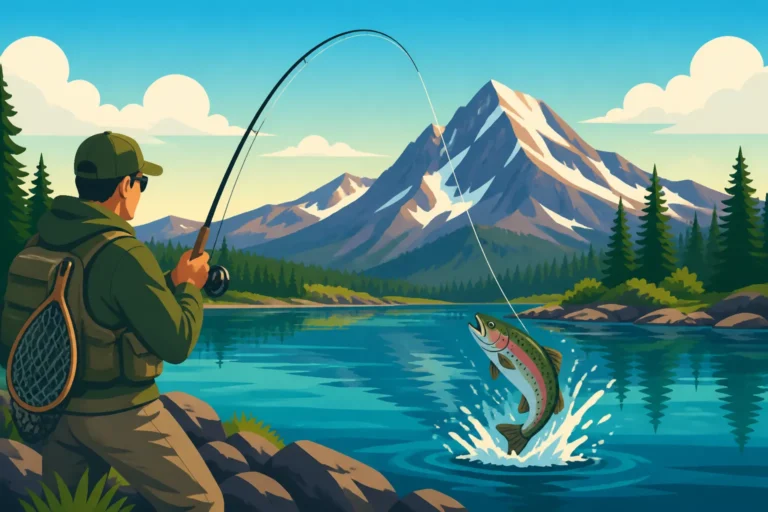
Fly fishing on Upper Klamath Lake is definitely possible, though it requires specific conditions and a more targeted approach than river fly fishing. It's generally most effective in the spring and fall when water temperatures are cooler and algae blooms are minimal. During these times, the Redbands can be found actively feeding on insects and baitfish closer to the surface or along shallower flats. Large streamer patterns that imitate Tui Chub or sculpins are highly effective, fished with a sinking line. Think large articulated flies in olive, black, or natural baitfish colors.
Specific areas, like the mouths of the Williamson and Wood Rivers, or certain clearer channels and springs within the lake, can offer prime fly-fishing opportunities. Stripping streamers through these areas, or even presenting large nymphs or leeches in calmer conditions, can lead to incredible hookups with powerful Redbands. It's a physically demanding style of fishing on such a large lake, often requiring long casts and constant stripping, but the reward of landing a Klamath Redband on a fly rod is truly something special. Patience and adaptability are key; the lake's conditions can change rapidly, and being able to adjust your retrieve, depth, and fly pattern is essential.
Navigating Seasonal Challenges and Opportunities
Upper Klamath Lake is a fishery that changes dramatically with the seasons. What works in spring won't necessarily work in summer, and understanding these shifts is crucial for planning a successful trip.
Spring and Early Summer Prospects
Spring is often considered the prime time to fish Upper Klamath Lake for trophy Redband Trout. As ice recedes and water temperatures begin to rise, these magnificent fish become incredibly active, cruising the shallows and feeding aggressively after the long winter. The water clarity is generally at its best during these months, before the intense summer sun triggers the massive algae blooms. Anglers targeting Redbands will find success trolling various lures and bait presentations across the vast flats and along the edges of channels. This is when the fish are more spread out and actively chasing prey.
As late spring transitions into early summer, the fishing can remain excellent, but you'll start to notice the first signs of the coming algae. The Redbands will still be active, but they might begin to gravitate towards slightly deeper areas or areas with more water movement and cooler temperatures, such as near the mouths of the Williamson and Wood Rivers. This period also sees a surge in activity for the warmwater species like crappie and perch. They'll be moving into shallower areas to spawn and feed, offering fantastic opportunities for anglers with lighter tackle. It's a transition period where you can effectively target both trout and panfish, often in different areas of the lake.
Late Summer and Fall Challenges
Late summer, typically from July through September, presents the biggest challenge for anglers on Upper Klamath Lake. This is when the notorious blue-green algae blooms are at their most intense, often covering vast portions of the lake with thick, impenetrable mats. The water can become very warm, and oxygen levels in some areas can drop, making it difficult for fish to thrive. During these periods, Redband Trout will retreat to cooler, clearer, and deeper waters. Locating these isolated pockets of good water, often near the deepest channels or close to cold spring inputs, becomes the primary challenge. Trolling in these specific areas, or focusing your efforts very early in the morning or late in the evening when surface temperatures are cooler, can still yield results.
Fall brings a welcome change as water temperatures begin to cool, and the algae blooms gradually subside. This can kickstart another excellent period for Redband Trout fishing, particularly in late September and October. As the water clears and cools, the trout become more active again, often moving back into shallower feeding areas before they begin their winter patterns. The warmwater species also remain active through early fall, providing a diverse fishery. Winter fishing is generally slow, with ice forming in some areas, but hardy anglers might still find success trolling deep for sluggish Redbands in open water, or targeting hardy panfish. Always check local regulations, as Oregon Fishing Regulations Explained can have specific details for different times of the year on this particular lake.
Access, Logistics, and Local Expertise
Fishing a body of water as vast and unique as Upper Klamath Lake requires some thought about how you'll get there, where you'll launch, and whether a little local help might make all the difference.
Prime Access Points and Boat Ramps
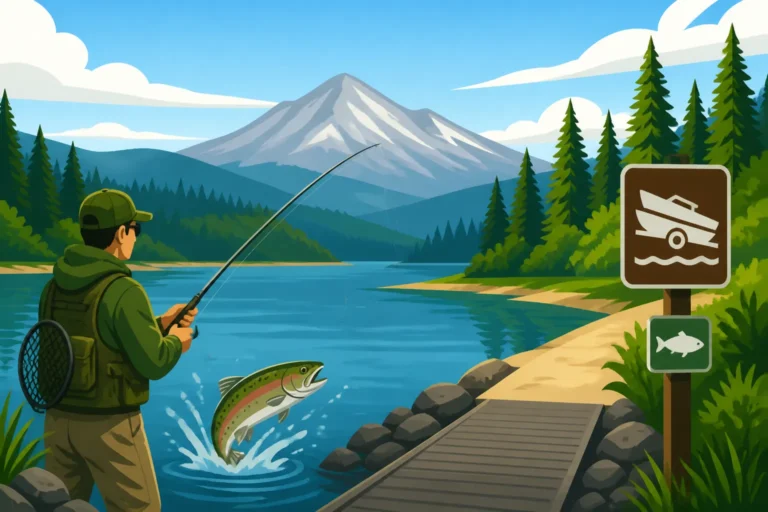
Given the lake's size, having good access is crucial. Most anglers will need a boat to effectively fish Upper Klamath Lake, and there are several public boat ramps available. The most popular and well-maintained ramps are often found near the city of Klamath Falls, which is situated at the southern end of the lake. The Rocky Point Resort area on the western side is another excellent access point, especially for those looking to fish the upper end of the lake and the mouth of the Wood River. This area offers a more serene experience, with beautiful views and immediate access to prime fishing grounds.
Another key access point is the Modoc Point area, further north on the eastern shore. This ramp provides good access to the mid-lake region and can be a strategic starting point depending on wind conditions and where the fish are holding. When planning your trip, consider the prevailing winds, as strong gusts can make launching and retrieving a small boat challenging on such a large, open body of water. Always check ramp conditions before you go, especially during periods of low water, which can occasionally affect usability. Having a reliable boat and knowledge of these key access points is paramount for a successful outing.
Hiring a Local Guide for Optimal Success
For anglers new to Upper Klamath Lake, or those looking to maximize their chances of success, hiring a local fishing guide is an absolute game-changer. This lake is not one where you can simply show up and expect to figure it out quickly; its nuances, from the algae blooms to the Redband's elusive nature, require intimate knowledge. A professional guide will have up-to-the-minute information on where the fish are biting, what lures and techniques are working best, and how to navigate the ever-changing conditions. They'll also know the lake's regulations like the back of their hand, ensuring you're compliant with Oregon Fishing License Guide and specific Redband rules.
Guides often have specialized boats and equipment perfectly suited for the lake, from trolling setups to fish finders capable of identifying subtle depth changes where Redbands might be hiding. They can significantly cut down on your learning curve, turning a potentially frustrating trip into a memorable one. Websites like FishingBooker are excellent resources for finding reputable, licensed guides who specialize in Upper Klamath Lake. You can browse different guides, read reviews from other anglers, and compare their offerings to find the perfect fit for your trip, whether you're chasing trophy Redbands or looking for a fun day catching panfish. It’s an investment that often pays dividends in both fish caught and lessons learned.
Conservation and Responsible Angling on Klamath Lake
Upper Klamath Lake is a precious natural resource, home to unique and vulnerable species, particularly its iconic Redband Trout. As anglers, we have a responsibility to protect this environment and its inhabitants for future generations.
Respecting the Ecosystem and Catch-and-Release Practices
The native Redband Trout in Upper Klamath Lake are a true testament to Oregon's natural heritage, and their population requires careful management. For this reason, Redband Trout fishing on the lake is primarily catch-and-release, often requiring the use of single, barbless hooks. This isn't just a suggestion; it's a critical practice to ensure these large, long-lived fish survive to reproduce and provide ongoing angling opportunities. When you hook a Redband, prioritize its health and quick release. Have your camera ready before you even bring the fish into the boat, and minimize its time out of water.
Use a knotless rubber landing net to protect their slime coat and fins. Handle them gently with wet hands, supporting their body weight, especially if they are large. Avoid placing them on dry surfaces or in direct sunlight. If possible, remove the hook while the fish is still in the water. If the hook is deeply set, cutting the line near the hook is often the best course of action, as hooks will generally rust out. Being mindful of the lake's overall health also means practicing "leave no trace" principles: pack out all your trash, avoid disturbing nesting birds, and be aware of sensitive aquatic vegetation. Every angler plays a role in preserving the beauty and productivity of this incredible lake.
Understanding Special Regulations and Advisory Warnings
Upper Klamath Lake, due to its unique ecosystem and the presence of protected species, often has specific regulations that differ from general statewide Oregon Fishing Regulations Explained. It is absolutely crucial to consult the most current Oregon Department of Fish and Wildlife (ODFW) fishing regulations booklet before heading out. These regulations can cover everything from daily bag limits (especially for warmwater species), size restrictions, specific gear requirements (like single barbless hooks for trout), and even seasonal closures for certain areas or species. Ignoring these rules can lead to hefty fines and impact the very fishery we love.
Beyond the standard regulations, anglers must also pay close attention to ODFW advisory warnings, particularly concerning water quality. As mentioned, blue-green algae blooms are a recurring issue in late summer. ODFW will issue health advisories if toxin levels in the water become unsafe for humans or pets. While these advisories are primarily for public health, they can also signal poor fishing conditions for trout, as fish seek refuge from poor water quality. Staying informed through official ODFW channels or local tackle shops is not just about compliance, but also about safety and planning a productive and enjoyable trip. For instance, sometimes Oregon Catch Record Card Requirements might have specific rules for certain species on this lake.
| Target Species | Best Time of Year | Preferred Techniques | Common Baits/Lures | General Notes |
|---|---|---|---|---|
| Redband Trout | Spring, Early Summer, Fall | Trolling, Fly Fishing (specific areas/conditions) | Flatfish, Kwikfish, Spoons (w/anchovy), Streamers | Catch & Release; single, barbless hooks often required; seek cooler, clearer water. |
| Crappie | Spring, Summer | Jigging, Bobber Fishing | Small Jigs (tipped with worms/grubs), Live Minnows | Found in schools near structure/cover; excellent eating. |
| Yellow Perch | Spring, Summer | Jigging, Bobber Fishing, Still Fishing | Small Jigs, Worms, Cut Bait | Abundant, easy to catch; good for beginners. |
| Largemouth Bass | Late Spring, Summer | Casting (Spinnerbaits, Jigs), Topwater (early/late) | Plastic Worms, Spinnerbaits, Crankbaits, Frogs | Target lily pads, weed lines, submerged timber in warmer sloughs. |
Disclaimer
Please remember that fishing regulations and conditions on Upper Klamath Lake can change. Always consult the latest Oregon Department of Fish and Wildlife (ODFW) regulations before your trip. The information provided here is for general guidance and educational purposes only.